The Impact of Artificial Intelligence on the Nature of War and Nuclear Deterrence

Strategic Council Online—Interview: An international affairs expert said: The main competition between powers in the international arena in the future will be over artificial intelligence, and the winner will play a decisive role in international developments.

In an interview with the Strategic Council on Foreign Relations website about the impact of artificial intelligence on international politics, Rahman Ghahramanpour said: This technology, like nuclear technology, is fateful, history-making, and decisive. It is not comparable to the technologies of recent years, and its scope of influence is greater than that of other technologies.

He said that information technology and artificial intelligence can affect the nature of war, communications, education, politics, and economics.

Ghahramanpour, stating that the view of artificial intelligence is both optimistic and pessimistic, said: In the optimistic view, it is assumed that artificial intelligence will improve the quality of life and communications and is a positive development in order to solve a significant part of the problems for which humanity has not found a solution, but in the pessimistic view, attention is mainly paid to its negative consequences, the most important of which is removing humans from the center and focus of the changes that began 200 years ago, as the agency and centrality of the rational human being are threatened by it, and this issue has significant consequences in the social, philosophical, economic, and other fields. He continued: Therefore, even in the age of artificial intelligence, the existence of balancing forces is important; forces that resist the negative effects of artificial intelligence and try to neutralize them. For example, if we pay attention to the impact of social networks, we will see they affect people’s minds because of the specific algorithms on the basis of which these networks were designed; meantime, the issue of misinformation or misleading information by these networks has become a significant concern.


On the other hand, ethnic, religious, and linguistic gaps are exacerbated by the activities of social networks and create a new form of gap. This is where the existence of balancing forces that stand against the dominance of cyberspace becomes important. If these technologies are not moderated through these balancing forces, it is natural that the negative effects of artificial intelligence will be far greater than their positive effects. Ghahramanpour said: Currently, in the field of artificial intelligence, the main competition is between the United States and China, and in this rivalry, Europe, Russia, and Japan are lagging and are trying to compensate for this weakness. Japan has recently started working on microchips, South Korea and Germany have also moved in this direction, and the European Union is also creating a large-scale artificial intelligence center that will be headquartered in four European countries. The UAE and Saudi Arabia have also made significant investments in artificial intelligence in the Persian Gulf region.

He continued: “The main competition between powers in the international arena in the future will be over artificial intelligence, and the competition’s winner will determine international developments. Just as nuclear technology was effective in strengthening and maintaining American hegemony after World War II, artificial intelligence can also change global equations in the current situation. In this direction, we need to see how the United States and China can exert their dominance over artificial intelligence to change global equations in their favor.”

This international affairs expert stated that there is a consensus in the United States about containing China and that Democrats during Biden’s time believed that the best way to contain China in the field of artificial intelligence was to prevent the export of advanced or nanometer chips to China. He said: The Netherlands, South Korea, the United States, and Taiwan have a joint agreement on limiting the export of chips to China, and it seems that this policy will be followed during the Trump era.

In response to the question of how much artificial intelligence can disrupt international relations, he said: There is still no clear picture to answer this question, but what is clear is that artificial intelligence is changing the nature of war and nuclear deterrence. China is researching using quantum technology to track and identify nuclear submarines, and if this capability is achieved, the concept of strategic deterrence will change, too.

Referring to some of the applications of artificial intelligence in conventional and unconventional weapons, Ghahramanpour stated: Artificial intelligence plays a significant role in the construction of conventional pinpoint missiles, which create changes in terms of volume, power, and accuracy of destruction that act like a strategic weapon, which are called “strategic non-nuclear” weapons. Another application of this technology is in constructing anti-radar weapons, disabling radars, spying on satellites in space, and preventing satellites from receiving information, which is another issue of great importance. Emphasizing that artificial intelligence will change the face of war and trade, he said: Countries are taking rapid steps in this direction, but the scope of the changes this field will create is still unclear. This issue has become so serious that the UN Security Council has also raised the issue of setting international regulations on using artificial intelligence. If a global treaty is created in this regard, we can witness an international order limiting the use of artificial intelligence, like the era after World War II.

This international affairs expert noted that the scope of AI’s impact depends on numerous factors and the type of cooperation between governments. If major governments cooperate and establish treaties in this regard, the impact will naturally differ. Unlike nuclear technology, which has been a government monopoly, AI is in the hands of private networks and companies, and its speed of becoming public is much faster and greater than that of other technologies. Therefore, this issue can make it difficult for governments to control this technology. In addition, even for governments to understand this issue takes time, and private companies can develop AI technology at high speed and in a short time.

0 Comments

LATEST CONTENT

Commercial Exploitation of Peace; The Gaza Committee in Confrontation with International Legitimacy

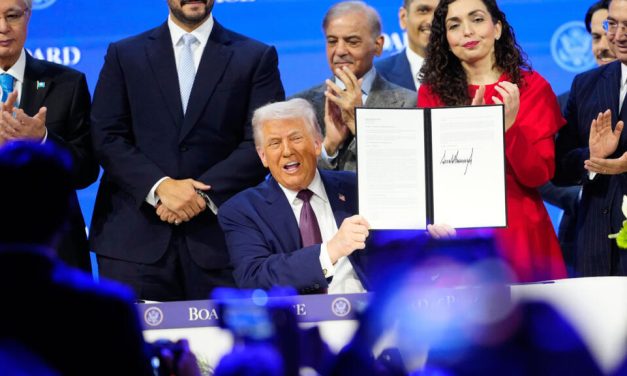
Strategic Council Online – Report: While the second phase of the implementation of the Gaza ceasefire has begun, the establishment of the “Peace Board” chaired by Donald Trump on the sidelines of the Davos meeting (22 January 2026) has become more than a technical mechanism for reconstruction and has turned into a test for the future of the international order.
Despite the signing of the charter by 22 out of 60 invited countries, the limited presence of global leaders at the Davos ceremony and the non-acceptance of this body by the European Union and key Western countries indicate a deep divide in global perceptions of the legitimacy of this mechanism.
In this report, drawing on the analysis of Hadi Borhani, a regional affairs expert, and international data, three strategic questions are addressed: Is the Peace Board an instrument for implementing UN Security Council Resolution 2803 or a substitute for the United Nations? How does the hierarchical architecture of this committee intensify executive challenges in Gaza? And finally, can this body create sustainable peace without the cooperation of Palestinians and with the concentration of power in the hands of a single individual?

America’s Zero-Sum Game in Iraq

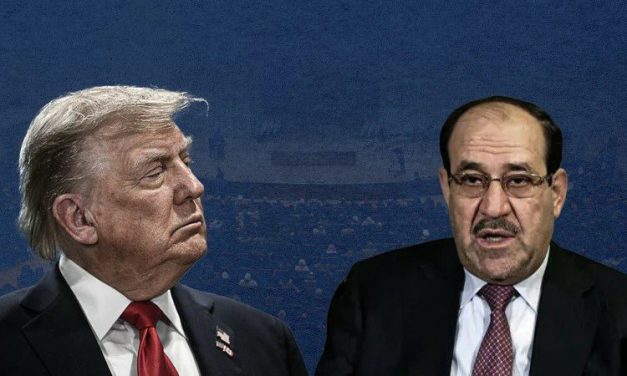
Online Strategic Council – Memoir: The swift selection of Nouri al-Maliki for the premiership constitutes a new phase in Iraq’s political sphere. Multiple factors have played a role in this process, the most important being the prevailing situation in Iraq and the region. Under such circumstances, Iraq requires a powerful and experienced prime minister who can keep the country away from the dangers of wars and crises.

America’s Strategy for Creating Tension in the Asia-Pacific

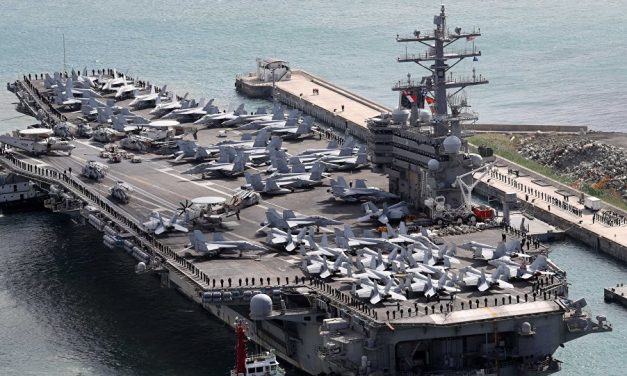
Strategic Council Online – Opinion: Relations between some countries in the Asia-Pacific region, such as China and Japan or China and Australia, which were previously relatively normal, are trending towards deterioration, and the primary reason for this is the aggressive policies of the United States of America.

The Collapse of the European Security Illusion with the Continuation of the Ukraine War?

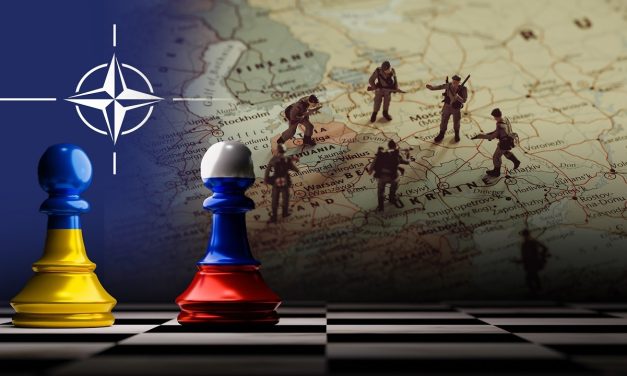
Strategic Council Online – Interview: The Ukraine war has become a new turning point in the political, security, and even commercial relations of allies on both sides of the Atlantic. While this war is nearing its fourth year, many questions still remain regarding its future and its consequences; among them, will the continuation of the Ukraine war lead to the collapse of the European security illusion?

Loading

Últimas publicaciones

Commercial Exploitation of Peace; The Gaza Committee in Confrontation with International Legitimacy

Strategic Council Online – Report: While the second phase of the implementation of the Gaza ceasefire has begun, the establishment of the “Peace Board” chaired by Donald Trump on the sidelines of the Davos meeting (22 January 2026) has become more than a technical mechanism for reconstruction and has turned into a test for the future of the international order.
Despite the signing of the charter by 22 out of 60 invited countries, the limited presence of global leaders at the Davos ceremony and the non-acceptance of this body by the European Union and key Western countries indicate a deep divide in global perceptions of the legitimacy of this mechanism.
In this report, drawing on the analysis of Hadi Borhani, a regional affairs expert, and international data, three strategic questions are addressed: Is the Peace Board an instrument for implementing UN Security Council Resolution 2803 or a substitute for the United Nations? How does the hierarchical architecture of this committee intensify executive challenges in Gaza? And finally, can this body create sustainable peace without the cooperation of Palestinians and with the concentration of power in the hands of a single individual?

America’s Zero-Sum Game in Iraq

Online Strategic Council – Memoir: The swift selection of Nouri al-Maliki for the premiership constitutes a new phase in Iraq’s political sphere. Multiple factors have played a role in this process, the most important being the prevailing situation in Iraq and the region. Under such circumstances, Iraq requires a powerful and experienced prime minister who can keep the country away from the dangers of wars and crises.

America’s Strategy for Creating Tension in the Asia-Pacific

Strategic Council Online – Opinion: Relations between some countries in the Asia-Pacific region, such as China and Japan or China and Australia, which were previously relatively normal, are trending towards deterioration, and the primary reason for this is the aggressive policies of the United States of America.

The Collapse of the European Security Illusion with the Continuation of the Ukraine War?

Strategic Council Online – Interview: The Ukraine war has become a new turning point in the political, security, and even commercial relations of allies on both sides of the Atlantic. While this war is nearing its fourth year, many questions still remain regarding its future and its consequences; among them, will the continuation of the Ukraine war lead to the collapse of the European security illusion?

Loading

DERNIER CONTENU

Commercial Exploitation of Peace; The Gaza Committee in Confrontation with International Legitimacy

Strategic Council Online – Report: While the second phase of the implementation of the Gaza ceasefire has begun, the establishment of the “Peace Board” chaired by Donald Trump on the sidelines of the Davos meeting (22 January 2026) has become more than a technical mechanism for reconstruction and has turned into a test for the future of the international order.
Despite the signing of the charter by 22 out of 60 invited countries, the limited presence of global leaders at the Davos ceremony and the non-acceptance of this body by the European Union and key Western countries indicate a deep divide in global perceptions of the legitimacy of this mechanism.
In this report, drawing on the analysis of Hadi Borhani, a regional affairs expert, and international data, three strategic questions are addressed: Is the Peace Board an instrument for implementing UN Security Council Resolution 2803 or a substitute for the United Nations? How does the hierarchical architecture of this committee intensify executive challenges in Gaza? And finally, can this body create sustainable peace without the cooperation of Palestinians and with the concentration of power in the hands of a single individual?

America’s Zero-Sum Game in Iraq

Online Strategic Council – Memoir: The swift selection of Nouri al-Maliki for the premiership constitutes a new phase in Iraq’s political sphere. Multiple factors have played a role in this process, the most important being the prevailing situation in Iraq and the region. Under such circumstances, Iraq requires a powerful and experienced prime minister who can keep the country away from the dangers of wars and crises.

America’s Strategy for Creating Tension in the Asia-Pacific

Strategic Council Online – Opinion: Relations between some countries in the Asia-Pacific region, such as China and Japan or China and Australia, which were previously relatively normal, are trending towards deterioration, and the primary reason for this is the aggressive policies of the United States of America.

The Collapse of the European Security Illusion with the Continuation of the Ukraine War?

Strategic Council Online – Interview: The Ukraine war has become a new turning point in the political, security, and even commercial relations of allies on both sides of the Atlantic. While this war is nearing its fourth year, many questions still remain regarding its future and its consequences; among them, will the continuation of the Ukraine war lead to the collapse of the European security illusion?

Loading

DERNIER CONTENU

Commercial Exploitation of Peace; The Gaza Committee in Confrontation with International Legitimacy

Strategic Council Online – Report: While the second phase of the implementation of the Gaza ceasefire has begun, the establishment of the “Peace Board” chaired by Donald Trump on the sidelines of the Davos meeting (22 January 2026) has become more than a technical mechanism for reconstruction and has turned into a test for the future of the international order.
Despite the signing of the charter by 22 out of 60 invited countries, the limited presence of global leaders at the Davos ceremony and the non-acceptance of this body by the European Union and key Western countries indicate a deep divide in global perceptions of the legitimacy of this mechanism.
In this report, drawing on the analysis of Hadi Borhani, a regional affairs expert, and international data, three strategic questions are addressed: Is the Peace Board an instrument for implementing UN Security Council Resolution 2803 or a substitute for the United Nations? How does the hierarchical architecture of this committee intensify executive challenges in Gaza? And finally, can this body create sustainable peace without the cooperation of Palestinians and with the concentration of power in the hands of a single individual?

America’s Zero-Sum Game in Iraq

Online Strategic Council – Memoir: The swift selection of Nouri al-Maliki for the premiership constitutes a new phase in Iraq’s political sphere. Multiple factors have played a role in this process, the most important being the prevailing situation in Iraq and the region. Under such circumstances, Iraq requires a powerful and experienced prime minister who can keep the country away from the dangers of wars and crises.

America’s Strategy for Creating Tension in the Asia-Pacific

Strategic Council Online – Opinion: Relations between some countries in the Asia-Pacific region, such as China and Japan or China and Australia, which were previously relatively normal, are trending towards deterioration, and the primary reason for this is the aggressive policies of the United States of America.

The Collapse of the European Security Illusion with the Continuation of the Ukraine War?

Strategic Council Online – Interview: The Ukraine war has become a new turning point in the political, security, and even commercial relations of allies on both sides of the Atlantic. While this war is nearing its fourth year, many questions still remain regarding its future and its consequences; among them, will the continuation of the Ukraine war lead to the collapse of the European security illusion?

Loading

DERNIER CONTENU

Commercial Exploitation of Peace; The Gaza Committee in Confrontation with International Legitimacy

Strategic Council Online – Report: While the second phase of the implementation of the Gaza ceasefire has begun, the establishment of the “Peace Board” chaired by Donald Trump on the sidelines of the Davos meeting (22 January 2026) has become more than a technical mechanism for reconstruction and has turned into a test for the future of the international order.
Despite the signing of the charter by 22 out of 60 invited countries, the limited presence of global leaders at the Davos ceremony and the non-acceptance of this body by the European Union and key Western countries indicate a deep divide in global perceptions of the legitimacy of this mechanism.
In this report, drawing on the analysis of Hadi Borhani, a regional affairs expert, and international data, three strategic questions are addressed: Is the Peace Board an instrument for implementing UN Security Council Resolution 2803 or a substitute for the United Nations? How does the hierarchical architecture of this committee intensify executive challenges in Gaza? And finally, can this body create sustainable peace without the cooperation of Palestinians and with the concentration of power in the hands of a single individual?

America’s Zero-Sum Game in Iraq

Online Strategic Council – Memoir: The swift selection of Nouri al-Maliki for the premiership constitutes a new phase in Iraq’s political sphere. Multiple factors have played a role in this process, the most important being the prevailing situation in Iraq and the region. Under such circumstances, Iraq requires a powerful and experienced prime minister who can keep the country away from the dangers of wars and crises.

America’s Strategy for Creating Tension in the Asia-Pacific

Strategic Council Online – Opinion: Relations between some countries in the Asia-Pacific region, such as China and Japan or China and Australia, which were previously relatively normal, are trending towards deterioration, and the primary reason for this is the aggressive policies of the United States of America.

The Collapse of the European Security Illusion with the Continuation of the Ukraine War?

Strategic Council Online – Interview: The Ukraine war has become a new turning point in the political, security, and even commercial relations of allies on both sides of the Atlantic. While this war is nearing its fourth year, many questions still remain regarding its future and its consequences; among them, will the continuation of the Ukraine war lead to the collapse of the European security illusion?

Loading