Environment; A New Era of Concern in Different Dimensions

Strategic Council Online - Guest Opinion: In the past weeks, along with political issues that have been the hot topic of news circles, the intensity of the heat has also become the subject of analysis by many media and news agencies, an issue that not only has not an internal aspect but is apparently a problem that all parts of the world, from North America to Western Europe and of course East and West Asia, are struggling with. Dr. Mohammad Mehdi Mazaheri - University professor

Simultaneously with the rise in temperature in many parts of the world, many reports about forest fires, heavy rains, floods, and landslides have been broadcast in different countries. Forest fires in Canada, Greece, and Switzerland, heavy rainfalls and landslides in South Korea, and typhoon Talim in southern China and Vietnam are among those cases; natural disasters and crises that we have witnessed in Iran in the past years are bitter examples, the reasons for all of which are climate changes and the increase in the earth’s temperature, and according to the estimates and warnings of scientists, due to the continuation of those changes, we should continue to expect more disasters.

Based on this, the region wherein Iran is located, that is to say, the West Asian region, is also facing many environmental challenges, problems such as the reduction of biological diversity, the loss of vital species, and the destruction of natural ecosystems, excessive exploitation of natural resources, air and water pollution, climate change and changing the pattern of using natural resources. Such challenges can seriously affect the environment, economy, and health of the region’s population and threaten the security of this tense region from a new angle. Generally, climate change in the West Asian region has multiple effects, some of which are mentioned below:

  1. In the economic dimension, climate changes can directly affect the production process of agricultural products. Due to its arid and semi-arid climate, the West Asian region is significantly dependent on water resources. The increase in temperature, decrease in rainfall, and change in rainfall patterns may reduce this region’s irrigation and agricultural capacity. This issue can lead to a decrease in the production of agricultural products and, as a result, negatively affect the economic prosperity of the countries in the West Asian region. Also, the decrease in the production of agricultural products may increase the need to import food, which can have a negative impact on the livelihood of the population and the economic self-sufficiency of the region.
  2. In the social dimension, climate change can act as an aggravating factor in the water crisis and drought and have its own consequences. Decreasing freshwater resources and increasing drought rates may cause tension and increased rivalry among countries and ethnicities in this region. This issue can lead to the emergence of social and regional conflicts and, due to the intervention of big trans-regional powers, have serious effects on the balance of power in the region. Also, the reduction of water resources can be a new factor for migrating parts of the population to other areas to meet water needs and escape drought, which also has significant demographic and social effects.
  3. In the political dimension, climate change can act as an influencing factor in the international relations of the West Asian region. Competition for water resources can lead to more tensions and conflicts among countries. Also, with the increasing reduction of water resources, those resources may gradually be used as a factor of sanctions and political pressure in bilateral and multilateral relations between countries. Such issues can lead to changes in the power dynamics and influence of countries in the region.

All of the points mentioned above also apply to Iran at the domestic level. Decreasing rainfall, frequent droughts, rising temperatures, changing precipitation patterns, and other climate changes exacerbate environmental problems. These problems in the country have serious political, economic, and security consequences. They can cause problems for good governance in the domestic arena and bargaining power of the country in the regional arena for the following reasons:

  1. Climate change and a decrease in rainfall can lead to a further reduction of water resources. This issue has a serious impact on the agricultural and industrial sectors in Iran. Also, frequent droughts reduce the production of agricultural products and increase the risk of fire and drought. Decrease in water resources, decrease in the production of agricultural products and, as a result, increase in poverty, decrease in the purchasing power of people, especially farmers and cattle breeders, and ultimately lead to the formation of inter-provincial tensions and competitions; a threat that has become more serious in recent years and every year we sometimes see various tensions between the citizens of different provinces and their representatives in the parliament, regarding the way to distribute or transfer water. Therefore, environmental problems, while reducing the level of production and food security in the country and creating numerous domestic economic problems, can cause some unrest and widespread protests and challenge the security and stability of the country.
  2. The decrease in the level of production and the weakness of the agricultural and industrial sectors in the country and, as a result, the increase in the export costs of Iranian products can also weaken the country’s position in the regional arena and make Iran’s trade balance with neighboring countries negative.
  3. In addition, air pollution is also an important environmental challenge in Iran, which will soon become a political and security problem if it is not dealt with rationally. Using fossil fuels and polluting industries causes air pollution and increases the level of suspended particles in the air. This problem has led to respiratory diseases, disruption of the quality of life, and reduction of the useful life of the Iranian population.

On the other hand, creating frequent closures for economic centers (to control pollution) and, of course, reducing the level of health and efficiency of the population due to air pollution leads to economic weakness in the country. It can become one of the reasons for the country’s population decrease, the increase in widespread protests, and, of course, the weakening of Iran’s position in the regional arena.

Based on this, it seems that environmental problems in Iran and the region can become an acute security issue. As a result, the management of natural resources and environmental protection in the country and the West Asian region is a very vital necessity; this requires unbiased and scientific studies and strategic planning in the domestic arena, and in the regional arena, it requires cooperation between countries and the adoption of common policies for resource management and climate change.
0 Comments

LATEST CONTENT

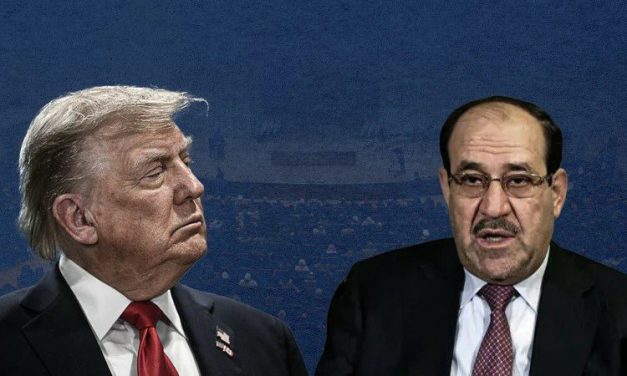
America’s Zero-Sum Game in Iraq

Online Strategic Council – Memoir: The swift selection of Nouri al-Maliki for the premiership constitutes a new phase in Iraq’s political sphere. Multiple factors have played a role in this process, the most important being the prevailing situation in Iraq and the region. Under such circumstances, Iraq requires a powerful and experienced prime minister who can keep the country away from the dangers of wars and crises.

America’s Strategy for Creating Tension in the Asia-Pacific

Strategic Council Online – Opinion: Relations between some countries in the Asia-Pacific region, such as China and Japan or China and Australia, which were previously relatively normal, are trending towards deterioration, and the primary reason for this is the aggressive policies of the United States of America.

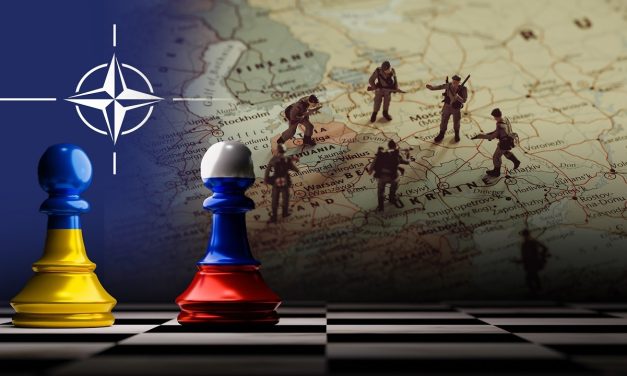
The Collapse of the European Security Illusion with the Continuation of the Ukraine War?

Strategic Council Online – Interview: The Ukraine war has become a new turning point in the political, security, and even commercial relations of allies on both sides of the Atlantic. While this war is nearing its fourth year, many questions still remain regarding its future and its consequences; among them, will the continuation of the Ukraine war lead to the collapse of the European security illusion?

Is Greenland Pushing Europe Toward China?

Strategic Council Online – Interview: A European affairs expert believes that the seizure of Greenland will certainly weaken America’s relations with Europe and its allies. Donald Trump’s view is that he does not need these countries, but if Europe faces significant pressure from the United States, it is natural for it to move toward China.

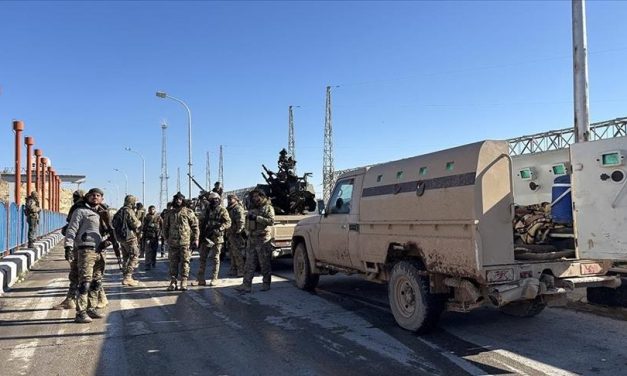
Alarm Bells Sound for ISIS Revival in Syria: Threat to Iraq and West Asia

Strategic Council Online – Opinion: Numerous documents and pieces of evidence indicate that ISIS, which in recent years has been the region’s biggest threat to security and stability after the Zionist regime, has once again in recent months become a focal point for political and security exploitation by American and Zionist regime security, intelligence, and political circles.

Afghanistan’s Effective Role in the Economy of Eurasia

Strategic Council Online – Interview: A regional affairs researcher stated: Despite projects such as the Khaf-Herat railway and the Herat-Balkh-Mazar-i-Sharif corridor being on the agenda, insecurity and the absence of an inclusive government remain the most significant obstacles to realizing transit corridors and Afghanistan playing an effective role in the economy of Eurasia.

Loading

Últimas publicaciones

America’s Zero-Sum Game in Iraq

Online Strategic Council – Memoir: The swift selection of Nouri al-Maliki for the premiership constitutes a new phase in Iraq’s political sphere. Multiple factors have played a role in this process, the most important being the prevailing situation in Iraq and the region. Under such circumstances, Iraq requires a powerful and experienced prime minister who can keep the country away from the dangers of wars and crises.

America’s Strategy for Creating Tension in the Asia-Pacific

Strategic Council Online – Opinion: Relations between some countries in the Asia-Pacific region, such as China and Japan or China and Australia, which were previously relatively normal, are trending towards deterioration, and the primary reason for this is the aggressive policies of the United States of America.

The Collapse of the European Security Illusion with the Continuation of the Ukraine War?

Strategic Council Online – Interview: The Ukraine war has become a new turning point in the political, security, and even commercial relations of allies on both sides of the Atlantic. While this war is nearing its fourth year, many questions still remain regarding its future and its consequences; among them, will the continuation of the Ukraine war lead to the collapse of the European security illusion?

Is Greenland Pushing Europe Toward China?

Strategic Council Online – Interview: A European affairs expert believes that the seizure of Greenland will certainly weaken America’s relations with Europe and its allies. Donald Trump’s view is that he does not need these countries, but if Europe faces significant pressure from the United States, it is natural for it to move toward China.

Alarm Bells Sound for ISIS Revival in Syria: Threat to Iraq and West Asia

Strategic Council Online – Opinion: Numerous documents and pieces of evidence indicate that ISIS, which in recent years has been the region’s biggest threat to security and stability after the Zionist regime, has once again in recent months become a focal point for political and security exploitation by American and Zionist regime security, intelligence, and political circles.

Afghanistan’s Effective Role in the Economy of Eurasia

Strategic Council Online – Interview: A regional affairs researcher stated: Despite projects such as the Khaf-Herat railway and the Herat-Balkh-Mazar-i-Sharif corridor being on the agenda, insecurity and the absence of an inclusive government remain the most significant obstacles to realizing transit corridors and Afghanistan playing an effective role in the economy of Eurasia.

Loading

DERNIER CONTENU

America’s Zero-Sum Game in Iraq

Online Strategic Council – Memoir: The swift selection of Nouri al-Maliki for the premiership constitutes a new phase in Iraq’s political sphere. Multiple factors have played a role in this process, the most important being the prevailing situation in Iraq and the region. Under such circumstances, Iraq requires a powerful and experienced prime minister who can keep the country away from the dangers of wars and crises.

America’s Strategy for Creating Tension in the Asia-Pacific

Strategic Council Online – Opinion: Relations between some countries in the Asia-Pacific region, such as China and Japan or China and Australia, which were previously relatively normal, are trending towards deterioration, and the primary reason for this is the aggressive policies of the United States of America.

The Collapse of the European Security Illusion with the Continuation of the Ukraine War?

Strategic Council Online – Interview: The Ukraine war has become a new turning point in the political, security, and even commercial relations of allies on both sides of the Atlantic. While this war is nearing its fourth year, many questions still remain regarding its future and its consequences; among them, will the continuation of the Ukraine war lead to the collapse of the European security illusion?

Is Greenland Pushing Europe Toward China?

Strategic Council Online – Interview: A European affairs expert believes that the seizure of Greenland will certainly weaken America’s relations with Europe and its allies. Donald Trump’s view is that he does not need these countries, but if Europe faces significant pressure from the United States, it is natural for it to move toward China.

Alarm Bells Sound for ISIS Revival in Syria: Threat to Iraq and West Asia

Strategic Council Online – Opinion: Numerous documents and pieces of evidence indicate that ISIS, which in recent years has been the region’s biggest threat to security and stability after the Zionist regime, has once again in recent months become a focal point for political and security exploitation by American and Zionist regime security, intelligence, and political circles.

Afghanistan’s Effective Role in the Economy of Eurasia

Strategic Council Online – Interview: A regional affairs researcher stated: Despite projects such as the Khaf-Herat railway and the Herat-Balkh-Mazar-i-Sharif corridor being on the agenda, insecurity and the absence of an inclusive government remain the most significant obstacles to realizing transit corridors and Afghanistan playing an effective role in the economy of Eurasia.

Loading