

Hossein Rouyvaran, a West Asia affairs expert, in an interview with the Strategic Council on Foreign Relations website, stated that these developments are rooted in the principles of international relations, according to which regional alliances often restructure themselves in response to external pressures to maintain the balance of power. He said: As long as the Zionist regime and the United States seek to impose power equations, crises in West Asia will not be resolved. Therefore, the Axis of Resistance is inevitably forced to review and rebuild itself in light of the new conditions.
With the expansion of the Southern Transitional Council (STC) to eight southern provinces and the gathering of foreign-backed forces at the borders, indicating an escalation of internal tensions, the Yemen crisis continues as of December 2025.
Referring to the ongoing critical situation in Yemen, Rouyvaran stated that, given its regional capacity, Iran can facilitate the negotiation process. He emphasized: “Iran’s policy in Yemen is that differences among various groups be resolved within the framework of internal political processes.”
He added, “Iran has never negotiated with any other power on behalf of the Yemenis nor interfered in the internal affairs of that country. Rather, it has been the Yemenis themselves who have negotiated with each other or with other countries.”
This regional affairs expert, in response to the question of how to pave the way for dialogue among different Yemeni groups, stated that conditions are ripe for resolving differences. He said: “Previously, dialogues were held among these groups, and agreements were also reached, which were not implemented. But now, it is possible that the same agreements are reviewed again and brought to fruition, ending Yemen’s internal crisis and current division.”
In Gaza, a fragile ceasefire continues. The Zionist regime, with repeated violations of the ceasefire, has made mediators’ efforts difficult. The 20-point Trump plan, published in September 2025, includes the withdrawal of the Israeli regime, the release of Palestinian prisoners, and the formation of an interim body to administer affairs. However, its second phase – including the disarmament of Hamas and the expansion of withdrawal areas – faces serious challenges.
Regarding the Gaza crisis, Rouyvaran stated: “In Gaza, Hamas is negotiating with various parties to achieve peace. We must see how the second phase of the Trump plan will be implemented after the ongoing talks in Cairo. It should be noted that the Trump plan is being implemented within the framework of a United Nations Security Council resolution.”
The Logic of Force: The West’s Approach to Shaping the Region
US policy in West Asia in 2025, especially after the 12-day war, focuses on supporting the Zionist regime to the extent that Washington’s approach includes efforts to dictate conditions on nuclear, missile, and regional issues.
This regional affairs expert, criticizing Western plans for the region, stated: “The US has so far shown no real readiness to establish peace in the region. For example, on the nuclear issue, although Iran has declared readiness to have genuine talks with Western parties, the US only wants to dictate its views and tries to bring up missile and regional issues as well. Therefore, the West still uses its colonial behavior, and this prevalent view of theirs is the main obstacle to peace in the region.”
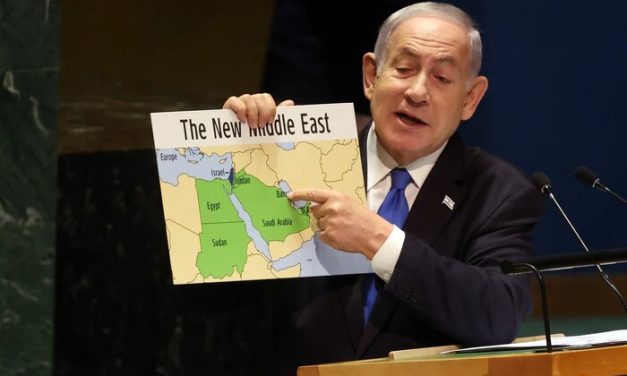
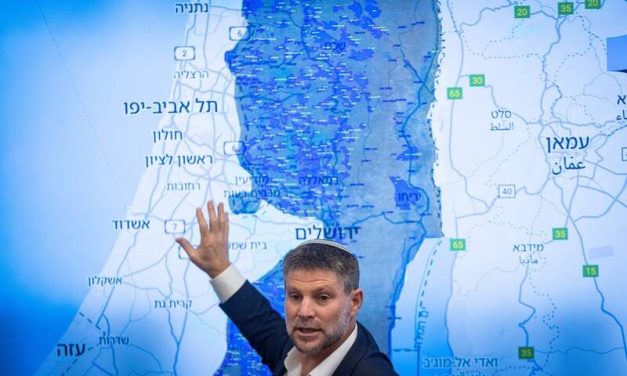
Rouyvaran considered the prospects and future of the Axis of Resistance from Yemen to Gaza and the establishment of peace in the region, dependent on resolving the current crises. He said: “The behavior of the Zionist regime and the US support for it show that this regime is not only unwilling to resolve the crises, but even efforts are being made in the Knesset to annex the West Bank and Gaza, while even according to UN resolutions, these areas are considered occupied and no new encroachment should take place in them.”
He continued: “What the Israeli regime pursues in the region is domination through the application of force, and relying on Western power and US support, it tries to impose new equations on the region. This regime does not shy away from trampling all legal regimes and international resolutions on this path.”
This expert said: “Therefore, as long as the situation remains this way, the crisis in the region will not be resolved. What this regime and the US want is for the Axis of Resistance to surrender to their demands completely. But as has become evident over the past three years, despite all pressures, the resistance will defend itself to the death.”
Rouyvaran concluded by emphasizing that, with this trend, he does not believe any of the current West Asian crises will be resolved in the coming years, and for this reason, the region will remain in turmoil. He said: “Undoubtedly, the Axis of Resistance must act to rebuild and conduct an internal review in line with the new conditions.”






0 Comments