

Akbar Mohammadian – International Affairs Expert
These changes have affected Transatlantic relations and overshadowed European security and efforts to establish peace in Ukraine.
America and speculative view of international relations
One of the main features of Trump’s foreign policy is a speculative and transaction-oriented view of international relations. Trump has repeatedly emphasized that the United States should benefit directly from any international agreement or partnership and avoid unnecessary costs. This view is clearly seen in his approach to NATO, the European Union, and even the Ukrainian crisis.
At the Munich Security Conference in February 2025, Keith Kellogg, Trump’s special envoy for Ukraine, announced that the European Union would not be included in peace talks to end the war in Ukraine. These statements reflect the US desire to exclude Europe from the negotiations and focus on a quick and practical agreement with Russia. Kellogg stressed that the excessive presence of countries in previous negotiations, for example, in the Minsk Group, has disrupted the process. This approach shows that the US seeks a bilateral agreement with Russia that maximizes its interests rather than multilateral cooperation.
This speculative view has led Europeans to doubt the role of the US as a reliable ally. Polls conducted by the European Council on Foreign Relations (ECFR) show that most Europeans see the US not as an ally, but as an essential partner with whom to engage strategically. This change in attitude reflects a decline in trust in the US under Trump.
Dominance of “America first” and its impact on European security
Trump’s “America first” slogan has cast a shadow over domestic policy and the country’s foreign policy. This view has caused the United States to distance itself from its traditional commitments to Europe and to pursue its own short-term interests. For example, Trump has repeatedly called on NATO member states to increase their defense budgets and even suggested that these countries should allocate 5 percent of their GDP to defense budgets.
These pressures have caused Europeans to think about increasing their defense capabilities. At the Munich conference, German President Frank-Walter Steinmeier emphasized that security spending must be increased to prevent war. He also warned that hasty agreements without European participation could undermine the continent’s security. These concerns show that Europe is preparing itself for an uncertain future.
However, increasing defense spending alone cannot replace strategic cooperation with the United States. Europe still needs US support in the face of threats from Russia and China. However, Trump’s approach means that Europe needs to be more self-reliant and find independent solutions to ensure its security.
Impact of US-Europe relationship on peace in Ukraine
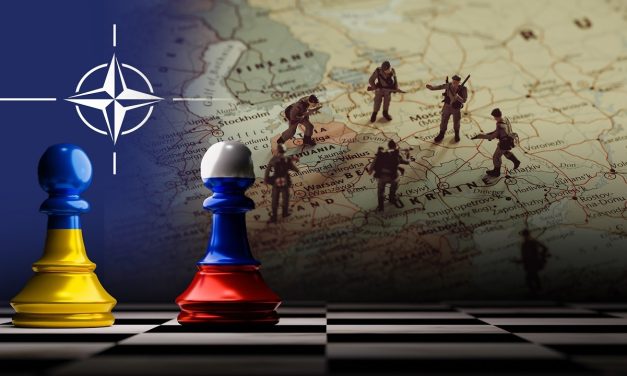
One of the most critical challenges facing Europe and the US is the crisis in Ukraine. Trump has repeatedly said he wants a quick deal with Russia to end the war in Ukraine. However, this approach has been met with concerns among Europeans. Many European leaders, including European Commission President Ursula von der Leyen, have warned that any deal must be in Ukraine’s interests and should not allow Russia to attack its neighbors without facing serious consequences.
ECFR polls show that most Europeans expect the war in Ukraine to lead to a negotiated settlement, but many are skeptical of Trump’s efforts for peace. In some countries, such as Denmark and Poland, a majority believes that Europe should support Ukraine in continuing the war, while in countries such as Hungary and Bulgaria, there is a greater willingness to pressure Ukraine to accept negotiations.
These internal European divisions could weaken the continent’s position in any peace talks. If Europe fails to adopt a unified position on Ukraine, it may be forced to accept a deal that benefits Russia and threatens Europe’s long-term security.
Europe’s options in its relations with the US
Given the changes in US foreign policy and Trump’s speculative outlook, Europe should seek ways to reduce its dependence on the US and strengthen intra-continental cooperation. Some possible solutions include:
Strengthening Europe’s defense capabilities: Europe should seek to increase defense spending and create an independent military force to protect its security without relying on the US.
Greater cooperation within the EU: Europe should seek to develop a common position on international issues, including Ukraine and Russia, to be more effective in international negotiations.
Diversifying international partners: Europe could seek to strengthen relations with other countries, such as China, India, and Iran.
Maintaining engagement with the US, but cautiously: While Europe needs to maintain relations with the US, it must also avoid unilateral agreements that could be detrimental to the continent’s security.
Conclusion
The second term of the Trump presidency has brought the relationship between Europe and the United States to a new and tense stage. Trump’s speculative approach to international relations and his “America First” slogan have eroded European trust in the United States and raised concerns about the continent’s security. In the case of Ukraine, the differences between the United States and Europe could lead to a deal that benefits Russia and threatens Europe’s long-term security.
While the future of the relationship between Europe and the United States is uncertain, Europe can protect itself from the losses resulting from changes in US foreign policy by strengthening its defense capabilities, creating a common position on international issues, and diversifying its international partners, and be prepared to take another path to security and stability if necessary.




0 Comments