Three Simultaneous Blows to MKO; Albania’s Opportunity to Make Up for Mistakes against Iran

2023/07/02 | interview, Politics, top news

Strategic Council Online - Interview: The former Iranian ambassador to France says now, due to the clarification of the terrorist actions and plans of the MKO and their cyberattacks, the government of Albania is expected to cooperate with Iran in extraditing their leaders through the Interpol, and added: In recent years, Albania has been the main loser in hosting the Munafiqeen and it is regrettable that Tirana accepted hosting that terrorist group under the influence of the US pressure, enticement, and indoctrination; but it seems that the Albanian government as finally conclude that this decision was wrong and that it has lost good opportunities for cooperation with Iran due to the many problems that were created for that country by accepting the Munafiqeen after they were expelled from Iraq.

In an interview with the website of the Strategic Council on Foreign Relations, Dr. Ali Ahani said that the beginning of the problem of the Munafiqeen placement dates back to when the Iraqi government decided to expel them from the country. He noted: At that point, due to the US feeling of guilt and responsibility because of the messing up of the situation in Iraq, it was looking to settle that group in a place. Therefore, it made utmost efforts for the acceptance of the members of that group in different countries, especially those in Europe.

The former Iran ambassador in France added: only some European countries accepted a few of those people. I even remember that they pressured the French government to accept some of those people, but they did not agree to accept and settle new people from that group on their soil. Finally, with many promises, including giving some aid to Albania, which is known as a weak country in Europe, the authorities of that country were convinced to accept the people of the group altogether and settle them in a place.

Saying that, at the same time, it was clear that the relocation and settlement of that group in Albania would be the beginning of the emergence of problems for that country, he reminded: At some point in the 1960s, France had accepted members of the group under the influence of some inductions and misconceptions, but later faced many challenges due to the presence of those people in the suburbs of Paris, to such an extent that after their settlement and according to their behavior and performance that felt ownership in that area, they had humiliated the French; therefore, the French government, with the knowledge that it had gained about their spirit and performance in the suburbs of Paris, and at one point even opposed removing the name of Munafiqeen from the terrorist list of the European Union, and disagreed with some of the countries of Northern Europe in this regard, was not willing to accept the new members of that terrorist group.

Dr. Ahani pointed to Iran’s warnings to the Albanian government about the consequences of the settlement of the group and stated that those warnings were not heeded due to the promises and pressures of the United States continued: Over time, the problem of that group for the Albanian government became clearer. In addition, due to the various facilities and equipment the group had provided for itself in multiple ways, the so-called cyber army’s propaganda and false news against Iran and, at times, encouraging people to cause chaos inside the country were also quite noticeable.

He said: Finally, under the influence of some foreign interventions and the mischief of that group, the Albanian government decided to cut off political relations with Iran. This decision was completely wrong, and now that the country is forced to attack that group’s headquarters and inspect their facilities and equipment, the wrongness of the perception and decision of the Albanian government has been well revealed.

The former Iranian ambassador to France considered the attack of the Albanian police on the headquarters of Munafiqeen and confiscation of their equipment, prevention of the annual ceremony of that group in the suburbs of Paris for the first time, as well as the position of the United States in supporting the action of Albania and withdrawing its support for that group, and expressing concern of the US State Department of the mistreatment of the leaders of that group with their members as three simultaneous and important blows to Munafiqeen and added: Since the distant past, Munafiqeen used to hold an annual event in the suburbs of Paris and tried to bring different people from different European countries to that gathering by giving them money and various promises and organizing a one or two days tour. Some American and even European officials were paid to participate and speak in that gathering. They insisted that the annual gathering be held next week, but for the first time, the French government and police opposed them on the grounds that the gathering might pose security risks, which was significant.

The former Iranian diplomat, commenting on the future of Munafiqeen in Albania, said: It seems that the Albanian government has realized the mistakes it has made in this regard, and the action it has taken will lead to limiting the freedom of action of Munafiqeen and reducing the maneuvering power of that group. Such restrictions will cause the withdrawal of the members of the group. However, unfortunately, the suffocating structure that governs them does not give its people the slightest freedom of action and permission to make decisions and react. Definitely, if the members of that group find the possibility to escape, they will try to escape from that suffocating structure and the created garrison.

Emphasizing the necessity of distinguishing between the limited leaders of that group, who have been involved in assassinations and crimes against the Iranian nation, and the forgivable deceived people who want to be reunited with their families and start another peaceful life, he added: Iran over the past years and through the Interpol, has pursued the request for the extradition of the leaders of that group who were involved in the assassination of 17,000 Iranians, but unfortunately, Western countries have always been selective and discriminatory towards terrorism and dealing with it, and while the many crimes of that group in Iran are known, they have not shown the political will to extradite them.

Dr. Ahani continued: Now, the government of Albania is expected to cooperate with Iran to extradite them through the Interpol police, considering the clarification of the terrorist activities and plans of that group and their cyberattacks.

The former ambassador to France said: In the past years, the main loser of hosting Munafiqeen was the Albanian government, and it is regrettable that the government of that country accepted the hosting of that group under the influence of the US pressure, bribery, and inductions, but it seems that it has concluded now that this decision was wrong and it lost good opportunities for cooperation with Iran. We hope that the government of Albania will take the necessary measures to secure its country’s national interests and compensate for its past mistakes.
0 Comments

Submit a Comment

Your email address will not be published. Required fields are marked *

LATEST CONTENT

Commercial Exploitation of Peace; The Gaza Committee in Confrontation with International Legitimacy

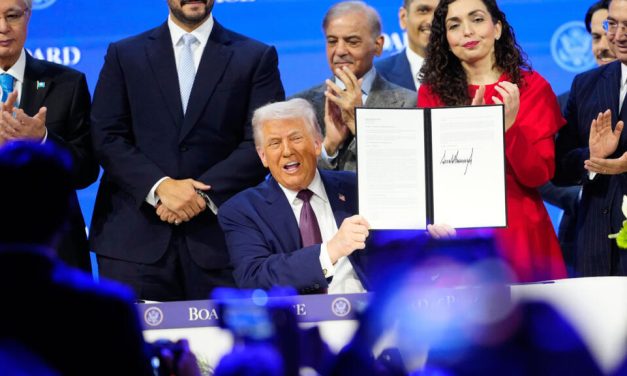
Strategic Council Online – Report: While the second phase of the implementation of the Gaza ceasefire has begun, the establishment of the “Peace Board” chaired by Donald Trump on the sidelines of the Davos meeting (22 January 2026) has become more than a technical mechanism for reconstruction and has turned into a test for the future of the international order.
Despite the signing of the charter by 22 out of 60 invited countries, the limited presence of global leaders at the Davos ceremony and the non-acceptance of this body by the European Union and key Western countries indicate a deep divide in global perceptions of the legitimacy of this mechanism.
In this report, drawing on the analysis of Hadi Borhani, a regional affairs expert, and international data, three strategic questions are addressed: Is the Peace Board an instrument for implementing UN Security Council Resolution 2803 or a substitute for the United Nations? How does the hierarchical architecture of this committee intensify executive challenges in Gaza? And finally, can this body create sustainable peace without the cooperation of Palestinians and with the concentration of power in the hands of a single individual?

America’s Zero-Sum Game in Iraq

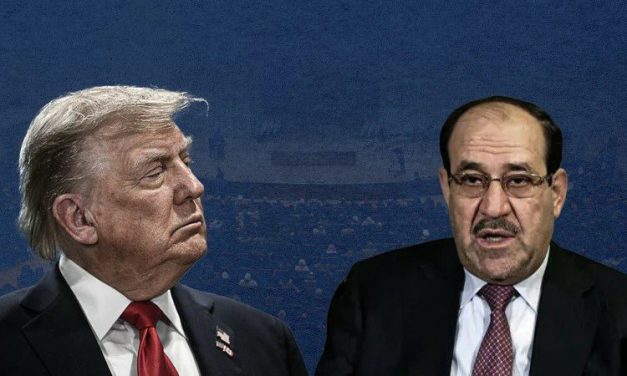
Online Strategic Council – Memoir: The swift selection of Nouri al-Maliki for the premiership constitutes a new phase in Iraq’s political sphere. Multiple factors have played a role in this process, the most important being the prevailing situation in Iraq and the region. Under such circumstances, Iraq requires a powerful and experienced prime minister who can keep the country away from the dangers of wars and crises.

America’s Strategy for Creating Tension in the Asia-Pacific

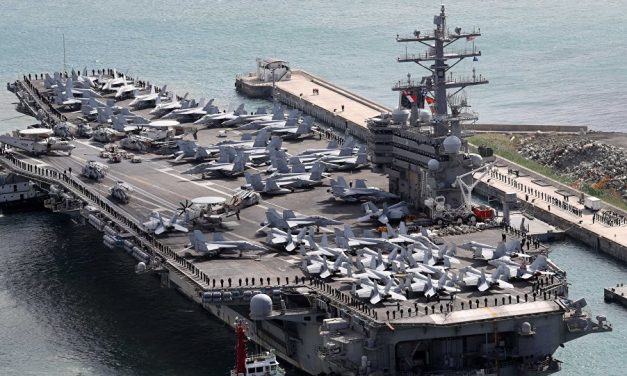
Strategic Council Online – Opinion: Relations between some countries in the Asia-Pacific region, such as China and Japan or China and Australia, which were previously relatively normal, are trending towards deterioration, and the primary reason for this is the aggressive policies of the United States of America.

The Collapse of the European Security Illusion with the Continuation of the Ukraine War?

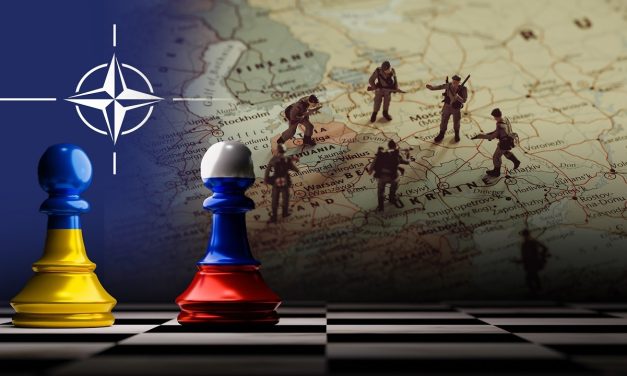
Strategic Council Online – Interview: The Ukraine war has become a new turning point in the political, security, and even commercial relations of allies on both sides of the Atlantic. While this war is nearing its fourth year, many questions still remain regarding its future and its consequences; among them, will the continuation of the Ukraine war lead to the collapse of the European security illusion?

Loading

Últimas publicaciones

Commercial Exploitation of Peace; The Gaza Committee in Confrontation with International Legitimacy

Strategic Council Online – Report: While the second phase of the implementation of the Gaza ceasefire has begun, the establishment of the “Peace Board” chaired by Donald Trump on the sidelines of the Davos meeting (22 January 2026) has become more than a technical mechanism for reconstruction and has turned into a test for the future of the international order.
Despite the signing of the charter by 22 out of 60 invited countries, the limited presence of global leaders at the Davos ceremony and the non-acceptance of this body by the European Union and key Western countries indicate a deep divide in global perceptions of the legitimacy of this mechanism.
In this report, drawing on the analysis of Hadi Borhani, a regional affairs expert, and international data, three strategic questions are addressed: Is the Peace Board an instrument for implementing UN Security Council Resolution 2803 or a substitute for the United Nations? How does the hierarchical architecture of this committee intensify executive challenges in Gaza? And finally, can this body create sustainable peace without the cooperation of Palestinians and with the concentration of power in the hands of a single individual?

America’s Zero-Sum Game in Iraq

Online Strategic Council – Memoir: The swift selection of Nouri al-Maliki for the premiership constitutes a new phase in Iraq’s political sphere. Multiple factors have played a role in this process, the most important being the prevailing situation in Iraq and the region. Under such circumstances, Iraq requires a powerful and experienced prime minister who can keep the country away from the dangers of wars and crises.

America’s Strategy for Creating Tension in the Asia-Pacific

Strategic Council Online – Opinion: Relations between some countries in the Asia-Pacific region, such as China and Japan or China and Australia, which were previously relatively normal, are trending towards deterioration, and the primary reason for this is the aggressive policies of the United States of America.

The Collapse of the European Security Illusion with the Continuation of the Ukraine War?

Strategic Council Online – Interview: The Ukraine war has become a new turning point in the political, security, and even commercial relations of allies on both sides of the Atlantic. While this war is nearing its fourth year, many questions still remain regarding its future and its consequences; among them, will the continuation of the Ukraine war lead to the collapse of the European security illusion?

Loading

DERNIER CONTENU

Commercial Exploitation of Peace; The Gaza Committee in Confrontation with International Legitimacy

Strategic Council Online – Report: While the second phase of the implementation of the Gaza ceasefire has begun, the establishment of the “Peace Board” chaired by Donald Trump on the sidelines of the Davos meeting (22 January 2026) has become more than a technical mechanism for reconstruction and has turned into a test for the future of the international order.
Despite the signing of the charter by 22 out of 60 invited countries, the limited presence of global leaders at the Davos ceremony and the non-acceptance of this body by the European Union and key Western countries indicate a deep divide in global perceptions of the legitimacy of this mechanism.
In this report, drawing on the analysis of Hadi Borhani, a regional affairs expert, and international data, three strategic questions are addressed: Is the Peace Board an instrument for implementing UN Security Council Resolution 2803 or a substitute for the United Nations? How does the hierarchical architecture of this committee intensify executive challenges in Gaza? And finally, can this body create sustainable peace without the cooperation of Palestinians and with the concentration of power in the hands of a single individual?

America’s Zero-Sum Game in Iraq

Online Strategic Council – Memoir: The swift selection of Nouri al-Maliki for the premiership constitutes a new phase in Iraq’s political sphere. Multiple factors have played a role in this process, the most important being the prevailing situation in Iraq and the region. Under such circumstances, Iraq requires a powerful and experienced prime minister who can keep the country away from the dangers of wars and crises.

America’s Strategy for Creating Tension in the Asia-Pacific

Strategic Council Online – Opinion: Relations between some countries in the Asia-Pacific region, such as China and Japan or China and Australia, which were previously relatively normal, are trending towards deterioration, and the primary reason for this is the aggressive policies of the United States of America.

The Collapse of the European Security Illusion with the Continuation of the Ukraine War?

Strategic Council Online – Interview: The Ukraine war has become a new turning point in the political, security, and even commercial relations of allies on both sides of the Atlantic. While this war is nearing its fourth year, many questions still remain regarding its future and its consequences; among them, will the continuation of the Ukraine war lead to the collapse of the European security illusion?

Loading

DERNIER CONTENU

Commercial Exploitation of Peace; The Gaza Committee in Confrontation with International Legitimacy

Strategic Council Online – Report: While the second phase of the implementation of the Gaza ceasefire has begun, the establishment of the “Peace Board” chaired by Donald Trump on the sidelines of the Davos meeting (22 January 2026) has become more than a technical mechanism for reconstruction and has turned into a test for the future of the international order.
Despite the signing of the charter by 22 out of 60 invited countries, the limited presence of global leaders at the Davos ceremony and the non-acceptance of this body by the European Union and key Western countries indicate a deep divide in global perceptions of the legitimacy of this mechanism.
In this report, drawing on the analysis of Hadi Borhani, a regional affairs expert, and international data, three strategic questions are addressed: Is the Peace Board an instrument for implementing UN Security Council Resolution 2803 or a substitute for the United Nations? How does the hierarchical architecture of this committee intensify executive challenges in Gaza? And finally, can this body create sustainable peace without the cooperation of Palestinians and with the concentration of power in the hands of a single individual?

America’s Zero-Sum Game in Iraq

Online Strategic Council – Memoir: The swift selection of Nouri al-Maliki for the premiership constitutes a new phase in Iraq’s political sphere. Multiple factors have played a role in this process, the most important being the prevailing situation in Iraq and the region. Under such circumstances, Iraq requires a powerful and experienced prime minister who can keep the country away from the dangers of wars and crises.

America’s Strategy for Creating Tension in the Asia-Pacific

Strategic Council Online – Opinion: Relations between some countries in the Asia-Pacific region, such as China and Japan or China and Australia, which were previously relatively normal, are trending towards deterioration, and the primary reason for this is the aggressive policies of the United States of America.

The Collapse of the European Security Illusion with the Continuation of the Ukraine War?

Strategic Council Online – Interview: The Ukraine war has become a new turning point in the political, security, and even commercial relations of allies on both sides of the Atlantic. While this war is nearing its fourth year, many questions still remain regarding its future and its consequences; among them, will the continuation of the Ukraine war lead to the collapse of the European security illusion?

Loading

DERNIER CONTENU

Commercial Exploitation of Peace; The Gaza Committee in Confrontation with International Legitimacy

Strategic Council Online – Report: While the second phase of the implementation of the Gaza ceasefire has begun, the establishment of the “Peace Board” chaired by Donald Trump on the sidelines of the Davos meeting (22 January 2026) has become more than a technical mechanism for reconstruction and has turned into a test for the future of the international order.
Despite the signing of the charter by 22 out of 60 invited countries, the limited presence of global leaders at the Davos ceremony and the non-acceptance of this body by the European Union and key Western countries indicate a deep divide in global perceptions of the legitimacy of this mechanism.
In this report, drawing on the analysis of Hadi Borhani, a regional affairs expert, and international data, three strategic questions are addressed: Is the Peace Board an instrument for implementing UN Security Council Resolution 2803 or a substitute for the United Nations? How does the hierarchical architecture of this committee intensify executive challenges in Gaza? And finally, can this body create sustainable peace without the cooperation of Palestinians and with the concentration of power in the hands of a single individual?

America’s Zero-Sum Game in Iraq

Online Strategic Council – Memoir: The swift selection of Nouri al-Maliki for the premiership constitutes a new phase in Iraq’s political sphere. Multiple factors have played a role in this process, the most important being the prevailing situation in Iraq and the region. Under such circumstances, Iraq requires a powerful and experienced prime minister who can keep the country away from the dangers of wars and crises.

America’s Strategy for Creating Tension in the Asia-Pacific

Strategic Council Online – Opinion: Relations between some countries in the Asia-Pacific region, such as China and Japan or China and Australia, which were previously relatively normal, are trending towards deterioration, and the primary reason for this is the aggressive policies of the United States of America.

The Collapse of the European Security Illusion with the Continuation of the Ukraine War?

Strategic Council Online – Interview: The Ukraine war has become a new turning point in the political, security, and even commercial relations of allies on both sides of the Atlantic. While this war is nearing its fourth year, many questions still remain regarding its future and its consequences; among them, will the continuation of the Ukraine war lead to the collapse of the European security illusion?

Loading