The Zionist Regime on The Gunpowder Storage

2023/04/24 | interview, Politics, top news

Strategic Council Online—Interview: An expert on the issues of the Zionist regime, calling the horizon ahead of the Zionist regime vague and dark, emphasized that cohesion in the occupied territories is deteriorating, and this issue has affected the strategic approach of the regime.

Speaking to the Strategic Council on Foreign Relations, referring to the intensification of internal tensions in the Zionist regime, Ali Abdi evaluated the internal situation in the occupied territories as very inflammatory and tense and stated that the Zionist regime internally faces severe bipolarity and a severe crisis-ridden society. Despite the tensions between the Netanyahu government and the resistance axis in Gaza, Golan, and South Lebanon, contrary to what many analysts thought, the internal protests did not stop, and the residents of the occupied territories continued to come to the streets.

Referring to the tensions between the Zionist community and the Palestinians, including the Palestinians living in the 1948 lands and, more importantly, the Palestinians living in the 1967 lands, as well as the increasing tensions in Quds and the West Bank, he added that in this situation, the Zionists attacked targets in Gaza and the Palestinians also reacted by launching rockets. The tensions increased so much that the extreme Zionists, especially the religious fundamentalists, sought to increase the pressure in Al-Aqsa Mosque and wanted to hold their sacrifice ceremony on “Eid Passover.”

This expert on the issues of the Zionist regime, reminding that the members of the “Return Movement” foundation, as fundamentalist Zionists, want the restoration of Solomon’s Temple, said that finally, Netanyahu’s cabinet was forced to announce that Zionists will be prevented from entering Al-Aqsa Mosque until the end of the holy month of Ramadan.

He stated that the situation in the occupied lands is like a powder warehouse waiting for a spark. This behavior of the Zionist fundamentalists could be like a spark in this powder warehouse. He continued that preventing the Zionists from entering Al-Aqsa Mosque met with a quick reaction and severe opposition from “Ben Guer,” the minister of national security of the regime, and the protest of the return movement. Of course, Netanyahu had to impose this ban to control the situation.

Abdi stressed that the possibility of increasing tensions and conflicts in the last week of Ramadan is very high. We may witness a new round of tensions and conflicts.

This analyst of the Zionist regime’s issues, in response to the warnings of the internal authorities of this regime regarding the performance of Netanyahu’s cabinet and being exposed to collapse, stated that the conditions in the occupied territories are such that the possibility of a new intifada and a movement like an intifada is high. The internal needs of the regime are also very unfavorable. In the past months, we have witnessed the weakness of the Zionist regime. Especially this weakness showed itself with the events that happened late last week with the launch of rockets from southern Lebanon, Israel’s reaction in Gaza, the counter-reaction of the resistance in Gaza, and the firing of rockets from the Golan.

Abdi continued that the regime’s reaction was feeble, bringing criticism from the Zionists and even the cabinet members. In addition, the weakness in Netanyahu’s speech and its weakness was so noticeable that it was evaluated as the weakest speech, in terms of security, during the years of his presence in the seat of power since 2009.

He emphasized that these signs indicate that the deterrence of the Israeli regime is weakening. The continuation of this situation, while further weakening deterrence, will bring about the collapse of Zionism. At the same time, the gap in the Zionist regime is intensifying; Because none of the parties is willing to compromise. Netanyahu’s only retreat was to return the war minister to the cabinet; he was worried it might break his coalition in the Knesset. This issue could have heavy consequences for Netanyahu and start the domino of splitting the coalition and the party.

Stating that the first principle of the Zionist regime’s national security doctrine is the issue of cohesion, this analyst of the Zionist regime said that in the current situation, the cohesion in the occupied territories is deteriorating, and this issue has affected the regime’s strategic approach. Therefore, the deterrence of this regime is not the same as in the past, and the effects of weakness in deterrence are pretty evident.

According to Abdi, Netanyahu has not shown any flexibility against the domestic opposition. On the other hand, the opponents have not only not given up on their demands but have insisted more on pursuing them. In recent weeks, there has been an increase in the number of gatherings and days of gatherings. In addition, we saw some strikes, but they have stopped for now; Because the strikes deal heavy blows to the weakened economy of the Zionist regime. Therefore, the protesters did not want to use this lever.

He added that the horizon before the Zionist regime was dark, and no clear vision could be imagined.

Abdi pointed to the White House’s public and private criticisms of Netanyahu’s cabinet and the American media’s revelations about the US support for protests against this cabinet while explaining the reactions to the publication of a series of confidential Pentagon documents on social media and the identification of Americans spying on the Zionist regime. He added that the gap between the US and the Zionist regime has happened, and this gap and differences have become much more evident. In addition, regional developments and the perspective of reducing the US influence have also affected this issue.

This expert on the issues of the Zionist regime said that the controversial decisions of Netanyahu’s far-right cabinet, especially the bill of changes in the judicial laws of this regime, also had many consequences and provoked criticism of the United States. The extent that “Yair Lapid,” the leader of the opposition of the Zionist regime’s cabinet, during his trip to the United States, also announced the concern of the members of the American Congress and Jewish organizations in this country regarding the occurrence of a coup in the Zionist regime and demanded the continued support of this regime.
0 Comments

Submit a Comment

Your email address will not be published. Required fields are marked *

LATEST CONTENT

The Security Equation of Southern Lebanon for the Zionist Regime

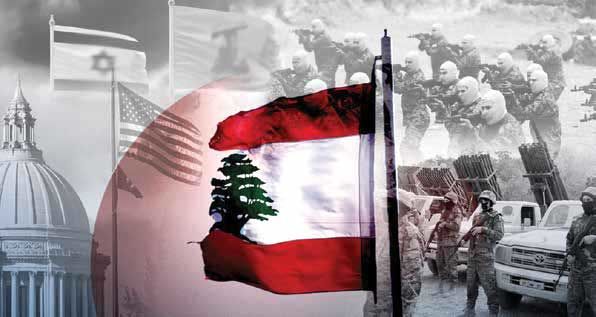
Strategic Council Online – Opinion: American-Zionist objectives in the region are not limited to weakening Hezbollah. Efforts to disarm Iraqi resistance groups such as Kata’ib Hezbollah and the Popular Mobilization Forces are also part of their subsequent plans.

Commercial Exploitation of Peace; The Gaza Committee in Confrontation with International Legitimacy

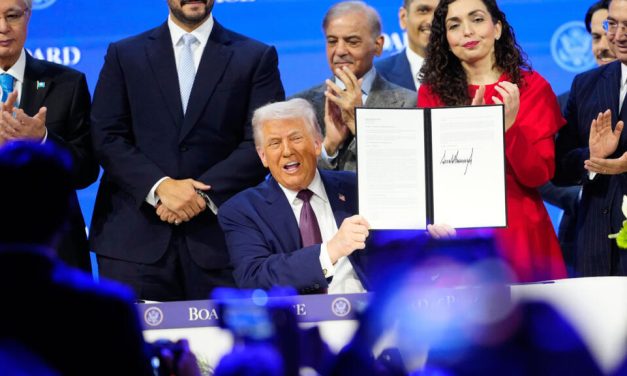
Strategic Council Online – Report: While the second phase of the implementation of the Gaza ceasefire has begun, the establishment of the “Peace Board” chaired by Donald Trump on the sidelines of the Davos meeting (22 January 2026) has become more than a technical mechanism for reconstruction and has turned into a test for the future of the international order.
Despite the signing of the charter by 22 out of 60 invited countries, the limited presence of global leaders at the Davos ceremony and the non-acceptance of this body by the European Union and key Western countries indicate a deep divide in global perceptions of the legitimacy of this mechanism.
In this report, drawing on the analysis of Hadi Borhani, a regional affairs expert, and international data, three strategic questions are addressed: Is the Peace Board an instrument for implementing UN Security Council Resolution 2803 or a substitute for the United Nations? How does the hierarchical architecture of this committee intensify executive challenges in Gaza? And finally, can this body create sustainable peace without the cooperation of Palestinians and with the concentration of power in the hands of a single individual?

America’s Zero-Sum Game in Iraq

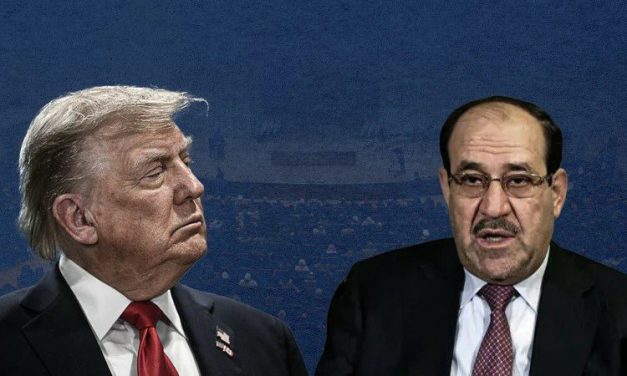
Online Strategic Council – Memoir: The swift selection of Nouri al-Maliki for the premiership constitutes a new phase in Iraq’s political sphere. Multiple factors have played a role in this process, the most important being the prevailing situation in Iraq and the region. Under such circumstances, Iraq requires a powerful and experienced prime minister who can keep the country away from the dangers of wars and crises.

America’s Strategy for Creating Tension in the Asia-Pacific

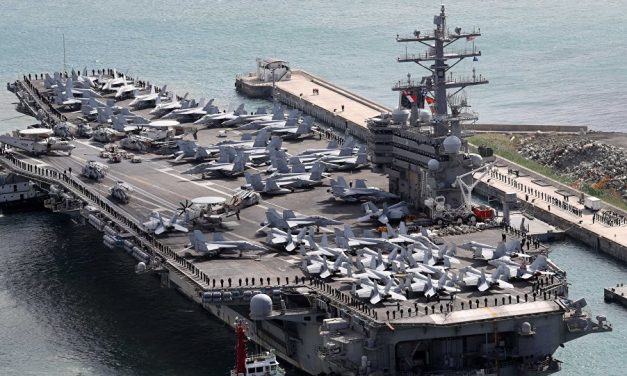
Strategic Council Online – Opinion: Relations between some countries in the Asia-Pacific region, such as China and Japan or China and Australia, which were previously relatively normal, are trending towards deterioration, and the primary reason for this is the aggressive policies of the United States of America.

Loading

Últimas publicaciones

The Security Equation of Southern Lebanon for the Zionist Regime

Strategic Council Online – Opinion: American-Zionist objectives in the region are not limited to weakening Hezbollah. Efforts to disarm Iraqi resistance groups such as Kata’ib Hezbollah and the Popular Mobilization Forces are also part of their subsequent plans.

Commercial Exploitation of Peace; The Gaza Committee in Confrontation with International Legitimacy

Strategic Council Online – Report: While the second phase of the implementation of the Gaza ceasefire has begun, the establishment of the “Peace Board” chaired by Donald Trump on the sidelines of the Davos meeting (22 January 2026) has become more than a technical mechanism for reconstruction and has turned into a test for the future of the international order.
Despite the signing of the charter by 22 out of 60 invited countries, the limited presence of global leaders at the Davos ceremony and the non-acceptance of this body by the European Union and key Western countries indicate a deep divide in global perceptions of the legitimacy of this mechanism.
In this report, drawing on the analysis of Hadi Borhani, a regional affairs expert, and international data, three strategic questions are addressed: Is the Peace Board an instrument for implementing UN Security Council Resolution 2803 or a substitute for the United Nations? How does the hierarchical architecture of this committee intensify executive challenges in Gaza? And finally, can this body create sustainable peace without the cooperation of Palestinians and with the concentration of power in the hands of a single individual?

America’s Zero-Sum Game in Iraq

Online Strategic Council – Memoir: The swift selection of Nouri al-Maliki for the premiership constitutes a new phase in Iraq’s political sphere. Multiple factors have played a role in this process, the most important being the prevailing situation in Iraq and the region. Under such circumstances, Iraq requires a powerful and experienced prime minister who can keep the country away from the dangers of wars and crises.

America’s Strategy for Creating Tension in the Asia-Pacific

Strategic Council Online – Opinion: Relations between some countries in the Asia-Pacific region, such as China and Japan or China and Australia, which were previously relatively normal, are trending towards deterioration, and the primary reason for this is the aggressive policies of the United States of America.

Loading

DERNIER CONTENU

The Security Equation of Southern Lebanon for the Zionist Regime

Strategic Council Online – Opinion: American-Zionist objectives in the region are not limited to weakening Hezbollah. Efforts to disarm Iraqi resistance groups such as Kata’ib Hezbollah and the Popular Mobilization Forces are also part of their subsequent plans.

Commercial Exploitation of Peace; The Gaza Committee in Confrontation with International Legitimacy

Strategic Council Online – Report: While the second phase of the implementation of the Gaza ceasefire has begun, the establishment of the “Peace Board” chaired by Donald Trump on the sidelines of the Davos meeting (22 January 2026) has become more than a technical mechanism for reconstruction and has turned into a test for the future of the international order.
Despite the signing of the charter by 22 out of 60 invited countries, the limited presence of global leaders at the Davos ceremony and the non-acceptance of this body by the European Union and key Western countries indicate a deep divide in global perceptions of the legitimacy of this mechanism.
In this report, drawing on the analysis of Hadi Borhani, a regional affairs expert, and international data, three strategic questions are addressed: Is the Peace Board an instrument for implementing UN Security Council Resolution 2803 or a substitute for the United Nations? How does the hierarchical architecture of this committee intensify executive challenges in Gaza? And finally, can this body create sustainable peace without the cooperation of Palestinians and with the concentration of power in the hands of a single individual?

America’s Zero-Sum Game in Iraq

Online Strategic Council – Memoir: The swift selection of Nouri al-Maliki for the premiership constitutes a new phase in Iraq’s political sphere. Multiple factors have played a role in this process, the most important being the prevailing situation in Iraq and the region. Under such circumstances, Iraq requires a powerful and experienced prime minister who can keep the country away from the dangers of wars and crises.

America’s Strategy for Creating Tension in the Asia-Pacific

Strategic Council Online – Opinion: Relations between some countries in the Asia-Pacific region, such as China and Japan or China and Australia, which were previously relatively normal, are trending towards deterioration, and the primary reason for this is the aggressive policies of the United States of America.

Loading

DERNIER CONTENU

The Security Equation of Southern Lebanon for the Zionist Regime

Strategic Council Online – Opinion: American-Zionist objectives in the region are not limited to weakening Hezbollah. Efforts to disarm Iraqi resistance groups such as Kata’ib Hezbollah and the Popular Mobilization Forces are also part of their subsequent plans.

Commercial Exploitation of Peace; The Gaza Committee in Confrontation with International Legitimacy

Strategic Council Online – Report: While the second phase of the implementation of the Gaza ceasefire has begun, the establishment of the “Peace Board” chaired by Donald Trump on the sidelines of the Davos meeting (22 January 2026) has become more than a technical mechanism for reconstruction and has turned into a test for the future of the international order.
Despite the signing of the charter by 22 out of 60 invited countries, the limited presence of global leaders at the Davos ceremony and the non-acceptance of this body by the European Union and key Western countries indicate a deep divide in global perceptions of the legitimacy of this mechanism.
In this report, drawing on the analysis of Hadi Borhani, a regional affairs expert, and international data, three strategic questions are addressed: Is the Peace Board an instrument for implementing UN Security Council Resolution 2803 or a substitute for the United Nations? How does the hierarchical architecture of this committee intensify executive challenges in Gaza? And finally, can this body create sustainable peace without the cooperation of Palestinians and with the concentration of power in the hands of a single individual?

America’s Zero-Sum Game in Iraq

Online Strategic Council – Memoir: The swift selection of Nouri al-Maliki for the premiership constitutes a new phase in Iraq’s political sphere. Multiple factors have played a role in this process, the most important being the prevailing situation in Iraq and the region. Under such circumstances, Iraq requires a powerful and experienced prime minister who can keep the country away from the dangers of wars and crises.

America’s Strategy for Creating Tension in the Asia-Pacific

Strategic Council Online – Opinion: Relations between some countries in the Asia-Pacific region, such as China and Japan or China and Australia, which were previously relatively normal, are trending towards deterioration, and the primary reason for this is the aggressive policies of the United States of America.

Loading

DERNIER CONTENU

The Security Equation of Southern Lebanon for the Zionist Regime

Strategic Council Online – Opinion: American-Zionist objectives in the region are not limited to weakening Hezbollah. Efforts to disarm Iraqi resistance groups such as Kata’ib Hezbollah and the Popular Mobilization Forces are also part of their subsequent plans.

Commercial Exploitation of Peace; The Gaza Committee in Confrontation with International Legitimacy

Strategic Council Online – Report: While the second phase of the implementation of the Gaza ceasefire has begun, the establishment of the “Peace Board” chaired by Donald Trump on the sidelines of the Davos meeting (22 January 2026) has become more than a technical mechanism for reconstruction and has turned into a test for the future of the international order.
Despite the signing of the charter by 22 out of 60 invited countries, the limited presence of global leaders at the Davos ceremony and the non-acceptance of this body by the European Union and key Western countries indicate a deep divide in global perceptions of the legitimacy of this mechanism.
In this report, drawing on the analysis of Hadi Borhani, a regional affairs expert, and international data, three strategic questions are addressed: Is the Peace Board an instrument for implementing UN Security Council Resolution 2803 or a substitute for the United Nations? How does the hierarchical architecture of this committee intensify executive challenges in Gaza? And finally, can this body create sustainable peace without the cooperation of Palestinians and with the concentration of power in the hands of a single individual?

America’s Zero-Sum Game in Iraq

Online Strategic Council – Memoir: The swift selection of Nouri al-Maliki for the premiership constitutes a new phase in Iraq’s political sphere. Multiple factors have played a role in this process, the most important being the prevailing situation in Iraq and the region. Under such circumstances, Iraq requires a powerful and experienced prime minister who can keep the country away from the dangers of wars and crises.

America’s Strategy for Creating Tension in the Asia-Pacific

Strategic Council Online – Opinion: Relations between some countries in the Asia-Pacific region, such as China and Japan or China and Australia, which were previously relatively normal, are trending towards deterioration, and the primary reason for this is the aggressive policies of the United States of America.

Loading