Vague Prospect of West-Russia Tensions over Ukraine

2022/04/10 | Note, Politics, top news

Strategic Council Online - Opinion: The assumption that the West will take control of the situation in the Ukraine crisis through rhetorique and even sanctions is as dubious and beyond the rational framework of analysis as Moscow asserting conclusively that it has the control of the situation in the war in Ukraine. Pouria Nabipour - PhD in political science and international relations

Litigation, international law

Since the Crimea event in 2014, the West has portrayed Russia as a state that not only tears the book of international law, but also claims Moscow’s involvement in the Trump election and open support for Le Pen in France and right-wing political forces in other European countries actively undermines stability in the West.

Moscow, meanwhile, says Biden’s labeling Vladimir Putin a “war criminal” has pushed US-Russian relations to the brink of collapse, and summoned the US ambassador to the country over Biden’s recent unforgivable remarks. Following the passage of a UN Human Rights Council resolution for the establishment of a Commission of Inquiry, the United States and 44 other countries are working together to investigate possible abuses and violations.

Further investigations are under way by the International Criminal Court. The International Court of Justice (ICJ) has also asked Russia, in an order it has issued, to immediately suspend its military operations in Ukraine, declaring that it is deeply concerned about Moscow’s use of force.

Under international law, there is a clear definition of war crime, and the most likely way in which Putin can be defined as a war criminal, through the recognized legal doctrine, is command responsibility. If commanders order or know or are in a situation where they are aware of the occurrence or commission of a crime and do not taken any action to prevent it, they can be held liable legally.

But Russia does not recognize the jurisdiction of the International Criminal Court and does not send any defendants to the court headquarters in The Hague, the Netherlands. Interestingly, the United States also does not recognize the jurisdiction of the court. In addition, Russia is a permanent member of the UN Security Council, therefore it can prevent the adoption of any resolution to refer a war crime investigation case to this body.

Russia’s strategy in face of West’s tougher strategy

The events of recent weeks do not seem to leave enough room to reduce the deep rift between Russia and Western powers; but given the countless challenges to Washington’s advance in the Middle East, East Asia, and indeed the failure to date to fundamentally change Russia’s policy toward Ukraine, the question arises that what might the West’s tougher strategy include?

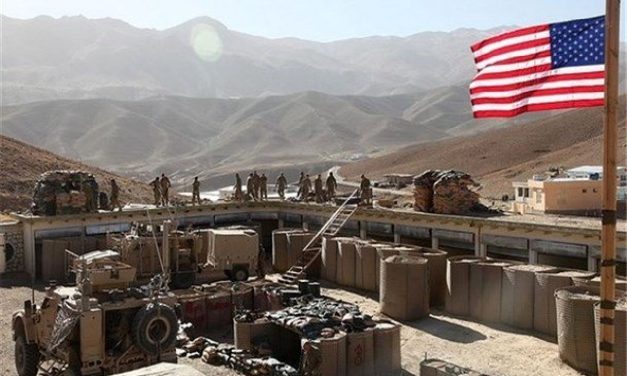
The US military presence in Central Europe, the increase in US military support for Poland and the Baltic countries and NATO’s advance eastward are also major obstacles to peace and stability in Ukraine. This “European reassurance” strategy, which is in fact a long-term policy of containment, may be satisfactory in the short term for some European capitals that want to resolve disputes with Moscow (though not at any cost), but it will not be pleasant in the long run.

While the escalation of the crisis with Moscow has immediately led to an energy crisis, rising immigration costs to European countries and even threats to food security in Europe, further EU-US sanctions are unlikely to fundamentally change the game in the long run. From Europe’s pressing challenges due to Brexit and nationalist trends, from its heavy reliance on Russia’s energy resources to the economic woes in the euro zone, there is practically very little room for investment in a tough strategy to counter Russia that can go and act beyond the destructive power of sanctions.

At present, there is no sign of a common vision between Russia and Western countries that can lead to the resolution of regional disputes and creation of an acceptable security and trade environment. NATO’s current policies and recent verbal attacks have certainly increased misunderstandings and mistrust, and could have irreversible effects on the process of possible peace talks and implementation of any reciprocal commitments in the implementation of the ceasefire and peace.

At the same time, although the risk of escalating tensions due to the conflict and rhetoric cannot be completely ruled out and continuation of the conflict may be turned into a “new normal situation”, the prospect of any NATO intervention despite the threats is out of reach and it seems that neither Russian nor NATO do not not intend to resort to armed confrontation.

Russia’s main strategy, along with efforts to lift sanctions, will be to focus on creating mechanisms to neutralize sanctions instruments. At the same time, there is no immediate indication that Moscow will reconsider the situation in Crimea or its strategy in the eastern part of Ukraine, which is now under the control of Russian forces.

Increased NATO political and field mobilization to arm, train and direct military groups, and in particular the aggressive stance of NATO members and military action by countries such as Poland and Germany in sending weapons to Ukraine, will lead to increase Russian distrust of possible proposals in the forthcoming negotiations.

Moscow will also seek to uphold Russia’s foreign policy principles which the defense of the Russians, what Moscow considers to be the basic principles of international relations, increases the equality of sovereignty and the right of current governments to resist interference that increases prospects for regime change and includes tough defense of national security and commercial interests.

Therefore, the prospect of an early settlement of the conflict seems unlikely, and Moscow’s uncertainty about long-term US and European policies will ultimately justify Russia’s tougher policies.
0 Comments

Submit a Comment

Your email address will not be published. Required fields are marked *

LATEST CONTENT

Commercial Exploitation of Peace; The Gaza Committee in Confrontation with International Legitimacy

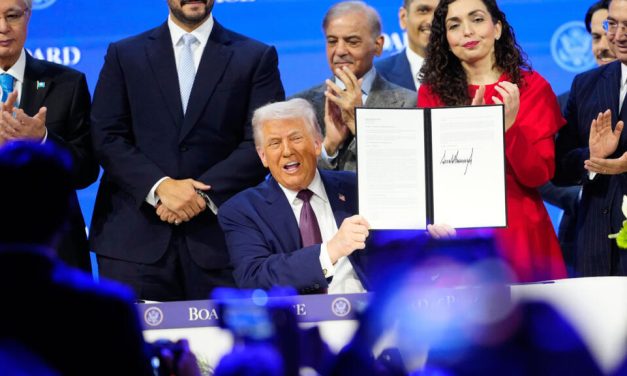
Strategic Council Online – Report: While the second phase of the implementation of the Gaza ceasefire has begun, the establishment of the “Peace Board” chaired by Donald Trump on the sidelines of the Davos meeting (22 January 2026) has become more than a technical mechanism for reconstruction and has turned into a test for the future of the international order.
Despite the signing of the charter by 22 out of 60 invited countries, the limited presence of global leaders at the Davos ceremony and the non-acceptance of this body by the European Union and key Western countries indicate a deep divide in global perceptions of the legitimacy of this mechanism.
In this report, drawing on the analysis of Hadi Borhani, a regional affairs expert, and international data, three strategic questions are addressed: Is the Peace Board an instrument for implementing UN Security Council Resolution 2803 or a substitute for the United Nations? How does the hierarchical architecture of this committee intensify executive challenges in Gaza? And finally, can this body create sustainable peace without the cooperation of Palestinians and with the concentration of power in the hands of a single individual?

America’s Zero-Sum Game in Iraq

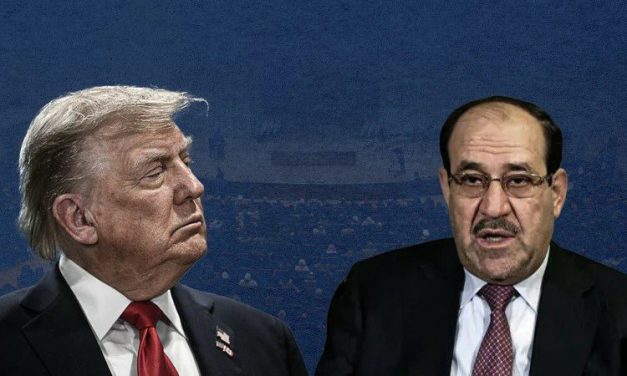
Online Strategic Council – Memoir: The swift selection of Nouri al-Maliki for the premiership constitutes a new phase in Iraq’s political sphere. Multiple factors have played a role in this process, the most important being the prevailing situation in Iraq and the region. Under such circumstances, Iraq requires a powerful and experienced prime minister who can keep the country away from the dangers of wars and crises.

America’s Strategy for Creating Tension in the Asia-Pacific

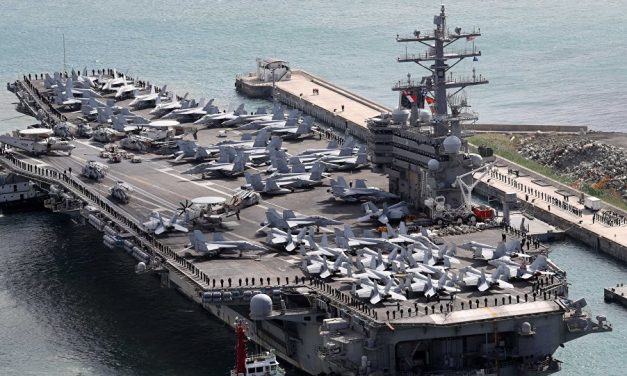
Strategic Council Online – Opinion: Relations between some countries in the Asia-Pacific region, such as China and Japan or China and Australia, which were previously relatively normal, are trending towards deterioration, and the primary reason for this is the aggressive policies of the United States of America.

The Collapse of the European Security Illusion with the Continuation of the Ukraine War?

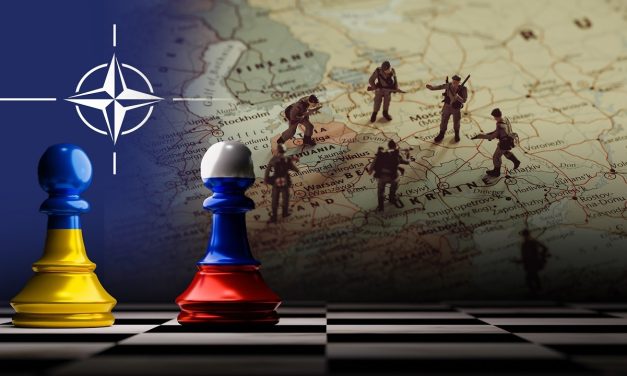
Strategic Council Online – Interview: The Ukraine war has become a new turning point in the political, security, and even commercial relations of allies on both sides of the Atlantic. While this war is nearing its fourth year, many questions still remain regarding its future and its consequences; among them, will the continuation of the Ukraine war lead to the collapse of the European security illusion?

Loading

Últimas publicaciones

Commercial Exploitation of Peace; The Gaza Committee in Confrontation with International Legitimacy

Strategic Council Online – Report: While the second phase of the implementation of the Gaza ceasefire has begun, the establishment of the “Peace Board” chaired by Donald Trump on the sidelines of the Davos meeting (22 January 2026) has become more than a technical mechanism for reconstruction and has turned into a test for the future of the international order.
Despite the signing of the charter by 22 out of 60 invited countries, the limited presence of global leaders at the Davos ceremony and the non-acceptance of this body by the European Union and key Western countries indicate a deep divide in global perceptions of the legitimacy of this mechanism.
In this report, drawing on the analysis of Hadi Borhani, a regional affairs expert, and international data, three strategic questions are addressed: Is the Peace Board an instrument for implementing UN Security Council Resolution 2803 or a substitute for the United Nations? How does the hierarchical architecture of this committee intensify executive challenges in Gaza? And finally, can this body create sustainable peace without the cooperation of Palestinians and with the concentration of power in the hands of a single individual?

America’s Zero-Sum Game in Iraq

Online Strategic Council – Memoir: The swift selection of Nouri al-Maliki for the premiership constitutes a new phase in Iraq’s political sphere. Multiple factors have played a role in this process, the most important being the prevailing situation in Iraq and the region. Under such circumstances, Iraq requires a powerful and experienced prime minister who can keep the country away from the dangers of wars and crises.

America’s Strategy for Creating Tension in the Asia-Pacific

Strategic Council Online – Opinion: Relations between some countries in the Asia-Pacific region, such as China and Japan or China and Australia, which were previously relatively normal, are trending towards deterioration, and the primary reason for this is the aggressive policies of the United States of America.

The Collapse of the European Security Illusion with the Continuation of the Ukraine War?

Strategic Council Online – Interview: The Ukraine war has become a new turning point in the political, security, and even commercial relations of allies on both sides of the Atlantic. While this war is nearing its fourth year, many questions still remain regarding its future and its consequences; among them, will the continuation of the Ukraine war lead to the collapse of the European security illusion?

Loading

DERNIER CONTENU

Commercial Exploitation of Peace; The Gaza Committee in Confrontation with International Legitimacy

Strategic Council Online – Report: While the second phase of the implementation of the Gaza ceasefire has begun, the establishment of the “Peace Board” chaired by Donald Trump on the sidelines of the Davos meeting (22 January 2026) has become more than a technical mechanism for reconstruction and has turned into a test for the future of the international order.
Despite the signing of the charter by 22 out of 60 invited countries, the limited presence of global leaders at the Davos ceremony and the non-acceptance of this body by the European Union and key Western countries indicate a deep divide in global perceptions of the legitimacy of this mechanism.
In this report, drawing on the analysis of Hadi Borhani, a regional affairs expert, and international data, three strategic questions are addressed: Is the Peace Board an instrument for implementing UN Security Council Resolution 2803 or a substitute for the United Nations? How does the hierarchical architecture of this committee intensify executive challenges in Gaza? And finally, can this body create sustainable peace without the cooperation of Palestinians and with the concentration of power in the hands of a single individual?

America’s Zero-Sum Game in Iraq

Online Strategic Council – Memoir: The swift selection of Nouri al-Maliki for the premiership constitutes a new phase in Iraq’s political sphere. Multiple factors have played a role in this process, the most important being the prevailing situation in Iraq and the region. Under such circumstances, Iraq requires a powerful and experienced prime minister who can keep the country away from the dangers of wars and crises.

America’s Strategy for Creating Tension in the Asia-Pacific

Strategic Council Online – Opinion: Relations between some countries in the Asia-Pacific region, such as China and Japan or China and Australia, which were previously relatively normal, are trending towards deterioration, and the primary reason for this is the aggressive policies of the United States of America.

The Collapse of the European Security Illusion with the Continuation of the Ukraine War?

Strategic Council Online – Interview: The Ukraine war has become a new turning point in the political, security, and even commercial relations of allies on both sides of the Atlantic. While this war is nearing its fourth year, many questions still remain regarding its future and its consequences; among them, will the continuation of the Ukraine war lead to the collapse of the European security illusion?

Loading

DERNIER CONTENU

Commercial Exploitation of Peace; The Gaza Committee in Confrontation with International Legitimacy

Strategic Council Online – Report: While the second phase of the implementation of the Gaza ceasefire has begun, the establishment of the “Peace Board” chaired by Donald Trump on the sidelines of the Davos meeting (22 January 2026) has become more than a technical mechanism for reconstruction and has turned into a test for the future of the international order.
Despite the signing of the charter by 22 out of 60 invited countries, the limited presence of global leaders at the Davos ceremony and the non-acceptance of this body by the European Union and key Western countries indicate a deep divide in global perceptions of the legitimacy of this mechanism.
In this report, drawing on the analysis of Hadi Borhani, a regional affairs expert, and international data, three strategic questions are addressed: Is the Peace Board an instrument for implementing UN Security Council Resolution 2803 or a substitute for the United Nations? How does the hierarchical architecture of this committee intensify executive challenges in Gaza? And finally, can this body create sustainable peace without the cooperation of Palestinians and with the concentration of power in the hands of a single individual?

America’s Zero-Sum Game in Iraq

Online Strategic Council – Memoir: The swift selection of Nouri al-Maliki for the premiership constitutes a new phase in Iraq’s political sphere. Multiple factors have played a role in this process, the most important being the prevailing situation in Iraq and the region. Under such circumstances, Iraq requires a powerful and experienced prime minister who can keep the country away from the dangers of wars and crises.

America’s Strategy for Creating Tension in the Asia-Pacific

Strategic Council Online – Opinion: Relations between some countries in the Asia-Pacific region, such as China and Japan or China and Australia, which were previously relatively normal, are trending towards deterioration, and the primary reason for this is the aggressive policies of the United States of America.

The Collapse of the European Security Illusion with the Continuation of the Ukraine War?

Strategic Council Online – Interview: The Ukraine war has become a new turning point in the political, security, and even commercial relations of allies on both sides of the Atlantic. While this war is nearing its fourth year, many questions still remain regarding its future and its consequences; among them, will the continuation of the Ukraine war lead to the collapse of the European security illusion?

Loading

DERNIER CONTENU

Commercial Exploitation of Peace; The Gaza Committee in Confrontation with International Legitimacy

Strategic Council Online – Report: While the second phase of the implementation of the Gaza ceasefire has begun, the establishment of the “Peace Board” chaired by Donald Trump on the sidelines of the Davos meeting (22 January 2026) has become more than a technical mechanism for reconstruction and has turned into a test for the future of the international order.
Despite the signing of the charter by 22 out of 60 invited countries, the limited presence of global leaders at the Davos ceremony and the non-acceptance of this body by the European Union and key Western countries indicate a deep divide in global perceptions of the legitimacy of this mechanism.
In this report, drawing on the analysis of Hadi Borhani, a regional affairs expert, and international data, three strategic questions are addressed: Is the Peace Board an instrument for implementing UN Security Council Resolution 2803 or a substitute for the United Nations? How does the hierarchical architecture of this committee intensify executive challenges in Gaza? And finally, can this body create sustainable peace without the cooperation of Palestinians and with the concentration of power in the hands of a single individual?

America’s Zero-Sum Game in Iraq

Online Strategic Council – Memoir: The swift selection of Nouri al-Maliki for the premiership constitutes a new phase in Iraq’s political sphere. Multiple factors have played a role in this process, the most important being the prevailing situation in Iraq and the region. Under such circumstances, Iraq requires a powerful and experienced prime minister who can keep the country away from the dangers of wars and crises.

America’s Strategy for Creating Tension in the Asia-Pacific

Strategic Council Online – Opinion: Relations between some countries in the Asia-Pacific region, such as China and Japan or China and Australia, which were previously relatively normal, are trending towards deterioration, and the primary reason for this is the aggressive policies of the United States of America.

The Collapse of the European Security Illusion with the Continuation of the Ukraine War?

Strategic Council Online – Interview: The Ukraine war has become a new turning point in the political, security, and even commercial relations of allies on both sides of the Atlantic. While this war is nearing its fourth year, many questions still remain regarding its future and its consequences; among them, will the continuation of the Ukraine war lead to the collapse of the European security illusion?

Loading