Europe’s Confusion in Relations with Russia

2021/06/01 | interview, Politics, top news

Strategic Council Online - An expert on international affairs said that in Europe we are witnessing a kind of confusion and also differences among various factions towards Russia, adding: Europe’s strategy towards Russia is first to guarantee supply over demand and then to extend this style of agreement to other contentious issues, including human rights or conflicting interests in Eastern Europe.

Speaking in an interview with the website of the Strategic Council on Foreign Relations, Afifeh Abedi referred to Europe’s actions against Russia and at the same time criticism of the EU officials for Moscow’s reactions towards it, saying: There are many influential components in Russia-Europe relations. The conditions of Russia’s bilateral relations with each of those countries, along with Russia’s relations with the European Union, Russia-Europe-US trilateral relations, as well as international issues and relations, including US-China ties, each of which, by changing trend, can be influential in the perspective of Russia-Europe relations.

Noting that the Europeans see Russia as a major economic market, and sanctions and escalating tensions could affect that market, he said: The outlook for Russian-European relations is affected by bilateral relations between Russians and European countries. The Russians have always tried to improve their relations with the European Union by improving their bilateral relations with European countries. Of course, this policy has also been successful. As we can see, Russia-Germany relations and the Stream 2 project have affected US policy toward Russia.

The expert on international affairs further remarked: Russia continues to invest in relations with Germany, and the Germans place considerable weight on relations with Russia, both within Europe and with the United States, because of their needs and their political and economic considerations. And this is one of the issues that affects Russia-Europe relations in the Russia-US-Europe triangle.

Europe’s strategy towards Russia

Abedi added: The European Union has adopted a double standard policy regarding the United States and Russia under Mr. Biden. On the one hand, it seeks to restore the Atlantic Alliance with a more balance towards Europe, and on the other hand, it seeks to resolve its issues with Russia through negotiation and containment of tensions through various means, including sanctions and bringing the Russians to the negotiating table. It can be said that Europe’s strategy towards Russia is first to guarantee supply over demand and then to extend this style of agreement to other controversial issues, including human rights issues or the conflicting interests of the two sides in Eastern Europe.

Referring to recent tensions in Europe-Russia relations, the international affairs analyst said: The Russians, because of their economic dependence and strategic and cultural interests in the West, have always sought to increase their relations with Europe and within the framework of their own interests, the most important of which are mutual respect and consideration for Russia’s political and security considerations in Eastern Europe, welcome the easing of tensions and the expansion of relations with Europe.

Referring to Europe’s criticism of Russia offering a list of unfriendly countries and its stressful assessment of it, Abedi continued: Europe’s concerns about Russia and the common European and American positions on Russia should be separated. Russia-Europe economic ties have expanded, and given Europe’s dependence on Russian energy, however, there are concerns that the Russians could use the issue as a tool against Europe for their own political and security interests.

Europe’s confusion in relations with Russia

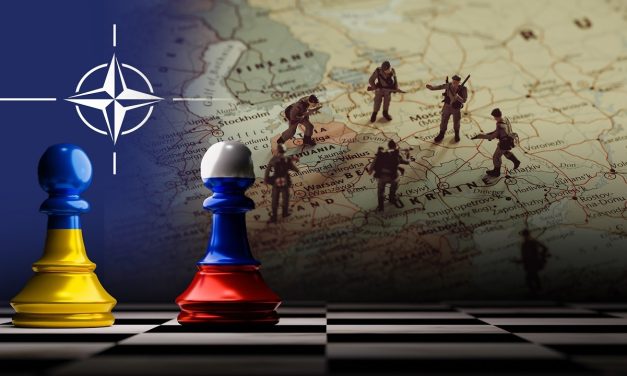
She added: On the other hand, the Europeans feel threatened by the Russian expansionist dream in Eastern Europe and the revival of the Soviet empire in Europe in the light of the developments of the past decade, especially the crisis in Ukraine. For this reason, in Europe, we are witness to the differences in different European factions towards Russia.

The expert on international affairs, saying that in terms of feelings of threat and concern, Europe and the United States are common but have differences in terms of facing it, she added: Those differences are also evident within the European Union and some countries are more in line with the US strategy towards Russia, but other countries in the Union are working harder to contain tensions with Russia and are following a long-term approach to control and reduce the Russian threat. That is why we are witnessing a kind of confusion about Europe’s relations with Russia.

Periodic ups and downs in Germany-Russia relations

At the same time, she stressed: Despite all the differences that we see within Europe, in terms of the feeling of concern, all member states are the same. The most important country in the European Union that has an approach towards Russia different from that of the United States is Germany. It is noteworthy, however, that periodic ups and downs in German-Russian relations also indicate periods of cooperation and alliance or tension and cold relations until the full war.

The expert on international affairs further elaborated: After the Ukraine crisis in 1994, Germany was involved in putting pressure on Russia by imposing tougher EU sanctions on Russia, but after a series of talks, it has helped reduce tensions by reviving the Nord Stream 2 project. It seems that the German energy index and the desire to improve its international position are among the most important factors influencing bilateral relations between Moscow and Berlin.

Regarding Russia’s approach to those concerns and tensions, Abedi said: The Russians have always seen the United States as an obstacle to the expansion of Russia-Europe relations, and they use this keyword a lot. Improving political and economic relations between Russia and Europe, will reduce the threats posed against Russia in Eastern European countries.
0 Comments

Submit a Comment

Your email address will not be published. Required fields are marked *

LATEST CONTENT

America’s Zero-Sum Game in Iraq

Online Strategic Council – Memoir: The swift selection of Nouri al-Maliki for the premiership constitutes a new phase in Iraq’s political sphere. Multiple factors have played a role in this process, the most important being the prevailing situation in Iraq and the region. Under such circumstances, Iraq requires a powerful and experienced prime minister who can keep the country away from the dangers of wars and crises.

America’s Strategy for Creating Tension in the Asia-Pacific

Strategic Council Online – Opinion: Relations between some countries in the Asia-Pacific region, such as China and Japan or China and Australia, which were previously relatively normal, are trending towards deterioration, and the primary reason for this is the aggressive policies of the United States of America.

The Collapse of the European Security Illusion with the Continuation of the Ukraine War?

Strategic Council Online – Interview: The Ukraine war has become a new turning point in the political, security, and even commercial relations of allies on both sides of the Atlantic. While this war is nearing its fourth year, many questions still remain regarding its future and its consequences; among them, will the continuation of the Ukraine war lead to the collapse of the European security illusion?

Is Greenland Pushing Europe Toward China?

Strategic Council Online – Interview: A European affairs expert believes that the seizure of Greenland will certainly weaken America’s relations with Europe and its allies. Donald Trump’s view is that he does not need these countries, but if Europe faces significant pressure from the United States, it is natural for it to move toward China.

Alarm Bells Sound for ISIS Revival in Syria: Threat to Iraq and West Asia

Strategic Council Online – Opinion: Numerous documents and pieces of evidence indicate that ISIS, which in recent years has been the region’s biggest threat to security and stability after the Zionist regime, has once again in recent months become a focal point for political and security exploitation by American and Zionist regime security, intelligence, and political circles.

Afghanistan’s Effective Role in the Economy of Eurasia

Strategic Council Online – Interview: A regional affairs researcher stated: Despite projects such as the Khaf-Herat railway and the Herat-Balkh-Mazar-i-Sharif corridor being on the agenda, insecurity and the absence of an inclusive government remain the most significant obstacles to realizing transit corridors and Afghanistan playing an effective role in the economy of Eurasia.

Loading

Últimas publicaciones

America’s Zero-Sum Game in Iraq

Online Strategic Council – Memoir: The swift selection of Nouri al-Maliki for the premiership constitutes a new phase in Iraq’s political sphere. Multiple factors have played a role in this process, the most important being the prevailing situation in Iraq and the region. Under such circumstances, Iraq requires a powerful and experienced prime minister who can keep the country away from the dangers of wars and crises.

America’s Strategy for Creating Tension in the Asia-Pacific

Strategic Council Online – Opinion: Relations between some countries in the Asia-Pacific region, such as China and Japan or China and Australia, which were previously relatively normal, are trending towards deterioration, and the primary reason for this is the aggressive policies of the United States of America.

The Collapse of the European Security Illusion with the Continuation of the Ukraine War?

Strategic Council Online – Interview: The Ukraine war has become a new turning point in the political, security, and even commercial relations of allies on both sides of the Atlantic. While this war is nearing its fourth year, many questions still remain regarding its future and its consequences; among them, will the continuation of the Ukraine war lead to the collapse of the European security illusion?

Is Greenland Pushing Europe Toward China?

Strategic Council Online – Interview: A European affairs expert believes that the seizure of Greenland will certainly weaken America’s relations with Europe and its allies. Donald Trump’s view is that he does not need these countries, but if Europe faces significant pressure from the United States, it is natural for it to move toward China.

Alarm Bells Sound for ISIS Revival in Syria: Threat to Iraq and West Asia

Strategic Council Online – Opinion: Numerous documents and pieces of evidence indicate that ISIS, which in recent years has been the region’s biggest threat to security and stability after the Zionist regime, has once again in recent months become a focal point for political and security exploitation by American and Zionist regime security, intelligence, and political circles.

Afghanistan’s Effective Role in the Economy of Eurasia

Strategic Council Online – Interview: A regional affairs researcher stated: Despite projects such as the Khaf-Herat railway and the Herat-Balkh-Mazar-i-Sharif corridor being on the agenda, insecurity and the absence of an inclusive government remain the most significant obstacles to realizing transit corridors and Afghanistan playing an effective role in the economy of Eurasia.

Loading

DERNIER CONTENU

America’s Zero-Sum Game in Iraq

Online Strategic Council – Memoir: The swift selection of Nouri al-Maliki for the premiership constitutes a new phase in Iraq’s political sphere. Multiple factors have played a role in this process, the most important being the prevailing situation in Iraq and the region. Under such circumstances, Iraq requires a powerful and experienced prime minister who can keep the country away from the dangers of wars and crises.

America’s Strategy for Creating Tension in the Asia-Pacific

Strategic Council Online – Opinion: Relations between some countries in the Asia-Pacific region, such as China and Japan or China and Australia, which were previously relatively normal, are trending towards deterioration, and the primary reason for this is the aggressive policies of the United States of America.

The Collapse of the European Security Illusion with the Continuation of the Ukraine War?

Strategic Council Online – Interview: The Ukraine war has become a new turning point in the political, security, and even commercial relations of allies on both sides of the Atlantic. While this war is nearing its fourth year, many questions still remain regarding its future and its consequences; among them, will the continuation of the Ukraine war lead to the collapse of the European security illusion?

Is Greenland Pushing Europe Toward China?

Strategic Council Online – Interview: A European affairs expert believes that the seizure of Greenland will certainly weaken America’s relations with Europe and its allies. Donald Trump’s view is that he does not need these countries, but if Europe faces significant pressure from the United States, it is natural for it to move toward China.

Alarm Bells Sound for ISIS Revival in Syria: Threat to Iraq and West Asia

Strategic Council Online – Opinion: Numerous documents and pieces of evidence indicate that ISIS, which in recent years has been the region’s biggest threat to security and stability after the Zionist regime, has once again in recent months become a focal point for political and security exploitation by American and Zionist regime security, intelligence, and political circles.

Afghanistan’s Effective Role in the Economy of Eurasia

Strategic Council Online – Interview: A regional affairs researcher stated: Despite projects such as the Khaf-Herat railway and the Herat-Balkh-Mazar-i-Sharif corridor being on the agenda, insecurity and the absence of an inclusive government remain the most significant obstacles to realizing transit corridors and Afghanistan playing an effective role in the economy of Eurasia.

Loading