Muslim Brotherhood and Turkey’s Strategic View in Negotiations with Egypt

2021/05/17 | interview, Politics, top news

Strategic Council Online - A university professor, stressing that Turkey would never move towards eliminating the Muslim Brotherhood and will maintain relationships with them and in some cases use their card to score points, said: Turkey’s view of foreign policy issues is not ideological, but based on interests.

Dr. Reza Abedi Gonabad, in an interview with the website of the Strategic Council on Foreign Relations, referring to the negotiations between Turkey and Egypt after an eight-year hiatus with an aim of normalizing diplomatic relations, said: It was predictable that the two countries, due to some considerations and their interests, have to talk and negotiate and get closer to each other.

Turkey’s view on foreign policy issues is not ideological

Saying that Turkey’s view on foreign policy issues is not ideological, in relation to its possible policy towards the Muslim Brotherhood, he noted: This country even makes certain decisions on the issues of the Islamic world, Palestine, the Uyghurs and the Muslim Brotherhood based on the various interests and conditions in which it finds itself, and we generally do not see a permanent and fixed view; they use different cards in the game of politics based on their benefits and interests.

The university professor referred to some of Turkey’s positions in foreign policy, in which it has made a decision devoid of ideology, and added: After the coup, the country took a very strong stance against al-Sisi and its media considered his regime illegitimate; but Turkish leaders gradually realized that the internal situation in Egypt, the interests of the West and the Zionist regime did not require the Brotherhood to return to power, and was somehow associated with the Mubarak era.

Abedi Gonabad, emphasizing that the United States and the Zionist regime, along with some Arab countries in the region, would not allow Islamic currents, such as the Muslim Brotherhood, to gain power in regional countries and continued: Recent developments have sent a message to Turkey that it should compromise with Egypt over its long-term interests; because Turkey needs to repair its relations with Saudi Arabia and the Arab countries anyway.

Turkey’s concern about some field facts

The analyst of Turkey affairs pointed to some tensions between Turkey and the Biden administration, including recognition of the Armenian genocide by the Ottomans, and said: Given the rift between Turkey and the Democrats in the United States and the positions that Mr. Biden and his group openly took against Mr. Erdogan, Turkey is concerned about the current situation and has come to the conclusion to reconsider its policies based on the facts on the ground.

He cited mutual economic needs of Egypt and Turkey as one of the concerns of the leaders of the two countries and reminded: The current economic conditions and living problems, as well as the Coronavirus crisis in Egypt, which has seriously damaged the tourism industry and foreign investment in that country should also be considered. However, in the case of Turkey, we are also witnessing those injuries; but Egypt is in dire need of investment from Turkish companies.

Abedi Gonabad referred to Egypt’s problems with Turkey in the Eastern Mediterranean; including the discussion of territorial sea lines and Turkey’s presence in Libya and its importance for Egypt as another important issue for Turkey that brings Turkey and Egypt closer to each other and emphasized: Given the importance of these issues for Turkey, this country has to ignore some issues.

The Turks will not eliminate Muslim Brotherhood

Regarding the changing role of the Muslim Brotherhood in Turkey’s foreign relations and the country’s future policy towards some countries, including Qatar, as well as imposing some restrictions on members and supporters of the group, he said: Of course, the Turks will never eliminate the Muslim Brotherhood and will maintain relations with them and in some cases will use their cards to put pressure on different Arab countries and gain points and strengthen forces close to them.

Emphasizing that the ruling Justice and Development Party should be classified as the “liberal Islam” or “conservative Islam” or, as some scholars believe, “post-Islamist”, he added: Due to organizational communication and the influences of the Brotherhood, especially the Egyptian Brotherhood and its thinkers, certainly cannot leave the Brotherhood, but they have realized the fact that the dictatorial structure in the Arab world and the approach of Western countries do not allow the Brotherhood to take power; therefore, it is necessary to strike a balance in its foreign policy by extending a hand of friendship to Egypt in order to advance its interests and policies in the region.

Turkey seeks to manage tensions

Abedi Gonabad, referring to the consequences of insisting on Turkey’s previous positions on the coup in Egypt; including the weakening of its interests in Egypt and North Africa and Saudi Arabia’s distancing from Turkey, said: After 2010, when some figures were removed from the government, Mr. Erdogan’s foreign policy moved away from ‘reducing tensions to zero’ and the ‘Arab uprisings’ caused Turkey to move towards aggressive policies and increase its interventions in the region. The country now appears to be trying to manage tensions in some way.

With regard to the internal problems of Turkey and the imminence of the elections in that country, he said: After the coronavirus crisis, Turkey has suffered a lot. Its economic growth has slowed and we are witnessing the growth of poverty and unemployment and the devaluation of the lira. Its economy was based on tourism and manufacturing, and the epidemic limitations of the disease affected Turkey’s economic situation; therefore, Turkey needs to provide the ground for stability and exit from some tensions in order to be able to increase its exports in this economic crisis and gain a concession for domestic operation.

The expert on Turkey affairs said: Some policies in Turkey, such as the post-coup detentions, the crackdown on intellectuals, various institutions, including human rights and the Kurds, have made the voice of the opposition louder than before. Continuation of this situation will damage Turkey’s economic position and interests and the credibility of the “AK Parti” in the country, and Mr. Erdogan will have more problems.
0 Comments

Submit a Comment

Your email address will not be published. Required fields are marked *

LATEST CONTENT

America’s Zero-Sum Game in Iraq

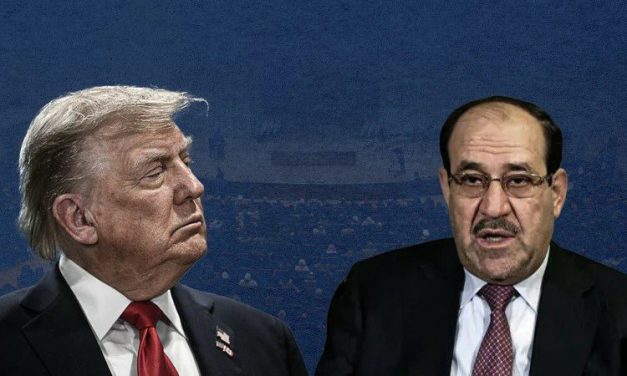
Online Strategic Council – Memoir: The swift selection of Nouri al-Maliki for the premiership constitutes a new phase in Iraq’s political sphere. Multiple factors have played a role in this process, the most important being the prevailing situation in Iraq and the region. Under such circumstances, Iraq requires a powerful and experienced prime minister who can keep the country away from the dangers of wars and crises.

America’s Strategy for Creating Tension in the Asia-Pacific

Strategic Council Online – Opinion: Relations between some countries in the Asia-Pacific region, such as China and Japan or China and Australia, which were previously relatively normal, are trending towards deterioration, and the primary reason for this is the aggressive policies of the United States of America.

The Collapse of the European Security Illusion with the Continuation of the Ukraine War?

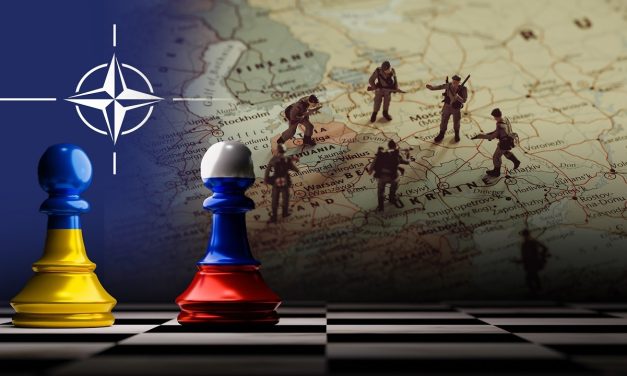
Strategic Council Online – Interview: The Ukraine war has become a new turning point in the political, security, and even commercial relations of allies on both sides of the Atlantic. While this war is nearing its fourth year, many questions still remain regarding its future and its consequences; among them, will the continuation of the Ukraine war lead to the collapse of the European security illusion?

Is Greenland Pushing Europe Toward China?

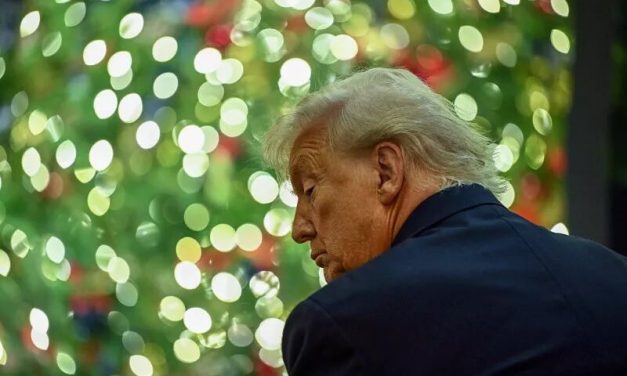
Strategic Council Online – Interview: A European affairs expert believes that the seizure of Greenland will certainly weaken America’s relations with Europe and its allies. Donald Trump’s view is that he does not need these countries, but if Europe faces significant pressure from the United States, it is natural for it to move toward China.

Alarm Bells Sound for ISIS Revival in Syria: Threat to Iraq and West Asia

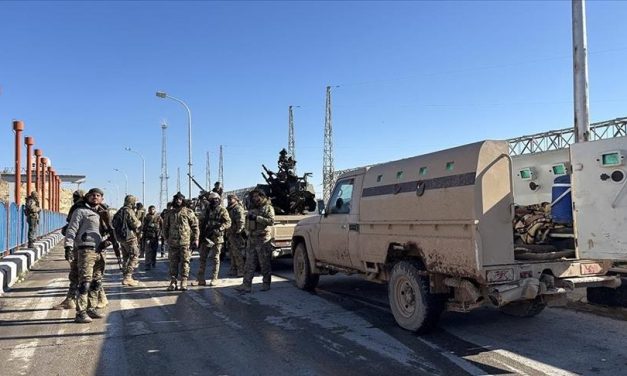
Strategic Council Online – Opinion: Numerous documents and pieces of evidence indicate that ISIS, which in recent years has been the region’s biggest threat to security and stability after the Zionist regime, has once again in recent months become a focal point for political and security exploitation by American and Zionist regime security, intelligence, and political circles.

Afghanistan’s Effective Role in the Economy of Eurasia

Strategic Council Online – Interview: A regional affairs researcher stated: Despite projects such as the Khaf-Herat railway and the Herat-Balkh-Mazar-i-Sharif corridor being on the agenda, insecurity and the absence of an inclusive government remain the most significant obstacles to realizing transit corridors and Afghanistan playing an effective role in the economy of Eurasia.

Loading

Últimas publicaciones

America’s Zero-Sum Game in Iraq

Online Strategic Council – Memoir: The swift selection of Nouri al-Maliki for the premiership constitutes a new phase in Iraq’s political sphere. Multiple factors have played a role in this process, the most important being the prevailing situation in Iraq and the region. Under such circumstances, Iraq requires a powerful and experienced prime minister who can keep the country away from the dangers of wars and crises.

America’s Strategy for Creating Tension in the Asia-Pacific

Strategic Council Online – Opinion: Relations between some countries in the Asia-Pacific region, such as China and Japan or China and Australia, which were previously relatively normal, are trending towards deterioration, and the primary reason for this is the aggressive policies of the United States of America.

The Collapse of the European Security Illusion with the Continuation of the Ukraine War?

Strategic Council Online – Interview: The Ukraine war has become a new turning point in the political, security, and even commercial relations of allies on both sides of the Atlantic. While this war is nearing its fourth year, many questions still remain regarding its future and its consequences; among them, will the continuation of the Ukraine war lead to the collapse of the European security illusion?

Is Greenland Pushing Europe Toward China?

Strategic Council Online – Interview: A European affairs expert believes that the seizure of Greenland will certainly weaken America’s relations with Europe and its allies. Donald Trump’s view is that he does not need these countries, but if Europe faces significant pressure from the United States, it is natural for it to move toward China.

Alarm Bells Sound for ISIS Revival in Syria: Threat to Iraq and West Asia

Strategic Council Online – Opinion: Numerous documents and pieces of evidence indicate that ISIS, which in recent years has been the region’s biggest threat to security and stability after the Zionist regime, has once again in recent months become a focal point for political and security exploitation by American and Zionist regime security, intelligence, and political circles.

Afghanistan’s Effective Role in the Economy of Eurasia

Strategic Council Online – Interview: A regional affairs researcher stated: Despite projects such as the Khaf-Herat railway and the Herat-Balkh-Mazar-i-Sharif corridor being on the agenda, insecurity and the absence of an inclusive government remain the most significant obstacles to realizing transit corridors and Afghanistan playing an effective role in the economy of Eurasia.

Loading

DERNIER CONTENU

America’s Zero-Sum Game in Iraq

Online Strategic Council – Memoir: The swift selection of Nouri al-Maliki for the premiership constitutes a new phase in Iraq’s political sphere. Multiple factors have played a role in this process, the most important being the prevailing situation in Iraq and the region. Under such circumstances, Iraq requires a powerful and experienced prime minister who can keep the country away from the dangers of wars and crises.

America’s Strategy for Creating Tension in the Asia-Pacific

Strategic Council Online – Opinion: Relations between some countries in the Asia-Pacific region, such as China and Japan or China and Australia, which were previously relatively normal, are trending towards deterioration, and the primary reason for this is the aggressive policies of the United States of America.

The Collapse of the European Security Illusion with the Continuation of the Ukraine War?

Strategic Council Online – Interview: The Ukraine war has become a new turning point in the political, security, and even commercial relations of allies on both sides of the Atlantic. While this war is nearing its fourth year, many questions still remain regarding its future and its consequences; among them, will the continuation of the Ukraine war lead to the collapse of the European security illusion?

Is Greenland Pushing Europe Toward China?

Strategic Council Online – Interview: A European affairs expert believes that the seizure of Greenland will certainly weaken America’s relations with Europe and its allies. Donald Trump’s view is that he does not need these countries, but if Europe faces significant pressure from the United States, it is natural for it to move toward China.

Alarm Bells Sound for ISIS Revival in Syria: Threat to Iraq and West Asia

Strategic Council Online – Opinion: Numerous documents and pieces of evidence indicate that ISIS, which in recent years has been the region’s biggest threat to security and stability after the Zionist regime, has once again in recent months become a focal point for political and security exploitation by American and Zionist regime security, intelligence, and political circles.

Afghanistan’s Effective Role in the Economy of Eurasia

Strategic Council Online – Interview: A regional affairs researcher stated: Despite projects such as the Khaf-Herat railway and the Herat-Balkh-Mazar-i-Sharif corridor being on the agenda, insecurity and the absence of an inclusive government remain the most significant obstacles to realizing transit corridors and Afghanistan playing an effective role in the economy of Eurasia.

Loading