US Obstructions and Tarnishing IMF’s Reputation

2020/05/06 | interview, Politics, top news

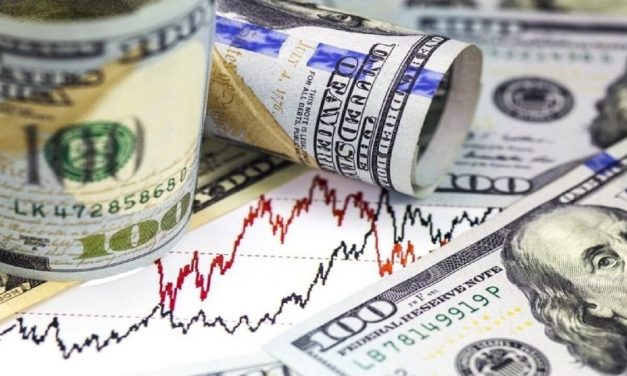
Strategic Council Online: An expert on American affairs says Iran should be given priority in receiving a loan from the International Monetary Fund (IMF) due to the sanctions, lack of access to its financial resources and in the face of the coronavirus crisis. He says except for the US sabotaging, the IMF has no technical pretext for not lending to Iran and this should be protested to by the international community.

Simultaneous with the stone-throwing of US Secretary of State Mike Pompeo on the way of IMF’s granting of a loan to Iran, the Wall Street Journal reported, quoting informed sources, that the US government opposes the allocation by IMF of loans to Iran and intends to prevent it. This is while EU foreign policy chief, Joseph Burrell, said the United States had not accepted the EU’s request to reduce sanctions and agree with Iran’s receiving of loans from the IMF. In an interview with the website of the Strategic Council on Foreign Relations, Tehran University professor Dr Fouad Izadi weighed the reasons behind US efforts to prevent the payment of IMF loans to Iran. The following is the full text of the interview:

Q: Why is the United States trying so hard to prevent Iran from receiving IMF loan, and is there a legal way to block the payment of this loan to Iran?

First of all, take into consideration that Iran’s request for a loan from the International Monetary Fund is a very common practice, and many countries have so far borrowed from this fund. Iran is also a member of this fund and has the right to apply for a loan based on the membership fee it pays. Especially today that all countries have faced financial problems with respect to the outbreak of the coronavirus, Iran’s request is quite logical and common.

Many countries around the world are currently facing financial problems due to the Coronavirus outbreak, and here Iran has a double problem that its financial resources are not available due to illegal and unilateral US sanctions. Therefore, if a country is to be prioritized for receiving a loan from the IMF, Iran must be ranked first because of the conditions imposed on it. In response to the question whether the United States can disrupt the process of Iran’s lending from the IMF, it must be said that yes, it has apparently been able to prevent the granting of a loan to Iran by abusing its influence.

The United States has traditionally been influential in such organizations, and today that the International Monetary Fund is under Washington’s pressure, to safeguard its reputation it does not say it will not lend money to Iran, but it turns to false pretexts and uses some documents as an excuse. However, from a legal point of view, if they want to reject a country’s application, they must have solid reasons.

It should also be noted that Iran is a country which has been prompt to pay its dues and principally it either has not borrowed from such organizations or institutions at all or even if it has, Iran has been prompt to pay its dues. Therefore, technically, there is no excuse for not granting loans to Iran, but from political point of view, we must pay attention to the traditional influence of the United States in this institution and to its efforts to use this tool for maximum pressure.

Q: Now that the United States is blocking the granting of loans to Iran under conditions of a coronavirus outbreak, how much can this negatively affect the human rights reputation that this country sometimes takes on in the eyes of the world public opinion?

Note that the United States, on the one hand, claims to support the Iranian people, and on the other, when Iranian people are to get some help, it throws stones on its way and creates obstacles. At the current juncture, there is both the issue of throwing stones on the way of granting a loan and the issue of unilateral US sanctions that have affected Iran’s economy and the lives of our people.

This is while many US officials to date have called for sanctions to be lifted at least during the Coronavirus outbreak. The Donald Trump administration, however, has opposed it because it is looking for an opportunity now to achieve under Coronavirus outbreak the goals that were not achieved under the sanctions.

In fact, it can be said that the Coronavirus outbreak in Iran is now a biological weapon from the viewpoint of the Americans, who can take advantage of it to put pressure on the Iranian government and people and achieve their foreign policy goals. These issues indicate Washington is not concerned with human rights and that the remarks made and claims set forth about the Iranian people are just slogans.

Q: German Foreign Minister Heiko Maas recently said in a statement that Germany was interested in granting the loan to Iran, but that Berlin also wanted to make sure that the loan was intended for Coronavirus outbreak in Iran and not for other purposes. On the whole, can European countries influence this process?

A: Over the past few years European countries have proven that it is sufficient for us if they do not harm Iran and that they are not supposed to do well to our country. In this regard, we saw that Iran was kept waiting for a while so that the European Joint Comprehensive Plan of Action (JCPOA) would bear fruit but it was to no avail. In fact, European officials may not oppose granting a loan to Iran, but it seems unlikely that they will be able to be of help in this route. Regarding these claims by Western countries, it should be said that Islamic Republic officials have repeatedly emphasized that they will spend this loan only for Coronavirus outbreak, and therefore there is no reason not to grant the loan.

Q: Eventually, how do you see the prospect of granting loans to Iran and stone-throwing by Washington?

At present, there is no evidence indicating that the United States may change its mind and course of action in this regard. In the meantime, if the International Monetary Fund wants to act legally, it must grant the loan to Iran. But if it wants to politicize and be under US influence, it will keep dodging and will ultimately cause the status of the institution to decline.
0 Comments

Submit a Comment

Your email address will not be published. Required fields are marked *

LATEST CONTENT

America’s Zero-Sum Game in Iraq

Online Strategic Council – Memoir: The swift selection of Nouri al-Maliki for the premiership constitutes a new phase in Iraq’s political sphere. Multiple factors have played a role in this process, the most important being the prevailing situation in Iraq and the region. Under such circumstances, Iraq requires a powerful and experienced prime minister who can keep the country away from the dangers of wars and crises.

America’s Strategy for Creating Tension in the Asia-Pacific

Strategic Council Online – Opinion: Relations between some countries in the Asia-Pacific region, such as China and Japan or China and Australia, which were previously relatively normal, are trending towards deterioration, and the primary reason for this is the aggressive policies of the United States of America.

The Collapse of the European Security Illusion with the Continuation of the Ukraine War?

Strategic Council Online – Interview: The Ukraine war has become a new turning point in the political, security, and even commercial relations of allies on both sides of the Atlantic. While this war is nearing its fourth year, many questions still remain regarding its future and its consequences; among them, will the continuation of the Ukraine war lead to the collapse of the European security illusion?

Is Greenland Pushing Europe Toward China?

Strategic Council Online – Interview: A European affairs expert believes that the seizure of Greenland will certainly weaken America’s relations with Europe and its allies. Donald Trump’s view is that he does not need these countries, but if Europe faces significant pressure from the United States, it is natural for it to move toward China.

Alarm Bells Sound for ISIS Revival in Syria: Threat to Iraq and West Asia

Strategic Council Online – Opinion: Numerous documents and pieces of evidence indicate that ISIS, which in recent years has been the region’s biggest threat to security and stability after the Zionist regime, has once again in recent months become a focal point for political and security exploitation by American and Zionist regime security, intelligence, and political circles.

Afghanistan’s Effective Role in the Economy of Eurasia

Strategic Council Online – Interview: A regional affairs researcher stated: Despite projects such as the Khaf-Herat railway and the Herat-Balkh-Mazar-i-Sharif corridor being on the agenda, insecurity and the absence of an inclusive government remain the most significant obstacles to realizing transit corridors and Afghanistan playing an effective role in the economy of Eurasia.

Loading

Últimas publicaciones

America’s Zero-Sum Game in Iraq

Online Strategic Council – Memoir: The swift selection of Nouri al-Maliki for the premiership constitutes a new phase in Iraq’s political sphere. Multiple factors have played a role in this process, the most important being the prevailing situation in Iraq and the region. Under such circumstances, Iraq requires a powerful and experienced prime minister who can keep the country away from the dangers of wars and crises.

America’s Strategy for Creating Tension in the Asia-Pacific

Strategic Council Online – Opinion: Relations between some countries in the Asia-Pacific region, such as China and Japan or China and Australia, which were previously relatively normal, are trending towards deterioration, and the primary reason for this is the aggressive policies of the United States of America.

The Collapse of the European Security Illusion with the Continuation of the Ukraine War?

Strategic Council Online – Interview: The Ukraine war has become a new turning point in the political, security, and even commercial relations of allies on both sides of the Atlantic. While this war is nearing its fourth year, many questions still remain regarding its future and its consequences; among them, will the continuation of the Ukraine war lead to the collapse of the European security illusion?

Is Greenland Pushing Europe Toward China?

Strategic Council Online – Interview: A European affairs expert believes that the seizure of Greenland will certainly weaken America’s relations with Europe and its allies. Donald Trump’s view is that he does not need these countries, but if Europe faces significant pressure from the United States, it is natural for it to move toward China.

Alarm Bells Sound for ISIS Revival in Syria: Threat to Iraq and West Asia

Strategic Council Online – Opinion: Numerous documents and pieces of evidence indicate that ISIS, which in recent years has been the region’s biggest threat to security and stability after the Zionist regime, has once again in recent months become a focal point for political and security exploitation by American and Zionist regime security, intelligence, and political circles.

Afghanistan’s Effective Role in the Economy of Eurasia

Strategic Council Online – Interview: A regional affairs researcher stated: Despite projects such as the Khaf-Herat railway and the Herat-Balkh-Mazar-i-Sharif corridor being on the agenda, insecurity and the absence of an inclusive government remain the most significant obstacles to realizing transit corridors and Afghanistan playing an effective role in the economy of Eurasia.

Loading

DERNIER CONTENU

America’s Zero-Sum Game in Iraq

Online Strategic Council – Memoir: The swift selection of Nouri al-Maliki for the premiership constitutes a new phase in Iraq’s political sphere. Multiple factors have played a role in this process, the most important being the prevailing situation in Iraq and the region. Under such circumstances, Iraq requires a powerful and experienced prime minister who can keep the country away from the dangers of wars and crises.

America’s Strategy for Creating Tension in the Asia-Pacific

Strategic Council Online – Opinion: Relations between some countries in the Asia-Pacific region, such as China and Japan or China and Australia, which were previously relatively normal, are trending towards deterioration, and the primary reason for this is the aggressive policies of the United States of America.

The Collapse of the European Security Illusion with the Continuation of the Ukraine War?

Strategic Council Online – Interview: The Ukraine war has become a new turning point in the political, security, and even commercial relations of allies on both sides of the Atlantic. While this war is nearing its fourth year, many questions still remain regarding its future and its consequences; among them, will the continuation of the Ukraine war lead to the collapse of the European security illusion?

Is Greenland Pushing Europe Toward China?

Strategic Council Online – Interview: A European affairs expert believes that the seizure of Greenland will certainly weaken America’s relations with Europe and its allies. Donald Trump’s view is that he does not need these countries, but if Europe faces significant pressure from the United States, it is natural for it to move toward China.

Alarm Bells Sound for ISIS Revival in Syria: Threat to Iraq and West Asia

Strategic Council Online – Opinion: Numerous documents and pieces of evidence indicate that ISIS, which in recent years has been the region’s biggest threat to security and stability after the Zionist regime, has once again in recent months become a focal point for political and security exploitation by American and Zionist regime security, intelligence, and political circles.

Afghanistan’s Effective Role in the Economy of Eurasia

Strategic Council Online – Interview: A regional affairs researcher stated: Despite projects such as the Khaf-Herat railway and the Herat-Balkh-Mazar-i-Sharif corridor being on the agenda, insecurity and the absence of an inclusive government remain the most significant obstacles to realizing transit corridors and Afghanistan playing an effective role in the economy of Eurasia.

Loading