Persian Gulf Cooperation Council: Sustainability or Collapse?

2018/12/23 | Opinion, Politics

Strategic Council Online: The annual meeting of the Persian Gulf Cooperation Council, held in Riyadh on December 9 can be described as the most significant sign of divergence between Arab countries, especially Qatar with the UAE and Saudi Arabia. Davoud Ahmadzadeh- Middle East expert

Despite Saudi attempts to persuade Qatari Emir Sheikh Tamim bin Hamad Al Thani, he refused to attend the summit and sent his foreign minister to the meeting. The decision by the Qatari Emir not to attend the Riyadh meeting was immediately criticized by Bahraini Foreign Minister Sheikh Khaled bin Ahmed al-Khalifa. Meanwhile, the Qatari energy minister said his country will quit the Organization of Petroleum Exporting Countries (OPEC) by January 2019 – a decision not favoured by Riyadh.

It should be noted that the Persian Gulf Cooperation Council has been affected by the Qatari diplomatic crisis over the past two years, and Riyadh officials have been trying to turn the recent meeting into an opportunity to resolve the disputes that were faced with a passive Doha response.

In fact, the summit could portray the horizon of a better future of the Persian Cooperation Council for the countries of the region, but it failed because some of the differences remained unresolved.

The Riyadh Summit was held at a time when there were fundamental disagreements among the member states.

Following massive sanctions against Qatar and the conditions, they had set for renewed integration among the members, Saudi Arabia and the United Arab Emirates expected the Qatari Emir to give in to the demands of these states.

But Qatar not only did not accept the 13 conditions but insists on its positions. Qatari Foreign Minister also announced recently that the (P)GCC had no power and requires some mechanism for reform.

On the other hand, following the weakening of Saudi regime’s regional position due to the murder of critic journalist Jamal Khashoggi and the widespread public outcry against the warmongering policies of Riyadh, the Saudi King tried to cover up the weaknesses of his regional policy and stabilize the conditions for boosting the PGCC through the official invitation of the Emir of Qatar. But the negative response of  Sheikh Tamim bin Hamad Al Thani and participation of his representative in the meeting, and also the participation of some deputy kings in the Riyadh meeting showed that the Saudis failed in achieving their target. Also, at the end of the meeting, and during interviews with participating heads of state including the King of Saudi Arabia, Emir of UAE and other members, we witnessed different positions on the issues of the region, which indicate the differences between the stances of the Arab leaders.

Meanwhile, by not giving in to the demands of Saudi Arabia, Bahrain and the UAE, the Doha government is consolidating its regional authority in pursuit of a strong coalition in the region, a coalition led by Turkey and even Iran. On the other hand, in spite of Qatari Emir’s past misgivings about Syria, there has been some kind of balance and positive look at Syria’s internal affairs, including support for peace plans between different Syrian groups and the administration of Bashar al-Assad from Qatar. All of the existing components show that the diagonal behaviour has been deeper in the region than in the past.

At the same time, the Qatari withdrawal from OPEC is another sign of divergence among the Persian Gulf Cooperation Council member states. Although Qatar does not rank high among OPEC members in its oil production and export business, and it sees itself as the largest centre of gravity for the world’s largest exporter of gas in the coming years, the emphasis and insistence on leaving OPEC is a reflection of Doha’s rejection of Saudi regional policy and divergence. With the country’s allies in the Persian Gulf Cooperation Council. Qatar, with huge investments in the region and in the Western countries, has been able to attract the positive outlook of most countries despite the extension of the sanctions by Saudi Arabia and its allies.

Therefore, if the Saudis and the Emiratis insist on continued sanctions against Qatar, which includes 13 specific clauses, we will witness further divergence and tension between Qatar and the Cooperation Council.

Of course, it should be noted that the policy of the Saudis has undergone major changes after Khashoggi murder in relation to Qatar. In other words, the Saudi policy is no longer based solely on intimidation iron fist. Out of the fear that Doha would get closer to  Ankara and Tehran, they were prepared to overlook some of the paragraphs of the anti-Qatar resolution or revise some others.

Of course, provided that the Qataris would not take the course of convergence with Iran and Turkey and discontinue support for the “Takfiri and terrorist groups.” The Saudis even tried to pretend in the media that the differences with Qatar were a family dispute and could be resolved and that other states should not interfere. But Qatar’s clear positions on the regional issues, including Iran, the announcement of withdrawal from OPEC and the ability of Doha’s soft power to expose Saudi warmongering policies, testify to the failures of the Saudi coalition.

Generally speaking, if Saudi Arabia does not change its policies towards Qatar and its violation of Doha’s sovereignty the Persian Gulf Cooperation Council could face many buts and ifs in nature and identity and even in case of survival the Council would witness more passivity and incoherence among members.
0 Comments

Submit a Comment

Your email address will not be published. Required fields are marked *

LATEST CONTENT

Commercial Exploitation of Peace; The Gaza Committee in Confrontation with International Legitimacy

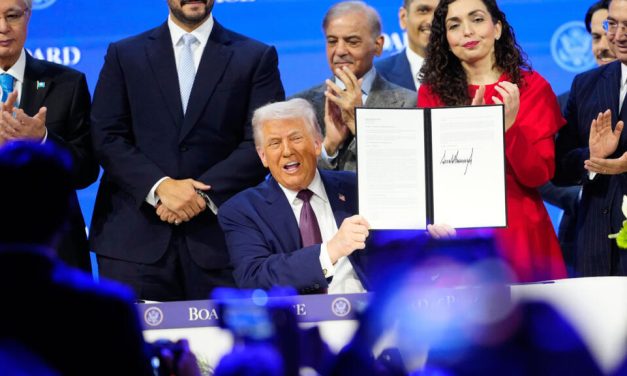
Strategic Council Online – Report: While the second phase of the implementation of the Gaza ceasefire has begun, the establishment of the “Peace Board” chaired by Donald Trump on the sidelines of the Davos meeting (22 January 2026) has become more than a technical mechanism for reconstruction and has turned into a test for the future of the international order.
Despite the signing of the charter by 22 out of 60 invited countries, the limited presence of global leaders at the Davos ceremony and the non-acceptance of this body by the European Union and key Western countries indicate a deep divide in global perceptions of the legitimacy of this mechanism.
In this report, drawing on the analysis of Hadi Borhani, a regional affairs expert, and international data, three strategic questions are addressed: Is the Peace Board an instrument for implementing UN Security Council Resolution 2803 or a substitute for the United Nations? How does the hierarchical architecture of this committee intensify executive challenges in Gaza? And finally, can this body create sustainable peace without the cooperation of Palestinians and with the concentration of power in the hands of a single individual?

America’s Zero-Sum Game in Iraq

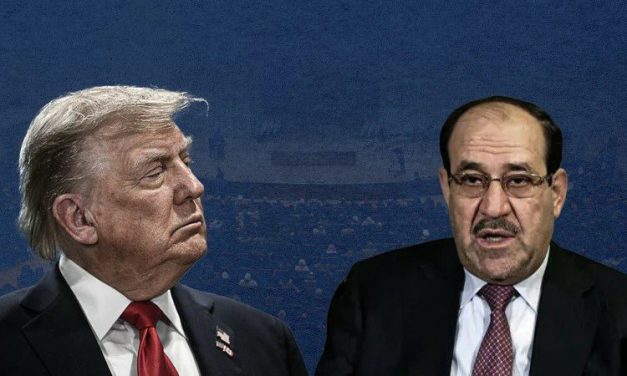
Online Strategic Council – Memoir: The swift selection of Nouri al-Maliki for the premiership constitutes a new phase in Iraq’s political sphere. Multiple factors have played a role in this process, the most important being the prevailing situation in Iraq and the region. Under such circumstances, Iraq requires a powerful and experienced prime minister who can keep the country away from the dangers of wars and crises.

America’s Strategy for Creating Tension in the Asia-Pacific

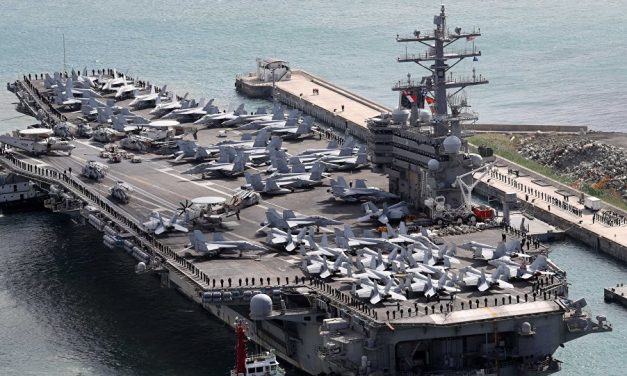
Strategic Council Online – Opinion: Relations between some countries in the Asia-Pacific region, such as China and Japan or China and Australia, which were previously relatively normal, are trending towards deterioration, and the primary reason for this is the aggressive policies of the United States of America.

The Collapse of the European Security Illusion with the Continuation of the Ukraine War?

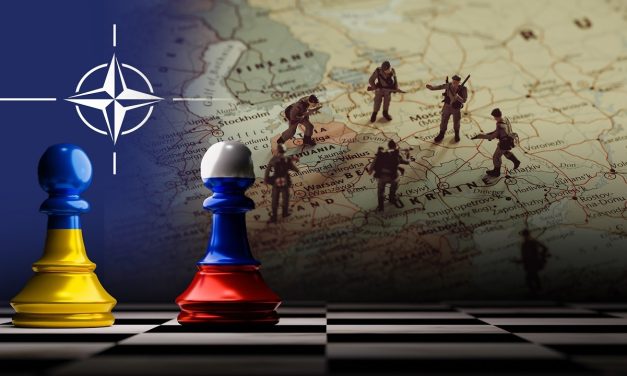
Strategic Council Online – Interview: The Ukraine war has become a new turning point in the political, security, and even commercial relations of allies on both sides of the Atlantic. While this war is nearing its fourth year, many questions still remain regarding its future and its consequences; among them, will the continuation of the Ukraine war lead to the collapse of the European security illusion?

Loading

Últimas publicaciones

Commercial Exploitation of Peace; The Gaza Committee in Confrontation with International Legitimacy

Strategic Council Online – Report: While the second phase of the implementation of the Gaza ceasefire has begun, the establishment of the “Peace Board” chaired by Donald Trump on the sidelines of the Davos meeting (22 January 2026) has become more than a technical mechanism for reconstruction and has turned into a test for the future of the international order.
Despite the signing of the charter by 22 out of 60 invited countries, the limited presence of global leaders at the Davos ceremony and the non-acceptance of this body by the European Union and key Western countries indicate a deep divide in global perceptions of the legitimacy of this mechanism.
In this report, drawing on the analysis of Hadi Borhani, a regional affairs expert, and international data, three strategic questions are addressed: Is the Peace Board an instrument for implementing UN Security Council Resolution 2803 or a substitute for the United Nations? How does the hierarchical architecture of this committee intensify executive challenges in Gaza? And finally, can this body create sustainable peace without the cooperation of Palestinians and with the concentration of power in the hands of a single individual?

America’s Zero-Sum Game in Iraq

Online Strategic Council – Memoir: The swift selection of Nouri al-Maliki for the premiership constitutes a new phase in Iraq’s political sphere. Multiple factors have played a role in this process, the most important being the prevailing situation in Iraq and the region. Under such circumstances, Iraq requires a powerful and experienced prime minister who can keep the country away from the dangers of wars and crises.

America’s Strategy for Creating Tension in the Asia-Pacific

Strategic Council Online – Opinion: Relations between some countries in the Asia-Pacific region, such as China and Japan or China and Australia, which were previously relatively normal, are trending towards deterioration, and the primary reason for this is the aggressive policies of the United States of America.

The Collapse of the European Security Illusion with the Continuation of the Ukraine War?

Strategic Council Online – Interview: The Ukraine war has become a new turning point in the political, security, and even commercial relations of allies on both sides of the Atlantic. While this war is nearing its fourth year, many questions still remain regarding its future and its consequences; among them, will the continuation of the Ukraine war lead to the collapse of the European security illusion?

Loading

DERNIER CONTENU

Commercial Exploitation of Peace; The Gaza Committee in Confrontation with International Legitimacy

Strategic Council Online – Report: While the second phase of the implementation of the Gaza ceasefire has begun, the establishment of the “Peace Board” chaired by Donald Trump on the sidelines of the Davos meeting (22 January 2026) has become more than a technical mechanism for reconstruction and has turned into a test for the future of the international order.
Despite the signing of the charter by 22 out of 60 invited countries, the limited presence of global leaders at the Davos ceremony and the non-acceptance of this body by the European Union and key Western countries indicate a deep divide in global perceptions of the legitimacy of this mechanism.
In this report, drawing on the analysis of Hadi Borhani, a regional affairs expert, and international data, three strategic questions are addressed: Is the Peace Board an instrument for implementing UN Security Council Resolution 2803 or a substitute for the United Nations? How does the hierarchical architecture of this committee intensify executive challenges in Gaza? And finally, can this body create sustainable peace without the cooperation of Palestinians and with the concentration of power in the hands of a single individual?

America’s Zero-Sum Game in Iraq

Online Strategic Council – Memoir: The swift selection of Nouri al-Maliki for the premiership constitutes a new phase in Iraq’s political sphere. Multiple factors have played a role in this process, the most important being the prevailing situation in Iraq and the region. Under such circumstances, Iraq requires a powerful and experienced prime minister who can keep the country away from the dangers of wars and crises.

America’s Strategy for Creating Tension in the Asia-Pacific

Strategic Council Online – Opinion: Relations between some countries in the Asia-Pacific region, such as China and Japan or China and Australia, which were previously relatively normal, are trending towards deterioration, and the primary reason for this is the aggressive policies of the United States of America.

The Collapse of the European Security Illusion with the Continuation of the Ukraine War?

Strategic Council Online – Interview: The Ukraine war has become a new turning point in the political, security, and even commercial relations of allies on both sides of the Atlantic. While this war is nearing its fourth year, many questions still remain regarding its future and its consequences; among them, will the continuation of the Ukraine war lead to the collapse of the European security illusion?

Loading

DERNIER CONTENU

Commercial Exploitation of Peace; The Gaza Committee in Confrontation with International Legitimacy

Strategic Council Online – Report: While the second phase of the implementation of the Gaza ceasefire has begun, the establishment of the “Peace Board” chaired by Donald Trump on the sidelines of the Davos meeting (22 January 2026) has become more than a technical mechanism for reconstruction and has turned into a test for the future of the international order.
Despite the signing of the charter by 22 out of 60 invited countries, the limited presence of global leaders at the Davos ceremony and the non-acceptance of this body by the European Union and key Western countries indicate a deep divide in global perceptions of the legitimacy of this mechanism.
In this report, drawing on the analysis of Hadi Borhani, a regional affairs expert, and international data, three strategic questions are addressed: Is the Peace Board an instrument for implementing UN Security Council Resolution 2803 or a substitute for the United Nations? How does the hierarchical architecture of this committee intensify executive challenges in Gaza? And finally, can this body create sustainable peace without the cooperation of Palestinians and with the concentration of power in the hands of a single individual?

America’s Zero-Sum Game in Iraq

Online Strategic Council – Memoir: The swift selection of Nouri al-Maliki for the premiership constitutes a new phase in Iraq’s political sphere. Multiple factors have played a role in this process, the most important being the prevailing situation in Iraq and the region. Under such circumstances, Iraq requires a powerful and experienced prime minister who can keep the country away from the dangers of wars and crises.

America’s Strategy for Creating Tension in the Asia-Pacific

Strategic Council Online – Opinion: Relations between some countries in the Asia-Pacific region, such as China and Japan or China and Australia, which were previously relatively normal, are trending towards deterioration, and the primary reason for this is the aggressive policies of the United States of America.

The Collapse of the European Security Illusion with the Continuation of the Ukraine War?

Strategic Council Online – Interview: The Ukraine war has become a new turning point in the political, security, and even commercial relations of allies on both sides of the Atlantic. While this war is nearing its fourth year, many questions still remain regarding its future and its consequences; among them, will the continuation of the Ukraine war lead to the collapse of the European security illusion?

Loading

DERNIER CONTENU

Commercial Exploitation of Peace; The Gaza Committee in Confrontation with International Legitimacy

Strategic Council Online – Report: While the second phase of the implementation of the Gaza ceasefire has begun, the establishment of the “Peace Board” chaired by Donald Trump on the sidelines of the Davos meeting (22 January 2026) has become more than a technical mechanism for reconstruction and has turned into a test for the future of the international order.
Despite the signing of the charter by 22 out of 60 invited countries, the limited presence of global leaders at the Davos ceremony and the non-acceptance of this body by the European Union and key Western countries indicate a deep divide in global perceptions of the legitimacy of this mechanism.
In this report, drawing on the analysis of Hadi Borhani, a regional affairs expert, and international data, three strategic questions are addressed: Is the Peace Board an instrument for implementing UN Security Council Resolution 2803 or a substitute for the United Nations? How does the hierarchical architecture of this committee intensify executive challenges in Gaza? And finally, can this body create sustainable peace without the cooperation of Palestinians and with the concentration of power in the hands of a single individual?

America’s Zero-Sum Game in Iraq

Online Strategic Council – Memoir: The swift selection of Nouri al-Maliki for the premiership constitutes a new phase in Iraq’s political sphere. Multiple factors have played a role in this process, the most important being the prevailing situation in Iraq and the region. Under such circumstances, Iraq requires a powerful and experienced prime minister who can keep the country away from the dangers of wars and crises.

America’s Strategy for Creating Tension in the Asia-Pacific

Strategic Council Online – Opinion: Relations between some countries in the Asia-Pacific region, such as China and Japan or China and Australia, which were previously relatively normal, are trending towards deterioration, and the primary reason for this is the aggressive policies of the United States of America.

The Collapse of the European Security Illusion with the Continuation of the Ukraine War?

Strategic Council Online – Interview: The Ukraine war has become a new turning point in the political, security, and even commercial relations of allies on both sides of the Atlantic. While this war is nearing its fourth year, many questions still remain regarding its future and its consequences; among them, will the continuation of the Ukraine war lead to the collapse of the European security illusion?

Loading