Foreign Investors’ Role in Political Developments of Turkey

2022/02/15 | Economy, interview, top news

Strategic Council online – Interview: Having referred to the declining importance of Turkey for the U.S. and strategic importance of the country for the Middle East, said:” Having considered every and all conditions, the U.S. efforts to make change in Turkey’s policies, to drop out of Erdogan and to influence the upcoming elections will not succeed.

Rahman Ghahreman Pour in an interview with the site of Strategic Council on Foreign Relations pointed out to the report published by Department of Foreign Investment of Turkey on the volume and the amount of foreign investments as well as major countries investing in Turkey stated:”trade policy of Turkish government as well as devaluation of its Lira are sectors of a wider image that we witness on the economy of the country. In order to understand and realize it, one should not concentrate on the financial policies and the role of the Central Bank of Turkey”.

He added:” Erdogan relieved successfully from a big economic crisis in 2002. The crisis was so big that Kemal Dervish, one of the prominent economists of Turkey who was working with the World Bank at the time, did not manage to succeed, because the inflation rate was much higher than that of today. Erdogan had a very good economic performance until 2013 and 2014. He not only managed to leave behind the economic crisis of Turkey, but also entered his country into the list of those countries with emerging economy and now It is a member of G-20”.

The expert of international issues stated that after 2015 and especially 2016, a number of incidents caused change in prevailing atmosphere of the economic policies of Turkey; attempted coup, imposing of the U.S. sanctions, consequences of the world financial crisis in 2008, Corona outbreak, Erdogan interferences in the policies of the Central Bank, influx of Syrian immigrants and refugees, intensification of clashes with PKK Kurds as well as costs of military operations outside its borders, and also tensions in its relations with the West are among the factors and said:” the lion share of financial investments enter into Turkey originates from the U.S. and Europe and any tension in relations with the West will undoubtedly leave direct effects on incoming investments”.

Ghahreman Pour explained:” Because of its neighborhood with Europe and high interest rate in the country, European and American investors preferred to keep their money in Turkish and even Egyptian banks and take higher interests, because interest rate is lower in Europe. However, the U.S. made its largest investment in Turkey in 2007 in banking sector. The investment that is being made in Turkey is subsidiary to political and economic circumstances. Whenever the Lira loses its value, the investor’s confidence will be lessened and the capitals will fly from the country”.

Major Investors in Turkey

He reminded that the Netherlands made the largest investment in Turkey followed by the U.S. with $ 1.1 billion in 2021. The trade volume between the two countries stood at $ 28 billion. He added:”60% of Foreign Direct Investments in Turkey were made by European countries followed by the Republic of Azerbaijan and Arab countries of the Persian Gulf rim. Erdogan tries to attract parts of investments that European countries do not make in Turkey through Arab countries”.

Having pointed out to the rising inflation rate up to 20% and unemployment rate to 13% of which 25% goes to the youth in Turkey, he said:” some of economic indices indicate the numerous problems that exist in Turkey, while other economic indices does not reflect a crisis; perhaps the word crisis and problems convey more precise meaning”.

Having referred to numerous tensions of Washington with Ankara, and the U.S. dissatisfaction of some of positions taken by the President of Turkey, and in connection with the U.S. mounting pressures in view of the high volume of the investments made in the country and considering the issue as the weak point of Turkey, he spelled out:” the public opinion in Turkey is  sensitive towards any foreign intervention, particularly during elections, and having exploited this characteristic, Erdogan has said time and again that the economic crisis that is being experienced now is the result of the West’s effort to topple him”.

Having stressed on the importance of 2023 election in Turkey and the efforts made by opposition parties or the Unity of Nation led by the People’s Republic Party to intensify the critiques against Erdogan because of the economic problems, the expert of international issues added:” at present situation, the opposition parties of the country are magnifying the economic problems; their efforts to analyze the situation of Turkey should not be ignored. In the meantime, the oppositions in Turkey are not in a position to be able to defeat Erdogan”.

Turkey’s Declining Political Importance for the U.S.

Ghahreman Pour stated that Erdogan’s hands are not tight in presidential campaign and there is no convincing reason to show that the opposition parties will be able to win the campaign. In connection with the effects of the U.S. and European policies on domestic issues of Turkey, particularly on the eve of the election, he added:” the U.S. has taken a general measure in the region and throughout the world to reduce its presence in unimportant regions instead has started its concentration on the China’s containment. In line with this, none of Turkey, Egypt and Iran are in the limelight of the U.S attention as before”.

He explained:” the literature that believed Turkey has strategical importance for the Middle East is no more efficient today. There was a time when Turkey was considered as the anchor of stability in the South of the Soviet Union or in the Middle East. But today, some believe when Turkey is launching operations in Syria, it is considered as one of the factors to intensify the regional competitions and insecurity in the region”.

The expert of international issues emphasized on the importance of nationalism in Turkey and defined the unity between Erdogan and AK Party with the National Movement Party as a decisive force in election and said:” Erdogan accuses his competitors at the public opinion level that due to their incapability to compete with him, they wish to be benefitted from external aids. The meeting of Istanbul mayor, as one of the serious competitors of Erdogan presidential election with one of the European ambassadors turned to a media and publicity controversy against the opponents and the People’s Republic Party”.

Ghahraman Pour continued:” in view of regarding all aspects, it seems that the U.S. efforts to change the policies of Turkey and to influence the election will not work out, because the opponents have a large number of problems, and Erdogan who has managed to patronize his political supporters within the past 20 years through an extensive network accorded to financial supporters can easily drive a wedge among the opposite front. Despite all weaknesses that exist in Turkey’s economy, he still has a good relation with the conservative layer of the society and he is a professional speaker. The U.S. has also shown so far that it was unable to leave the effects desired by the West on the election, and it won’t have the required effect over the upcoming election.
0 Comments

Submit a Comment

Your email address will not be published. Required fields are marked *

LATEST CONTENT

Commercial Exploitation of Peace; The Gaza Committee in Confrontation with International Legitimacy

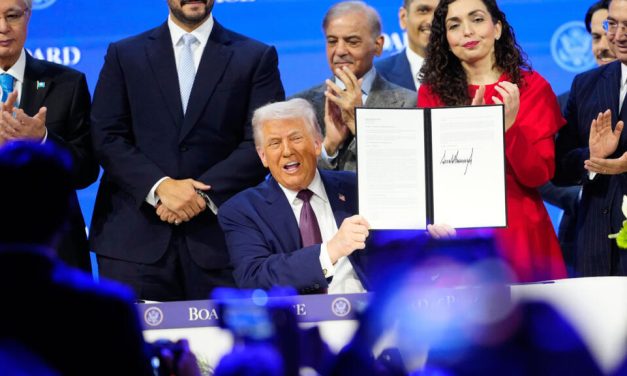
Strategic Council Online – Report: While the second phase of the implementation of the Gaza ceasefire has begun, the establishment of the “Peace Board” chaired by Donald Trump on the sidelines of the Davos meeting (22 January 2026) has become more than a technical mechanism for reconstruction and has turned into a test for the future of the international order.
Despite the signing of the charter by 22 out of 60 invited countries, the limited presence of global leaders at the Davos ceremony and the non-acceptance of this body by the European Union and key Western countries indicate a deep divide in global perceptions of the legitimacy of this mechanism.
In this report, drawing on the analysis of Hadi Borhani, a regional affairs expert, and international data, three strategic questions are addressed: Is the Peace Board an instrument for implementing UN Security Council Resolution 2803 or a substitute for the United Nations? How does the hierarchical architecture of this committee intensify executive challenges in Gaza? And finally, can this body create sustainable peace without the cooperation of Palestinians and with the concentration of power in the hands of a single individual?

America’s Zero-Sum Game in Iraq

Online Strategic Council – Memoir: The swift selection of Nouri al-Maliki for the premiership constitutes a new phase in Iraq’s political sphere. Multiple factors have played a role in this process, the most important being the prevailing situation in Iraq and the region. Under such circumstances, Iraq requires a powerful and experienced prime minister who can keep the country away from the dangers of wars and crises.

America’s Strategy for Creating Tension in the Asia-Pacific

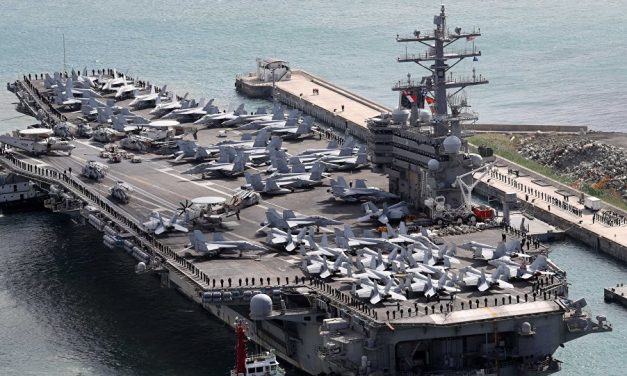
Strategic Council Online – Opinion: Relations between some countries in the Asia-Pacific region, such as China and Japan or China and Australia, which were previously relatively normal, are trending towards deterioration, and the primary reason for this is the aggressive policies of the United States of America.

The Collapse of the European Security Illusion with the Continuation of the Ukraine War?

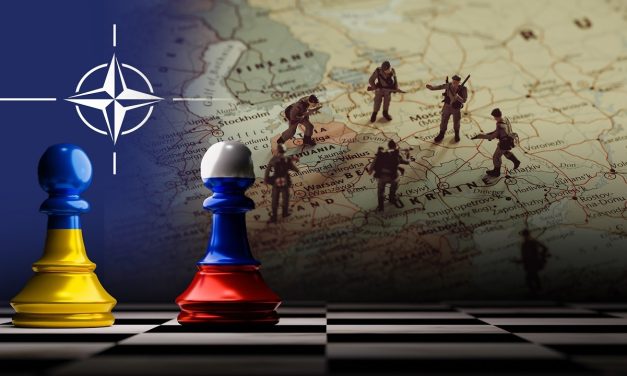
Strategic Council Online – Interview: The Ukraine war has become a new turning point in the political, security, and even commercial relations of allies on both sides of the Atlantic. While this war is nearing its fourth year, many questions still remain regarding its future and its consequences; among them, will the continuation of the Ukraine war lead to the collapse of the European security illusion?

Loading

Últimas publicaciones

Commercial Exploitation of Peace; The Gaza Committee in Confrontation with International Legitimacy

Strategic Council Online – Report: While the second phase of the implementation of the Gaza ceasefire has begun, the establishment of the “Peace Board” chaired by Donald Trump on the sidelines of the Davos meeting (22 January 2026) has become more than a technical mechanism for reconstruction and has turned into a test for the future of the international order.
Despite the signing of the charter by 22 out of 60 invited countries, the limited presence of global leaders at the Davos ceremony and the non-acceptance of this body by the European Union and key Western countries indicate a deep divide in global perceptions of the legitimacy of this mechanism.
In this report, drawing on the analysis of Hadi Borhani, a regional affairs expert, and international data, three strategic questions are addressed: Is the Peace Board an instrument for implementing UN Security Council Resolution 2803 or a substitute for the United Nations? How does the hierarchical architecture of this committee intensify executive challenges in Gaza? And finally, can this body create sustainable peace without the cooperation of Palestinians and with the concentration of power in the hands of a single individual?

America’s Zero-Sum Game in Iraq

Online Strategic Council – Memoir: The swift selection of Nouri al-Maliki for the premiership constitutes a new phase in Iraq’s political sphere. Multiple factors have played a role in this process, the most important being the prevailing situation in Iraq and the region. Under such circumstances, Iraq requires a powerful and experienced prime minister who can keep the country away from the dangers of wars and crises.

America’s Strategy for Creating Tension in the Asia-Pacific

Strategic Council Online – Opinion: Relations between some countries in the Asia-Pacific region, such as China and Japan or China and Australia, which were previously relatively normal, are trending towards deterioration, and the primary reason for this is the aggressive policies of the United States of America.

The Collapse of the European Security Illusion with the Continuation of the Ukraine War?

Strategic Council Online – Interview: The Ukraine war has become a new turning point in the political, security, and even commercial relations of allies on both sides of the Atlantic. While this war is nearing its fourth year, many questions still remain regarding its future and its consequences; among them, will the continuation of the Ukraine war lead to the collapse of the European security illusion?

Loading

DERNIER CONTENU

Commercial Exploitation of Peace; The Gaza Committee in Confrontation with International Legitimacy

Strategic Council Online – Report: While the second phase of the implementation of the Gaza ceasefire has begun, the establishment of the “Peace Board” chaired by Donald Trump on the sidelines of the Davos meeting (22 January 2026) has become more than a technical mechanism for reconstruction and has turned into a test for the future of the international order.
Despite the signing of the charter by 22 out of 60 invited countries, the limited presence of global leaders at the Davos ceremony and the non-acceptance of this body by the European Union and key Western countries indicate a deep divide in global perceptions of the legitimacy of this mechanism.
In this report, drawing on the analysis of Hadi Borhani, a regional affairs expert, and international data, three strategic questions are addressed: Is the Peace Board an instrument for implementing UN Security Council Resolution 2803 or a substitute for the United Nations? How does the hierarchical architecture of this committee intensify executive challenges in Gaza? And finally, can this body create sustainable peace without the cooperation of Palestinians and with the concentration of power in the hands of a single individual?

America’s Zero-Sum Game in Iraq

Online Strategic Council – Memoir: The swift selection of Nouri al-Maliki for the premiership constitutes a new phase in Iraq’s political sphere. Multiple factors have played a role in this process, the most important being the prevailing situation in Iraq and the region. Under such circumstances, Iraq requires a powerful and experienced prime minister who can keep the country away from the dangers of wars and crises.

America’s Strategy for Creating Tension in the Asia-Pacific

Strategic Council Online – Opinion: Relations between some countries in the Asia-Pacific region, such as China and Japan or China and Australia, which were previously relatively normal, are trending towards deterioration, and the primary reason for this is the aggressive policies of the United States of America.

The Collapse of the European Security Illusion with the Continuation of the Ukraine War?

Strategic Council Online – Interview: The Ukraine war has become a new turning point in the political, security, and even commercial relations of allies on both sides of the Atlantic. While this war is nearing its fourth year, many questions still remain regarding its future and its consequences; among them, will the continuation of the Ukraine war lead to the collapse of the European security illusion?

Loading

DERNIER CONTENU

Commercial Exploitation of Peace; The Gaza Committee in Confrontation with International Legitimacy

Strategic Council Online – Report: While the second phase of the implementation of the Gaza ceasefire has begun, the establishment of the “Peace Board” chaired by Donald Trump on the sidelines of the Davos meeting (22 January 2026) has become more than a technical mechanism for reconstruction and has turned into a test for the future of the international order.
Despite the signing of the charter by 22 out of 60 invited countries, the limited presence of global leaders at the Davos ceremony and the non-acceptance of this body by the European Union and key Western countries indicate a deep divide in global perceptions of the legitimacy of this mechanism.
In this report, drawing on the analysis of Hadi Borhani, a regional affairs expert, and international data, three strategic questions are addressed: Is the Peace Board an instrument for implementing UN Security Council Resolution 2803 or a substitute for the United Nations? How does the hierarchical architecture of this committee intensify executive challenges in Gaza? And finally, can this body create sustainable peace without the cooperation of Palestinians and with the concentration of power in the hands of a single individual?

America’s Zero-Sum Game in Iraq

Online Strategic Council – Memoir: The swift selection of Nouri al-Maliki for the premiership constitutes a new phase in Iraq’s political sphere. Multiple factors have played a role in this process, the most important being the prevailing situation in Iraq and the region. Under such circumstances, Iraq requires a powerful and experienced prime minister who can keep the country away from the dangers of wars and crises.

America’s Strategy for Creating Tension in the Asia-Pacific

Strategic Council Online – Opinion: Relations between some countries in the Asia-Pacific region, such as China and Japan or China and Australia, which were previously relatively normal, are trending towards deterioration, and the primary reason for this is the aggressive policies of the United States of America.

The Collapse of the European Security Illusion with the Continuation of the Ukraine War?

Strategic Council Online – Interview: The Ukraine war has become a new turning point in the political, security, and even commercial relations of allies on both sides of the Atlantic. While this war is nearing its fourth year, many questions still remain regarding its future and its consequences; among them, will the continuation of the Ukraine war lead to the collapse of the European security illusion?

Loading

DERNIER CONTENU

Commercial Exploitation of Peace; The Gaza Committee in Confrontation with International Legitimacy

Strategic Council Online – Report: While the second phase of the implementation of the Gaza ceasefire has begun, the establishment of the “Peace Board” chaired by Donald Trump on the sidelines of the Davos meeting (22 January 2026) has become more than a technical mechanism for reconstruction and has turned into a test for the future of the international order.
Despite the signing of the charter by 22 out of 60 invited countries, the limited presence of global leaders at the Davos ceremony and the non-acceptance of this body by the European Union and key Western countries indicate a deep divide in global perceptions of the legitimacy of this mechanism.
In this report, drawing on the analysis of Hadi Borhani, a regional affairs expert, and international data, three strategic questions are addressed: Is the Peace Board an instrument for implementing UN Security Council Resolution 2803 or a substitute for the United Nations? How does the hierarchical architecture of this committee intensify executive challenges in Gaza? And finally, can this body create sustainable peace without the cooperation of Palestinians and with the concentration of power in the hands of a single individual?

America’s Zero-Sum Game in Iraq

Online Strategic Council – Memoir: The swift selection of Nouri al-Maliki for the premiership constitutes a new phase in Iraq’s political sphere. Multiple factors have played a role in this process, the most important being the prevailing situation in Iraq and the region. Under such circumstances, Iraq requires a powerful and experienced prime minister who can keep the country away from the dangers of wars and crises.

America’s Strategy for Creating Tension in the Asia-Pacific

Strategic Council Online – Opinion: Relations between some countries in the Asia-Pacific region, such as China and Japan or China and Australia, which were previously relatively normal, are trending towards deterioration, and the primary reason for this is the aggressive policies of the United States of America.

The Collapse of the European Security Illusion with the Continuation of the Ukraine War?

Strategic Council Online – Interview: The Ukraine war has become a new turning point in the political, security, and even commercial relations of allies on both sides of the Atlantic. While this war is nearing its fourth year, many questions still remain regarding its future and its consequences; among them, will the continuation of the Ukraine war lead to the collapse of the European security illusion?

Loading