An Analysis of Russia’s Move to Officially Cancel the Agreement to Destroy Plutonium Stocks

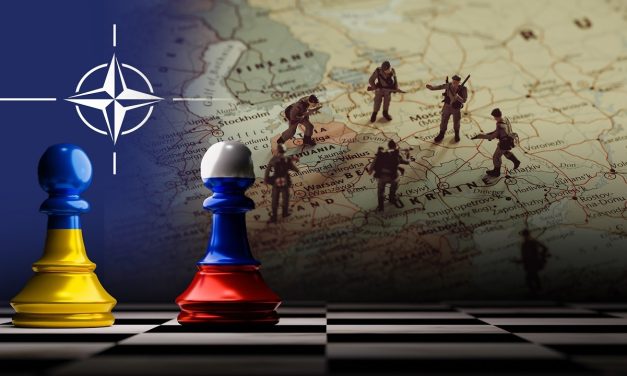
Strategic Council Online- Interview: A researcher from the Middle East Strategic Studies Center, referring to Russia's recent move to cancel the agreement to destroy plutonium stocks officially, stated: Russia, through such actions, is sending messages to declare that the era of Western control and domination is over, and that Moscow is monitoring actions. The reality is that the Ukraine war has intensified the geopolitical confrontation between Russia and the US/West, and Moscow is trying to redefine the rules of the global security game.

Armina Arm, in an interview with the website of the Strategic Council on Foreign Relations, stated: “Recently, the Russian parliament approved the official cancellation of the Plutonium Disposition Agreement. This agreement was one of the few remaining mechanisms for restraining and controlling nuclear equipment and facilities between the two nuclear powers, the US and Russia, and it has now ended. This move will have profound effects on weakening collective security structures and non-proliferation regimes.”

She added, “This event could call the logic of deterrence into question. Because this agreement was an important deterrent measure and obligated the US and Russia to remove 34 tons of their excess weapons-grade plutonium from the military cycle.”

This researcher from the Middle East Strategic Studies Center continued: “The importance of this issue lies in the fact that this amount of plutonium is sufficient to produce thousands of nuclear warheads. Therefore, canceling this agreement could create a potential capacity for strengthening existing arsenals.”

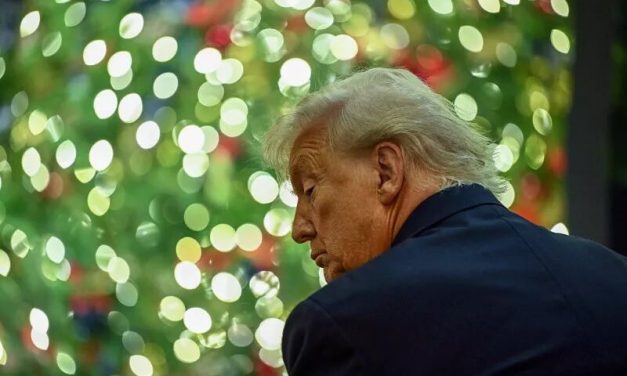
The head of the Russian Strategic Considerations Review Group in the Middle East, in response to the question of what factors led Russia to this decision to cancel the agreement with the US, explained: “This move by Moscow is, in a way, part of the tensions between Russia and the US/Europe following the Ukraine war. This war is a turning point in the confrontation between Moscow and Washington, and now these tensions persist. Of course, during Donald Trump’s presidency, there were assumptions about the possibility of ending the Ukraine war through US-Russia negotiations, but with the continuation of anti-Russia sanctions, all hopes and possibilities for ending the war are fading.”

Arm, emphasizing that Russia is sending messages through this action to declare that the era of Western control and domination is over and that Moscow is monitoring actions, stated: “The reality is that the Ukraine war intensified the geopolitical confrontation between Russia and the US/West, and Moscow is trying to redefine the rules of the global security game.”

This researcher from the Middle East Strategic Studies Center, in response to the question of why the cancellation of the Russia-US agreement happened at this particular time, explained: “Before this event, an opportunity had arisen to restore relations between Washington and Moscow, but in practice, and despite the passage of time, nothing specific happened, and now it seems that in such conditions, improving relations between the two countries is difficult. Although the US president was very hopeful of ending the Ukraine war, he now does not have an easy path ahead.”

The head of the Russian Strategic Considerations Review Group in the Middle East also explained that, on the one hand, anti-Russia sanctions have gradually increased from the start of the Ukraine war until today. On the other hand, tensions between Russia and NATO members and other European countries have intensified. Finally, the perception that had been created about the end of the Ukraine war seems far from reach.

Arm, stating that “Russia’s decision to cancel the agreement with the US is a reaction to the developments arising from the Ukraine war and its confrontations with the West,” said: “Even before the Ukraine war, NATO’s eastward expansion, and later Western military aid to Ukraine, and of course the change in the plutonium disposition method which was carried out without Russia’s agreement, were a set of factors that led Russia to cancel this agreement with the US formally. This cannot be good news and might even pave the way for a significant capacity for the expansion of nuclear competition between Russia and the US.”

In response to the question of whether canceling this agreement could increase Russia’s room for maneuver and bargaining in future negotiations with the US and the West, she said: “This possibility is not very serious. Because the issue of the Ukraine war is complex enough. Therefore, canceling the agreement is more of a warning reaction from Russia than an approach to maneuvering and bargaining. Although if potential negotiations between Russia and the US take shape in the future, one of the topics discussed will be this canceled agreement.”

This researcher from the Middle East Strategic Studies Center continued: “Of course, this does not mean that canceling the Plutonium Disposition Agreement is a trump card for Russia in negotiations. Moscow canceled this Plutonium Disposition Agreement because it became disillusioned with reaching a mutual understanding and agreement with the US on the Ukraine issue, as well as with reconciling with the West. The Ukraine war, within the context of Russia-West disputes, is like the tip of an iceberg, with a large part of it rooted in the history of long-term confrontations between Russia and the West. Therefore, this event alone cannot change the equations.”

The head of the Russian Strategic Considerations Review Group in the Middle East, in response to the question of whether canceling the Plutonium Disposition Agreement could develop nuclear confrontations in the future, emphasized: “A significant amount of plutonium was supposed to be disposed of according to this agreement. Canceling this agreement creates a potential capacity, but the likelihood of Russia moving in that direction is slim. This cancellation of the agreement is more of a warning message to the US and the West regarding the developments after the Ukraine war, and such a possibility cannot be taken seriously in the near future.”
0 Comments

LATEST CONTENT

America’s Zero-Sum Game in Iraq

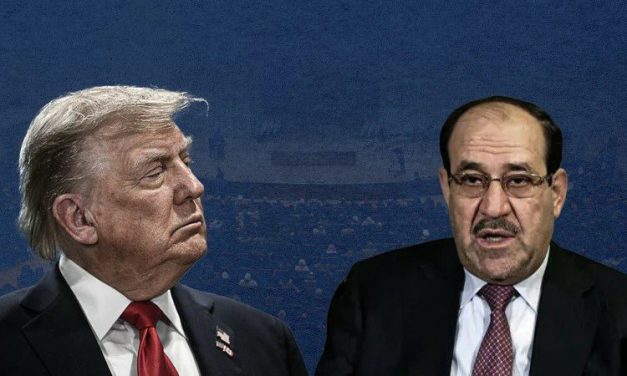
Online Strategic Council – Memoir: The swift selection of Nouri al-Maliki for the premiership constitutes a new phase in Iraq’s political sphere. Multiple factors have played a role in this process, the most important being the prevailing situation in Iraq and the region. Under such circumstances, Iraq requires a powerful and experienced prime minister who can keep the country away from the dangers of wars and crises.

America’s Strategy for Creating Tension in the Asia-Pacific

Strategic Council Online – Opinion: Relations between some countries in the Asia-Pacific region, such as China and Japan or China and Australia, which were previously relatively normal, are trending towards deterioration, and the primary reason for this is the aggressive policies of the United States of America.

The Collapse of the European Security Illusion with the Continuation of the Ukraine War?

Strategic Council Online – Interview: The Ukraine war has become a new turning point in the political, security, and even commercial relations of allies on both sides of the Atlantic. While this war is nearing its fourth year, many questions still remain regarding its future and its consequences; among them, will the continuation of the Ukraine war lead to the collapse of the European security illusion?

Is Greenland Pushing Europe Toward China?

Strategic Council Online – Interview: A European affairs expert believes that the seizure of Greenland will certainly weaken America’s relations with Europe and its allies. Donald Trump’s view is that he does not need these countries, but if Europe faces significant pressure from the United States, it is natural for it to move toward China.

Alarm Bells Sound for ISIS Revival in Syria: Threat to Iraq and West Asia

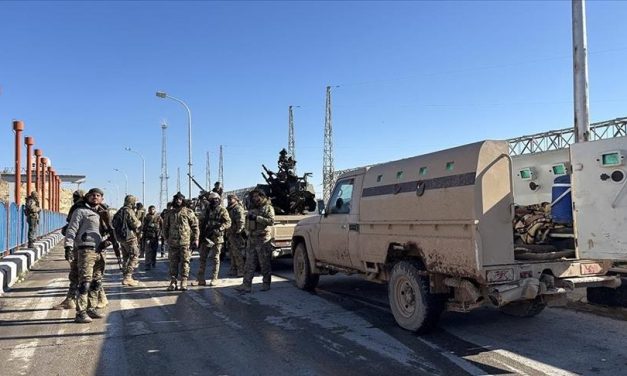
Strategic Council Online – Opinion: Numerous documents and pieces of evidence indicate that ISIS, which in recent years has been the region’s biggest threat to security and stability after the Zionist regime, has once again in recent months become a focal point for political and security exploitation by American and Zionist regime security, intelligence, and political circles.

Afghanistan’s Effective Role in the Economy of Eurasia

Strategic Council Online – Interview: A regional affairs researcher stated: Despite projects such as the Khaf-Herat railway and the Herat-Balkh-Mazar-i-Sharif corridor being on the agenda, insecurity and the absence of an inclusive government remain the most significant obstacles to realizing transit corridors and Afghanistan playing an effective role in the economy of Eurasia.

Loading

Últimas publicaciones

America’s Zero-Sum Game in Iraq

Online Strategic Council – Memoir: The swift selection of Nouri al-Maliki for the premiership constitutes a new phase in Iraq’s political sphere. Multiple factors have played a role in this process, the most important being the prevailing situation in Iraq and the region. Under such circumstances, Iraq requires a powerful and experienced prime minister who can keep the country away from the dangers of wars and crises.

America’s Strategy for Creating Tension in the Asia-Pacific

Strategic Council Online – Opinion: Relations between some countries in the Asia-Pacific region, such as China and Japan or China and Australia, which were previously relatively normal, are trending towards deterioration, and the primary reason for this is the aggressive policies of the United States of America.

The Collapse of the European Security Illusion with the Continuation of the Ukraine War?

Strategic Council Online – Interview: The Ukraine war has become a new turning point in the political, security, and even commercial relations of allies on both sides of the Atlantic. While this war is nearing its fourth year, many questions still remain regarding its future and its consequences; among them, will the continuation of the Ukraine war lead to the collapse of the European security illusion?

Is Greenland Pushing Europe Toward China?

Strategic Council Online – Interview: A European affairs expert believes that the seizure of Greenland will certainly weaken America’s relations with Europe and its allies. Donald Trump’s view is that he does not need these countries, but if Europe faces significant pressure from the United States, it is natural for it to move toward China.

Alarm Bells Sound for ISIS Revival in Syria: Threat to Iraq and West Asia

Strategic Council Online – Opinion: Numerous documents and pieces of evidence indicate that ISIS, which in recent years has been the region’s biggest threat to security and stability after the Zionist regime, has once again in recent months become a focal point for political and security exploitation by American and Zionist regime security, intelligence, and political circles.

Afghanistan’s Effective Role in the Economy of Eurasia

Strategic Council Online – Interview: A regional affairs researcher stated: Despite projects such as the Khaf-Herat railway and the Herat-Balkh-Mazar-i-Sharif corridor being on the agenda, insecurity and the absence of an inclusive government remain the most significant obstacles to realizing transit corridors and Afghanistan playing an effective role in the economy of Eurasia.

Loading

DERNIER CONTENU

America’s Zero-Sum Game in Iraq

Online Strategic Council – Memoir: The swift selection of Nouri al-Maliki for the premiership constitutes a new phase in Iraq’s political sphere. Multiple factors have played a role in this process, the most important being the prevailing situation in Iraq and the region. Under such circumstances, Iraq requires a powerful and experienced prime minister who can keep the country away from the dangers of wars and crises.

America’s Strategy for Creating Tension in the Asia-Pacific

Strategic Council Online – Opinion: Relations between some countries in the Asia-Pacific region, such as China and Japan or China and Australia, which were previously relatively normal, are trending towards deterioration, and the primary reason for this is the aggressive policies of the United States of America.

The Collapse of the European Security Illusion with the Continuation of the Ukraine War?

Strategic Council Online – Interview: The Ukraine war has become a new turning point in the political, security, and even commercial relations of allies on both sides of the Atlantic. While this war is nearing its fourth year, many questions still remain regarding its future and its consequences; among them, will the continuation of the Ukraine war lead to the collapse of the European security illusion?

Is Greenland Pushing Europe Toward China?

Strategic Council Online – Interview: A European affairs expert believes that the seizure of Greenland will certainly weaken America’s relations with Europe and its allies. Donald Trump’s view is that he does not need these countries, but if Europe faces significant pressure from the United States, it is natural for it to move toward China.

Alarm Bells Sound for ISIS Revival in Syria: Threat to Iraq and West Asia

Strategic Council Online – Opinion: Numerous documents and pieces of evidence indicate that ISIS, which in recent years has been the region’s biggest threat to security and stability after the Zionist regime, has once again in recent months become a focal point for political and security exploitation by American and Zionist regime security, intelligence, and political circles.

Afghanistan’s Effective Role in the Economy of Eurasia

Strategic Council Online – Interview: A regional affairs researcher stated: Despite projects such as the Khaf-Herat railway and the Herat-Balkh-Mazar-i-Sharif corridor being on the agenda, insecurity and the absence of an inclusive government remain the most significant obstacles to realizing transit corridors and Afghanistan playing an effective role in the economy of Eurasia.

Loading