Analysis of the Roots and Prospects of the Conflict in Aleppo, Syria

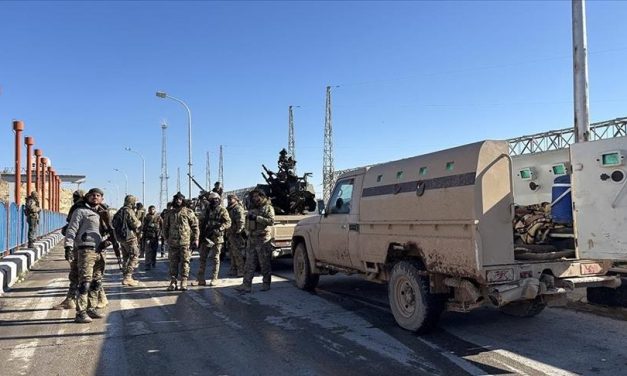
Strategic Council Online – Opinion: After several years of calm and immediately after the ceasefire agreement in Lebanon, the Syrian city of Aleppo has become the scene of clashes between opposition and armed groups led by Tahrir al-Sham (formerly Jabhat al-Nusra) and the Syrian army and government.

Barsam Mohammadi – Regional Affairs Expert

The intense clashes between Tahrir al-Sham and Syrian army forces are a violation of the “Astana Agreement” signed in March 2020 with the participation and guarantees of Russia,

Iran and Turkey. According to the Astana Agreement, the outskirts of Aleppo and Idlib are considered “de-escalation zones.”

The attacks of Tahrir al-Sham, which are supported by some foreign countries and, contrary to the statements and declared and multifaceted positions, have been launched with the behind-the-scene management of the United States, the Zionist regime, and possibly Turkey and the Arab reactionary movement, pursue concrete goals, the occupation of Aleppo and the retaking of the lost areas in 2020 being the top goals.

In the meantime, the imposition of the recent ceasefire by Lebanon on the Zionist regime is also an additional reason. The movement that is dissatisfied with the ceasefire agreement and the successes of Hezbollah, Syria, and the Islamic Republic of Iran in confronting the Zionist regime is seeking to “weaken the Islamic Resistance Front” by opening a new front in Syria and, as a result, sever Iran’s logistical connection with the Lebanese and Palestinian resistance, in which the Zionist regime is considered one of the main stakeholders in this matter. In this regard, developments related to the war in the western regions of Syria are being followed with the satisfaction of the political, military, and security circles of the Zionist regime.

In addition, there are reactionary currents within Arab countries who believe that the Bashar al-Assad government, while it has been close to the Arab world, has not yet been able or has not wanted to act according to their policies and expectations, so they are using the incitement of conflicts in Aleppo and the surrounding areas as a lever to put pressure on Bashar al-Assad.

Of course, in the meantime, we should not ignore the White House’s influential and behind-the-scenes role. The US government and the Biden team, who suffered a heavy defeat in the recent elections, are on the verge of handing over power to Trump, seeking to create conditions that will make any possible interaction between him and Putin more difficult.

In addition to the above, we cannot ignore the “influential” contribution and role Turkey has in the developments in Aleppo and the surrounding areas.

First, Ankara provides military and intelligence support to Tahrir al-Sham. Second, Turkish forces, bases, and military equipment are present in the northern regions of Syria. Third, the attack on Aleppo and Idlib would not have been possible without Turkey’s consent. Fourth, the occupation of Aleppo and Idlib will significantly help Turkey achieve its goals in Syria. First, it will secure Turkey’s southern borders, which are threatened by Kurdish forces. Second, it will consolidate Turkey’s position and influence in Syria. Finally, the Ankara government will use this war as a tool to pressure Bashar al-Assad, who has so far refused to meet and talk with Erdogan before the withdrawal of Turkish forces from Syria.

However, regarding what is happening in Aleppo and its surrounding areas, it is necessary to pay attention to the following points:

One: Aleppo, as one of the “important bridgeheads” for controlling Syria’s resources and strategic areas, is a “complex playground” due to the many domestic, regional, and international actors interested in it. Aleppo’s location is of “strategic importance” for all domestic, regional, and international parties in Syria. That is why the war in Aleppo is called the “mother of wars.”

Two: The speed of the armed groups’ advance in Aleppo and Idlib and the occupation of some parts of the city (of course, the lack of readiness of the Syrian army should not be ignored) clearly shows that the terrorist groups led by Tahrir al-Sham had long been preparing to start such a war. Meanwhile, previous efforts by Tahrir al-Sham, the largest and most organized terrorist group, to attract other groups were also successful, and this war began in a way after the unity of the field, in which foreign actors were also involved. Meanwhile, the beginning of such movements with a lightning-fast and extensive advance without the green light or support of regional and international stakeholders, including the United States, Turkey, and the Zionist regime, was not and is not practically possible.

Third: At present, there is no apparent reason or basis for stopping the war in Aleppo from the terrorist groups and their foreign supporters. Especially since terrorist groups and foreign supporters believe that today, unlike in previous years when the Islamic resistance, including Hezbollah, had a compelling presence and role in warding off the threat of ISIS and other terrorist groups, it is in a weak position and the ground is ready for the overthrow of the Syrian political system.

Such an understanding is a “miscalculation” and “misunderstanding” of the position, power, and status of the Islamic resistance, especially the Hezbollah. Although Hezbollah suffered a lot of damage in the recent war in Gaza and Lebanon, it did not lose its levers and tools of power and immediately recovered and rebuilt itself in recent weeks. The Hezbollah, which emerged victorious from the most difficult, most complex, and fiercest battle with the Zionist regime in the last 75 years, is more robust in every way than the Hezbollah was a few years ago.

In addition, confronting terrorist groups is immediately on the agenda of the Islamic Resistance in the region and the Islamic Republic of Iran. Nothing can prevent the Islamic Resistance from playing a role in confronting terrorist groups and elements in Aleppo and the surrounding areas, especially in a situation where terrorist movements and insecurity in Syria are among the “red lines” of the Islamic Resistance and Iran.

Fourth: The war in Aleppo and Idlib is different from before and must be noted. The internal and external elements of the war front, in complete coordination with a firm reliance on “hybrid and perceptual warfare,” are trying to “magnify” their movements. In perceptual warfare, what is going on in the field is significantly different from what the political and media circles of the opposition and terrorists publish.
0 Comments

LATEST CONTENT

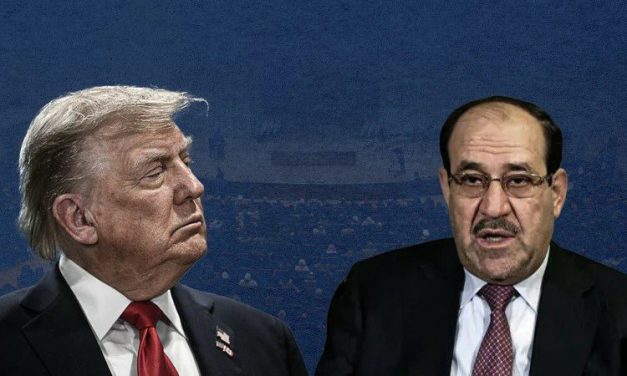
America’s Zero-Sum Game in Iraq

Online Strategic Council – Memoir: The swift selection of Nouri al-Maliki for the premiership constitutes a new phase in Iraq’s political sphere. Multiple factors have played a role in this process, the most important being the prevailing situation in Iraq and the region. Under such circumstances, Iraq requires a powerful and experienced prime minister who can keep the country away from the dangers of wars and crises.

America’s Strategy for Creating Tension in the Asia-Pacific

Strategic Council Online – Opinion: Relations between some countries in the Asia-Pacific region, such as China and Japan or China and Australia, which were previously relatively normal, are trending towards deterioration, and the primary reason for this is the aggressive policies of the United States of America.

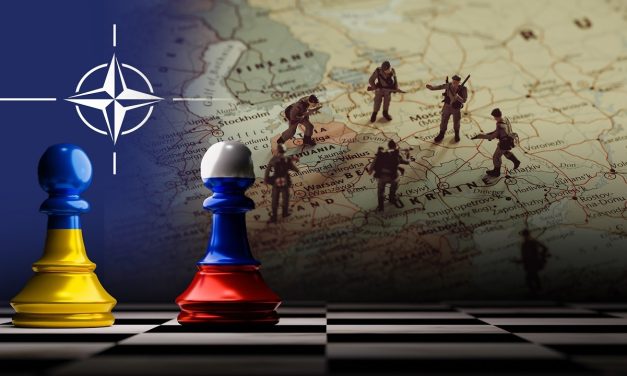
The Collapse of the European Security Illusion with the Continuation of the Ukraine War?

Strategic Council Online – Interview: The Ukraine war has become a new turning point in the political, security, and even commercial relations of allies on both sides of the Atlantic. While this war is nearing its fourth year, many questions still remain regarding its future and its consequences; among them, will the continuation of the Ukraine war lead to the collapse of the European security illusion?

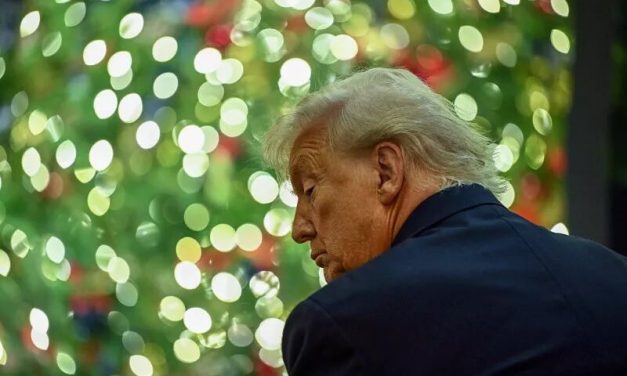
Is Greenland Pushing Europe Toward China?

Strategic Council Online – Interview: A European affairs expert believes that the seizure of Greenland will certainly weaken America’s relations with Europe and its allies. Donald Trump’s view is that he does not need these countries, but if Europe faces significant pressure from the United States, it is natural for it to move toward China.

Alarm Bells Sound for ISIS Revival in Syria: Threat to Iraq and West Asia

Strategic Council Online – Opinion: Numerous documents and pieces of evidence indicate that ISIS, which in recent years has been the region’s biggest threat to security and stability after the Zionist regime, has once again in recent months become a focal point for political and security exploitation by American and Zionist regime security, intelligence, and political circles.

Afghanistan’s Effective Role in the Economy of Eurasia

Strategic Council Online – Interview: A regional affairs researcher stated: Despite projects such as the Khaf-Herat railway and the Herat-Balkh-Mazar-i-Sharif corridor being on the agenda, insecurity and the absence of an inclusive government remain the most significant obstacles to realizing transit corridors and Afghanistan playing an effective role in the economy of Eurasia.

Loading

Últimas publicaciones

America’s Zero-Sum Game in Iraq

Online Strategic Council – Memoir: The swift selection of Nouri al-Maliki for the premiership constitutes a new phase in Iraq’s political sphere. Multiple factors have played a role in this process, the most important being the prevailing situation in Iraq and the region. Under such circumstances, Iraq requires a powerful and experienced prime minister who can keep the country away from the dangers of wars and crises.

America’s Strategy for Creating Tension in the Asia-Pacific

Strategic Council Online – Opinion: Relations between some countries in the Asia-Pacific region, such as China and Japan or China and Australia, which were previously relatively normal, are trending towards deterioration, and the primary reason for this is the aggressive policies of the United States of America.

The Collapse of the European Security Illusion with the Continuation of the Ukraine War?

Strategic Council Online – Interview: The Ukraine war has become a new turning point in the political, security, and even commercial relations of allies on both sides of the Atlantic. While this war is nearing its fourth year, many questions still remain regarding its future and its consequences; among them, will the continuation of the Ukraine war lead to the collapse of the European security illusion?

Is Greenland Pushing Europe Toward China?

Strategic Council Online – Interview: A European affairs expert believes that the seizure of Greenland will certainly weaken America’s relations with Europe and its allies. Donald Trump’s view is that he does not need these countries, but if Europe faces significant pressure from the United States, it is natural for it to move toward China.

Alarm Bells Sound for ISIS Revival in Syria: Threat to Iraq and West Asia

Strategic Council Online – Opinion: Numerous documents and pieces of evidence indicate that ISIS, which in recent years has been the region’s biggest threat to security and stability after the Zionist regime, has once again in recent months become a focal point for political and security exploitation by American and Zionist regime security, intelligence, and political circles.

Afghanistan’s Effective Role in the Economy of Eurasia

Strategic Council Online – Interview: A regional affairs researcher stated: Despite projects such as the Khaf-Herat railway and the Herat-Balkh-Mazar-i-Sharif corridor being on the agenda, insecurity and the absence of an inclusive government remain the most significant obstacles to realizing transit corridors and Afghanistan playing an effective role in the economy of Eurasia.

Loading

DERNIER CONTENU

America’s Zero-Sum Game in Iraq

Online Strategic Council – Memoir: The swift selection of Nouri al-Maliki for the premiership constitutes a new phase in Iraq’s political sphere. Multiple factors have played a role in this process, the most important being the prevailing situation in Iraq and the region. Under such circumstances, Iraq requires a powerful and experienced prime minister who can keep the country away from the dangers of wars and crises.

America’s Strategy for Creating Tension in the Asia-Pacific

Strategic Council Online – Opinion: Relations between some countries in the Asia-Pacific region, such as China and Japan or China and Australia, which were previously relatively normal, are trending towards deterioration, and the primary reason for this is the aggressive policies of the United States of America.

The Collapse of the European Security Illusion with the Continuation of the Ukraine War?

Strategic Council Online – Interview: The Ukraine war has become a new turning point in the political, security, and even commercial relations of allies on both sides of the Atlantic. While this war is nearing its fourth year, many questions still remain regarding its future and its consequences; among them, will the continuation of the Ukraine war lead to the collapse of the European security illusion?

Is Greenland Pushing Europe Toward China?

Strategic Council Online – Interview: A European affairs expert believes that the seizure of Greenland will certainly weaken America’s relations with Europe and its allies. Donald Trump’s view is that he does not need these countries, but if Europe faces significant pressure from the United States, it is natural for it to move toward China.

Alarm Bells Sound for ISIS Revival in Syria: Threat to Iraq and West Asia

Strategic Council Online – Opinion: Numerous documents and pieces of evidence indicate that ISIS, which in recent years has been the region’s biggest threat to security and stability after the Zionist regime, has once again in recent months become a focal point for political and security exploitation by American and Zionist regime security, intelligence, and political circles.

Afghanistan’s Effective Role in the Economy of Eurasia

Strategic Council Online – Interview: A regional affairs researcher stated: Despite projects such as the Khaf-Herat railway and the Herat-Balkh-Mazar-i-Sharif corridor being on the agenda, insecurity and the absence of an inclusive government remain the most significant obstacles to realizing transit corridors and Afghanistan playing an effective role in the economy of Eurasia.

Loading