The goals and consequences of strengthening the US military presence in the region

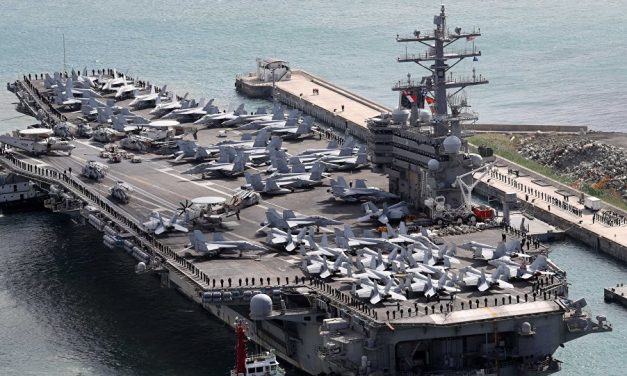
Strategic Council Online—Opinion: In recent weeks, the US government has sent 3,000 military forces along with an aircraft carrier and F-35 and F-16 fighters to the waters of the Persian Gulf. Hamid Khoshayand-Regional issues expert

Washington seeks to advance a plan where the country’s military forces will be stationed on commercial ships and oil tankers traveling in the Persian Gulf or the Strait of Hormuz.

Objectives:

The US government pursues specific goals of strengthening its regional military force, identified as “declared and apparent goals” and “practical and real goals.”


Declared and apparent goals

According to the announcement of the White House officials, the United States is trying to prevent what it calls Iran’s interference with oil tankers passing through the Strait of Hormuz. Matthew Miller, the US Department of State spokesperson, claimed in a press conference that Washington has done this to guarantee the freedom of navigation and maritime transport.

While the White House claims to prevent the threat of oil tankers, Americans are strengthening the US military presence in Iraq, Syria, and the Persian Gulf! This shows that contrary to existing claims, the US government pursues other goals than strengthening its military presence in the region beyond the Persian Gulf.

Practical and real goals

Despite the declaration of the American position, the government of this country pursues other goals by increasing the military presence in the Strait of Hormuz as well as Iraq and Syria:

  1. Conveying the message of power to Arab countries: The United States estimates that the “de-escalation” in the relations between the Islamic Republic of Iran and Saudi Arabia, which has spread to other Arab countries along the Persian Gulf, as well as the improvement of Syria’s relations with the Arab countries, which has led to Syria’s return to the Arab League, are rooted in the mistrust between Arab countries and the US. This mistrust is to the extent that we see a “gap” in America’s relations with some traditional allies, including Saudi Arabia and the UAE.

Of course, diplomatic openings in the region are also affected by the fact that the continuation of tension in the area does not have a favorable outlook and leads to an increase in the level of threats against the security and national interests of the Arab countries; that, under circumstances in which the US is not the only robust and reliable actor in the region as before.

Therefore, to “reassure” the Arab countries of the Persian Gulf and send this message that it is returning powerfully to the region, Washington is trying to expand its military presence!

  1. Preventing the strengthening of the presence of China and Russia in the region: During the last year, we have witnessed the intensification of “regional interactive trends” with China and Russia. Today, what is visible is the fact that Arab countries, despite bilateral and multilateral relations with the US, are strengthening the level of economic, political, and security-military ties with China and Russia, as well as with Central Asian countries and Turkey, especially in the field of “non-dollar exchanges.” In addition, their attempts to join rival coalitions, including BRICS and SCO, have confused the United States.

Such concerns have caused the US, which has gradually focused on East Asia and reduced its focus on West Asia in the past years, to give this encouragement and “message” to its regional allies, including the Arab countries, that this country is still committed to economic, political and military support for these countries and supports them against possible threats!

  1. The issue of Iran: The lifting of Iran’s missile sanctions, which is scheduled to take place in the coming months, has effects on strengthening the US military presence in the region. The Americans believe this issue will escalate the tension between the two countries, so they are looking for measures to deal with any possible stress and control the situation.
  2. Strengthening presence and influence in Syria and Iraq: The process of field and political developments in Syria and Iraq is such that the role and impact of the US in the two mentioned countries has decreased.

Today, the US’s playing field in Iraq and Syria has practically shrunk. On the other hand, the “maneuvering power” of competing actors, including the Islamic Republic of Iran and the Islamic Resistance Front, has increased. This issue, which is at the opposite point of America’s regional interests, cannot be tolerated by Washington, so it is trying to restore its former presence and influence in these countries or make itself more immune by deploying more military forces.

  1. Reducing the criticism of Republicans: One of the accusations leveled against Biden by the Republicans in the past two years has been why he has neglected West Asia and shows so much “softness and flexibility” towards Iran.

Continuing these criticisms on the brink of the 2024 US presidential election is unfavorable for Biden and the Democrats, who seek to win this election at any cost. Therefore, the Biden government is seeking to neutralize the critical levers of the Republicans against themselves and the Democrats by deploying military forces and equipment in the region.

Consequences:

The experience of the past twenty years, especially after the Second Persian Gulf War, when the American military presence in the region increased, has shown that this issue has had adverse effects in the long term on security, military, political, and even economic dimensions. Afghanistan is a clear example in this field.

The situation we have seen in recent years, including in the Red Sea, which was a safe area, and in Saudi Arabia, where not a single bullet had been fired at it in the last hundred years, but now are under fire, to a great extent is influenced by the American military policy in the Persian Gulf.

Therefore, the strengthening of the US militarism in the Persian Gulf region and some Arab countries, and in a situation where the hard power strategy has failed, and the region is returning to diplomatic and interactive processes, will become a factor of crisis, creating conflicts and intensifying tensions in the region and will threaten international shipping. This is in addition to the internal consequences of the growth of American militarism in the host countries, which overshadows them in the fields of legitimacy, politics, security, and society.

Concluding point:

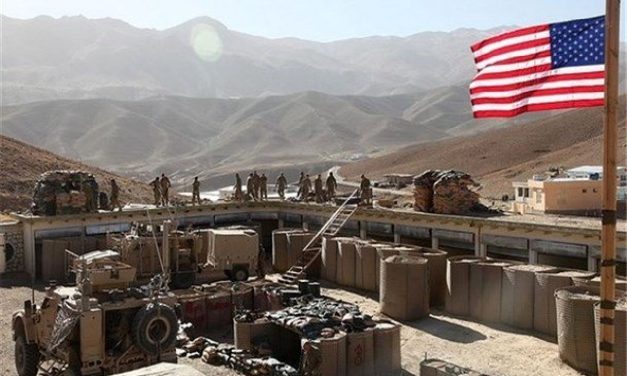
The US military presence is the region’s leading cause of tension and insecurity. Most of the threats to the security and national interests of the Arab countries in the region are due to the US military presence in these countries. American military bases in Arab countries, although they can sometimes be somewhat security-building in the short term, the experience of the last two decades has shown that this issue is a clear threat to the national security of these countries. The experience of Afghanistan, Iraq, and Syria is very instructive in this regard.
0 Comments

LATEST CONTENT

Commercial Exploitation of Peace; The Gaza Committee in Confrontation with International Legitimacy

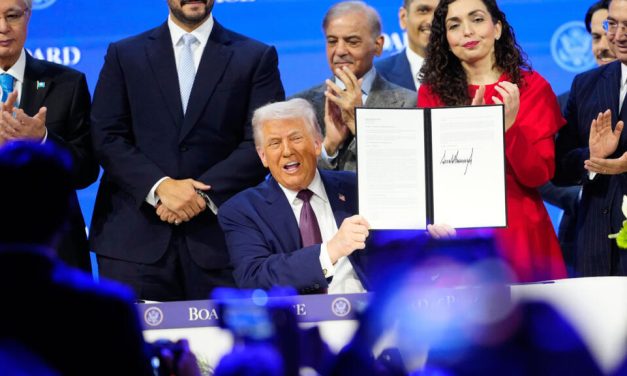
Strategic Council Online – Report: While the second phase of the implementation of the Gaza ceasefire has begun, the establishment of the “Peace Board” chaired by Donald Trump on the sidelines of the Davos meeting (22 January 2026) has become more than a technical mechanism for reconstruction and has turned into a test for the future of the international order.
Despite the signing of the charter by 22 out of 60 invited countries, the limited presence of global leaders at the Davos ceremony and the non-acceptance of this body by the European Union and key Western countries indicate a deep divide in global perceptions of the legitimacy of this mechanism.
In this report, drawing on the analysis of Hadi Borhani, a regional affairs expert, and international data, three strategic questions are addressed: Is the Peace Board an instrument for implementing UN Security Council Resolution 2803 or a substitute for the United Nations? How does the hierarchical architecture of this committee intensify executive challenges in Gaza? And finally, can this body create sustainable peace without the cooperation of Palestinians and with the concentration of power in the hands of a single individual?

America’s Zero-Sum Game in Iraq

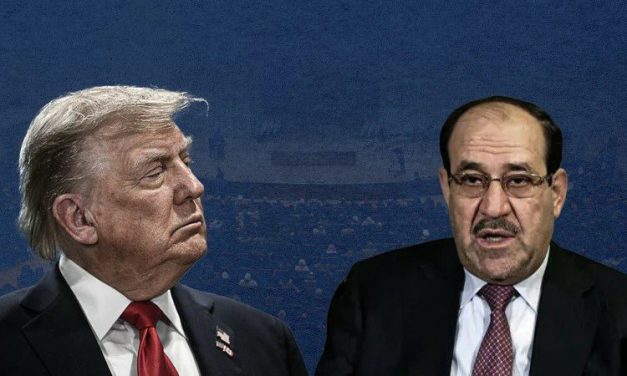
Online Strategic Council – Memoir: The swift selection of Nouri al-Maliki for the premiership constitutes a new phase in Iraq’s political sphere. Multiple factors have played a role in this process, the most important being the prevailing situation in Iraq and the region. Under such circumstances, Iraq requires a powerful and experienced prime minister who can keep the country away from the dangers of wars and crises.

America’s Strategy for Creating Tension in the Asia-Pacific

Strategic Council Online – Opinion: Relations between some countries in the Asia-Pacific region, such as China and Japan or China and Australia, which were previously relatively normal, are trending towards deterioration, and the primary reason for this is the aggressive policies of the United States of America.

The Collapse of the European Security Illusion with the Continuation of the Ukraine War?

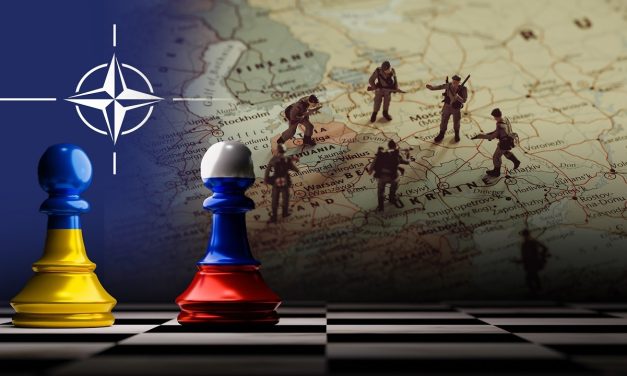
Strategic Council Online – Interview: The Ukraine war has become a new turning point in the political, security, and even commercial relations of allies on both sides of the Atlantic. While this war is nearing its fourth year, many questions still remain regarding its future and its consequences; among them, will the continuation of the Ukraine war lead to the collapse of the European security illusion?

Loading

Últimas publicaciones

Commercial Exploitation of Peace; The Gaza Committee in Confrontation with International Legitimacy

Strategic Council Online – Report: While the second phase of the implementation of the Gaza ceasefire has begun, the establishment of the “Peace Board” chaired by Donald Trump on the sidelines of the Davos meeting (22 January 2026) has become more than a technical mechanism for reconstruction and has turned into a test for the future of the international order.
Despite the signing of the charter by 22 out of 60 invited countries, the limited presence of global leaders at the Davos ceremony and the non-acceptance of this body by the European Union and key Western countries indicate a deep divide in global perceptions of the legitimacy of this mechanism.
In this report, drawing on the analysis of Hadi Borhani, a regional affairs expert, and international data, three strategic questions are addressed: Is the Peace Board an instrument for implementing UN Security Council Resolution 2803 or a substitute for the United Nations? How does the hierarchical architecture of this committee intensify executive challenges in Gaza? And finally, can this body create sustainable peace without the cooperation of Palestinians and with the concentration of power in the hands of a single individual?

America’s Zero-Sum Game in Iraq

Online Strategic Council – Memoir: The swift selection of Nouri al-Maliki for the premiership constitutes a new phase in Iraq’s political sphere. Multiple factors have played a role in this process, the most important being the prevailing situation in Iraq and the region. Under such circumstances, Iraq requires a powerful and experienced prime minister who can keep the country away from the dangers of wars and crises.

America’s Strategy for Creating Tension in the Asia-Pacific

Strategic Council Online – Opinion: Relations between some countries in the Asia-Pacific region, such as China and Japan or China and Australia, which were previously relatively normal, are trending towards deterioration, and the primary reason for this is the aggressive policies of the United States of America.

The Collapse of the European Security Illusion with the Continuation of the Ukraine War?

Strategic Council Online – Interview: The Ukraine war has become a new turning point in the political, security, and even commercial relations of allies on both sides of the Atlantic. While this war is nearing its fourth year, many questions still remain regarding its future and its consequences; among them, will the continuation of the Ukraine war lead to the collapse of the European security illusion?

Loading

DERNIER CONTENU

Commercial Exploitation of Peace; The Gaza Committee in Confrontation with International Legitimacy

Strategic Council Online – Report: While the second phase of the implementation of the Gaza ceasefire has begun, the establishment of the “Peace Board” chaired by Donald Trump on the sidelines of the Davos meeting (22 January 2026) has become more than a technical mechanism for reconstruction and has turned into a test for the future of the international order.
Despite the signing of the charter by 22 out of 60 invited countries, the limited presence of global leaders at the Davos ceremony and the non-acceptance of this body by the European Union and key Western countries indicate a deep divide in global perceptions of the legitimacy of this mechanism.
In this report, drawing on the analysis of Hadi Borhani, a regional affairs expert, and international data, three strategic questions are addressed: Is the Peace Board an instrument for implementing UN Security Council Resolution 2803 or a substitute for the United Nations? How does the hierarchical architecture of this committee intensify executive challenges in Gaza? And finally, can this body create sustainable peace without the cooperation of Palestinians and with the concentration of power in the hands of a single individual?

America’s Zero-Sum Game in Iraq

Online Strategic Council – Memoir: The swift selection of Nouri al-Maliki for the premiership constitutes a new phase in Iraq’s political sphere. Multiple factors have played a role in this process, the most important being the prevailing situation in Iraq and the region. Under such circumstances, Iraq requires a powerful and experienced prime minister who can keep the country away from the dangers of wars and crises.

America’s Strategy for Creating Tension in the Asia-Pacific

Strategic Council Online – Opinion: Relations between some countries in the Asia-Pacific region, such as China and Japan or China and Australia, which were previously relatively normal, are trending towards deterioration, and the primary reason for this is the aggressive policies of the United States of America.

The Collapse of the European Security Illusion with the Continuation of the Ukraine War?

Strategic Council Online – Interview: The Ukraine war has become a new turning point in the political, security, and even commercial relations of allies on both sides of the Atlantic. While this war is nearing its fourth year, many questions still remain regarding its future and its consequences; among them, will the continuation of the Ukraine war lead to the collapse of the European security illusion?

Loading

DERNIER CONTENU

Commercial Exploitation of Peace; The Gaza Committee in Confrontation with International Legitimacy

Strategic Council Online – Report: While the second phase of the implementation of the Gaza ceasefire has begun, the establishment of the “Peace Board” chaired by Donald Trump on the sidelines of the Davos meeting (22 January 2026) has become more than a technical mechanism for reconstruction and has turned into a test for the future of the international order.
Despite the signing of the charter by 22 out of 60 invited countries, the limited presence of global leaders at the Davos ceremony and the non-acceptance of this body by the European Union and key Western countries indicate a deep divide in global perceptions of the legitimacy of this mechanism.
In this report, drawing on the analysis of Hadi Borhani, a regional affairs expert, and international data, three strategic questions are addressed: Is the Peace Board an instrument for implementing UN Security Council Resolution 2803 or a substitute for the United Nations? How does the hierarchical architecture of this committee intensify executive challenges in Gaza? And finally, can this body create sustainable peace without the cooperation of Palestinians and with the concentration of power in the hands of a single individual?

America’s Zero-Sum Game in Iraq

Online Strategic Council – Memoir: The swift selection of Nouri al-Maliki for the premiership constitutes a new phase in Iraq’s political sphere. Multiple factors have played a role in this process, the most important being the prevailing situation in Iraq and the region. Under such circumstances, Iraq requires a powerful and experienced prime minister who can keep the country away from the dangers of wars and crises.

America’s Strategy for Creating Tension in the Asia-Pacific

Strategic Council Online – Opinion: Relations between some countries in the Asia-Pacific region, such as China and Japan or China and Australia, which were previously relatively normal, are trending towards deterioration, and the primary reason for this is the aggressive policies of the United States of America.

The Collapse of the European Security Illusion with the Continuation of the Ukraine War?

Strategic Council Online – Interview: The Ukraine war has become a new turning point in the political, security, and even commercial relations of allies on both sides of the Atlantic. While this war is nearing its fourth year, many questions still remain regarding its future and its consequences; among them, will the continuation of the Ukraine war lead to the collapse of the European security illusion?

Loading

DERNIER CONTENU

Commercial Exploitation of Peace; The Gaza Committee in Confrontation with International Legitimacy

Strategic Council Online – Report: While the second phase of the implementation of the Gaza ceasefire has begun, the establishment of the “Peace Board” chaired by Donald Trump on the sidelines of the Davos meeting (22 January 2026) has become more than a technical mechanism for reconstruction and has turned into a test for the future of the international order.
Despite the signing of the charter by 22 out of 60 invited countries, the limited presence of global leaders at the Davos ceremony and the non-acceptance of this body by the European Union and key Western countries indicate a deep divide in global perceptions of the legitimacy of this mechanism.
In this report, drawing on the analysis of Hadi Borhani, a regional affairs expert, and international data, three strategic questions are addressed: Is the Peace Board an instrument for implementing UN Security Council Resolution 2803 or a substitute for the United Nations? How does the hierarchical architecture of this committee intensify executive challenges in Gaza? And finally, can this body create sustainable peace without the cooperation of Palestinians and with the concentration of power in the hands of a single individual?

America’s Zero-Sum Game in Iraq

Online Strategic Council – Memoir: The swift selection of Nouri al-Maliki for the premiership constitutes a new phase in Iraq’s political sphere. Multiple factors have played a role in this process, the most important being the prevailing situation in Iraq and the region. Under such circumstances, Iraq requires a powerful and experienced prime minister who can keep the country away from the dangers of wars and crises.

America’s Strategy for Creating Tension in the Asia-Pacific

Strategic Council Online – Opinion: Relations between some countries in the Asia-Pacific region, such as China and Japan or China and Australia, which were previously relatively normal, are trending towards deterioration, and the primary reason for this is the aggressive policies of the United States of America.

The Collapse of the European Security Illusion with the Continuation of the Ukraine War?

Strategic Council Online – Interview: The Ukraine war has become a new turning point in the political, security, and even commercial relations of allies on both sides of the Atlantic. While this war is nearing its fourth year, many questions still remain regarding its future and its consequences; among them, will the continuation of the Ukraine war lead to the collapse of the European security illusion?

Loading