Analysis of Iran’s Strategic Authority in Peripheral Waters

Strategic Council Online - Interview: An analyst on West Asia affairs says Iran will in no way detract from its national interests and security and stability in its peripheral waters. ”From the beginning of the victory of the revolution Iran’s principled and strategic policy in the Persian Gulf and the Sea of Oman has been based on creating stability and maintaining sustainable security with the cooperation of the Persian Gulf countries and non-interference of foreign forces.

In an interview with the website of the Strategic Council on Foreign Relations, Asghar Zarei stated that Iran’s principled and strategic policy from the beginning of the victory of the revolution in the Persian Gulf region has been based on lasting security and stability with the cooperation of the Persian Gulf countries and non-interference of foreign forces, adding: In this regard, Iran has always emphasized the need for cooperation and unity of the Persian Gulf countries as the greatest guarantee for its stability and security, and is the only country in the region that has independently undertaken this heavy mission under various conditions of sanctions and threats.

Principled policy of providing collective and participatory security

He added: Strategy of trans-regional actors and enemies in this region is to create insecurity and instability and in return, Iran has considered the policy of providing collective and participatory security in different decades as its main strategy in the Persian Gulf and considers intervention and presence of foreign forces against national interests and security and stability of this region.

Zarei pointed out: The Persian Gulf region is one of the regions that has both strategic value for Iran and is also considered as the center of threats of the opposition and intervening powers; in this regard, Iran has always focused on a regional deterrent system to deal with those threats.

The expert on West Asia affairs said that Iran is committed to provide security of the strategic Persian Gulf waterway, noting: Unfortunately, despite all the positive messages given by Iran and despite the positive plans and approaches, we have been witnessed to some powers on the southern shore of the Persian Gulf turning to foreign countries and to the creation of coalitions and alliances that are against common interests of the countries in the region, and effects of the intervention of the intelligence and security services of Western powers is quite obvious in this regard.

Regional conditions changing

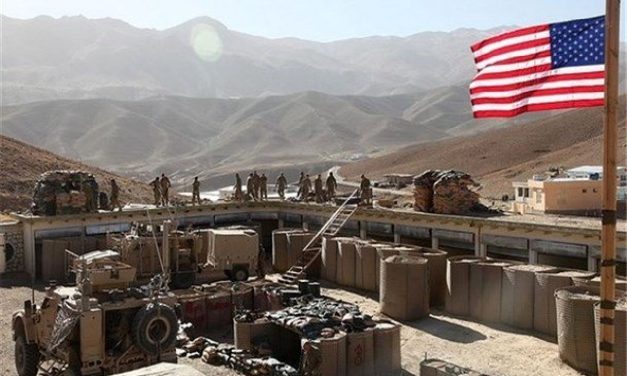
Zarei pointed to the existence of military bases of some Western countries in the southern Persian Gulf countries and continued: The recent policy of normalizing relations between the countries in the southern Persian Gulf and the fake Zionist regime and the open presence of the regime’s military and intelligence forces in those countries show that the situation in the region is changing with the presence of several other actors and some countries, instead of trying to form a sustainable strategy in the region, have continued to organize their approach on the basis of divisive policies and discord.

Referring to the US bomber maneuver and that country’s failed attempt to flee a violator oil tanker from the clutches of Iranian forces, he said: Such issues show that Iran’s defense capabilities have changed dramatically from previous decades and are in no way comparable to the past. In many cases, such capabilities have been proven and demonstrated.

Zarei added: Interception and crash of the Global Hawk, the super-strategic and operational aircraft, in the Jask region from the highest altitude, interception and observation of another of such drones in the northwest of the Persian Gulf and what happened to prevent the escape of the offending oil tanker, in which the IRGC navy demonstrated its power despite the threatening presence of US ships, and their submarine, despite its very high capability, was only passively observing Iran’s power, has been among the scenes of demonstrating Iran’s capabilities.

Supremacy of Iran’s power in the Persian Gulf

The expert on West Asia affairs noted: Such developments show that Iran is the leading power in the region today, and this capability has been proven to all, which we witness in some statements of top officials of Western countries and the fake Zionist regime.

Saying that this defense power and capability could be well operationalized in the Persian Gulf, the Sea of ​​Oman and the Indian Ocean, he referred to the successful operation of sending Iranian tankers to Lebanon and Venezuela and added: The presence of the Iranian navy in St. Petersburg in the farthest point of the northern hemisphere and the presence in a parade held by Russia shows Iran’s capabilities and strategic cooperation with some powers in the region.

Zarei added: Such performance confirms this point that Iran will not in any way detract from its national interests and security and stability in its peripheral waters, and will respond to any action with an accurate and timely response; because security, economy and politics in this region are interrelated. The enemy also knows that Iran is not a forgiver, nor passive about its security and interests.

Emphasizing that Iran has always stressed the need to establish a model of collective security cooperation in the Persian Gulf region, the expert on West Asia affairs continued: Unfortunately, some governments in the southern Persian Gulf region do not have enough independence in their regional and foreign policy and pursue proxy actions by inciting Iranophobia.

Saying that religious and ethnic issues and rivalries in the field of oil have created an inherent rivalry between those countries and Iran, Zarei noted: Unfortunately, those factors have caused the enemies of the region to abuse dependence of the Persian Gulf countries, and today we cannot say optimistically that in the future, it is possible to reach a coalition and an alliance to establish joint security arrangements with some Arab countries in the region.
0 Comments

Submit a Comment

Your email address will not be published. Required fields are marked *

LATEST CONTENT

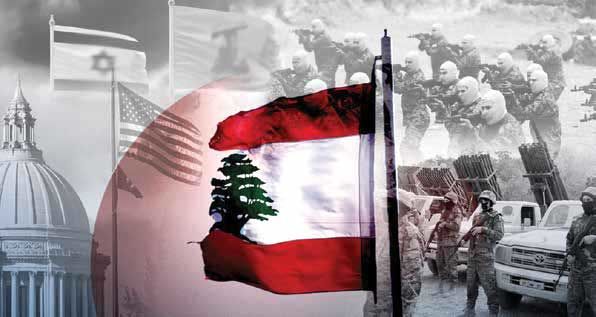
The Security Equation of Southern Lebanon for the Zionist Regime

Strategic Council Online – Opinion: American-Zionist objectives in the region are not limited to weakening Hezbollah. Efforts to disarm Iraqi resistance groups such as Kata’ib Hezbollah and the Popular Mobilization Forces are also part of their subsequent plans.

Commercial Exploitation of Peace; The Gaza Committee in Confrontation with International Legitimacy

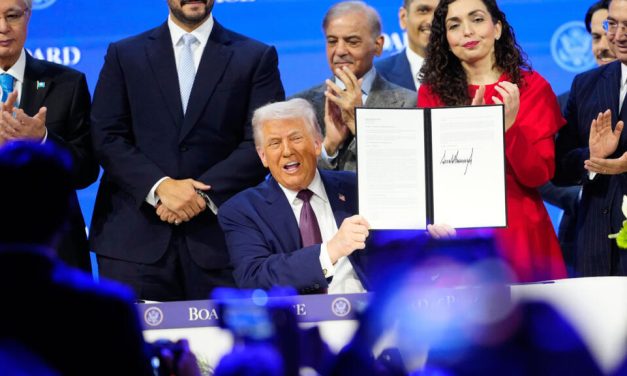
Strategic Council Online – Report: While the second phase of the implementation of the Gaza ceasefire has begun, the establishment of the “Peace Board” chaired by Donald Trump on the sidelines of the Davos meeting (22 January 2026) has become more than a technical mechanism for reconstruction and has turned into a test for the future of the international order.
Despite the signing of the charter by 22 out of 60 invited countries, the limited presence of global leaders at the Davos ceremony and the non-acceptance of this body by the European Union and key Western countries indicate a deep divide in global perceptions of the legitimacy of this mechanism.
In this report, drawing on the analysis of Hadi Borhani, a regional affairs expert, and international data, three strategic questions are addressed: Is the Peace Board an instrument for implementing UN Security Council Resolution 2803 or a substitute for the United Nations? How does the hierarchical architecture of this committee intensify executive challenges in Gaza? And finally, can this body create sustainable peace without the cooperation of Palestinians and with the concentration of power in the hands of a single individual?

America’s Zero-Sum Game in Iraq

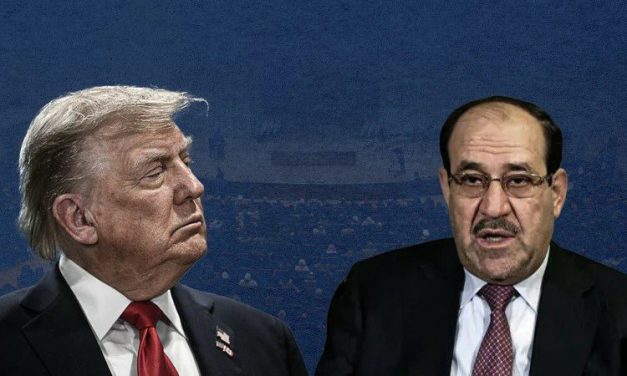
Online Strategic Council – Memoir: The swift selection of Nouri al-Maliki for the premiership constitutes a new phase in Iraq’s political sphere. Multiple factors have played a role in this process, the most important being the prevailing situation in Iraq and the region. Under such circumstances, Iraq requires a powerful and experienced prime minister who can keep the country away from the dangers of wars and crises.

America’s Strategy for Creating Tension in the Asia-Pacific

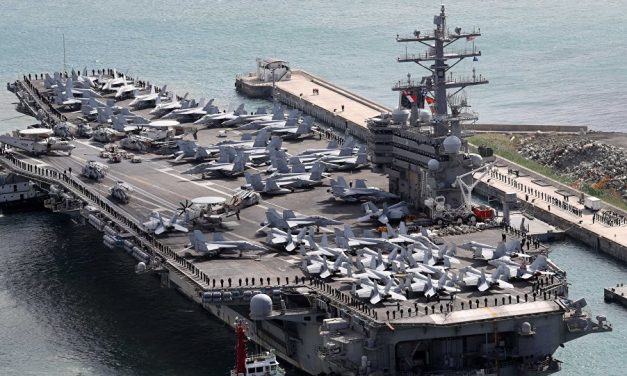
Strategic Council Online – Opinion: Relations between some countries in the Asia-Pacific region, such as China and Japan or China and Australia, which were previously relatively normal, are trending towards deterioration, and the primary reason for this is the aggressive policies of the United States of America.

Loading

Últimas publicaciones

The Security Equation of Southern Lebanon for the Zionist Regime

Strategic Council Online – Opinion: American-Zionist objectives in the region are not limited to weakening Hezbollah. Efforts to disarm Iraqi resistance groups such as Kata’ib Hezbollah and the Popular Mobilization Forces are also part of their subsequent plans.

Commercial Exploitation of Peace; The Gaza Committee in Confrontation with International Legitimacy

Strategic Council Online – Report: While the second phase of the implementation of the Gaza ceasefire has begun, the establishment of the “Peace Board” chaired by Donald Trump on the sidelines of the Davos meeting (22 January 2026) has become more than a technical mechanism for reconstruction and has turned into a test for the future of the international order.
Despite the signing of the charter by 22 out of 60 invited countries, the limited presence of global leaders at the Davos ceremony and the non-acceptance of this body by the European Union and key Western countries indicate a deep divide in global perceptions of the legitimacy of this mechanism.
In this report, drawing on the analysis of Hadi Borhani, a regional affairs expert, and international data, three strategic questions are addressed: Is the Peace Board an instrument for implementing UN Security Council Resolution 2803 or a substitute for the United Nations? How does the hierarchical architecture of this committee intensify executive challenges in Gaza? And finally, can this body create sustainable peace without the cooperation of Palestinians and with the concentration of power in the hands of a single individual?

America’s Zero-Sum Game in Iraq

Online Strategic Council – Memoir: The swift selection of Nouri al-Maliki for the premiership constitutes a new phase in Iraq’s political sphere. Multiple factors have played a role in this process, the most important being the prevailing situation in Iraq and the region. Under such circumstances, Iraq requires a powerful and experienced prime minister who can keep the country away from the dangers of wars and crises.

America’s Strategy for Creating Tension in the Asia-Pacific

Strategic Council Online – Opinion: Relations between some countries in the Asia-Pacific region, such as China and Japan or China and Australia, which were previously relatively normal, are trending towards deterioration, and the primary reason for this is the aggressive policies of the United States of America.

Loading

DERNIER CONTENU

The Security Equation of Southern Lebanon for the Zionist Regime

Strategic Council Online – Opinion: American-Zionist objectives in the region are not limited to weakening Hezbollah. Efforts to disarm Iraqi resistance groups such as Kata’ib Hezbollah and the Popular Mobilization Forces are also part of their subsequent plans.

Commercial Exploitation of Peace; The Gaza Committee in Confrontation with International Legitimacy

Strategic Council Online – Report: While the second phase of the implementation of the Gaza ceasefire has begun, the establishment of the “Peace Board” chaired by Donald Trump on the sidelines of the Davos meeting (22 January 2026) has become more than a technical mechanism for reconstruction and has turned into a test for the future of the international order.
Despite the signing of the charter by 22 out of 60 invited countries, the limited presence of global leaders at the Davos ceremony and the non-acceptance of this body by the European Union and key Western countries indicate a deep divide in global perceptions of the legitimacy of this mechanism.
In this report, drawing on the analysis of Hadi Borhani, a regional affairs expert, and international data, three strategic questions are addressed: Is the Peace Board an instrument for implementing UN Security Council Resolution 2803 or a substitute for the United Nations? How does the hierarchical architecture of this committee intensify executive challenges in Gaza? And finally, can this body create sustainable peace without the cooperation of Palestinians and with the concentration of power in the hands of a single individual?

America’s Zero-Sum Game in Iraq

Online Strategic Council – Memoir: The swift selection of Nouri al-Maliki for the premiership constitutes a new phase in Iraq’s political sphere. Multiple factors have played a role in this process, the most important being the prevailing situation in Iraq and the region. Under such circumstances, Iraq requires a powerful and experienced prime minister who can keep the country away from the dangers of wars and crises.

America’s Strategy for Creating Tension in the Asia-Pacific

Strategic Council Online – Opinion: Relations between some countries in the Asia-Pacific region, such as China and Japan or China and Australia, which were previously relatively normal, are trending towards deterioration, and the primary reason for this is the aggressive policies of the United States of America.

Loading

DERNIER CONTENU

The Security Equation of Southern Lebanon for the Zionist Regime

Strategic Council Online – Opinion: American-Zionist objectives in the region are not limited to weakening Hezbollah. Efforts to disarm Iraqi resistance groups such as Kata’ib Hezbollah and the Popular Mobilization Forces are also part of their subsequent plans.

Commercial Exploitation of Peace; The Gaza Committee in Confrontation with International Legitimacy

Strategic Council Online – Report: While the second phase of the implementation of the Gaza ceasefire has begun, the establishment of the “Peace Board” chaired by Donald Trump on the sidelines of the Davos meeting (22 January 2026) has become more than a technical mechanism for reconstruction and has turned into a test for the future of the international order.
Despite the signing of the charter by 22 out of 60 invited countries, the limited presence of global leaders at the Davos ceremony and the non-acceptance of this body by the European Union and key Western countries indicate a deep divide in global perceptions of the legitimacy of this mechanism.
In this report, drawing on the analysis of Hadi Borhani, a regional affairs expert, and international data, three strategic questions are addressed: Is the Peace Board an instrument for implementing UN Security Council Resolution 2803 or a substitute for the United Nations? How does the hierarchical architecture of this committee intensify executive challenges in Gaza? And finally, can this body create sustainable peace without the cooperation of Palestinians and with the concentration of power in the hands of a single individual?

America’s Zero-Sum Game in Iraq

Online Strategic Council – Memoir: The swift selection of Nouri al-Maliki for the premiership constitutes a new phase in Iraq’s political sphere. Multiple factors have played a role in this process, the most important being the prevailing situation in Iraq and the region. Under such circumstances, Iraq requires a powerful and experienced prime minister who can keep the country away from the dangers of wars and crises.

America’s Strategy for Creating Tension in the Asia-Pacific

Strategic Council Online – Opinion: Relations between some countries in the Asia-Pacific region, such as China and Japan or China and Australia, which were previously relatively normal, are trending towards deterioration, and the primary reason for this is the aggressive policies of the United States of America.

Loading

DERNIER CONTENU

The Security Equation of Southern Lebanon for the Zionist Regime

Strategic Council Online – Opinion: American-Zionist objectives in the region are not limited to weakening Hezbollah. Efforts to disarm Iraqi resistance groups such as Kata’ib Hezbollah and the Popular Mobilization Forces are also part of their subsequent plans.

Commercial Exploitation of Peace; The Gaza Committee in Confrontation with International Legitimacy

Strategic Council Online – Report: While the second phase of the implementation of the Gaza ceasefire has begun, the establishment of the “Peace Board” chaired by Donald Trump on the sidelines of the Davos meeting (22 January 2026) has become more than a technical mechanism for reconstruction and has turned into a test for the future of the international order.
Despite the signing of the charter by 22 out of 60 invited countries, the limited presence of global leaders at the Davos ceremony and the non-acceptance of this body by the European Union and key Western countries indicate a deep divide in global perceptions of the legitimacy of this mechanism.
In this report, drawing on the analysis of Hadi Borhani, a regional affairs expert, and international data, three strategic questions are addressed: Is the Peace Board an instrument for implementing UN Security Council Resolution 2803 or a substitute for the United Nations? How does the hierarchical architecture of this committee intensify executive challenges in Gaza? And finally, can this body create sustainable peace without the cooperation of Palestinians and with the concentration of power in the hands of a single individual?

America’s Zero-Sum Game in Iraq

Online Strategic Council – Memoir: The swift selection of Nouri al-Maliki for the premiership constitutes a new phase in Iraq’s political sphere. Multiple factors have played a role in this process, the most important being the prevailing situation in Iraq and the region. Under such circumstances, Iraq requires a powerful and experienced prime minister who can keep the country away from the dangers of wars and crises.

America’s Strategy for Creating Tension in the Asia-Pacific

Strategic Council Online – Opinion: Relations between some countries in the Asia-Pacific region, such as China and Japan or China and Australia, which were previously relatively normal, are trending towards deterioration, and the primary reason for this is the aggressive policies of the United States of America.

Loading