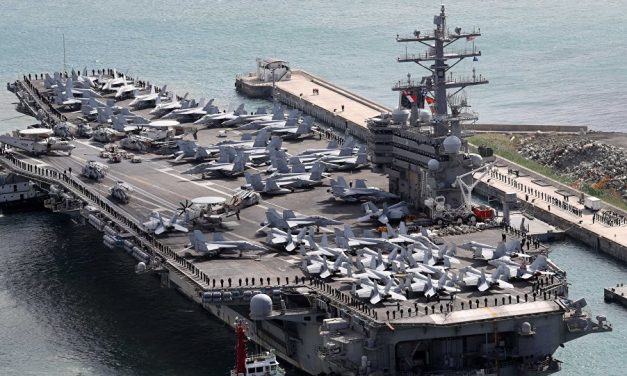
Trump and Growing Insecurity of US Bases in Iraq

Strategic Council Online: Analyzing the US decision-making process to respond to the attack on Iraq's al-Taji base, a university professor stressed that Americans are trying to restore the containment policy against Iran. There are people who have come to the conclusion that the policy of maximum pressure on Iran has failed and they want to encourage Trump to take military action, but Trump will not accept these views in the US presidential election year.

In an interview with the website of the Strategic Council on Foreign Relations, Majid Mohammad Sharifi said that the problems that are emerging in Iraq should be seen within trends that are related to a chain of events. “After the assassination of Lt. General Qasem Soleimani, the US administration came to believe that this was an attempt to restore their containment of Iran.”

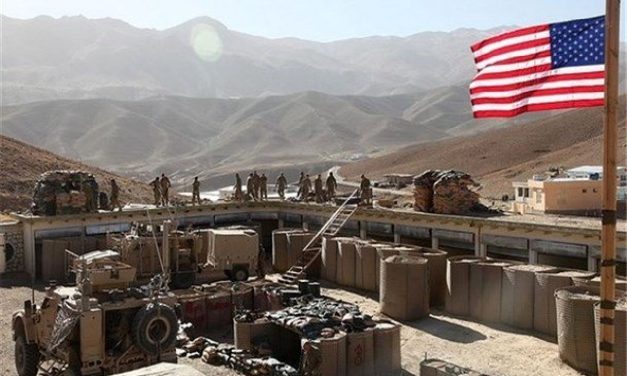
Referring to the March 11 strike on the American Al-Taji camp, which killed several American and British soldiers, he said: “From the very beginning, there was doubt as to whether the assassination of General Soleimani would lead to containment or not. Some believed that this policy would not achieve its goal and that Iran would retaliate. They were also waiting for a response from the Iraqis, who had lost an important person.”

The university professor described the attack on Al-Taji base a shock to the Americans, adding: “They did not think that their red line, which was the killing of American troops, would be ignored.” When that happened, there was a rift between the Americans and the British over how to interpret the event. That’s why when the Americans attacked five Hezbollah Kataib bases on March 12, the British did not take part in the operation because they did not find convincing evidence to prove who has launched the attack.

Mohammad Sharifi went on to say that in response to the attack on Al-Taji base, we noticed two views among Americans:

One group, including Secretary of State Mike Pompeo, Robert C. O’Brien, the national security adviser, and Richard Grenell, head of the US National Intelligence urged a tough response to rocket attacks that had killed two American troops at a base north of Baghdad, arguing that tough action while Iran’s leaders were battling the coronavirus ravaging the country could finally push them into direct negotiations.

He added: “Another view that prevailed in this regard was that of the US military, with Mark T. Esper, Secretary of Defense and Mark Milley, Chairman of the Joint Chiefs of Staff, who strongly believed that military action was very dangerous.” They warned that a large-scale response could draw the United States into a wider war with Iran.

To show and, more importantly, to target Iranian forces, Iran’s response will certainly be enormous, and this time it will certainly plunge the Middle East into a severe crisis, and we cannot control its dimensions. Iran’s response will be unpredictable and we should not deceive ourselves with Iran’s involvement in the corona issue.

The widespread outbreak of the coronavirus in Iran has added to pressures on its government that may make it more of a military threat to the U.S. through its proxy forces in the Middle East, according to the head of U.S. Central Command.

“They are fractured now, and they’re having difficulty dealing with several things,” General Kenneth McKenzie told the Senate Armed Services Committee. “I think it probably makes them in terms of decision-making more dangerous rather than less dangerous.”

Mohammad Sharifi said the Pentagon had told US forces in a secret plan forwarded to Trump to be on alert to attack Iran if ordered to do so. “This issue has been addressed on many occasions but less attention has been paid to it,” he said. The plan said “if Iran made a move” we would respond to them making it conditional. Trump also in his speech warned Iran that if it takes any action it will face US reaction. This does not mean the outbreak of war, and he implicitly acknowledged that he did not want to attribute what happened on March 11 to Iran.

Emphasizing that Trump welcomed the view that Iranian forces should not be attacked, the university professor said Trump had authorized airstrikes against five militia weapons depots inside Iraq

“If we consider this trend we will see the Americans continue to pursue their grand strategy and do not want to engage in a wide-scale conflict in the region and war with Iran. They have started another process, under which they are pressuring the Iraqi government to stop attacks on US military bases, and Iraq is responsible for these actions, otherwise, we will respond.

He said the Americans supported Adnan al-Zurfi, former governor of Najaf to become the prime minister. “Part of the US military threat was to put pressure on Iraqi domestic political forces to comply with the US request to accept Adnan al-Zurfi,” he said.

Mohammad Sharifi concluded: “The Americans are trying to restore the containment policy against Iran with the flexibility they show in any event.” They even change the red lines or deploy the Patriot system in Iraq, but in the year of the US presidential race, it is very unlikely that they will want to carry out a large-scale military operation. Trump has no interest in getting involved in these types of issues in the election year, but there are people who want to push Trump in that direction because they have concluded that the policy of maximum pressure on Iran will not work and that they have not yet been able to force Iran to accept their demands. But Trump does not accept those views.
0 Comments

Submit a Comment

Your email address will not be published. Required fields are marked *

LATEST CONTENT

The Security Equation of Southern Lebanon for the Zionist Regime

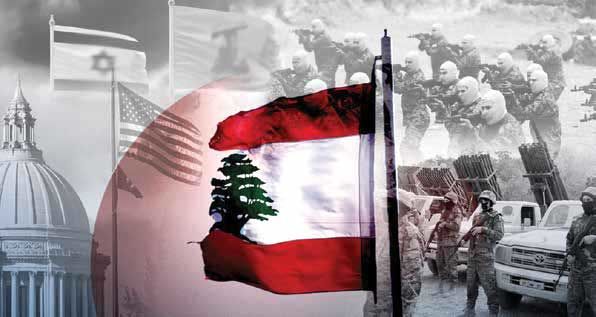
Strategic Council Online – Opinion: American-Zionist objectives in the region are not limited to weakening Hezbollah. Efforts to disarm Iraqi resistance groups such as Kata’ib Hezbollah and the Popular Mobilization Forces are also part of their subsequent plans.

Commercial Exploitation of Peace; The Gaza Committee in Confrontation with International Legitimacy

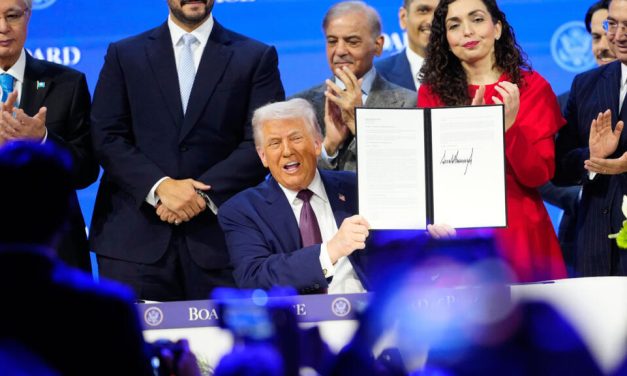
Strategic Council Online – Report: While the second phase of the implementation of the Gaza ceasefire has begun, the establishment of the “Peace Board” chaired by Donald Trump on the sidelines of the Davos meeting (22 January 2026) has become more than a technical mechanism for reconstruction and has turned into a test for the future of the international order.
Despite the signing of the charter by 22 out of 60 invited countries, the limited presence of global leaders at the Davos ceremony and the non-acceptance of this body by the European Union and key Western countries indicate a deep divide in global perceptions of the legitimacy of this mechanism.
In this report, drawing on the analysis of Hadi Borhani, a regional affairs expert, and international data, three strategic questions are addressed: Is the Peace Board an instrument for implementing UN Security Council Resolution 2803 or a substitute for the United Nations? How does the hierarchical architecture of this committee intensify executive challenges in Gaza? And finally, can this body create sustainable peace without the cooperation of Palestinians and with the concentration of power in the hands of a single individual?

America’s Zero-Sum Game in Iraq

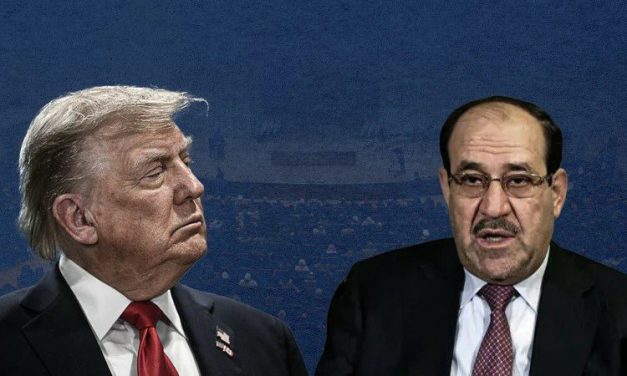
Online Strategic Council – Memoir: The swift selection of Nouri al-Maliki for the premiership constitutes a new phase in Iraq’s political sphere. Multiple factors have played a role in this process, the most important being the prevailing situation in Iraq and the region. Under such circumstances, Iraq requires a powerful and experienced prime minister who can keep the country away from the dangers of wars and crises.

America’s Strategy for Creating Tension in the Asia-Pacific

Strategic Council Online – Opinion: Relations between some countries in the Asia-Pacific region, such as China and Japan or China and Australia, which were previously relatively normal, are trending towards deterioration, and the primary reason for this is the aggressive policies of the United States of America.

Loading

Últimas publicaciones

The Security Equation of Southern Lebanon for the Zionist Regime

Strategic Council Online – Opinion: American-Zionist objectives in the region are not limited to weakening Hezbollah. Efforts to disarm Iraqi resistance groups such as Kata’ib Hezbollah and the Popular Mobilization Forces are also part of their subsequent plans.

Commercial Exploitation of Peace; The Gaza Committee in Confrontation with International Legitimacy

Strategic Council Online – Report: While the second phase of the implementation of the Gaza ceasefire has begun, the establishment of the “Peace Board” chaired by Donald Trump on the sidelines of the Davos meeting (22 January 2026) has become more than a technical mechanism for reconstruction and has turned into a test for the future of the international order.
Despite the signing of the charter by 22 out of 60 invited countries, the limited presence of global leaders at the Davos ceremony and the non-acceptance of this body by the European Union and key Western countries indicate a deep divide in global perceptions of the legitimacy of this mechanism.
In this report, drawing on the analysis of Hadi Borhani, a regional affairs expert, and international data, three strategic questions are addressed: Is the Peace Board an instrument for implementing UN Security Council Resolution 2803 or a substitute for the United Nations? How does the hierarchical architecture of this committee intensify executive challenges in Gaza? And finally, can this body create sustainable peace without the cooperation of Palestinians and with the concentration of power in the hands of a single individual?

America’s Zero-Sum Game in Iraq

Online Strategic Council – Memoir: The swift selection of Nouri al-Maliki for the premiership constitutes a new phase in Iraq’s political sphere. Multiple factors have played a role in this process, the most important being the prevailing situation in Iraq and the region. Under such circumstances, Iraq requires a powerful and experienced prime minister who can keep the country away from the dangers of wars and crises.

America’s Strategy for Creating Tension in the Asia-Pacific

Strategic Council Online – Opinion: Relations between some countries in the Asia-Pacific region, such as China and Japan or China and Australia, which were previously relatively normal, are trending towards deterioration, and the primary reason for this is the aggressive policies of the United States of America.

Loading

DERNIER CONTENU

The Security Equation of Southern Lebanon for the Zionist Regime

Strategic Council Online – Opinion: American-Zionist objectives in the region are not limited to weakening Hezbollah. Efforts to disarm Iraqi resistance groups such as Kata’ib Hezbollah and the Popular Mobilization Forces are also part of their subsequent plans.

Commercial Exploitation of Peace; The Gaza Committee in Confrontation with International Legitimacy

Strategic Council Online – Report: While the second phase of the implementation of the Gaza ceasefire has begun, the establishment of the “Peace Board” chaired by Donald Trump on the sidelines of the Davos meeting (22 January 2026) has become more than a technical mechanism for reconstruction and has turned into a test for the future of the international order.
Despite the signing of the charter by 22 out of 60 invited countries, the limited presence of global leaders at the Davos ceremony and the non-acceptance of this body by the European Union and key Western countries indicate a deep divide in global perceptions of the legitimacy of this mechanism.
In this report, drawing on the analysis of Hadi Borhani, a regional affairs expert, and international data, three strategic questions are addressed: Is the Peace Board an instrument for implementing UN Security Council Resolution 2803 or a substitute for the United Nations? How does the hierarchical architecture of this committee intensify executive challenges in Gaza? And finally, can this body create sustainable peace without the cooperation of Palestinians and with the concentration of power in the hands of a single individual?

America’s Zero-Sum Game in Iraq

Online Strategic Council – Memoir: The swift selection of Nouri al-Maliki for the premiership constitutes a new phase in Iraq’s political sphere. Multiple factors have played a role in this process, the most important being the prevailing situation in Iraq and the region. Under such circumstances, Iraq requires a powerful and experienced prime minister who can keep the country away from the dangers of wars and crises.

America’s Strategy for Creating Tension in the Asia-Pacific

Strategic Council Online – Opinion: Relations between some countries in the Asia-Pacific region, such as China and Japan or China and Australia, which were previously relatively normal, are trending towards deterioration, and the primary reason for this is the aggressive policies of the United States of America.

Loading

DERNIER CONTENU

The Security Equation of Southern Lebanon for the Zionist Regime

Strategic Council Online – Opinion: American-Zionist objectives in the region are not limited to weakening Hezbollah. Efforts to disarm Iraqi resistance groups such as Kata’ib Hezbollah and the Popular Mobilization Forces are also part of their subsequent plans.

Commercial Exploitation of Peace; The Gaza Committee in Confrontation with International Legitimacy

Strategic Council Online – Report: While the second phase of the implementation of the Gaza ceasefire has begun, the establishment of the “Peace Board” chaired by Donald Trump on the sidelines of the Davos meeting (22 January 2026) has become more than a technical mechanism for reconstruction and has turned into a test for the future of the international order.
Despite the signing of the charter by 22 out of 60 invited countries, the limited presence of global leaders at the Davos ceremony and the non-acceptance of this body by the European Union and key Western countries indicate a deep divide in global perceptions of the legitimacy of this mechanism.
In this report, drawing on the analysis of Hadi Borhani, a regional affairs expert, and international data, three strategic questions are addressed: Is the Peace Board an instrument for implementing UN Security Council Resolution 2803 or a substitute for the United Nations? How does the hierarchical architecture of this committee intensify executive challenges in Gaza? And finally, can this body create sustainable peace without the cooperation of Palestinians and with the concentration of power in the hands of a single individual?

America’s Zero-Sum Game in Iraq

Online Strategic Council – Memoir: The swift selection of Nouri al-Maliki for the premiership constitutes a new phase in Iraq’s political sphere. Multiple factors have played a role in this process, the most important being the prevailing situation in Iraq and the region. Under such circumstances, Iraq requires a powerful and experienced prime minister who can keep the country away from the dangers of wars and crises.

America’s Strategy for Creating Tension in the Asia-Pacific

Strategic Council Online – Opinion: Relations between some countries in the Asia-Pacific region, such as China and Japan or China and Australia, which were previously relatively normal, are trending towards deterioration, and the primary reason for this is the aggressive policies of the United States of America.

Loading

DERNIER CONTENU

The Security Equation of Southern Lebanon for the Zionist Regime

Strategic Council Online – Opinion: American-Zionist objectives in the region are not limited to weakening Hezbollah. Efforts to disarm Iraqi resistance groups such as Kata’ib Hezbollah and the Popular Mobilization Forces are also part of their subsequent plans.

Commercial Exploitation of Peace; The Gaza Committee in Confrontation with International Legitimacy

Strategic Council Online – Report: While the second phase of the implementation of the Gaza ceasefire has begun, the establishment of the “Peace Board” chaired by Donald Trump on the sidelines of the Davos meeting (22 January 2026) has become more than a technical mechanism for reconstruction and has turned into a test for the future of the international order.
Despite the signing of the charter by 22 out of 60 invited countries, the limited presence of global leaders at the Davos ceremony and the non-acceptance of this body by the European Union and key Western countries indicate a deep divide in global perceptions of the legitimacy of this mechanism.
In this report, drawing on the analysis of Hadi Borhani, a regional affairs expert, and international data, three strategic questions are addressed: Is the Peace Board an instrument for implementing UN Security Council Resolution 2803 or a substitute for the United Nations? How does the hierarchical architecture of this committee intensify executive challenges in Gaza? And finally, can this body create sustainable peace without the cooperation of Palestinians and with the concentration of power in the hands of a single individual?

America’s Zero-Sum Game in Iraq

Online Strategic Council – Memoir: The swift selection of Nouri al-Maliki for the premiership constitutes a new phase in Iraq’s political sphere. Multiple factors have played a role in this process, the most important being the prevailing situation in Iraq and the region. Under such circumstances, Iraq requires a powerful and experienced prime minister who can keep the country away from the dangers of wars and crises.

America’s Strategy for Creating Tension in the Asia-Pacific

Strategic Council Online – Opinion: Relations between some countries in the Asia-Pacific region, such as China and Japan or China and Australia, which were previously relatively normal, are trending towards deterioration, and the primary reason for this is the aggressive policies of the United States of America.

Loading