Strategic Goals of Yemeni Resistance Operation against Saudi Arabia

Strategic Council Online: What we have witnessed in the recent widespread operations of the Ansarullah movement and the Yemeni people's armies against Saudi positions is, on the one hand, an attempt to persuade Saudi Arabia to admit its military weaknesses inside Yemen, and on the other, an attempt to thwart troublesome and armed moves of mercenary groups seeking to disrupt the situation in Sanaa (the capital of Yemen) and create new insecurity in the region. Jafar Ghanadbashi - Middle East Affairs Expert

While Saudi Arabia has been reluctant to accept peace negotiations as well as a ceasefire and ending bombing of residential areas in Yemen, and despite military weaknesses continues to seek to inflict blows on the Yemeni people, Ansarullah forces and popular armies, the recent Yemeni military offensive against Saudi Arabia, codenamed Bonyan al-Marsoos (Firm Structure), liberated an area of ​​about 2500 square km in the common border triangle with Yemen’s strategic provinces (Maarib, Sanaa and Jawf), and this area alone, regardless of the strategic importance of its objectives is an important achievement in the liberation of all areas under the grip of Saudi coalition.

In fact, the Ansarullah movement and the popular armies in Yemen recently launched the operation Bonyan al-Marsoos – a major and important operation that had significant features. First of all, the operation covered the Saudi Jizan province in a wide area in addition to the West Sanaa region and some of the vast provinces east of the capital, where various types of heavy and light weapons were used in asymmetric warfare. Furthermore, Ansarullah forces hit Aramco oil facility in Jizan province with medium-range and long-range missiles.

The operation was said to have liberated about 2,500 square kilometres of Yemeni territory from the clutches of mercenaries and hundreds of Saudi soldiers and mercenaries were taken captives.

During the operation, Ansarullah movement and the Yemeni people’s forces seized many war booties so much so that according to observers the ammunitions and arms needed for several other important operations had been gained.

The important point in this operation was to thwart a major operation that had been designed to seize the capital city of Sanaa by the Saudi mercenaries. Operation Bonyan al-Marsoos totally thwarted that operation.

In fact, Operation Bonyan al-Marsoos took place at a time when Saudi leaders sought to gain a new military position whereby to impose a new set of political conditions on the Yemeni people: In particular, the regional situation has posed a lot of difficulties for Saudi Arabia, as Riyadh officials are more willing than ever to end the five-year war in Yemen in a face-saving manner. Clear indications of such a situation should be sought in the eventual withdrawal of the UAE forces from Yemen, as well as in the calculations that have led the Saudi leaders to get rid of the Yemen swamp. At the same time, Saudi Arabia’s widespread air operations over al-Hadidah province is another sign of the military madness resulting from the impasse the Saudis are facing. As the Ansarullah officials say, the operation violates the Stockholm peace treaty in its entirety.

In any case, what was made clear in Operation Bonyan al-Marsoos and the passive response of the Saudi government reflects Ansarullah’s immense capacity to defend the Yemeni territory and at the same time illustrates the crippling military weaknesses suffered by the Saudi forces. This means that Saudi Arabia lacks a winning card to advance its goals in Yemen, and the latest efforts by Saudi officials to make field victories and turn them into a new bargaining chip have failed.

Meanwhile, the Ansarullah movement has proved its superiority in the military field by repelling the operations of the Saudi mercenaries and preventing the collapse of the Yemeni capital, and by relying on this military capability wants its demands met.

In particular, the withdrawal of the UAE military forces from Yemen itself indicates the superior position of the Ansarullah movement and the failure of the aggressor forces and adds to the capabilities of the Ansarullah movement in this unequal battle. It is clear that future developments in Yemen will continue the same course, and despite Yemen’s all-out siege, the people of Yemen will benefit from the five years of war experience and the amazing capabilities they have achieved (missile capabilities, drones and ground battles) will be able to force the Saudi invading forces like Yemeni forces out of Yemen and inflict more severe defeats on the forces of this reactionary monarchy.

Overall, what we have witnessed in the widespread operations of the Ansarullah movement and the Yemeni popular armies is, on one hand, an attempt to force Saudi Arabia to accept its military incapability inside Yemen, and on the other is an attempt to thwart the troublesome and armed movements of the mercenary groups that seek to disturb the situation in Sanaa and create new insecurity in the region.
0 Comments

Submit a Comment

Your email address will not be published. Required fields are marked *

LATEST CONTENT

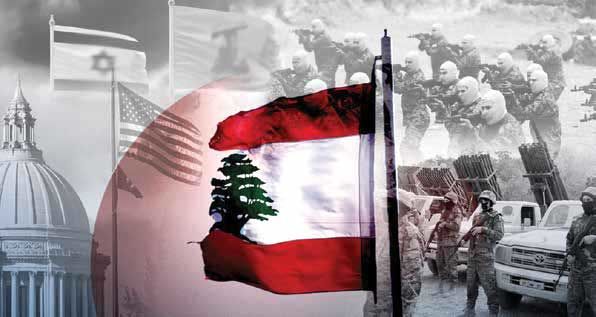
The Security Equation of Southern Lebanon for the Zionist Regime

Strategic Council Online – Opinion: American-Zionist objectives in the region are not limited to weakening Hezbollah. Efforts to disarm Iraqi resistance groups such as Kata’ib Hezbollah and the Popular Mobilization Forces are also part of their subsequent plans.

Commercial Exploitation of Peace; The Gaza Committee in Confrontation with International Legitimacy

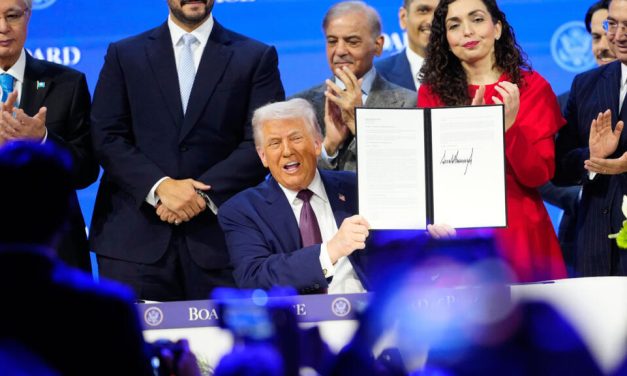
Strategic Council Online – Report: While the second phase of the implementation of the Gaza ceasefire has begun, the establishment of the “Peace Board” chaired by Donald Trump on the sidelines of the Davos meeting (22 January 2026) has become more than a technical mechanism for reconstruction and has turned into a test for the future of the international order.
Despite the signing of the charter by 22 out of 60 invited countries, the limited presence of global leaders at the Davos ceremony and the non-acceptance of this body by the European Union and key Western countries indicate a deep divide in global perceptions of the legitimacy of this mechanism.
In this report, drawing on the analysis of Hadi Borhani, a regional affairs expert, and international data, three strategic questions are addressed: Is the Peace Board an instrument for implementing UN Security Council Resolution 2803 or a substitute for the United Nations? How does the hierarchical architecture of this committee intensify executive challenges in Gaza? And finally, can this body create sustainable peace without the cooperation of Palestinians and with the concentration of power in the hands of a single individual?

America’s Zero-Sum Game in Iraq

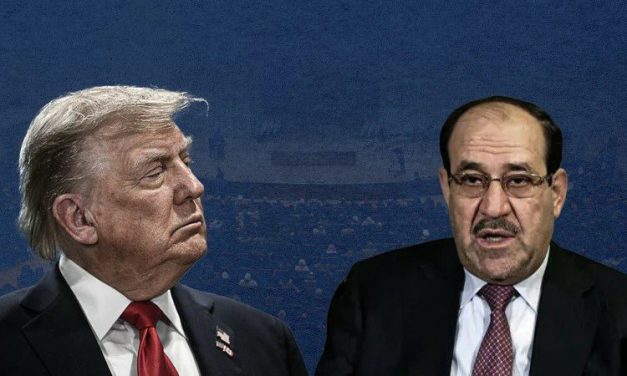
Online Strategic Council – Memoir: The swift selection of Nouri al-Maliki for the premiership constitutes a new phase in Iraq’s political sphere. Multiple factors have played a role in this process, the most important being the prevailing situation in Iraq and the region. Under such circumstances, Iraq requires a powerful and experienced prime minister who can keep the country away from the dangers of wars and crises.

America’s Strategy for Creating Tension in the Asia-Pacific

Strategic Council Online – Opinion: Relations between some countries in the Asia-Pacific region, such as China and Japan or China and Australia, which were previously relatively normal, are trending towards deterioration, and the primary reason for this is the aggressive policies of the United States of America.

Loading

Últimas publicaciones

The Security Equation of Southern Lebanon for the Zionist Regime

Strategic Council Online – Opinion: American-Zionist objectives in the region are not limited to weakening Hezbollah. Efforts to disarm Iraqi resistance groups such as Kata’ib Hezbollah and the Popular Mobilization Forces are also part of their subsequent plans.

Commercial Exploitation of Peace; The Gaza Committee in Confrontation with International Legitimacy

Strategic Council Online – Report: While the second phase of the implementation of the Gaza ceasefire has begun, the establishment of the “Peace Board” chaired by Donald Trump on the sidelines of the Davos meeting (22 January 2026) has become more than a technical mechanism for reconstruction and has turned into a test for the future of the international order.
Despite the signing of the charter by 22 out of 60 invited countries, the limited presence of global leaders at the Davos ceremony and the non-acceptance of this body by the European Union and key Western countries indicate a deep divide in global perceptions of the legitimacy of this mechanism.
In this report, drawing on the analysis of Hadi Borhani, a regional affairs expert, and international data, three strategic questions are addressed: Is the Peace Board an instrument for implementing UN Security Council Resolution 2803 or a substitute for the United Nations? How does the hierarchical architecture of this committee intensify executive challenges in Gaza? And finally, can this body create sustainable peace without the cooperation of Palestinians and with the concentration of power in the hands of a single individual?

America’s Zero-Sum Game in Iraq

Online Strategic Council – Memoir: The swift selection of Nouri al-Maliki for the premiership constitutes a new phase in Iraq’s political sphere. Multiple factors have played a role in this process, the most important being the prevailing situation in Iraq and the region. Under such circumstances, Iraq requires a powerful and experienced prime minister who can keep the country away from the dangers of wars and crises.

America’s Strategy for Creating Tension in the Asia-Pacific

Strategic Council Online – Opinion: Relations between some countries in the Asia-Pacific region, such as China and Japan or China and Australia, which were previously relatively normal, are trending towards deterioration, and the primary reason for this is the aggressive policies of the United States of America.

Loading

DERNIER CONTENU

The Security Equation of Southern Lebanon for the Zionist Regime

Strategic Council Online – Opinion: American-Zionist objectives in the region are not limited to weakening Hezbollah. Efforts to disarm Iraqi resistance groups such as Kata’ib Hezbollah and the Popular Mobilization Forces are also part of their subsequent plans.

Commercial Exploitation of Peace; The Gaza Committee in Confrontation with International Legitimacy

Strategic Council Online – Report: While the second phase of the implementation of the Gaza ceasefire has begun, the establishment of the “Peace Board” chaired by Donald Trump on the sidelines of the Davos meeting (22 January 2026) has become more than a technical mechanism for reconstruction and has turned into a test for the future of the international order.
Despite the signing of the charter by 22 out of 60 invited countries, the limited presence of global leaders at the Davos ceremony and the non-acceptance of this body by the European Union and key Western countries indicate a deep divide in global perceptions of the legitimacy of this mechanism.
In this report, drawing on the analysis of Hadi Borhani, a regional affairs expert, and international data, three strategic questions are addressed: Is the Peace Board an instrument for implementing UN Security Council Resolution 2803 or a substitute for the United Nations? How does the hierarchical architecture of this committee intensify executive challenges in Gaza? And finally, can this body create sustainable peace without the cooperation of Palestinians and with the concentration of power in the hands of a single individual?

America’s Zero-Sum Game in Iraq

Online Strategic Council – Memoir: The swift selection of Nouri al-Maliki for the premiership constitutes a new phase in Iraq’s political sphere. Multiple factors have played a role in this process, the most important being the prevailing situation in Iraq and the region. Under such circumstances, Iraq requires a powerful and experienced prime minister who can keep the country away from the dangers of wars and crises.

America’s Strategy for Creating Tension in the Asia-Pacific

Strategic Council Online – Opinion: Relations between some countries in the Asia-Pacific region, such as China and Japan or China and Australia, which were previously relatively normal, are trending towards deterioration, and the primary reason for this is the aggressive policies of the United States of America.

Loading

DERNIER CONTENU

The Security Equation of Southern Lebanon for the Zionist Regime

Strategic Council Online – Opinion: American-Zionist objectives in the region are not limited to weakening Hezbollah. Efforts to disarm Iraqi resistance groups such as Kata’ib Hezbollah and the Popular Mobilization Forces are also part of their subsequent plans.

Commercial Exploitation of Peace; The Gaza Committee in Confrontation with International Legitimacy

Strategic Council Online – Report: While the second phase of the implementation of the Gaza ceasefire has begun, the establishment of the “Peace Board” chaired by Donald Trump on the sidelines of the Davos meeting (22 January 2026) has become more than a technical mechanism for reconstruction and has turned into a test for the future of the international order.
Despite the signing of the charter by 22 out of 60 invited countries, the limited presence of global leaders at the Davos ceremony and the non-acceptance of this body by the European Union and key Western countries indicate a deep divide in global perceptions of the legitimacy of this mechanism.
In this report, drawing on the analysis of Hadi Borhani, a regional affairs expert, and international data, three strategic questions are addressed: Is the Peace Board an instrument for implementing UN Security Council Resolution 2803 or a substitute for the United Nations? How does the hierarchical architecture of this committee intensify executive challenges in Gaza? And finally, can this body create sustainable peace without the cooperation of Palestinians and with the concentration of power in the hands of a single individual?

America’s Zero-Sum Game in Iraq

Online Strategic Council – Memoir: The swift selection of Nouri al-Maliki for the premiership constitutes a new phase in Iraq’s political sphere. Multiple factors have played a role in this process, the most important being the prevailing situation in Iraq and the region. Under such circumstances, Iraq requires a powerful and experienced prime minister who can keep the country away from the dangers of wars and crises.

America’s Strategy for Creating Tension in the Asia-Pacific

Strategic Council Online – Opinion: Relations between some countries in the Asia-Pacific region, such as China and Japan or China and Australia, which were previously relatively normal, are trending towards deterioration, and the primary reason for this is the aggressive policies of the United States of America.

Loading

DERNIER CONTENU

The Security Equation of Southern Lebanon for the Zionist Regime

Strategic Council Online – Opinion: American-Zionist objectives in the region are not limited to weakening Hezbollah. Efforts to disarm Iraqi resistance groups such as Kata’ib Hezbollah and the Popular Mobilization Forces are also part of their subsequent plans.

Commercial Exploitation of Peace; The Gaza Committee in Confrontation with International Legitimacy

Strategic Council Online – Report: While the second phase of the implementation of the Gaza ceasefire has begun, the establishment of the “Peace Board” chaired by Donald Trump on the sidelines of the Davos meeting (22 January 2026) has become more than a technical mechanism for reconstruction and has turned into a test for the future of the international order.
Despite the signing of the charter by 22 out of 60 invited countries, the limited presence of global leaders at the Davos ceremony and the non-acceptance of this body by the European Union and key Western countries indicate a deep divide in global perceptions of the legitimacy of this mechanism.
In this report, drawing on the analysis of Hadi Borhani, a regional affairs expert, and international data, three strategic questions are addressed: Is the Peace Board an instrument for implementing UN Security Council Resolution 2803 or a substitute for the United Nations? How does the hierarchical architecture of this committee intensify executive challenges in Gaza? And finally, can this body create sustainable peace without the cooperation of Palestinians and with the concentration of power in the hands of a single individual?

America’s Zero-Sum Game in Iraq

Online Strategic Council – Memoir: The swift selection of Nouri al-Maliki for the premiership constitutes a new phase in Iraq’s political sphere. Multiple factors have played a role in this process, the most important being the prevailing situation in Iraq and the region. Under such circumstances, Iraq requires a powerful and experienced prime minister who can keep the country away from the dangers of wars and crises.

America’s Strategy for Creating Tension in the Asia-Pacific

Strategic Council Online – Opinion: Relations between some countries in the Asia-Pacific region, such as China and Japan or China and Australia, which were previously relatively normal, are trending towards deterioration, and the primary reason for this is the aggressive policies of the United States of America.

Loading