Turkey and Syria’s Strategic Operations in Idlib

Strategic Council Online: A Middle East analyst brought up the importance of Syrian army's success in liberating Ma’arat al-Numan, Khan Tuman and areas of Idlib, saying the most difficult operation is Operation Idlib because it seems that there is a serious disagreement on military operations of Syria and Russia with Turkey in this region and the two sides have different strategies.

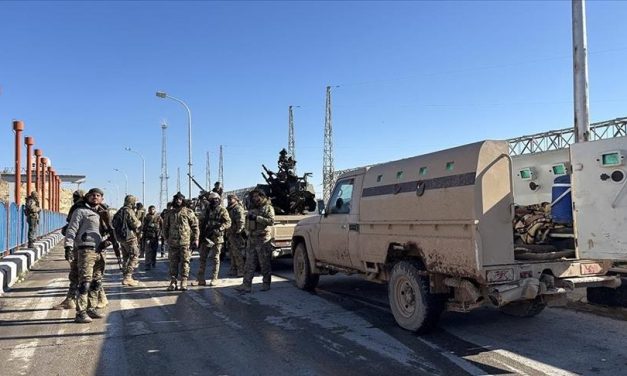
Speaking in an interview with the website of the Strategic Council on Foreign Relations, Jaafar Ghanadbashi said safeguarding Syria’s territorial integrity was a strategic priority on the agenda of the Syrian army, adding Syria was trying to put an end to the remains of presence of terrorists stationed in northwestern Syria, the Adlib province and the outskirts of Aleppo.

“The Syrian army has made good progress over the past two to three years, which was very important on the battlefield. The most difficult operation is Operation Idlib because it seems that there is a serious disagreement on military operations of Syria and Russia with Turkey in this region and the two sides have different strategies.

Referring to Erdogan’s remarks following the Syrian army’s advances in Idlib that under the Sochi Treaty Russia and Syria had pledged not to conduct military operations in Idlib and that if these clashes were not contained there would once again be military attacks, the Middle East analyst reiterated. Turkey seems to be practically opposed to Syria’s strategy of preserving its territorial integrity.

Pointing to the role of foreign countries in Syria’s success, he touched on the Idlib clearing and said the strategy of the United States and Israel is to keep terrorists active in the country in order to keep the Damascus government weak as before.

Describing the most important reasons behind Turkey’s stances, Ghanadbashi said Turkey is receiving EU funds for the refugees in that country. The country is actually presenting itself as an obstacle to the passage of immigrants and terrorists to Europe and is taking advantage of it.

“In addition, Turks feel threatened by the Kurds and have always been engaged in conflicts with them in various ways. As the Turkish Kurds present in Syria and Iraq, they do not want the Kurds in northern Syria to begin their actions against Turkey. That’s why they are sensitive to Idlib’s condition,” he said.

Referring to Russia’s critical response to Erdogan’s remarks that Moscow has fully adhered to its commitments with respect to Idlib and fully implemented them, the expert said: “Turks pledge commitments to Syria and Russia at bilateral and trilateral summits but this collaboration, never becomes serious. In the current situation, Russia supports Syria against Turkey.”

Significance of Syria’s Success in Liberating Khan Touman

Ghanadbashi praised the success of the Syrian army in liberating Ma’arat al-Numan, Khan Tuman and areas of Idlib, saying the village of Khan Touman, now a settlement, was in the hands of terrorists who dominated the strategic Aleppo-Damascus road; So, in order to carry out the next operation, the Syrian government tried to reduce the dominance of the terrorists on the road, which was a successful operation.

He added that while Turks continue to criticize Bashar al-Assad and the Syrian government and do not seem to be happy with his rule, he described the Turkish authorities’ statements nothing new because when serious operations such as Operation Khan Touman take place and a stronghold is seized, Turkey voices harsh criticisms.

Syrian Army Advances Continue

The Middle East affairs expert on the prospect of a Syrian operation in Idlib despite Turkish threats said: Turkish people want calm and an end to the turmoil and criticize the government for its policies on Syria. For the past eight years, the Resistance Front in Syria has shown that despite Western demands, Arab and Turkish reaction has been able to contain the terrorists, and these advances appear to be continuing.

Noting that the forces opposed to Syria’s advances face numerous problems in their countries, he said. “The Israelis have a lot of problems domestically and against the Palestinians and the Lebanese, and the Americans have a lot of problems with Mr Trump,” he added. The Arab reaction is also helpless against the Yemeni issue, so despite the threats, it seems that these victories will continue.

“Syria has, however, gained a lot of experience in the past years due to the support of the Syrian people and their allies,” he said. The impatience and the protests are caused by the fear that they know Syria might win.
0 Comments

Submit a Comment

Your email address will not be published. Required fields are marked *

LATEST CONTENT

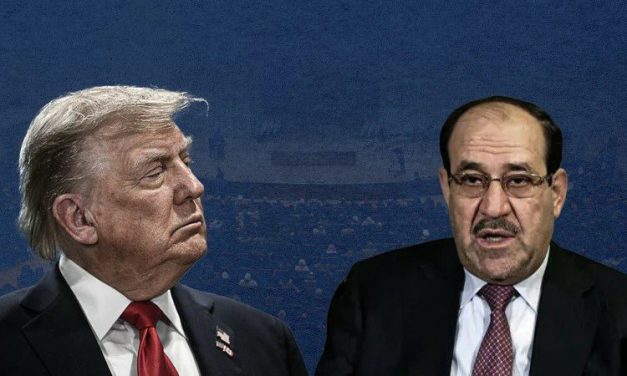
America’s Zero-Sum Game in Iraq

Online Strategic Council – Memoir: The swift selection of Nouri al-Maliki for the premiership constitutes a new phase in Iraq’s political sphere. Multiple factors have played a role in this process, the most important being the prevailing situation in Iraq and the region. Under such circumstances, Iraq requires a powerful and experienced prime minister who can keep the country away from the dangers of wars and crises.

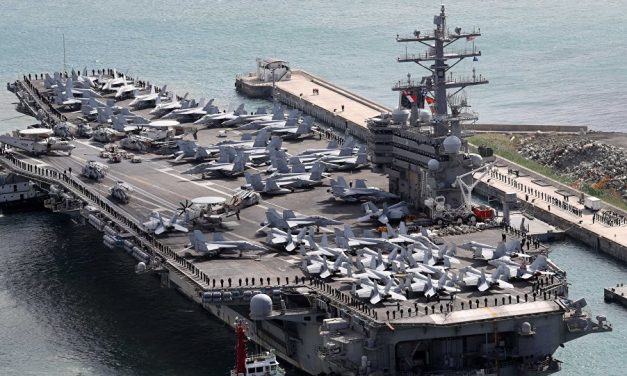
America’s Strategy for Creating Tension in the Asia-Pacific

Strategic Council Online – Opinion: Relations between some countries in the Asia-Pacific region, such as China and Japan or China and Australia, which were previously relatively normal, are trending towards deterioration, and the primary reason for this is the aggressive policies of the United States of America.

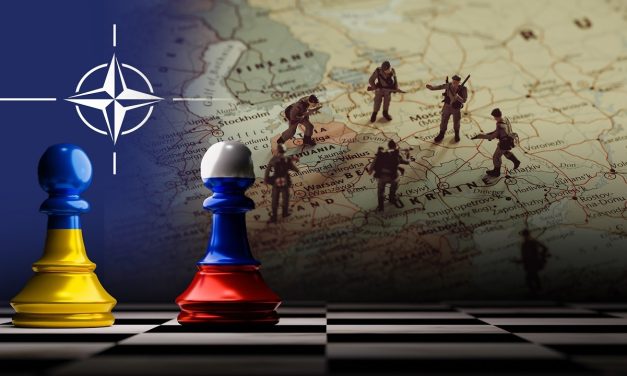
The Collapse of the European Security Illusion with the Continuation of the Ukraine War?

Strategic Council Online – Interview: The Ukraine war has become a new turning point in the political, security, and even commercial relations of allies on both sides of the Atlantic. While this war is nearing its fourth year, many questions still remain regarding its future and its consequences; among them, will the continuation of the Ukraine war lead to the collapse of the European security illusion?

Is Greenland Pushing Europe Toward China?

Strategic Council Online – Interview: A European affairs expert believes that the seizure of Greenland will certainly weaken America’s relations with Europe and its allies. Donald Trump’s view is that he does not need these countries, but if Europe faces significant pressure from the United States, it is natural for it to move toward China.

Alarm Bells Sound for ISIS Revival in Syria: Threat to Iraq and West Asia

Strategic Council Online – Opinion: Numerous documents and pieces of evidence indicate that ISIS, which in recent years has been the region’s biggest threat to security and stability after the Zionist regime, has once again in recent months become a focal point for political and security exploitation by American and Zionist regime security, intelligence, and political circles.

Afghanistan’s Effective Role in the Economy of Eurasia

Strategic Council Online – Interview: A regional affairs researcher stated: Despite projects such as the Khaf-Herat railway and the Herat-Balkh-Mazar-i-Sharif corridor being on the agenda, insecurity and the absence of an inclusive government remain the most significant obstacles to realizing transit corridors and Afghanistan playing an effective role in the economy of Eurasia.

Loading

Últimas publicaciones

America’s Zero-Sum Game in Iraq

Online Strategic Council – Memoir: The swift selection of Nouri al-Maliki for the premiership constitutes a new phase in Iraq’s political sphere. Multiple factors have played a role in this process, the most important being the prevailing situation in Iraq and the region. Under such circumstances, Iraq requires a powerful and experienced prime minister who can keep the country away from the dangers of wars and crises.

America’s Strategy for Creating Tension in the Asia-Pacific

Strategic Council Online – Opinion: Relations between some countries in the Asia-Pacific region, such as China and Japan or China and Australia, which were previously relatively normal, are trending towards deterioration, and the primary reason for this is the aggressive policies of the United States of America.

The Collapse of the European Security Illusion with the Continuation of the Ukraine War?

Strategic Council Online – Interview: The Ukraine war has become a new turning point in the political, security, and even commercial relations of allies on both sides of the Atlantic. While this war is nearing its fourth year, many questions still remain regarding its future and its consequences; among them, will the continuation of the Ukraine war lead to the collapse of the European security illusion?

Is Greenland Pushing Europe Toward China?

Strategic Council Online – Interview: A European affairs expert believes that the seizure of Greenland will certainly weaken America’s relations with Europe and its allies. Donald Trump’s view is that he does not need these countries, but if Europe faces significant pressure from the United States, it is natural for it to move toward China.

Alarm Bells Sound for ISIS Revival in Syria: Threat to Iraq and West Asia

Strategic Council Online – Opinion: Numerous documents and pieces of evidence indicate that ISIS, which in recent years has been the region’s biggest threat to security and stability after the Zionist regime, has once again in recent months become a focal point for political and security exploitation by American and Zionist regime security, intelligence, and political circles.

Afghanistan’s Effective Role in the Economy of Eurasia

Strategic Council Online – Interview: A regional affairs researcher stated: Despite projects such as the Khaf-Herat railway and the Herat-Balkh-Mazar-i-Sharif corridor being on the agenda, insecurity and the absence of an inclusive government remain the most significant obstacles to realizing transit corridors and Afghanistan playing an effective role in the economy of Eurasia.

Loading

DERNIER CONTENU

America’s Zero-Sum Game in Iraq

Online Strategic Council – Memoir: The swift selection of Nouri al-Maliki for the premiership constitutes a new phase in Iraq’s political sphere. Multiple factors have played a role in this process, the most important being the prevailing situation in Iraq and the region. Under such circumstances, Iraq requires a powerful and experienced prime minister who can keep the country away from the dangers of wars and crises.

America’s Strategy for Creating Tension in the Asia-Pacific

Strategic Council Online – Opinion: Relations between some countries in the Asia-Pacific region, such as China and Japan or China and Australia, which were previously relatively normal, are trending towards deterioration, and the primary reason for this is the aggressive policies of the United States of America.

The Collapse of the European Security Illusion with the Continuation of the Ukraine War?

Strategic Council Online – Interview: The Ukraine war has become a new turning point in the political, security, and even commercial relations of allies on both sides of the Atlantic. While this war is nearing its fourth year, many questions still remain regarding its future and its consequences; among them, will the continuation of the Ukraine war lead to the collapse of the European security illusion?

Is Greenland Pushing Europe Toward China?

Strategic Council Online – Interview: A European affairs expert believes that the seizure of Greenland will certainly weaken America’s relations with Europe and its allies. Donald Trump’s view is that he does not need these countries, but if Europe faces significant pressure from the United States, it is natural for it to move toward China.

Alarm Bells Sound for ISIS Revival in Syria: Threat to Iraq and West Asia

Strategic Council Online – Opinion: Numerous documents and pieces of evidence indicate that ISIS, which in recent years has been the region’s biggest threat to security and stability after the Zionist regime, has once again in recent months become a focal point for political and security exploitation by American and Zionist regime security, intelligence, and political circles.

Afghanistan’s Effective Role in the Economy of Eurasia

Strategic Council Online – Interview: A regional affairs researcher stated: Despite projects such as the Khaf-Herat railway and the Herat-Balkh-Mazar-i-Sharif corridor being on the agenda, insecurity and the absence of an inclusive government remain the most significant obstacles to realizing transit corridors and Afghanistan playing an effective role in the economy of Eurasia.

Loading