

On the possibility of the Zionist regime invading Lebanon, the President of the Strategic Council on Foreign Relations said: Hizbollah is powerful enough to react and defend, the result of which would be a severe defeat of Israel. However, in the case of the expansion of the war to the whole region, we would support Hizbollah by all means.
What follows is the full text of this conversation:
On the impact of the Iran election on foreign policy:
-There will be chances of new openings between Iran and Western countries, provided that the Western countries retreat from their current policies and engage with Iran based on equal footing and mutual respect.
-Of course, there would be some differences in their [Pezeshkian/Jalili] approach. Still, in terms of the strategy, they would follow the same, because the strategy is set by the leader of the Islamic republic.
On the possibility of a new nuclear agreement considering that JCPOA expires next year:
-There is no need for a new nuclear agreement, the JCPOA is still applicable, provided the United States returns to the deal, and in that case, we would be ready to come back to our commitments.
-We are ready to resist any pressure. Even before the start of JCPOA negotiations Americans had understood that pressure is not going to work. Again, they have to be aware that pressure on Iran does not work.
On the likelihood of direct talks with the US and how it will be affected by who wins in Iran’s election:
-Direct talk [with the US] is off our agenda because we do not find the United States ready to talk based on equal footing and mutual respect.
-We have had direct talks with other Western countries, and are ready to continue our talks with them. But the United States has always been following the policy of pressure and bullying, which has not been working.
On Iran support for Hezbollah if a full-blown war breaks out?:
-In case of a full-blown war, Hizbollah is powerful enough to react and defend, the result of which would be a severe defeat of Israel. In that case, all Lebanese people, Arab countries, and members of the Axis of Resistance will support Lebanon against Israel. However, there would be chances of expansion of the war to the whole region, in which all countries including Iran would become engaged, and in that situation, we would have no choice, but to support Hizbollah by all means. Of course, the expansion of war is not in the interest of anyone, not Iran or the United States.
On Iran avoiding a broader regional conflict, and direct conflict with Israel or the US:
We are not for expansion of the war, as Americans are not. Therefore, they have to put pressure on Israel to stop this war.
On possible changes in Iran’s nuclear doctrine.
-If Western countries do snap back to return previous Security Council resolutions [sanctions], I predict that there would be a severe reaction from Iran, in terms of changing its nuclear strategy. Based on the reaction of Western countries, Iran would decide to modify its nuclear doctrine. That means changing our nuclear doctrine depends on what would be the reaction of others. Up to now, we have not decided to go further than 60 percent enrichment, but have been trying to expand our experience by using different machines and different setups.
-However, we are not for building nuclear weapons, based on the Fatwa of the leader of the Islamic Republic. But, if there is an existential threat to Iran, naturally we have to change our doctrine.
On Iran’s desire to resume indirect talks with US:
-We are ready for indirect talks with the US, provided it would lead to the return of the United States to JCPOA.
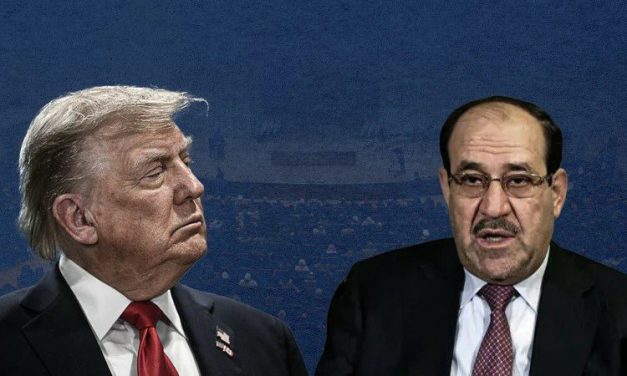
On whether Trump’s return to power will affect Iran’s foreign policy:
-Regardless of who wins in the United States, we would practice the same policy as before.
We had the experience of Mr Trump before and he has to understand that pressure on Iran, is not working.
On whether low turnout would affect the strength of Iran’s ability to negotiate:
The level of participation is important, but if the level of participation is not high enough, like in Europe, that doesn’t mean that Iran would be ready to change its policies.
On whether low turnout would undermine the Islamic Republic’s legitimacy:
-In general, the Iranian people support the system. However, due to the current economic pressures, there has been some change in their participation. But we are hopeful that with the policies adopted, the pressures would be reduced leading to their higher participation.
On military cooperation between Iran and Russia and Iran’s drone sales to Russia:
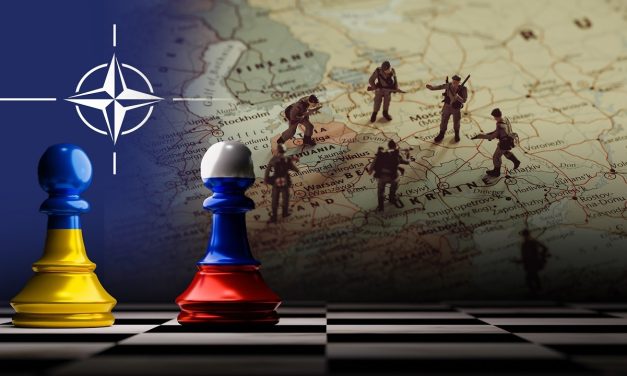
-There is no obstacle between Iran and Russia for an arms deal, and we are due to sign a comprehensive strategic agreement with them shortly. In the case of selling drones to Russia, we had a deal before the start of the Ukraine war. Having sent arms to Russia to be used in the war is not true. We have been neutral in the war between Russia and Ukraine because basically, we do not support invading other countries.
On reports of Iranian manufacturing plants for drones in Russia:
-I do not support such reports, but even if there is such cooperation between Iran and Russia, that doesn’t mean that the responsibility for using what they manufacture and use would be on Iran.
On concerns that Iran would sell missiles to Russia
-There has been such an accusation, but it is not true.
On Iran purchasing fighter jets from Russia:
-There’s no obstacle for Iran to buy fighter jets from Russia and such a deal is currently under negotiation.
On the relationship with Saudi Arabia:
-It is developing. It’s much better now than before. There have been visits and there has been cooperation in terms of the Hajj program. They cooperated very well. Even they allowed Iranians who are currently there for the Hajj, to participate in the current presidential election
On Iran using its influence on the Houthis to stop the attacks on the shipping in the Red Sea:
-Why should Iran put pressure on Houthis? They are doing their own business in supporting Palestinians, and it is their right to do so. There’s no way to put pressure on them to stop what they are doing. This is their own decision to do that.
On Iran telling Hashd al-Shaabi to de-escalate tensions with the Americans:
-We may have some influence on them, but the question is where to use that influence. Using any influence on members of the Axis of Resistance should be based on some strategy. While Israelis and Americans are working against our interests in the region, there’s no need to use our influence on them.
On whether Iran has reduced its military presence in Syria because of all the Israeli attacks?
-There haven’t been any major changes in our presence. We are there, because the Syrian government has invited us to be there, and they need us to be there to protect them.
On whether there could be a shift in tone depending on who becomes Iran’s next president:
-There may be some modifications depending on the change of positi
ons of the other side. If they decide to cooperate, we are ready for cooperation.



0 Comments