Reza Majidzadeh – Development Affairs Expert
Space competition is not a new topic; it also occurred during the Cold War between the Soviet Union and the United States. Understanding the reasons for space competition in that era is essential for comprehending the new competition between the U.S. and China. However, other dimensions must also be considered to fully grasp the logic of the new competition and its potential futures.
The U.S. perspective on space is revealed in the stance of a former U.S. Deputy Secretary of Defense: “Just as medieval castles were often built on hills and air superiority was crucial for the Allies’ victory in World War II, space also acts as an important strategic area in modern warfare.” This viewpoint also reflects why space was important during the Cold War; for the United States, space leadership is crucial for national security, international influence, economic growth, and addressing environmental and climate change concerns.
Over the past few decades, space has become a source of soft power and international influence. The United States leverages participation in space missions as well as opportunities to share the benefits of space assets for climate or other applications. The global space economy is currently worth hundreds of billions of dollars and is projected to reach $1.8 trillion by 2035. Consequently, the growing competition among countries worldwide to enter this market and secure a worthy share has gained strategic importance. Furthermore, the dual-use capacity of many space capabilities, particularly in the realm of military superiority, means that a country leading in this area can seize significant economic advantages.
The United States has been the global leader in space for decades, but this position is not guaranteed, as other countries are also increasing their investments in space. Today, China has taken the place of the former Soviet Union; China successfully completed its first static test by igniting seven parallel YF-100K engines at the Wenchang facility in Hainan. Another rocket in the same series, the partially reusable two-stage Long March-10a, is still under development, with its first flight planned for 2026, intended for carrying crew and cargo to China’s Tiangong space station.
Beijing has organized its plans to land its astronauts on the Moon before 2030, thereby placing itself in direct competition with the United States and NASA’s similar Artemis program, which aims to return American astronauts to the lunar surface around 2027.
Other countries are also active in the space economy; however, this arena has primarily become a bipolar one. To describe this competition, it could be said that, given NASA now has its eyes set on the redder pastures of Mars, the United States is almost six decades ahead after the success of the Apollo program.
Nevertheless, U.S. concern over China’s rapid advancement in other technological fields has driven NASA to restrict access to its facilities for Chinese citizens. NASA officials believe the agency has taken internal measures regarding Chinese citizens, including limiting physical and cyber access to its facilities, materials, and network, to ensure the security of its work. Chinese citizens were previously permitted to work as contractors or students in research. The U.S. now finds itself in a space race, and China wants to set foot on the Moon before America does. China also seeks to become the first country to return a sample from the surface of Mars to Earth with a robotic mission scheduled to launch in 2028 and return the rocks by 2031. Therefore, an increasingly intense competition has taken shape in the space arena. Beyond its implications for commercial rivalries and neo-colonialism on Earth, it also encompasses the conquest of new territories in space and the application of these conquests to achieve superiority on Earth, as well as future space plans for human settlement on other planets, which will intensify.
Growing U.S.-China Competition in Space

LATEST CONTENT
Commercial Exploitation of Peace; The Gaza Committee in Confrontation with International Legitimacy
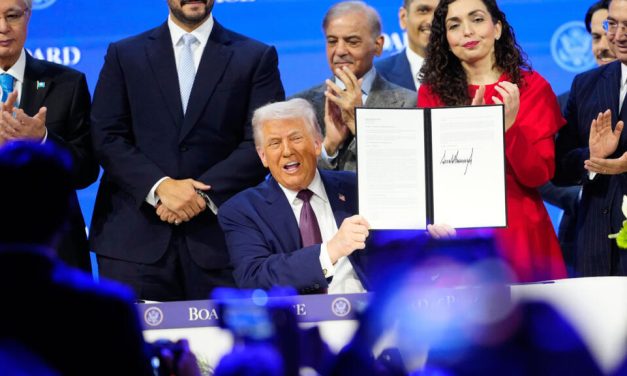
Strategic Council Online – Report: While the second phase of the implementation of the Gaza ceasefire has begun, the establishment of the “Peace Board” chaired by Donald Trump on the sidelines of the Davos meeting (22 January 2026) has become more than a technical mechanism for reconstruction and has turned into a test for the future of the international order.
Despite the signing of the charter by 22 out of 60 invited countries, the limited presence of global leaders at the Davos ceremony and the non-acceptance of this body by the European Union and key Western countries indicate a deep divide in global perceptions of the legitimacy of this mechanism.
In this report, drawing on the analysis of Hadi Borhani, a regional affairs expert, and international data, three strategic questions are addressed: Is the Peace Board an instrument for implementing UN Security Council Resolution 2803 or a substitute for the United Nations? How does the hierarchical architecture of this committee intensify executive challenges in Gaza? And finally, can this body create sustainable peace without the cooperation of Palestinians and with the concentration of power in the hands of a single individual?
America’s Zero-Sum Game in Iraq
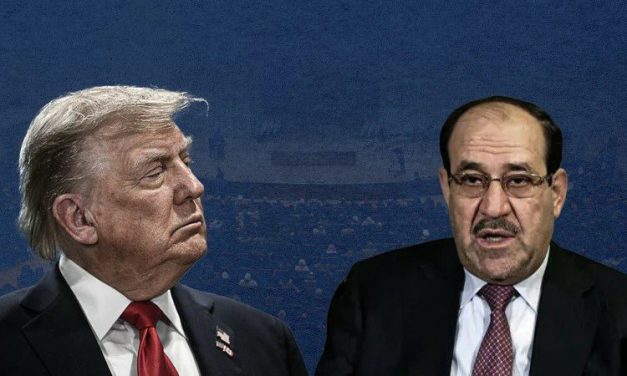
Online Strategic Council – Memoir: The swift selection of Nouri al-Maliki for the premiership constitutes a new phase in Iraq’s political sphere. Multiple factors have played a role in this process, the most important being the prevailing situation in Iraq and the region. Under such circumstances, Iraq requires a powerful and experienced prime minister who can keep the country away from the dangers of wars and crises.
America’s Strategy for Creating Tension in the Asia-Pacific
Strategic Council Online – Opinion: Relations between some countries in the Asia-Pacific region, such as China and Japan or China and Australia, which were previously relatively normal, are trending towards deterioration, and the primary reason for this is the aggressive policies of the United States of America.
The Gradual Formation of a New International Order Based on Competition Among Major Powers
Strategic Council Online – Interview: An international affairs expert stated that the decline of the liberal international order began in 2008. Although the liberal international order still governs international relations, an order is emerging to replace it, based on competition among major powers.
The Collapse of the European Security Illusion with the Continuation of the Ukraine War?
Strategic Council Online – Interview: The Ukraine war has become a new turning point in the political, security, and even commercial relations of allies on both sides of the Atlantic. While this war is nearing its fourth year, many questions still remain regarding its future and its consequences; among them, will the continuation of the Ukraine war lead to the collapse of the European security illusion?
Últimas publicaciones
Commercial Exploitation of Peace; The Gaza Committee in Confrontation with International Legitimacy
Strategic Council Online – Report: While the second phase of the implementation of the Gaza ceasefire has begun, the establishment of the “Peace Board” chaired by Donald Trump on the sidelines of the Davos meeting (22 January 2026) has become more than a technical mechanism for reconstruction and has turned into a test for the future of the international order.
Despite the signing of the charter by 22 out of 60 invited countries, the limited presence of global leaders at the Davos ceremony and the non-acceptance of this body by the European Union and key Western countries indicate a deep divide in global perceptions of the legitimacy of this mechanism.
In this report, drawing on the analysis of Hadi Borhani, a regional affairs expert, and international data, three strategic questions are addressed: Is the Peace Board an instrument for implementing UN Security Council Resolution 2803 or a substitute for the United Nations? How does the hierarchical architecture of this committee intensify executive challenges in Gaza? And finally, can this body create sustainable peace without the cooperation of Palestinians and with the concentration of power in the hands of a single individual?
America’s Zero-Sum Game in Iraq
Online Strategic Council – Memoir: The swift selection of Nouri al-Maliki for the premiership constitutes a new phase in Iraq’s political sphere. Multiple factors have played a role in this process, the most important being the prevailing situation in Iraq and the region. Under such circumstances, Iraq requires a powerful and experienced prime minister who can keep the country away from the dangers of wars and crises.
America’s Strategy for Creating Tension in the Asia-Pacific
Strategic Council Online – Opinion: Relations between some countries in the Asia-Pacific region, such as China and Japan or China and Australia, which were previously relatively normal, are trending towards deterioration, and the primary reason for this is the aggressive policies of the United States of America.
The Gradual Formation of a New International Order Based on Competition Among Major Powers
Strategic Council Online – Interview: An international affairs expert stated that the decline of the liberal international order began in 2008. Although the liberal international order still governs international relations, an order is emerging to replace it, based on competition among major powers.
The Collapse of the European Security Illusion with the Continuation of the Ukraine War?
Strategic Council Online – Interview: The Ukraine war has become a new turning point in the political, security, and even commercial relations of allies on both sides of the Atlantic. While this war is nearing its fourth year, many questions still remain regarding its future and its consequences; among them, will the continuation of the Ukraine war lead to the collapse of the European security illusion?
DERNIER CONTENU
Commercial Exploitation of Peace; The Gaza Committee in Confrontation with International Legitimacy
Strategic Council Online – Report: While the second phase of the implementation of the Gaza ceasefire has begun, the establishment of the “Peace Board” chaired by Donald Trump on the sidelines of the Davos meeting (22 January 2026) has become more than a technical mechanism for reconstruction and has turned into a test for the future of the international order.
Despite the signing of the charter by 22 out of 60 invited countries, the limited presence of global leaders at the Davos ceremony and the non-acceptance of this body by the European Union and key Western countries indicate a deep divide in global perceptions of the legitimacy of this mechanism.
In this report, drawing on the analysis of Hadi Borhani, a regional affairs expert, and international data, three strategic questions are addressed: Is the Peace Board an instrument for implementing UN Security Council Resolution 2803 or a substitute for the United Nations? How does the hierarchical architecture of this committee intensify executive challenges in Gaza? And finally, can this body create sustainable peace without the cooperation of Palestinians and with the concentration of power in the hands of a single individual?
America’s Zero-Sum Game in Iraq
Online Strategic Council – Memoir: The swift selection of Nouri al-Maliki for the premiership constitutes a new phase in Iraq’s political sphere. Multiple factors have played a role in this process, the most important being the prevailing situation in Iraq and the region. Under such circumstances, Iraq requires a powerful and experienced prime minister who can keep the country away from the dangers of wars and crises.
America’s Strategy for Creating Tension in the Asia-Pacific
Strategic Council Online – Opinion: Relations between some countries in the Asia-Pacific region, such as China and Japan or China and Australia, which were previously relatively normal, are trending towards deterioration, and the primary reason for this is the aggressive policies of the United States of America.
The Gradual Formation of a New International Order Based on Competition Among Major Powers
Strategic Council Online – Interview: An international affairs expert stated that the decline of the liberal international order began in 2008. Although the liberal international order still governs international relations, an order is emerging to replace it, based on competition among major powers.
The Collapse of the European Security Illusion with the Continuation of the Ukraine War?
Strategic Council Online – Interview: The Ukraine war has become a new turning point in the political, security, and even commercial relations of allies on both sides of the Atlantic. While this war is nearing its fourth year, many questions still remain regarding its future and its consequences; among them, will the continuation of the Ukraine war lead to the collapse of the European security illusion?
DERNIER CONTENU
Commercial Exploitation of Peace; The Gaza Committee in Confrontation with International Legitimacy
Strategic Council Online – Report: While the second phase of the implementation of the Gaza ceasefire has begun, the establishment of the “Peace Board” chaired by Donald Trump on the sidelines of the Davos meeting (22 January 2026) has become more than a technical mechanism for reconstruction and has turned into a test for the future of the international order.
Despite the signing of the charter by 22 out of 60 invited countries, the limited presence of global leaders at the Davos ceremony and the non-acceptance of this body by the European Union and key Western countries indicate a deep divide in global perceptions of the legitimacy of this mechanism.
In this report, drawing on the analysis of Hadi Borhani, a regional affairs expert, and international data, three strategic questions are addressed: Is the Peace Board an instrument for implementing UN Security Council Resolution 2803 or a substitute for the United Nations? How does the hierarchical architecture of this committee intensify executive challenges in Gaza? And finally, can this body create sustainable peace without the cooperation of Palestinians and with the concentration of power in the hands of a single individual?
America’s Zero-Sum Game in Iraq
Online Strategic Council – Memoir: The swift selection of Nouri al-Maliki for the premiership constitutes a new phase in Iraq’s political sphere. Multiple factors have played a role in this process, the most important being the prevailing situation in Iraq and the region. Under such circumstances, Iraq requires a powerful and experienced prime minister who can keep the country away from the dangers of wars and crises.
America’s Strategy for Creating Tension in the Asia-Pacific
Strategic Council Online – Opinion: Relations between some countries in the Asia-Pacific region, such as China and Japan or China and Australia, which were previously relatively normal, are trending towards deterioration, and the primary reason for this is the aggressive policies of the United States of America.
The Gradual Formation of a New International Order Based on Competition Among Major Powers
Strategic Council Online – Interview: An international affairs expert stated that the decline of the liberal international order began in 2008. Although the liberal international order still governs international relations, an order is emerging to replace it, based on competition among major powers.
The Collapse of the European Security Illusion with the Continuation of the Ukraine War?
Strategic Council Online – Interview: The Ukraine war has become a new turning point in the political, security, and even commercial relations of allies on both sides of the Atlantic. While this war is nearing its fourth year, many questions still remain regarding its future and its consequences; among them, will the continuation of the Ukraine war lead to the collapse of the European security illusion?
DERNIER CONTENU
Commercial Exploitation of Peace; The Gaza Committee in Confrontation with International Legitimacy
Strategic Council Online – Report: While the second phase of the implementation of the Gaza ceasefire has begun, the establishment of the “Peace Board” chaired by Donald Trump on the sidelines of the Davos meeting (22 January 2026) has become more than a technical mechanism for reconstruction and has turned into a test for the future of the international order.
Despite the signing of the charter by 22 out of 60 invited countries, the limited presence of global leaders at the Davos ceremony and the non-acceptance of this body by the European Union and key Western countries indicate a deep divide in global perceptions of the legitimacy of this mechanism.
In this report, drawing on the analysis of Hadi Borhani, a regional affairs expert, and international data, three strategic questions are addressed: Is the Peace Board an instrument for implementing UN Security Council Resolution 2803 or a substitute for the United Nations? How does the hierarchical architecture of this committee intensify executive challenges in Gaza? And finally, can this body create sustainable peace without the cooperation of Palestinians and with the concentration of power in the hands of a single individual?
America’s Zero-Sum Game in Iraq
Online Strategic Council – Memoir: The swift selection of Nouri al-Maliki for the premiership constitutes a new phase in Iraq’s political sphere. Multiple factors have played a role in this process, the most important being the prevailing situation in Iraq and the region. Under such circumstances, Iraq requires a powerful and experienced prime minister who can keep the country away from the dangers of wars and crises.
America’s Strategy for Creating Tension in the Asia-Pacific
Strategic Council Online – Opinion: Relations between some countries in the Asia-Pacific region, such as China and Japan or China and Australia, which were previously relatively normal, are trending towards deterioration, and the primary reason for this is the aggressive policies of the United States of America.
The Gradual Formation of a New International Order Based on Competition Among Major Powers
Strategic Council Online – Interview: An international affairs expert stated that the decline of the liberal international order began in 2008. Although the liberal international order still governs international relations, an order is emerging to replace it, based on competition among major powers.
The Collapse of the European Security Illusion with the Continuation of the Ukraine War?
Strategic Council Online – Interview: The Ukraine war has become a new turning point in the political, security, and even commercial relations of allies on both sides of the Atlantic. While this war is nearing its fourth year, many questions still remain regarding its future and its consequences; among them, will the continuation of the Ukraine war lead to the collapse of the European security illusion?
0 Comments