Europe’s Challenge to Lift Sanctions on Syria

2024/12/30 | interview, Politics, top news

Strategic Council Online: An international affairs expert said that Europe and the United States will definitely put pressure on various ruling groups to change their approach towards minorities, women, and different ethnic groups in Syria in order to normalize political and economic relations with Syria domestically, regionally, and internationally. Only then can the lifting of sanctions be justified for Europe and the United States.

In an interview with the Strategic Council on Foreign Relations website about the European and American approach to developments in Syria, especially the issue of lifting sanctions on the country, Rahman Ghahramanpour stated: The West’s approach to the Syrian issue is a function of the state of international politics on the one hand and the West Asian region on the other. At the international level, Europe and the United States are trying to prevent China from gaining power and, on the other hand, contain Russia’s military ambitions in Eastern Europe. Therefore, unlike in the past, they no longer have the opportunity, energy, and facilities to bring about the changes they want in West Asia. After September 11, the view was formed that Europe and the United States could democratize West Asia, but the experience of the last 20 years showed that this is not possible. The West does not have the facilities to do so either. Therefore, the position of the West in the international system and its focus on competing with China, preventing this country from gaining power, and weakening the liberal order have caused the West to become more realistic regarding the issues of West Asia, especially Syria. He continued: After the developments of the Arab Spring and the beginning of the Arab protests in Syria, an international mechanism was formed in this country that, for example, did not exist in Iraq during Saddam’s time. The “Geneva” mechanism brought together the opponents of Assad. This mechanism encouraged them to work together, get to know each other and think about the future of Syria after Bashar al-Assad. That is after the fall of Bashar al-Assad, the opposition groups, and the West were not surprised by this event. They had already established the Council of the Opposition to Bashar al-Assad, which had a lot of history and experience. Therefore, the West was not surprised by the recent developments in Syria. As soon as Assad fell, officials from European countries and the United States immediately established contact and exchanges with the opposition forces in Syria.

This international affairs expert clarified the way Europe and the United States deal with the developments in Syria, saying that on the one hand, the United States has identified Tahrir al-Sham as a terrorist group, and on the other hand, it has shown that it is ready to interact with them. This approach is also followed by the Europeans.

Referring to the experience of occupying Iraq and changing the political regime in this country with the support and instigation of the United States and Europe, Ghahramanpour stated: “The experience of Iraq shows that the countries of the region can turn Syria after Bashar al-Assad into a zone of continuous conflict and conflict and cause a civil war in Syria, in which case its negative consequences will be felt in Europe, especially in terms of the wave of Syrian refugees returning to Europe. This is in a situation where Europe is under economic pressure, and Russia has created enormous financial and military costs for European countries due to the war with Ukraine. Also, the increase in immigration to Europe will cause the growth of the extreme right and populist parties that oppose the European Union’s expansion and favor countries leaving the union.

He said: “The increase in the number of bankrupt and failed governments in West Asia is another reason that could have major security and economic consequences for Europe in terms of developments in Syria. In addition to Syria, in Yemen and Libya, strong governments capable of governing the country have not been formed after the collapse. In addition to migrating to Europe, people in these countries can cause insecurity in the region, threaten interests, and create conflicts in Europe. For example, after the collapse in Libya, increased tension between opposing groups led to a conflict of interests in Europe; that is, France supported one group, Italy supported another group, and Turkey supported other groups, while these groupings can exacerbate internal disputes in Europe. Ghahramanpour continued: The next issue for Europe and the United States is the issue of the Syrian Kurds. In recent years, the issue of the Kurds has become a serious concern for Europe and the United States. The United States seeks to use the Kurds as a bargaining tool in its relations with Iran, Turkey, and Iraq, but Europe is more concerned about the Kurds. Kurds in Germany, Sweden, and Denmark have entered the decision-making arena in the parliaments of these countries. On the other hand, Europe is concerned about the violation of the rights of the Kurds in this region due to its commitment to human rights. Europe is worried that the conflict between the Kurds and Turkey will lead to violations of the rights of the Syrian Kurds.

Regarding the European and American views on Turkey’s role in the developments in Syria, this international affairs expert said Europe and the United States currently do not want to get involved in the problems and difficulties of Syria and prefer to cooperate with the country closest to them, Turkey, in this regard, because they are more comfortable politically with the Turks. In addition, due to its geopolitical and political situation in the region, Turkey has relations with Russia and Ukraine on the one hand, as well as with Iran and Iraq, and on the other hand, it can probably work with several different groups inside Syria, and this is a situation that other countries in the region lack this possibility and opportunity.

Regarding the decision of Europe and the United States to lift international and European sanctions against Syria, he stated: It is natural that Europe and the United States are in a special situation; they must both force the opposition groups in Syria to make fundamental changes in their ideological and political approaches and views and bring the international community to bear.


They should explain why they want to lift the sanctions against Syria. This is while if they postpone lifting the sanctions or do not want to make such a decision, it will cause inequalities and disputes in Syria to continue. The process of forming a specific political structure and establishing peace in this country will be postponed or jeopardized. Ultimately, the prospects for political stability in this country will be questioned.
0 Comments

LATEST CONTENT

Commercial Exploitation of Peace; The Gaza Committee in Confrontation with International Legitimacy

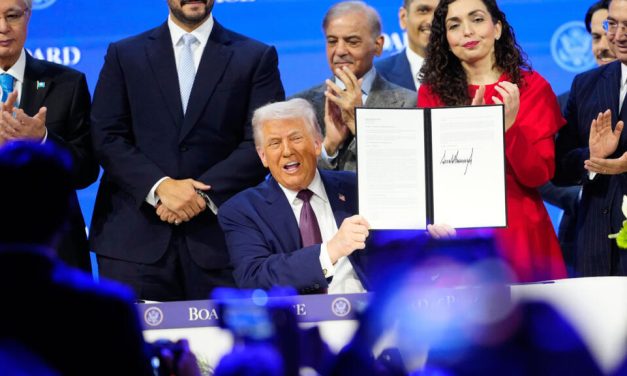
Strategic Council Online – Report: While the second phase of the implementation of the Gaza ceasefire has begun, the establishment of the “Peace Board” chaired by Donald Trump on the sidelines of the Davos meeting (22 January 2026) has become more than a technical mechanism for reconstruction and has turned into a test for the future of the international order.
Despite the signing of the charter by 22 out of 60 invited countries, the limited presence of global leaders at the Davos ceremony and the non-acceptance of this body by the European Union and key Western countries indicate a deep divide in global perceptions of the legitimacy of this mechanism.
In this report, drawing on the analysis of Hadi Borhani, a regional affairs expert, and international data, three strategic questions are addressed: Is the Peace Board an instrument for implementing UN Security Council Resolution 2803 or a substitute for the United Nations? How does the hierarchical architecture of this committee intensify executive challenges in Gaza? And finally, can this body create sustainable peace without the cooperation of Palestinians and with the concentration of power in the hands of a single individual?

America’s Zero-Sum Game in Iraq

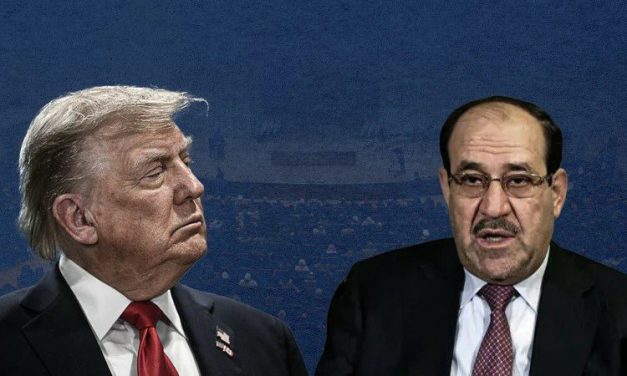
Online Strategic Council – Memoir: The swift selection of Nouri al-Maliki for the premiership constitutes a new phase in Iraq’s political sphere. Multiple factors have played a role in this process, the most important being the prevailing situation in Iraq and the region. Under such circumstances, Iraq requires a powerful and experienced prime minister who can keep the country away from the dangers of wars and crises.

America’s Strategy for Creating Tension in the Asia-Pacific

Strategic Council Online – Opinion: Relations between some countries in the Asia-Pacific region, such as China and Japan or China and Australia, which were previously relatively normal, are trending towards deterioration, and the primary reason for this is the aggressive policies of the United States of America.

The Collapse of the European Security Illusion with the Continuation of the Ukraine War?

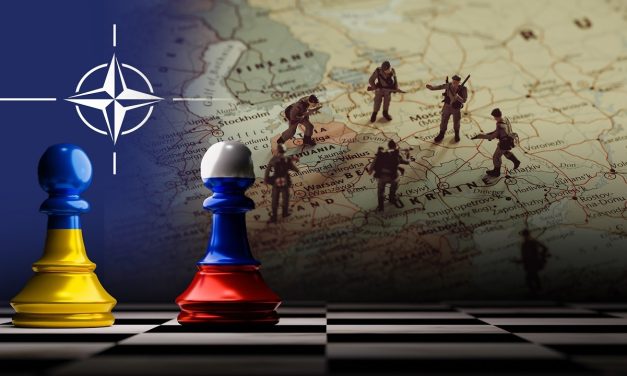
Strategic Council Online – Interview: The Ukraine war has become a new turning point in the political, security, and even commercial relations of allies on both sides of the Atlantic. While this war is nearing its fourth year, many questions still remain regarding its future and its consequences; among them, will the continuation of the Ukraine war lead to the collapse of the European security illusion?

Loading

Últimas publicaciones

Commercial Exploitation of Peace; The Gaza Committee in Confrontation with International Legitimacy

Strategic Council Online – Report: While the second phase of the implementation of the Gaza ceasefire has begun, the establishment of the “Peace Board” chaired by Donald Trump on the sidelines of the Davos meeting (22 January 2026) has become more than a technical mechanism for reconstruction and has turned into a test for the future of the international order.
Despite the signing of the charter by 22 out of 60 invited countries, the limited presence of global leaders at the Davos ceremony and the non-acceptance of this body by the European Union and key Western countries indicate a deep divide in global perceptions of the legitimacy of this mechanism.
In this report, drawing on the analysis of Hadi Borhani, a regional affairs expert, and international data, three strategic questions are addressed: Is the Peace Board an instrument for implementing UN Security Council Resolution 2803 or a substitute for the United Nations? How does the hierarchical architecture of this committee intensify executive challenges in Gaza? And finally, can this body create sustainable peace without the cooperation of Palestinians and with the concentration of power in the hands of a single individual?

America’s Zero-Sum Game in Iraq

Online Strategic Council – Memoir: The swift selection of Nouri al-Maliki for the premiership constitutes a new phase in Iraq’s political sphere. Multiple factors have played a role in this process, the most important being the prevailing situation in Iraq and the region. Under such circumstances, Iraq requires a powerful and experienced prime minister who can keep the country away from the dangers of wars and crises.

America’s Strategy for Creating Tension in the Asia-Pacific

Strategic Council Online – Opinion: Relations between some countries in the Asia-Pacific region, such as China and Japan or China and Australia, which were previously relatively normal, are trending towards deterioration, and the primary reason for this is the aggressive policies of the United States of America.

The Collapse of the European Security Illusion with the Continuation of the Ukraine War?

Strategic Council Online – Interview: The Ukraine war has become a new turning point in the political, security, and even commercial relations of allies on both sides of the Atlantic. While this war is nearing its fourth year, many questions still remain regarding its future and its consequences; among them, will the continuation of the Ukraine war lead to the collapse of the European security illusion?

Loading

DERNIER CONTENU

Commercial Exploitation of Peace; The Gaza Committee in Confrontation with International Legitimacy

Strategic Council Online – Report: While the second phase of the implementation of the Gaza ceasefire has begun, the establishment of the “Peace Board” chaired by Donald Trump on the sidelines of the Davos meeting (22 January 2026) has become more than a technical mechanism for reconstruction and has turned into a test for the future of the international order.
Despite the signing of the charter by 22 out of 60 invited countries, the limited presence of global leaders at the Davos ceremony and the non-acceptance of this body by the European Union and key Western countries indicate a deep divide in global perceptions of the legitimacy of this mechanism.
In this report, drawing on the analysis of Hadi Borhani, a regional affairs expert, and international data, three strategic questions are addressed: Is the Peace Board an instrument for implementing UN Security Council Resolution 2803 or a substitute for the United Nations? How does the hierarchical architecture of this committee intensify executive challenges in Gaza? And finally, can this body create sustainable peace without the cooperation of Palestinians and with the concentration of power in the hands of a single individual?

America’s Zero-Sum Game in Iraq

Online Strategic Council – Memoir: The swift selection of Nouri al-Maliki for the premiership constitutes a new phase in Iraq’s political sphere. Multiple factors have played a role in this process, the most important being the prevailing situation in Iraq and the region. Under such circumstances, Iraq requires a powerful and experienced prime minister who can keep the country away from the dangers of wars and crises.

America’s Strategy for Creating Tension in the Asia-Pacific

Strategic Council Online – Opinion: Relations between some countries in the Asia-Pacific region, such as China and Japan or China and Australia, which were previously relatively normal, are trending towards deterioration, and the primary reason for this is the aggressive policies of the United States of America.

The Collapse of the European Security Illusion with the Continuation of the Ukraine War?

Strategic Council Online – Interview: The Ukraine war has become a new turning point in the political, security, and even commercial relations of allies on both sides of the Atlantic. While this war is nearing its fourth year, many questions still remain regarding its future and its consequences; among them, will the continuation of the Ukraine war lead to the collapse of the European security illusion?

Loading

DERNIER CONTENU

Commercial Exploitation of Peace; The Gaza Committee in Confrontation with International Legitimacy

Strategic Council Online – Report: While the second phase of the implementation of the Gaza ceasefire has begun, the establishment of the “Peace Board” chaired by Donald Trump on the sidelines of the Davos meeting (22 January 2026) has become more than a technical mechanism for reconstruction and has turned into a test for the future of the international order.
Despite the signing of the charter by 22 out of 60 invited countries, the limited presence of global leaders at the Davos ceremony and the non-acceptance of this body by the European Union and key Western countries indicate a deep divide in global perceptions of the legitimacy of this mechanism.
In this report, drawing on the analysis of Hadi Borhani, a regional affairs expert, and international data, three strategic questions are addressed: Is the Peace Board an instrument for implementing UN Security Council Resolution 2803 or a substitute for the United Nations? How does the hierarchical architecture of this committee intensify executive challenges in Gaza? And finally, can this body create sustainable peace without the cooperation of Palestinians and with the concentration of power in the hands of a single individual?

America’s Zero-Sum Game in Iraq

Online Strategic Council – Memoir: The swift selection of Nouri al-Maliki for the premiership constitutes a new phase in Iraq’s political sphere. Multiple factors have played a role in this process, the most important being the prevailing situation in Iraq and the region. Under such circumstances, Iraq requires a powerful and experienced prime minister who can keep the country away from the dangers of wars and crises.

America’s Strategy for Creating Tension in the Asia-Pacific

Strategic Council Online – Opinion: Relations between some countries in the Asia-Pacific region, such as China and Japan or China and Australia, which were previously relatively normal, are trending towards deterioration, and the primary reason for this is the aggressive policies of the United States of America.

The Collapse of the European Security Illusion with the Continuation of the Ukraine War?

Strategic Council Online – Interview: The Ukraine war has become a new turning point in the political, security, and even commercial relations of allies on both sides of the Atlantic. While this war is nearing its fourth year, many questions still remain regarding its future and its consequences; among them, will the continuation of the Ukraine war lead to the collapse of the European security illusion?

Loading

DERNIER CONTENU

Commercial Exploitation of Peace; The Gaza Committee in Confrontation with International Legitimacy

Strategic Council Online – Report: While the second phase of the implementation of the Gaza ceasefire has begun, the establishment of the “Peace Board” chaired by Donald Trump on the sidelines of the Davos meeting (22 January 2026) has become more than a technical mechanism for reconstruction and has turned into a test for the future of the international order.
Despite the signing of the charter by 22 out of 60 invited countries, the limited presence of global leaders at the Davos ceremony and the non-acceptance of this body by the European Union and key Western countries indicate a deep divide in global perceptions of the legitimacy of this mechanism.
In this report, drawing on the analysis of Hadi Borhani, a regional affairs expert, and international data, three strategic questions are addressed: Is the Peace Board an instrument for implementing UN Security Council Resolution 2803 or a substitute for the United Nations? How does the hierarchical architecture of this committee intensify executive challenges in Gaza? And finally, can this body create sustainable peace without the cooperation of Palestinians and with the concentration of power in the hands of a single individual?

America’s Zero-Sum Game in Iraq

Online Strategic Council – Memoir: The swift selection of Nouri al-Maliki for the premiership constitutes a new phase in Iraq’s political sphere. Multiple factors have played a role in this process, the most important being the prevailing situation in Iraq and the region. Under such circumstances, Iraq requires a powerful and experienced prime minister who can keep the country away from the dangers of wars and crises.

America’s Strategy for Creating Tension in the Asia-Pacific

Strategic Council Online – Opinion: Relations between some countries in the Asia-Pacific region, such as China and Japan or China and Australia, which were previously relatively normal, are trending towards deterioration, and the primary reason for this is the aggressive policies of the United States of America.

The Collapse of the European Security Illusion with the Continuation of the Ukraine War?

Strategic Council Online – Interview: The Ukraine war has become a new turning point in the political, security, and even commercial relations of allies on both sides of the Atlantic. While this war is nearing its fourth year, many questions still remain regarding its future and its consequences; among them, will the continuation of the Ukraine war lead to the collapse of the European security illusion?

Loading