Analysis: The Reasons for Accepting the Ceasefire in Lebanon

2024/12/07 | Note, Politics, top news

Strategic Council Online – Opinion: Finally, after about two months of the Zionist regime’s war against Lebanon and in a situation where the war on the Lebanese front had intensified to an unprecedented extent in the days leading up to the ceasefire, the Zionist regime agreed to truce.

Hamid Khoshayed – Regional Affairs Expert


Until now, no “official” and “precise” version of the ceasefire agreement has been published, but it is clear that UN Security Council Resolution 1701 has become the main basis for the ceasefire.

There are some notable points regarding the dimensions, context, consequences, and prospects of the recent ceasefire, the most important of which are discussed below:

One: Although the United States has announced that the ceasefire between Lebanon and the Zionist regime is permanent, this impression is not obtained from the statements of the Zionist officials and Hezbollah.

In a speech, Netanyahu pointed out that “the ceasefire agreement is not ideal, but the choice is between bad and worse” and stated: “A ceasefire with Lebanon does not mean a cessation of the war, and it may be short.” The Hezbollah also emphasized in a statement: “The mujahideen are fully prepared to deal with the greed of the Zionist enemy and its aggressions.”

Two: From whatever angle the issue of the ceasefire is viewed, its acceptance by the Zionist regime translates into “defeat” for Tel Aviv. First, monitoring the atmosphere prevailing in political circles, the media, opposition and critical movements, and internal public opinion in the occupied territories shows that accepting the ceasefire by the Zionist regime means accepting “defeat” without any achievement against Hezbollah, which is in “clear contradiction” with the strategic goals of the attack on Lebanon.

Secondly, Netanyahu’s statements that the ceasefire was “a choice between bad and worse” show that the Zionist regime has failed in its attack on Lebanon; otherwise, it would either not have agreed to the ceasefire or would not have taken such a stance towards it.

Three: the recent ceasefire was not established at the request of the Hezbollah or the Zionist regime. Hezbollah had previously announced many times that it would continue the war until the Zionist regime’s aggression against Gaza was stopped entirely. The regime had also explicitly announced that it would continue the war in Lebanon until the goals of the war were achieved, namely the destruction of Hezbollah and the return of Zionist refugees to the northern regions.

Now, the question that arises here is, what caused a ceasefire to be suddenly established at the height of the conflict when both sides had increased the depth and intensity of their attacks?

Two “political” or “field” factors can be identified when implementing the ceasefire. The apparent reasons were the diplomatic movements that had been going on for several weeks at the domestic, regional, and international levels. Each of the three levels contributes to the developments related to the war in proportion to its political, military, and security weight.

Of course, in the meantime, the “motivations” of the Biden administration cannot be ignored, which are mainly influenced by two important factors: first, rebuilding its political image in the last days of his administration, especially in a situation where his administration and the Democrats have been severely criticized domestically and internationally in recent months for supporting the war, which will certainly be used against them as a “challenge” and “weakness” in the atmosphere of political competition and public opinion after the end of the presidential term. Second, Trump should not be given the “opportunity to exploit” in this regard after entering the White House.

But what actually caused the regime to agree to a ceasefire and stop the war in Lebanon was the “field” and the US and the Zionist regime reaching a “realistic understanding” of the process and prospects of developments on the field related to the war against Lebanon and the Hezbollah.

The Zionist regime attacked Lebanon intending to occupy 800 kilometers of Lebanese territory between the southern borders and the Litani River in three weeks of intense operations, and then, while returning the Zionist refugees to their homes (the main goal of the war), stabilizing the occupied areas within one year and through a quiet operation, and ultimately destroying the organization, structure, positions and bases of the Hezbollah` in southern Lebanon.

The Zionist regime spent more than twice the defined time and, despite the deployment of 75,000 military forces, was unable to occupy even a single village. This is even though in the nearly two months of the war, in addition to severe economic losses, it also caused many casualties in military terms, with more than 120 people killed and 1,200 injured, according to the Zionists themselves.

What is noteworthy is that Hezbollah, by attacking the “center of gravity” of the regime’s declared strategy of returning Jewish refugees to the villages and towns of northern Palestine, increased the number of Zionist refugees by at least 8 times. In such circumstances, when future developments were not in the Zionists’ favor at all, did the regime and the United States have any choice but to accept a ceasefire?!

The Israeli regime’s war cabinet claimed that it had the necessary conditions to continue the “war of attrition” and, therefore, viewed it as an opportunity. But the failure of the Zionist regime to achieve its goals and “achieve” the attack on Lebanon on the one hand, and Hezbollah’s operational tactics and strategies, which took on new and “dangerous” dimensions every day, on the other hand, proved that the regime, contrary to previous claims, could no longer survive in a war of attrition.

The fact that for the first time since the emergence of the Zionist regime, Hezbollah set the border between Haifa and Tel Aviv on fire with its missiles, and if it had continued, it was unclear what would have happened to the Zionist regime, was certainly effective in changing the Zionist regime’s and America’s estimates of the upcoming developments.

The Zionist regime, which until a month ago refused to accept a halt to the war under a plan that was in its favor word for word, only on the assumption that a decisive military victory over Hezbollah was imminent, finally agreed to an agreement that was to its detriment.


Therefore, what put the Zionist regime and the US government in such a weak position and situation that, as Netanyahu put it, they were forced to choose between “bad” and “worse” were the missiles, drones, and Hezbollah operations, which had taken on an increasingly complex, destructive, and strategic course that reduced the life of the Zionist regime by several days with each day that it continued.

0 Comments

LATEST CONTENT

Commercial Exploitation of Peace; The Gaza Committee in Confrontation with International Legitimacy

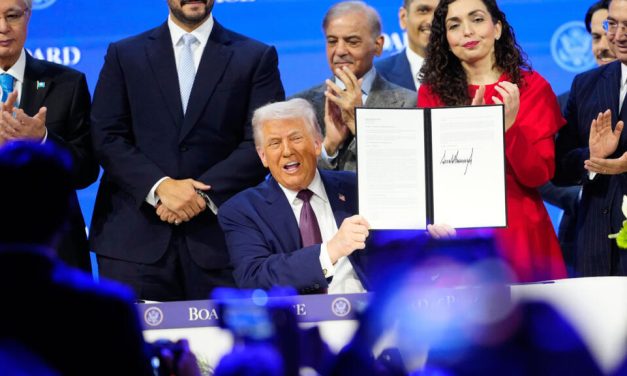
Strategic Council Online – Report: While the second phase of the implementation of the Gaza ceasefire has begun, the establishment of the “Peace Board” chaired by Donald Trump on the sidelines of the Davos meeting (22 January 2026) has become more than a technical mechanism for reconstruction and has turned into a test for the future of the international order.
Despite the signing of the charter by 22 out of 60 invited countries, the limited presence of global leaders at the Davos ceremony and the non-acceptance of this body by the European Union and key Western countries indicate a deep divide in global perceptions of the legitimacy of this mechanism.
In this report, drawing on the analysis of Hadi Borhani, a regional affairs expert, and international data, three strategic questions are addressed: Is the Peace Board an instrument for implementing UN Security Council Resolution 2803 or a substitute for the United Nations? How does the hierarchical architecture of this committee intensify executive challenges in Gaza? And finally, can this body create sustainable peace without the cooperation of Palestinians and with the concentration of power in the hands of a single individual?

America’s Zero-Sum Game in Iraq

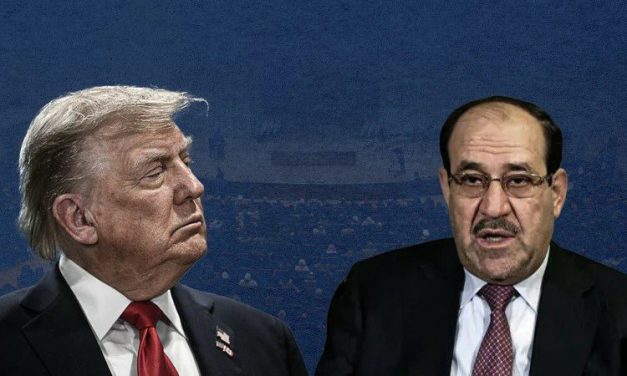
Online Strategic Council – Memoir: The swift selection of Nouri al-Maliki for the premiership constitutes a new phase in Iraq’s political sphere. Multiple factors have played a role in this process, the most important being the prevailing situation in Iraq and the region. Under such circumstances, Iraq requires a powerful and experienced prime minister who can keep the country away from the dangers of wars and crises.

America’s Strategy for Creating Tension in the Asia-Pacific

Strategic Council Online – Opinion: Relations between some countries in the Asia-Pacific region, such as China and Japan or China and Australia, which were previously relatively normal, are trending towards deterioration, and the primary reason for this is the aggressive policies of the United States of America.

The Collapse of the European Security Illusion with the Continuation of the Ukraine War?

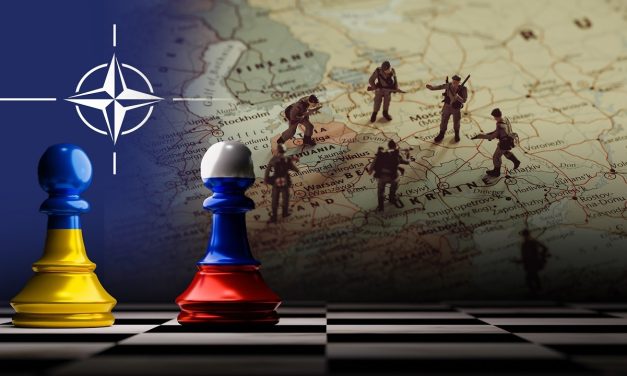
Strategic Council Online – Interview: The Ukraine war has become a new turning point in the political, security, and even commercial relations of allies on both sides of the Atlantic. While this war is nearing its fourth year, many questions still remain regarding its future and its consequences; among them, will the continuation of the Ukraine war lead to the collapse of the European security illusion?

Loading

Últimas publicaciones

Commercial Exploitation of Peace; The Gaza Committee in Confrontation with International Legitimacy

Strategic Council Online – Report: While the second phase of the implementation of the Gaza ceasefire has begun, the establishment of the “Peace Board” chaired by Donald Trump on the sidelines of the Davos meeting (22 January 2026) has become more than a technical mechanism for reconstruction and has turned into a test for the future of the international order.
Despite the signing of the charter by 22 out of 60 invited countries, the limited presence of global leaders at the Davos ceremony and the non-acceptance of this body by the European Union and key Western countries indicate a deep divide in global perceptions of the legitimacy of this mechanism.
In this report, drawing on the analysis of Hadi Borhani, a regional affairs expert, and international data, three strategic questions are addressed: Is the Peace Board an instrument for implementing UN Security Council Resolution 2803 or a substitute for the United Nations? How does the hierarchical architecture of this committee intensify executive challenges in Gaza? And finally, can this body create sustainable peace without the cooperation of Palestinians and with the concentration of power in the hands of a single individual?

America’s Zero-Sum Game in Iraq

Online Strategic Council – Memoir: The swift selection of Nouri al-Maliki for the premiership constitutes a new phase in Iraq’s political sphere. Multiple factors have played a role in this process, the most important being the prevailing situation in Iraq and the region. Under such circumstances, Iraq requires a powerful and experienced prime minister who can keep the country away from the dangers of wars and crises.

America’s Strategy for Creating Tension in the Asia-Pacific

Strategic Council Online – Opinion: Relations between some countries in the Asia-Pacific region, such as China and Japan or China and Australia, which were previously relatively normal, are trending towards deterioration, and the primary reason for this is the aggressive policies of the United States of America.

The Collapse of the European Security Illusion with the Continuation of the Ukraine War?

Strategic Council Online – Interview: The Ukraine war has become a new turning point in the political, security, and even commercial relations of allies on both sides of the Atlantic. While this war is nearing its fourth year, many questions still remain regarding its future and its consequences; among them, will the continuation of the Ukraine war lead to the collapse of the European security illusion?

Loading

DERNIER CONTENU

Commercial Exploitation of Peace; The Gaza Committee in Confrontation with International Legitimacy

Strategic Council Online – Report: While the second phase of the implementation of the Gaza ceasefire has begun, the establishment of the “Peace Board” chaired by Donald Trump on the sidelines of the Davos meeting (22 January 2026) has become more than a technical mechanism for reconstruction and has turned into a test for the future of the international order.
Despite the signing of the charter by 22 out of 60 invited countries, the limited presence of global leaders at the Davos ceremony and the non-acceptance of this body by the European Union and key Western countries indicate a deep divide in global perceptions of the legitimacy of this mechanism.
In this report, drawing on the analysis of Hadi Borhani, a regional affairs expert, and international data, three strategic questions are addressed: Is the Peace Board an instrument for implementing UN Security Council Resolution 2803 or a substitute for the United Nations? How does the hierarchical architecture of this committee intensify executive challenges in Gaza? And finally, can this body create sustainable peace without the cooperation of Palestinians and with the concentration of power in the hands of a single individual?

America’s Zero-Sum Game in Iraq

Online Strategic Council – Memoir: The swift selection of Nouri al-Maliki for the premiership constitutes a new phase in Iraq’s political sphere. Multiple factors have played a role in this process, the most important being the prevailing situation in Iraq and the region. Under such circumstances, Iraq requires a powerful and experienced prime minister who can keep the country away from the dangers of wars and crises.

America’s Strategy for Creating Tension in the Asia-Pacific

Strategic Council Online – Opinion: Relations between some countries in the Asia-Pacific region, such as China and Japan or China and Australia, which were previously relatively normal, are trending towards deterioration, and the primary reason for this is the aggressive policies of the United States of America.

The Collapse of the European Security Illusion with the Continuation of the Ukraine War?

Strategic Council Online – Interview: The Ukraine war has become a new turning point in the political, security, and even commercial relations of allies on both sides of the Atlantic. While this war is nearing its fourth year, many questions still remain regarding its future and its consequences; among them, will the continuation of the Ukraine war lead to the collapse of the European security illusion?

Loading

DERNIER CONTENU

Commercial Exploitation of Peace; The Gaza Committee in Confrontation with International Legitimacy

Strategic Council Online – Report: While the second phase of the implementation of the Gaza ceasefire has begun, the establishment of the “Peace Board” chaired by Donald Trump on the sidelines of the Davos meeting (22 January 2026) has become more than a technical mechanism for reconstruction and has turned into a test for the future of the international order.
Despite the signing of the charter by 22 out of 60 invited countries, the limited presence of global leaders at the Davos ceremony and the non-acceptance of this body by the European Union and key Western countries indicate a deep divide in global perceptions of the legitimacy of this mechanism.
In this report, drawing on the analysis of Hadi Borhani, a regional affairs expert, and international data, three strategic questions are addressed: Is the Peace Board an instrument for implementing UN Security Council Resolution 2803 or a substitute for the United Nations? How does the hierarchical architecture of this committee intensify executive challenges in Gaza? And finally, can this body create sustainable peace without the cooperation of Palestinians and with the concentration of power in the hands of a single individual?

America’s Zero-Sum Game in Iraq

Online Strategic Council – Memoir: The swift selection of Nouri al-Maliki for the premiership constitutes a new phase in Iraq’s political sphere. Multiple factors have played a role in this process, the most important being the prevailing situation in Iraq and the region. Under such circumstances, Iraq requires a powerful and experienced prime minister who can keep the country away from the dangers of wars and crises.

America’s Strategy for Creating Tension in the Asia-Pacific

Strategic Council Online – Opinion: Relations between some countries in the Asia-Pacific region, such as China and Japan or China and Australia, which were previously relatively normal, are trending towards deterioration, and the primary reason for this is the aggressive policies of the United States of America.

The Collapse of the European Security Illusion with the Continuation of the Ukraine War?

Strategic Council Online – Interview: The Ukraine war has become a new turning point in the political, security, and even commercial relations of allies on both sides of the Atlantic. While this war is nearing its fourth year, many questions still remain regarding its future and its consequences; among them, will the continuation of the Ukraine war lead to the collapse of the European security illusion?

Loading

DERNIER CONTENU

Commercial Exploitation of Peace; The Gaza Committee in Confrontation with International Legitimacy

Strategic Council Online – Report: While the second phase of the implementation of the Gaza ceasefire has begun, the establishment of the “Peace Board” chaired by Donald Trump on the sidelines of the Davos meeting (22 January 2026) has become more than a technical mechanism for reconstruction and has turned into a test for the future of the international order.
Despite the signing of the charter by 22 out of 60 invited countries, the limited presence of global leaders at the Davos ceremony and the non-acceptance of this body by the European Union and key Western countries indicate a deep divide in global perceptions of the legitimacy of this mechanism.
In this report, drawing on the analysis of Hadi Borhani, a regional affairs expert, and international data, three strategic questions are addressed: Is the Peace Board an instrument for implementing UN Security Council Resolution 2803 or a substitute for the United Nations? How does the hierarchical architecture of this committee intensify executive challenges in Gaza? And finally, can this body create sustainable peace without the cooperation of Palestinians and with the concentration of power in the hands of a single individual?

America’s Zero-Sum Game in Iraq

Online Strategic Council – Memoir: The swift selection of Nouri al-Maliki for the premiership constitutes a new phase in Iraq’s political sphere. Multiple factors have played a role in this process, the most important being the prevailing situation in Iraq and the region. Under such circumstances, Iraq requires a powerful and experienced prime minister who can keep the country away from the dangers of wars and crises.

America’s Strategy for Creating Tension in the Asia-Pacific

Strategic Council Online – Opinion: Relations between some countries in the Asia-Pacific region, such as China and Japan or China and Australia, which were previously relatively normal, are trending towards deterioration, and the primary reason for this is the aggressive policies of the United States of America.

The Collapse of the European Security Illusion with the Continuation of the Ukraine War?

Strategic Council Online – Interview: The Ukraine war has become a new turning point in the political, security, and even commercial relations of allies on both sides of the Atlantic. While this war is nearing its fourth year, many questions still remain regarding its future and its consequences; among them, will the continuation of the Ukraine war lead to the collapse of the European security illusion?

Loading