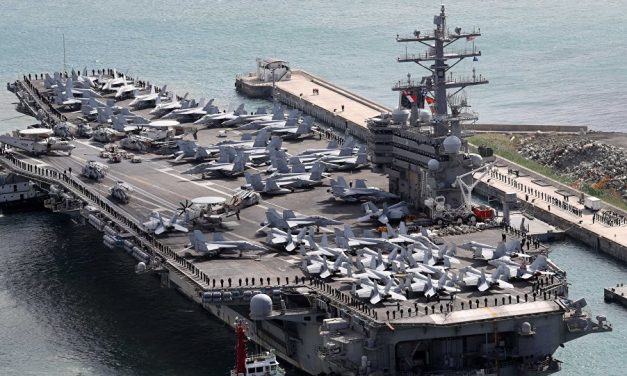
Transformation of US Presence in Afghanistan

2021/07/18 | Note, Politics, top news

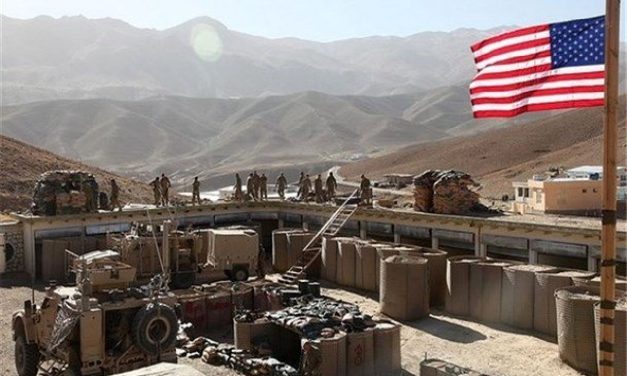
Strategic Council Online - The US administration has announced that it will pull out its military bases in Afghanistan within a specified timeframe and will withdraw its troops from the country by September. In his new statement, US President Joe Biden announced that his country’s military mission in Afghanistan would end on August 31st, contrary to the suggestions and opinion of many of his senior military officials. Hamid Khoshayand - International affairs analyst

Biden’s thought-provoking remarks about end of mission in Afghanistan

In a speech justifying his country’s decision to end the US military presence in Afghanistan, Biden said he did not want to endanger more US troops. He stressed that at no point can it be said that “the mission is over.” Biden in a “thought-provoking remark” has said that the mission is over only because Osama bin Laden was captured and terrorism no longer originates from that part of the world.

Pondering on Biden’s final remarks about leaving Afghanistan and examining other dimensions of US influence and presence in that country over the past 20 years, it would be simplistic to assume that the US mission in Afghanistan is over! What is happening in Afghanistan is just the “exit and end of the US military mission”.

The United States has spent 2 trillion dollars in Afghanistan over the past 20 years, so it will not simply pass through Afghanistan. Washington will continue to seek to maintain and pursue its strategic goals in various political, economic, cultural, and social forms of influence and presence in Afghanistan, which enjoys a special geopolitical position due to its proximity to China, Russia, Iran, and India.

US post-withdrawal military policy in Afghanistan

“Strengthening and maintaining a soft presence and influence” in Afghanistan to meet the enormous challenges posed by China, Russia and Iran will be at the top of US foreign policy priorities in the new era in Afghanistan.

According to the White House, based on the logic of “profit and cost”, achieving the desired results and goals in a region that is in the national interest of the United States, using hardware mechanisms such as military presence, is costly; the same point that Biden made in his recent speech; he asked those who want the United States to continue its presence in Afghanistan that how many other people, how many thousands of other American girls and boys do you want to endanger? He said he would not dispatch another generation of Americans to the war in Afghanistan without a reasonable expectation for a different outcome.

From now on, the United States, along with its European partners, will turn to software, given the favorable platforms they have created; that is, to take measures to maintain or strengthen the position and influence in Afghanistan through civilian, liberal and soft measures, especially cultural and educational mechanisms.

The United States and some European countries, including Britain, France and Germany, have made great efforts over the past 20 years to strengthen civil society in Afghanistan.

In the cultural, social, and educational fields, the Americans have done a great deal in Afghanistan over the past twenty years. Establishing mass media circles and networks promoting Western-American culture and values, establishing several thousand NGOs, including issues such as adherence to the Universal Declaration of Human Rights in the Afghan Constitution, which in some ways are inconsistent with the Islamic beliefs, promoting feminist discourse by organizations affiliated to the United Nations, as well as civil society activists such as Sima Samar (politician, physician, and human rights activist who has been responsible for overseeing human rights curricula, implementing women’s rights education programs, overseeing and researching human rights and human rights abuses across the country) and, in a word, created intellectual, discourse and even spiritual attachment to American liberal values in part of Afghanistan’s new generation, are among important measures in this regard.

Scholarships have been one of the most important American methods of strengthening civil society and expanding soft influence in Afghanistan. In this regard, we can mention the “Fulbright program”, which has cost the US government more than 45 million dollars for Afghanistan alone. Senator William Fulbright is the designer and founder of the program, which has been on the agenda of American cultural imperialism since 1946 as part of “cultural and educational exchanges”. The Fulbright program is being implemented in more than 155 countries, during which time it has been able to attract more than 330,000 people! As part of this plan, 29 people have so far become heads of government in different countries of the world.

The US Embassy in Kabul is the main sponsor and coordinator of the Fulbright program in the country, which annually sends a significant number of Afghan students to the United States to study for free and with excellent facilities such as full university tuition, monthly living expenses, travel expenses, health insurance, the possibility of attending various activities and programs, and the possibility of communicating with students from other countries!

The website of the US Embassy in Kabul has listed the characteristics of those selected for the scholarship in the first instance as: ability to adjust to life in the United States, strong interest in having fun with Americans, and potential talent for promoting mutual understanding between the United States and Afghanistan. Applicants are required to work in Afghanistan for at least two years at the end of their studies to “promote mutual understanding”.

The importance of Fulbright scholarships is as such for the United States that it has subjected it to “strategic alliance” with Afghanistan. The alliance says in part that the United States is committed to enhance initiatives such as exchange educational programs and related activities, including Fulbright Scholarships and Leadership Training Programs for International Visitors.

Concluding remarks

Over the past twenty years, the US administration has made great efforts to build a civil society favored by the United States and to train elite groups, and will not give up pursuing its goals in Afghanistan. With the withdrawal of the US military from Afghanistan, only the form of the US presence in that country will change. The United States has taken off its war uniform in Afghanistan and relied on soft power! This is a point that should not be overlooked.
0 Comments

Submit a Comment

Your email address will not be published. Required fields are marked *

LATEST CONTENT

The Security Equation of Southern Lebanon for the Zionist Regime

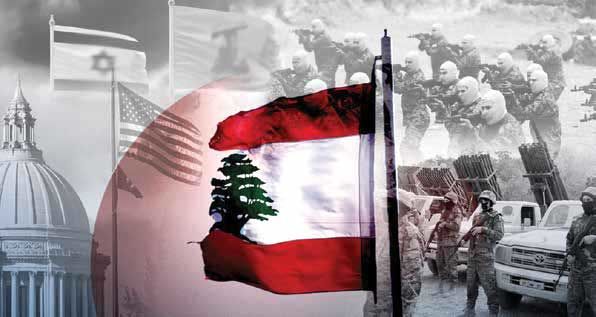
Strategic Council Online – Opinion: American-Zionist objectives in the region are not limited to weakening Hezbollah. Efforts to disarm Iraqi resistance groups such as Kata’ib Hezbollah and the Popular Mobilization Forces are also part of their subsequent plans.

Commercial Exploitation of Peace; The Gaza Committee in Confrontation with International Legitimacy

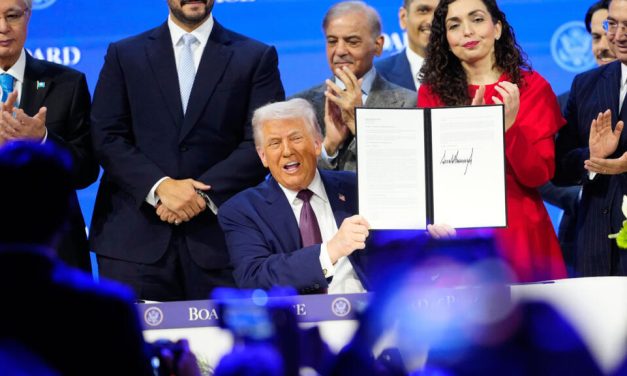
Strategic Council Online – Report: While the second phase of the implementation of the Gaza ceasefire has begun, the establishment of the “Peace Board” chaired by Donald Trump on the sidelines of the Davos meeting (22 January 2026) has become more than a technical mechanism for reconstruction and has turned into a test for the future of the international order.
Despite the signing of the charter by 22 out of 60 invited countries, the limited presence of global leaders at the Davos ceremony and the non-acceptance of this body by the European Union and key Western countries indicate a deep divide in global perceptions of the legitimacy of this mechanism.
In this report, drawing on the analysis of Hadi Borhani, a regional affairs expert, and international data, three strategic questions are addressed: Is the Peace Board an instrument for implementing UN Security Council Resolution 2803 or a substitute for the United Nations? How does the hierarchical architecture of this committee intensify executive challenges in Gaza? And finally, can this body create sustainable peace without the cooperation of Palestinians and with the concentration of power in the hands of a single individual?

America’s Zero-Sum Game in Iraq

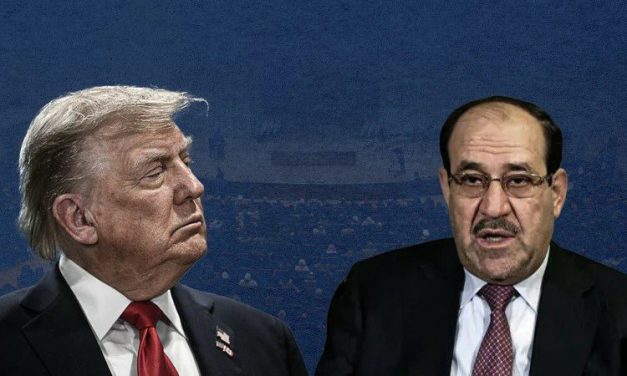
Online Strategic Council – Memoir: The swift selection of Nouri al-Maliki for the premiership constitutes a new phase in Iraq’s political sphere. Multiple factors have played a role in this process, the most important being the prevailing situation in Iraq and the region. Under such circumstances, Iraq requires a powerful and experienced prime minister who can keep the country away from the dangers of wars and crises.

America’s Strategy for Creating Tension in the Asia-Pacific

Strategic Council Online – Opinion: Relations between some countries in the Asia-Pacific region, such as China and Japan or China and Australia, which were previously relatively normal, are trending towards deterioration, and the primary reason for this is the aggressive policies of the United States of America.

Loading

Últimas publicaciones

The Security Equation of Southern Lebanon for the Zionist Regime

Strategic Council Online – Opinion: American-Zionist objectives in the region are not limited to weakening Hezbollah. Efforts to disarm Iraqi resistance groups such as Kata’ib Hezbollah and the Popular Mobilization Forces are also part of their subsequent plans.

Commercial Exploitation of Peace; The Gaza Committee in Confrontation with International Legitimacy

Strategic Council Online – Report: While the second phase of the implementation of the Gaza ceasefire has begun, the establishment of the “Peace Board” chaired by Donald Trump on the sidelines of the Davos meeting (22 January 2026) has become more than a technical mechanism for reconstruction and has turned into a test for the future of the international order.
Despite the signing of the charter by 22 out of 60 invited countries, the limited presence of global leaders at the Davos ceremony and the non-acceptance of this body by the European Union and key Western countries indicate a deep divide in global perceptions of the legitimacy of this mechanism.
In this report, drawing on the analysis of Hadi Borhani, a regional affairs expert, and international data, three strategic questions are addressed: Is the Peace Board an instrument for implementing UN Security Council Resolution 2803 or a substitute for the United Nations? How does the hierarchical architecture of this committee intensify executive challenges in Gaza? And finally, can this body create sustainable peace without the cooperation of Palestinians and with the concentration of power in the hands of a single individual?

America’s Zero-Sum Game in Iraq

Online Strategic Council – Memoir: The swift selection of Nouri al-Maliki for the premiership constitutes a new phase in Iraq’s political sphere. Multiple factors have played a role in this process, the most important being the prevailing situation in Iraq and the region. Under such circumstances, Iraq requires a powerful and experienced prime minister who can keep the country away from the dangers of wars and crises.

America’s Strategy for Creating Tension in the Asia-Pacific

Strategic Council Online – Opinion: Relations between some countries in the Asia-Pacific region, such as China and Japan or China and Australia, which were previously relatively normal, are trending towards deterioration, and the primary reason for this is the aggressive policies of the United States of America.

Loading

DERNIER CONTENU

The Security Equation of Southern Lebanon for the Zionist Regime

Strategic Council Online – Opinion: American-Zionist objectives in the region are not limited to weakening Hezbollah. Efforts to disarm Iraqi resistance groups such as Kata’ib Hezbollah and the Popular Mobilization Forces are also part of their subsequent plans.

Commercial Exploitation of Peace; The Gaza Committee in Confrontation with International Legitimacy

Strategic Council Online – Report: While the second phase of the implementation of the Gaza ceasefire has begun, the establishment of the “Peace Board” chaired by Donald Trump on the sidelines of the Davos meeting (22 January 2026) has become more than a technical mechanism for reconstruction and has turned into a test for the future of the international order.
Despite the signing of the charter by 22 out of 60 invited countries, the limited presence of global leaders at the Davos ceremony and the non-acceptance of this body by the European Union and key Western countries indicate a deep divide in global perceptions of the legitimacy of this mechanism.
In this report, drawing on the analysis of Hadi Borhani, a regional affairs expert, and international data, three strategic questions are addressed: Is the Peace Board an instrument for implementing UN Security Council Resolution 2803 or a substitute for the United Nations? How does the hierarchical architecture of this committee intensify executive challenges in Gaza? And finally, can this body create sustainable peace without the cooperation of Palestinians and with the concentration of power in the hands of a single individual?

America’s Zero-Sum Game in Iraq

Online Strategic Council – Memoir: The swift selection of Nouri al-Maliki for the premiership constitutes a new phase in Iraq’s political sphere. Multiple factors have played a role in this process, the most important being the prevailing situation in Iraq and the region. Under such circumstances, Iraq requires a powerful and experienced prime minister who can keep the country away from the dangers of wars and crises.

America’s Strategy for Creating Tension in the Asia-Pacific

Strategic Council Online – Opinion: Relations between some countries in the Asia-Pacific region, such as China and Japan or China and Australia, which were previously relatively normal, are trending towards deterioration, and the primary reason for this is the aggressive policies of the United States of America.

Loading

DERNIER CONTENU

The Security Equation of Southern Lebanon for the Zionist Regime

Strategic Council Online – Opinion: American-Zionist objectives in the region are not limited to weakening Hezbollah. Efforts to disarm Iraqi resistance groups such as Kata’ib Hezbollah and the Popular Mobilization Forces are also part of their subsequent plans.

Commercial Exploitation of Peace; The Gaza Committee in Confrontation with International Legitimacy

Strategic Council Online – Report: While the second phase of the implementation of the Gaza ceasefire has begun, the establishment of the “Peace Board” chaired by Donald Trump on the sidelines of the Davos meeting (22 January 2026) has become more than a technical mechanism for reconstruction and has turned into a test for the future of the international order.
Despite the signing of the charter by 22 out of 60 invited countries, the limited presence of global leaders at the Davos ceremony and the non-acceptance of this body by the European Union and key Western countries indicate a deep divide in global perceptions of the legitimacy of this mechanism.
In this report, drawing on the analysis of Hadi Borhani, a regional affairs expert, and international data, three strategic questions are addressed: Is the Peace Board an instrument for implementing UN Security Council Resolution 2803 or a substitute for the United Nations? How does the hierarchical architecture of this committee intensify executive challenges in Gaza? And finally, can this body create sustainable peace without the cooperation of Palestinians and with the concentration of power in the hands of a single individual?

America’s Zero-Sum Game in Iraq

Online Strategic Council – Memoir: The swift selection of Nouri al-Maliki for the premiership constitutes a new phase in Iraq’s political sphere. Multiple factors have played a role in this process, the most important being the prevailing situation in Iraq and the region. Under such circumstances, Iraq requires a powerful and experienced prime minister who can keep the country away from the dangers of wars and crises.

America’s Strategy for Creating Tension in the Asia-Pacific

Strategic Council Online – Opinion: Relations between some countries in the Asia-Pacific region, such as China and Japan or China and Australia, which were previously relatively normal, are trending towards deterioration, and the primary reason for this is the aggressive policies of the United States of America.

Loading

DERNIER CONTENU

The Security Equation of Southern Lebanon for the Zionist Regime

Strategic Council Online – Opinion: American-Zionist objectives in the region are not limited to weakening Hezbollah. Efforts to disarm Iraqi resistance groups such as Kata’ib Hezbollah and the Popular Mobilization Forces are also part of their subsequent plans.

Commercial Exploitation of Peace; The Gaza Committee in Confrontation with International Legitimacy

Strategic Council Online – Report: While the second phase of the implementation of the Gaza ceasefire has begun, the establishment of the “Peace Board” chaired by Donald Trump on the sidelines of the Davos meeting (22 January 2026) has become more than a technical mechanism for reconstruction and has turned into a test for the future of the international order.
Despite the signing of the charter by 22 out of 60 invited countries, the limited presence of global leaders at the Davos ceremony and the non-acceptance of this body by the European Union and key Western countries indicate a deep divide in global perceptions of the legitimacy of this mechanism.
In this report, drawing on the analysis of Hadi Borhani, a regional affairs expert, and international data, three strategic questions are addressed: Is the Peace Board an instrument for implementing UN Security Council Resolution 2803 or a substitute for the United Nations? How does the hierarchical architecture of this committee intensify executive challenges in Gaza? And finally, can this body create sustainable peace without the cooperation of Palestinians and with the concentration of power in the hands of a single individual?

America’s Zero-Sum Game in Iraq

Online Strategic Council – Memoir: The swift selection of Nouri al-Maliki for the premiership constitutes a new phase in Iraq’s political sphere. Multiple factors have played a role in this process, the most important being the prevailing situation in Iraq and the region. Under such circumstances, Iraq requires a powerful and experienced prime minister who can keep the country away from the dangers of wars and crises.

America’s Strategy for Creating Tension in the Asia-Pacific

Strategic Council Online – Opinion: Relations between some countries in the Asia-Pacific region, such as China and Japan or China and Australia, which were previously relatively normal, are trending towards deterioration, and the primary reason for this is the aggressive policies of the United States of America.

Loading