Prospects for Russia-Europe Relations

2021/06/29 | Note, Politics, top news

Strategic Council Online - The nature of tensions, the persistence and lack of a clear vision for resolving them, have complicated Russian-European relations. Mohammad Javad Ghahremani - PhD in international relations, University of Tehran

Although the Ukraine crisis in 2014 marked a turning point in escalating tensions, various events in recent years have led to the continuation of that situation. According to officials on both sides, there is a lack of a positive outlook for moving towards reducing tensions. In this regard, perhaps it can be referred to the statement of Joseph Borrell, EU Foreign Policy Chief that the EU needs to be realistic and ready to downgrade its relations with Russia, which is now at an all-time low.

Trust, the missing link in Russia-Europe relations

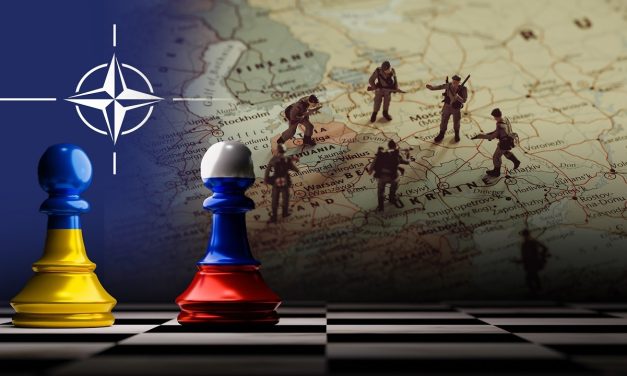
A notable feature of tensions between Russia and Europe is their resort to various military, diplomatic, and even economic spheres. Economic sanctions, accusations of interference in each other’s internal affairs, human rights issues, escalation of military demonstrations such as the increase in Russian troops on the Ukrainian border, etc. all show that “trust” is a missing link in Russia-Europe relations.

Although tough security concerns such as the classic military threat and new security threats such as cyber threats are at the forefront of Russian and European tensions, their economic ties are also severely strained. For example, economic exchanges between Russia and the European Union are reported to have almost halved compared to 2013 figures. This suggests that the issue of “interdependence” can also be seriously affected by security issues.

Despite the continuing tense situation in recent years, there is still no sign of improving relations. Security concerns between the two sides are growing. For example, declaration of a recent NATO summit as a European-centered institution emphasized Russia’s violation of the values, principles, trust and commitments set out in the documents agreed between the two sides, and Putin recently expressed Moscow’s concern about increase in the military capacity and infrastructure of the organization on its borders.

All of the above signs well illustrate deterioration of the situation, but the important question that needs to be answered is the possibility of adjustment in Moscow-Brussels relations in the short and medium term. Several important facts seem to affect the future state of relations between the two sides, which are mentioned below:

One of the effective factors mentioned above is the deepening of tensions in relations between Russia and Europe, which seems to have affected the major areas of cooperation and relations between the two sides. The deeper the differences, the less convergence and the longer it takes is possible.

The second issue goes back to the tense nature of Washington-Moscow relations. Maintaining or increasing US-Russian tensions will also affect European-Moscow relations. The strategy of multilateralism and cooperation with partners is one of the pillars of countering threats posed by the United States. In the meantime, European partners will play an important role in advancing this strategy. At the same time, if the United States pursues a policy of reducing and managing tensions with Moscow, this will also affect European-Russian relations. The perception of other great powers, such as Russia, of the decline of American power and the attempt to define a multipolar international system, and thus the role of a great power, will be among the factors influencing continuation of tensions.

The third issue goes back to the development of Russia’s relations with China in recent years. In particular, especially since 2014, following the Ukraine crisis, China’s position in Russian foreign policy has increased dramatically. Given the development of bilateral relations, especially in the economic sphere, Russian officials seem to be less concerned about reducing interactions with European countries, especially in the economic sphere, such as energy exports. In such a situation, the motivation to reduce tension in Moscow decreases.

The fourth issue is related to differences in value and political systems, because with the return of competition between the great powers, this issue has become one of the main issues in Western relations with countries such as Russia or China and has changed into a serious pressure lever. This, in addition to Europe’s desire to expand its political, economic and military presence in Russia’s periphery, has limited prospects for improving relations.

Despite all the above challenges, the entry of the two sides into the Cold War is far from reality. Looking at the past few years, it is clear that since the Ukraine crisis, some European countries have always stated the need to reduce tensions with Russia. At the same time, the atmosphere of adjustment of tensions in the coming years is far from expectation.
0 Comments

Submit a Comment

Your email address will not be published. Required fields are marked *

LATEST CONTENT

America’s Zero-Sum Game in Iraq

Online Strategic Council – Memoir: The swift selection of Nouri al-Maliki for the premiership constitutes a new phase in Iraq’s political sphere. Multiple factors have played a role in this process, the most important being the prevailing situation in Iraq and the region. Under such circumstances, Iraq requires a powerful and experienced prime minister who can keep the country away from the dangers of wars and crises.

America’s Strategy for Creating Tension in the Asia-Pacific

Strategic Council Online – Opinion: Relations between some countries in the Asia-Pacific region, such as China and Japan or China and Australia, which were previously relatively normal, are trending towards deterioration, and the primary reason for this is the aggressive policies of the United States of America.

The Collapse of the European Security Illusion with the Continuation of the Ukraine War?

Strategic Council Online – Interview: The Ukraine war has become a new turning point in the political, security, and even commercial relations of allies on both sides of the Atlantic. While this war is nearing its fourth year, many questions still remain regarding its future and its consequences; among them, will the continuation of the Ukraine war lead to the collapse of the European security illusion?

Is Greenland Pushing Europe Toward China?

Strategic Council Online – Interview: A European affairs expert believes that the seizure of Greenland will certainly weaken America’s relations with Europe and its allies. Donald Trump’s view is that he does not need these countries, but if Europe faces significant pressure from the United States, it is natural for it to move toward China.

Alarm Bells Sound for ISIS Revival in Syria: Threat to Iraq and West Asia

Strategic Council Online – Opinion: Numerous documents and pieces of evidence indicate that ISIS, which in recent years has been the region’s biggest threat to security and stability after the Zionist regime, has once again in recent months become a focal point for political and security exploitation by American and Zionist regime security, intelligence, and political circles.

Afghanistan’s Effective Role in the Economy of Eurasia

Strategic Council Online – Interview: A regional affairs researcher stated: Despite projects such as the Khaf-Herat railway and the Herat-Balkh-Mazar-i-Sharif corridor being on the agenda, insecurity and the absence of an inclusive government remain the most significant obstacles to realizing transit corridors and Afghanistan playing an effective role in the economy of Eurasia.

Loading

Últimas publicaciones

America’s Zero-Sum Game in Iraq

Online Strategic Council – Memoir: The swift selection of Nouri al-Maliki for the premiership constitutes a new phase in Iraq’s political sphere. Multiple factors have played a role in this process, the most important being the prevailing situation in Iraq and the region. Under such circumstances, Iraq requires a powerful and experienced prime minister who can keep the country away from the dangers of wars and crises.

America’s Strategy for Creating Tension in the Asia-Pacific

Strategic Council Online – Opinion: Relations between some countries in the Asia-Pacific region, such as China and Japan or China and Australia, which were previously relatively normal, are trending towards deterioration, and the primary reason for this is the aggressive policies of the United States of America.

The Collapse of the European Security Illusion with the Continuation of the Ukraine War?

Strategic Council Online – Interview: The Ukraine war has become a new turning point in the political, security, and even commercial relations of allies on both sides of the Atlantic. While this war is nearing its fourth year, many questions still remain regarding its future and its consequences; among them, will the continuation of the Ukraine war lead to the collapse of the European security illusion?

Is Greenland Pushing Europe Toward China?

Strategic Council Online – Interview: A European affairs expert believes that the seizure of Greenland will certainly weaken America’s relations with Europe and its allies. Donald Trump’s view is that he does not need these countries, but if Europe faces significant pressure from the United States, it is natural for it to move toward China.

Alarm Bells Sound for ISIS Revival in Syria: Threat to Iraq and West Asia

Strategic Council Online – Opinion: Numerous documents and pieces of evidence indicate that ISIS, which in recent years has been the region’s biggest threat to security and stability after the Zionist regime, has once again in recent months become a focal point for political and security exploitation by American and Zionist regime security, intelligence, and political circles.

Afghanistan’s Effective Role in the Economy of Eurasia

Strategic Council Online – Interview: A regional affairs researcher stated: Despite projects such as the Khaf-Herat railway and the Herat-Balkh-Mazar-i-Sharif corridor being on the agenda, insecurity and the absence of an inclusive government remain the most significant obstacles to realizing transit corridors and Afghanistan playing an effective role in the economy of Eurasia.

Loading

DERNIER CONTENU

America’s Zero-Sum Game in Iraq

Online Strategic Council – Memoir: The swift selection of Nouri al-Maliki for the premiership constitutes a new phase in Iraq’s political sphere. Multiple factors have played a role in this process, the most important being the prevailing situation in Iraq and the region. Under such circumstances, Iraq requires a powerful and experienced prime minister who can keep the country away from the dangers of wars and crises.

America’s Strategy for Creating Tension in the Asia-Pacific

Strategic Council Online – Opinion: Relations between some countries in the Asia-Pacific region, such as China and Japan or China and Australia, which were previously relatively normal, are trending towards deterioration, and the primary reason for this is the aggressive policies of the United States of America.

The Collapse of the European Security Illusion with the Continuation of the Ukraine War?

Strategic Council Online – Interview: The Ukraine war has become a new turning point in the political, security, and even commercial relations of allies on both sides of the Atlantic. While this war is nearing its fourth year, many questions still remain regarding its future and its consequences; among them, will the continuation of the Ukraine war lead to the collapse of the European security illusion?

Is Greenland Pushing Europe Toward China?

Strategic Council Online – Interview: A European affairs expert believes that the seizure of Greenland will certainly weaken America’s relations with Europe and its allies. Donald Trump’s view is that he does not need these countries, but if Europe faces significant pressure from the United States, it is natural for it to move toward China.

Alarm Bells Sound for ISIS Revival in Syria: Threat to Iraq and West Asia

Strategic Council Online – Opinion: Numerous documents and pieces of evidence indicate that ISIS, which in recent years has been the region’s biggest threat to security and stability after the Zionist regime, has once again in recent months become a focal point for political and security exploitation by American and Zionist regime security, intelligence, and political circles.

Afghanistan’s Effective Role in the Economy of Eurasia

Strategic Council Online – Interview: A regional affairs researcher stated: Despite projects such as the Khaf-Herat railway and the Herat-Balkh-Mazar-i-Sharif corridor being on the agenda, insecurity and the absence of an inclusive government remain the most significant obstacles to realizing transit corridors and Afghanistan playing an effective role in the economy of Eurasia.

Loading