جدیدترین مطالب

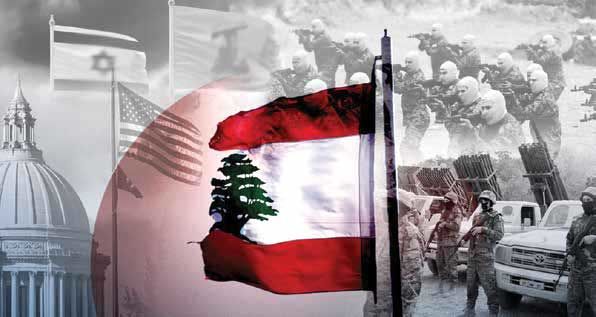
The Security Equation of Southern Lebanon for the Zionist Regime

Strategic Council Online – Opinion: American-Zionist objectives in the region are not limited to weakening Hezbollah. Efforts to disarm Iraqi resistance groups such as Kata’ib Hezbollah and the Popular Mobilization Forces are also part of their subsequent plans.
Commercial Exploitation of Peace; The Gaza Committee in Confrontation with International Legitimacy

Strategic Council Online – Report: While the second phase of the implementation of the Gaza ceasefire has begun, the establishment of the “Peace Board” chaired by Donald Trump on the sidelines of the Davos meeting (22 January 2026) has become more than a technical mechanism for reconstruction and has turned into a test for the future of the international order.
Despite the signing of the charter by 22 out of 60 invited countries, the limited presence of global leaders at the Davos ceremony and the non-acceptance of this body by the European Union and key Western countries indicate a deep divide in global perceptions of the legitimacy of this mechanism.
In this report, drawing on the analysis of Hadi Borhani, a regional affairs expert, and international data, three strategic questions are addressed: Is the Peace Board an instrument for implementing UN Security Council Resolution 2803 or a substitute for the United Nations? How does the hierarchical architecture of this committee intensify executive challenges in Gaza? And finally, can this body create sustainable peace without the cooperation of Palestinians and with the concentration of power in the hands of a single individual?

America’s Zero-Sum Game in Iraq

Online Strategic Council – Memoir: The swift selection of Nouri al-Maliki for the premiership constitutes a new phase in Iraq’s political sphere. Multiple factors have played a role in this process, the most important being the prevailing situation in Iraq and the region. Under such circumstances, Iraq requires a powerful and experienced prime minister who can keep the country away from the dangers of wars and crises.

America’s Strategy for Creating Tension in the Asia-Pacific

Strategic Council Online – Opinion: Relations between some countries in the Asia-Pacific region, such as China and Japan or China and Australia, which were previously relatively normal, are trending towards deterioration, and the primary reason for this is the aggressive policies of the United States of America.

Loading

Qatar

Objectives & Motivations of Bin Salman Regional Tour

Objectives & Motivations of Bin Salman Regional Tour

Strategic Council Online- Opinion: Regional tour of Mohammad Bin Salman to five countries of Oman, Bahrain, UAE, Kuwait and Qatar (Persian Gulf Cooperation Council members) is considered to be the most important political, economic and security momentum of the Crown Prince of Saudi Arabia in the last days of 2021. It is also interpreted as a remedial measure for fragile situation of Saudis at the regional and world levels. It should be noted that one of the objectives of Mohammad Bin Salman was to consult with the authorities of littoral Arab states of Persian Gulf and to make a consensus to confront some of the regional as well as the global issues such as Yemen, Iran, JCPOA revival, etc.
Hamid Khoshayand, Expert of Regional Issues

Consequences of Persian Gulf Arab States Rapprochement with Syria

Consequences of Persian Gulf Arab States Rapprochement with Syria

Strategic Council Online- Interview: An expert of Middle East affairs commented on measures taken by some Arab states of Persian Gulf towards Bashar Assad government during recent years and stated:” Since 2011 when the Syrian crisis started, countries like Saudi Arabia, Qatar, UAE, and Bahrain tried in coordination to strengthen terrorist group-lets and thus topple Bashar Assad government”.

Objectives of Reviving Turkey’s Relations with UAE

Objectives of Reviving Turkey’s Relations with UAE

Strategic Council Online – Opinion: The recent visit of the UAE Crown Prince Mohammed bin Zayed Al Nahyan to Ankara and the consequences of this visit in Turkish foreign policy shows that the Turkish president, despite his decisive vision in domestic politics, has become more realistic in foreign policy in recent years and the new round of relations with the UAE is important in economic, political, and regional terms and in strengthening Ankara’s position in the international arena.
Mahmoud Fazeli – Analyst of international affairs

Obstacles, Prospects for Formation of Najib Mikati Government in Lebanon

Obstacles, Prospects for Formation of Najib Mikati Government in Lebanon

Strategic Council Online – Formation of government has always been the most complex and difficult political process in Lebanon, which is typically slow and has become one of the most challenging issues in that country for many years. The new era, which began with the resignation of Saad Hariri as prime minister and following October 2019 protests in Lebanon, entered a complex and tense path up to now when “Najib Mikati” has been appointed by Michel Aoun to form a new government.
Barsam Mohammadi – Analyst of international affairs

Bin Salman’s Attempt to Interact with Syria; Reasons, Necessities and Perspectives

Bin Salman’s Attempt to Interact with Syria; Reasons, Necessities and Perspectives

Strategic Council Online – In recent weeks, clear signs are emerging for the gradual change in Saudi Arabia’s foreign policy approach to Syria. There are several reports indicating that bin Salman is seeking to “open diplomatic channels” with Syria. In recent weeks, secret meetings between Saudi and Syrian officials have taken place in Damascus, which have been unprecedented since 2011.
Barsam Mohammadi – analyst of international affairs

Turkey’s Outlook about South Persian Gulf States

Turkey’s Outlook about South Persian Gulf States

Strategic Council Online – Despite the continuation of some economic cooperation between Turkey and Saudi Arabia and the UAE, in the political and security spheres, serious challenges will be faced in the future in these countries.
Davoud Ahmadzadeh – Middle East Affairs Expert

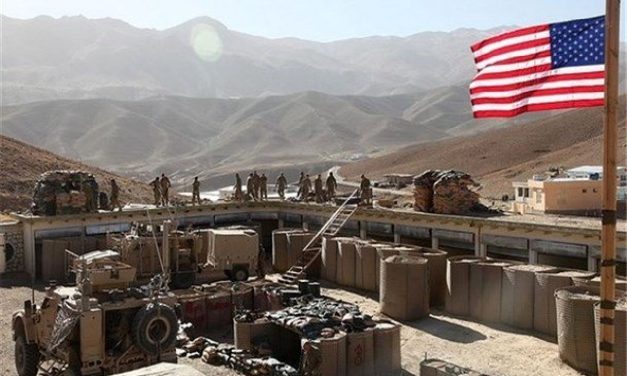
Strategic Implications of US Troops Pullout from Afghanistan

Strategic Implications of US Troops Pullout from Afghanistan

Strategic Council Online: According to the agreement reached between the United States and the Taliban in March 2018, the withdrawal of US troops from Afghanistan will begin and by mid-July (July 2020) the number of US combat troops will reach 8600 persons. This is happening at a time when the bilateral security agreement between the United States and the Afghan government is still valid. In addition, in recent months, the activities of terrorist groups in Afghanistan have not diminished, but in addition to the Taliban’s spring attacks, ISIS terrorist activities in Afghanistan are taking civilian tolls from among the oppressed people of Afghanistan, and the atmosphere of insecurity has not changed. Although the withdrawal of US troops from Afghanistan is important, it may have significant implications for the future of Afghanistan and the region, given the shortcomings and negligence in fulfilling their commitments, especially in the field of training Afghan forces. Americans should accept responsibility and pay the damages.
Seyed Mostafa Hashemi – Afghan Affairs Expert

Golden Opportunity for Iranian Private Sector in Syrian Reconstruction

Golden Opportunity for Iranian Private Sector in Syrian Reconstruction

Strategic Council Online: With stability gradually returning to Syria, the countries at war with Syria are now struggling to make a contribution to rebuilding the country and at the same time reap the economic benefits.
Mohammad Lahooti – President of the Iranian Export Confederation

Intra-Islamic Civilization Dialogue as a Strategy

Intra-Islamic Civilization Dialogue as a Strategy

Strategic Council Online: ‘Returning to Islamic civilization in the Muslim world today is a proper response to the identity crisis, which is being suffered by all Muslim nations’, the President of the Strategic Council of Foreign Relations said.

أحدث الوظائف

The Security Equation of Southern Lebanon for the Zionist Regime

Strategic Council Online – Opinion: American-Zionist objectives in the region are not limited to weakening Hezbollah. Efforts to disarm Iraqi resistance groups such as Kata’ib Hezbollah and the Popular Mobilization Forces are also part of their subsequent plans.

Commercial Exploitation of Peace; The Gaza Committee in Confrontation with International Legitimacy

Strategic Council Online – Report: While the second phase of the implementation of the Gaza ceasefire has begun, the establishment of the “Peace Board” chaired by Donald Trump on the sidelines of the Davos meeting (22 January 2026) has become more than a technical mechanism for reconstruction and has turned into a test for the future of the international order.
Despite the signing of the charter by 22 out of 60 invited countries, the limited presence of global leaders at the Davos ceremony and the non-acceptance of this body by the European Union and key Western countries indicate a deep divide in global perceptions of the legitimacy of this mechanism.
In this report, drawing on the analysis of Hadi Borhani, a regional affairs expert, and international data, three strategic questions are addressed: Is the Peace Board an instrument for implementing UN Security Council Resolution 2803 or a substitute for the United Nations? How does the hierarchical architecture of this committee intensify executive challenges in Gaza? And finally, can this body create sustainable peace without the cooperation of Palestinians and with the concentration of power in the hands of a single individual?

America’s Zero-Sum Game in Iraq

Online Strategic Council – Memoir: The swift selection of Nouri al-Maliki for the premiership constitutes a new phase in Iraq’s political sphere. Multiple factors have played a role in this process, the most important being the prevailing situation in Iraq and the region. Under such circumstances, Iraq requires a powerful and experienced prime minister who can keep the country away from the dangers of wars and crises.

America’s Strategy for Creating Tension in the Asia-Pacific

Strategic Council Online – Opinion: Relations between some countries in the Asia-Pacific region, such as China and Japan or China and Australia, which were previously relatively normal, are trending towards deterioration, and the primary reason for this is the aggressive policies of the United States of America.

Loading

Qatar

Objectives & Motivations of Bin Salman Regional Tour

Objectives & Motivations of Bin Salman Regional Tour

Strategic Council Online- Opinion: Regional tour of Mohammad Bin Salman to five countries of Oman, Bahrain, UAE, Kuwait and Qatar (Persian Gulf Cooperation Council members) is considered to be the most important political, economic and security momentum of the Crown Prince of Saudi Arabia in the last days of 2021. It is also interpreted as a remedial measure for fragile situation of Saudis at the regional and world levels. It should be noted that one of the objectives of Mohammad Bin Salman was to consult with the authorities of littoral Arab states of Persian Gulf and to make a consensus to confront some of the regional as well as the global issues such as Yemen, Iran, JCPOA revival, etc.
Hamid Khoshayand, Expert of Regional Issues

Consequences of Persian Gulf Arab States Rapprochement with Syria

Consequences of Persian Gulf Arab States Rapprochement with Syria

Strategic Council Online- Interview: An expert of Middle East affairs commented on measures taken by some Arab states of Persian Gulf towards Bashar Assad government during recent years and stated:” Since 2011 when the Syrian crisis started, countries like Saudi Arabia, Qatar, UAE, and Bahrain tried in coordination to strengthen terrorist group-lets and thus topple Bashar Assad government”.

Objectives of Reviving Turkey’s Relations with UAE

Objectives of Reviving Turkey’s Relations with UAE

Strategic Council Online – Opinion: The recent visit of the UAE Crown Prince Mohammed bin Zayed Al Nahyan to Ankara and the consequences of this visit in Turkish foreign policy shows that the Turkish president, despite his decisive vision in domestic politics, has become more realistic in foreign policy in recent years and the new round of relations with the UAE is important in economic, political, and regional terms and in strengthening Ankara’s position in the international arena.
Mahmoud Fazeli – Analyst of international affairs

Obstacles, Prospects for Formation of Najib Mikati Government in Lebanon

Obstacles, Prospects for Formation of Najib Mikati Government in Lebanon

Strategic Council Online – Formation of government has always been the most complex and difficult political process in Lebanon, which is typically slow and has become one of the most challenging issues in that country for many years. The new era, which began with the resignation of Saad Hariri as prime minister and following October 2019 protests in Lebanon, entered a complex and tense path up to now when “Najib Mikati” has been appointed by Michel Aoun to form a new government.
Barsam Mohammadi – Analyst of international affairs

Bin Salman’s Attempt to Interact with Syria; Reasons, Necessities and Perspectives

Bin Salman’s Attempt to Interact with Syria; Reasons, Necessities and Perspectives

Strategic Council Online – In recent weeks, clear signs are emerging for the gradual change in Saudi Arabia’s foreign policy approach to Syria. There are several reports indicating that bin Salman is seeking to “open diplomatic channels” with Syria. In recent weeks, secret meetings between Saudi and Syrian officials have taken place in Damascus, which have been unprecedented since 2011.
Barsam Mohammadi – analyst of international affairs

Turkey’s Outlook about South Persian Gulf States

Turkey’s Outlook about South Persian Gulf States

Strategic Council Online – Despite the continuation of some economic cooperation between Turkey and Saudi Arabia and the UAE, in the political and security spheres, serious challenges will be faced in the future in these countries.
Davoud Ahmadzadeh – Middle East Affairs Expert

Strategic Implications of US Troops Pullout from Afghanistan

Strategic Implications of US Troops Pullout from Afghanistan

Strategic Council Online: According to the agreement reached between the United States and the Taliban in March 2018, the withdrawal of US troops from Afghanistan will begin and by mid-July (July 2020) the number of US combat troops will reach 8600 persons. This is happening at a time when the bilateral security agreement between the United States and the Afghan government is still valid. In addition, in recent months, the activities of terrorist groups in Afghanistan have not diminished, but in addition to the Taliban’s spring attacks, ISIS terrorist activities in Afghanistan are taking civilian tolls from among the oppressed people of Afghanistan, and the atmosphere of insecurity has not changed. Although the withdrawal of US troops from Afghanistan is important, it may have significant implications for the future of Afghanistan and the region, given the shortcomings and negligence in fulfilling their commitments, especially in the field of training Afghan forces. Americans should accept responsibility and pay the damages.
Seyed Mostafa Hashemi – Afghan Affairs Expert

Golden Opportunity for Iranian Private Sector in Syrian Reconstruction

Golden Opportunity for Iranian Private Sector in Syrian Reconstruction

Strategic Council Online: With stability gradually returning to Syria, the countries at war with Syria are now struggling to make a contribution to rebuilding the country and at the same time reap the economic benefits.
Mohammad Lahooti – President of the Iranian Export Confederation

Intra-Islamic Civilization Dialogue as a Strategy

Intra-Islamic Civilization Dialogue as a Strategy

Strategic Council Online: ‘Returning to Islamic civilization in the Muslim world today is a proper response to the identity crisis, which is being suffered by all Muslim nations’, the President of the Strategic Council of Foreign Relations said.

Qatar

Objectives & Motivations of Bin Salman Regional Tour

Objectives & Motivations of Bin Salman Regional Tour

Strategic Council Online- Opinion: Regional tour of Mohammad Bin Salman to five countries of Oman, Bahrain, UAE, Kuwait and Qatar (Persian Gulf Cooperation Council members) is considered to be the most important political, economic and security momentum of the Crown Prince of Saudi Arabia in the last days of 2021. It is also interpreted as a remedial measure for fragile situation of Saudis at the regional and world levels. It should be noted that one of the objectives of Mohammad Bin Salman was to consult with the authorities of littoral Arab states of Persian Gulf and to make a consensus to confront some of the regional as well as the global issues such as Yemen, Iran, JCPOA revival, etc.
Hamid Khoshayand, Expert of Regional Issues

Consequences of Persian Gulf Arab States Rapprochement with Syria

Consequences of Persian Gulf Arab States Rapprochement with Syria

Strategic Council Online- Interview: An expert of Middle East affairs commented on measures taken by some Arab states of Persian Gulf towards Bashar Assad government during recent years and stated:” Since 2011 when the Syrian crisis started, countries like Saudi Arabia, Qatar, UAE, and Bahrain tried in coordination to strengthen terrorist group-lets and thus topple Bashar Assad government”.

Objectives of Reviving Turkey’s Relations with UAE

Objectives of Reviving Turkey’s Relations with UAE

Strategic Council Online – Opinion: The recent visit of the UAE Crown Prince Mohammed bin Zayed Al Nahyan to Ankara and the consequences of this visit in Turkish foreign policy shows that the Turkish president, despite his decisive vision in domestic politics, has become more realistic in foreign policy in recent years and the new round of relations with the UAE is important in economic, political, and regional terms and in strengthening Ankara’s position in the international arena.
Mahmoud Fazeli – Analyst of international affairs

Obstacles, Prospects for Formation of Najib Mikati Government in Lebanon

Obstacles, Prospects for Formation of Najib Mikati Government in Lebanon

Strategic Council Online – Formation of government has always been the most complex and difficult political process in Lebanon, which is typically slow and has become one of the most challenging issues in that country for many years. The new era, which began with the resignation of Saad Hariri as prime minister and following October 2019 protests in Lebanon, entered a complex and tense path up to now when “Najib Mikati” has been appointed by Michel Aoun to form a new government.
Barsam Mohammadi – Analyst of international affairs

Bin Salman’s Attempt to Interact with Syria; Reasons, Necessities and Perspectives

Bin Salman’s Attempt to Interact with Syria; Reasons, Necessities and Perspectives

Strategic Council Online – In recent weeks, clear signs are emerging for the gradual change in Saudi Arabia’s foreign policy approach to Syria. There are several reports indicating that bin Salman is seeking to “open diplomatic channels” with Syria. In recent weeks, secret meetings between Saudi and Syrian officials have taken place in Damascus, which have been unprecedented since 2011.
Barsam Mohammadi – analyst of international affairs

Turkey’s Outlook about South Persian Gulf States

Turkey’s Outlook about South Persian Gulf States

Strategic Council Online – Despite the continuation of some economic cooperation between Turkey and Saudi Arabia and the UAE, in the political and security spheres, serious challenges will be faced in the future in these countries.
Davoud Ahmadzadeh – Middle East Affairs Expert

Strategic Implications of US Troops Pullout from Afghanistan

Strategic Implications of US Troops Pullout from Afghanistan

Strategic Council Online: According to the agreement reached between the United States and the Taliban in March 2018, the withdrawal of US troops from Afghanistan will begin and by mid-July (July 2020) the number of US combat troops will reach 8600 persons. This is happening at a time when the bilateral security agreement between the United States and the Afghan government is still valid. In addition, in recent months, the activities of terrorist groups in Afghanistan have not diminished, but in addition to the Taliban’s spring attacks, ISIS terrorist activities in Afghanistan are taking civilian tolls from among the oppressed people of Afghanistan, and the atmosphere of insecurity has not changed. Although the withdrawal of US troops from Afghanistan is important, it may have significant implications for the future of Afghanistan and the region, given the shortcomings and negligence in fulfilling their commitments, especially in the field of training Afghan forces. Americans should accept responsibility and pay the damages.
Seyed Mostafa Hashemi – Afghan Affairs Expert

Golden Opportunity for Iranian Private Sector in Syrian Reconstruction

Golden Opportunity for Iranian Private Sector in Syrian Reconstruction

Strategic Council Online: With stability gradually returning to Syria, the countries at war with Syria are now struggling to make a contribution to rebuilding the country and at the same time reap the economic benefits.
Mohammad Lahooti – President of the Iranian Export Confederation

Intra-Islamic Civilization Dialogue as a Strategy

Intra-Islamic Civilization Dialogue as a Strategy

Strategic Council Online: ‘Returning to Islamic civilization in the Muslim world today is a proper response to the identity crisis, which is being suffered by all Muslim nations’, the President of the Strategic Council of Foreign Relations said.

LATEST CONTENT

The Security Equation of Southern Lebanon for the Zionist Regime

Strategic Council Online – Opinion: American-Zionist objectives in the region are not limited to weakening Hezbollah. Efforts to disarm Iraqi resistance groups such as Kata’ib Hezbollah and the Popular Mobilization Forces are also part of their subsequent plans.
Commercial Exploitation of Peace; The Gaza Committee in Confrontation with International Legitimacy

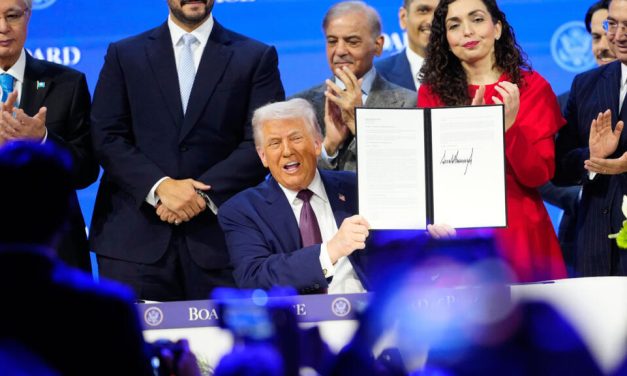
Strategic Council Online – Report: While the second phase of the implementation of the Gaza ceasefire has begun, the establishment of the “Peace Board” chaired by Donald Trump on the sidelines of the Davos meeting (22 January 2026) has become more than a technical mechanism for reconstruction and has turned into a test for the future of the international order.
Despite the signing of the charter by 22 out of 60 invited countries, the limited presence of global leaders at the Davos ceremony and the non-acceptance of this body by the European Union and key Western countries indicate a deep divide in global perceptions of the legitimacy of this mechanism.
In this report, drawing on the analysis of Hadi Borhani, a regional affairs expert, and international data, three strategic questions are addressed: Is the Peace Board an instrument for implementing UN Security Council Resolution 2803 or a substitute for the United Nations? How does the hierarchical architecture of this committee intensify executive challenges in Gaza? And finally, can this body create sustainable peace without the cooperation of Palestinians and with the concentration of power in the hands of a single individual?

America’s Zero-Sum Game in Iraq

Online Strategic Council – Memoir: The swift selection of Nouri al-Maliki for the premiership constitutes a new phase in Iraq’s political sphere. Multiple factors have played a role in this process, the most important being the prevailing situation in Iraq and the region. Under such circumstances, Iraq requires a powerful and experienced prime minister who can keep the country away from the dangers of wars and crises.

America’s Strategy for Creating Tension in the Asia-Pacific

Strategic Council Online – Opinion: Relations between some countries in the Asia-Pacific region, such as China and Japan or China and Australia, which were previously relatively normal, are trending towards deterioration, and the primary reason for this is the aggressive policies of the United States of America.

Loading

Qatar

Objectives & Motivations of Bin Salman Regional Tour

Objectives & Motivations of Bin Salman Regional Tour

Strategic Council Online- Opinion: Regional tour of Mohammad Bin Salman to five countries of Oman, Bahrain, UAE, Kuwait and Qatar (Persian Gulf Cooperation Council members) is considered to be the most important political, economic and security momentum of the Crown Prince of Saudi Arabia in the last days of 2021. It is also interpreted as a remedial measure for fragile situation of Saudis at the regional and world levels. It should be noted that one of the objectives of Mohammad Bin Salman was to consult with the authorities of littoral Arab states of Persian Gulf and to make a consensus to confront some of the regional as well as the global issues such as Yemen, Iran, JCPOA revival, etc.
Hamid Khoshayand, Expert of Regional Issues

Consequences of Persian Gulf Arab States Rapprochement with Syria

Consequences of Persian Gulf Arab States Rapprochement with Syria

Strategic Council Online- Interview: An expert of Middle East affairs commented on measures taken by some Arab states of Persian Gulf towards Bashar Assad government during recent years and stated:” Since 2011 when the Syrian crisis started, countries like Saudi Arabia, Qatar, UAE, and Bahrain tried in coordination to strengthen terrorist group-lets and thus topple Bashar Assad government”.

Objectives of Reviving Turkey’s Relations with UAE

Objectives of Reviving Turkey’s Relations with UAE

Strategic Council Online – Opinion: The recent visit of the UAE Crown Prince Mohammed bin Zayed Al Nahyan to Ankara and the consequences of this visit in Turkish foreign policy shows that the Turkish president, despite his decisive vision in domestic politics, has become more realistic in foreign policy in recent years and the new round of relations with the UAE is important in economic, political, and regional terms and in strengthening Ankara’s position in the international arena.
Mahmoud Fazeli – Analyst of international affairs

Obstacles, Prospects for Formation of Najib Mikati Government in Lebanon

Obstacles, Prospects for Formation of Najib Mikati Government in Lebanon

Strategic Council Online – Formation of government has always been the most complex and difficult political process in Lebanon, which is typically slow and has become one of the most challenging issues in that country for many years. The new era, which began with the resignation of Saad Hariri as prime minister and following October 2019 protests in Lebanon, entered a complex and tense path up to now when “Najib Mikati” has been appointed by Michel Aoun to form a new government.
Barsam Mohammadi – Analyst of international affairs

Bin Salman’s Attempt to Interact with Syria; Reasons, Necessities and Perspectives

Bin Salman’s Attempt to Interact with Syria; Reasons, Necessities and Perspectives

Strategic Council Online – In recent weeks, clear signs are emerging for the gradual change in Saudi Arabia’s foreign policy approach to Syria. There are several reports indicating that bin Salman is seeking to “open diplomatic channels” with Syria. In recent weeks, secret meetings between Saudi and Syrian officials have taken place in Damascus, which have been unprecedented since 2011.
Barsam Mohammadi – analyst of international affairs

Turkey’s Outlook about South Persian Gulf States

Turkey’s Outlook about South Persian Gulf States

Strategic Council Online – Despite the continuation of some economic cooperation between Turkey and Saudi Arabia and the UAE, in the political and security spheres, serious challenges will be faced in the future in these countries.
Davoud Ahmadzadeh – Middle East Affairs Expert

Strategic Implications of US Troops Pullout from Afghanistan

Strategic Implications of US Troops Pullout from Afghanistan

Strategic Council Online: According to the agreement reached between the United States and the Taliban in March 2018, the withdrawal of US troops from Afghanistan will begin and by mid-July (July 2020) the number of US combat troops will reach 8600 persons. This is happening at a time when the bilateral security agreement between the United States and the Afghan government is still valid. In addition, in recent months, the activities of terrorist groups in Afghanistan have not diminished, but in addition to the Taliban’s spring attacks, ISIS terrorist activities in Afghanistan are taking civilian tolls from among the oppressed people of Afghanistan, and the atmosphere of insecurity has not changed. Although the withdrawal of US troops from Afghanistan is important, it may have significant implications for the future of Afghanistan and the region, given the shortcomings and negligence in fulfilling their commitments, especially in the field of training Afghan forces. Americans should accept responsibility and pay the damages.
Seyed Mostafa Hashemi – Afghan Affairs Expert

Golden Opportunity for Iranian Private Sector in Syrian Reconstruction

Golden Opportunity for Iranian Private Sector in Syrian Reconstruction

Strategic Council Online: With stability gradually returning to Syria, the countries at war with Syria are now struggling to make a contribution to rebuilding the country and at the same time reap the economic benefits.
Mohammad Lahooti – President of the Iranian Export Confederation

Intra-Islamic Civilization Dialogue as a Strategy

Intra-Islamic Civilization Dialogue as a Strategy

Strategic Council Online: ‘Returning to Islamic civilization in the Muslim world today is a proper response to the identity crisis, which is being suffered by all Muslim nations’, the President of the Strategic Council of Foreign Relations said.

ÚLTIMAS PUBLICACIONES

The Security Equation of Southern Lebanon for the Zionist Regime

Strategic Council Online – Opinion: American-Zionist objectives in the region are not limited to weakening Hezbollah. Efforts to disarm Iraqi resistance groups such as Kata’ib Hezbollah and the Popular Mobilization Forces are also part of their subsequent plans.
Commercial Exploitation of Peace; The Gaza Committee in Confrontation with International Legitimacy

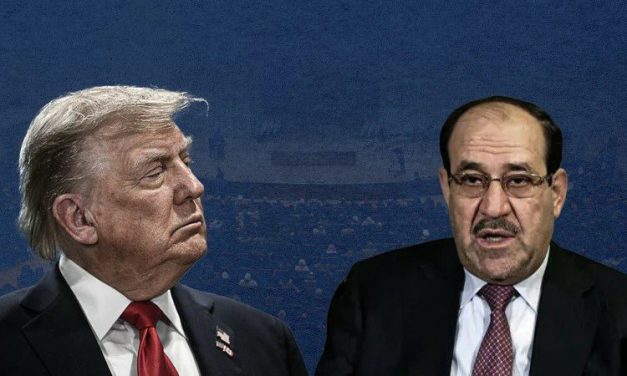
Strategic Council Online – Report: While the second phase of the implementation of the Gaza ceasefire has begun, the establishment of the “Peace Board” chaired by Donald Trump on the sidelines of the Davos meeting (22 January 2026) has become more than a technical mechanism for reconstruction and has turned into a test for the future of the international order.
Despite the signing of the charter by 22 out of 60 invited countries, the limited presence of global leaders at the Davos ceremony and the non-acceptance of this body by the European Union and key Western countries indicate a deep divide in global perceptions of the legitimacy of this mechanism.
In this report, drawing on the analysis of Hadi Borhani, a regional affairs expert, and international data, three strategic questions are addressed: Is the Peace Board an instrument for implementing UN Security Council Resolution 2803 or a substitute for the United Nations? How does the hierarchical architecture of this committee intensify executive challenges in Gaza? And finally, can this body create sustainable peace without the cooperation of Palestinians and with the concentration of power in the hands of a single individual?

America’s Zero-Sum Game in Iraq

Online Strategic Council – Memoir: The swift selection of Nouri al-Maliki for the premiership constitutes a new phase in Iraq’s political sphere. Multiple factors have played a role in this process, the most important being the prevailing situation in Iraq and the region. Under such circumstances, Iraq requires a powerful and experienced prime minister who can keep the country away from the dangers of wars and crises.

America’s Strategy for Creating Tension in the Asia-Pacific

Strategic Council Online – Opinion: Relations between some countries in the Asia-Pacific region, such as China and Japan or China and Australia, which were previously relatively normal, are trending towards deterioration, and the primary reason for this is the aggressive policies of the United States of America.

Loading

Qatar

Objectives & Motivations of Bin Salman Regional Tour

Objectives & Motivations of Bin Salman Regional Tour

Strategic Council Online- Opinion: Regional tour of Mohammad Bin Salman to five countries of Oman, Bahrain, UAE, Kuwait and Qatar (Persian Gulf Cooperation Council members) is considered to be the most important political, economic and security momentum of the Crown Prince of Saudi Arabia in the last days of 2021. It is also interpreted as a remedial measure for fragile situation of Saudis at the regional and world levels. It should be noted that one of the objectives of Mohammad Bin Salman was to consult with the authorities of littoral Arab states of Persian Gulf and to make a consensus to confront some of the regional as well as the global issues such as Yemen, Iran, JCPOA revival, etc.
Hamid Khoshayand, Expert of Regional Issues

Consequences of Persian Gulf Arab States Rapprochement with Syria

Consequences of Persian Gulf Arab States Rapprochement with Syria

Strategic Council Online- Interview: An expert of Middle East affairs commented on measures taken by some Arab states of Persian Gulf towards Bashar Assad government during recent years and stated:” Since 2011 when the Syrian crisis started, countries like Saudi Arabia, Qatar, UAE, and Bahrain tried in coordination to strengthen terrorist group-lets and thus topple Bashar Assad government”.

Objectives of Reviving Turkey’s Relations with UAE

Objectives of Reviving Turkey’s Relations with UAE

Strategic Council Online – Opinion: The recent visit of the UAE Crown Prince Mohammed bin Zayed Al Nahyan to Ankara and the consequences of this visit in Turkish foreign policy shows that the Turkish president, despite his decisive vision in domestic politics, has become more realistic in foreign policy in recent years and the new round of relations with the UAE is important in economic, political, and regional terms and in strengthening Ankara’s position in the international arena.
Mahmoud Fazeli – Analyst of international affairs

Obstacles, Prospects for Formation of Najib Mikati Government in Lebanon

Obstacles, Prospects for Formation of Najib Mikati Government in Lebanon

Strategic Council Online – Formation of government has always been the most complex and difficult political process in Lebanon, which is typically slow and has become one of the most challenging issues in that country for many years. The new era, which began with the resignation of Saad Hariri as prime minister and following October 2019 protests in Lebanon, entered a complex and tense path up to now when “Najib Mikati” has been appointed by Michel Aoun to form a new government.
Barsam Mohammadi – Analyst of international affairs

Bin Salman’s Attempt to Interact with Syria; Reasons, Necessities and Perspectives

Bin Salman’s Attempt to Interact with Syria; Reasons, Necessities and Perspectives

Strategic Council Online – In recent weeks, clear signs are emerging for the gradual change in Saudi Arabia’s foreign policy approach to Syria. There are several reports indicating that bin Salman is seeking to “open diplomatic channels” with Syria. In recent weeks, secret meetings between Saudi and Syrian officials have taken place in Damascus, which have been unprecedented since 2011.
Barsam Mohammadi – analyst of international affairs

Turkey’s Outlook about South Persian Gulf States

Turkey’s Outlook about South Persian Gulf States

Strategic Council Online – Despite the continuation of some economic cooperation between Turkey and Saudi Arabia and the UAE, in the political and security spheres, serious challenges will be faced in the future in these countries.
Davoud Ahmadzadeh – Middle East Affairs Expert

Strategic Implications of US Troops Pullout from Afghanistan

Strategic Implications of US Troops Pullout from Afghanistan

Strategic Council Online: According to the agreement reached between the United States and the Taliban in March 2018, the withdrawal of US troops from Afghanistan will begin and by mid-July (July 2020) the number of US combat troops will reach 8600 persons. This is happening at a time when the bilateral security agreement between the United States and the Afghan government is still valid. In addition, in recent months, the activities of terrorist groups in Afghanistan have not diminished, but in addition to the Taliban’s spring attacks, ISIS terrorist activities in Afghanistan are taking civilian tolls from among the oppressed people of Afghanistan, and the atmosphere of insecurity has not changed. Although the withdrawal of US troops from Afghanistan is important, it may have significant implications for the future of Afghanistan and the region, given the shortcomings and negligence in fulfilling their commitments, especially in the field of training Afghan forces. Americans should accept responsibility and pay the damages.
Seyed Mostafa Hashemi – Afghan Affairs Expert

Golden Opportunity for Iranian Private Sector in Syrian Reconstruction

Golden Opportunity for Iranian Private Sector in Syrian Reconstruction

Strategic Council Online: With stability gradually returning to Syria, the countries at war with Syria are now struggling to make a contribution to rebuilding the country and at the same time reap the economic benefits.
Mohammad Lahooti – President of the Iranian Export Confederation

Intra-Islamic Civilization Dialogue as a Strategy

Intra-Islamic Civilization Dialogue as a Strategy

Strategic Council Online: ‘Returning to Islamic civilization in the Muslim world today is a proper response to the identity crisis, which is being suffered by all Muslim nations’, the President of the Strategic Council of Foreign Relations said.

ÚLTIMAS PUBLICACIONES

The Security Equation of Southern Lebanon for the Zionist Regime

Strategic Council Online – Opinion: American-Zionist objectives in the region are not limited to weakening Hezbollah. Efforts to disarm Iraqi resistance groups such as Kata’ib Hezbollah and the Popular Mobilization Forces are also part of their subsequent plans.
Commercial Exploitation of Peace; The Gaza Committee in Confrontation with International Legitimacy

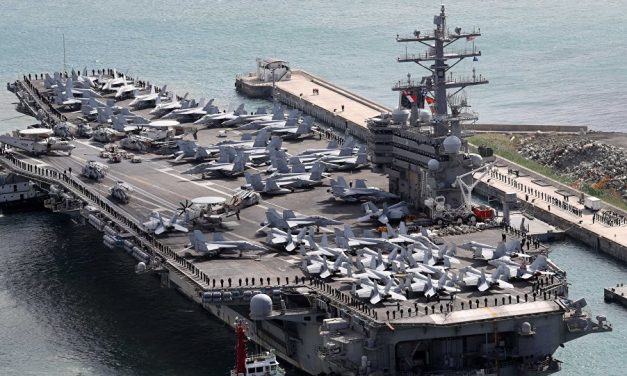
Strategic Council Online – Report: While the second phase of the implementation of the Gaza ceasefire has begun, the establishment of the “Peace Board” chaired by Donald Trump on the sidelines of the Davos meeting (22 January 2026) has become more than a technical mechanism for reconstruction and has turned into a test for the future of the international order.
Despite the signing of the charter by 22 out of 60 invited countries, the limited presence of global leaders at the Davos ceremony and the non-acceptance of this body by the European Union and key Western countries indicate a deep divide in global perceptions of the legitimacy of this mechanism.
In this report, drawing on the analysis of Hadi Borhani, a regional affairs expert, and international data, three strategic questions are addressed: Is the Peace Board an instrument for implementing UN Security Council Resolution 2803 or a substitute for the United Nations? How does the hierarchical architecture of this committee intensify executive challenges in Gaza? And finally, can this body create sustainable peace without the cooperation of Palestinians and with the concentration of power in the hands of a single individual?

America’s Zero-Sum Game in Iraq

Online Strategic Council – Memoir: The swift selection of Nouri al-Maliki for the premiership constitutes a new phase in Iraq’s political sphere. Multiple factors have played a role in this process, the most important being the prevailing situation in Iraq and the region. Under such circumstances, Iraq requires a powerful and experienced prime minister who can keep the country away from the dangers of wars and crises.

America’s Strategy for Creating Tension in the Asia-Pacific

Strategic Council Online – Opinion: Relations between some countries in the Asia-Pacific region, such as China and Japan or China and Australia, which were previously relatively normal, are trending towards deterioration, and the primary reason for this is the aggressive policies of the United States of America.

Loading

Qatar

Objectives & Motivations of Bin Salman Regional Tour

Objectives & Motivations of Bin Salman Regional Tour

Strategic Council Online- Opinion: Regional tour of Mohammad Bin Salman to five countries of Oman, Bahrain, UAE, Kuwait and Qatar (Persian Gulf Cooperation Council members) is considered to be the most important political, economic and security momentum of the Crown Prince of Saudi Arabia in the last days of 2021. It is also interpreted as a remedial measure for fragile situation of Saudis at the regional and world levels. It should be noted that one of the objectives of Mohammad Bin Salman was to consult with the authorities of littoral Arab states of Persian Gulf and to make a consensus to confront some of the regional as well as the global issues such as Yemen, Iran, JCPOA revival, etc.
Hamid Khoshayand, Expert of Regional Issues

Consequences of Persian Gulf Arab States Rapprochement with Syria

Consequences of Persian Gulf Arab States Rapprochement with Syria

Strategic Council Online- Interview: An expert of Middle East affairs commented on measures taken by some Arab states of Persian Gulf towards Bashar Assad government during recent years and stated:” Since 2011 when the Syrian crisis started, countries like Saudi Arabia, Qatar, UAE, and Bahrain tried in coordination to strengthen terrorist group-lets and thus topple Bashar Assad government”.

Objectives of Reviving Turkey’s Relations with UAE

Objectives of Reviving Turkey’s Relations with UAE

Strategic Council Online – Opinion: The recent visit of the UAE Crown Prince Mohammed bin Zayed Al Nahyan to Ankara and the consequences of this visit in Turkish foreign policy shows that the Turkish president, despite his decisive vision in domestic politics, has become more realistic in foreign policy in recent years and the new round of relations with the UAE is important in economic, political, and regional terms and in strengthening Ankara’s position in the international arena.
Mahmoud Fazeli – Analyst of international affairs

Obstacles, Prospects for Formation of Najib Mikati Government in Lebanon

Obstacles, Prospects for Formation of Najib Mikati Government in Lebanon

Strategic Council Online – Formation of government has always been the most complex and difficult political process in Lebanon, which is typically slow and has become one of the most challenging issues in that country for many years. The new era, which began with the resignation of Saad Hariri as prime minister and following October 2019 protests in Lebanon, entered a complex and tense path up to now when “Najib Mikati” has been appointed by Michel Aoun to form a new government.
Barsam Mohammadi – Analyst of international affairs

Bin Salman’s Attempt to Interact with Syria; Reasons, Necessities and Perspectives

Bin Salman’s Attempt to Interact with Syria; Reasons, Necessities and Perspectives

Strategic Council Online – In recent weeks, clear signs are emerging for the gradual change in Saudi Arabia’s foreign policy approach to Syria. There are several reports indicating that bin Salman is seeking to “open diplomatic channels” with Syria. In recent weeks, secret meetings between Saudi and Syrian officials have taken place in Damascus, which have been unprecedented since 2011.
Barsam Mohammadi – analyst of international affairs

Turkey’s Outlook about South Persian Gulf States

Turkey’s Outlook about South Persian Gulf States

Strategic Council Online – Despite the continuation of some economic cooperation between Turkey and Saudi Arabia and the UAE, in the political and security spheres, serious challenges will be faced in the future in these countries.
Davoud Ahmadzadeh – Middle East Affairs Expert

Strategic Implications of US Troops Pullout from Afghanistan

Strategic Implications of US Troops Pullout from Afghanistan

Strategic Council Online: According to the agreement reached between the United States and the Taliban in March 2018, the withdrawal of US troops from Afghanistan will begin and by mid-July (July 2020) the number of US combat troops will reach 8600 persons. This is happening at a time when the bilateral security agreement between the United States and the Afghan government is still valid. In addition, in recent months, the activities of terrorist groups in Afghanistan have not diminished, but in addition to the Taliban’s spring attacks, ISIS terrorist activities in Afghanistan are taking civilian tolls from among the oppressed people of Afghanistan, and the atmosphere of insecurity has not changed. Although the withdrawal of US troops from Afghanistan is important, it may have significant implications for the future of Afghanistan and the region, given the shortcomings and negligence in fulfilling their commitments, especially in the field of training Afghan forces. Americans should accept responsibility and pay the damages.
Seyed Mostafa Hashemi – Afghan Affairs Expert

Golden Opportunity for Iranian Private Sector in Syrian Reconstruction

Golden Opportunity for Iranian Private Sector in Syrian Reconstruction

Strategic Council Online: With stability gradually returning to Syria, the countries at war with Syria are now struggling to make a contribution to rebuilding the country and at the same time reap the economic benefits.
Mohammad Lahooti – President of the Iranian Export Confederation

Intra-Islamic Civilization Dialogue as a Strategy

Intra-Islamic Civilization Dialogue as a Strategy

Strategic Council Online: ‘Returning to Islamic civilization in the Muslim world today is a proper response to the identity crisis, which is being suffered by all Muslim nations’, the President of the Strategic Council of Foreign Relations said.

ÚLTIMAS PUBLICACIONES

The Security Equation of Southern Lebanon for the Zionist Regime

Strategic Council Online – Opinion: American-Zionist objectives in the region are not limited to weakening Hezbollah. Efforts to disarm Iraqi resistance groups such as Kata’ib Hezbollah and the Popular Mobilization Forces are also part of their subsequent plans.

Commercial Exploitation of Peace; The Gaza Committee in Confrontation with International Legitimacy

Strategic Council Online – Report: While the second phase of the implementation of the Gaza ceasefire has begun, the establishment of the “Peace Board” chaired by Donald Trump on the sidelines of the Davos meeting (22 January 2026) has become more than a technical mechanism for reconstruction and has turned into a test for the future of the international order.
Despite the signing of the charter by 22 out of 60 invited countries, the limited presence of global leaders at the Davos ceremony and the non-acceptance of this body by the European Union and key Western countries indicate a deep divide in global perceptions of the legitimacy of this mechanism.
In this report, drawing on the analysis of Hadi Borhani, a regional affairs expert, and international data, three strategic questions are addressed: Is the Peace Board an instrument for implementing UN Security Council Resolution 2803 or a substitute for the United Nations? How does the hierarchical architecture of this committee intensify executive challenges in Gaza? And finally, can this body create sustainable peace without the cooperation of Palestinians and with the concentration of power in the hands of a single individual?

America’s Zero-Sum Game in Iraq

Online Strategic Council – Memoir: The swift selection of Nouri al-Maliki for the premiership constitutes a new phase in Iraq’s political sphere. Multiple factors have played a role in this process, the most important being the prevailing situation in Iraq and the region. Under such circumstances, Iraq requires a powerful and experienced prime minister who can keep the country away from the dangers of wars and crises.

America’s Strategy for Creating Tension in the Asia-Pacific

Strategic Council Online – Opinion: Relations between some countries in the Asia-Pacific region, such as China and Japan or China and Australia, which were previously relatively normal, are trending towards deterioration, and the primary reason for this is the aggressive policies of the United States of America.

Loading

Qatar

Objectives & Motivations of Bin Salman Regional Tour

Objectives & Motivations of Bin Salman Regional Tour

Strategic Council Online- Opinion: Regional tour of Mohammad Bin Salman to five countries of Oman, Bahrain, UAE, Kuwait and Qatar (Persian Gulf Cooperation Council members) is considered to be the most important political, economic and security momentum of the Crown Prince of Saudi Arabia in the last days of 2021. It is also interpreted as a remedial measure for fragile situation of Saudis at the regional and world levels. It should be noted that one of the objectives of Mohammad Bin Salman was to consult with the authorities of littoral Arab states of Persian Gulf and to make a consensus to confront some of the regional as well as the global issues such as Yemen, Iran, JCPOA revival, etc.
Hamid Khoshayand, Expert of Regional Issues

Consequences of Persian Gulf Arab States Rapprochement with Syria

Consequences of Persian Gulf Arab States Rapprochement with Syria

Strategic Council Online- Interview: An expert of Middle East affairs commented on measures taken by some Arab states of Persian Gulf towards Bashar Assad government during recent years and stated:” Since 2011 when the Syrian crisis started, countries like Saudi Arabia, Qatar, UAE, and Bahrain tried in coordination to strengthen terrorist group-lets and thus topple Bashar Assad government”.

Objectives of Reviving Turkey’s Relations with UAE

Objectives of Reviving Turkey’s Relations with UAE

Strategic Council Online – Opinion: The recent visit of the UAE Crown Prince Mohammed bin Zayed Al Nahyan to Ankara and the consequences of this visit in Turkish foreign policy shows that the Turkish president, despite his decisive vision in domestic politics, has become more realistic in foreign policy in recent years and the new round of relations with the UAE is important in economic, political, and regional terms and in strengthening Ankara’s position in the international arena.
Mahmoud Fazeli – Analyst of international affairs

Obstacles, Prospects for Formation of Najib Mikati Government in Lebanon

Obstacles, Prospects for Formation of Najib Mikati Government in Lebanon

Strategic Council Online – Formation of government has always been the most complex and difficult political process in Lebanon, which is typically slow and has become one of the most challenging issues in that country for many years. The new era, which began with the resignation of Saad Hariri as prime minister and following October 2019 protests in Lebanon, entered a complex and tense path up to now when “Najib Mikati” has been appointed by Michel Aoun to form a new government.
Barsam Mohammadi – Analyst of international affairs

Bin Salman’s Attempt to Interact with Syria; Reasons, Necessities and Perspectives

Bin Salman’s Attempt to Interact with Syria; Reasons, Necessities and Perspectives

Strategic Council Online – In recent weeks, clear signs are emerging for the gradual change in Saudi Arabia’s foreign policy approach to Syria. There are several reports indicating that bin Salman is seeking to “open diplomatic channels” with Syria. In recent weeks, secret meetings between Saudi and Syrian officials have taken place in Damascus, which have been unprecedented since 2011.
Barsam Mohammadi – analyst of international affairs

Turkey’s Outlook about South Persian Gulf States

Turkey’s Outlook about South Persian Gulf States

Strategic Council Online – Despite the continuation of some economic cooperation between Turkey and Saudi Arabia and the UAE, in the political and security spheres, serious challenges will be faced in the future in these countries.
Davoud Ahmadzadeh – Middle East Affairs Expert

Strategic Implications of US Troops Pullout from Afghanistan

Strategic Implications of US Troops Pullout from Afghanistan

Strategic Council Online: According to the agreement reached between the United States and the Taliban in March 2018, the withdrawal of US troops from Afghanistan will begin and by mid-July (July 2020) the number of US combat troops will reach 8600 persons. This is happening at a time when the bilateral security agreement between the United States and the Afghan government is still valid. In addition, in recent months, the activities of terrorist groups in Afghanistan have not diminished, but in addition to the Taliban’s spring attacks, ISIS terrorist activities in Afghanistan are taking civilian tolls from among the oppressed people of Afghanistan, and the atmosphere of insecurity has not changed. Although the withdrawal of US troops from Afghanistan is important, it may have significant implications for the future of Afghanistan and the region, given the shortcomings and negligence in fulfilling their commitments, especially in the field of training Afghan forces. Americans should accept responsibility and pay the damages.
Seyed Mostafa Hashemi – Afghan Affairs Expert

Golden Opportunity for Iranian Private Sector in Syrian Reconstruction

Golden Opportunity for Iranian Private Sector in Syrian Reconstruction

Strategic Council Online: With stability gradually returning to Syria, the countries at war with Syria are now struggling to make a contribution to rebuilding the country and at the same time reap the economic benefits.
Mohammad Lahooti – President of the Iranian Export Confederation

Intra-Islamic Civilization Dialogue as a Strategy

Intra-Islamic Civilization Dialogue as a Strategy

Strategic Council Online: ‘Returning to Islamic civilization in the Muslim world today is a proper response to the identity crisis, which is being suffered by all Muslim nations’, the President of the Strategic Council of Foreign Relations said.

ÚLTIMAS PUBLICACIONES

The Security Equation of Southern Lebanon for the Zionist Regime

Strategic Council Online – Opinion: American-Zionist objectives in the region are not limited to weakening Hezbollah. Efforts to disarm Iraqi resistance groups such as Kata’ib Hezbollah and the Popular Mobilization Forces are also part of their subsequent plans.

Commercial Exploitation of Peace; The Gaza Committee in Confrontation with International Legitimacy

Strategic Council Online – Report: While the second phase of the implementation of the Gaza ceasefire has begun, the establishment of the “Peace Board” chaired by Donald Trump on the sidelines of the Davos meeting (22 January 2026) has become more than a technical mechanism for reconstruction and has turned into a test for the future of the international order.
Despite the signing of the charter by 22 out of 60 invited countries, the limited presence of global leaders at the Davos ceremony and the non-acceptance of this body by the European Union and key Western countries indicate a deep divide in global perceptions of the legitimacy of this mechanism.
In this report, drawing on the analysis of Hadi Borhani, a regional affairs expert, and international data, three strategic questions are addressed: Is the Peace Board an instrument for implementing UN Security Council Resolution 2803 or a substitute for the United Nations? How does the hierarchical architecture of this committee intensify executive challenges in Gaza? And finally, can this body create sustainable peace without the cooperation of Palestinians and with the concentration of power in the hands of a single individual?

America’s Zero-Sum Game in Iraq

Online Strategic Council – Memoir: The swift selection of Nouri al-Maliki for the premiership constitutes a new phase in Iraq’s political sphere. Multiple factors have played a role in this process, the most important being the prevailing situation in Iraq and the region. Under such circumstances, Iraq requires a powerful and experienced prime minister who can keep the country away from the dangers of wars and crises.

America’s Strategy for Creating Tension in the Asia-Pacific

Strategic Council Online – Opinion: Relations between some countries in the Asia-Pacific region, such as China and Japan or China and Australia, which were previously relatively normal, are trending towards deterioration, and the primary reason for this is the aggressive policies of the United States of America.

Loading