Reasons for the Ineffectiveness of Trump’s “Economic War” against Iran
SCFR Online – Opinion: The intensification of U.S. sanctions against Iran on the eve of the U.S. midterm elections indicates Washington’s inability to achieve its war objectives.


SCFR Online – Opinion: The intensification of U.S. sanctions against Iran on the eve of the U.S. midterm elections indicates Washington’s inability to achieve its war objectives.

SCFR Online – Opinion: The competition between Washington and Beijing over chips and artificial intelligence, simultaneously with the shifting of technological balances, has taken on new economic and security dimensions.
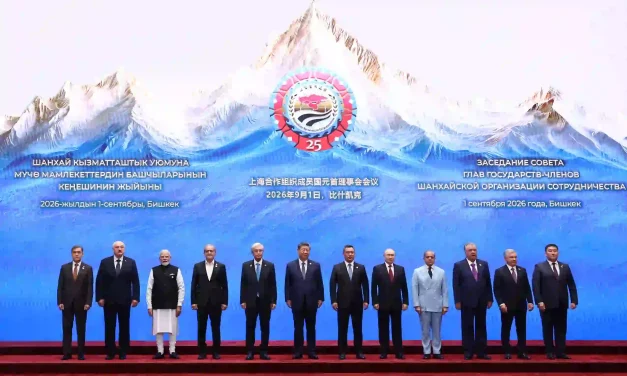
SCFR Online – Opinion: The Shanghai Cooperation Organization summit has created a new opportunity for Iran to transform its membership from a political achievement into economic and transit cooperation.
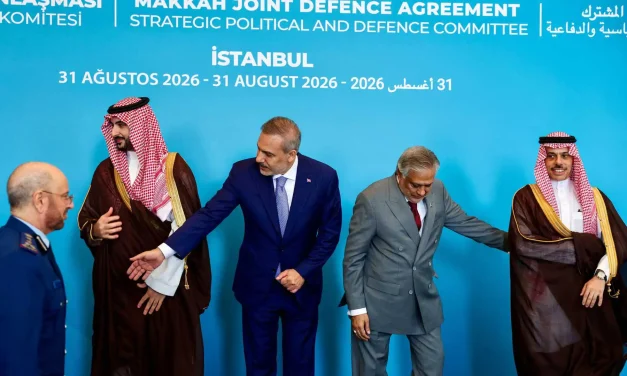
Strategic Council Online – Note: The Makkah Defense Pact can be seen as a sign of regional countries’ efforts to reduce security dependence on extra-regional powers and redefine the balance in West Asia.

SCFR Online – Opinion: The Ukraine war, by exhausting US military capability on one hand and strengthening European defense capacity on the other, has altered the balance of power in the European continent, cast uncertainty over NATO’s future, and is driving it toward a European NATO.
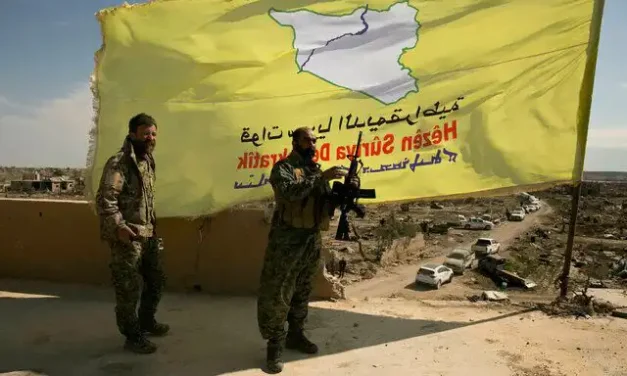
SCFR Online – Opinion: The dissolution of the SDF, although considered an achievement for Turkey’s security, does not put an end to the challenges arising from the Israeli regime’s aggression and expansionism, refugees, and Syria’s fragility.
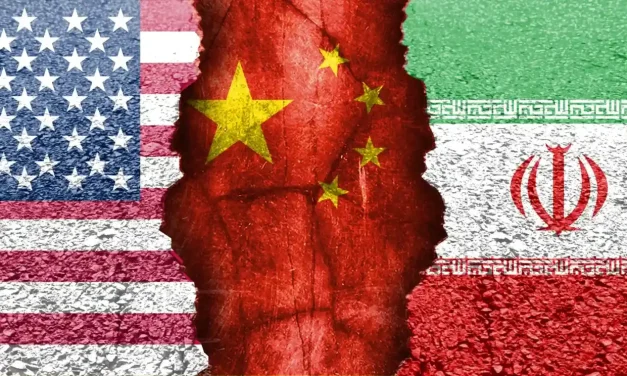
SCFR Online – Opinion: Concurrent with the official commencement of the United States’ economic war against our country, focusing on sanctions instruments, isolation, and economic pressure, what has now become increasingly important is the lack of alignment of other major global powers, especially China, with this policy.
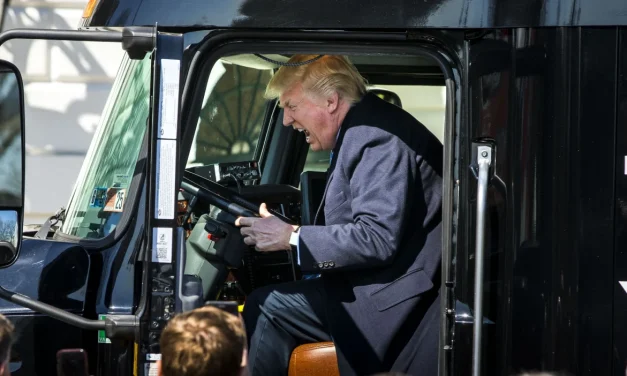
SCFR Online – Opinion: The new US sanctions against Iran, despite extensive propaganda, face serious obstacles to success due to the ineffectiveness of sanctions tools and opposition from some of Tehran’s trading partners.

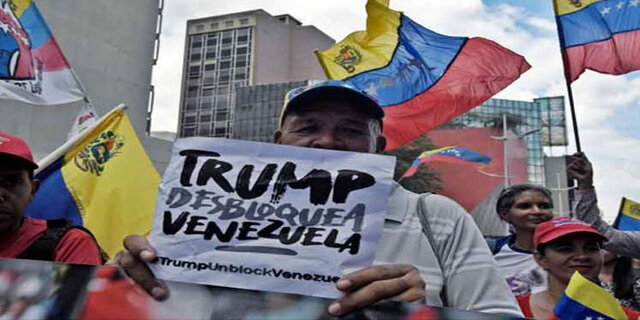
SCFR Online – Interview: Three months have passed since the operation by US special forces in Caracas – an operation in which Nicolás Maduro, the President of Venezuela, was abducted and transferred to New York. To examine the legal, political, and economic dimensions of this unprecedented event and its consequences, we have interviewed Soroosh Salami, an expert on Latin American affairs.

Strategic Council Online – Interview: An expert on West Asia affairs, referring to the holding of a security conference in Iraqi Kurdistan on normalization of relations with the Zionist regime, said: The normalization and publicity of the Zionist regime’s presence in Iraqi Kurdistan, as well as disintegration of the region, were the two main targets of the conference in the Kurdish-populated part of Iraq.

Strategic Council Online – Talking about the field progress of the National Unity Government and the defeats of Khalifa Haftar in Libya, a university professor said it is unlikely that peace will be achieved in Libya in the current situation. He stressed that other agreements should be reached in addition to the Skhirat peace agreement another deal must be forged taking into account the demands of the political groups because if the government of national unity fails to meet the people’s demands we may see extremist groups emerge in the country.
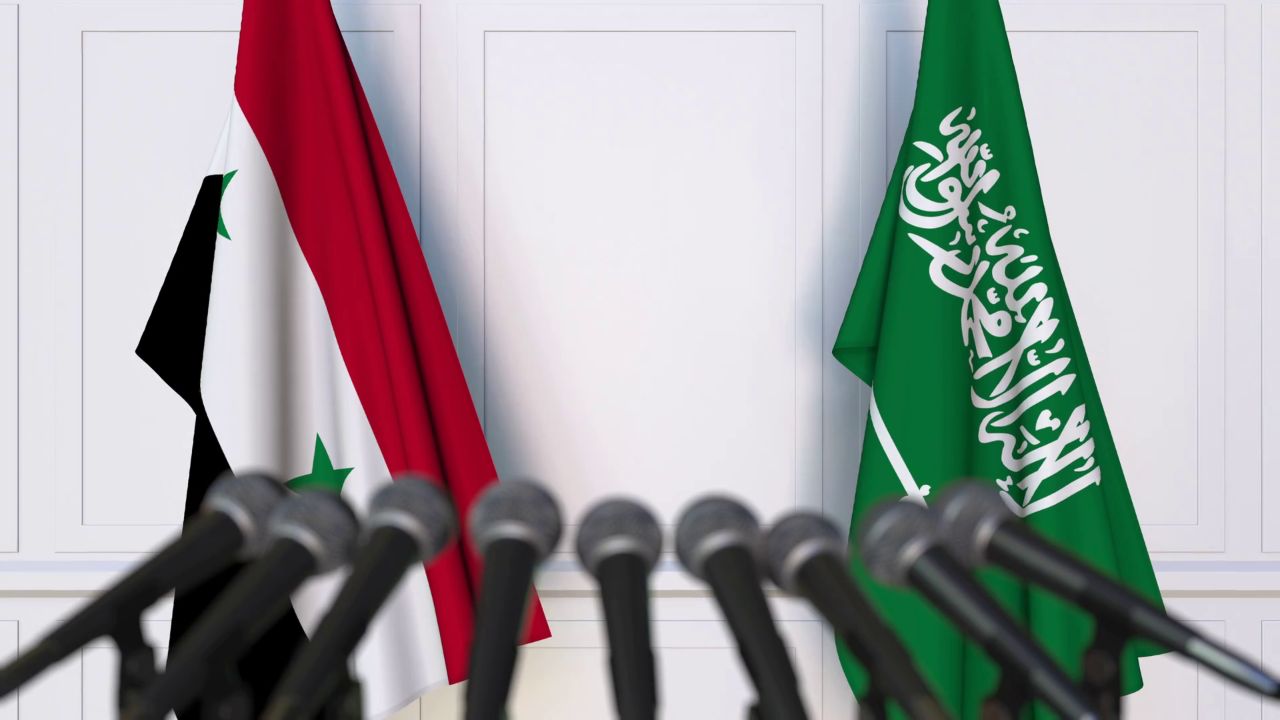
Strategic Council Online: A Middle East affairs analyst says Saudi Arabia seeks an opportunity to return to the Syrian scene, adding however that the role played by certain Arab states against Syria cannot be erased from the memory of Syrian nation and government.
SCFR Online – Opinion: The intensification of U.S. sanctions against Iran on the eve of the U.S. midterm elections indicates Washington’s inability to achieve its war objectives.
SCFR Online – Opinion: The competition between Washington and Beijing over chips and artificial intelligence, simultaneously with the shifting of technological balances, has taken on new economic and security dimensions.
SCFR Online – Opinion: The Shanghai Cooperation Organization summit has created a new opportunity for Iran to transform its membership from a political achievement into economic and transit cooperation.
Strategic Council Online – Note: The Makkah Defense Pact can be seen as a sign of regional countries’ efforts to reduce security dependence on extra-regional powers and redefine the balance in West Asia.
SCFR Online – Opinion: The Ukraine war, by exhausting US military capability on one hand and strengthening European defense capacity on the other, has altered the balance of power in the European continent, cast uncertainty over NATO’s future, and is driving it toward a European NATO.
SCFR Online – Opinion: The dissolution of the SDF, although considered an achievement for Turkey’s security, does not put an end to the challenges arising from the Israeli regime’s aggression and expansionism, refugees, and Syria’s fragility.
SCFR Online – Opinion: Concurrent with the official commencement of the United States’ economic war against our country, focusing on sanctions instruments, isolation, and economic pressure, what has now become increasingly important is the lack of alignment of other major global powers, especially China, with this policy.
SCFR Online – Opinion: The new US sanctions against Iran, despite extensive propaganda, face serious obstacles to success due to the ineffectiveness of sanctions tools and opposition from some of Tehran’s trading partners.
SCFR Online – Interview: Three months have passed since the operation by US special forces in Caracas – an operation in which Nicolás Maduro, the President of Venezuela, was abducted and transferred to New York. To examine the legal, political, and economic dimensions of this unprecedented event and its consequences, we have interviewed Soroosh Salami, an expert on Latin American affairs.
Strategic Council Online – Interview: An expert on West Asia affairs, referring to the holding of a security conference in Iraqi Kurdistan on normalization of relations with the Zionist regime, said: The normalization and publicity of the Zionist regime’s presence in Iraqi Kurdistan, as well as disintegration of the region, were the two main targets of the conference in the Kurdish-populated part of Iraq.
Strategic Council Online – Talking about the field progress of the National Unity Government and the defeats of Khalifa Haftar in Libya, a university professor said it is unlikely that peace will be achieved in Libya in the current situation. He stressed that other agreements should be reached in addition to the Skhirat peace agreement another deal must be forged taking into account the demands of the political groups because if the government of national unity fails to meet the people’s demands we may see extremist groups emerge in the country.
Strategic Council Online: A Middle East affairs analyst says Saudi Arabia seeks an opportunity to return to the Syrian scene, adding however that the role played by certain Arab states against Syria cannot be erased from the memory of Syrian nation and government.
SCFR Online – Interview: Three months have passed since the operation by US special forces in Caracas – an operation in which Nicolás Maduro, the President of Venezuela, was abducted and transferred to New York. To examine the legal, political, and economic dimensions of this unprecedented event and its consequences, we have interviewed Soroosh Salami, an expert on Latin American affairs.
Strategic Council Online – Interview: An expert on West Asia affairs, referring to the holding of a security conference in Iraqi Kurdistan on normalization of relations with the Zionist regime, said: The normalization and publicity of the Zionist regime’s presence in Iraqi Kurdistan, as well as disintegration of the region, were the two main targets of the conference in the Kurdish-populated part of Iraq.
Strategic Council Online – Talking about the field progress of the National Unity Government and the defeats of Khalifa Haftar in Libya, a university professor said it is unlikely that peace will be achieved in Libya in the current situation. He stressed that other agreements should be reached in addition to the Skhirat peace agreement another deal must be forged taking into account the demands of the political groups because if the government of national unity fails to meet the people’s demands we may see extremist groups emerge in the country.
Strategic Council Online: A Middle East affairs analyst says Saudi Arabia seeks an opportunity to return to the Syrian scene, adding however that the role played by certain Arab states against Syria cannot be erased from the memory of Syrian nation and government.
SCFR Online – Opinion: The intensification of U.S. sanctions against Iran on the eve of the U.S. midterm elections indicates Washington’s inability to achieve its war objectives.
SCFR Online – Opinion: The competition between Washington and Beijing over chips and artificial intelligence, simultaneously with the shifting of technological balances, has taken on new economic and security dimensions.
SCFR Online – Opinion: The Shanghai Cooperation Organization summit has created a new opportunity for Iran to transform its membership from a political achievement into economic and transit cooperation.
Strategic Council Online – Note: The Makkah Defense Pact can be seen as a sign of regional countries’ efforts to reduce security dependence on extra-regional powers and redefine the balance in West Asia.
SCFR Online – Opinion: The Ukraine war, by exhausting US military capability on one hand and strengthening European defense capacity on the other, has altered the balance of power in the European continent, cast uncertainty over NATO’s future, and is driving it toward a European NATO.
SCFR Online – Opinion: The dissolution of the SDF, although considered an achievement for Turkey’s security, does not put an end to the challenges arising from the Israeli regime’s aggression and expansionism, refugees, and Syria’s fragility.
SCFR Online – Opinion: Concurrent with the official commencement of the United States’ economic war against our country, focusing on sanctions instruments, isolation, and economic pressure, what has now become increasingly important is the lack of alignment of other major global powers, especially China, with this policy.
SCFR Online – Opinion: The new US sanctions against Iran, despite extensive propaganda, face serious obstacles to success due to the ineffectiveness of sanctions tools and opposition from some of Tehran’s trading partners.
SCFR Online – Interview: Three months have passed since the operation by US special forces in Caracas – an operation in which Nicolás Maduro, the President of Venezuela, was abducted and transferred to New York. To examine the legal, political, and economic dimensions of this unprecedented event and its consequences, we have interviewed Soroosh Salami, an expert on Latin American affairs.
Strategic Council Online – Interview: An expert on West Asia affairs, referring to the holding of a security conference in Iraqi Kurdistan on normalization of relations with the Zionist regime, said: The normalization and publicity of the Zionist regime’s presence in Iraqi Kurdistan, as well as disintegration of the region, were the two main targets of the conference in the Kurdish-populated part of Iraq.
Strategic Council Online – Talking about the field progress of the National Unity Government and the defeats of Khalifa Haftar in Libya, a university professor said it is unlikely that peace will be achieved in Libya in the current situation. He stressed that other agreements should be reached in addition to the Skhirat peace agreement another deal must be forged taking into account the demands of the political groups because if the government of national unity fails to meet the people’s demands we may see extremist groups emerge in the country.
Strategic Council Online: A Middle East affairs analyst says Saudi Arabia seeks an opportunity to return to the Syrian scene, adding however that the role played by certain Arab states against Syria cannot be erased from the memory of Syrian nation and government.
SCFR Online – Opinion: The intensification of U.S. sanctions against Iran on the eve of the U.S. midterm elections indicates Washington’s inability to achieve its war objectives.
SCFR Online – Opinion: The competition between Washington and Beijing over chips and artificial intelligence, simultaneously with the shifting of technological balances, has taken on new economic and security dimensions.
SCFR Online – Opinion: The Shanghai Cooperation Organization summit has created a new opportunity for Iran to transform its membership from a political achievement into economic and transit cooperation.
Strategic Council Online – Note: The Makkah Defense Pact can be seen as a sign of regional countries’ efforts to reduce security dependence on extra-regional powers and redefine the balance in West Asia.
SCFR Online – Opinion: The Ukraine war, by exhausting US military capability on one hand and strengthening European defense capacity on the other, has altered the balance of power in the European continent, cast uncertainty over NATO’s future, and is driving it toward a European NATO.
SCFR Online – Opinion: The dissolution of the SDF, although considered an achievement for Turkey’s security, does not put an end to the challenges arising from the Israeli regime’s aggression and expansionism, refugees, and Syria’s fragility.
SCFR Online – Opinion: Concurrent with the official commencement of the United States’ economic war against our country, focusing on sanctions instruments, isolation, and economic pressure, what has now become increasingly important is the lack of alignment of other major global powers, especially China, with this policy.
SCFR Online – Opinion: The new US sanctions against Iran, despite extensive propaganda, face serious obstacles to success due to the ineffectiveness of sanctions tools and opposition from some of Tehran’s trading partners.
SCFR Online – Interview: Three months have passed since the operation by US special forces in Caracas – an operation in which Nicolás Maduro, the President of Venezuela, was abducted and transferred to New York. To examine the legal, political, and economic dimensions of this unprecedented event and its consequences, we have interviewed Soroosh Salami, an expert on Latin American affairs.
Strategic Council Online – Interview: An expert on West Asia affairs, referring to the holding of a security conference in Iraqi Kurdistan on normalization of relations with the Zionist regime, said: The normalization and publicity of the Zionist regime’s presence in Iraqi Kurdistan, as well as disintegration of the region, were the two main targets of the conference in the Kurdish-populated part of Iraq.
Strategic Council Online – Talking about the field progress of the National Unity Government and the defeats of Khalifa Haftar in Libya, a university professor said it is unlikely that peace will be achieved in Libya in the current situation. He stressed that other agreements should be reached in addition to the Skhirat peace agreement another deal must be forged taking into account the demands of the political groups because if the government of national unity fails to meet the people’s demands we may see extremist groups emerge in the country.
Strategic Council Online: A Middle East affairs analyst says Saudi Arabia seeks an opportunity to return to the Syrian scene, adding however that the role played by certain Arab states against Syria cannot be erased from the memory of Syrian nation and government.
SCFR Online – Opinion: The intensification of U.S. sanctions against Iran on the eve of the U.S. midterm elections indicates Washington’s inability to achieve its war objectives.
SCFR Online – Opinion: The competition between Washington and Beijing over chips and artificial intelligence, simultaneously with the shifting of technological balances, has taken on new economic and security dimensions.
SCFR Online – Opinion: The Shanghai Cooperation Organization summit has created a new opportunity for Iran to transform its membership from a political achievement into economic and transit cooperation.
Strategic Council Online – Note: The Makkah Defense Pact can be seen as a sign of regional countries’ efforts to reduce security dependence on extra-regional powers and redefine the balance in West Asia.
SCFR Online – Opinion: The Ukraine war, by exhausting US military capability on one hand and strengthening European defense capacity on the other, has altered the balance of power in the European continent, cast uncertainty over NATO’s future, and is driving it toward a European NATO.
SCFR Online – Opinion: The dissolution of the SDF, although considered an achievement for Turkey’s security, does not put an end to the challenges arising from the Israeli regime’s aggression and expansionism, refugees, and Syria’s fragility.
SCFR Online – Opinion: Concurrent with the official commencement of the United States’ economic war against our country, focusing on sanctions instruments, isolation, and economic pressure, what has now become increasingly important is the lack of alignment of other major global powers, especially China, with this policy.
SCFR Online – Opinion: The new US sanctions against Iran, despite extensive propaganda, face serious obstacles to success due to the ineffectiveness of sanctions tools and opposition from some of Tehran’s trading partners.
SCFR Online – Interview: Three months have passed since the operation by US special forces in Caracas – an operation in which Nicolás Maduro, the President of Venezuela, was abducted and transferred to New York. To examine the legal, political, and economic dimensions of this unprecedented event and its consequences, we have interviewed Soroosh Salami, an expert on Latin American affairs.
Strategic Council Online – Interview: An expert on West Asia affairs, referring to the holding of a security conference in Iraqi Kurdistan on normalization of relations with the Zionist regime, said: The normalization and publicity of the Zionist regime’s presence in Iraqi Kurdistan, as well as disintegration of the region, were the two main targets of the conference in the Kurdish-populated part of Iraq.
Strategic Council Online – Talking about the field progress of the National Unity Government and the defeats of Khalifa Haftar in Libya, a university professor said it is unlikely that peace will be achieved in Libya in the current situation. He stressed that other agreements should be reached in addition to the Skhirat peace agreement another deal must be forged taking into account the demands of the political groups because if the government of national unity fails to meet the people’s demands we may see extremist groups emerge in the country.
Strategic Council Online: A Middle East affairs analyst says Saudi Arabia seeks an opportunity to return to the Syrian scene, adding however that the role played by certain Arab states against Syria cannot be erased from the memory of Syrian nation and government.
SCFR Online – Opinion: The intensification of U.S. sanctions against Iran on the eve of the U.S. midterm elections indicates Washington’s inability to achieve its war objectives.
SCFR Online – Opinion: The competition between Washington and Beijing over chips and artificial intelligence, simultaneously with the shifting of technological balances, has taken on new economic and security dimensions.
SCFR Online – Opinion: The Shanghai Cooperation Organization summit has created a new opportunity for Iran to transform its membership from a political achievement into economic and transit cooperation.
Strategic Council Online – Note: The Makkah Defense Pact can be seen as a sign of regional countries’ efforts to reduce security dependence on extra-regional powers and redefine the balance in West Asia.
SCFR Online – Opinion: The Ukraine war, by exhausting US military capability on one hand and strengthening European defense capacity on the other, has altered the balance of power in the European continent, cast uncertainty over NATO’s future, and is driving it toward a European NATO.
SCFR Online – Opinion: The dissolution of the SDF, although considered an achievement for Turkey’s security, does not put an end to the challenges arising from the Israeli regime’s aggression and expansionism, refugees, and Syria’s fragility.
SCFR Online – Opinion: Concurrent with the official commencement of the United States’ economic war against our country, focusing on sanctions instruments, isolation, and economic pressure, what has now become increasingly important is the lack of alignment of other major global powers, especially China, with this policy.
SCFR Online – Opinion: The new US sanctions against Iran, despite extensive propaganda, face serious obstacles to success due to the ineffectiveness of sanctions tools and opposition from some of Tehran’s trading partners.
SCFR Online – Interview: Three months have passed since the operation by US special forces in Caracas – an operation in which Nicolás Maduro, the President of Venezuela, was abducted and transferred to New York. To examine the legal, political, and economic dimensions of this unprecedented event and its consequences, we have interviewed Soroosh Salami, an expert on Latin American affairs.
Strategic Council Online – Interview: An expert on West Asia affairs, referring to the holding of a security conference in Iraqi Kurdistan on normalization of relations with the Zionist regime, said: The normalization and publicity of the Zionist regime’s presence in Iraqi Kurdistan, as well as disintegration of the region, were the two main targets of the conference in the Kurdish-populated part of Iraq.
Strategic Council Online – Talking about the field progress of the National Unity Government and the defeats of Khalifa Haftar in Libya, a university professor said it is unlikely that peace will be achieved in Libya in the current situation. He stressed that other agreements should be reached in addition to the Skhirat peace agreement another deal must be forged taking into account the demands of the political groups because if the government of national unity fails to meet the people’s demands we may see extremist groups emerge in the country.
Strategic Council Online: A Middle East affairs analyst says Saudi Arabia seeks an opportunity to return to the Syrian scene, adding however that the role played by certain Arab states against Syria cannot be erased from the memory of Syrian nation and government.
SCFR Online – Opinion: The intensification of U.S. sanctions against Iran on the eve of the U.S. midterm elections indicates Washington’s inability to achieve its war objectives.
SCFR Online – Opinion: The competition between Washington and Beijing over chips and artificial intelligence, simultaneously with the shifting of technological balances, has taken on new economic and security dimensions.
SCFR Online – Opinion: The Shanghai Cooperation Organization summit has created a new opportunity for Iran to transform its membership from a political achievement into economic and transit cooperation.
Strategic Council Online – Note: The Makkah Defense Pact can be seen as a sign of regional countries’ efforts to reduce security dependence on extra-regional powers and redefine the balance in West Asia.
SCFR Online – Opinion: The Ukraine war, by exhausting US military capability on one hand and strengthening European defense capacity on the other, has altered the balance of power in the European continent, cast uncertainty over NATO’s future, and is driving it toward a European NATO.
SCFR Online – Opinion: The dissolution of the SDF, although considered an achievement for Turkey’s security, does not put an end to the challenges arising from the Israeli regime’s aggression and expansionism, refugees, and Syria’s fragility.
SCFR Online – Opinion: Concurrent with the official commencement of the United States’ economic war against our country, focusing on sanctions instruments, isolation, and economic pressure, what has now become increasingly important is the lack of alignment of other major global powers, especially China, with this policy.
SCFR Online – Opinion: The new US sanctions against Iran, despite extensive propaganda, face serious obstacles to success due to the ineffectiveness of sanctions tools and opposition from some of Tehran’s trading partners.