جدیدترین مطالب

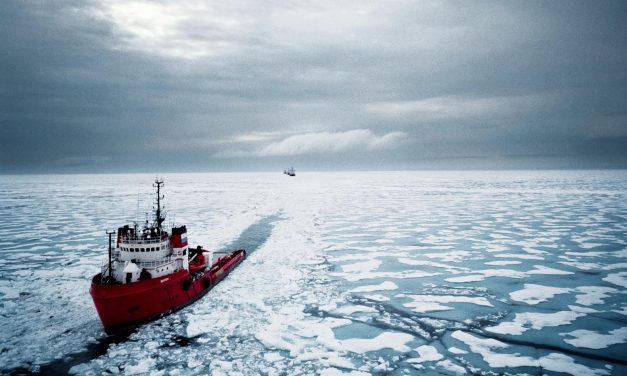
The Arctic; From Geographical Freezing to Geopolitical Boiling

Strategic Council Online – Opinion: The Arctic is no longer a frozen, remote periphery; it has become a live theater of great-power competition, where sea routes, port infrastructure, the law of the sea, and military deterrence are intertwined, shaping the future of maritime security.
The Zionist Regime’s Time Bomb Activated in the West Bank

Strategic Council Online – Opinion: In the midst of America’s military deployment to West Asia and the Persian Gulf, which has increased tensions at the regional and global levels, the Zionist regime has seized the opportunity and accelerated the advancement of its ambitious projects, including the process of the illegal annexation of the West Bank to the occupied territories.

With the End of New START, How Will the Future of Nuclear Security Be Shaped?

Strategic Council Online – Opinion: With the collapse of the last pillar of nuclear arms control between Washington and Moscow, the world stands on the threshold of a ruleless order that both carries the scent of unlimited competition and conceals within itself the possibility of new forms of bargaining.

Loading

Nozar Shafiei

Chabahar’s Strategic Position Amid Rising India-U.S. Tensions

Chabahar’s Strategic Position Amid Rising India-U.S. Tensions

Strategic Council Online- Interview: An analyst of subcontinent affairs stated: Chabahar has become the focal point of the intersection of India and America’s competition and cooperation; a place where diplomacy, economy, and geopolitics intertwine.

Prospect of a Multipolar Order and the Future of Beijing-Washington Confrontation

Prospect of a Multipolar Order and the Future of Beijing-Washington Confrontation

Strategic Council Online – Interview: A senior analyst on South Asian affairs stated that China’s grand military parade on September 3, 2025, was not merely a display of power; instead, it will mark the beginning of a new chapter in global geopolitical equations. The simultaneous presence of the leaders of China, Russia, and North Korea before the cameras, especially against the backdrop of Beijing’s “nuclear strategic triangle” unveiling, sent a clear message to Washington and its allies that the past unipolar order is collapsing and the world is moving toward multipolarity. China’s new land-based, sea-based, and air-launched missile systems have elevated its nuclear deterrent capability to an unprecedented level, and the sharp reactions from the United States—from Donald Trump’s sarcastic remarks to the Pentagon’s alert—indicate that Washington views these developments as a strategic threat. Many analysts believe that this event, beyond its military dimension, symbolizes the formation of new alliances among Eastern powers against the West. Simultaneously, the arms race and diplomatic pressures in the Asia-Pacific region have accelerated, and security equations in Taiwan and beyond have entered a new phase. It seems that the Beijing parade was not just a military ceremony but the beginning of an era in which the redefinition of power in the twenty-first century will accelerate.

Iran’s Role in the New World Order

Iran’s Role in the New World Order

Strategic Council Online – Interview: An international affairs analyst stated that the contemporary world is transitioning toward a multipolar order in which major powers such as the United States, China, and Russia are engaged in a complex competition to preserve or expand their global influence. In this context, Iran, as a key player in the region and the Islamic world with significant strategic capabilities—including membership in BRICS and the Shanghai Cooperation Organization (SCO)—can leverage these developments to strengthen its position.

An Analysis of the Resumption of Diplomatic Relations Between Pakistan and Afghanistan

An Analysis of the Resumption of Diplomatic Relations Between Pakistan and Afghanistan

Strategic Council Online– Interview: A senior analyst on South Asian affairs stated that after a period of escalating tensions, which led to the mass expulsion of Afghan refugees from Pakistan and a downgrade in diplomatic relations between Islamabad and Kabul, the two sides have strategically resumed relations at the ambassador level. This development, which followed high-level consultations and coincided with an informal trilateral meeting of the foreign ministers of Pakistan, Afghanistan, and China in Beijing, signals a shared willingness to rebuild trust and deepen security and economic cooperation. This diplomatic shift must be understood as the result of intersecting security, economic, and geopolitical factors.

A Look at the U.S. Approach to the India-Pakistan Crisis

A Look at the U.S. Approach to the India-Pakistan Crisis

Strategic Council Online – Opinion: The U.S. stance on the tensions between Islamabad and New Delhi was based on urging restraint from both sides, as the United States fears Pakistan may grow closer to China and act as a strategic pivot in anti-American equations.

Aims of Recent Qatar Meeting on Afghanistan

Aims of Recent Qatar Meeting on Afghanistan

Strategic Council Online – Interview: A researcher on subcontinental affairs says that the United Nations is looking for a mechanism with a so-called aim of “recognition of the Taliban” to prevent the movement from its extreme behavior. The international view is that by attracting the Taliban, more effective steps can be taken to achieve the target.

Consequences of Taliban banning Women’s Education

Consequences of Taliban banning Women’s Education

Strategic Council Online – Interview: An expert on Afghanistan affairs commenting on Taliban’s instruction on banning higher education for the girls, which should be condemned, and its consequences said: The previous constitution of Afghanistan, that is to say before the Taliban, which was a modern constitution, granted civil and many rights to Afghan citizens; including education, employment and even women’s political activities.

Strategic Opportunities for Iran’s Membership in Shanghai Cooperation Organization

Strategic Opportunities for Iran’s Membership in Shanghai Cooperation Organization

Strategic Council Online – Interview: A university professor saying that Iran could be the third most influential country in the Shanghai Cooperation Organization after China and Russia, said: Iran’s membership in that organization alone is not enough for the achievement of Tehran’s goals and some factors must be taken into account and at the same time movements should be put on the agenda.

Prospect of Peace Talks with the Taliban

Strategic Council Online: The biggest challenge facing Afghan peace talks in Moscow and Doha at present is that the Taliban believe the Afghan government is a puppet state and has no legitimacy.
Nozar Shafiei – Expert on Subcontinent Affairs

أحدث الوظائف

The Arctic; From Geographical Freezing to Geopolitical Boiling

Strategic Council Online – Opinion: The Arctic is no longer a frozen, remote periphery; it has become a live theater of great-power competition, where sea routes, port infrastructure, the law of the sea, and military deterrence are intertwined, shaping the future of maritime security.
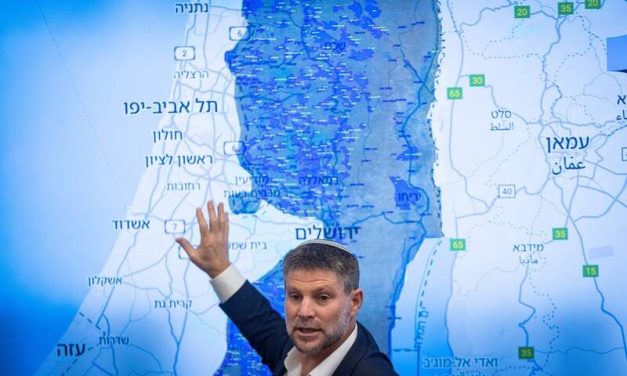
The Zionist Regime’s Time Bomb Activated in the West Bank

Strategic Council Online – Opinion: In the midst of America’s military deployment to West Asia and the Persian Gulf, which has increased tensions at the regional and global levels, the Zionist regime has seized the opportunity and accelerated the advancement of its ambitious projects, including the process of the illegal annexation of the West Bank to the occupied territories.

With the End of New START, How Will the Future of Nuclear Security Be Shaped?

Strategic Council Online – Opinion: With the collapse of the last pillar of nuclear arms control between Washington and Moscow, the world stands on the threshold of a ruleless order that both carries the scent of unlimited competition and conceals within itself the possibility of new forms of bargaining.

Loading

Nozar Shafiei

Chabahar’s Strategic Position Amid Rising India-U.S. Tensions

Chabahar’s Strategic Position Amid Rising India-U.S. Tensions

Strategic Council Online- Interview: An analyst of subcontinent affairs stated: Chabahar has become the focal point of the intersection of India and America’s competition and cooperation; a place where diplomacy, economy, and geopolitics intertwine.

Prospect of a Multipolar Order and the Future of Beijing-Washington Confrontation

Prospect of a Multipolar Order and the Future of Beijing-Washington Confrontation

Strategic Council Online – Interview: A senior analyst on South Asian affairs stated that China’s grand military parade on September 3, 2025, was not merely a display of power; instead, it will mark the beginning of a new chapter in global geopolitical equations. The simultaneous presence of the leaders of China, Russia, and North Korea before the cameras, especially against the backdrop of Beijing’s “nuclear strategic triangle” unveiling, sent a clear message to Washington and its allies that the past unipolar order is collapsing and the world is moving toward multipolarity. China’s new land-based, sea-based, and air-launched missile systems have elevated its nuclear deterrent capability to an unprecedented level, and the sharp reactions from the United States—from Donald Trump’s sarcastic remarks to the Pentagon’s alert—indicate that Washington views these developments as a strategic threat. Many analysts believe that this event, beyond its military dimension, symbolizes the formation of new alliances among Eastern powers against the West. Simultaneously, the arms race and diplomatic pressures in the Asia-Pacific region have accelerated, and security equations in Taiwan and beyond have entered a new phase. It seems that the Beijing parade was not just a military ceremony but the beginning of an era in which the redefinition of power in the twenty-first century will accelerate.

Iran’s Role in the New World Order

Iran’s Role in the New World Order

Strategic Council Online – Interview: An international affairs analyst stated that the contemporary world is transitioning toward a multipolar order in which major powers such as the United States, China, and Russia are engaged in a complex competition to preserve or expand their global influence. In this context, Iran, as a key player in the region and the Islamic world with significant strategic capabilities—including membership in BRICS and the Shanghai Cooperation Organization (SCO)—can leverage these developments to strengthen its position.

An Analysis of the Resumption of Diplomatic Relations Between Pakistan and Afghanistan

An Analysis of the Resumption of Diplomatic Relations Between Pakistan and Afghanistan

Strategic Council Online– Interview: A senior analyst on South Asian affairs stated that after a period of escalating tensions, which led to the mass expulsion of Afghan refugees from Pakistan and a downgrade in diplomatic relations between Islamabad and Kabul, the two sides have strategically resumed relations at the ambassador level. This development, which followed high-level consultations and coincided with an informal trilateral meeting of the foreign ministers of Pakistan, Afghanistan, and China in Beijing, signals a shared willingness to rebuild trust and deepen security and economic cooperation. This diplomatic shift must be understood as the result of intersecting security, economic, and geopolitical factors.

A Look at the U.S. Approach to the India-Pakistan Crisis

A Look at the U.S. Approach to the India-Pakistan Crisis

Strategic Council Online – Opinion: The U.S. stance on the tensions between Islamabad and New Delhi was based on urging restraint from both sides, as the United States fears Pakistan may grow closer to China and act as a strategic pivot in anti-American equations.

Aims of Recent Qatar Meeting on Afghanistan

Aims of Recent Qatar Meeting on Afghanistan

Strategic Council Online – Interview: A researcher on subcontinental affairs says that the United Nations is looking for a mechanism with a so-called aim of “recognition of the Taliban” to prevent the movement from its extreme behavior. The international view is that by attracting the Taliban, more effective steps can be taken to achieve the target.

Consequences of Taliban banning Women’s Education

Consequences of Taliban banning Women’s Education

Strategic Council Online – Interview: An expert on Afghanistan affairs commenting on Taliban’s instruction on banning higher education for the girls, which should be condemned, and its consequences said: The previous constitution of Afghanistan, that is to say before the Taliban, which was a modern constitution, granted civil and many rights to Afghan citizens; including education, employment and even women’s political activities.

Strategic Opportunities for Iran’s Membership in Shanghai Cooperation Organization

Strategic Opportunities for Iran’s Membership in Shanghai Cooperation Organization

Strategic Council Online – Interview: A university professor saying that Iran could be the third most influential country in the Shanghai Cooperation Organization after China and Russia, said: Iran’s membership in that organization alone is not enough for the achievement of Tehran’s goals and some factors must be taken into account and at the same time movements should be put on the agenda.

Prospect of Peace Talks with the Taliban

Strategic Council Online: The biggest challenge facing Afghan peace talks in Moscow and Doha at present is that the Taliban believe the Afghan government is a puppet state and has no legitimacy.
Nozar Shafiei – Expert on Subcontinent Affairs

Nozar Shafiei

Chabahar’s Strategic Position Amid Rising India-U.S. Tensions

Chabahar’s Strategic Position Amid Rising India-U.S. Tensions

Strategic Council Online- Interview: An analyst of subcontinent affairs stated: Chabahar has become the focal point of the intersection of India and America’s competition and cooperation; a place where diplomacy, economy, and geopolitics intertwine.

Prospect of a Multipolar Order and the Future of Beijing-Washington Confrontation

Prospect of a Multipolar Order and the Future of Beijing-Washington Confrontation

Strategic Council Online – Interview: A senior analyst on South Asian affairs stated that China’s grand military parade on September 3, 2025, was not merely a display of power; instead, it will mark the beginning of a new chapter in global geopolitical equations. The simultaneous presence of the leaders of China, Russia, and North Korea before the cameras, especially against the backdrop of Beijing’s “nuclear strategic triangle” unveiling, sent a clear message to Washington and its allies that the past unipolar order is collapsing and the world is moving toward multipolarity. China’s new land-based, sea-based, and air-launched missile systems have elevated its nuclear deterrent capability to an unprecedented level, and the sharp reactions from the United States—from Donald Trump’s sarcastic remarks to the Pentagon’s alert—indicate that Washington views these developments as a strategic threat. Many analysts believe that this event, beyond its military dimension, symbolizes the formation of new alliances among Eastern powers against the West. Simultaneously, the arms race and diplomatic pressures in the Asia-Pacific region have accelerated, and security equations in Taiwan and beyond have entered a new phase. It seems that the Beijing parade was not just a military ceremony but the beginning of an era in which the redefinition of power in the twenty-first century will accelerate.

Iran’s Role in the New World Order

Iran’s Role in the New World Order

Strategic Council Online – Interview: An international affairs analyst stated that the contemporary world is transitioning toward a multipolar order in which major powers such as the United States, China, and Russia are engaged in a complex competition to preserve or expand their global influence. In this context, Iran, as a key player in the region and the Islamic world with significant strategic capabilities—including membership in BRICS and the Shanghai Cooperation Organization (SCO)—can leverage these developments to strengthen its position.

An Analysis of the Resumption of Diplomatic Relations Between Pakistan and Afghanistan

An Analysis of the Resumption of Diplomatic Relations Between Pakistan and Afghanistan

Strategic Council Online– Interview: A senior analyst on South Asian affairs stated that after a period of escalating tensions, which led to the mass expulsion of Afghan refugees from Pakistan and a downgrade in diplomatic relations between Islamabad and Kabul, the two sides have strategically resumed relations at the ambassador level. This development, which followed high-level consultations and coincided with an informal trilateral meeting of the foreign ministers of Pakistan, Afghanistan, and China in Beijing, signals a shared willingness to rebuild trust and deepen security and economic cooperation. This diplomatic shift must be understood as the result of intersecting security, economic, and geopolitical factors.

A Look at the U.S. Approach to the India-Pakistan Crisis

A Look at the U.S. Approach to the India-Pakistan Crisis

Strategic Council Online – Opinion: The U.S. stance on the tensions between Islamabad and New Delhi was based on urging restraint from both sides, as the United States fears Pakistan may grow closer to China and act as a strategic pivot in anti-American equations.

Aims of Recent Qatar Meeting on Afghanistan

Aims of Recent Qatar Meeting on Afghanistan

Strategic Council Online – Interview: A researcher on subcontinental affairs says that the United Nations is looking for a mechanism with a so-called aim of “recognition of the Taliban” to prevent the movement from its extreme behavior. The international view is that by attracting the Taliban, more effective steps can be taken to achieve the target.

Consequences of Taliban banning Women’s Education

Consequences of Taliban banning Women’s Education

Strategic Council Online – Interview: An expert on Afghanistan affairs commenting on Taliban’s instruction on banning higher education for the girls, which should be condemned, and its consequences said: The previous constitution of Afghanistan, that is to say before the Taliban, which was a modern constitution, granted civil and many rights to Afghan citizens; including education, employment and even women’s political activities.

Strategic Opportunities for Iran’s Membership in Shanghai Cooperation Organization

Strategic Opportunities for Iran’s Membership in Shanghai Cooperation Organization

Strategic Council Online – Interview: A university professor saying that Iran could be the third most influential country in the Shanghai Cooperation Organization after China and Russia, said: Iran’s membership in that organization alone is not enough for the achievement of Tehran’s goals and some factors must be taken into account and at the same time movements should be put on the agenda.

Prospect of Peace Talks with the Taliban

Strategic Council Online: The biggest challenge facing Afghan peace talks in Moscow and Doha at present is that the Taliban believe the Afghan government is a puppet state and has no legitimacy.
Nozar Shafiei – Expert on Subcontinent Affairs

LATEST CONTENT

The Arctic; From Geographical Freezing to Geopolitical Boiling

Strategic Council Online – Opinion: The Arctic is no longer a frozen, remote periphery; it has become a live theater of great-power competition, where sea routes, port infrastructure, the law of the sea, and military deterrence are intertwined, shaping the future of maritime security.
The Zionist Regime’s Time Bomb Activated in the West Bank

Strategic Council Online – Opinion: In the midst of America’s military deployment to West Asia and the Persian Gulf, which has increased tensions at the regional and global levels, the Zionist regime has seized the opportunity and accelerated the advancement of its ambitious projects, including the process of the illegal annexation of the West Bank to the occupied territories.

With the End of New START, How Will the Future of Nuclear Security Be Shaped?

Strategic Council Online – Opinion: With the collapse of the last pillar of nuclear arms control between Washington and Moscow, the world stands on the threshold of a ruleless order that both carries the scent of unlimited competition and conceals within itself the possibility of new forms of bargaining.

Loading

Nozar Shafiei

Chabahar’s Strategic Position Amid Rising India-U.S. Tensions

Chabahar’s Strategic Position Amid Rising India-U.S. Tensions

Strategic Council Online- Interview: An analyst of subcontinent affairs stated: Chabahar has become the focal point of the intersection of India and America’s competition and cooperation; a place where diplomacy, economy, and geopolitics intertwine.

Prospect of a Multipolar Order and the Future of Beijing-Washington Confrontation

Prospect of a Multipolar Order and the Future of Beijing-Washington Confrontation

Strategic Council Online – Interview: A senior analyst on South Asian affairs stated that China’s grand military parade on September 3, 2025, was not merely a display of power; instead, it will mark the beginning of a new chapter in global geopolitical equations. The simultaneous presence of the leaders of China, Russia, and North Korea before the cameras, especially against the backdrop of Beijing’s “nuclear strategic triangle” unveiling, sent a clear message to Washington and its allies that the past unipolar order is collapsing and the world is moving toward multipolarity. China’s new land-based, sea-based, and air-launched missile systems have elevated its nuclear deterrent capability to an unprecedented level, and the sharp reactions from the United States—from Donald Trump’s sarcastic remarks to the Pentagon’s alert—indicate that Washington views these developments as a strategic threat. Many analysts believe that this event, beyond its military dimension, symbolizes the formation of new alliances among Eastern powers against the West. Simultaneously, the arms race and diplomatic pressures in the Asia-Pacific region have accelerated, and security equations in Taiwan and beyond have entered a new phase. It seems that the Beijing parade was not just a military ceremony but the beginning of an era in which the redefinition of power in the twenty-first century will accelerate.

Iran’s Role in the New World Order

Iran’s Role in the New World Order

Strategic Council Online – Interview: An international affairs analyst stated that the contemporary world is transitioning toward a multipolar order in which major powers such as the United States, China, and Russia are engaged in a complex competition to preserve or expand their global influence. In this context, Iran, as a key player in the region and the Islamic world with significant strategic capabilities—including membership in BRICS and the Shanghai Cooperation Organization (SCO)—can leverage these developments to strengthen its position.

An Analysis of the Resumption of Diplomatic Relations Between Pakistan and Afghanistan

An Analysis of the Resumption of Diplomatic Relations Between Pakistan and Afghanistan

Strategic Council Online– Interview: A senior analyst on South Asian affairs stated that after a period of escalating tensions, which led to the mass expulsion of Afghan refugees from Pakistan and a downgrade in diplomatic relations between Islamabad and Kabul, the two sides have strategically resumed relations at the ambassador level. This development, which followed high-level consultations and coincided with an informal trilateral meeting of the foreign ministers of Pakistan, Afghanistan, and China in Beijing, signals a shared willingness to rebuild trust and deepen security and economic cooperation. This diplomatic shift must be understood as the result of intersecting security, economic, and geopolitical factors.

A Look at the U.S. Approach to the India-Pakistan Crisis

A Look at the U.S. Approach to the India-Pakistan Crisis

Strategic Council Online – Opinion: The U.S. stance on the tensions between Islamabad and New Delhi was based on urging restraint from both sides, as the United States fears Pakistan may grow closer to China and act as a strategic pivot in anti-American equations.

Aims of Recent Qatar Meeting on Afghanistan

Aims of Recent Qatar Meeting on Afghanistan

Strategic Council Online – Interview: A researcher on subcontinental affairs says that the United Nations is looking for a mechanism with a so-called aim of “recognition of the Taliban” to prevent the movement from its extreme behavior. The international view is that by attracting the Taliban, more effective steps can be taken to achieve the target.

Consequences of Taliban banning Women’s Education

Consequences of Taliban banning Women’s Education

Strategic Council Online – Interview: An expert on Afghanistan affairs commenting on Taliban’s instruction on banning higher education for the girls, which should be condemned, and its consequences said: The previous constitution of Afghanistan, that is to say before the Taliban, which was a modern constitution, granted civil and many rights to Afghan citizens; including education, employment and even women’s political activities.

Strategic Opportunities for Iran’s Membership in Shanghai Cooperation Organization

Strategic Opportunities for Iran’s Membership in Shanghai Cooperation Organization

Strategic Council Online – Interview: A university professor saying that Iran could be the third most influential country in the Shanghai Cooperation Organization after China and Russia, said: Iran’s membership in that organization alone is not enough for the achievement of Tehran’s goals and some factors must be taken into account and at the same time movements should be put on the agenda.

Prospect of Peace Talks with the Taliban

Strategic Council Online: The biggest challenge facing Afghan peace talks in Moscow and Doha at present is that the Taliban believe the Afghan government is a puppet state and has no legitimacy.
Nozar Shafiei – Expert on Subcontinent Affairs

ÚLTIMAS PUBLICACIONES

The Arctic; From Geographical Freezing to Geopolitical Boiling

Strategic Council Online – Opinion: The Arctic is no longer a frozen, remote periphery; it has become a live theater of great-power competition, where sea routes, port infrastructure, the law of the sea, and military deterrence are intertwined, shaping the future of maritime security.
The Zionist Regime’s Time Bomb Activated in the West Bank

Strategic Council Online – Opinion: In the midst of America’s military deployment to West Asia and the Persian Gulf, which has increased tensions at the regional and global levels, the Zionist regime has seized the opportunity and accelerated the advancement of its ambitious projects, including the process of the illegal annexation of the West Bank to the occupied territories.

With the End of New START, How Will the Future of Nuclear Security Be Shaped?

Strategic Council Online – Opinion: With the collapse of the last pillar of nuclear arms control between Washington and Moscow, the world stands on the threshold of a ruleless order that both carries the scent of unlimited competition and conceals within itself the possibility of new forms of bargaining.

Loading

Nozar Shafiei

Chabahar’s Strategic Position Amid Rising India-U.S. Tensions

Chabahar’s Strategic Position Amid Rising India-U.S. Tensions

Strategic Council Online- Interview: An analyst of subcontinent affairs stated: Chabahar has become the focal point of the intersection of India and America’s competition and cooperation; a place where diplomacy, economy, and geopolitics intertwine.

Prospect of a Multipolar Order and the Future of Beijing-Washington Confrontation

Prospect of a Multipolar Order and the Future of Beijing-Washington Confrontation

Strategic Council Online – Interview: A senior analyst on South Asian affairs stated that China’s grand military parade on September 3, 2025, was not merely a display of power; instead, it will mark the beginning of a new chapter in global geopolitical equations. The simultaneous presence of the leaders of China, Russia, and North Korea before the cameras, especially against the backdrop of Beijing’s “nuclear strategic triangle” unveiling, sent a clear message to Washington and its allies that the past unipolar order is collapsing and the world is moving toward multipolarity. China’s new land-based, sea-based, and air-launched missile systems have elevated its nuclear deterrent capability to an unprecedented level, and the sharp reactions from the United States—from Donald Trump’s sarcastic remarks to the Pentagon’s alert—indicate that Washington views these developments as a strategic threat. Many analysts believe that this event, beyond its military dimension, symbolizes the formation of new alliances among Eastern powers against the West. Simultaneously, the arms race and diplomatic pressures in the Asia-Pacific region have accelerated, and security equations in Taiwan and beyond have entered a new phase. It seems that the Beijing parade was not just a military ceremony but the beginning of an era in which the redefinition of power in the twenty-first century will accelerate.

Iran’s Role in the New World Order

Iran’s Role in the New World Order

Strategic Council Online – Interview: An international affairs analyst stated that the contemporary world is transitioning toward a multipolar order in which major powers such as the United States, China, and Russia are engaged in a complex competition to preserve or expand their global influence. In this context, Iran, as a key player in the region and the Islamic world with significant strategic capabilities—including membership in BRICS and the Shanghai Cooperation Organization (SCO)—can leverage these developments to strengthen its position.

An Analysis of the Resumption of Diplomatic Relations Between Pakistan and Afghanistan

An Analysis of the Resumption of Diplomatic Relations Between Pakistan and Afghanistan

Strategic Council Online– Interview: A senior analyst on South Asian affairs stated that after a period of escalating tensions, which led to the mass expulsion of Afghan refugees from Pakistan and a downgrade in diplomatic relations between Islamabad and Kabul, the two sides have strategically resumed relations at the ambassador level. This development, which followed high-level consultations and coincided with an informal trilateral meeting of the foreign ministers of Pakistan, Afghanistan, and China in Beijing, signals a shared willingness to rebuild trust and deepen security and economic cooperation. This diplomatic shift must be understood as the result of intersecting security, economic, and geopolitical factors.

A Look at the U.S. Approach to the India-Pakistan Crisis

A Look at the U.S. Approach to the India-Pakistan Crisis

Strategic Council Online – Opinion: The U.S. stance on the tensions between Islamabad and New Delhi was based on urging restraint from both sides, as the United States fears Pakistan may grow closer to China and act as a strategic pivot in anti-American equations.

Aims of Recent Qatar Meeting on Afghanistan

Aims of Recent Qatar Meeting on Afghanistan

Strategic Council Online – Interview: A researcher on subcontinental affairs says that the United Nations is looking for a mechanism with a so-called aim of “recognition of the Taliban” to prevent the movement from its extreme behavior. The international view is that by attracting the Taliban, more effective steps can be taken to achieve the target.

Consequences of Taliban banning Women’s Education

Consequences of Taliban banning Women’s Education

Strategic Council Online – Interview: An expert on Afghanistan affairs commenting on Taliban’s instruction on banning higher education for the girls, which should be condemned, and its consequences said: The previous constitution of Afghanistan, that is to say before the Taliban, which was a modern constitution, granted civil and many rights to Afghan citizens; including education, employment and even women’s political activities.

Strategic Opportunities for Iran’s Membership in Shanghai Cooperation Organization

Strategic Opportunities for Iran’s Membership in Shanghai Cooperation Organization

Strategic Council Online – Interview: A university professor saying that Iran could be the third most influential country in the Shanghai Cooperation Organization after China and Russia, said: Iran’s membership in that organization alone is not enough for the achievement of Tehran’s goals and some factors must be taken into account and at the same time movements should be put on the agenda.

Prospect of Peace Talks with the Taliban

Strategic Council Online: The biggest challenge facing Afghan peace talks in Moscow and Doha at present is that the Taliban believe the Afghan government is a puppet state and has no legitimacy.
Nozar Shafiei – Expert on Subcontinent Affairs

ÚLTIMAS PUBLICACIONES

The Arctic; From Geographical Freezing to Geopolitical Boiling

Strategic Council Online – Opinion: The Arctic is no longer a frozen, remote periphery; it has become a live theater of great-power competition, where sea routes, port infrastructure, the law of the sea, and military deterrence are intertwined, shaping the future of maritime security.

The Zionist Regime’s Time Bomb Activated in the West Bank

Strategic Council Online – Opinion: In the midst of America’s military deployment to West Asia and the Persian Gulf, which has increased tensions at the regional and global levels, the Zionist regime has seized the opportunity and accelerated the advancement of its ambitious projects, including the process of the illegal annexation of the West Bank to the occupied territories.

With the End of New START, How Will the Future of Nuclear Security Be Shaped?

Strategic Council Online – Opinion: With the collapse of the last pillar of nuclear arms control between Washington and Moscow, the world stands on the threshold of a ruleless order that both carries the scent of unlimited competition and conceals within itself the possibility of new forms of bargaining.

Loading

Nozar Shafiei

Chabahar’s Strategic Position Amid Rising India-U.S. Tensions

Chabahar’s Strategic Position Amid Rising India-U.S. Tensions

Strategic Council Online- Interview: An analyst of subcontinent affairs stated: Chabahar has become the focal point of the intersection of India and America’s competition and cooperation; a place where diplomacy, economy, and geopolitics intertwine.

Prospect of a Multipolar Order and the Future of Beijing-Washington Confrontation

Prospect of a Multipolar Order and the Future of Beijing-Washington Confrontation

Strategic Council Online – Interview: A senior analyst on South Asian affairs stated that China’s grand military parade on September 3, 2025, was not merely a display of power; instead, it will mark the beginning of a new chapter in global geopolitical equations. The simultaneous presence of the leaders of China, Russia, and North Korea before the cameras, especially against the backdrop of Beijing’s “nuclear strategic triangle” unveiling, sent a clear message to Washington and its allies that the past unipolar order is collapsing and the world is moving toward multipolarity. China’s new land-based, sea-based, and air-launched missile systems have elevated its nuclear deterrent capability to an unprecedented level, and the sharp reactions from the United States—from Donald Trump’s sarcastic remarks to the Pentagon’s alert—indicate that Washington views these developments as a strategic threat. Many analysts believe that this event, beyond its military dimension, symbolizes the formation of new alliances among Eastern powers against the West. Simultaneously, the arms race and diplomatic pressures in the Asia-Pacific region have accelerated, and security equations in Taiwan and beyond have entered a new phase. It seems that the Beijing parade was not just a military ceremony but the beginning of an era in which the redefinition of power in the twenty-first century will accelerate.

Iran’s Role in the New World Order

Iran’s Role in the New World Order

Strategic Council Online – Interview: An international affairs analyst stated that the contemporary world is transitioning toward a multipolar order in which major powers such as the United States, China, and Russia are engaged in a complex competition to preserve or expand their global influence. In this context, Iran, as a key player in the region and the Islamic world with significant strategic capabilities—including membership in BRICS and the Shanghai Cooperation Organization (SCO)—can leverage these developments to strengthen its position.

An Analysis of the Resumption of Diplomatic Relations Between Pakistan and Afghanistan

An Analysis of the Resumption of Diplomatic Relations Between Pakistan and Afghanistan

Strategic Council Online– Interview: A senior analyst on South Asian affairs stated that after a period of escalating tensions, which led to the mass expulsion of Afghan refugees from Pakistan and a downgrade in diplomatic relations between Islamabad and Kabul, the two sides have strategically resumed relations at the ambassador level. This development, which followed high-level consultations and coincided with an informal trilateral meeting of the foreign ministers of Pakistan, Afghanistan, and China in Beijing, signals a shared willingness to rebuild trust and deepen security and economic cooperation. This diplomatic shift must be understood as the result of intersecting security, economic, and geopolitical factors.

A Look at the U.S. Approach to the India-Pakistan Crisis

A Look at the U.S. Approach to the India-Pakistan Crisis

Strategic Council Online – Opinion: The U.S. stance on the tensions between Islamabad and New Delhi was based on urging restraint from both sides, as the United States fears Pakistan may grow closer to China and act as a strategic pivot in anti-American equations.

Aims of Recent Qatar Meeting on Afghanistan

Aims of Recent Qatar Meeting on Afghanistan

Strategic Council Online – Interview: A researcher on subcontinental affairs says that the United Nations is looking for a mechanism with a so-called aim of “recognition of the Taliban” to prevent the movement from its extreme behavior. The international view is that by attracting the Taliban, more effective steps can be taken to achieve the target.

Consequences of Taliban banning Women’s Education

Consequences of Taliban banning Women’s Education

Strategic Council Online – Interview: An expert on Afghanistan affairs commenting on Taliban’s instruction on banning higher education for the girls, which should be condemned, and its consequences said: The previous constitution of Afghanistan, that is to say before the Taliban, which was a modern constitution, granted civil and many rights to Afghan citizens; including education, employment and even women’s political activities.

Strategic Opportunities for Iran’s Membership in Shanghai Cooperation Organization

Strategic Opportunities for Iran’s Membership in Shanghai Cooperation Organization

Strategic Council Online – Interview: A university professor saying that Iran could be the third most influential country in the Shanghai Cooperation Organization after China and Russia, said: Iran’s membership in that organization alone is not enough for the achievement of Tehran’s goals and some factors must be taken into account and at the same time movements should be put on the agenda.

Prospect of Peace Talks with the Taliban

Strategic Council Online: The biggest challenge facing Afghan peace talks in Moscow and Doha at present is that the Taliban believe the Afghan government is a puppet state and has no legitimacy.
Nozar Shafiei – Expert on Subcontinent Affairs

ÚLTIMAS PUBLICACIONES

The Arctic; From Geographical Freezing to Geopolitical Boiling

Strategic Council Online – Opinion: The Arctic is no longer a frozen, remote periphery; it has become a live theater of great-power competition, where sea routes, port infrastructure, the law of the sea, and military deterrence are intertwined, shaping the future of maritime security.
The Zionist Regime’s Time Bomb Activated in the West Bank

Strategic Council Online – Opinion: In the midst of America’s military deployment to West Asia and the Persian Gulf, which has increased tensions at the regional and global levels, the Zionist regime has seized the opportunity and accelerated the advancement of its ambitious projects, including the process of the illegal annexation of the West Bank to the occupied territories.

With the End of New START, How Will the Future of Nuclear Security Be Shaped?

Strategic Council Online – Opinion: With the collapse of the last pillar of nuclear arms control between Washington and Moscow, the world stands on the threshold of a ruleless order that both carries the scent of unlimited competition and conceals within itself the possibility of new forms of bargaining.

Loading

Nozar Shafiei

Chabahar’s Strategic Position Amid Rising India-U.S. Tensions

Chabahar’s Strategic Position Amid Rising India-U.S. Tensions

Strategic Council Online- Interview: An analyst of subcontinent affairs stated: Chabahar has become the focal point of the intersection of India and America’s competition and cooperation; a place where diplomacy, economy, and geopolitics intertwine.

Prospect of a Multipolar Order and the Future of Beijing-Washington Confrontation

Prospect of a Multipolar Order and the Future of Beijing-Washington Confrontation

Strategic Council Online – Interview: A senior analyst on South Asian affairs stated that China’s grand military parade on September 3, 2025, was not merely a display of power; instead, it will mark the beginning of a new chapter in global geopolitical equations. The simultaneous presence of the leaders of China, Russia, and North Korea before the cameras, especially against the backdrop of Beijing’s “nuclear strategic triangle” unveiling, sent a clear message to Washington and its allies that the past unipolar order is collapsing and the world is moving toward multipolarity. China’s new land-based, sea-based, and air-launched missile systems have elevated its nuclear deterrent capability to an unprecedented level, and the sharp reactions from the United States—from Donald Trump’s sarcastic remarks to the Pentagon’s alert—indicate that Washington views these developments as a strategic threat. Many analysts believe that this event, beyond its military dimension, symbolizes the formation of new alliances among Eastern powers against the West. Simultaneously, the arms race and diplomatic pressures in the Asia-Pacific region have accelerated, and security equations in Taiwan and beyond have entered a new phase. It seems that the Beijing parade was not just a military ceremony but the beginning of an era in which the redefinition of power in the twenty-first century will accelerate.

Iran’s Role in the New World Order

Iran’s Role in the New World Order

Strategic Council Online – Interview: An international affairs analyst stated that the contemporary world is transitioning toward a multipolar order in which major powers such as the United States, China, and Russia are engaged in a complex competition to preserve or expand their global influence. In this context, Iran, as a key player in the region and the Islamic world with significant strategic capabilities—including membership in BRICS and the Shanghai Cooperation Organization (SCO)—can leverage these developments to strengthen its position.

An Analysis of the Resumption of Diplomatic Relations Between Pakistan and Afghanistan

An Analysis of the Resumption of Diplomatic Relations Between Pakistan and Afghanistan

Strategic Council Online– Interview: A senior analyst on South Asian affairs stated that after a period of escalating tensions, which led to the mass expulsion of Afghan refugees from Pakistan and a downgrade in diplomatic relations between Islamabad and Kabul, the two sides have strategically resumed relations at the ambassador level. This development, which followed high-level consultations and coincided with an informal trilateral meeting of the foreign ministers of Pakistan, Afghanistan, and China in Beijing, signals a shared willingness to rebuild trust and deepen security and economic cooperation. This diplomatic shift must be understood as the result of intersecting security, economic, and geopolitical factors.

A Look at the U.S. Approach to the India-Pakistan Crisis

A Look at the U.S. Approach to the India-Pakistan Crisis

Strategic Council Online – Opinion: The U.S. stance on the tensions between Islamabad and New Delhi was based on urging restraint from both sides, as the United States fears Pakistan may grow closer to China and act as a strategic pivot in anti-American equations.

Aims of Recent Qatar Meeting on Afghanistan

Aims of Recent Qatar Meeting on Afghanistan

Strategic Council Online – Interview: A researcher on subcontinental affairs says that the United Nations is looking for a mechanism with a so-called aim of “recognition of the Taliban” to prevent the movement from its extreme behavior. The international view is that by attracting the Taliban, more effective steps can be taken to achieve the target.

Consequences of Taliban banning Women’s Education

Consequences of Taliban banning Women’s Education

Strategic Council Online – Interview: An expert on Afghanistan affairs commenting on Taliban’s instruction on banning higher education for the girls, which should be condemned, and its consequences said: The previous constitution of Afghanistan, that is to say before the Taliban, which was a modern constitution, granted civil and many rights to Afghan citizens; including education, employment and even women’s political activities.

Strategic Opportunities for Iran’s Membership in Shanghai Cooperation Organization

Strategic Opportunities for Iran’s Membership in Shanghai Cooperation Organization

Strategic Council Online – Interview: A university professor saying that Iran could be the third most influential country in the Shanghai Cooperation Organization after China and Russia, said: Iran’s membership in that organization alone is not enough for the achievement of Tehran’s goals and some factors must be taken into account and at the same time movements should be put on the agenda.

Prospect of Peace Talks with the Taliban

Strategic Council Online: The biggest challenge facing Afghan peace talks in Moscow and Doha at present is that the Taliban believe the Afghan government is a puppet state and has no legitimacy.
Nozar Shafiei – Expert on Subcontinent Affairs

ÚLTIMAS PUBLICACIONES

The Arctic; From Geographical Freezing to Geopolitical Boiling

Strategic Council Online – Opinion: The Arctic is no longer a frozen, remote periphery; it has become a live theater of great-power competition, where sea routes, port infrastructure, the law of the sea, and military deterrence are intertwined, shaping the future of maritime security.

The Zionist Regime’s Time Bomb Activated in the West Bank

Strategic Council Online – Opinion: In the midst of America’s military deployment to West Asia and the Persian Gulf, which has increased tensions at the regional and global levels, the Zionist regime has seized the opportunity and accelerated the advancement of its ambitious projects, including the process of the illegal annexation of the West Bank to the occupied territories.

With the End of New START, How Will the Future of Nuclear Security Be Shaped?

Strategic Council Online – Opinion: With the collapse of the last pillar of nuclear arms control between Washington and Moscow, the world stands on the threshold of a ruleless order that both carries the scent of unlimited competition and conceals within itself the possibility of new forms of bargaining.

Loading