
جدیدترین مطالب

The Arctic; From Geographical Freezing to Geopolitical Boiling

Strategic Council Online – Opinion: The Arctic is no longer a frozen, remote periphery; it has become a live theater of great-power competition, where sea routes, port infrastructure, the law of the sea, and military deterrence are intertwined, shaping the future of maritime security.


The Zionist Regime’s Time Bomb Activated in the West Bank

Strategic Council Online – Opinion: In the midst of America’s military deployment to West Asia and the Persian Gulf, which has increased tensions at the regional and global levels, the Zionist regime has seized the opportunity and accelerated the advancement of its ambitious projects, including the process of the illegal annexation of the West Bank to the occupied territories.

With the End of New START, How Will the Future of Nuclear Security Be Shaped?

Strategic Council Online – Opinion: With the collapse of the last pillar of nuclear arms control between Washington and Moscow, the world stands on the threshold of a ruleless order that both carries the scent of unlimited competition and conceals within itself the possibility of new forms of bargaining.

Loading

Israeli Regime’s Military Attack on Qatar

Objectives and Consequences of the Israeli Regime’s Military Attack on Qatar

Objectives and Consequences of the Israeli Regime’s Military Attack on Qatar

Strategic Council Online – Interview: A West Asia affairs expert stated that the Zionist regime’s airstrike on Doha, the capital of Qatar, aimed at assassinating senior Hamas leaders, once again revealed Tel Aviv’s brazen disregard for international law and the national sovereignty of countries. Benjamin Netanyahu, the Prime Minister of this regime, justified the operation by claiming to “eliminate an existential threat” and asserted that “Hamas leaders were targeted.” However, incoming reports indicate that this attack has failed. This aggression, carried out with the knowledge and consent of American officials, sparked a wave of anger and condemnation across the Arab and Islamic world. From the Arab League to Saudi Arabia, the UAE, Egypt, Iraq, Jordan, Kuwait, Lebanon, and even the Palestinian Authority, they deemed this action a clear violation of international law and a serious threat to regional security. Saudi Arabia warned that the continuation of such behavior could endanger the stability of West Asia, while the UAE described the security of Arab countries as “integral and indivisible.” However, regional observers believe that this wave of condemnations will likely remain at the level of diplomatic statements, with no serious practical action taken by Arab countries—a pattern previously observed in response to the Israeli regime’s repeated attacks on Gaza. Meanwhile, Tel Aviv, relying on American support and the inaction of regional countries, is attempting to manage its internal crisis and advance the “Greater Israel” project by creating successive crises; a project whose explosions are now heard as far as the heart of the Persian Gulf.

أحدث الوظائف

The Arctic; From Geographical Freezing to Geopolitical Boiling

Strategic Council Online – Opinion: The Arctic is no longer a frozen, remote periphery; it has become a live theater of great-power competition, where sea routes, port infrastructure, the law of the sea, and military deterrence are intertwined, shaping the future of maritime security.
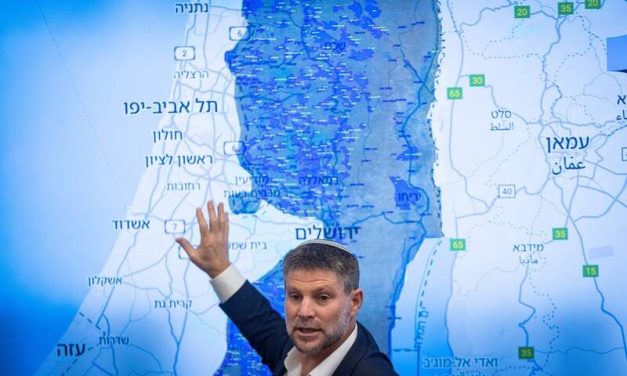
The Zionist Regime’s Time Bomb Activated in the West Bank

Strategic Council Online – Opinion: In the midst of America’s military deployment to West Asia and the Persian Gulf, which has increased tensions at the regional and global levels, the Zionist regime has seized the opportunity and accelerated the advancement of its ambitious projects, including the process of the illegal annexation of the West Bank to the occupied territories.

With the End of New START, How Will the Future of Nuclear Security Be Shaped?

Strategic Council Online – Opinion: With the collapse of the last pillar of nuclear arms control between Washington and Moscow, the world stands on the threshold of a ruleless order that both carries the scent of unlimited competition and conceals within itself the possibility of new forms of bargaining.

Loading

Israeli Regime’s Military Attack on Qatar

Objectives and Consequences of the Israeli Regime’s Military Attack on Qatar

Objectives and Consequences of the Israeli Regime’s Military Attack on Qatar

Strategic Council Online – Interview: A West Asia affairs expert stated that the Zionist regime’s airstrike on Doha, the capital of Qatar, aimed at assassinating senior Hamas leaders, once again revealed Tel Aviv’s brazen disregard for international law and the national sovereignty of countries. Benjamin Netanyahu, the Prime Minister of this regime, justified the operation by claiming to “eliminate an existential threat” and asserted that “Hamas leaders were targeted.” However, incoming reports indicate that this attack has failed. This aggression, carried out with the knowledge and consent of American officials, sparked a wave of anger and condemnation across the Arab and Islamic world. From the Arab League to Saudi Arabia, the UAE, Egypt, Iraq, Jordan, Kuwait, Lebanon, and even the Palestinian Authority, they deemed this action a clear violation of international law and a serious threat to regional security. Saudi Arabia warned that the continuation of such behavior could endanger the stability of West Asia, while the UAE described the security of Arab countries as “integral and indivisible.” However, regional observers believe that this wave of condemnations will likely remain at the level of diplomatic statements, with no serious practical action taken by Arab countries—a pattern previously observed in response to the Israeli regime’s repeated attacks on Gaza. Meanwhile, Tel Aviv, relying on American support and the inaction of regional countries, is attempting to manage its internal crisis and advance the “Greater Israel” project by creating successive crises; a project whose explosions are now heard as far as the heart of the Persian Gulf.

Israeli Regime’s Military Attack on Qatar

Objectives and Consequences of the Israeli Regime’s Military Attack on Qatar

Objectives and Consequences of the Israeli Regime’s Military Attack on Qatar

Strategic Council Online – Interview: A West Asia affairs expert stated that the Zionist regime’s airstrike on Doha, the capital of Qatar, aimed at assassinating senior Hamas leaders, once again revealed Tel Aviv’s brazen disregard for international law and the national sovereignty of countries. Benjamin Netanyahu, the Prime Minister of this regime, justified the operation by claiming to “eliminate an existential threat” and asserted that “Hamas leaders were targeted.” However, incoming reports indicate that this attack has failed. This aggression, carried out with the knowledge and consent of American officials, sparked a wave of anger and condemnation across the Arab and Islamic world. From the Arab League to Saudi Arabia, the UAE, Egypt, Iraq, Jordan, Kuwait, Lebanon, and even the Palestinian Authority, they deemed this action a clear violation of international law and a serious threat to regional security. Saudi Arabia warned that the continuation of such behavior could endanger the stability of West Asia, while the UAE described the security of Arab countries as “integral and indivisible.” However, regional observers believe that this wave of condemnations will likely remain at the level of diplomatic statements, with no serious practical action taken by Arab countries—a pattern previously observed in response to the Israeli regime’s repeated attacks on Gaza. Meanwhile, Tel Aviv, relying on American support and the inaction of regional countries, is attempting to manage its internal crisis and advance the “Greater Israel” project by creating successive crises; a project whose explosions are now heard as far as the heart of the Persian Gulf.

LATEST CONTENT

The Arctic; From Geographical Freezing to Geopolitical Boiling

Strategic Council Online – Opinion: The Arctic is no longer a frozen, remote periphery; it has become a live theater of great-power competition, where sea routes, port infrastructure, the law of the sea, and military deterrence are intertwined, shaping the future of maritime security.

The Zionist Regime’s Time Bomb Activated in the West Bank

Strategic Council Online – Opinion: In the midst of America’s military deployment to West Asia and the Persian Gulf, which has increased tensions at the regional and global levels, the Zionist regime has seized the opportunity and accelerated the advancement of its ambitious projects, including the process of the illegal annexation of the West Bank to the occupied territories.

With the End of New START, How Will the Future of Nuclear Security Be Shaped?

Strategic Council Online – Opinion: With the collapse of the last pillar of nuclear arms control between Washington and Moscow, the world stands on the threshold of a ruleless order that both carries the scent of unlimited competition and conceals within itself the possibility of new forms of bargaining.

Loading

Israeli Regime’s Military Attack on Qatar

Objectives and Consequences of the Israeli Regime’s Military Attack on Qatar

Objectives and Consequences of the Israeli Regime’s Military Attack on Qatar

Strategic Council Online – Interview: A West Asia affairs expert stated that the Zionist regime’s airstrike on Doha, the capital of Qatar, aimed at assassinating senior Hamas leaders, once again revealed Tel Aviv’s brazen disregard for international law and the national sovereignty of countries. Benjamin Netanyahu, the Prime Minister of this regime, justified the operation by claiming to “eliminate an existential threat” and asserted that “Hamas leaders were targeted.” However, incoming reports indicate that this attack has failed. This aggression, carried out with the knowledge and consent of American officials, sparked a wave of anger and condemnation across the Arab and Islamic world. From the Arab League to Saudi Arabia, the UAE, Egypt, Iraq, Jordan, Kuwait, Lebanon, and even the Palestinian Authority, they deemed this action a clear violation of international law and a serious threat to regional security. Saudi Arabia warned that the continuation of such behavior could endanger the stability of West Asia, while the UAE described the security of Arab countries as “integral and indivisible.” However, regional observers believe that this wave of condemnations will likely remain at the level of diplomatic statements, with no serious practical action taken by Arab countries—a pattern previously observed in response to the Israeli regime’s repeated attacks on Gaza. Meanwhile, Tel Aviv, relying on American support and the inaction of regional countries, is attempting to manage its internal crisis and advance the “Greater Israel” project by creating successive crises; a project whose explosions are now heard as far as the heart of the Persian Gulf.

ÚLTIMAS PUBLICACIONES

The Arctic; From Geographical Freezing to Geopolitical Boiling

Strategic Council Online – Opinion: The Arctic is no longer a frozen, remote periphery; it has become a live theater of great-power competition, where sea routes, port infrastructure, the law of the sea, and military deterrence are intertwined, shaping the future of maritime security.

The Zionist Regime’s Time Bomb Activated in the West Bank

Strategic Council Online – Opinion: In the midst of America’s military deployment to West Asia and the Persian Gulf, which has increased tensions at the regional and global levels, the Zionist regime has seized the opportunity and accelerated the advancement of its ambitious projects, including the process of the illegal annexation of the West Bank to the occupied territories.

With the End of New START, How Will the Future of Nuclear Security Be Shaped?

Strategic Council Online – Opinion: With the collapse of the last pillar of nuclear arms control between Washington and Moscow, the world stands on the threshold of a ruleless order that both carries the scent of unlimited competition and conceals within itself the possibility of new forms of bargaining.

Loading

Israeli Regime’s Military Attack on Qatar

Objectives and Consequences of the Israeli Regime’s Military Attack on Qatar

Objectives and Consequences of the Israeli Regime’s Military Attack on Qatar

Strategic Council Online – Interview: A West Asia affairs expert stated that the Zionist regime’s airstrike on Doha, the capital of Qatar, aimed at assassinating senior Hamas leaders, once again revealed Tel Aviv’s brazen disregard for international law and the national sovereignty of countries. Benjamin Netanyahu, the Prime Minister of this regime, justified the operation by claiming to “eliminate an existential threat” and asserted that “Hamas leaders were targeted.” However, incoming reports indicate that this attack has failed. This aggression, carried out with the knowledge and consent of American officials, sparked a wave of anger and condemnation across the Arab and Islamic world. From the Arab League to Saudi Arabia, the UAE, Egypt, Iraq, Jordan, Kuwait, Lebanon, and even the Palestinian Authority, they deemed this action a clear violation of international law and a serious threat to regional security. Saudi Arabia warned that the continuation of such behavior could endanger the stability of West Asia, while the UAE described the security of Arab countries as “integral and indivisible.” However, regional observers believe that this wave of condemnations will likely remain at the level of diplomatic statements, with no serious practical action taken by Arab countries—a pattern previously observed in response to the Israeli regime’s repeated attacks on Gaza. Meanwhile, Tel Aviv, relying on American support and the inaction of regional countries, is attempting to manage its internal crisis and advance the “Greater Israel” project by creating successive crises; a project whose explosions are now heard as far as the heart of the Persian Gulf.

ÚLTIMAS PUBLICACIONES

The Arctic; From Geographical Freezing to Geopolitical Boiling

Strategic Council Online – Opinion: The Arctic is no longer a frozen, remote periphery; it has become a live theater of great-power competition, where sea routes, port infrastructure, the law of the sea, and military deterrence are intertwined, shaping the future of maritime security.

The Zionist Regime’s Time Bomb Activated in the West Bank

Strategic Council Online – Opinion: In the midst of America’s military deployment to West Asia and the Persian Gulf, which has increased tensions at the regional and global levels, the Zionist regime has seized the opportunity and accelerated the advancement of its ambitious projects, including the process of the illegal annexation of the West Bank to the occupied territories.

With the End of New START, How Will the Future of Nuclear Security Be Shaped?

Strategic Council Online – Opinion: With the collapse of the last pillar of nuclear arms control between Washington and Moscow, the world stands on the threshold of a ruleless order that both carries the scent of unlimited competition and conceals within itself the possibility of new forms of bargaining.

Loading

Israeli Regime’s Military Attack on Qatar

Objectives and Consequences of the Israeli Regime’s Military Attack on Qatar

Objectives and Consequences of the Israeli Regime’s Military Attack on Qatar

Strategic Council Online – Interview: A West Asia affairs expert stated that the Zionist regime’s airstrike on Doha, the capital of Qatar, aimed at assassinating senior Hamas leaders, once again revealed Tel Aviv’s brazen disregard for international law and the national sovereignty of countries. Benjamin Netanyahu, the Prime Minister of this regime, justified the operation by claiming to “eliminate an existential threat” and asserted that “Hamas leaders were targeted.” However, incoming reports indicate that this attack has failed. This aggression, carried out with the knowledge and consent of American officials, sparked a wave of anger and condemnation across the Arab and Islamic world. From the Arab League to Saudi Arabia, the UAE, Egypt, Iraq, Jordan, Kuwait, Lebanon, and even the Palestinian Authority, they deemed this action a clear violation of international law and a serious threat to regional security. Saudi Arabia warned that the continuation of such behavior could endanger the stability of West Asia, while the UAE described the security of Arab countries as “integral and indivisible.” However, regional observers believe that this wave of condemnations will likely remain at the level of diplomatic statements, with no serious practical action taken by Arab countries—a pattern previously observed in response to the Israeli regime’s repeated attacks on Gaza. Meanwhile, Tel Aviv, relying on American support and the inaction of regional countries, is attempting to manage its internal crisis and advance the “Greater Israel” project by creating successive crises; a project whose explosions are now heard as far as the heart of the Persian Gulf.

ÚLTIMAS PUBLICACIONES

The Arctic; From Geographical Freezing to Geopolitical Boiling

Strategic Council Online – Opinion: The Arctic is no longer a frozen, remote periphery; it has become a live theater of great-power competition, where sea routes, port infrastructure, the law of the sea, and military deterrence are intertwined, shaping the future of maritime security.
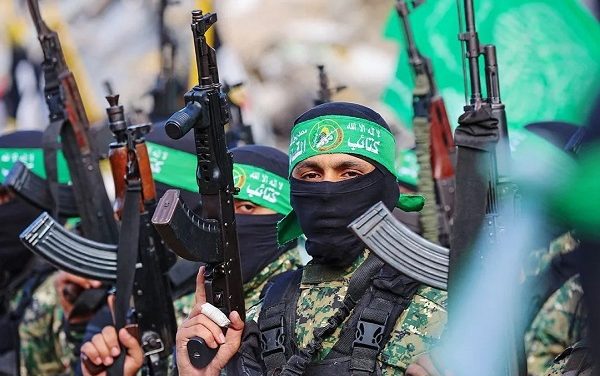
The Zionist Regime’s Time Bomb Activated in the West Bank

Strategic Council Online – Opinion: In the midst of America’s military deployment to West Asia and the Persian Gulf, which has increased tensions at the regional and global levels, the Zionist regime has seized the opportunity and accelerated the advancement of its ambitious projects, including the process of the illegal annexation of the West Bank to the occupied territories.

With the End of New START, How Will the Future of Nuclear Security Be Shaped?

Strategic Council Online – Opinion: With the collapse of the last pillar of nuclear arms control between Washington and Moscow, the world stands on the threshold of a ruleless order that both carries the scent of unlimited competition and conceals within itself the possibility of new forms of bargaining.

Loading

Israeli Regime’s Military Attack on Qatar

Objectives and Consequences of the Israeli Regime’s Military Attack on Qatar

Objectives and Consequences of the Israeli Regime’s Military Attack on Qatar

Strategic Council Online – Interview: A West Asia affairs expert stated that the Zionist regime’s airstrike on Doha, the capital of Qatar, aimed at assassinating senior Hamas leaders, once again revealed Tel Aviv’s brazen disregard for international law and the national sovereignty of countries. Benjamin Netanyahu, the Prime Minister of this regime, justified the operation by claiming to “eliminate an existential threat” and asserted that “Hamas leaders were targeted.” However, incoming reports indicate that this attack has failed. This aggression, carried out with the knowledge and consent of American officials, sparked a wave of anger and condemnation across the Arab and Islamic world. From the Arab League to Saudi Arabia, the UAE, Egypt, Iraq, Jordan, Kuwait, Lebanon, and even the Palestinian Authority, they deemed this action a clear violation of international law and a serious threat to regional security. Saudi Arabia warned that the continuation of such behavior could endanger the stability of West Asia, while the UAE described the security of Arab countries as “integral and indivisible.” However, regional observers believe that this wave of condemnations will likely remain at the level of diplomatic statements, with no serious practical action taken by Arab countries—a pattern previously observed in response to the Israeli regime’s repeated attacks on Gaza. Meanwhile, Tel Aviv, relying on American support and the inaction of regional countries, is attempting to manage its internal crisis and advance the “Greater Israel” project by creating successive crises; a project whose explosions are now heard as far as the heart of the Persian Gulf.

ÚLTIMAS PUBLICACIONES

The Arctic; From Geographical Freezing to Geopolitical Boiling

Strategic Council Online – Opinion: The Arctic is no longer a frozen, remote periphery; it has become a live theater of great-power competition, where sea routes, port infrastructure, the law of the sea, and military deterrence are intertwined, shaping the future of maritime security.

The Zionist Regime’s Time Bomb Activated in the West Bank

Strategic Council Online – Opinion: In the midst of America’s military deployment to West Asia and the Persian Gulf, which has increased tensions at the regional and global levels, the Zionist regime has seized the opportunity and accelerated the advancement of its ambitious projects, including the process of the illegal annexation of the West Bank to the occupied territories.

With the End of New START, How Will the Future of Nuclear Security Be Shaped?

Strategic Council Online – Opinion: With the collapse of the last pillar of nuclear arms control between Washington and Moscow, the world stands on the threshold of a ruleless order that both carries the scent of unlimited competition and conceals within itself the possibility of new forms of bargaining.

Loading