جدیدترین مطالب

The US Ambassador Lifts the Veil; The Strategic Danger of the “Greater Israel” Project for West Asia

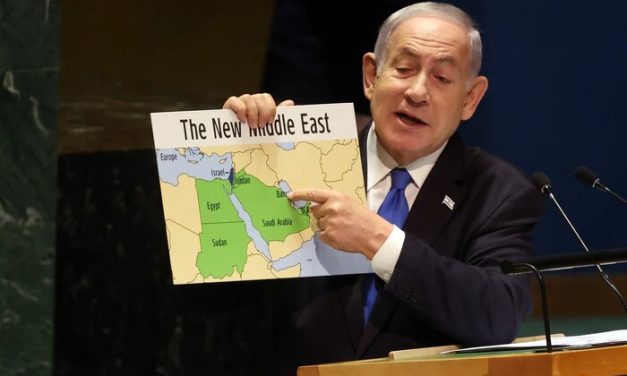
Strategic Council Online –Opinion: The “Greater Israel” project, whose realization requires the annexation of parts of the territory of regional countries into the occupied lands, has long passed the stage of theorization and, especially in recent months, has taken on an operational form. This plan, which was once discussed in extremist Zionist circles as an unattainable ideal, is today, with the explicit support of the United States, being transformed into an executive program targeting the regional order.
European Independence from the United States; From Dream to Reality

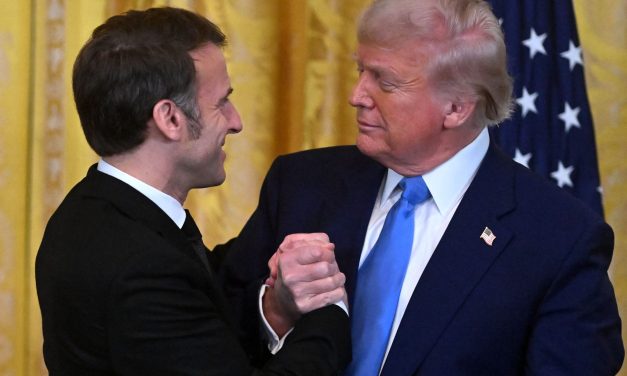
Strategic Council Online – Opinion: Europe has spoken of “strategic autonomy” for years, but each new crisis reveals that the gap between its aspiration for self-reliance and the reality of its security dependence on the United States remains significantly unbridged.

The Arctic; From Geographical Freezing to Geopolitical Boiling

Strategic Council Online – Opinion: The Arctic is no longer a frozen, remote periphery; it has become a live theater of great-power competition, where sea routes, port infrastructure, the law of the sea, and military deterrence are intertwined, shaping the future of maritime security.

The Zionist Regime’s Time Bomb Activated in the West Bank

Strategic Council Online – Opinion: In the midst of America’s military deployment to West Asia and the Persian Gulf, which has increased tensions at the regional and global levels, the Zionist regime has seized the opportunity and accelerated the advancement of its ambitious projects, including the process of the illegal annexation of the West Bank to the occupied territories.

Loading

Iraq

Dr. Kharrazi, in a meeting with the leader of Iraq’s National Wisdom Movement: The wickedness of the Zionist regime, backed by the US, threatens all countries in the region

Dr. Kharrazi, in a meeting with the leader of Iraq’s National Wisdom Movement: The wickedness of the Zionist regime, backed by the US, threatens all countries in the region

Strategic Council Online: Seyed Ammar al-Hakim, the leader of Iraq’s National Wisdom Movement, met with Dr. Seyed Kamal Kharrazi, the President of the Strategic Council on Foreign Relations (SCFR), this afternoon. They discussed regional developments, bilateral relations, and the prospects of elections in Iraq.

Dimensions and Implications of Parallel Efforts to Disarm the Resistance in West Asia

Dimensions and Implications of Parallel Efforts to Disarm the Resistance in West Asia

Strategic Council Online – Interview: A senior analyst on West Asian affairs stated that under the current circumstances, discussing the disarmament of the Resistance is not only unfeasible but could also lead to an escalation of tensions. Following the 12-day aggression by the United States and the Israeli regime against Iran, efforts in another layer to disarm Resistance groups, including Hezbollah, the Popular Mobilization Forces (PMF or Hashd al-Shaabi), and Hamas, have intensified as part of a coordinated project pursued to weaken the Axis of Resistance and impose American regional dominance. The U.S. proposal for Lebanon, which includes disarming Hezbollah by the end of 2025 and the withdrawal of the Israeli regime from border positions, is an attempt to transform an external conflict into an internal one. Hezbollah has firmly rejected this proposal, deeming it a violation of national sovereignty and a service to the interests of the Israeli regime, while emphasizing its defensive role. In Iraq, pressure on the Popular Mobilization Forces has been accompanied by accusations and economic sanctions, yet this group continues to stand as a popular force against external threats. Hamas, despite heavy attacks by the Israeli regime, has continued its resistance and rejected a recent ceasefire proposal in exchange for disarmament. These plans, supported by U.S. and allied diplomatic and economic backing, seek to alter the balance of power in the region. Still, the resistance of the groups and popular support have prevented the realization of these objectives.

Consequences of America’s Efforts to Destroy Resistance Groups in Iraq

Consequences of America’s Efforts to Destroy Resistance Groups in Iraq

Online Strategic Council – Commentary: In recent weeks, as part of advancing the so-called “New Middle East” plan by the U.S. and the Zionist regime in the region, and following the 12-day war against Iran, Washington and Tel Aviv have focused on Iraq and are pursuing a project to destabilize the country.

Reasons for NATO’s Interest in a Military Partnership with Iraq

Reasons for NATO’s Interest in a Military Partnership with Iraq

Strategic Council Online – Interview: A West Asia affairs expert stated that Christoph Henzi, the new NATO commander in Iraq, recently emphasized the North Atlantic Treaty Organization’s (NATO) continued commitment to coordinating and cooperating with Iraqi military and security institutions through experience-sharing, advisory services, and capacity-building.

Examination of the Causes of the Arab League’s Inability and Passivity Regarding Palestine

Examination of the Causes of the Arab League’s Inability and Passivity Regarding Palestine

Strategic Council Online – Interview: A faculty member of International Relations at the Institute for Humanities and Cultural Studies stated: The 34th Arab League Summit was held in Baghdad on Saturday, May 17. 2024). In their final statement, Arab leaders called on the international community to pressure the Zionist regime to stop the bloodshed and massacres in Gaza. The summit’s final statement focused on the centrality of the Palestinian issue and the demand for an immediate ceasefire in the Gaza Strip. However, the question remains: Why has this body, aside from issuing a series of ineffective statements, failed to play a role in regional matters?

Consequences of Inviting Al-Sharaa to the Arab Summit in Iraq

Consequences of Inviting Al-Sharaa to the Arab Summit in Iraq

Strategic Council Online – Opinion: The invitation to Ahmed Al-Sharaa, head of Syria’s interim government, to attend the Arab Summit in Baghdad sends a message from the Iraqi government to the Arab world that Baghdad seeks to play a central role in rebuilding Arab relations and reducing regional tensions. However, the path ahead for Baghdad does not appear straightforward. The invitation to Syria’s interim President, facilitated by the mediation of Sheikh Tamim bin Hamad Al Thani, the Emir of Qatar, and Iraqi Prime Minister Sudani’s initial meeting with Al-Sharaa in Doha in February 2025, demonstrates Iraq’s determination to mediate regional conflicts.

Analysis of the Iraqi Prime Minister’s Visit to England

Analysis of the Iraqi Prime Minister’s Visit to England

Strategic Council Online – Interview: An international affairs expert considered the Iraqi Prime Minister’s visit to the UK and the agreements reached during this visit important for Iraq’s future in West Asia. He said that Iraq is on the path to transitioning from a “disorganized” state in terms of politics, economy, and security to a stable state in the region, economically, politically, and security-wise.

Role & Importance of Popular Mobilization Forces in Ensuring Iraq’s Security & Stability

Role & Importance of Popular Mobilization Forces in Ensuring Iraq’s Security & Stability

Strategic Council Online – Opinion: The Popular Mobilization Forces (Hashd al Shaabi) are one of the “important components of power in Iraq” that, alongside the country’s armed forces, play an “effective role” in maintaining security and securing Iraq’s national interests. The Popular Mobilization Forces were formed after the Iraqi army’s defeats against ISIS on December 17, 2014, by a fatwa issued by the Iraqi religious authority, and gained legal and official identity and existence on November 25, 2016, with the passage of a law in parliament.

أحدث الوظائف

The US Ambassador Lifts the Veil; The Strategic Danger of the “Greater Israel” Project for West Asia

Strategic Council Online –Opinion: The “Greater Israel” project, whose realization requires the annexation of parts of the territory of regional countries into the occupied lands, has long passed the stage of theorization and, especially in recent months, has taken on an operational form. This plan, which was once discussed in extremist Zionist circles as an unattainable ideal, is today, with the explicit support of the United States, being transformed into an executive program targeting the regional order.

European Independence from the United States; From Dream to Reality

Strategic Council Online – Opinion: Europe has spoken of “strategic autonomy” for years, but each new crisis reveals that the gap between its aspiration for self-reliance and the reality of its security dependence on the United States remains significantly unbridged.

The Arctic; From Geographical Freezing to Geopolitical Boiling

Strategic Council Online – Opinion: The Arctic is no longer a frozen, remote periphery; it has become a live theater of great-power competition, where sea routes, port infrastructure, the law of the sea, and military deterrence are intertwined, shaping the future of maritime security.

The Zionist Regime’s Time Bomb Activated in the West Bank

Strategic Council Online – Opinion: In the midst of America’s military deployment to West Asia and the Persian Gulf, which has increased tensions at the regional and global levels, the Zionist regime has seized the opportunity and accelerated the advancement of its ambitious projects, including the process of the illegal annexation of the West Bank to the occupied territories.

Loading

Iraq

Dr. Kharrazi, in a meeting with the leader of Iraq’s National Wisdom Movement: The wickedness of the Zionist regime, backed by the US, threatens all countries in the region

Dr. Kharrazi, in a meeting with the leader of Iraq’s National Wisdom Movement: The wickedness of the Zionist regime, backed by the US, threatens all countries in the region

Strategic Council Online: Seyed Ammar al-Hakim, the leader of Iraq’s National Wisdom Movement, met with Dr. Seyed Kamal Kharrazi, the President of the Strategic Council on Foreign Relations (SCFR), this afternoon. They discussed regional developments, bilateral relations, and the prospects of elections in Iraq.

Dimensions and Implications of Parallel Efforts to Disarm the Resistance in West Asia

Dimensions and Implications of Parallel Efforts to Disarm the Resistance in West Asia

Strategic Council Online – Interview: A senior analyst on West Asian affairs stated that under the current circumstances, discussing the disarmament of the Resistance is not only unfeasible but could also lead to an escalation of tensions. Following the 12-day aggression by the United States and the Israeli regime against Iran, efforts in another layer to disarm Resistance groups, including Hezbollah, the Popular Mobilization Forces (PMF or Hashd al-Shaabi), and Hamas, have intensified as part of a coordinated project pursued to weaken the Axis of Resistance and impose American regional dominance. The U.S. proposal for Lebanon, which includes disarming Hezbollah by the end of 2025 and the withdrawal of the Israeli regime from border positions, is an attempt to transform an external conflict into an internal one. Hezbollah has firmly rejected this proposal, deeming it a violation of national sovereignty and a service to the interests of the Israeli regime, while emphasizing its defensive role. In Iraq, pressure on the Popular Mobilization Forces has been accompanied by accusations and economic sanctions, yet this group continues to stand as a popular force against external threats. Hamas, despite heavy attacks by the Israeli regime, has continued its resistance and rejected a recent ceasefire proposal in exchange for disarmament. These plans, supported by U.S. and allied diplomatic and economic backing, seek to alter the balance of power in the region. Still, the resistance of the groups and popular support have prevented the realization of these objectives.

Consequences of America’s Efforts to Destroy Resistance Groups in Iraq

Consequences of America’s Efforts to Destroy Resistance Groups in Iraq

Online Strategic Council – Commentary: In recent weeks, as part of advancing the so-called “New Middle East” plan by the U.S. and the Zionist regime in the region, and following the 12-day war against Iran, Washington and Tel Aviv have focused on Iraq and are pursuing a project to destabilize the country.

Reasons for NATO’s Interest in a Military Partnership with Iraq

Reasons for NATO’s Interest in a Military Partnership with Iraq

Strategic Council Online – Interview: A West Asia affairs expert stated that Christoph Henzi, the new NATO commander in Iraq, recently emphasized the North Atlantic Treaty Organization’s (NATO) continued commitment to coordinating and cooperating with Iraqi military and security institutions through experience-sharing, advisory services, and capacity-building.

Examination of the Causes of the Arab League’s Inability and Passivity Regarding Palestine

Examination of the Causes of the Arab League’s Inability and Passivity Regarding Palestine

Strategic Council Online – Interview: A faculty member of International Relations at the Institute for Humanities and Cultural Studies stated: The 34th Arab League Summit was held in Baghdad on Saturday, May 17. 2024). In their final statement, Arab leaders called on the international community to pressure the Zionist regime to stop the bloodshed and massacres in Gaza. The summit’s final statement focused on the centrality of the Palestinian issue and the demand for an immediate ceasefire in the Gaza Strip. However, the question remains: Why has this body, aside from issuing a series of ineffective statements, failed to play a role in regional matters?

Consequences of Inviting Al-Sharaa to the Arab Summit in Iraq

Consequences of Inviting Al-Sharaa to the Arab Summit in Iraq

Strategic Council Online – Opinion: The invitation to Ahmed Al-Sharaa, head of Syria’s interim government, to attend the Arab Summit in Baghdad sends a message from the Iraqi government to the Arab world that Baghdad seeks to play a central role in rebuilding Arab relations and reducing regional tensions. However, the path ahead for Baghdad does not appear straightforward. The invitation to Syria’s interim President, facilitated by the mediation of Sheikh Tamim bin Hamad Al Thani, the Emir of Qatar, and Iraqi Prime Minister Sudani’s initial meeting with Al-Sharaa in Doha in February 2025, demonstrates Iraq’s determination to mediate regional conflicts.

Analysis of the Iraqi Prime Minister’s Visit to England

Analysis of the Iraqi Prime Minister’s Visit to England

Strategic Council Online – Interview: An international affairs expert considered the Iraqi Prime Minister’s visit to the UK and the agreements reached during this visit important for Iraq’s future in West Asia. He said that Iraq is on the path to transitioning from a “disorganized” state in terms of politics, economy, and security to a stable state in the region, economically, politically, and security-wise.

Role & Importance of Popular Mobilization Forces in Ensuring Iraq’s Security & Stability

Role & Importance of Popular Mobilization Forces in Ensuring Iraq’s Security & Stability

Strategic Council Online – Opinion: The Popular Mobilization Forces (Hashd al Shaabi) are one of the “important components of power in Iraq” that, alongside the country’s armed forces, play an “effective role” in maintaining security and securing Iraq’s national interests. The Popular Mobilization Forces were formed after the Iraqi army’s defeats against ISIS on December 17, 2014, by a fatwa issued by the Iraqi religious authority, and gained legal and official identity and existence on November 25, 2016, with the passage of a law in parliament.

Iraq

Dr. Kharrazi, in a meeting with the leader of Iraq’s National Wisdom Movement: The wickedness of the Zionist regime, backed by the US, threatens all countries in the region

Dr. Kharrazi, in a meeting with the leader of Iraq’s National Wisdom Movement: The wickedness of the Zionist regime, backed by the US, threatens all countries in the region

Strategic Council Online: Seyed Ammar al-Hakim, the leader of Iraq’s National Wisdom Movement, met with Dr. Seyed Kamal Kharrazi, the President of the Strategic Council on Foreign Relations (SCFR), this afternoon. They discussed regional developments, bilateral relations, and the prospects of elections in Iraq.

Dimensions and Implications of Parallel Efforts to Disarm the Resistance in West Asia

Dimensions and Implications of Parallel Efforts to Disarm the Resistance in West Asia

Strategic Council Online – Interview: A senior analyst on West Asian affairs stated that under the current circumstances, discussing the disarmament of the Resistance is not only unfeasible but could also lead to an escalation of tensions. Following the 12-day aggression by the United States and the Israeli regime against Iran, efforts in another layer to disarm Resistance groups, including Hezbollah, the Popular Mobilization Forces (PMF or Hashd al-Shaabi), and Hamas, have intensified as part of a coordinated project pursued to weaken the Axis of Resistance and impose American regional dominance. The U.S. proposal for Lebanon, which includes disarming Hezbollah by the end of 2025 and the withdrawal of the Israeli regime from border positions, is an attempt to transform an external conflict into an internal one. Hezbollah has firmly rejected this proposal, deeming it a violation of national sovereignty and a service to the interests of the Israeli regime, while emphasizing its defensive role. In Iraq, pressure on the Popular Mobilization Forces has been accompanied by accusations and economic sanctions, yet this group continues to stand as a popular force against external threats. Hamas, despite heavy attacks by the Israeli regime, has continued its resistance and rejected a recent ceasefire proposal in exchange for disarmament. These plans, supported by U.S. and allied diplomatic and economic backing, seek to alter the balance of power in the region. Still, the resistance of the groups and popular support have prevented the realization of these objectives.

Consequences of America’s Efforts to Destroy Resistance Groups in Iraq

Consequences of America’s Efforts to Destroy Resistance Groups in Iraq

Online Strategic Council – Commentary: In recent weeks, as part of advancing the so-called “New Middle East” plan by the U.S. and the Zionist regime in the region, and following the 12-day war against Iran, Washington and Tel Aviv have focused on Iraq and are pursuing a project to destabilize the country.

Reasons for NATO’s Interest in a Military Partnership with Iraq

Reasons for NATO’s Interest in a Military Partnership with Iraq

Strategic Council Online – Interview: A West Asia affairs expert stated that Christoph Henzi, the new NATO commander in Iraq, recently emphasized the North Atlantic Treaty Organization’s (NATO) continued commitment to coordinating and cooperating with Iraqi military and security institutions through experience-sharing, advisory services, and capacity-building.

Examination of the Causes of the Arab League’s Inability and Passivity Regarding Palestine

Examination of the Causes of the Arab League’s Inability and Passivity Regarding Palestine

Strategic Council Online – Interview: A faculty member of International Relations at the Institute for Humanities and Cultural Studies stated: The 34th Arab League Summit was held in Baghdad on Saturday, May 17. 2024). In their final statement, Arab leaders called on the international community to pressure the Zionist regime to stop the bloodshed and massacres in Gaza. The summit’s final statement focused on the centrality of the Palestinian issue and the demand for an immediate ceasefire in the Gaza Strip. However, the question remains: Why has this body, aside from issuing a series of ineffective statements, failed to play a role in regional matters?

Consequences of Inviting Al-Sharaa to the Arab Summit in Iraq

Consequences of Inviting Al-Sharaa to the Arab Summit in Iraq

Strategic Council Online – Opinion: The invitation to Ahmed Al-Sharaa, head of Syria’s interim government, to attend the Arab Summit in Baghdad sends a message from the Iraqi government to the Arab world that Baghdad seeks to play a central role in rebuilding Arab relations and reducing regional tensions. However, the path ahead for Baghdad does not appear straightforward. The invitation to Syria’s interim President, facilitated by the mediation of Sheikh Tamim bin Hamad Al Thani, the Emir of Qatar, and Iraqi Prime Minister Sudani’s initial meeting with Al-Sharaa in Doha in February 2025, demonstrates Iraq’s determination to mediate regional conflicts.

Analysis of the Iraqi Prime Minister’s Visit to England

Analysis of the Iraqi Prime Minister’s Visit to England

Strategic Council Online – Interview: An international affairs expert considered the Iraqi Prime Minister’s visit to the UK and the agreements reached during this visit important for Iraq’s future in West Asia. He said that Iraq is on the path to transitioning from a “disorganized” state in terms of politics, economy, and security to a stable state in the region, economically, politically, and security-wise.

Role & Importance of Popular Mobilization Forces in Ensuring Iraq’s Security & Stability

Role & Importance of Popular Mobilization Forces in Ensuring Iraq’s Security & Stability

Strategic Council Online – Opinion: The Popular Mobilization Forces (Hashd al Shaabi) are one of the “important components of power in Iraq” that, alongside the country’s armed forces, play an “effective role” in maintaining security and securing Iraq’s national interests. The Popular Mobilization Forces were formed after the Iraqi army’s defeats against ISIS on December 17, 2014, by a fatwa issued by the Iraqi religious authority, and gained legal and official identity and existence on November 25, 2016, with the passage of a law in parliament.

LATEST CONTENT

The US Ambassador Lifts the Veil; The Strategic Danger of the “Greater Israel” Project for West Asia

Strategic Council Online –Opinion: The “Greater Israel” project, whose realization requires the annexation of parts of the territory of regional countries into the occupied lands, has long passed the stage of theorization and, especially in recent months, has taken on an operational form. This plan, which was once discussed in extremist Zionist circles as an unattainable ideal, is today, with the explicit support of the United States, being transformed into an executive program targeting the regional order.

European Independence from the United States; From Dream to Reality

Strategic Council Online – Opinion: Europe has spoken of “strategic autonomy” for years, but each new crisis reveals that the gap between its aspiration for self-reliance and the reality of its security dependence on the United States remains significantly unbridged.

The Arctic; From Geographical Freezing to Geopolitical Boiling

Strategic Council Online – Opinion: The Arctic is no longer a frozen, remote periphery; it has become a live theater of great-power competition, where sea routes, port infrastructure, the law of the sea, and military deterrence are intertwined, shaping the future of maritime security.

The Zionist Regime’s Time Bomb Activated in the West Bank

Strategic Council Online – Opinion: In the midst of America’s military deployment to West Asia and the Persian Gulf, which has increased tensions at the regional and global levels, the Zionist regime has seized the opportunity and accelerated the advancement of its ambitious projects, including the process of the illegal annexation of the West Bank to the occupied territories.

Loading

Iraq

Dr. Kharrazi, in a meeting with the leader of Iraq’s National Wisdom Movement: The wickedness of the Zionist regime, backed by the US, threatens all countries in the region

Dr. Kharrazi, in a meeting with the leader of Iraq’s National Wisdom Movement: The wickedness of the Zionist regime, backed by the US, threatens all countries in the region

Strategic Council Online: Seyed Ammar al-Hakim, the leader of Iraq’s National Wisdom Movement, met with Dr. Seyed Kamal Kharrazi, the President of the Strategic Council on Foreign Relations (SCFR), this afternoon. They discussed regional developments, bilateral relations, and the prospects of elections in Iraq.

Dimensions and Implications of Parallel Efforts to Disarm the Resistance in West Asia

Dimensions and Implications of Parallel Efforts to Disarm the Resistance in West Asia

Strategic Council Online – Interview: A senior analyst on West Asian affairs stated that under the current circumstances, discussing the disarmament of the Resistance is not only unfeasible but could also lead to an escalation of tensions. Following the 12-day aggression by the United States and the Israeli regime against Iran, efforts in another layer to disarm Resistance groups, including Hezbollah, the Popular Mobilization Forces (PMF or Hashd al-Shaabi), and Hamas, have intensified as part of a coordinated project pursued to weaken the Axis of Resistance and impose American regional dominance. The U.S. proposal for Lebanon, which includes disarming Hezbollah by the end of 2025 and the withdrawal of the Israeli regime from border positions, is an attempt to transform an external conflict into an internal one. Hezbollah has firmly rejected this proposal, deeming it a violation of national sovereignty and a service to the interests of the Israeli regime, while emphasizing its defensive role. In Iraq, pressure on the Popular Mobilization Forces has been accompanied by accusations and economic sanctions, yet this group continues to stand as a popular force against external threats. Hamas, despite heavy attacks by the Israeli regime, has continued its resistance and rejected a recent ceasefire proposal in exchange for disarmament. These plans, supported by U.S. and allied diplomatic and economic backing, seek to alter the balance of power in the region. Still, the resistance of the groups and popular support have prevented the realization of these objectives.

Consequences of America’s Efforts to Destroy Resistance Groups in Iraq

Consequences of America’s Efforts to Destroy Resistance Groups in Iraq

Online Strategic Council – Commentary: In recent weeks, as part of advancing the so-called “New Middle East” plan by the U.S. and the Zionist regime in the region, and following the 12-day war against Iran, Washington and Tel Aviv have focused on Iraq and are pursuing a project to destabilize the country.

Reasons for NATO’s Interest in a Military Partnership with Iraq

Reasons for NATO’s Interest in a Military Partnership with Iraq

Strategic Council Online – Interview: A West Asia affairs expert stated that Christoph Henzi, the new NATO commander in Iraq, recently emphasized the North Atlantic Treaty Organization’s (NATO) continued commitment to coordinating and cooperating with Iraqi military and security institutions through experience-sharing, advisory services, and capacity-building.

Examination of the Causes of the Arab League’s Inability and Passivity Regarding Palestine

Examination of the Causes of the Arab League’s Inability and Passivity Regarding Palestine

Strategic Council Online – Interview: A faculty member of International Relations at the Institute for Humanities and Cultural Studies stated: The 34th Arab League Summit was held in Baghdad on Saturday, May 17. 2024). In their final statement, Arab leaders called on the international community to pressure the Zionist regime to stop the bloodshed and massacres in Gaza. The summit’s final statement focused on the centrality of the Palestinian issue and the demand for an immediate ceasefire in the Gaza Strip. However, the question remains: Why has this body, aside from issuing a series of ineffective statements, failed to play a role in regional matters?

Consequences of Inviting Al-Sharaa to the Arab Summit in Iraq

Consequences of Inviting Al-Sharaa to the Arab Summit in Iraq

Strategic Council Online – Opinion: The invitation to Ahmed Al-Sharaa, head of Syria’s interim government, to attend the Arab Summit in Baghdad sends a message from the Iraqi government to the Arab world that Baghdad seeks to play a central role in rebuilding Arab relations and reducing regional tensions. However, the path ahead for Baghdad does not appear straightforward. The invitation to Syria’s interim President, facilitated by the mediation of Sheikh Tamim bin Hamad Al Thani, the Emir of Qatar, and Iraqi Prime Minister Sudani’s initial meeting with Al-Sharaa in Doha in February 2025, demonstrates Iraq’s determination to mediate regional conflicts.

Analysis of the Iraqi Prime Minister’s Visit to England

Analysis of the Iraqi Prime Minister’s Visit to England

Strategic Council Online – Interview: An international affairs expert considered the Iraqi Prime Minister’s visit to the UK and the agreements reached during this visit important for Iraq’s future in West Asia. He said that Iraq is on the path to transitioning from a “disorganized” state in terms of politics, economy, and security to a stable state in the region, economically, politically, and security-wise.

Role & Importance of Popular Mobilization Forces in Ensuring Iraq’s Security & Stability

Role & Importance of Popular Mobilization Forces in Ensuring Iraq’s Security & Stability

Strategic Council Online – Opinion: The Popular Mobilization Forces (Hashd al Shaabi) are one of the “important components of power in Iraq” that, alongside the country’s armed forces, play an “effective role” in maintaining security and securing Iraq’s national interests. The Popular Mobilization Forces were formed after the Iraqi army’s defeats against ISIS on December 17, 2014, by a fatwa issued by the Iraqi religious authority, and gained legal and official identity and existence on November 25, 2016, with the passage of a law in parliament.

ÚLTIMAS PUBLICACIONES

The US Ambassador Lifts the Veil; The Strategic Danger of the “Greater Israel” Project for West Asia

Strategic Council Online –Opinion: The “Greater Israel” project, whose realization requires the annexation of parts of the territory of regional countries into the occupied lands, has long passed the stage of theorization and, especially in recent months, has taken on an operational form. This plan, which was once discussed in extremist Zionist circles as an unattainable ideal, is today, with the explicit support of the United States, being transformed into an executive program targeting the regional order.
European Independence from the United States; From Dream to Reality

Strategic Council Online – Opinion: Europe has spoken of “strategic autonomy” for years, but each new crisis reveals that the gap between its aspiration for self-reliance and the reality of its security dependence on the United States remains significantly unbridged.

The Arctic; From Geographical Freezing to Geopolitical Boiling

Strategic Council Online – Opinion: The Arctic is no longer a frozen, remote periphery; it has become a live theater of great-power competition, where sea routes, port infrastructure, the law of the sea, and military deterrence are intertwined, shaping the future of maritime security.

The Zionist Regime’s Time Bomb Activated in the West Bank

Strategic Council Online – Opinion: In the midst of America’s military deployment to West Asia and the Persian Gulf, which has increased tensions at the regional and global levels, the Zionist regime has seized the opportunity and accelerated the advancement of its ambitious projects, including the process of the illegal annexation of the West Bank to the occupied territories.

Loading

Iraq

Dr. Kharrazi, in a meeting with the leader of Iraq’s National Wisdom Movement: The wickedness of the Zionist regime, backed by the US, threatens all countries in the region

Dr. Kharrazi, in a meeting with the leader of Iraq’s National Wisdom Movement: The wickedness of the Zionist regime, backed by the US, threatens all countries in the region

Strategic Council Online: Seyed Ammar al-Hakim, the leader of Iraq’s National Wisdom Movement, met with Dr. Seyed Kamal Kharrazi, the President of the Strategic Council on Foreign Relations (SCFR), this afternoon. They discussed regional developments, bilateral relations, and the prospects of elections in Iraq.

Dimensions and Implications of Parallel Efforts to Disarm the Resistance in West Asia

Dimensions and Implications of Parallel Efforts to Disarm the Resistance in West Asia

Strategic Council Online – Interview: A senior analyst on West Asian affairs stated that under the current circumstances, discussing the disarmament of the Resistance is not only unfeasible but could also lead to an escalation of tensions. Following the 12-day aggression by the United States and the Israeli regime against Iran, efforts in another layer to disarm Resistance groups, including Hezbollah, the Popular Mobilization Forces (PMF or Hashd al-Shaabi), and Hamas, have intensified as part of a coordinated project pursued to weaken the Axis of Resistance and impose American regional dominance. The U.S. proposal for Lebanon, which includes disarming Hezbollah by the end of 2025 and the withdrawal of the Israeli regime from border positions, is an attempt to transform an external conflict into an internal one. Hezbollah has firmly rejected this proposal, deeming it a violation of national sovereignty and a service to the interests of the Israeli regime, while emphasizing its defensive role. In Iraq, pressure on the Popular Mobilization Forces has been accompanied by accusations and economic sanctions, yet this group continues to stand as a popular force against external threats. Hamas, despite heavy attacks by the Israeli regime, has continued its resistance and rejected a recent ceasefire proposal in exchange for disarmament. These plans, supported by U.S. and allied diplomatic and economic backing, seek to alter the balance of power in the region. Still, the resistance of the groups and popular support have prevented the realization of these objectives.

Consequences of America’s Efforts to Destroy Resistance Groups in Iraq

Consequences of America’s Efforts to Destroy Resistance Groups in Iraq

Online Strategic Council – Commentary: In recent weeks, as part of advancing the so-called “New Middle East” plan by the U.S. and the Zionist regime in the region, and following the 12-day war against Iran, Washington and Tel Aviv have focused on Iraq and are pursuing a project to destabilize the country.

Reasons for NATO’s Interest in a Military Partnership with Iraq

Reasons for NATO’s Interest in a Military Partnership with Iraq

Strategic Council Online – Interview: A West Asia affairs expert stated that Christoph Henzi, the new NATO commander in Iraq, recently emphasized the North Atlantic Treaty Organization’s (NATO) continued commitment to coordinating and cooperating with Iraqi military and security institutions through experience-sharing, advisory services, and capacity-building.

Examination of the Causes of the Arab League’s Inability and Passivity Regarding Palestine

Examination of the Causes of the Arab League’s Inability and Passivity Regarding Palestine

Strategic Council Online – Interview: A faculty member of International Relations at the Institute for Humanities and Cultural Studies stated: The 34th Arab League Summit was held in Baghdad on Saturday, May 17. 2024). In their final statement, Arab leaders called on the international community to pressure the Zionist regime to stop the bloodshed and massacres in Gaza. The summit’s final statement focused on the centrality of the Palestinian issue and the demand for an immediate ceasefire in the Gaza Strip. However, the question remains: Why has this body, aside from issuing a series of ineffective statements, failed to play a role in regional matters?

Consequences of Inviting Al-Sharaa to the Arab Summit in Iraq

Consequences of Inviting Al-Sharaa to the Arab Summit in Iraq

Strategic Council Online – Opinion: The invitation to Ahmed Al-Sharaa, head of Syria’s interim government, to attend the Arab Summit in Baghdad sends a message from the Iraqi government to the Arab world that Baghdad seeks to play a central role in rebuilding Arab relations and reducing regional tensions. However, the path ahead for Baghdad does not appear straightforward. The invitation to Syria’s interim President, facilitated by the mediation of Sheikh Tamim bin Hamad Al Thani, the Emir of Qatar, and Iraqi Prime Minister Sudani’s initial meeting with Al-Sharaa in Doha in February 2025, demonstrates Iraq’s determination to mediate regional conflicts.

Analysis of the Iraqi Prime Minister’s Visit to England

Analysis of the Iraqi Prime Minister’s Visit to England

Strategic Council Online – Interview: An international affairs expert considered the Iraqi Prime Minister’s visit to the UK and the agreements reached during this visit important for Iraq’s future in West Asia. He said that Iraq is on the path to transitioning from a “disorganized” state in terms of politics, economy, and security to a stable state in the region, economically, politically, and security-wise.

Role & Importance of Popular Mobilization Forces in Ensuring Iraq’s Security & Stability

Role & Importance of Popular Mobilization Forces in Ensuring Iraq’s Security & Stability

Strategic Council Online – Opinion: The Popular Mobilization Forces (Hashd al Shaabi) are one of the “important components of power in Iraq” that, alongside the country’s armed forces, play an “effective role” in maintaining security and securing Iraq’s national interests. The Popular Mobilization Forces were formed after the Iraqi army’s defeats against ISIS on December 17, 2014, by a fatwa issued by the Iraqi religious authority, and gained legal and official identity and existence on November 25, 2016, with the passage of a law in parliament.

ÚLTIMAS PUBLICACIONES

The US Ambassador Lifts the Veil; The Strategic Danger of the “Greater Israel” Project for West Asia

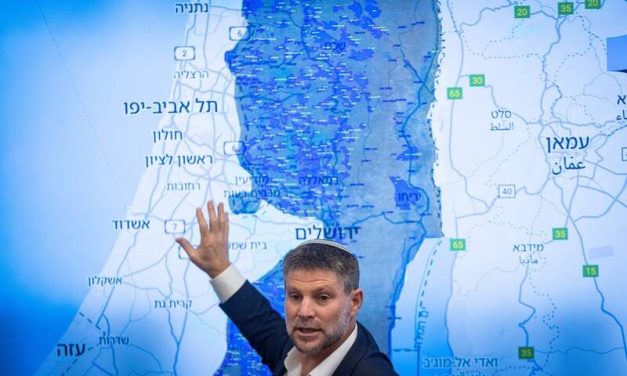
Strategic Council Online –Opinion: The “Greater Israel” project, whose realization requires the annexation of parts of the territory of regional countries into the occupied lands, has long passed the stage of theorization and, especially in recent months, has taken on an operational form. This plan, which was once discussed in extremist Zionist circles as an unattainable ideal, is today, with the explicit support of the United States, being transformed into an executive program targeting the regional order.
European Independence from the United States; From Dream to Reality

Strategic Council Online – Opinion: Europe has spoken of “strategic autonomy” for years, but each new crisis reveals that the gap between its aspiration for self-reliance and the reality of its security dependence on the United States remains significantly unbridged.

The Arctic; From Geographical Freezing to Geopolitical Boiling

Strategic Council Online – Opinion: The Arctic is no longer a frozen, remote periphery; it has become a live theater of great-power competition, where sea routes, port infrastructure, the law of the sea, and military deterrence are intertwined, shaping the future of maritime security.

The Zionist Regime’s Time Bomb Activated in the West Bank

Strategic Council Online – Opinion: In the midst of America’s military deployment to West Asia and the Persian Gulf, which has increased tensions at the regional and global levels, the Zionist regime has seized the opportunity and accelerated the advancement of its ambitious projects, including the process of the illegal annexation of the West Bank to the occupied territories.

Loading

Iraq

Dr. Kharrazi, in a meeting with the leader of Iraq’s National Wisdom Movement: The wickedness of the Zionist regime, backed by the US, threatens all countries in the region

Dr. Kharrazi, in a meeting with the leader of Iraq’s National Wisdom Movement: The wickedness of the Zionist regime, backed by the US, threatens all countries in the region

Strategic Council Online: Seyed Ammar al-Hakim, the leader of Iraq’s National Wisdom Movement, met with Dr. Seyed Kamal Kharrazi, the President of the Strategic Council on Foreign Relations (SCFR), this afternoon. They discussed regional developments, bilateral relations, and the prospects of elections in Iraq.

Dimensions and Implications of Parallel Efforts to Disarm the Resistance in West Asia

Dimensions and Implications of Parallel Efforts to Disarm the Resistance in West Asia

Strategic Council Online – Interview: A senior analyst on West Asian affairs stated that under the current circumstances, discussing the disarmament of the Resistance is not only unfeasible but could also lead to an escalation of tensions. Following the 12-day aggression by the United States and the Israeli regime against Iran, efforts in another layer to disarm Resistance groups, including Hezbollah, the Popular Mobilization Forces (PMF or Hashd al-Shaabi), and Hamas, have intensified as part of a coordinated project pursued to weaken the Axis of Resistance and impose American regional dominance. The U.S. proposal for Lebanon, which includes disarming Hezbollah by the end of 2025 and the withdrawal of the Israeli regime from border positions, is an attempt to transform an external conflict into an internal one. Hezbollah has firmly rejected this proposal, deeming it a violation of national sovereignty and a service to the interests of the Israeli regime, while emphasizing its defensive role. In Iraq, pressure on the Popular Mobilization Forces has been accompanied by accusations and economic sanctions, yet this group continues to stand as a popular force against external threats. Hamas, despite heavy attacks by the Israeli regime, has continued its resistance and rejected a recent ceasefire proposal in exchange for disarmament. These plans, supported by U.S. and allied diplomatic and economic backing, seek to alter the balance of power in the region. Still, the resistance of the groups and popular support have prevented the realization of these objectives.

Consequences of America’s Efforts to Destroy Resistance Groups in Iraq

Consequences of America’s Efforts to Destroy Resistance Groups in Iraq

Online Strategic Council – Commentary: In recent weeks, as part of advancing the so-called “New Middle East” plan by the U.S. and the Zionist regime in the region, and following the 12-day war against Iran, Washington and Tel Aviv have focused on Iraq and are pursuing a project to destabilize the country.

Reasons for NATO’s Interest in a Military Partnership with Iraq

Reasons for NATO’s Interest in a Military Partnership with Iraq

Strategic Council Online – Interview: A West Asia affairs expert stated that Christoph Henzi, the new NATO commander in Iraq, recently emphasized the North Atlantic Treaty Organization’s (NATO) continued commitment to coordinating and cooperating with Iraqi military and security institutions through experience-sharing, advisory services, and capacity-building.

Examination of the Causes of the Arab League’s Inability and Passivity Regarding Palestine

Examination of the Causes of the Arab League’s Inability and Passivity Regarding Palestine

Strategic Council Online – Interview: A faculty member of International Relations at the Institute for Humanities and Cultural Studies stated: The 34th Arab League Summit was held in Baghdad on Saturday, May 17. 2024). In their final statement, Arab leaders called on the international community to pressure the Zionist regime to stop the bloodshed and massacres in Gaza. The summit’s final statement focused on the centrality of the Palestinian issue and the demand for an immediate ceasefire in the Gaza Strip. However, the question remains: Why has this body, aside from issuing a series of ineffective statements, failed to play a role in regional matters?

Consequences of Inviting Al-Sharaa to the Arab Summit in Iraq

Consequences of Inviting Al-Sharaa to the Arab Summit in Iraq

Strategic Council Online – Opinion: The invitation to Ahmed Al-Sharaa, head of Syria’s interim government, to attend the Arab Summit in Baghdad sends a message from the Iraqi government to the Arab world that Baghdad seeks to play a central role in rebuilding Arab relations and reducing regional tensions. However, the path ahead for Baghdad does not appear straightforward. The invitation to Syria’s interim President, facilitated by the mediation of Sheikh Tamim bin Hamad Al Thani, the Emir of Qatar, and Iraqi Prime Minister Sudani’s initial meeting with Al-Sharaa in Doha in February 2025, demonstrates Iraq’s determination to mediate regional conflicts.

Analysis of the Iraqi Prime Minister’s Visit to England

Analysis of the Iraqi Prime Minister’s Visit to England

Strategic Council Online – Interview: An international affairs expert considered the Iraqi Prime Minister’s visit to the UK and the agreements reached during this visit important for Iraq’s future in West Asia. He said that Iraq is on the path to transitioning from a “disorganized” state in terms of politics, economy, and security to a stable state in the region, economically, politically, and security-wise.

Role & Importance of Popular Mobilization Forces in Ensuring Iraq’s Security & Stability

Role & Importance of Popular Mobilization Forces in Ensuring Iraq’s Security & Stability

Strategic Council Online – Opinion: The Popular Mobilization Forces (Hashd al Shaabi) are one of the “important components of power in Iraq” that, alongside the country’s armed forces, play an “effective role” in maintaining security and securing Iraq’s national interests. The Popular Mobilization Forces were formed after the Iraqi army’s defeats against ISIS on December 17, 2014, by a fatwa issued by the Iraqi religious authority, and gained legal and official identity and existence on November 25, 2016, with the passage of a law in parliament.

ÚLTIMAS PUBLICACIONES

The US Ambassador Lifts the Veil; The Strategic Danger of the “Greater Israel” Project for West Asia

Strategic Council Online –Opinion: The “Greater Israel” project, whose realization requires the annexation of parts of the territory of regional countries into the occupied lands, has long passed the stage of theorization and, especially in recent months, has taken on an operational form. This plan, which was once discussed in extremist Zionist circles as an unattainable ideal, is today, with the explicit support of the United States, being transformed into an executive program targeting the regional order.

European Independence from the United States; From Dream to Reality

Strategic Council Online – Opinion: Europe has spoken of “strategic autonomy” for years, but each new crisis reveals that the gap between its aspiration for self-reliance and the reality of its security dependence on the United States remains significantly unbridged.

The Arctic; From Geographical Freezing to Geopolitical Boiling

Strategic Council Online – Opinion: The Arctic is no longer a frozen, remote periphery; it has become a live theater of great-power competition, where sea routes, port infrastructure, the law of the sea, and military deterrence are intertwined, shaping the future of maritime security.

The Zionist Regime’s Time Bomb Activated in the West Bank

Strategic Council Online – Opinion: In the midst of America’s military deployment to West Asia and the Persian Gulf, which has increased tensions at the regional and global levels, the Zionist regime has seized the opportunity and accelerated the advancement of its ambitious projects, including the process of the illegal annexation of the West Bank to the occupied territories.

Loading

Iraq

Dr. Kharrazi, in a meeting with the leader of Iraq’s National Wisdom Movement: The wickedness of the Zionist regime, backed by the US, threatens all countries in the region

Dr. Kharrazi, in a meeting with the leader of Iraq’s National Wisdom Movement: The wickedness of the Zionist regime, backed by the US, threatens all countries in the region

Strategic Council Online: Seyed Ammar al-Hakim, the leader of Iraq’s National Wisdom Movement, met with Dr. Seyed Kamal Kharrazi, the President of the Strategic Council on Foreign Relations (SCFR), this afternoon. They discussed regional developments, bilateral relations, and the prospects of elections in Iraq.

Dimensions and Implications of Parallel Efforts to Disarm the Resistance in West Asia

Dimensions and Implications of Parallel Efforts to Disarm the Resistance in West Asia

Strategic Council Online – Interview: A senior analyst on West Asian affairs stated that under the current circumstances, discussing the disarmament of the Resistance is not only unfeasible but could also lead to an escalation of tensions. Following the 12-day aggression by the United States and the Israeli regime against Iran, efforts in another layer to disarm Resistance groups, including Hezbollah, the Popular Mobilization Forces (PMF or Hashd al-Shaabi), and Hamas, have intensified as part of a coordinated project pursued to weaken the Axis of Resistance and impose American regional dominance. The U.S. proposal for Lebanon, which includes disarming Hezbollah by the end of 2025 and the withdrawal of the Israeli regime from border positions, is an attempt to transform an external conflict into an internal one. Hezbollah has firmly rejected this proposal, deeming it a violation of national sovereignty and a service to the interests of the Israeli regime, while emphasizing its defensive role. In Iraq, pressure on the Popular Mobilization Forces has been accompanied by accusations and economic sanctions, yet this group continues to stand as a popular force against external threats. Hamas, despite heavy attacks by the Israeli regime, has continued its resistance and rejected a recent ceasefire proposal in exchange for disarmament. These plans, supported by U.S. and allied diplomatic and economic backing, seek to alter the balance of power in the region. Still, the resistance of the groups and popular support have prevented the realization of these objectives.

Consequences of America’s Efforts to Destroy Resistance Groups in Iraq

Consequences of America’s Efforts to Destroy Resistance Groups in Iraq

Online Strategic Council – Commentary: In recent weeks, as part of advancing the so-called “New Middle East” plan by the U.S. and the Zionist regime in the region, and following the 12-day war against Iran, Washington and Tel Aviv have focused on Iraq and are pursuing a project to destabilize the country.

Reasons for NATO’s Interest in a Military Partnership with Iraq

Reasons for NATO’s Interest in a Military Partnership with Iraq

Strategic Council Online – Interview: A West Asia affairs expert stated that Christoph Henzi, the new NATO commander in Iraq, recently emphasized the North Atlantic Treaty Organization’s (NATO) continued commitment to coordinating and cooperating with Iraqi military and security institutions through experience-sharing, advisory services, and capacity-building.

Examination of the Causes of the Arab League’s Inability and Passivity Regarding Palestine

Examination of the Causes of the Arab League’s Inability and Passivity Regarding Palestine

Strategic Council Online – Interview: A faculty member of International Relations at the Institute for Humanities and Cultural Studies stated: The 34th Arab League Summit was held in Baghdad on Saturday, May 17. 2024). In their final statement, Arab leaders called on the international community to pressure the Zionist regime to stop the bloodshed and massacres in Gaza. The summit’s final statement focused on the centrality of the Palestinian issue and the demand for an immediate ceasefire in the Gaza Strip. However, the question remains: Why has this body, aside from issuing a series of ineffective statements, failed to play a role in regional matters?

Consequences of Inviting Al-Sharaa to the Arab Summit in Iraq

Consequences of Inviting Al-Sharaa to the Arab Summit in Iraq

Strategic Council Online – Opinion: The invitation to Ahmed Al-Sharaa, head of Syria’s interim government, to attend the Arab Summit in Baghdad sends a message from the Iraqi government to the Arab world that Baghdad seeks to play a central role in rebuilding Arab relations and reducing regional tensions. However, the path ahead for Baghdad does not appear straightforward. The invitation to Syria’s interim President, facilitated by the mediation of Sheikh Tamim bin Hamad Al Thani, the Emir of Qatar, and Iraqi Prime Minister Sudani’s initial meeting with Al-Sharaa in Doha in February 2025, demonstrates Iraq’s determination to mediate regional conflicts.

Analysis of the Iraqi Prime Minister’s Visit to England

Analysis of the Iraqi Prime Minister’s Visit to England

Strategic Council Online – Interview: An international affairs expert considered the Iraqi Prime Minister’s visit to the UK and the agreements reached during this visit important for Iraq’s future in West Asia. He said that Iraq is on the path to transitioning from a “disorganized” state in terms of politics, economy, and security to a stable state in the region, economically, politically, and security-wise.

Role & Importance of Popular Mobilization Forces in Ensuring Iraq’s Security & Stability

Role & Importance of Popular Mobilization Forces in Ensuring Iraq’s Security & Stability

Strategic Council Online – Opinion: The Popular Mobilization Forces (Hashd al Shaabi) are one of the “important components of power in Iraq” that, alongside the country’s armed forces, play an “effective role” in maintaining security and securing Iraq’s national interests. The Popular Mobilization Forces were formed after the Iraqi army’s defeats against ISIS on December 17, 2014, by a fatwa issued by the Iraqi religious authority, and gained legal and official identity and existence on November 25, 2016, with the passage of a law in parliament.

ÚLTIMAS PUBLICACIONES

The US Ambassador Lifts the Veil; The Strategic Danger of the “Greater Israel” Project for West Asia

Strategic Council Online –Opinion: The “Greater Israel” project, whose realization requires the annexation of parts of the territory of regional countries into the occupied lands, has long passed the stage of theorization and, especially in recent months, has taken on an operational form. This plan, which was once discussed in extremist Zionist circles as an unattainable ideal, is today, with the explicit support of the United States, being transformed into an executive program targeting the regional order.

European Independence from the United States; From Dream to Reality

Strategic Council Online – Opinion: Europe has spoken of “strategic autonomy” for years, but each new crisis reveals that the gap between its aspiration for self-reliance and the reality of its security dependence on the United States remains significantly unbridged.

The Arctic; From Geographical Freezing to Geopolitical Boiling

Strategic Council Online – Opinion: The Arctic is no longer a frozen, remote periphery; it has become a live theater of great-power competition, where sea routes, port infrastructure, the law of the sea, and military deterrence are intertwined, shaping the future of maritime security.

The Zionist Regime’s Time Bomb Activated in the West Bank

Strategic Council Online – Opinion: In the midst of America’s military deployment to West Asia and the Persian Gulf, which has increased tensions at the regional and global levels, the Zionist regime has seized the opportunity and accelerated the advancement of its ambitious projects, including the process of the illegal annexation of the West Bank to the occupied territories.

Loading