جدیدترین مطالب

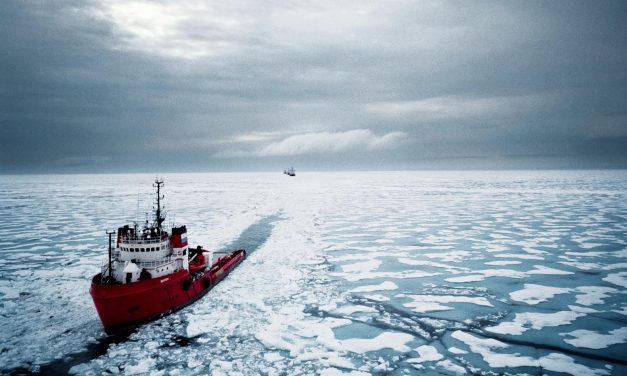
The Arctic; From Geographical Freezing to Geopolitical Boiling

Strategic Council Online – Opinion: The Arctic is no longer a frozen, remote periphery; it has become a live theater of great-power competition, where sea routes, port infrastructure, the law of the sea, and military deterrence are intertwined, shaping the future of maritime security.

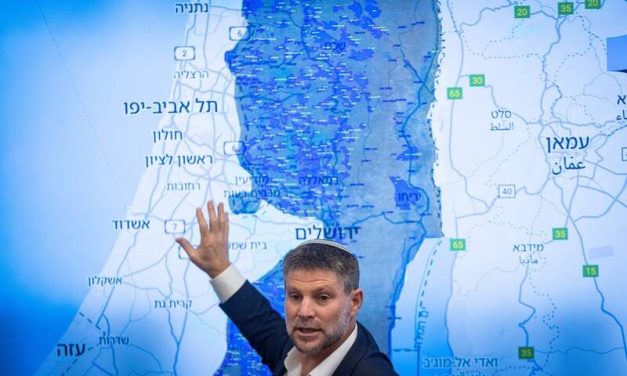
The Zionist Regime’s Time Bomb Activated in the West Bank

Strategic Council Online – Opinion: In the midst of America’s military deployment to West Asia and the Persian Gulf, which has increased tensions at the regional and global levels, the Zionist regime has seized the opportunity and accelerated the advancement of its ambitious projects, including the process of the illegal annexation of the West Bank to the occupied territories.

With the End of New START, How Will the Future of Nuclear Security Be Shaped?

Strategic Council Online – Opinion: With the collapse of the last pillar of nuclear arms control between Washington and Moscow, the world stands on the threshold of a ruleless order that both carries the scent of unlimited competition and conceals within itself the possibility of new forms of bargaining.

Loading

ecological changes

The Arctic; From Geographical Freezing to Geopolitical Boiling

The Arctic; From Geographical Freezing to Geopolitical Boiling

Strategic Council Online – Opinion: The Arctic is no longer a frozen, remote periphery; it has become a live theater of great-power competition, where sea routes, port infrastructure, the law of the sea, and military deterrence are intertwined, shaping the future of maritime security.
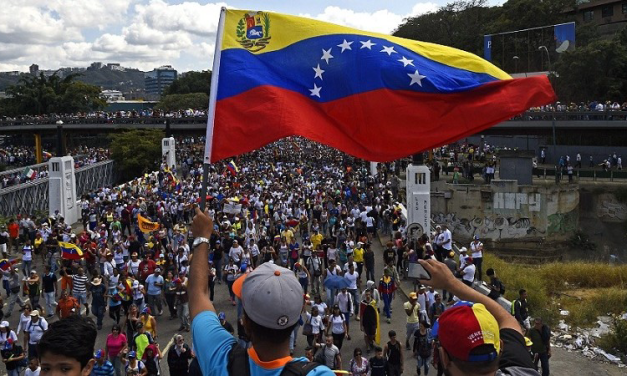
The Contradiction Between U.S. Policies and the Inevitability of Investment in Clean Energy

The Contradiction Between U.S. Policies and the Inevitability of Investment in Clean Energy

Online Strategic Council – Dialogue: An American affairs expert stated that despite the U.S. withdrawal from global climate commitments, the trend of American companies investing in clean energy has not stopped. Independent analysts believe that this contradiction between the government’s official policy and private sector behavior indicates a complex economic reality: companies know that in the short term, profits might be higher through continued use of fossil fuels and the plundering of natural resources, but in the long term, participation in renewable energy is inevitable.

The Role of Bilateral Agreements in Securing Water Shares Between Countries

The Role of Bilateral Agreements in Securing Water Shares Between Countries

Strategic Council Online – Opinion: Recent tensions between New Delhi and Islamabad over the ‘Indus Waters Treaty’, along with climate data indicating the depletion of freshwater resources in various parts of the world, show that transboundary water resources in the 21st century are rapidly transforming from a technical and developmental issue into a strategic and even security variable.

Necessity of Investigating Caspian Sea Level Decrease’s Causes in Cooperation with Coastal Countries

Necessity of Investigating Caspian Sea Level Decrease’s Causes in Cooperation with Coastal Countries

Strategic Council Online – Interview: A faculty member at Tarbiat Modares University said: The only binding legal mechanism for the marine environment of the Caspian Sea is the Framework Convention for the Protection of the Marine Environment of the Caspian Sea, also known as the “Tehran Convention,” with its five protocols, which have many capacities and whose scope includes various issues, including prevention and reduction of pollution, Caspian Sea level fluctuations, exchange of and access to information, management of coastal areas, etc. While examining such capacities for the cooperation of the coastal countries, they should be made more active by removing the obstacles to preserve and strengthen the marine and environmental regime of the Caspian Sea.

G-7 Looks at China Differently; from Competitor to Threat

G-7 Looks at China Differently; from Competitor to Threat

Strategic Council online – Opinion: In its recent meeting in Germany, G-7 has introduced a new infra-structural plan which is considered, in a way, as a competitor to China’s One Belt – One Road initiative. The objective of the Partnership for Global Infrastructure and Investment (PGII) is to allocate $ 600 billion for global infrastructural projects in countries with low and medium-income within the next five years.
Alireza Samoudi, Expert on European Affairs

Need to Pursue Water Diplomacy, Deal with Fine Particles through Regional Pacts

Need to Pursue Water Diplomacy, Deal with Fine Particles through Regional Pacts

Strategic Council Online – Interview: A member of the Association for Environmental Risks and Sustainable Development of Iran, emphasizing the need to pay attention to and prioritize “water diplomacy”, said: Iran, Syria, Saudi Arabia and Iraq, by attracting UN cooperation, should co-sponsor regional agreements for controlling climate change, process of environmental degradation and water resources and water right of all Middle Eastern countries, and even controlling dangerous deserts, which are the main source of creating dust.

Geopolitical Role of Water in Creation & Expansion of Tensions in the Middle East

Geopolitical Role of Water in Creation & Expansion of Tensions in the Middle East

Strategic Council Online –Guest Post: Among the key elements that control and manage political – social behavioral patterns of nation states concerning establishment of order and provision of security is the advantage of access to fresh water. More than putting emphasis on the comfort and welfare of citizens, role of water in the Middle East leaves effect on the unity and integration of political entities.
Maryam Verij Kazemi, Researcher, Geopolitical Issues

أحدث الوظائف

The Arctic; From Geographical Freezing to Geopolitical Boiling

Strategic Council Online – Opinion: The Arctic is no longer a frozen, remote periphery; it has become a live theater of great-power competition, where sea routes, port infrastructure, the law of the sea, and military deterrence are intertwined, shaping the future of maritime security.

The Zionist Regime’s Time Bomb Activated in the West Bank

Strategic Council Online – Opinion: In the midst of America’s military deployment to West Asia and the Persian Gulf, which has increased tensions at the regional and global levels, the Zionist regime has seized the opportunity and accelerated the advancement of its ambitious projects, including the process of the illegal annexation of the West Bank to the occupied territories.

With the End of New START, How Will the Future of Nuclear Security Be Shaped?

Strategic Council Online – Opinion: With the collapse of the last pillar of nuclear arms control between Washington and Moscow, the world stands on the threshold of a ruleless order that both carries the scent of unlimited competition and conceals within itself the possibility of new forms of bargaining.

Loading

ecological changes

The Arctic; From Geographical Freezing to Geopolitical Boiling

The Arctic; From Geographical Freezing to Geopolitical Boiling

Strategic Council Online – Opinion: The Arctic is no longer a frozen, remote periphery; it has become a live theater of great-power competition, where sea routes, port infrastructure, the law of the sea, and military deterrence are intertwined, shaping the future of maritime security.

The Contradiction Between U.S. Policies and the Inevitability of Investment in Clean Energy

The Contradiction Between U.S. Policies and the Inevitability of Investment in Clean Energy

Online Strategic Council – Dialogue: An American affairs expert stated that despite the U.S. withdrawal from global climate commitments, the trend of American companies investing in clean energy has not stopped. Independent analysts believe that this contradiction between the government’s official policy and private sector behavior indicates a complex economic reality: companies know that in the short term, profits might be higher through continued use of fossil fuels and the plundering of natural resources, but in the long term, participation in renewable energy is inevitable.

The Role of Bilateral Agreements in Securing Water Shares Between Countries

The Role of Bilateral Agreements in Securing Water Shares Between Countries

Strategic Council Online – Opinion: Recent tensions between New Delhi and Islamabad over the ‘Indus Waters Treaty’, along with climate data indicating the depletion of freshwater resources in various parts of the world, show that transboundary water resources in the 21st century are rapidly transforming from a technical and developmental issue into a strategic and even security variable.

Necessity of Investigating Caspian Sea Level Decrease’s Causes in Cooperation with Coastal Countries

Necessity of Investigating Caspian Sea Level Decrease’s Causes in Cooperation with Coastal Countries

Strategic Council Online – Interview: A faculty member at Tarbiat Modares University said: The only binding legal mechanism for the marine environment of the Caspian Sea is the Framework Convention for the Protection of the Marine Environment of the Caspian Sea, also known as the “Tehran Convention,” with its five protocols, which have many capacities and whose scope includes various issues, including prevention and reduction of pollution, Caspian Sea level fluctuations, exchange of and access to information, management of coastal areas, etc. While examining such capacities for the cooperation of the coastal countries, they should be made more active by removing the obstacles to preserve and strengthen the marine and environmental regime of the Caspian Sea.

G-7 Looks at China Differently; from Competitor to Threat

G-7 Looks at China Differently; from Competitor to Threat

Strategic Council online – Opinion: In its recent meeting in Germany, G-7 has introduced a new infra-structural plan which is considered, in a way, as a competitor to China’s One Belt – One Road initiative. The objective of the Partnership for Global Infrastructure and Investment (PGII) is to allocate $ 600 billion for global infrastructural projects in countries with low and medium-income within the next five years.
Alireza Samoudi, Expert on European Affairs

Need to Pursue Water Diplomacy, Deal with Fine Particles through Regional Pacts

Need to Pursue Water Diplomacy, Deal with Fine Particles through Regional Pacts

Strategic Council Online – Interview: A member of the Association for Environmental Risks and Sustainable Development of Iran, emphasizing the need to pay attention to and prioritize “water diplomacy”, said: Iran, Syria, Saudi Arabia and Iraq, by attracting UN cooperation, should co-sponsor regional agreements for controlling climate change, process of environmental degradation and water resources and water right of all Middle Eastern countries, and even controlling dangerous deserts, which are the main source of creating dust.

Geopolitical Role of Water in Creation & Expansion of Tensions in the Middle East

Geopolitical Role of Water in Creation & Expansion of Tensions in the Middle East

Strategic Council Online –Guest Post: Among the key elements that control and manage political – social behavioral patterns of nation states concerning establishment of order and provision of security is the advantage of access to fresh water. More than putting emphasis on the comfort and welfare of citizens, role of water in the Middle East leaves effect on the unity and integration of political entities.
Maryam Verij Kazemi, Researcher, Geopolitical Issues

ecological changes

The Arctic; From Geographical Freezing to Geopolitical Boiling

The Arctic; From Geographical Freezing to Geopolitical Boiling

Strategic Council Online – Opinion: The Arctic is no longer a frozen, remote periphery; it has become a live theater of great-power competition, where sea routes, port infrastructure, the law of the sea, and military deterrence are intertwined, shaping the future of maritime security.

The Contradiction Between U.S. Policies and the Inevitability of Investment in Clean Energy

The Contradiction Between U.S. Policies and the Inevitability of Investment in Clean Energy

Online Strategic Council – Dialogue: An American affairs expert stated that despite the U.S. withdrawal from global climate commitments, the trend of American companies investing in clean energy has not stopped. Independent analysts believe that this contradiction between the government’s official policy and private sector behavior indicates a complex economic reality: companies know that in the short term, profits might be higher through continued use of fossil fuels and the plundering of natural resources, but in the long term, participation in renewable energy is inevitable.

The Role of Bilateral Agreements in Securing Water Shares Between Countries

The Role of Bilateral Agreements in Securing Water Shares Between Countries

Strategic Council Online – Opinion: Recent tensions between New Delhi and Islamabad over the ‘Indus Waters Treaty’, along with climate data indicating the depletion of freshwater resources in various parts of the world, show that transboundary water resources in the 21st century are rapidly transforming from a technical and developmental issue into a strategic and even security variable.

Necessity of Investigating Caspian Sea Level Decrease’s Causes in Cooperation with Coastal Countries

Necessity of Investigating Caspian Sea Level Decrease’s Causes in Cooperation with Coastal Countries

Strategic Council Online – Interview: A faculty member at Tarbiat Modares University said: The only binding legal mechanism for the marine environment of the Caspian Sea is the Framework Convention for the Protection of the Marine Environment of the Caspian Sea, also known as the “Tehran Convention,” with its five protocols, which have many capacities and whose scope includes various issues, including prevention and reduction of pollution, Caspian Sea level fluctuations, exchange of and access to information, management of coastal areas, etc. While examining such capacities for the cooperation of the coastal countries, they should be made more active by removing the obstacles to preserve and strengthen the marine and environmental regime of the Caspian Sea.

G-7 Looks at China Differently; from Competitor to Threat

G-7 Looks at China Differently; from Competitor to Threat

Strategic Council online – Opinion: In its recent meeting in Germany, G-7 has introduced a new infra-structural plan which is considered, in a way, as a competitor to China’s One Belt – One Road initiative. The objective of the Partnership for Global Infrastructure and Investment (PGII) is to allocate $ 600 billion for global infrastructural projects in countries with low and medium-income within the next five years.
Alireza Samoudi, Expert on European Affairs

Need to Pursue Water Diplomacy, Deal with Fine Particles through Regional Pacts

Need to Pursue Water Diplomacy, Deal with Fine Particles through Regional Pacts

Strategic Council Online – Interview: A member of the Association for Environmental Risks and Sustainable Development of Iran, emphasizing the need to pay attention to and prioritize “water diplomacy”, said: Iran, Syria, Saudi Arabia and Iraq, by attracting UN cooperation, should co-sponsor regional agreements for controlling climate change, process of environmental degradation and water resources and water right of all Middle Eastern countries, and even controlling dangerous deserts, which are the main source of creating dust.

Geopolitical Role of Water in Creation & Expansion of Tensions in the Middle East

Geopolitical Role of Water in Creation & Expansion of Tensions in the Middle East

Strategic Council Online –Guest Post: Among the key elements that control and manage political – social behavioral patterns of nation states concerning establishment of order and provision of security is the advantage of access to fresh water. More than putting emphasis on the comfort and welfare of citizens, role of water in the Middle East leaves effect on the unity and integration of political entities.
Maryam Verij Kazemi, Researcher, Geopolitical Issues

LATEST CONTENT

The Arctic; From Geographical Freezing to Geopolitical Boiling

Strategic Council Online – Opinion: The Arctic is no longer a frozen, remote periphery; it has become a live theater of great-power competition, where sea routes, port infrastructure, the law of the sea, and military deterrence are intertwined, shaping the future of maritime security.

The Zionist Regime’s Time Bomb Activated in the West Bank

Strategic Council Online – Opinion: In the midst of America’s military deployment to West Asia and the Persian Gulf, which has increased tensions at the regional and global levels, the Zionist regime has seized the opportunity and accelerated the advancement of its ambitious projects, including the process of the illegal annexation of the West Bank to the occupied territories.

With the End of New START, How Will the Future of Nuclear Security Be Shaped?

Strategic Council Online – Opinion: With the collapse of the last pillar of nuclear arms control between Washington and Moscow, the world stands on the threshold of a ruleless order that both carries the scent of unlimited competition and conceals within itself the possibility of new forms of bargaining.

Loading

ecological changes

The Arctic; From Geographical Freezing to Geopolitical Boiling

The Arctic; From Geographical Freezing to Geopolitical Boiling

Strategic Council Online – Opinion: The Arctic is no longer a frozen, remote periphery; it has become a live theater of great-power competition, where sea routes, port infrastructure, the law of the sea, and military deterrence are intertwined, shaping the future of maritime security.

The Contradiction Between U.S. Policies and the Inevitability of Investment in Clean Energy

The Contradiction Between U.S. Policies and the Inevitability of Investment in Clean Energy

Online Strategic Council – Dialogue: An American affairs expert stated that despite the U.S. withdrawal from global climate commitments, the trend of American companies investing in clean energy has not stopped. Independent analysts believe that this contradiction between the government’s official policy and private sector behavior indicates a complex economic reality: companies know that in the short term, profits might be higher through continued use of fossil fuels and the plundering of natural resources, but in the long term, participation in renewable energy is inevitable.

The Role of Bilateral Agreements in Securing Water Shares Between Countries

The Role of Bilateral Agreements in Securing Water Shares Between Countries

Strategic Council Online – Opinion: Recent tensions between New Delhi and Islamabad over the ‘Indus Waters Treaty’, along with climate data indicating the depletion of freshwater resources in various parts of the world, show that transboundary water resources in the 21st century are rapidly transforming from a technical and developmental issue into a strategic and even security variable.

Necessity of Investigating Caspian Sea Level Decrease’s Causes in Cooperation with Coastal Countries

Necessity of Investigating Caspian Sea Level Decrease’s Causes in Cooperation with Coastal Countries

Strategic Council Online – Interview: A faculty member at Tarbiat Modares University said: The only binding legal mechanism for the marine environment of the Caspian Sea is the Framework Convention for the Protection of the Marine Environment of the Caspian Sea, also known as the “Tehran Convention,” with its five protocols, which have many capacities and whose scope includes various issues, including prevention and reduction of pollution, Caspian Sea level fluctuations, exchange of and access to information, management of coastal areas, etc. While examining such capacities for the cooperation of the coastal countries, they should be made more active by removing the obstacles to preserve and strengthen the marine and environmental regime of the Caspian Sea.

G-7 Looks at China Differently; from Competitor to Threat

G-7 Looks at China Differently; from Competitor to Threat

Strategic Council online – Opinion: In its recent meeting in Germany, G-7 has introduced a new infra-structural plan which is considered, in a way, as a competitor to China’s One Belt – One Road initiative. The objective of the Partnership for Global Infrastructure and Investment (PGII) is to allocate $ 600 billion for global infrastructural projects in countries with low and medium-income within the next five years.
Alireza Samoudi, Expert on European Affairs

Need to Pursue Water Diplomacy, Deal with Fine Particles through Regional Pacts

Need to Pursue Water Diplomacy, Deal with Fine Particles through Regional Pacts

Strategic Council Online – Interview: A member of the Association for Environmental Risks and Sustainable Development of Iran, emphasizing the need to pay attention to and prioritize “water diplomacy”, said: Iran, Syria, Saudi Arabia and Iraq, by attracting UN cooperation, should co-sponsor regional agreements for controlling climate change, process of environmental degradation and water resources and water right of all Middle Eastern countries, and even controlling dangerous deserts, which are the main source of creating dust.

Geopolitical Role of Water in Creation & Expansion of Tensions in the Middle East

Geopolitical Role of Water in Creation & Expansion of Tensions in the Middle East

Strategic Council Online –Guest Post: Among the key elements that control and manage political – social behavioral patterns of nation states concerning establishment of order and provision of security is the advantage of access to fresh water. More than putting emphasis on the comfort and welfare of citizens, role of water in the Middle East leaves effect on the unity and integration of political entities.
Maryam Verij Kazemi, Researcher, Geopolitical Issues

ÚLTIMAS PUBLICACIONES

The Arctic; From Geographical Freezing to Geopolitical Boiling

Strategic Council Online – Opinion: The Arctic is no longer a frozen, remote periphery; it has become a live theater of great-power competition, where sea routes, port infrastructure, the law of the sea, and military deterrence are intertwined, shaping the future of maritime security.
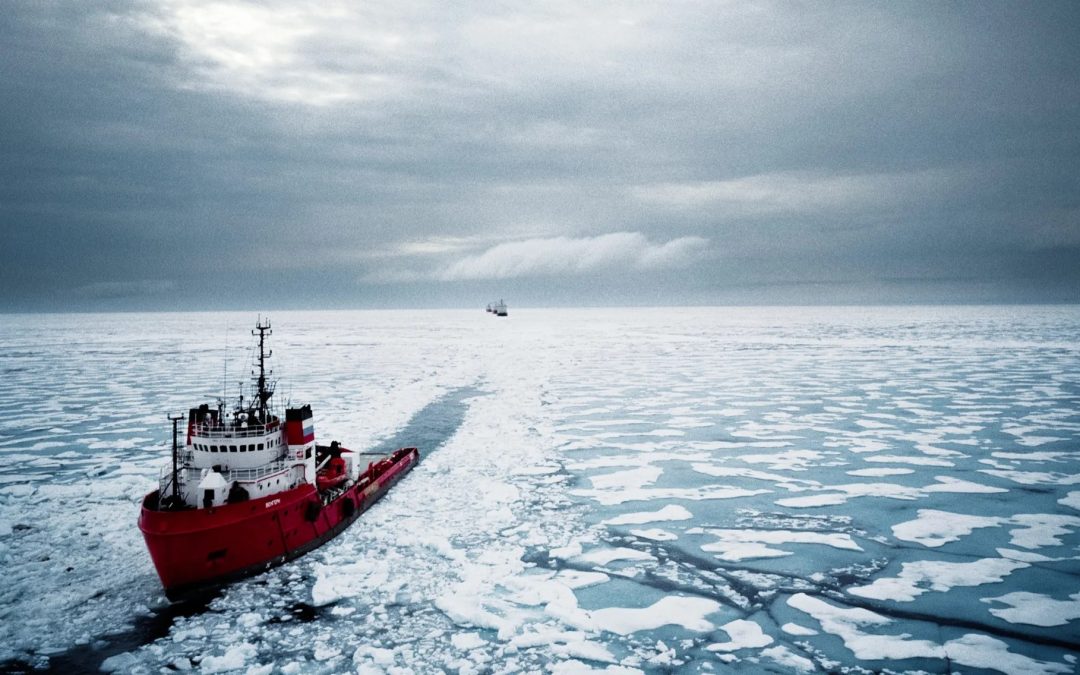
The Zionist Regime’s Time Bomb Activated in the West Bank

Strategic Council Online – Opinion: In the midst of America’s military deployment to West Asia and the Persian Gulf, which has increased tensions at the regional and global levels, the Zionist regime has seized the opportunity and accelerated the advancement of its ambitious projects, including the process of the illegal annexation of the West Bank to the occupied territories.

With the End of New START, How Will the Future of Nuclear Security Be Shaped?

Strategic Council Online – Opinion: With the collapse of the last pillar of nuclear arms control between Washington and Moscow, the world stands on the threshold of a ruleless order that both carries the scent of unlimited competition and conceals within itself the possibility of new forms of bargaining.

Loading

ecological changes

The Arctic; From Geographical Freezing to Geopolitical Boiling

The Arctic; From Geographical Freezing to Geopolitical Boiling

Strategic Council Online – Opinion: The Arctic is no longer a frozen, remote periphery; it has become a live theater of great-power competition, where sea routes, port infrastructure, the law of the sea, and military deterrence are intertwined, shaping the future of maritime security.
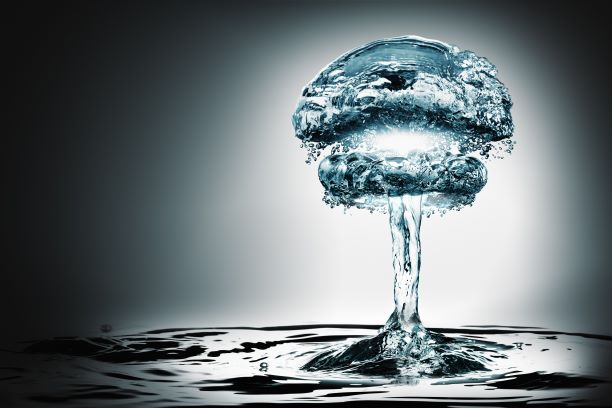
The Contradiction Between U.S. Policies and the Inevitability of Investment in Clean Energy

The Contradiction Between U.S. Policies and the Inevitability of Investment in Clean Energy

Online Strategic Council – Dialogue: An American affairs expert stated that despite the U.S. withdrawal from global climate commitments, the trend of American companies investing in clean energy has not stopped. Independent analysts believe that this contradiction between the government’s official policy and private sector behavior indicates a complex economic reality: companies know that in the short term, profits might be higher through continued use of fossil fuels and the plundering of natural resources, but in the long term, participation in renewable energy is inevitable.

The Role of Bilateral Agreements in Securing Water Shares Between Countries

The Role of Bilateral Agreements in Securing Water Shares Between Countries

Strategic Council Online – Opinion: Recent tensions between New Delhi and Islamabad over the ‘Indus Waters Treaty’, along with climate data indicating the depletion of freshwater resources in various parts of the world, show that transboundary water resources in the 21st century are rapidly transforming from a technical and developmental issue into a strategic and even security variable.

Necessity of Investigating Caspian Sea Level Decrease’s Causes in Cooperation with Coastal Countries

Necessity of Investigating Caspian Sea Level Decrease’s Causes in Cooperation with Coastal Countries

Strategic Council Online – Interview: A faculty member at Tarbiat Modares University said: The only binding legal mechanism for the marine environment of the Caspian Sea is the Framework Convention for the Protection of the Marine Environment of the Caspian Sea, also known as the “Tehran Convention,” with its five protocols, which have many capacities and whose scope includes various issues, including prevention and reduction of pollution, Caspian Sea level fluctuations, exchange of and access to information, management of coastal areas, etc. While examining such capacities for the cooperation of the coastal countries, they should be made more active by removing the obstacles to preserve and strengthen the marine and environmental regime of the Caspian Sea.

G-7 Looks at China Differently; from Competitor to Threat

G-7 Looks at China Differently; from Competitor to Threat

Strategic Council online – Opinion: In its recent meeting in Germany, G-7 has introduced a new infra-structural plan which is considered, in a way, as a competitor to China’s One Belt – One Road initiative. The objective of the Partnership for Global Infrastructure and Investment (PGII) is to allocate $ 600 billion for global infrastructural projects in countries with low and medium-income within the next five years.
Alireza Samoudi, Expert on European Affairs

Need to Pursue Water Diplomacy, Deal with Fine Particles through Regional Pacts

Need to Pursue Water Diplomacy, Deal with Fine Particles through Regional Pacts

Strategic Council Online – Interview: A member of the Association for Environmental Risks and Sustainable Development of Iran, emphasizing the need to pay attention to and prioritize “water diplomacy”, said: Iran, Syria, Saudi Arabia and Iraq, by attracting UN cooperation, should co-sponsor regional agreements for controlling climate change, process of environmental degradation and water resources and water right of all Middle Eastern countries, and even controlling dangerous deserts, which are the main source of creating dust.

Geopolitical Role of Water in Creation & Expansion of Tensions in the Middle East

Geopolitical Role of Water in Creation & Expansion of Tensions in the Middle East

Strategic Council Online –Guest Post: Among the key elements that control and manage political – social behavioral patterns of nation states concerning establishment of order and provision of security is the advantage of access to fresh water. More than putting emphasis on the comfort and welfare of citizens, role of water in the Middle East leaves effect on the unity and integration of political entities.
Maryam Verij Kazemi, Researcher, Geopolitical Issues

ÚLTIMAS PUBLICACIONES

The Arctic; From Geographical Freezing to Geopolitical Boiling

Strategic Council Online – Opinion: The Arctic is no longer a frozen, remote periphery; it has become a live theater of great-power competition, where sea routes, port infrastructure, the law of the sea, and military deterrence are intertwined, shaping the future of maritime security.

The Zionist Regime’s Time Bomb Activated in the West Bank

Strategic Council Online – Opinion: In the midst of America’s military deployment to West Asia and the Persian Gulf, which has increased tensions at the regional and global levels, the Zionist regime has seized the opportunity and accelerated the advancement of its ambitious projects, including the process of the illegal annexation of the West Bank to the occupied territories.

With the End of New START, How Will the Future of Nuclear Security Be Shaped?

Strategic Council Online – Opinion: With the collapse of the last pillar of nuclear arms control between Washington and Moscow, the world stands on the threshold of a ruleless order that both carries the scent of unlimited competition and conceals within itself the possibility of new forms of bargaining.

Loading

ecological changes

The Arctic; From Geographical Freezing to Geopolitical Boiling

The Arctic; From Geographical Freezing to Geopolitical Boiling

Strategic Council Online – Opinion: The Arctic is no longer a frozen, remote periphery; it has become a live theater of great-power competition, where sea routes, port infrastructure, the law of the sea, and military deterrence are intertwined, shaping the future of maritime security.

The Contradiction Between U.S. Policies and the Inevitability of Investment in Clean Energy

The Contradiction Between U.S. Policies and the Inevitability of Investment in Clean Energy

Online Strategic Council – Dialogue: An American affairs expert stated that despite the U.S. withdrawal from global climate commitments, the trend of American companies investing in clean energy has not stopped. Independent analysts believe that this contradiction between the government’s official policy and private sector behavior indicates a complex economic reality: companies know that in the short term, profits might be higher through continued use of fossil fuels and the plundering of natural resources, but in the long term, participation in renewable energy is inevitable.

The Role of Bilateral Agreements in Securing Water Shares Between Countries

The Role of Bilateral Agreements in Securing Water Shares Between Countries

Strategic Council Online – Opinion: Recent tensions between New Delhi and Islamabad over the ‘Indus Waters Treaty’, along with climate data indicating the depletion of freshwater resources in various parts of the world, show that transboundary water resources in the 21st century are rapidly transforming from a technical and developmental issue into a strategic and even security variable.

Necessity of Investigating Caspian Sea Level Decrease’s Causes in Cooperation with Coastal Countries

Necessity of Investigating Caspian Sea Level Decrease’s Causes in Cooperation with Coastal Countries

Strategic Council Online – Interview: A faculty member at Tarbiat Modares University said: The only binding legal mechanism for the marine environment of the Caspian Sea is the Framework Convention for the Protection of the Marine Environment of the Caspian Sea, also known as the “Tehran Convention,” with its five protocols, which have many capacities and whose scope includes various issues, including prevention and reduction of pollution, Caspian Sea level fluctuations, exchange of and access to information, management of coastal areas, etc. While examining such capacities for the cooperation of the coastal countries, they should be made more active by removing the obstacles to preserve and strengthen the marine and environmental regime of the Caspian Sea.

G-7 Looks at China Differently; from Competitor to Threat

G-7 Looks at China Differently; from Competitor to Threat

Strategic Council online – Opinion: In its recent meeting in Germany, G-7 has introduced a new infra-structural plan which is considered, in a way, as a competitor to China’s One Belt – One Road initiative. The objective of the Partnership for Global Infrastructure and Investment (PGII) is to allocate $ 600 billion for global infrastructural projects in countries with low and medium-income within the next five years.
Alireza Samoudi, Expert on European Affairs

Need to Pursue Water Diplomacy, Deal with Fine Particles through Regional Pacts

Need to Pursue Water Diplomacy, Deal with Fine Particles through Regional Pacts

Strategic Council Online – Interview: A member of the Association for Environmental Risks and Sustainable Development of Iran, emphasizing the need to pay attention to and prioritize “water diplomacy”, said: Iran, Syria, Saudi Arabia and Iraq, by attracting UN cooperation, should co-sponsor regional agreements for controlling climate change, process of environmental degradation and water resources and water right of all Middle Eastern countries, and even controlling dangerous deserts, which are the main source of creating dust.

Geopolitical Role of Water in Creation & Expansion of Tensions in the Middle East

Geopolitical Role of Water in Creation & Expansion of Tensions in the Middle East

Strategic Council Online –Guest Post: Among the key elements that control and manage political – social behavioral patterns of nation states concerning establishment of order and provision of security is the advantage of access to fresh water. More than putting emphasis on the comfort and welfare of citizens, role of water in the Middle East leaves effect on the unity and integration of political entities.
Maryam Verij Kazemi, Researcher, Geopolitical Issues

ÚLTIMAS PUBLICACIONES

The Arctic; From Geographical Freezing to Geopolitical Boiling

Strategic Council Online – Opinion: The Arctic is no longer a frozen, remote periphery; it has become a live theater of great-power competition, where sea routes, port infrastructure, the law of the sea, and military deterrence are intertwined, shaping the future of maritime security.

The Zionist Regime’s Time Bomb Activated in the West Bank

Strategic Council Online – Opinion: In the midst of America’s military deployment to West Asia and the Persian Gulf, which has increased tensions at the regional and global levels, the Zionist regime has seized the opportunity and accelerated the advancement of its ambitious projects, including the process of the illegal annexation of the West Bank to the occupied territories.

With the End of New START, How Will the Future of Nuclear Security Be Shaped?

Strategic Council Online – Opinion: With the collapse of the last pillar of nuclear arms control between Washington and Moscow, the world stands on the threshold of a ruleless order that both carries the scent of unlimited competition and conceals within itself the possibility of new forms of bargaining.

Loading

ecological changes

The Arctic; From Geographical Freezing to Geopolitical Boiling

The Arctic; From Geographical Freezing to Geopolitical Boiling

Strategic Council Online – Opinion: The Arctic is no longer a frozen, remote periphery; it has become a live theater of great-power competition, where sea routes, port infrastructure, the law of the sea, and military deterrence are intertwined, shaping the future of maritime security.

The Contradiction Between U.S. Policies and the Inevitability of Investment in Clean Energy

The Contradiction Between U.S. Policies and the Inevitability of Investment in Clean Energy

Online Strategic Council – Dialogue: An American affairs expert stated that despite the U.S. withdrawal from global climate commitments, the trend of American companies investing in clean energy has not stopped. Independent analysts believe that this contradiction between the government’s official policy and private sector behavior indicates a complex economic reality: companies know that in the short term, profits might be higher through continued use of fossil fuels and the plundering of natural resources, but in the long term, participation in renewable energy is inevitable.

The Role of Bilateral Agreements in Securing Water Shares Between Countries

The Role of Bilateral Agreements in Securing Water Shares Between Countries

Strategic Council Online – Opinion: Recent tensions between New Delhi and Islamabad over the ‘Indus Waters Treaty’, along with climate data indicating the depletion of freshwater resources in various parts of the world, show that transboundary water resources in the 21st century are rapidly transforming from a technical and developmental issue into a strategic and even security variable.

Necessity of Investigating Caspian Sea Level Decrease’s Causes in Cooperation with Coastal Countries

Necessity of Investigating Caspian Sea Level Decrease’s Causes in Cooperation with Coastal Countries

Strategic Council Online – Interview: A faculty member at Tarbiat Modares University said: The only binding legal mechanism for the marine environment of the Caspian Sea is the Framework Convention for the Protection of the Marine Environment of the Caspian Sea, also known as the “Tehran Convention,” with its five protocols, which have many capacities and whose scope includes various issues, including prevention and reduction of pollution, Caspian Sea level fluctuations, exchange of and access to information, management of coastal areas, etc. While examining such capacities for the cooperation of the coastal countries, they should be made more active by removing the obstacles to preserve and strengthen the marine and environmental regime of the Caspian Sea.

G-7 Looks at China Differently; from Competitor to Threat

G-7 Looks at China Differently; from Competitor to Threat

Strategic Council online – Opinion: In its recent meeting in Germany, G-7 has introduced a new infra-structural plan which is considered, in a way, as a competitor to China’s One Belt – One Road initiative. The objective of the Partnership for Global Infrastructure and Investment (PGII) is to allocate $ 600 billion for global infrastructural projects in countries with low and medium-income within the next five years.
Alireza Samoudi, Expert on European Affairs

Need to Pursue Water Diplomacy, Deal with Fine Particles through Regional Pacts

Need to Pursue Water Diplomacy, Deal with Fine Particles through Regional Pacts

Strategic Council Online – Interview: A member of the Association for Environmental Risks and Sustainable Development of Iran, emphasizing the need to pay attention to and prioritize “water diplomacy”, said: Iran, Syria, Saudi Arabia and Iraq, by attracting UN cooperation, should co-sponsor regional agreements for controlling climate change, process of environmental degradation and water resources and water right of all Middle Eastern countries, and even controlling dangerous deserts, which are the main source of creating dust.

Geopolitical Role of Water in Creation & Expansion of Tensions in the Middle East

Geopolitical Role of Water in Creation & Expansion of Tensions in the Middle East

Strategic Council Online –Guest Post: Among the key elements that control and manage political – social behavioral patterns of nation states concerning establishment of order and provision of security is the advantage of access to fresh water. More than putting emphasis on the comfort and welfare of citizens, role of water in the Middle East leaves effect on the unity and integration of political entities.
Maryam Verij Kazemi, Researcher, Geopolitical Issues

ÚLTIMAS PUBLICACIONES

The Arctic; From Geographical Freezing to Geopolitical Boiling

Strategic Council Online – Opinion: The Arctic is no longer a frozen, remote periphery; it has become a live theater of great-power competition, where sea routes, port infrastructure, the law of the sea, and military deterrence are intertwined, shaping the future of maritime security.

The Zionist Regime’s Time Bomb Activated in the West Bank

Strategic Council Online – Opinion: In the midst of America’s military deployment to West Asia and the Persian Gulf, which has increased tensions at the regional and global levels, the Zionist regime has seized the opportunity and accelerated the advancement of its ambitious projects, including the process of the illegal annexation of the West Bank to the occupied territories.

With the End of New START, How Will the Future of Nuclear Security Be Shaped?

Strategic Council Online – Opinion: With the collapse of the last pillar of nuclear arms control between Washington and Moscow, the world stands on the threshold of a ruleless order that both carries the scent of unlimited competition and conceals within itself the possibility of new forms of bargaining.

Loading