جدیدترین مطالب

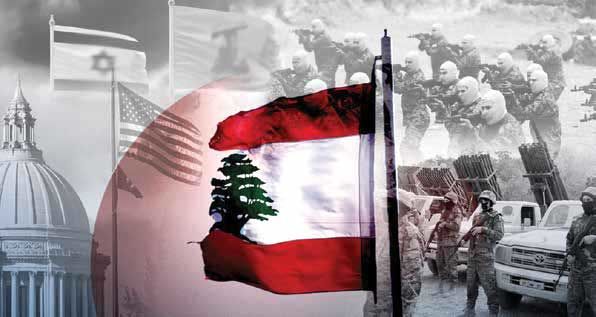
The Security Equation of Southern Lebanon for the Zionist Regime

Strategic Council Online – Opinion: American-Zionist objectives in the region are not limited to weakening Hezbollah. Efforts to disarm Iraqi resistance groups such as Kata’ib Hezbollah and the Popular Mobilization Forces are also part of their subsequent plans.

Commercial Exploitation of Peace; The Gaza Committee in Confrontation with International Legitimacy

Strategic Council Online – Report: While the second phase of the implementation of the Gaza ceasefire has begun, the establishment of the “Peace Board” chaired by Donald Trump on the sidelines of the Davos meeting (22 January 2026) has become more than a technical mechanism for reconstruction and has turned into a test for the future of the international order.
Despite the signing of the charter by 22 out of 60 invited countries, the limited presence of global leaders at the Davos ceremony and the non-acceptance of this body by the European Union and key Western countries indicate a deep divide in global perceptions of the legitimacy of this mechanism.
In this report, drawing on the analysis of Hadi Borhani, a regional affairs expert, and international data, three strategic questions are addressed: Is the Peace Board an instrument for implementing UN Security Council Resolution 2803 or a substitute for the United Nations? How does the hierarchical architecture of this committee intensify executive challenges in Gaza? And finally, can this body create sustainable peace without the cooperation of Palestinians and with the concentration of power in the hands of a single individual?

America’s Zero-Sum Game in Iraq

Online Strategic Council – Memoir: The swift selection of Nouri al-Maliki for the premiership constitutes a new phase in Iraq’s political sphere. Multiple factors have played a role in this process, the most important being the prevailing situation in Iraq and the region. Under such circumstances, Iraq requires a powerful and experienced prime minister who can keep the country away from the dangers of wars and crises.

America’s Strategy for Creating Tension in the Asia-Pacific

Strategic Council Online – Opinion: Relations between some countries in the Asia-Pacific region, such as China and Japan or China and Australia, which were previously relatively normal, are trending towards deterioration, and the primary reason for this is the aggressive policies of the United States of America.

Loading

USA

Fields of Cooperation between Iran and Saudi

Fields of Cooperation between Iran and Saudi

Strategic Council Online – Guest Opinion: The normalization of relations between Tehran and Riyadh, despite several decades of tension in Iran-Saudi Arabia relations, has created new speculations about the prospects of ties between the two countries. Despite many controversial cases between Iran and Saudi Arabia, there are many fears and hopes about the results of the resumption of relations between Tehran and Riyadh and its effects and regional consequences. Still, with the current conditions, it seems that the drivers are effective in improving the atmosphere of cooperation between Iran and Saudi Arabia, and solving regional issues is stronger than the challenges and doubts in this regard.
Abbas Aslani – International affairs expert

A Glance at China-US Approach, Rivalry in Africa

A Glance at China-US Approach, Rivalry in Africa

Strategic Council Online – Interview: An analyst of international affairs emphasized: Under the current situation, the US is not able to compete with China in Africa, but if it can advance its long-term plan in the form of sanctions or a war of chips, it can shock and deal a blow on China’s position in Africa and also affect the economy of that country.

Strategic Consequences of Improved Ties with the Saudis

Strategic Consequences of Improved Ties with the Saudis

Strategic Council Online – Opinion: The agreement between the Islamic Republic of Iran and the Kingdom of Saudi Arabia to resume bilateral relations is West Asia’s most important political and diplomatic event.
Barsam Mohammadi – International affairs analyst

An analysis of the countermeasures of the Zionist regime against Moscow in approving the transfer of anti-drone systems to Ukraine

An analysis of the countermeasures of the Zionist regime against Moscow in approving the transfer of anti-drone systems to Ukraine

Strategic Council Online—Opinion: Relations between Russia and the Zionist regime have always accompanied many ups and downs. In some cases, cooperation and coordination and some cases, conflict and disagreement have defined the relations of the parties. This situation became more evident after the Ukrainian War. Although Tel Aviv tried to show some neutrality towards the war in Ukraine from the beginning, the talks of its military aid to Ukraine led to a wave of differences between Tel Aviv and Moscow.
Mohammad Javad Ghahremani—Expert in international issues

A Glance at the UN Commission of Inquiry’s Vote on the War in Ukraine

A Glance at the UN Commission of Inquiry’s Vote on the War in Ukraine

Strategic Council Online – Interview: An international law professor assessed the formation of the Commission of Inquiry on “Russian war crimes” by the Human Rights Council as a political action aimed at putting pressure on Moscow and said: The crimes committed in the Ukraine war by both sides should not be ignored, but the international legal organizations should investigate the real causes behind the beginning of the war in Ukraine and the main factors that led to the outbreak of the war.

Future of the presence of US forces in Iraq

Future of the presence of US forces in Iraq

Strategic Council Online – Interview: An expert on West Asia affairs called the central message of the US defense secretary’s visit to Baghdad as the declaration of their desire to maintain the presence of their troops in Iraq and stressed: The United States still wants and insists that its forces remain in Iraq. Even though it declared policy, Iraq’s prime minister stated that Baghdad needed no presence of foreign troops, and this policy would only stay at the announcement level.

The continuation of the US military presence in Iraq and its consequences

The continuation of the US military presence in Iraq and its consequences

Strategic Council Online-Interview: An Iraqi affairs expert emphasized that the US wants to maintain a military presence in Iraq and the region, adding that the US presence has no consequences other than insecurity in the region and an impact on the independence of decision-making in the governments that host them.

Zionist Regime’s Failed Conspiracy to Eliminate Resistance in West Bank

Zionist Regime’s Failed Conspiracy to Eliminate Resistance in West Bank

Strategic Council Online – Opinion: Netanyahu’s fascist government has proposed a plan to “remove the Islamic Resistance groups” from the West Bank, including Nablus and Jenin. This conspiracy plan is presented at a time when the measures of the Zionist regime to deal with the Islamic Resistance in the West Bank have failed, and the Palestinian Resistance groups have started large-scale operations in the mentioned areas in response to the crimes of the usurpers.
Hamid Khoshayand – Expert on regional affairs

Middle East on the Threshold of Comprehensive Peace

Middle East on the Threshold of Comprehensive Peace

Strategic Council Online – Opinion: The strategic agreement between Iran and Saudi Arabia in Beijing will help transform the political and security conditions and move towards stable peace and stability in the region. This agreement will end the costly tensions between Tehran and Riyadh and create new political and security stability requirements and expand cooperation between the region’s countries.
Hassan Hanizadeh – Expert on Middle East affairs

West’s Strategy to Contain China

West’s Strategy to Contain China

Strategic Council Online – Opinion: Banning the use of the Chinese application TikTok in Britain, for security reasons, is considered the last reaction of the West to China’s influence and global power-building.
Hossein Sayyahi – International politics researcher

أحدث الوظائف

The Security Equation of Southern Lebanon for the Zionist Regime

Strategic Council Online – Opinion: American-Zionist objectives in the region are not limited to weakening Hezbollah. Efforts to disarm Iraqi resistance groups such as Kata’ib Hezbollah and the Popular Mobilization Forces are also part of their subsequent plans.

Commercial Exploitation of Peace; The Gaza Committee in Confrontation with International Legitimacy

Strategic Council Online – Report: While the second phase of the implementation of the Gaza ceasefire has begun, the establishment of the “Peace Board” chaired by Donald Trump on the sidelines of the Davos meeting (22 January 2026) has become more than a technical mechanism for reconstruction and has turned into a test for the future of the international order.
Despite the signing of the charter by 22 out of 60 invited countries, the limited presence of global leaders at the Davos ceremony and the non-acceptance of this body by the European Union and key Western countries indicate a deep divide in global perceptions of the legitimacy of this mechanism.
In this report, drawing on the analysis of Hadi Borhani, a regional affairs expert, and international data, three strategic questions are addressed: Is the Peace Board an instrument for implementing UN Security Council Resolution 2803 or a substitute for the United Nations? How does the hierarchical architecture of this committee intensify executive challenges in Gaza? And finally, can this body create sustainable peace without the cooperation of Palestinians and with the concentration of power in the hands of a single individual?

America’s Zero-Sum Game in Iraq

Online Strategic Council – Memoir: The swift selection of Nouri al-Maliki for the premiership constitutes a new phase in Iraq’s political sphere. Multiple factors have played a role in this process, the most important being the prevailing situation in Iraq and the region. Under such circumstances, Iraq requires a powerful and experienced prime minister who can keep the country away from the dangers of wars and crises.

America’s Strategy for Creating Tension in the Asia-Pacific

Strategic Council Online – Opinion: Relations between some countries in the Asia-Pacific region, such as China and Japan or China and Australia, which were previously relatively normal, are trending towards deterioration, and the primary reason for this is the aggressive policies of the United States of America.

Loading

USA

Fields of Cooperation between Iran and Saudi

Fields of Cooperation between Iran and Saudi

Strategic Council Online – Guest Opinion: The normalization of relations between Tehran and Riyadh, despite several decades of tension in Iran-Saudi Arabia relations, has created new speculations about the prospects of ties between the two countries. Despite many controversial cases between Iran and Saudi Arabia, there are many fears and hopes about the results of the resumption of relations between Tehran and Riyadh and its effects and regional consequences. Still, with the current conditions, it seems that the drivers are effective in improving the atmosphere of cooperation between Iran and Saudi Arabia, and solving regional issues is stronger than the challenges and doubts in this regard.
Abbas Aslani – International affairs expert

A Glance at China-US Approach, Rivalry in Africa

A Glance at China-US Approach, Rivalry in Africa

Strategic Council Online – Interview: An analyst of international affairs emphasized: Under the current situation, the US is not able to compete with China in Africa, but if it can advance its long-term plan in the form of sanctions or a war of chips, it can shock and deal a blow on China’s position in Africa and also affect the economy of that country.

Strategic Consequences of Improved Ties with the Saudis

Strategic Consequences of Improved Ties with the Saudis

Strategic Council Online – Opinion: The agreement between the Islamic Republic of Iran and the Kingdom of Saudi Arabia to resume bilateral relations is West Asia’s most important political and diplomatic event.
Barsam Mohammadi – International affairs analyst

An analysis of the countermeasures of the Zionist regime against Moscow in approving the transfer of anti-drone systems to Ukraine

An analysis of the countermeasures of the Zionist regime against Moscow in approving the transfer of anti-drone systems to Ukraine

Strategic Council Online—Opinion: Relations between Russia and the Zionist regime have always accompanied many ups and downs. In some cases, cooperation and coordination and some cases, conflict and disagreement have defined the relations of the parties. This situation became more evident after the Ukrainian War. Although Tel Aviv tried to show some neutrality towards the war in Ukraine from the beginning, the talks of its military aid to Ukraine led to a wave of differences between Tel Aviv and Moscow.
Mohammad Javad Ghahremani—Expert in international issues

A Glance at the UN Commission of Inquiry’s Vote on the War in Ukraine

A Glance at the UN Commission of Inquiry’s Vote on the War in Ukraine

Strategic Council Online – Interview: An international law professor assessed the formation of the Commission of Inquiry on “Russian war crimes” by the Human Rights Council as a political action aimed at putting pressure on Moscow and said: The crimes committed in the Ukraine war by both sides should not be ignored, but the international legal organizations should investigate the real causes behind the beginning of the war in Ukraine and the main factors that led to the outbreak of the war.

Future of the presence of US forces in Iraq

Future of the presence of US forces in Iraq

Strategic Council Online – Interview: An expert on West Asia affairs called the central message of the US defense secretary’s visit to Baghdad as the declaration of their desire to maintain the presence of their troops in Iraq and stressed: The United States still wants and insists that its forces remain in Iraq. Even though it declared policy, Iraq’s prime minister stated that Baghdad needed no presence of foreign troops, and this policy would only stay at the announcement level.

The continuation of the US military presence in Iraq and its consequences

The continuation of the US military presence in Iraq and its consequences

Strategic Council Online-Interview: An Iraqi affairs expert emphasized that the US wants to maintain a military presence in Iraq and the region, adding that the US presence has no consequences other than insecurity in the region and an impact on the independence of decision-making in the governments that host them.

Zionist Regime’s Failed Conspiracy to Eliminate Resistance in West Bank

Zionist Regime’s Failed Conspiracy to Eliminate Resistance in West Bank

Strategic Council Online – Opinion: Netanyahu’s fascist government has proposed a plan to “remove the Islamic Resistance groups” from the West Bank, including Nablus and Jenin. This conspiracy plan is presented at a time when the measures of the Zionist regime to deal with the Islamic Resistance in the West Bank have failed, and the Palestinian Resistance groups have started large-scale operations in the mentioned areas in response to the crimes of the usurpers.
Hamid Khoshayand – Expert on regional affairs

Middle East on the Threshold of Comprehensive Peace

Middle East on the Threshold of Comprehensive Peace

Strategic Council Online – Opinion: The strategic agreement between Iran and Saudi Arabia in Beijing will help transform the political and security conditions and move towards stable peace and stability in the region. This agreement will end the costly tensions between Tehran and Riyadh and create new political and security stability requirements and expand cooperation between the region’s countries.
Hassan Hanizadeh – Expert on Middle East affairs

West’s Strategy to Contain China

West’s Strategy to Contain China

Strategic Council Online – Opinion: Banning the use of the Chinese application TikTok in Britain, for security reasons, is considered the last reaction of the West to China’s influence and global power-building.
Hossein Sayyahi – International politics researcher

USA

Fields of Cooperation between Iran and Saudi

Fields of Cooperation between Iran and Saudi

Strategic Council Online – Guest Opinion: The normalization of relations between Tehran and Riyadh, despite several decades of tension in Iran-Saudi Arabia relations, has created new speculations about the prospects of ties between the two countries. Despite many controversial cases between Iran and Saudi Arabia, there are many fears and hopes about the results of the resumption of relations between Tehran and Riyadh and its effects and regional consequences. Still, with the current conditions, it seems that the drivers are effective in improving the atmosphere of cooperation between Iran and Saudi Arabia, and solving regional issues is stronger than the challenges and doubts in this regard.
Abbas Aslani – International affairs expert

A Glance at China-US Approach, Rivalry in Africa

A Glance at China-US Approach, Rivalry in Africa

Strategic Council Online – Interview: An analyst of international affairs emphasized: Under the current situation, the US is not able to compete with China in Africa, but if it can advance its long-term plan in the form of sanctions or a war of chips, it can shock and deal a blow on China’s position in Africa and also affect the economy of that country.

Strategic Consequences of Improved Ties with the Saudis

Strategic Consequences of Improved Ties with the Saudis

Strategic Council Online – Opinion: The agreement between the Islamic Republic of Iran and the Kingdom of Saudi Arabia to resume bilateral relations is West Asia’s most important political and diplomatic event.
Barsam Mohammadi – International affairs analyst

An analysis of the countermeasures of the Zionist regime against Moscow in approving the transfer of anti-drone systems to Ukraine

An analysis of the countermeasures of the Zionist regime against Moscow in approving the transfer of anti-drone systems to Ukraine

Strategic Council Online—Opinion: Relations between Russia and the Zionist regime have always accompanied many ups and downs. In some cases, cooperation and coordination and some cases, conflict and disagreement have defined the relations of the parties. This situation became more evident after the Ukrainian War. Although Tel Aviv tried to show some neutrality towards the war in Ukraine from the beginning, the talks of its military aid to Ukraine led to a wave of differences between Tel Aviv and Moscow.
Mohammad Javad Ghahremani—Expert in international issues

A Glance at the UN Commission of Inquiry’s Vote on the War in Ukraine

A Glance at the UN Commission of Inquiry’s Vote on the War in Ukraine

Strategic Council Online – Interview: An international law professor assessed the formation of the Commission of Inquiry on “Russian war crimes” by the Human Rights Council as a political action aimed at putting pressure on Moscow and said: The crimes committed in the Ukraine war by both sides should not be ignored, but the international legal organizations should investigate the real causes behind the beginning of the war in Ukraine and the main factors that led to the outbreak of the war.

Future of the presence of US forces in Iraq

Future of the presence of US forces in Iraq

Strategic Council Online – Interview: An expert on West Asia affairs called the central message of the US defense secretary’s visit to Baghdad as the declaration of their desire to maintain the presence of their troops in Iraq and stressed: The United States still wants and insists that its forces remain in Iraq. Even though it declared policy, Iraq’s prime minister stated that Baghdad needed no presence of foreign troops, and this policy would only stay at the announcement level.

The continuation of the US military presence in Iraq and its consequences

The continuation of the US military presence in Iraq and its consequences

Strategic Council Online-Interview: An Iraqi affairs expert emphasized that the US wants to maintain a military presence in Iraq and the region, adding that the US presence has no consequences other than insecurity in the region and an impact on the independence of decision-making in the governments that host them.

Zionist Regime’s Failed Conspiracy to Eliminate Resistance in West Bank

Zionist Regime’s Failed Conspiracy to Eliminate Resistance in West Bank

Strategic Council Online – Opinion: Netanyahu’s fascist government has proposed a plan to “remove the Islamic Resistance groups” from the West Bank, including Nablus and Jenin. This conspiracy plan is presented at a time when the measures of the Zionist regime to deal with the Islamic Resistance in the West Bank have failed, and the Palestinian Resistance groups have started large-scale operations in the mentioned areas in response to the crimes of the usurpers.
Hamid Khoshayand – Expert on regional affairs

Middle East on the Threshold of Comprehensive Peace

Middle East on the Threshold of Comprehensive Peace

Strategic Council Online – Opinion: The strategic agreement between Iran and Saudi Arabia in Beijing will help transform the political and security conditions and move towards stable peace and stability in the region. This agreement will end the costly tensions between Tehran and Riyadh and create new political and security stability requirements and expand cooperation between the region’s countries.
Hassan Hanizadeh – Expert on Middle East affairs

West’s Strategy to Contain China

West’s Strategy to Contain China

Strategic Council Online – Opinion: Banning the use of the Chinese application TikTok in Britain, for security reasons, is considered the last reaction of the West to China’s influence and global power-building.
Hossein Sayyahi – International politics researcher

LATEST CONTENT

The Security Equation of Southern Lebanon for the Zionist Regime

Strategic Council Online – Opinion: American-Zionist objectives in the region are not limited to weakening Hezbollah. Efforts to disarm Iraqi resistance groups such as Kata’ib Hezbollah and the Popular Mobilization Forces are also part of their subsequent plans.
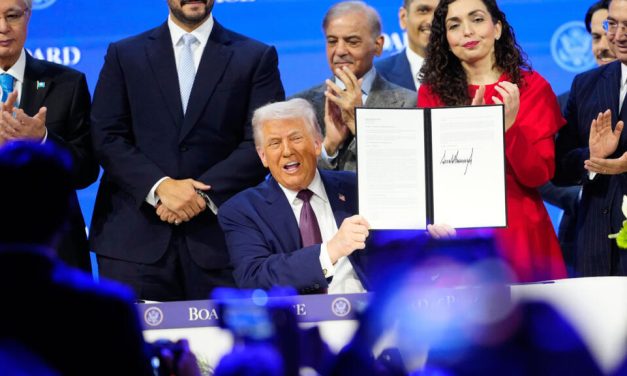
Commercial Exploitation of Peace; The Gaza Committee in Confrontation with International Legitimacy

Strategic Council Online – Report: While the second phase of the implementation of the Gaza ceasefire has begun, the establishment of the “Peace Board” chaired by Donald Trump on the sidelines of the Davos meeting (22 January 2026) has become more than a technical mechanism for reconstruction and has turned into a test for the future of the international order.
Despite the signing of the charter by 22 out of 60 invited countries, the limited presence of global leaders at the Davos ceremony and the non-acceptance of this body by the European Union and key Western countries indicate a deep divide in global perceptions of the legitimacy of this mechanism.
In this report, drawing on the analysis of Hadi Borhani, a regional affairs expert, and international data, three strategic questions are addressed: Is the Peace Board an instrument for implementing UN Security Council Resolution 2803 or a substitute for the United Nations? How does the hierarchical architecture of this committee intensify executive challenges in Gaza? And finally, can this body create sustainable peace without the cooperation of Palestinians and with the concentration of power in the hands of a single individual?

America’s Zero-Sum Game in Iraq

Online Strategic Council – Memoir: The swift selection of Nouri al-Maliki for the premiership constitutes a new phase in Iraq’s political sphere. Multiple factors have played a role in this process, the most important being the prevailing situation in Iraq and the region. Under such circumstances, Iraq requires a powerful and experienced prime minister who can keep the country away from the dangers of wars and crises.

America’s Strategy for Creating Tension in the Asia-Pacific

Strategic Council Online – Opinion: Relations between some countries in the Asia-Pacific region, such as China and Japan or China and Australia, which were previously relatively normal, are trending towards deterioration, and the primary reason for this is the aggressive policies of the United States of America.

Loading

USA

Fields of Cooperation between Iran and Saudi

Fields of Cooperation between Iran and Saudi

Strategic Council Online – Guest Opinion: The normalization of relations between Tehran and Riyadh, despite several decades of tension in Iran-Saudi Arabia relations, has created new speculations about the prospects of ties between the two countries. Despite many controversial cases between Iran and Saudi Arabia, there are many fears and hopes about the results of the resumption of relations between Tehran and Riyadh and its effects and regional consequences. Still, with the current conditions, it seems that the drivers are effective in improving the atmosphere of cooperation between Iran and Saudi Arabia, and solving regional issues is stronger than the challenges and doubts in this regard.
Abbas Aslani – International affairs expert

A Glance at China-US Approach, Rivalry in Africa

A Glance at China-US Approach, Rivalry in Africa

Strategic Council Online – Interview: An analyst of international affairs emphasized: Under the current situation, the US is not able to compete with China in Africa, but if it can advance its long-term plan in the form of sanctions or a war of chips, it can shock and deal a blow on China’s position in Africa and also affect the economy of that country.

Strategic Consequences of Improved Ties with the Saudis

Strategic Consequences of Improved Ties with the Saudis

Strategic Council Online – Opinion: The agreement between the Islamic Republic of Iran and the Kingdom of Saudi Arabia to resume bilateral relations is West Asia’s most important political and diplomatic event.
Barsam Mohammadi – International affairs analyst

An analysis of the countermeasures of the Zionist regime against Moscow in approving the transfer of anti-drone systems to Ukraine

An analysis of the countermeasures of the Zionist regime against Moscow in approving the transfer of anti-drone systems to Ukraine

Strategic Council Online—Opinion: Relations between Russia and the Zionist regime have always accompanied many ups and downs. In some cases, cooperation and coordination and some cases, conflict and disagreement have defined the relations of the parties. This situation became more evident after the Ukrainian War. Although Tel Aviv tried to show some neutrality towards the war in Ukraine from the beginning, the talks of its military aid to Ukraine led to a wave of differences between Tel Aviv and Moscow.
Mohammad Javad Ghahremani—Expert in international issues

A Glance at the UN Commission of Inquiry’s Vote on the War in Ukraine

A Glance at the UN Commission of Inquiry’s Vote on the War in Ukraine

Strategic Council Online – Interview: An international law professor assessed the formation of the Commission of Inquiry on “Russian war crimes” by the Human Rights Council as a political action aimed at putting pressure on Moscow and said: The crimes committed in the Ukraine war by both sides should not be ignored, but the international legal organizations should investigate the real causes behind the beginning of the war in Ukraine and the main factors that led to the outbreak of the war.

Future of the presence of US forces in Iraq

Future of the presence of US forces in Iraq

Strategic Council Online – Interview: An expert on West Asia affairs called the central message of the US defense secretary’s visit to Baghdad as the declaration of their desire to maintain the presence of their troops in Iraq and stressed: The United States still wants and insists that its forces remain in Iraq. Even though it declared policy, Iraq’s prime minister stated that Baghdad needed no presence of foreign troops, and this policy would only stay at the announcement level.

The continuation of the US military presence in Iraq and its consequences

The continuation of the US military presence in Iraq and its consequences

Strategic Council Online-Interview: An Iraqi affairs expert emphasized that the US wants to maintain a military presence in Iraq and the region, adding that the US presence has no consequences other than insecurity in the region and an impact on the independence of decision-making in the governments that host them.

Zionist Regime’s Failed Conspiracy to Eliminate Resistance in West Bank

Zionist Regime’s Failed Conspiracy to Eliminate Resistance in West Bank

Strategic Council Online – Opinion: Netanyahu’s fascist government has proposed a plan to “remove the Islamic Resistance groups” from the West Bank, including Nablus and Jenin. This conspiracy plan is presented at a time when the measures of the Zionist regime to deal with the Islamic Resistance in the West Bank have failed, and the Palestinian Resistance groups have started large-scale operations in the mentioned areas in response to the crimes of the usurpers.
Hamid Khoshayand – Expert on regional affairs

Middle East on the Threshold of Comprehensive Peace

Middle East on the Threshold of Comprehensive Peace

Strategic Council Online – Opinion: The strategic agreement between Iran and Saudi Arabia in Beijing will help transform the political and security conditions and move towards stable peace and stability in the region. This agreement will end the costly tensions between Tehran and Riyadh and create new political and security stability requirements and expand cooperation between the region’s countries.
Hassan Hanizadeh – Expert on Middle East affairs

West’s Strategy to Contain China

West’s Strategy to Contain China

Strategic Council Online – Opinion: Banning the use of the Chinese application TikTok in Britain, for security reasons, is considered the last reaction of the West to China’s influence and global power-building.
Hossein Sayyahi – International politics researcher

ÚLTIMAS PUBLICACIONES

The Security Equation of Southern Lebanon for the Zionist Regime

Strategic Council Online – Opinion: American-Zionist objectives in the region are not limited to weakening Hezbollah. Efforts to disarm Iraqi resistance groups such as Kata’ib Hezbollah and the Popular Mobilization Forces are also part of their subsequent plans.
Commercial Exploitation of Peace; The Gaza Committee in Confrontation with International Legitimacy

Strategic Council Online – Report: While the second phase of the implementation of the Gaza ceasefire has begun, the establishment of the “Peace Board” chaired by Donald Trump on the sidelines of the Davos meeting (22 January 2026) has become more than a technical mechanism for reconstruction and has turned into a test for the future of the international order.
Despite the signing of the charter by 22 out of 60 invited countries, the limited presence of global leaders at the Davos ceremony and the non-acceptance of this body by the European Union and key Western countries indicate a deep divide in global perceptions of the legitimacy of this mechanism.
In this report, drawing on the analysis of Hadi Borhani, a regional affairs expert, and international data, three strategic questions are addressed: Is the Peace Board an instrument for implementing UN Security Council Resolution 2803 or a substitute for the United Nations? How does the hierarchical architecture of this committee intensify executive challenges in Gaza? And finally, can this body create sustainable peace without the cooperation of Palestinians and with the concentration of power in the hands of a single individual?

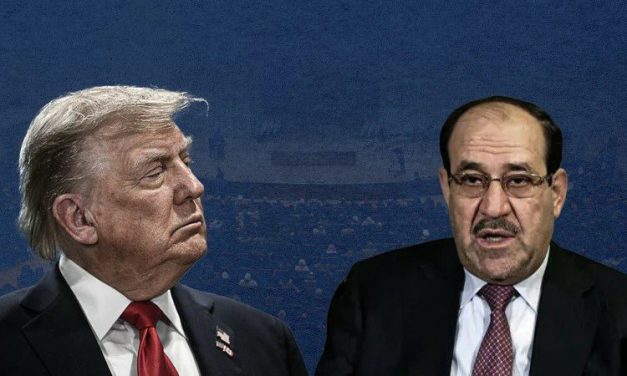
America’s Zero-Sum Game in Iraq

Online Strategic Council – Memoir: The swift selection of Nouri al-Maliki for the premiership constitutes a new phase in Iraq’s political sphere. Multiple factors have played a role in this process, the most important being the prevailing situation in Iraq and the region. Under such circumstances, Iraq requires a powerful and experienced prime minister who can keep the country away from the dangers of wars and crises.

America’s Strategy for Creating Tension in the Asia-Pacific

Strategic Council Online – Opinion: Relations between some countries in the Asia-Pacific region, such as China and Japan or China and Australia, which were previously relatively normal, are trending towards deterioration, and the primary reason for this is the aggressive policies of the United States of America.

Loading

USA

Fields of Cooperation between Iran and Saudi

Fields of Cooperation between Iran and Saudi

Strategic Council Online – Guest Opinion: The normalization of relations between Tehran and Riyadh, despite several decades of tension in Iran-Saudi Arabia relations, has created new speculations about the prospects of ties between the two countries. Despite many controversial cases between Iran and Saudi Arabia, there are many fears and hopes about the results of the resumption of relations between Tehran and Riyadh and its effects and regional consequences. Still, with the current conditions, it seems that the drivers are effective in improving the atmosphere of cooperation between Iran and Saudi Arabia, and solving regional issues is stronger than the challenges and doubts in this regard.
Abbas Aslani – International affairs expert

A Glance at China-US Approach, Rivalry in Africa

A Glance at China-US Approach, Rivalry in Africa

Strategic Council Online – Interview: An analyst of international affairs emphasized: Under the current situation, the US is not able to compete with China in Africa, but if it can advance its long-term plan in the form of sanctions or a war of chips, it can shock and deal a blow on China’s position in Africa and also affect the economy of that country.

Strategic Consequences of Improved Ties with the Saudis

Strategic Consequences of Improved Ties with the Saudis

Strategic Council Online – Opinion: The agreement between the Islamic Republic of Iran and the Kingdom of Saudi Arabia to resume bilateral relations is West Asia’s most important political and diplomatic event.
Barsam Mohammadi – International affairs analyst

An analysis of the countermeasures of the Zionist regime against Moscow in approving the transfer of anti-drone systems to Ukraine

An analysis of the countermeasures of the Zionist regime against Moscow in approving the transfer of anti-drone systems to Ukraine

Strategic Council Online—Opinion: Relations between Russia and the Zionist regime have always accompanied many ups and downs. In some cases, cooperation and coordination and some cases, conflict and disagreement have defined the relations of the parties. This situation became more evident after the Ukrainian War. Although Tel Aviv tried to show some neutrality towards the war in Ukraine from the beginning, the talks of its military aid to Ukraine led to a wave of differences between Tel Aviv and Moscow.
Mohammad Javad Ghahremani—Expert in international issues

A Glance at the UN Commission of Inquiry’s Vote on the War in Ukraine

A Glance at the UN Commission of Inquiry’s Vote on the War in Ukraine

Strategic Council Online – Interview: An international law professor assessed the formation of the Commission of Inquiry on “Russian war crimes” by the Human Rights Council as a political action aimed at putting pressure on Moscow and said: The crimes committed in the Ukraine war by both sides should not be ignored, but the international legal organizations should investigate the real causes behind the beginning of the war in Ukraine and the main factors that led to the outbreak of the war.

Future of the presence of US forces in Iraq

Future of the presence of US forces in Iraq

Strategic Council Online – Interview: An expert on West Asia affairs called the central message of the US defense secretary’s visit to Baghdad as the declaration of their desire to maintain the presence of their troops in Iraq and stressed: The United States still wants and insists that its forces remain in Iraq. Even though it declared policy, Iraq’s prime minister stated that Baghdad needed no presence of foreign troops, and this policy would only stay at the announcement level.

The continuation of the US military presence in Iraq and its consequences

The continuation of the US military presence in Iraq and its consequences

Strategic Council Online-Interview: An Iraqi affairs expert emphasized that the US wants to maintain a military presence in Iraq and the region, adding that the US presence has no consequences other than insecurity in the region and an impact on the independence of decision-making in the governments that host them.

Zionist Regime’s Failed Conspiracy to Eliminate Resistance in West Bank

Zionist Regime’s Failed Conspiracy to Eliminate Resistance in West Bank

Strategic Council Online – Opinion: Netanyahu’s fascist government has proposed a plan to “remove the Islamic Resistance groups” from the West Bank, including Nablus and Jenin. This conspiracy plan is presented at a time when the measures of the Zionist regime to deal with the Islamic Resistance in the West Bank have failed, and the Palestinian Resistance groups have started large-scale operations in the mentioned areas in response to the crimes of the usurpers.
Hamid Khoshayand – Expert on regional affairs

Middle East on the Threshold of Comprehensive Peace

Middle East on the Threshold of Comprehensive Peace

Strategic Council Online – Opinion: The strategic agreement between Iran and Saudi Arabia in Beijing will help transform the political and security conditions and move towards stable peace and stability in the region. This agreement will end the costly tensions between Tehran and Riyadh and create new political and security stability requirements and expand cooperation between the region’s countries.
Hassan Hanizadeh – Expert on Middle East affairs

West’s Strategy to Contain China

West’s Strategy to Contain China

Strategic Council Online – Opinion: Banning the use of the Chinese application TikTok in Britain, for security reasons, is considered the last reaction of the West to China’s influence and global power-building.
Hossein Sayyahi – International politics researcher

ÚLTIMAS PUBLICACIONES

The Security Equation of Southern Lebanon for the Zionist Regime

Strategic Council Online – Opinion: American-Zionist objectives in the region are not limited to weakening Hezbollah. Efforts to disarm Iraqi resistance groups such as Kata’ib Hezbollah and the Popular Mobilization Forces are also part of their subsequent plans.
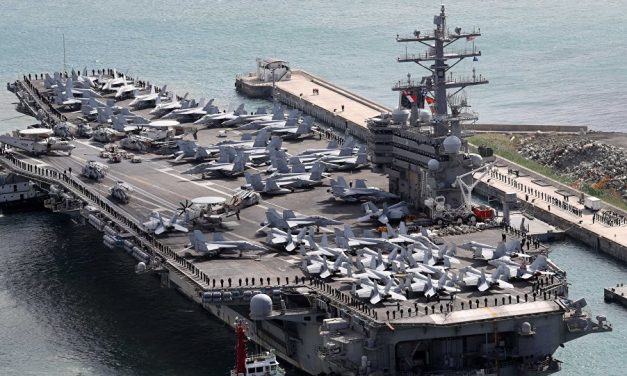
Commercial Exploitation of Peace; The Gaza Committee in Confrontation with International Legitimacy

Strategic Council Online – Report: While the second phase of the implementation of the Gaza ceasefire has begun, the establishment of the “Peace Board” chaired by Donald Trump on the sidelines of the Davos meeting (22 January 2026) has become more than a technical mechanism for reconstruction and has turned into a test for the future of the international order.
Despite the signing of the charter by 22 out of 60 invited countries, the limited presence of global leaders at the Davos ceremony and the non-acceptance of this body by the European Union and key Western countries indicate a deep divide in global perceptions of the legitimacy of this mechanism.
In this report, drawing on the analysis of Hadi Borhani, a regional affairs expert, and international data, three strategic questions are addressed: Is the Peace Board an instrument for implementing UN Security Council Resolution 2803 or a substitute for the United Nations? How does the hierarchical architecture of this committee intensify executive challenges in Gaza? And finally, can this body create sustainable peace without the cooperation of Palestinians and with the concentration of power in the hands of a single individual?

America’s Zero-Sum Game in Iraq

Online Strategic Council – Memoir: The swift selection of Nouri al-Maliki for the premiership constitutes a new phase in Iraq’s political sphere. Multiple factors have played a role in this process, the most important being the prevailing situation in Iraq and the region. Under such circumstances, Iraq requires a powerful and experienced prime minister who can keep the country away from the dangers of wars and crises.

America’s Strategy for Creating Tension in the Asia-Pacific

Strategic Council Online – Opinion: Relations between some countries in the Asia-Pacific region, such as China and Japan or China and Australia, which were previously relatively normal, are trending towards deterioration, and the primary reason for this is the aggressive policies of the United States of America.

Loading

USA

Fields of Cooperation between Iran and Saudi

Fields of Cooperation between Iran and Saudi

Strategic Council Online – Guest Opinion: The normalization of relations between Tehran and Riyadh, despite several decades of tension in Iran-Saudi Arabia relations, has created new speculations about the prospects of ties between the two countries. Despite many controversial cases between Iran and Saudi Arabia, there are many fears and hopes about the results of the resumption of relations between Tehran and Riyadh and its effects and regional consequences. Still, with the current conditions, it seems that the drivers are effective in improving the atmosphere of cooperation between Iran and Saudi Arabia, and solving regional issues is stronger than the challenges and doubts in this regard.
Abbas Aslani – International affairs expert

A Glance at China-US Approach, Rivalry in Africa

A Glance at China-US Approach, Rivalry in Africa

Strategic Council Online – Interview: An analyst of international affairs emphasized: Under the current situation, the US is not able to compete with China in Africa, but if it can advance its long-term plan in the form of sanctions or a war of chips, it can shock and deal a blow on China’s position in Africa and also affect the economy of that country.

Strategic Consequences of Improved Ties with the Saudis

Strategic Consequences of Improved Ties with the Saudis

Strategic Council Online – Opinion: The agreement between the Islamic Republic of Iran and the Kingdom of Saudi Arabia to resume bilateral relations is West Asia’s most important political and diplomatic event.
Barsam Mohammadi – International affairs analyst

An analysis of the countermeasures of the Zionist regime against Moscow in approving the transfer of anti-drone systems to Ukraine

An analysis of the countermeasures of the Zionist regime against Moscow in approving the transfer of anti-drone systems to Ukraine

Strategic Council Online—Opinion: Relations between Russia and the Zionist regime have always accompanied many ups and downs. In some cases, cooperation and coordination and some cases, conflict and disagreement have defined the relations of the parties. This situation became more evident after the Ukrainian War. Although Tel Aviv tried to show some neutrality towards the war in Ukraine from the beginning, the talks of its military aid to Ukraine led to a wave of differences between Tel Aviv and Moscow.
Mohammad Javad Ghahremani—Expert in international issues

A Glance at the UN Commission of Inquiry’s Vote on the War in Ukraine

A Glance at the UN Commission of Inquiry’s Vote on the War in Ukraine

Strategic Council Online – Interview: An international law professor assessed the formation of the Commission of Inquiry on “Russian war crimes” by the Human Rights Council as a political action aimed at putting pressure on Moscow and said: The crimes committed in the Ukraine war by both sides should not be ignored, but the international legal organizations should investigate the real causes behind the beginning of the war in Ukraine and the main factors that led to the outbreak of the war.

Future of the presence of US forces in Iraq

Future of the presence of US forces in Iraq

Strategic Council Online – Interview: An expert on West Asia affairs called the central message of the US defense secretary’s visit to Baghdad as the declaration of their desire to maintain the presence of their troops in Iraq and stressed: The United States still wants and insists that its forces remain in Iraq. Even though it declared policy, Iraq’s prime minister stated that Baghdad needed no presence of foreign troops, and this policy would only stay at the announcement level.

The continuation of the US military presence in Iraq and its consequences

The continuation of the US military presence in Iraq and its consequences

Strategic Council Online-Interview: An Iraqi affairs expert emphasized that the US wants to maintain a military presence in Iraq and the region, adding that the US presence has no consequences other than insecurity in the region and an impact on the independence of decision-making in the governments that host them.

Zionist Regime’s Failed Conspiracy to Eliminate Resistance in West Bank

Zionist Regime’s Failed Conspiracy to Eliminate Resistance in West Bank

Strategic Council Online – Opinion: Netanyahu’s fascist government has proposed a plan to “remove the Islamic Resistance groups” from the West Bank, including Nablus and Jenin. This conspiracy plan is presented at a time when the measures of the Zionist regime to deal with the Islamic Resistance in the West Bank have failed, and the Palestinian Resistance groups have started large-scale operations in the mentioned areas in response to the crimes of the usurpers.
Hamid Khoshayand – Expert on regional affairs

Middle East on the Threshold of Comprehensive Peace

Middle East on the Threshold of Comprehensive Peace

Strategic Council Online – Opinion: The strategic agreement between Iran and Saudi Arabia in Beijing will help transform the political and security conditions and move towards stable peace and stability in the region. This agreement will end the costly tensions between Tehran and Riyadh and create new political and security stability requirements and expand cooperation between the region’s countries.
Hassan Hanizadeh – Expert on Middle East affairs

West’s Strategy to Contain China

West’s Strategy to Contain China

Strategic Council Online – Opinion: Banning the use of the Chinese application TikTok in Britain, for security reasons, is considered the last reaction of the West to China’s influence and global power-building.
Hossein Sayyahi – International politics researcher

ÚLTIMAS PUBLICACIONES

The Security Equation of Southern Lebanon for the Zionist Regime

Strategic Council Online – Opinion: American-Zionist objectives in the region are not limited to weakening Hezbollah. Efforts to disarm Iraqi resistance groups such as Kata’ib Hezbollah and the Popular Mobilization Forces are also part of their subsequent plans.

Commercial Exploitation of Peace; The Gaza Committee in Confrontation with International Legitimacy

Strategic Council Online – Report: While the second phase of the implementation of the Gaza ceasefire has begun, the establishment of the “Peace Board” chaired by Donald Trump on the sidelines of the Davos meeting (22 January 2026) has become more than a technical mechanism for reconstruction and has turned into a test for the future of the international order.
Despite the signing of the charter by 22 out of 60 invited countries, the limited presence of global leaders at the Davos ceremony and the non-acceptance of this body by the European Union and key Western countries indicate a deep divide in global perceptions of the legitimacy of this mechanism.
In this report, drawing on the analysis of Hadi Borhani, a regional affairs expert, and international data, three strategic questions are addressed: Is the Peace Board an instrument for implementing UN Security Council Resolution 2803 or a substitute for the United Nations? How does the hierarchical architecture of this committee intensify executive challenges in Gaza? And finally, can this body create sustainable peace without the cooperation of Palestinians and with the concentration of power in the hands of a single individual?

America’s Zero-Sum Game in Iraq

Online Strategic Council – Memoir: The swift selection of Nouri al-Maliki for the premiership constitutes a new phase in Iraq’s political sphere. Multiple factors have played a role in this process, the most important being the prevailing situation in Iraq and the region. Under such circumstances, Iraq requires a powerful and experienced prime minister who can keep the country away from the dangers of wars and crises.

America’s Strategy for Creating Tension in the Asia-Pacific

Strategic Council Online – Opinion: Relations between some countries in the Asia-Pacific region, such as China and Japan or China and Australia, which were previously relatively normal, are trending towards deterioration, and the primary reason for this is the aggressive policies of the United States of America.

Loading

USA

Fields of Cooperation between Iran and Saudi

Fields of Cooperation between Iran and Saudi

Strategic Council Online – Guest Opinion: The normalization of relations between Tehran and Riyadh, despite several decades of tension in Iran-Saudi Arabia relations, has created new speculations about the prospects of ties between the two countries. Despite many controversial cases between Iran and Saudi Arabia, there are many fears and hopes about the results of the resumption of relations between Tehran and Riyadh and its effects and regional consequences. Still, with the current conditions, it seems that the drivers are effective in improving the atmosphere of cooperation between Iran and Saudi Arabia, and solving regional issues is stronger than the challenges and doubts in this regard.
Abbas Aslani – International affairs expert

A Glance at China-US Approach, Rivalry in Africa

A Glance at China-US Approach, Rivalry in Africa

Strategic Council Online – Interview: An analyst of international affairs emphasized: Under the current situation, the US is not able to compete with China in Africa, but if it can advance its long-term plan in the form of sanctions or a war of chips, it can shock and deal a blow on China’s position in Africa and also affect the economy of that country.

Strategic Consequences of Improved Ties with the Saudis

Strategic Consequences of Improved Ties with the Saudis

Strategic Council Online – Opinion: The agreement between the Islamic Republic of Iran and the Kingdom of Saudi Arabia to resume bilateral relations is West Asia’s most important political and diplomatic event.
Barsam Mohammadi – International affairs analyst

An analysis of the countermeasures of the Zionist regime against Moscow in approving the transfer of anti-drone systems to Ukraine

An analysis of the countermeasures of the Zionist regime against Moscow in approving the transfer of anti-drone systems to Ukraine

Strategic Council Online—Opinion: Relations between Russia and the Zionist regime have always accompanied many ups and downs. In some cases, cooperation and coordination and some cases, conflict and disagreement have defined the relations of the parties. This situation became more evident after the Ukrainian War. Although Tel Aviv tried to show some neutrality towards the war in Ukraine from the beginning, the talks of its military aid to Ukraine led to a wave of differences between Tel Aviv and Moscow.
Mohammad Javad Ghahremani—Expert in international issues

A Glance at the UN Commission of Inquiry’s Vote on the War in Ukraine

A Glance at the UN Commission of Inquiry’s Vote on the War in Ukraine

Strategic Council Online – Interview: An international law professor assessed the formation of the Commission of Inquiry on “Russian war crimes” by the Human Rights Council as a political action aimed at putting pressure on Moscow and said: The crimes committed in the Ukraine war by both sides should not be ignored, but the international legal organizations should investigate the real causes behind the beginning of the war in Ukraine and the main factors that led to the outbreak of the war.

Future of the presence of US forces in Iraq

Future of the presence of US forces in Iraq

Strategic Council Online – Interview: An expert on West Asia affairs called the central message of the US defense secretary’s visit to Baghdad as the declaration of their desire to maintain the presence of their troops in Iraq and stressed: The United States still wants and insists that its forces remain in Iraq. Even though it declared policy, Iraq’s prime minister stated that Baghdad needed no presence of foreign troops, and this policy would only stay at the announcement level.

The continuation of the US military presence in Iraq and its consequences

The continuation of the US military presence in Iraq and its consequences

Strategic Council Online-Interview: An Iraqi affairs expert emphasized that the US wants to maintain a military presence in Iraq and the region, adding that the US presence has no consequences other than insecurity in the region and an impact on the independence of decision-making in the governments that host them.

Zionist Regime’s Failed Conspiracy to Eliminate Resistance in West Bank

Zionist Regime’s Failed Conspiracy to Eliminate Resistance in West Bank

Strategic Council Online – Opinion: Netanyahu’s fascist government has proposed a plan to “remove the Islamic Resistance groups” from the West Bank, including Nablus and Jenin. This conspiracy plan is presented at a time when the measures of the Zionist regime to deal with the Islamic Resistance in the West Bank have failed, and the Palestinian Resistance groups have started large-scale operations in the mentioned areas in response to the crimes of the usurpers.
Hamid Khoshayand – Expert on regional affairs

Middle East on the Threshold of Comprehensive Peace

Middle East on the Threshold of Comprehensive Peace

Strategic Council Online – Opinion: The strategic agreement between Iran and Saudi Arabia in Beijing will help transform the political and security conditions and move towards stable peace and stability in the region. This agreement will end the costly tensions between Tehran and Riyadh and create new political and security stability requirements and expand cooperation between the region’s countries.
Hassan Hanizadeh – Expert on Middle East affairs

West’s Strategy to Contain China

West’s Strategy to Contain China

Strategic Council Online – Opinion: Banning the use of the Chinese application TikTok in Britain, for security reasons, is considered the last reaction of the West to China’s influence and global power-building.
Hossein Sayyahi – International politics researcher

ÚLTIMAS PUBLICACIONES

The Security Equation of Southern Lebanon for the Zionist Regime

Strategic Council Online – Opinion: American-Zionist objectives in the region are not limited to weakening Hezbollah. Efforts to disarm Iraqi resistance groups such as Kata’ib Hezbollah and the Popular Mobilization Forces are also part of their subsequent plans.

Commercial Exploitation of Peace; The Gaza Committee in Confrontation with International Legitimacy

Strategic Council Online – Report: While the second phase of the implementation of the Gaza ceasefire has begun, the establishment of the “Peace Board” chaired by Donald Trump on the sidelines of the Davos meeting (22 January 2026) has become more than a technical mechanism for reconstruction and has turned into a test for the future of the international order.
Despite the signing of the charter by 22 out of 60 invited countries, the limited presence of global leaders at the Davos ceremony and the non-acceptance of this body by the European Union and key Western countries indicate a deep divide in global perceptions of the legitimacy of this mechanism.
In this report, drawing on the analysis of Hadi Borhani, a regional affairs expert, and international data, three strategic questions are addressed: Is the Peace Board an instrument for implementing UN Security Council Resolution 2803 or a substitute for the United Nations? How does the hierarchical architecture of this committee intensify executive challenges in Gaza? And finally, can this body create sustainable peace without the cooperation of Palestinians and with the concentration of power in the hands of a single individual?

America’s Zero-Sum Game in Iraq

Online Strategic Council – Memoir: The swift selection of Nouri al-Maliki for the premiership constitutes a new phase in Iraq’s political sphere. Multiple factors have played a role in this process, the most important being the prevailing situation in Iraq and the region. Under such circumstances, Iraq requires a powerful and experienced prime minister who can keep the country away from the dangers of wars and crises.

America’s Strategy for Creating Tension in the Asia-Pacific

Strategic Council Online – Opinion: Relations between some countries in the Asia-Pacific region, such as China and Japan or China and Australia, which were previously relatively normal, are trending towards deterioration, and the primary reason for this is the aggressive policies of the United States of America.

Loading