جدیدترین مطالب

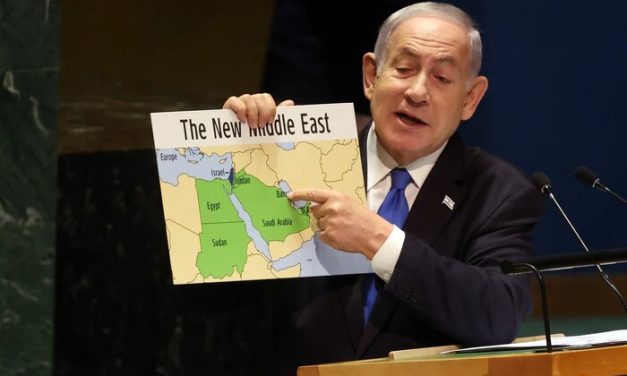
The US Ambassador Lifts the Veil; The Strategic Danger of the “Greater Israel” Project for West Asia

Strategic Council Online –Opinion: The “Greater Israel” project, whose realization requires the annexation of parts of the territory of regional countries into the occupied lands, has long passed the stage of theorization and, especially in recent months, has taken on an operational form. This plan, which was once discussed in extremist Zionist circles as an unattainable ideal, is today, with the explicit support of the United States, being transformed into an executive program targeting the regional order.
European Independence from the United States; From Dream to Reality

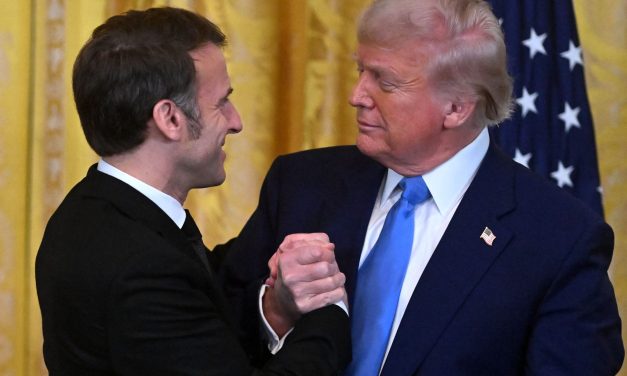
Strategic Council Online – Opinion: Europe has spoken of “strategic autonomy” for years, but each new crisis reveals that the gap between its aspiration for self-reliance and the reality of its security dependence on the United States remains significantly unbridged.

The Arctic; From Geographical Freezing to Geopolitical Boiling

Strategic Council Online – Opinion: The Arctic is no longer a frozen, remote periphery; it has become a live theater of great-power competition, where sea routes, port infrastructure, the law of the sea, and military deterrence are intertwined, shaping the future of maritime security.

The Zionist Regime’s Time Bomb Activated in the West Bank

Strategic Council Online – Opinion: In the midst of America’s military deployment to West Asia and the Persian Gulf, which has increased tensions at the regional and global levels, the Zionist regime has seized the opportunity and accelerated the advancement of its ambitious projects, including the process of the illegal annexation of the West Bank to the occupied territories.

Loading

Europe

The Challenge Between Europe and America Over Greenland

The Challenge Between Europe and America Over Greenland

Strategic Council Online – Interview: An international affairs expert, referring to the ongoing dispute between Europe and America over Greenland, stated that Europe’s policy is based on increasing political, diplomatic, and even economic support for Denmark and Greenland, and it certainly will not move towards escalating tensions with America.

U.S. Economic Recession and Its Domestic and Global Consequences

U.S. Economic Recession and Its Domestic and Global Consequences

Strategic Council Online – Interview: An analyst of U.S. affairs stated that while Donald Trump promised to revive the U.S. economy and restore the country’s industrial glory upon his return to the White House, the latest economic data indicate otherwise. The unemployment rate, which was 3.8% at the beginning of the new administration, has now risen to 4.3%, and factories and construction companies have laid off thousands of workers. Even revised statistics show that in June of this year alone, 13,000 jobs were lost. These developments highlight the gap between Trump’s campaign promises and the economic reality in the U.S.. This divide has overshadowed not only domestic politics but also the country’s economic and geopolitical future.
At the same time, Trump is attempting to shift pressures outward by leveraging geopolitical tools; an example is his threat to the European Union following the fines imposed on Google, an action many observers see as an effort to shift the agenda from domestic recession to external challenges. The question is whether these policies can pull the U.S. economy out of recession or if their consequences will ultimately spill over into the global economy.

Challenges Facing NATO in the Ukraine Crisis

Challenges Facing NATO in the Ukraine Crisis

Strategic Council Online – Interview: An international affairs expert stated that the flight of unidentified drones over Polish airspace has sounded a new alarm for European security; an incident that, despite its limited scale, sent severe tremors through the foundations of NATO and U.S.-Europe relations. The situation became more complicated when Polish officials accused Russia of violating its airspace. At the same time, the Kremlin denied such accusations, and some sources even suggested that Ukraine was the origin of these drones. The importance of the issue lies in the fact that Poland, unlike Ukraine, is a member of NATO, and any attack on its territory could trigger the alliance’s collective defense clause. However, Donald Trump’s cold and ambiguous reaction to the drone incident left Europeans questioning whether Washington would be willing to defend its allies if the crisis escalates. Meanwhile, NATO has launched the “Eastern Guardian” operation to demonstrate its strength on its eastern borders. Still, at the same time, there are signs of hesitation and division among Western countries. These developments have shifted the balance of power in the Ukraine war into a new phase; a war in which Moscow is not retreating from its positions, Europe has no clear strategy to contain the crisis, and the U.S. shows no willingness to confront Russia directly.

Europe and Russia Confront Each Other Over Allocating Russian Assets to Arm Ukraine

Europe and Russia Confront Each Other Over Allocating Russian Assets to Arm Ukraine

Strategic Council Online – Interview: A senior European affairs analyst stated that Russia’s sharp reaction to the decision by Britain and the European Union to use Moscow’s frozen assets in favor of Ukraine has once again revealed new dimensions of the West’s economic war against Russia. The Russian embassy in London described the allocation of over one billion pounds of its blocked funds to purchase weapons for Ukraine as a “criminal act”. It warned that such policies would not only weaken London’s financial and political credibility in the world but would also not go unanswered. Simultaneously, the European Commission is also considering transferring 200 billion euros of Russian assets for the reconstruction of Ukraine—a decision that Moscow has described as a clear violation of international law.
Experts believe that by arming Ukraine using Russia’s frozen resources, the West has not only escalated the level of economic confrontation but has also challenged the traditional rules of the international financial and trade system. While Russia is seeking ways to circumvent sanctions through some of its partners, Europe and Britain are also determined to maintain pressure. It appears that this economic war is no longer confined to the conflict over Ukraine, and its effects will continue for years to come, redefining international relations and creating new geopolitical blocs.

Limiting Palestinian Presence at the United Nations: A Deceptive Effort to Manage the Fate of Palestine

Limiting Palestinian Presence at the United Nations: A Deceptive Effort to Manage the Fate of Palestine

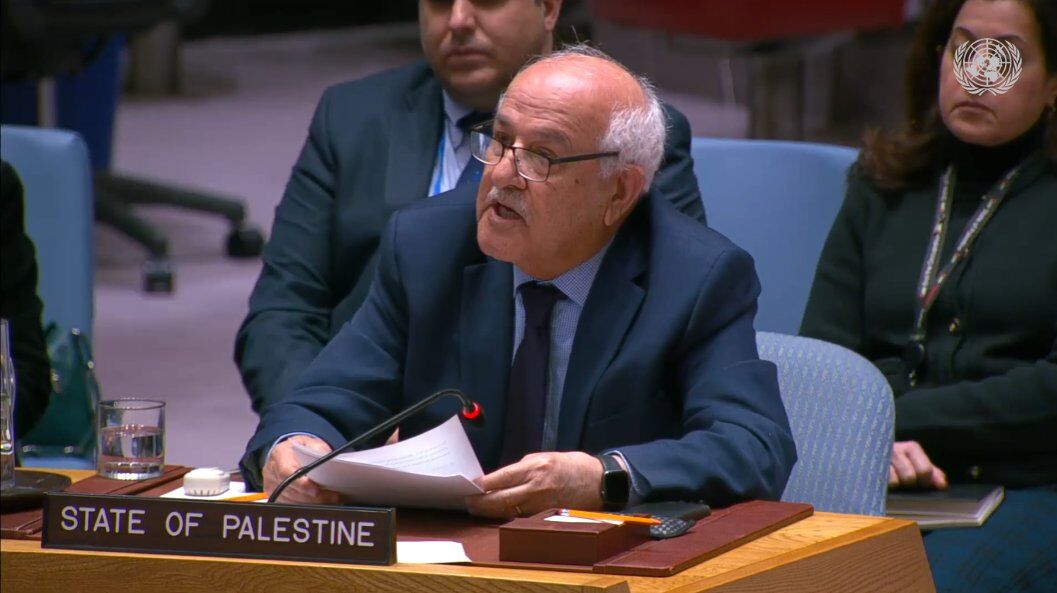
Strategic Council Online – Interview: A West Asia affairs analyst stated that on the eve of the September session of the United Nations General Assembly, the U.S. government limited the presence of the Palestinian delegation at this meeting by canceling the visa of Mahmoud Abbas, the head of the Palestinian Authority. This U.S. action is part of a complex political game between Washington, Tel Aviv, and global public opinion, aiming to question the role of Palestinians in international equations. The U.S. government and Zionist lobbies, by supporting the Israeli regime, have targeted any plan and flourishing of the Palestinian issue on the global stage, while some Western governments, due to public opinion pressure, are trying to advance the process of recognizing Palestine. This U.S. action has sparked widespread international reactions and raised concerns about violations of UN agreements and Washington’s blatant bias in favor of the Israeli regime. The Palestinian Ministry of Foreign Affairs has assessed this decision as a violation of international laws and an obstacle to the legal presence of their representatives at meetings, calling for diplomatic and legal solutions to ensure the participation of the Palestinian delegation. This restriction was imposed while European countries, especially France, Canada, and several other Western nations, are striving to increase diplomatic pressure on the Israeli regime and the U.S. by recognizing the state of Palestine.

Upcoming UNGA Session: A Test of International Will for Practical Action on Palestine

Upcoming UNGA Session: A Test of International Will for Practical Action on Palestine

Strategic Council Online – Interview: A senior analyst in West Asia affairs stated that while a wave of readiness for the official recognition of the State of Palestine by some countries is forming, the upcoming UN General Assembly session has become a decisive stage for the future of the Palestinian issue. At first glance, these moves are considered an essential step towards the potential advancement of the two-state solution and pressuring the Israeli regime to halt illegal settlements and accept the political reality of Palestinian sovereignty. Belgium’s decision to impose 12 firm sanctions against the Israeli regime and recognize the State of Palestine reflects this same perspective, which seeks to open a new political path in the face of the Gaza humanitarian crisis. However, there is another view that considers this diplomatic wave merely a symbolic reaction to public opinion pressure after nearly two years of slaughter and siege in Gaza, believing that as long as the United States stands alongside the Israeli regime, these movements will not lead to the establishment of a real Palestinian state. This viewpoint holds that the expansionist policies of Tel Aviv, the idea of Greater Israel, and the support of Western powers remain the main obstacles to any real change on the ground. Therefore, the September session of the UN General Assembly is considered an important test to gauge the seriousness of the international community in moving beyond symbolism towards practical action.

France’s Mediterranean Policy in Geopolitical Competition with Turkey

France’s Mediterranean Policy in Geopolitical Competition with Turkey

Strategic Council Online – Opinion: France’s Mediterranean policy, which clarifies the country’s genuine political orientation in the Euro-Mediterranean region, can be summarized in three primary strategies: strengthening France’s position in the European Union, maintaining its strategic position in Africa, and enhancing France’s political and military role in the Eastern Mediterranean. However, Ukraine and Armenia are also now gaining increasing importance in France’s Mediterranean policies.

An Analysis of Macron’s Initiative to Send European Troops to Ukraine

An Analysis of Macron’s Initiative to Send European Troops to Ukraine

Strategic Council Online – Interview: A senior international affairs analyst stated that Europe today, more than ever, needs a unified strategy; without such a strategy, not only will peace be unachievable, but Europe itself will become the main stage for the consequences of this war.

Objectives and Messages of China’s Military Drill Concurrent with the SCO Summit

Objectives and Messages of China’s Military Drill Concurrent with the SCO Summit

Strategic Council Online – Interview: A senior analyst on Chinese affairs stated that China’s major military drill on September 3, coinciding with the 80th anniversary of the end of World War II, is far more than a simple military event; it carries immense importance in today’s geopolitical equations. The presence of Vladimir Putin, Masoud Pezeshkian, and Kim Jong-un alongside Xi Jinping not only reflects the convergence of non-Western powers against pressure from the United States and NATO but also demonstrates Beijing’s efforts to consolidate its position as a decisive player in the global order. Among the 26 foreign leaders participating in this parade, none of the Western leaders are present except for Robert Fico, the Prime Minister of Slovakia. Also attending are Alexander Lukashenko, President of Belarus; Prabowo Subianto, President of Indonesia; Aleksandar Vučić, President of Serbia; and Woo Won-sik, Speaker of South Korea’s National Assembly. Li Junhua, Under-Secretary-General of the UN, will also be present on behalf of the organization.
This drill—considered one of the largest military maneuvers in China’s modern history—focuses on showcasing the latest defensive and offensive technologies, including hypersonic weapon systems and advanced communication networks whose capabilities could alter the balance of power in East Asia and even globally. This event is not merely a show of military force but also serves as a tool of deterrence and diplomacy. Under growing economic and diplomatic pressure, China is demonstrating through such drills that it possesses the ability to manage crises and reshape regional equations. In fact, Beijing is seizing this opportunity both to reassure its allies and to warn its rivals that East Asia is no longer under American dominance.

Trump and the Humiliation of Europe in the Ukraine Crisis

Trump and the Humiliation of Europe in the Ukraine Crisis

Strategic Council Online – Interview: A senior international affairs analyst stated that Trump’s deal-oriented and authoritarian diplomacy, disregarding the complexities of a multipolar world, is doomed to failure. Lasting peace in Ukraine will only be possible through cooperation with Europe and respect for international law. Donald Trump, the President of the United States, with a deal-oriented approach aimed at quickly ending the war in Ukraine, has increased pressure on Europe to accept primary responsibility for that country’s security guarantees. According to a Politico report, senior Pentagon officials, in meetings with European defense ministers, emphasized that the U.S. would play a minimal role in this regard, with the main burden falling on Europe. This approach, evident at the August 18 meeting in Washington with European leaders and Volodymyr Zelenskyy, highlights a deep rift in transatlantic relations. Europe, concerned about the diminishing U.S. commitments to NATO and the fragility of the peace, is seeking security independence and strengthening its own diplomacy.

أحدث الوظائف

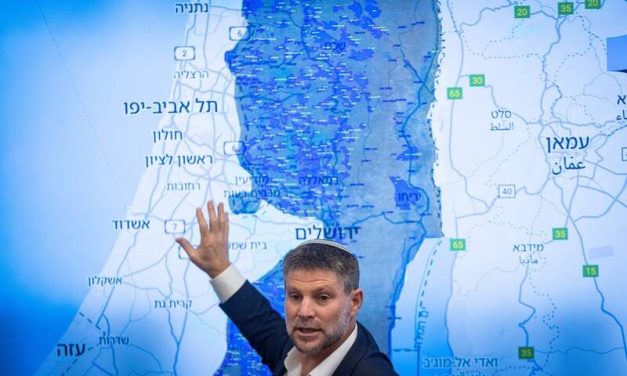
The US Ambassador Lifts the Veil; The Strategic Danger of the “Greater Israel” Project for West Asia

Strategic Council Online –Opinion: The “Greater Israel” project, whose realization requires the annexation of parts of the territory of regional countries into the occupied lands, has long passed the stage of theorization and, especially in recent months, has taken on an operational form. This plan, which was once discussed in extremist Zionist circles as an unattainable ideal, is today, with the explicit support of the United States, being transformed into an executive program targeting the regional order.
European Independence from the United States; From Dream to Reality

Strategic Council Online – Opinion: Europe has spoken of “strategic autonomy” for years, but each new crisis reveals that the gap between its aspiration for self-reliance and the reality of its security dependence on the United States remains significantly unbridged.

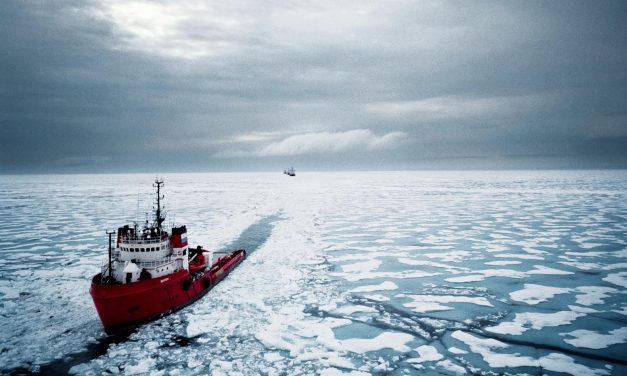
The Arctic; From Geographical Freezing to Geopolitical Boiling

Strategic Council Online – Opinion: The Arctic is no longer a frozen, remote periphery; it has become a live theater of great-power competition, where sea routes, port infrastructure, the law of the sea, and military deterrence are intertwined, shaping the future of maritime security.

The Zionist Regime’s Time Bomb Activated in the West Bank

Strategic Council Online – Opinion: In the midst of America’s military deployment to West Asia and the Persian Gulf, which has increased tensions at the regional and global levels, the Zionist regime has seized the opportunity and accelerated the advancement of its ambitious projects, including the process of the illegal annexation of the West Bank to the occupied territories.

Loading

Europe

The Challenge Between Europe and America Over Greenland

The Challenge Between Europe and America Over Greenland

Strategic Council Online – Interview: An international affairs expert, referring to the ongoing dispute between Europe and America over Greenland, stated that Europe’s policy is based on increasing political, diplomatic, and even economic support for Denmark and Greenland, and it certainly will not move towards escalating tensions with America.

U.S. Economic Recession and Its Domestic and Global Consequences

U.S. Economic Recession and Its Domestic and Global Consequences

Strategic Council Online – Interview: An analyst of U.S. affairs stated that while Donald Trump promised to revive the U.S. economy and restore the country’s industrial glory upon his return to the White House, the latest economic data indicate otherwise. The unemployment rate, which was 3.8% at the beginning of the new administration, has now risen to 4.3%, and factories and construction companies have laid off thousands of workers. Even revised statistics show that in June of this year alone, 13,000 jobs were lost. These developments highlight the gap between Trump’s campaign promises and the economic reality in the U.S.. This divide has overshadowed not only domestic politics but also the country’s economic and geopolitical future.
At the same time, Trump is attempting to shift pressures outward by leveraging geopolitical tools; an example is his threat to the European Union following the fines imposed on Google, an action many observers see as an effort to shift the agenda from domestic recession to external challenges. The question is whether these policies can pull the U.S. economy out of recession or if their consequences will ultimately spill over into the global economy.

Challenges Facing NATO in the Ukraine Crisis

Challenges Facing NATO in the Ukraine Crisis

Strategic Council Online – Interview: An international affairs expert stated that the flight of unidentified drones over Polish airspace has sounded a new alarm for European security; an incident that, despite its limited scale, sent severe tremors through the foundations of NATO and U.S.-Europe relations. The situation became more complicated when Polish officials accused Russia of violating its airspace. At the same time, the Kremlin denied such accusations, and some sources even suggested that Ukraine was the origin of these drones. The importance of the issue lies in the fact that Poland, unlike Ukraine, is a member of NATO, and any attack on its territory could trigger the alliance’s collective defense clause. However, Donald Trump’s cold and ambiguous reaction to the drone incident left Europeans questioning whether Washington would be willing to defend its allies if the crisis escalates. Meanwhile, NATO has launched the “Eastern Guardian” operation to demonstrate its strength on its eastern borders. Still, at the same time, there are signs of hesitation and division among Western countries. These developments have shifted the balance of power in the Ukraine war into a new phase; a war in which Moscow is not retreating from its positions, Europe has no clear strategy to contain the crisis, and the U.S. shows no willingness to confront Russia directly.

Europe and Russia Confront Each Other Over Allocating Russian Assets to Arm Ukraine

Europe and Russia Confront Each Other Over Allocating Russian Assets to Arm Ukraine

Strategic Council Online – Interview: A senior European affairs analyst stated that Russia’s sharp reaction to the decision by Britain and the European Union to use Moscow’s frozen assets in favor of Ukraine has once again revealed new dimensions of the West’s economic war against Russia. The Russian embassy in London described the allocation of over one billion pounds of its blocked funds to purchase weapons for Ukraine as a “criminal act”. It warned that such policies would not only weaken London’s financial and political credibility in the world but would also not go unanswered. Simultaneously, the European Commission is also considering transferring 200 billion euros of Russian assets for the reconstruction of Ukraine—a decision that Moscow has described as a clear violation of international law.
Experts believe that by arming Ukraine using Russia’s frozen resources, the West has not only escalated the level of economic confrontation but has also challenged the traditional rules of the international financial and trade system. While Russia is seeking ways to circumvent sanctions through some of its partners, Europe and Britain are also determined to maintain pressure. It appears that this economic war is no longer confined to the conflict over Ukraine, and its effects will continue for years to come, redefining international relations and creating new geopolitical blocs.

Limiting Palestinian Presence at the United Nations: A Deceptive Effort to Manage the Fate of Palestine

Limiting Palestinian Presence at the United Nations: A Deceptive Effort to Manage the Fate of Palestine

Strategic Council Online – Interview: A West Asia affairs analyst stated that on the eve of the September session of the United Nations General Assembly, the U.S. government limited the presence of the Palestinian delegation at this meeting by canceling the visa of Mahmoud Abbas, the head of the Palestinian Authority. This U.S. action is part of a complex political game between Washington, Tel Aviv, and global public opinion, aiming to question the role of Palestinians in international equations. The U.S. government and Zionist lobbies, by supporting the Israeli regime, have targeted any plan and flourishing of the Palestinian issue on the global stage, while some Western governments, due to public opinion pressure, are trying to advance the process of recognizing Palestine. This U.S. action has sparked widespread international reactions and raised concerns about violations of UN agreements and Washington’s blatant bias in favor of the Israeli regime. The Palestinian Ministry of Foreign Affairs has assessed this decision as a violation of international laws and an obstacle to the legal presence of their representatives at meetings, calling for diplomatic and legal solutions to ensure the participation of the Palestinian delegation. This restriction was imposed while European countries, especially France, Canada, and several other Western nations, are striving to increase diplomatic pressure on the Israeli regime and the U.S. by recognizing the state of Palestine.

Upcoming UNGA Session: A Test of International Will for Practical Action on Palestine

Upcoming UNGA Session: A Test of International Will for Practical Action on Palestine

Strategic Council Online – Interview: A senior analyst in West Asia affairs stated that while a wave of readiness for the official recognition of the State of Palestine by some countries is forming, the upcoming UN General Assembly session has become a decisive stage for the future of the Palestinian issue. At first glance, these moves are considered an essential step towards the potential advancement of the two-state solution and pressuring the Israeli regime to halt illegal settlements and accept the political reality of Palestinian sovereignty. Belgium’s decision to impose 12 firm sanctions against the Israeli regime and recognize the State of Palestine reflects this same perspective, which seeks to open a new political path in the face of the Gaza humanitarian crisis. However, there is another view that considers this diplomatic wave merely a symbolic reaction to public opinion pressure after nearly two years of slaughter and siege in Gaza, believing that as long as the United States stands alongside the Israeli regime, these movements will not lead to the establishment of a real Palestinian state. This viewpoint holds that the expansionist policies of Tel Aviv, the idea of Greater Israel, and the support of Western powers remain the main obstacles to any real change on the ground. Therefore, the September session of the UN General Assembly is considered an important test to gauge the seriousness of the international community in moving beyond symbolism towards practical action.

France’s Mediterranean Policy in Geopolitical Competition with Turkey

France’s Mediterranean Policy in Geopolitical Competition with Turkey

Strategic Council Online – Opinion: France’s Mediterranean policy, which clarifies the country’s genuine political orientation in the Euro-Mediterranean region, can be summarized in three primary strategies: strengthening France’s position in the European Union, maintaining its strategic position in Africa, and enhancing France’s political and military role in the Eastern Mediterranean. However, Ukraine and Armenia are also now gaining increasing importance in France’s Mediterranean policies.

An Analysis of Macron’s Initiative to Send European Troops to Ukraine

An Analysis of Macron’s Initiative to Send European Troops to Ukraine

Strategic Council Online – Interview: A senior international affairs analyst stated that Europe today, more than ever, needs a unified strategy; without such a strategy, not only will peace be unachievable, but Europe itself will become the main stage for the consequences of this war.

Objectives and Messages of China’s Military Drill Concurrent with the SCO Summit

Objectives and Messages of China’s Military Drill Concurrent with the SCO Summit

Strategic Council Online – Interview: A senior analyst on Chinese affairs stated that China’s major military drill on September 3, coinciding with the 80th anniversary of the end of World War II, is far more than a simple military event; it carries immense importance in today’s geopolitical equations. The presence of Vladimir Putin, Masoud Pezeshkian, and Kim Jong-un alongside Xi Jinping not only reflects the convergence of non-Western powers against pressure from the United States and NATO but also demonstrates Beijing’s efforts to consolidate its position as a decisive player in the global order. Among the 26 foreign leaders participating in this parade, none of the Western leaders are present except for Robert Fico, the Prime Minister of Slovakia. Also attending are Alexander Lukashenko, President of Belarus; Prabowo Subianto, President of Indonesia; Aleksandar Vučić, President of Serbia; and Woo Won-sik, Speaker of South Korea’s National Assembly. Li Junhua, Under-Secretary-General of the UN, will also be present on behalf of the organization.
This drill—considered one of the largest military maneuvers in China’s modern history—focuses on showcasing the latest defensive and offensive technologies, including hypersonic weapon systems and advanced communication networks whose capabilities could alter the balance of power in East Asia and even globally. This event is not merely a show of military force but also serves as a tool of deterrence and diplomacy. Under growing economic and diplomatic pressure, China is demonstrating through such drills that it possesses the ability to manage crises and reshape regional equations. In fact, Beijing is seizing this opportunity both to reassure its allies and to warn its rivals that East Asia is no longer under American dominance.

Trump and the Humiliation of Europe in the Ukraine Crisis

Trump and the Humiliation of Europe in the Ukraine Crisis

Strategic Council Online – Interview: A senior international affairs analyst stated that Trump’s deal-oriented and authoritarian diplomacy, disregarding the complexities of a multipolar world, is doomed to failure. Lasting peace in Ukraine will only be possible through cooperation with Europe and respect for international law. Donald Trump, the President of the United States, with a deal-oriented approach aimed at quickly ending the war in Ukraine, has increased pressure on Europe to accept primary responsibility for that country’s security guarantees. According to a Politico report, senior Pentagon officials, in meetings with European defense ministers, emphasized that the U.S. would play a minimal role in this regard, with the main burden falling on Europe. This approach, evident at the August 18 meeting in Washington with European leaders and Volodymyr Zelenskyy, highlights a deep rift in transatlantic relations. Europe, concerned about the diminishing U.S. commitments to NATO and the fragility of the peace, is seeking security independence and strengthening its own diplomacy.

Europe

The Challenge Between Europe and America Over Greenland

The Challenge Between Europe and America Over Greenland

Strategic Council Online – Interview: An international affairs expert, referring to the ongoing dispute between Europe and America over Greenland, stated that Europe’s policy is based on increasing political, diplomatic, and even economic support for Denmark and Greenland, and it certainly will not move towards escalating tensions with America.

U.S. Economic Recession and Its Domestic and Global Consequences

U.S. Economic Recession and Its Domestic and Global Consequences

Strategic Council Online – Interview: An analyst of U.S. affairs stated that while Donald Trump promised to revive the U.S. economy and restore the country’s industrial glory upon his return to the White House, the latest economic data indicate otherwise. The unemployment rate, which was 3.8% at the beginning of the new administration, has now risen to 4.3%, and factories and construction companies have laid off thousands of workers. Even revised statistics show that in June of this year alone, 13,000 jobs were lost. These developments highlight the gap between Trump’s campaign promises and the economic reality in the U.S.. This divide has overshadowed not only domestic politics but also the country’s economic and geopolitical future.
At the same time, Trump is attempting to shift pressures outward by leveraging geopolitical tools; an example is his threat to the European Union following the fines imposed on Google, an action many observers see as an effort to shift the agenda from domestic recession to external challenges. The question is whether these policies can pull the U.S. economy out of recession or if their consequences will ultimately spill over into the global economy.

Challenges Facing NATO in the Ukraine Crisis

Challenges Facing NATO in the Ukraine Crisis

Strategic Council Online – Interview: An international affairs expert stated that the flight of unidentified drones over Polish airspace has sounded a new alarm for European security; an incident that, despite its limited scale, sent severe tremors through the foundations of NATO and U.S.-Europe relations. The situation became more complicated when Polish officials accused Russia of violating its airspace. At the same time, the Kremlin denied such accusations, and some sources even suggested that Ukraine was the origin of these drones. The importance of the issue lies in the fact that Poland, unlike Ukraine, is a member of NATO, and any attack on its territory could trigger the alliance’s collective defense clause. However, Donald Trump’s cold and ambiguous reaction to the drone incident left Europeans questioning whether Washington would be willing to defend its allies if the crisis escalates. Meanwhile, NATO has launched the “Eastern Guardian” operation to demonstrate its strength on its eastern borders. Still, at the same time, there are signs of hesitation and division among Western countries. These developments have shifted the balance of power in the Ukraine war into a new phase; a war in which Moscow is not retreating from its positions, Europe has no clear strategy to contain the crisis, and the U.S. shows no willingness to confront Russia directly.

Europe and Russia Confront Each Other Over Allocating Russian Assets to Arm Ukraine

Europe and Russia Confront Each Other Over Allocating Russian Assets to Arm Ukraine

Strategic Council Online – Interview: A senior European affairs analyst stated that Russia’s sharp reaction to the decision by Britain and the European Union to use Moscow’s frozen assets in favor of Ukraine has once again revealed new dimensions of the West’s economic war against Russia. The Russian embassy in London described the allocation of over one billion pounds of its blocked funds to purchase weapons for Ukraine as a “criminal act”. It warned that such policies would not only weaken London’s financial and political credibility in the world but would also not go unanswered. Simultaneously, the European Commission is also considering transferring 200 billion euros of Russian assets for the reconstruction of Ukraine—a decision that Moscow has described as a clear violation of international law.
Experts believe that by arming Ukraine using Russia’s frozen resources, the West has not only escalated the level of economic confrontation but has also challenged the traditional rules of the international financial and trade system. While Russia is seeking ways to circumvent sanctions through some of its partners, Europe and Britain are also determined to maintain pressure. It appears that this economic war is no longer confined to the conflict over Ukraine, and its effects will continue for years to come, redefining international relations and creating new geopolitical blocs.

Limiting Palestinian Presence at the United Nations: A Deceptive Effort to Manage the Fate of Palestine

Limiting Palestinian Presence at the United Nations: A Deceptive Effort to Manage the Fate of Palestine

Strategic Council Online – Interview: A West Asia affairs analyst stated that on the eve of the September session of the United Nations General Assembly, the U.S. government limited the presence of the Palestinian delegation at this meeting by canceling the visa of Mahmoud Abbas, the head of the Palestinian Authority. This U.S. action is part of a complex political game between Washington, Tel Aviv, and global public opinion, aiming to question the role of Palestinians in international equations. The U.S. government and Zionist lobbies, by supporting the Israeli regime, have targeted any plan and flourishing of the Palestinian issue on the global stage, while some Western governments, due to public opinion pressure, are trying to advance the process of recognizing Palestine. This U.S. action has sparked widespread international reactions and raised concerns about violations of UN agreements and Washington’s blatant bias in favor of the Israeli regime. The Palestinian Ministry of Foreign Affairs has assessed this decision as a violation of international laws and an obstacle to the legal presence of their representatives at meetings, calling for diplomatic and legal solutions to ensure the participation of the Palestinian delegation. This restriction was imposed while European countries, especially France, Canada, and several other Western nations, are striving to increase diplomatic pressure on the Israeli regime and the U.S. by recognizing the state of Palestine.

Upcoming UNGA Session: A Test of International Will for Practical Action on Palestine

Upcoming UNGA Session: A Test of International Will for Practical Action on Palestine

Strategic Council Online – Interview: A senior analyst in West Asia affairs stated that while a wave of readiness for the official recognition of the State of Palestine by some countries is forming, the upcoming UN General Assembly session has become a decisive stage for the future of the Palestinian issue. At first glance, these moves are considered an essential step towards the potential advancement of the two-state solution and pressuring the Israeli regime to halt illegal settlements and accept the political reality of Palestinian sovereignty. Belgium’s decision to impose 12 firm sanctions against the Israeli regime and recognize the State of Palestine reflects this same perspective, which seeks to open a new political path in the face of the Gaza humanitarian crisis. However, there is another view that considers this diplomatic wave merely a symbolic reaction to public opinion pressure after nearly two years of slaughter and siege in Gaza, believing that as long as the United States stands alongside the Israeli regime, these movements will not lead to the establishment of a real Palestinian state. This viewpoint holds that the expansionist policies of Tel Aviv, the idea of Greater Israel, and the support of Western powers remain the main obstacles to any real change on the ground. Therefore, the September session of the UN General Assembly is considered an important test to gauge the seriousness of the international community in moving beyond symbolism towards practical action.

France’s Mediterranean Policy in Geopolitical Competition with Turkey

France’s Mediterranean Policy in Geopolitical Competition with Turkey

Strategic Council Online – Opinion: France’s Mediterranean policy, which clarifies the country’s genuine political orientation in the Euro-Mediterranean region, can be summarized in three primary strategies: strengthening France’s position in the European Union, maintaining its strategic position in Africa, and enhancing France’s political and military role in the Eastern Mediterranean. However, Ukraine and Armenia are also now gaining increasing importance in France’s Mediterranean policies.

An Analysis of Macron’s Initiative to Send European Troops to Ukraine

An Analysis of Macron’s Initiative to Send European Troops to Ukraine

Strategic Council Online – Interview: A senior international affairs analyst stated that Europe today, more than ever, needs a unified strategy; without such a strategy, not only will peace be unachievable, but Europe itself will become the main stage for the consequences of this war.

Objectives and Messages of China’s Military Drill Concurrent with the SCO Summit

Objectives and Messages of China’s Military Drill Concurrent with the SCO Summit

Strategic Council Online – Interview: A senior analyst on Chinese affairs stated that China’s major military drill on September 3, coinciding with the 80th anniversary of the end of World War II, is far more than a simple military event; it carries immense importance in today’s geopolitical equations. The presence of Vladimir Putin, Masoud Pezeshkian, and Kim Jong-un alongside Xi Jinping not only reflects the convergence of non-Western powers against pressure from the United States and NATO but also demonstrates Beijing’s efforts to consolidate its position as a decisive player in the global order. Among the 26 foreign leaders participating in this parade, none of the Western leaders are present except for Robert Fico, the Prime Minister of Slovakia. Also attending are Alexander Lukashenko, President of Belarus; Prabowo Subianto, President of Indonesia; Aleksandar Vučić, President of Serbia; and Woo Won-sik, Speaker of South Korea’s National Assembly. Li Junhua, Under-Secretary-General of the UN, will also be present on behalf of the organization.
This drill—considered one of the largest military maneuvers in China’s modern history—focuses on showcasing the latest defensive and offensive technologies, including hypersonic weapon systems and advanced communication networks whose capabilities could alter the balance of power in East Asia and even globally. This event is not merely a show of military force but also serves as a tool of deterrence and diplomacy. Under growing economic and diplomatic pressure, China is demonstrating through such drills that it possesses the ability to manage crises and reshape regional equations. In fact, Beijing is seizing this opportunity both to reassure its allies and to warn its rivals that East Asia is no longer under American dominance.

Trump and the Humiliation of Europe in the Ukraine Crisis

Trump and the Humiliation of Europe in the Ukraine Crisis

Strategic Council Online – Interview: A senior international affairs analyst stated that Trump’s deal-oriented and authoritarian diplomacy, disregarding the complexities of a multipolar world, is doomed to failure. Lasting peace in Ukraine will only be possible through cooperation with Europe and respect for international law. Donald Trump, the President of the United States, with a deal-oriented approach aimed at quickly ending the war in Ukraine, has increased pressure on Europe to accept primary responsibility for that country’s security guarantees. According to a Politico report, senior Pentagon officials, in meetings with European defense ministers, emphasized that the U.S. would play a minimal role in this regard, with the main burden falling on Europe. This approach, evident at the August 18 meeting in Washington with European leaders and Volodymyr Zelenskyy, highlights a deep rift in transatlantic relations. Europe, concerned about the diminishing U.S. commitments to NATO and the fragility of the peace, is seeking security independence and strengthening its own diplomacy.

LATEST CONTENT

The US Ambassador Lifts the Veil; The Strategic Danger of the “Greater Israel” Project for West Asia

Strategic Council Online –Opinion: The “Greater Israel” project, whose realization requires the annexation of parts of the territory of regional countries into the occupied lands, has long passed the stage of theorization and, especially in recent months, has taken on an operational form. This plan, which was once discussed in extremist Zionist circles as an unattainable ideal, is today, with the explicit support of the United States, being transformed into an executive program targeting the regional order.
European Independence from the United States; From Dream to Reality

Strategic Council Online – Opinion: Europe has spoken of “strategic autonomy” for years, but each new crisis reveals that the gap between its aspiration for self-reliance and the reality of its security dependence on the United States remains significantly unbridged.

The Arctic; From Geographical Freezing to Geopolitical Boiling

Strategic Council Online – Opinion: The Arctic is no longer a frozen, remote periphery; it has become a live theater of great-power competition, where sea routes, port infrastructure, the law of the sea, and military deterrence are intertwined, shaping the future of maritime security.

The Zionist Regime’s Time Bomb Activated in the West Bank

Strategic Council Online – Opinion: In the midst of America’s military deployment to West Asia and the Persian Gulf, which has increased tensions at the regional and global levels, the Zionist regime has seized the opportunity and accelerated the advancement of its ambitious projects, including the process of the illegal annexation of the West Bank to the occupied territories.

Loading

Europe

The Challenge Between Europe and America Over Greenland

The Challenge Between Europe and America Over Greenland

Strategic Council Online – Interview: An international affairs expert, referring to the ongoing dispute between Europe and America over Greenland, stated that Europe’s policy is based on increasing political, diplomatic, and even economic support for Denmark and Greenland, and it certainly will not move towards escalating tensions with America.

U.S. Economic Recession and Its Domestic and Global Consequences

U.S. Economic Recession and Its Domestic and Global Consequences

Strategic Council Online – Interview: An analyst of U.S. affairs stated that while Donald Trump promised to revive the U.S. economy and restore the country’s industrial glory upon his return to the White House, the latest economic data indicate otherwise. The unemployment rate, which was 3.8% at the beginning of the new administration, has now risen to 4.3%, and factories and construction companies have laid off thousands of workers. Even revised statistics show that in June of this year alone, 13,000 jobs were lost. These developments highlight the gap between Trump’s campaign promises and the economic reality in the U.S.. This divide has overshadowed not only domestic politics but also the country’s economic and geopolitical future.
At the same time, Trump is attempting to shift pressures outward by leveraging geopolitical tools; an example is his threat to the European Union following the fines imposed on Google, an action many observers see as an effort to shift the agenda from domestic recession to external challenges. The question is whether these policies can pull the U.S. economy out of recession or if their consequences will ultimately spill over into the global economy.

Challenges Facing NATO in the Ukraine Crisis

Challenges Facing NATO in the Ukraine Crisis

Strategic Council Online – Interview: An international affairs expert stated that the flight of unidentified drones over Polish airspace has sounded a new alarm for European security; an incident that, despite its limited scale, sent severe tremors through the foundations of NATO and U.S.-Europe relations. The situation became more complicated when Polish officials accused Russia of violating its airspace. At the same time, the Kremlin denied such accusations, and some sources even suggested that Ukraine was the origin of these drones. The importance of the issue lies in the fact that Poland, unlike Ukraine, is a member of NATO, and any attack on its territory could trigger the alliance’s collective defense clause. However, Donald Trump’s cold and ambiguous reaction to the drone incident left Europeans questioning whether Washington would be willing to defend its allies if the crisis escalates. Meanwhile, NATO has launched the “Eastern Guardian” operation to demonstrate its strength on its eastern borders. Still, at the same time, there are signs of hesitation and division among Western countries. These developments have shifted the balance of power in the Ukraine war into a new phase; a war in which Moscow is not retreating from its positions, Europe has no clear strategy to contain the crisis, and the U.S. shows no willingness to confront Russia directly.

Europe and Russia Confront Each Other Over Allocating Russian Assets to Arm Ukraine

Europe and Russia Confront Each Other Over Allocating Russian Assets to Arm Ukraine

Strategic Council Online – Interview: A senior European affairs analyst stated that Russia’s sharp reaction to the decision by Britain and the European Union to use Moscow’s frozen assets in favor of Ukraine has once again revealed new dimensions of the West’s economic war against Russia. The Russian embassy in London described the allocation of over one billion pounds of its blocked funds to purchase weapons for Ukraine as a “criminal act”. It warned that such policies would not only weaken London’s financial and political credibility in the world but would also not go unanswered. Simultaneously, the European Commission is also considering transferring 200 billion euros of Russian assets for the reconstruction of Ukraine—a decision that Moscow has described as a clear violation of international law.
Experts believe that by arming Ukraine using Russia’s frozen resources, the West has not only escalated the level of economic confrontation but has also challenged the traditional rules of the international financial and trade system. While Russia is seeking ways to circumvent sanctions through some of its partners, Europe and Britain are also determined to maintain pressure. It appears that this economic war is no longer confined to the conflict over Ukraine, and its effects will continue for years to come, redefining international relations and creating new geopolitical blocs.

Limiting Palestinian Presence at the United Nations: A Deceptive Effort to Manage the Fate of Palestine

Limiting Palestinian Presence at the United Nations: A Deceptive Effort to Manage the Fate of Palestine

Strategic Council Online – Interview: A West Asia affairs analyst stated that on the eve of the September session of the United Nations General Assembly, the U.S. government limited the presence of the Palestinian delegation at this meeting by canceling the visa of Mahmoud Abbas, the head of the Palestinian Authority. This U.S. action is part of a complex political game between Washington, Tel Aviv, and global public opinion, aiming to question the role of Palestinians in international equations. The U.S. government and Zionist lobbies, by supporting the Israeli regime, have targeted any plan and flourishing of the Palestinian issue on the global stage, while some Western governments, due to public opinion pressure, are trying to advance the process of recognizing Palestine. This U.S. action has sparked widespread international reactions and raised concerns about violations of UN agreements and Washington’s blatant bias in favor of the Israeli regime. The Palestinian Ministry of Foreign Affairs has assessed this decision as a violation of international laws and an obstacle to the legal presence of their representatives at meetings, calling for diplomatic and legal solutions to ensure the participation of the Palestinian delegation. This restriction was imposed while European countries, especially France, Canada, and several other Western nations, are striving to increase diplomatic pressure on the Israeli regime and the U.S. by recognizing the state of Palestine.

Upcoming UNGA Session: A Test of International Will for Practical Action on Palestine

Upcoming UNGA Session: A Test of International Will for Practical Action on Palestine

Strategic Council Online – Interview: A senior analyst in West Asia affairs stated that while a wave of readiness for the official recognition of the State of Palestine by some countries is forming, the upcoming UN General Assembly session has become a decisive stage for the future of the Palestinian issue. At first glance, these moves are considered an essential step towards the potential advancement of the two-state solution and pressuring the Israeli regime to halt illegal settlements and accept the political reality of Palestinian sovereignty. Belgium’s decision to impose 12 firm sanctions against the Israeli regime and recognize the State of Palestine reflects this same perspective, which seeks to open a new political path in the face of the Gaza humanitarian crisis. However, there is another view that considers this diplomatic wave merely a symbolic reaction to public opinion pressure after nearly two years of slaughter and siege in Gaza, believing that as long as the United States stands alongside the Israeli regime, these movements will not lead to the establishment of a real Palestinian state. This viewpoint holds that the expansionist policies of Tel Aviv, the idea of Greater Israel, and the support of Western powers remain the main obstacles to any real change on the ground. Therefore, the September session of the UN General Assembly is considered an important test to gauge the seriousness of the international community in moving beyond symbolism towards practical action.

France’s Mediterranean Policy in Geopolitical Competition with Turkey

France’s Mediterranean Policy in Geopolitical Competition with Turkey

Strategic Council Online – Opinion: France’s Mediterranean policy, which clarifies the country’s genuine political orientation in the Euro-Mediterranean region, can be summarized in three primary strategies: strengthening France’s position in the European Union, maintaining its strategic position in Africa, and enhancing France’s political and military role in the Eastern Mediterranean. However, Ukraine and Armenia are also now gaining increasing importance in France’s Mediterranean policies.

An Analysis of Macron’s Initiative to Send European Troops to Ukraine

An Analysis of Macron’s Initiative to Send European Troops to Ukraine

Strategic Council Online – Interview: A senior international affairs analyst stated that Europe today, more than ever, needs a unified strategy; without such a strategy, not only will peace be unachievable, but Europe itself will become the main stage for the consequences of this war.

Objectives and Messages of China’s Military Drill Concurrent with the SCO Summit

Objectives and Messages of China’s Military Drill Concurrent with the SCO Summit

Strategic Council Online – Interview: A senior analyst on Chinese affairs stated that China’s major military drill on September 3, coinciding with the 80th anniversary of the end of World War II, is far more than a simple military event; it carries immense importance in today’s geopolitical equations. The presence of Vladimir Putin, Masoud Pezeshkian, and Kim Jong-un alongside Xi Jinping not only reflects the convergence of non-Western powers against pressure from the United States and NATO but also demonstrates Beijing’s efforts to consolidate its position as a decisive player in the global order. Among the 26 foreign leaders participating in this parade, none of the Western leaders are present except for Robert Fico, the Prime Minister of Slovakia. Also attending are Alexander Lukashenko, President of Belarus; Prabowo Subianto, President of Indonesia; Aleksandar Vučić, President of Serbia; and Woo Won-sik, Speaker of South Korea’s National Assembly. Li Junhua, Under-Secretary-General of the UN, will also be present on behalf of the organization.
This drill—considered one of the largest military maneuvers in China’s modern history—focuses on showcasing the latest defensive and offensive technologies, including hypersonic weapon systems and advanced communication networks whose capabilities could alter the balance of power in East Asia and even globally. This event is not merely a show of military force but also serves as a tool of deterrence and diplomacy. Under growing economic and diplomatic pressure, China is demonstrating through such drills that it possesses the ability to manage crises and reshape regional equations. In fact, Beijing is seizing this opportunity both to reassure its allies and to warn its rivals that East Asia is no longer under American dominance.

Trump and the Humiliation of Europe in the Ukraine Crisis

Trump and the Humiliation of Europe in the Ukraine Crisis

Strategic Council Online – Interview: A senior international affairs analyst stated that Trump’s deal-oriented and authoritarian diplomacy, disregarding the complexities of a multipolar world, is doomed to failure. Lasting peace in Ukraine will only be possible through cooperation with Europe and respect for international law. Donald Trump, the President of the United States, with a deal-oriented approach aimed at quickly ending the war in Ukraine, has increased pressure on Europe to accept primary responsibility for that country’s security guarantees. According to a Politico report, senior Pentagon officials, in meetings with European defense ministers, emphasized that the U.S. would play a minimal role in this regard, with the main burden falling on Europe. This approach, evident at the August 18 meeting in Washington with European leaders and Volodymyr Zelenskyy, highlights a deep rift in transatlantic relations. Europe, concerned about the diminishing U.S. commitments to NATO and the fragility of the peace, is seeking security independence and strengthening its own diplomacy.

ÚLTIMAS PUBLICACIONES

The US Ambassador Lifts the Veil; The Strategic Danger of the “Greater Israel” Project for West Asia

Strategic Council Online –Opinion: The “Greater Israel” project, whose realization requires the annexation of parts of the territory of regional countries into the occupied lands, has long passed the stage of theorization and, especially in recent months, has taken on an operational form. This plan, which was once discussed in extremist Zionist circles as an unattainable ideal, is today, with the explicit support of the United States, being transformed into an executive program targeting the regional order.
European Independence from the United States; From Dream to Reality

Strategic Council Online – Opinion: Europe has spoken of “strategic autonomy” for years, but each new crisis reveals that the gap between its aspiration for self-reliance and the reality of its security dependence on the United States remains significantly unbridged.

The Arctic; From Geographical Freezing to Geopolitical Boiling

Strategic Council Online – Opinion: The Arctic is no longer a frozen, remote periphery; it has become a live theater of great-power competition, where sea routes, port infrastructure, the law of the sea, and military deterrence are intertwined, shaping the future of maritime security.

The Zionist Regime’s Time Bomb Activated in the West Bank

Strategic Council Online – Opinion: In the midst of America’s military deployment to West Asia and the Persian Gulf, which has increased tensions at the regional and global levels, the Zionist regime has seized the opportunity and accelerated the advancement of its ambitious projects, including the process of the illegal annexation of the West Bank to the occupied territories.

Loading

Europe

The Challenge Between Europe and America Over Greenland

The Challenge Between Europe and America Over Greenland

Strategic Council Online – Interview: An international affairs expert, referring to the ongoing dispute between Europe and America over Greenland, stated that Europe’s policy is based on increasing political, diplomatic, and even economic support for Denmark and Greenland, and it certainly will not move towards escalating tensions with America.

U.S. Economic Recession and Its Domestic and Global Consequences

U.S. Economic Recession and Its Domestic and Global Consequences

Strategic Council Online – Interview: An analyst of U.S. affairs stated that while Donald Trump promised to revive the U.S. economy and restore the country’s industrial glory upon his return to the White House, the latest economic data indicate otherwise. The unemployment rate, which was 3.8% at the beginning of the new administration, has now risen to 4.3%, and factories and construction companies have laid off thousands of workers. Even revised statistics show that in June of this year alone, 13,000 jobs were lost. These developments highlight the gap between Trump’s campaign promises and the economic reality in the U.S.. This divide has overshadowed not only domestic politics but also the country’s economic and geopolitical future.
At the same time, Trump is attempting to shift pressures outward by leveraging geopolitical tools; an example is his threat to the European Union following the fines imposed on Google, an action many observers see as an effort to shift the agenda from domestic recession to external challenges. The question is whether these policies can pull the U.S. economy out of recession or if their consequences will ultimately spill over into the global economy.

Challenges Facing NATO in the Ukraine Crisis

Challenges Facing NATO in the Ukraine Crisis

Strategic Council Online – Interview: An international affairs expert stated that the flight of unidentified drones over Polish airspace has sounded a new alarm for European security; an incident that, despite its limited scale, sent severe tremors through the foundations of NATO and U.S.-Europe relations. The situation became more complicated when Polish officials accused Russia of violating its airspace. At the same time, the Kremlin denied such accusations, and some sources even suggested that Ukraine was the origin of these drones. The importance of the issue lies in the fact that Poland, unlike Ukraine, is a member of NATO, and any attack on its territory could trigger the alliance’s collective defense clause. However, Donald Trump’s cold and ambiguous reaction to the drone incident left Europeans questioning whether Washington would be willing to defend its allies if the crisis escalates. Meanwhile, NATO has launched the “Eastern Guardian” operation to demonstrate its strength on its eastern borders. Still, at the same time, there are signs of hesitation and division among Western countries. These developments have shifted the balance of power in the Ukraine war into a new phase; a war in which Moscow is not retreating from its positions, Europe has no clear strategy to contain the crisis, and the U.S. shows no willingness to confront Russia directly.

Europe and Russia Confront Each Other Over Allocating Russian Assets to Arm Ukraine

Europe and Russia Confront Each Other Over Allocating Russian Assets to Arm Ukraine

Strategic Council Online – Interview: A senior European affairs analyst stated that Russia’s sharp reaction to the decision by Britain and the European Union to use Moscow’s frozen assets in favor of Ukraine has once again revealed new dimensions of the West’s economic war against Russia. The Russian embassy in London described the allocation of over one billion pounds of its blocked funds to purchase weapons for Ukraine as a “criminal act”. It warned that such policies would not only weaken London’s financial and political credibility in the world but would also not go unanswered. Simultaneously, the European Commission is also considering transferring 200 billion euros of Russian assets for the reconstruction of Ukraine—a decision that Moscow has described as a clear violation of international law.
Experts believe that by arming Ukraine using Russia’s frozen resources, the West has not only escalated the level of economic confrontation but has also challenged the traditional rules of the international financial and trade system. While Russia is seeking ways to circumvent sanctions through some of its partners, Europe and Britain are also determined to maintain pressure. It appears that this economic war is no longer confined to the conflict over Ukraine, and its effects will continue for years to come, redefining international relations and creating new geopolitical blocs.

Limiting Palestinian Presence at the United Nations: A Deceptive Effort to Manage the Fate of Palestine

Limiting Palestinian Presence at the United Nations: A Deceptive Effort to Manage the Fate of Palestine

Strategic Council Online – Interview: A West Asia affairs analyst stated that on the eve of the September session of the United Nations General Assembly, the U.S. government limited the presence of the Palestinian delegation at this meeting by canceling the visa of Mahmoud Abbas, the head of the Palestinian Authority. This U.S. action is part of a complex political game between Washington, Tel Aviv, and global public opinion, aiming to question the role of Palestinians in international equations. The U.S. government and Zionist lobbies, by supporting the Israeli regime, have targeted any plan and flourishing of the Palestinian issue on the global stage, while some Western governments, due to public opinion pressure, are trying to advance the process of recognizing Palestine. This U.S. action has sparked widespread international reactions and raised concerns about violations of UN agreements and Washington’s blatant bias in favor of the Israeli regime. The Palestinian Ministry of Foreign Affairs has assessed this decision as a violation of international laws and an obstacle to the legal presence of their representatives at meetings, calling for diplomatic and legal solutions to ensure the participation of the Palestinian delegation. This restriction was imposed while European countries, especially France, Canada, and several other Western nations, are striving to increase diplomatic pressure on the Israeli regime and the U.S. by recognizing the state of Palestine.

Upcoming UNGA Session: A Test of International Will for Practical Action on Palestine

Upcoming UNGA Session: A Test of International Will for Practical Action on Palestine

Strategic Council Online – Interview: A senior analyst in West Asia affairs stated that while a wave of readiness for the official recognition of the State of Palestine by some countries is forming, the upcoming UN General Assembly session has become a decisive stage for the future of the Palestinian issue. At first glance, these moves are considered an essential step towards the potential advancement of the two-state solution and pressuring the Israeli regime to halt illegal settlements and accept the political reality of Palestinian sovereignty. Belgium’s decision to impose 12 firm sanctions against the Israeli regime and recognize the State of Palestine reflects this same perspective, which seeks to open a new political path in the face of the Gaza humanitarian crisis. However, there is another view that considers this diplomatic wave merely a symbolic reaction to public opinion pressure after nearly two years of slaughter and siege in Gaza, believing that as long as the United States stands alongside the Israeli regime, these movements will not lead to the establishment of a real Palestinian state. This viewpoint holds that the expansionist policies of Tel Aviv, the idea of Greater Israel, and the support of Western powers remain the main obstacles to any real change on the ground. Therefore, the September session of the UN General Assembly is considered an important test to gauge the seriousness of the international community in moving beyond symbolism towards practical action.

France’s Mediterranean Policy in Geopolitical Competition with Turkey

France’s Mediterranean Policy in Geopolitical Competition with Turkey

Strategic Council Online – Opinion: France’s Mediterranean policy, which clarifies the country’s genuine political orientation in the Euro-Mediterranean region, can be summarized in three primary strategies: strengthening France’s position in the European Union, maintaining its strategic position in Africa, and enhancing France’s political and military role in the Eastern Mediterranean. However, Ukraine and Armenia are also now gaining increasing importance in France’s Mediterranean policies.

An Analysis of Macron’s Initiative to Send European Troops to Ukraine

An Analysis of Macron’s Initiative to Send European Troops to Ukraine

Strategic Council Online – Interview: A senior international affairs analyst stated that Europe today, more than ever, needs a unified strategy; without such a strategy, not only will peace be unachievable, but Europe itself will become the main stage for the consequences of this war.

Objectives and Messages of China’s Military Drill Concurrent with the SCO Summit

Objectives and Messages of China’s Military Drill Concurrent with the SCO Summit

Strategic Council Online – Interview: A senior analyst on Chinese affairs stated that China’s major military drill on September 3, coinciding with the 80th anniversary of the end of World War II, is far more than a simple military event; it carries immense importance in today’s geopolitical equations. The presence of Vladimir Putin, Masoud Pezeshkian, and Kim Jong-un alongside Xi Jinping not only reflects the convergence of non-Western powers against pressure from the United States and NATO but also demonstrates Beijing’s efforts to consolidate its position as a decisive player in the global order. Among the 26 foreign leaders participating in this parade, none of the Western leaders are present except for Robert Fico, the Prime Minister of Slovakia. Also attending are Alexander Lukashenko, President of Belarus; Prabowo Subianto, President of Indonesia; Aleksandar Vučić, President of Serbia; and Woo Won-sik, Speaker of South Korea’s National Assembly. Li Junhua, Under-Secretary-General of the UN, will also be present on behalf of the organization.
This drill—considered one of the largest military maneuvers in China’s modern history—focuses on showcasing the latest defensive and offensive technologies, including hypersonic weapon systems and advanced communication networks whose capabilities could alter the balance of power in East Asia and even globally. This event is not merely a show of military force but also serves as a tool of deterrence and diplomacy. Under growing economic and diplomatic pressure, China is demonstrating through such drills that it possesses the ability to manage crises and reshape regional equations. In fact, Beijing is seizing this opportunity both to reassure its allies and to warn its rivals that East Asia is no longer under American dominance.

Trump and the Humiliation of Europe in the Ukraine Crisis

Trump and the Humiliation of Europe in the Ukraine Crisis

Strategic Council Online – Interview: A senior international affairs analyst stated that Trump’s deal-oriented and authoritarian diplomacy, disregarding the complexities of a multipolar world, is doomed to failure. Lasting peace in Ukraine will only be possible through cooperation with Europe and respect for international law. Donald Trump, the President of the United States, with a deal-oriented approach aimed at quickly ending the war in Ukraine, has increased pressure on Europe to accept primary responsibility for that country’s security guarantees. According to a Politico report, senior Pentagon officials, in meetings with European defense ministers, emphasized that the U.S. would play a minimal role in this regard, with the main burden falling on Europe. This approach, evident at the August 18 meeting in Washington with European leaders and Volodymyr Zelenskyy, highlights a deep rift in transatlantic relations. Europe, concerned about the diminishing U.S. commitments to NATO and the fragility of the peace, is seeking security independence and strengthening its own diplomacy.

ÚLTIMAS PUBLICACIONES

The US Ambassador Lifts the Veil; The Strategic Danger of the “Greater Israel” Project for West Asia

Strategic Council Online –Opinion: The “Greater Israel” project, whose realization requires the annexation of parts of the territory of regional countries into the occupied lands, has long passed the stage of theorization and, especially in recent months, has taken on an operational form. This plan, which was once discussed in extremist Zionist circles as an unattainable ideal, is today, with the explicit support of the United States, being transformed into an executive program targeting the regional order.
European Independence from the United States; From Dream to Reality

Strategic Council Online – Opinion: Europe has spoken of “strategic autonomy” for years, but each new crisis reveals that the gap between its aspiration for self-reliance and the reality of its security dependence on the United States remains significantly unbridged.

The Arctic; From Geographical Freezing to Geopolitical Boiling

Strategic Council Online – Opinion: The Arctic is no longer a frozen, remote periphery; it has become a live theater of great-power competition, where sea routes, port infrastructure, the law of the sea, and military deterrence are intertwined, shaping the future of maritime security.

The Zionist Regime’s Time Bomb Activated in the West Bank

Strategic Council Online – Opinion: In the midst of America’s military deployment to West Asia and the Persian Gulf, which has increased tensions at the regional and global levels, the Zionist regime has seized the opportunity and accelerated the advancement of its ambitious projects, including the process of the illegal annexation of the West Bank to the occupied territories.

Loading

Europe

The Challenge Between Europe and America Over Greenland

The Challenge Between Europe and America Over Greenland

Strategic Council Online – Interview: An international affairs expert, referring to the ongoing dispute between Europe and America over Greenland, stated that Europe’s policy is based on increasing political, diplomatic, and even economic support for Denmark and Greenland, and it certainly will not move towards escalating tensions with America.

U.S. Economic Recession and Its Domestic and Global Consequences

U.S. Economic Recession and Its Domestic and Global Consequences

Strategic Council Online – Interview: An analyst of U.S. affairs stated that while Donald Trump promised to revive the U.S. economy and restore the country’s industrial glory upon his return to the White House, the latest economic data indicate otherwise. The unemployment rate, which was 3.8% at the beginning of the new administration, has now risen to 4.3%, and factories and construction companies have laid off thousands of workers. Even revised statistics show that in June of this year alone, 13,000 jobs were lost. These developments highlight the gap between Trump’s campaign promises and the economic reality in the U.S.. This divide has overshadowed not only domestic politics but also the country’s economic and geopolitical future.
At the same time, Trump is attempting to shift pressures outward by leveraging geopolitical tools; an example is his threat to the European Union following the fines imposed on Google, an action many observers see as an effort to shift the agenda from domestic recession to external challenges. The question is whether these policies can pull the U.S. economy out of recession or if their consequences will ultimately spill over into the global economy.

Challenges Facing NATO in the Ukraine Crisis

Challenges Facing NATO in the Ukraine Crisis

Strategic Council Online – Interview: An international affairs expert stated that the flight of unidentified drones over Polish airspace has sounded a new alarm for European security; an incident that, despite its limited scale, sent severe tremors through the foundations of NATO and U.S.-Europe relations. The situation became more complicated when Polish officials accused Russia of violating its airspace. At the same time, the Kremlin denied such accusations, and some sources even suggested that Ukraine was the origin of these drones. The importance of the issue lies in the fact that Poland, unlike Ukraine, is a member of NATO, and any attack on its territory could trigger the alliance’s collective defense clause. However, Donald Trump’s cold and ambiguous reaction to the drone incident left Europeans questioning whether Washington would be willing to defend its allies if the crisis escalates. Meanwhile, NATO has launched the “Eastern Guardian” operation to demonstrate its strength on its eastern borders. Still, at the same time, there are signs of hesitation and division among Western countries. These developments have shifted the balance of power in the Ukraine war into a new phase; a war in which Moscow is not retreating from its positions, Europe has no clear strategy to contain the crisis, and the U.S. shows no willingness to confront Russia directly.

Europe and Russia Confront Each Other Over Allocating Russian Assets to Arm Ukraine

Europe and Russia Confront Each Other Over Allocating Russian Assets to Arm Ukraine

Strategic Council Online – Interview: A senior European affairs analyst stated that Russia’s sharp reaction to the decision by Britain and the European Union to use Moscow’s frozen assets in favor of Ukraine has once again revealed new dimensions of the West’s economic war against Russia. The Russian embassy in London described the allocation of over one billion pounds of its blocked funds to purchase weapons for Ukraine as a “criminal act”. It warned that such policies would not only weaken London’s financial and political credibility in the world but would also not go unanswered. Simultaneously, the European Commission is also considering transferring 200 billion euros of Russian assets for the reconstruction of Ukraine—a decision that Moscow has described as a clear violation of international law.
Experts believe that by arming Ukraine using Russia’s frozen resources, the West has not only escalated the level of economic confrontation but has also challenged the traditional rules of the international financial and trade system. While Russia is seeking ways to circumvent sanctions through some of its partners, Europe and Britain are also determined to maintain pressure. It appears that this economic war is no longer confined to the conflict over Ukraine, and its effects will continue for years to come, redefining international relations and creating new geopolitical blocs.

Limiting Palestinian Presence at the United Nations: A Deceptive Effort to Manage the Fate of Palestine

Limiting Palestinian Presence at the United Nations: A Deceptive Effort to Manage the Fate of Palestine

Strategic Council Online – Interview: A West Asia affairs analyst stated that on the eve of the September session of the United Nations General Assembly, the U.S. government limited the presence of the Palestinian delegation at this meeting by canceling the visa of Mahmoud Abbas, the head of the Palestinian Authority. This U.S. action is part of a complex political game between Washington, Tel Aviv, and global public opinion, aiming to question the role of Palestinians in international equations. The U.S. government and Zionist lobbies, by supporting the Israeli regime, have targeted any plan and flourishing of the Palestinian issue on the global stage, while some Western governments, due to public opinion pressure, are trying to advance the process of recognizing Palestine. This U.S. action has sparked widespread international reactions and raised concerns about violations of UN agreements and Washington’s blatant bias in favor of the Israeli regime. The Palestinian Ministry of Foreign Affairs has assessed this decision as a violation of international laws and an obstacle to the legal presence of their representatives at meetings, calling for diplomatic and legal solutions to ensure the participation of the Palestinian delegation. This restriction was imposed while European countries, especially France, Canada, and several other Western nations, are striving to increase diplomatic pressure on the Israeli regime and the U.S. by recognizing the state of Palestine.

Upcoming UNGA Session: A Test of International Will for Practical Action on Palestine

Upcoming UNGA Session: A Test of International Will for Practical Action on Palestine

Strategic Council Online – Interview: A senior analyst in West Asia affairs stated that while a wave of readiness for the official recognition of the State of Palestine by some countries is forming, the upcoming UN General Assembly session has become a decisive stage for the future of the Palestinian issue. At first glance, these moves are considered an essential step towards the potential advancement of the two-state solution and pressuring the Israeli regime to halt illegal settlements and accept the political reality of Palestinian sovereignty. Belgium’s decision to impose 12 firm sanctions against the Israeli regime and recognize the State of Palestine reflects this same perspective, which seeks to open a new political path in the face of the Gaza humanitarian crisis. However, there is another view that considers this diplomatic wave merely a symbolic reaction to public opinion pressure after nearly two years of slaughter and siege in Gaza, believing that as long as the United States stands alongside the Israeli regime, these movements will not lead to the establishment of a real Palestinian state. This viewpoint holds that the expansionist policies of Tel Aviv, the idea of Greater Israel, and the support of Western powers remain the main obstacles to any real change on the ground. Therefore, the September session of the UN General Assembly is considered an important test to gauge the seriousness of the international community in moving beyond symbolism towards practical action.

France’s Mediterranean Policy in Geopolitical Competition with Turkey

France’s Mediterranean Policy in Geopolitical Competition with Turkey

Strategic Council Online – Opinion: France’s Mediterranean policy, which clarifies the country’s genuine political orientation in the Euro-Mediterranean region, can be summarized in three primary strategies: strengthening France’s position in the European Union, maintaining its strategic position in Africa, and enhancing France’s political and military role in the Eastern Mediterranean. However, Ukraine and Armenia are also now gaining increasing importance in France’s Mediterranean policies.

An Analysis of Macron’s Initiative to Send European Troops to Ukraine

An Analysis of Macron’s Initiative to Send European Troops to Ukraine

Strategic Council Online – Interview: A senior international affairs analyst stated that Europe today, more than ever, needs a unified strategy; without such a strategy, not only will peace be unachievable, but Europe itself will become the main stage for the consequences of this war.

Objectives and Messages of China’s Military Drill Concurrent with the SCO Summit

Objectives and Messages of China’s Military Drill Concurrent with the SCO Summit

Strategic Council Online – Interview: A senior analyst on Chinese affairs stated that China’s major military drill on September 3, coinciding with the 80th anniversary of the end of World War II, is far more than a simple military event; it carries immense importance in today’s geopolitical equations. The presence of Vladimir Putin, Masoud Pezeshkian, and Kim Jong-un alongside Xi Jinping not only reflects the convergence of non-Western powers against pressure from the United States and NATO but also demonstrates Beijing’s efforts to consolidate its position as a decisive player in the global order. Among the 26 foreign leaders participating in this parade, none of the Western leaders are present except for Robert Fico, the Prime Minister of Slovakia. Also attending are Alexander Lukashenko, President of Belarus; Prabowo Subianto, President of Indonesia; Aleksandar Vučić, President of Serbia; and Woo Won-sik, Speaker of South Korea’s National Assembly. Li Junhua, Under-Secretary-General of the UN, will also be present on behalf of the organization.
This drill—considered one of the largest military maneuvers in China’s modern history—focuses on showcasing the latest defensive and offensive technologies, including hypersonic weapon systems and advanced communication networks whose capabilities could alter the balance of power in East Asia and even globally. This event is not merely a show of military force but also serves as a tool of deterrence and diplomacy. Under growing economic and diplomatic pressure, China is demonstrating through such drills that it possesses the ability to manage crises and reshape regional equations. In fact, Beijing is seizing this opportunity both to reassure its allies and to warn its rivals that East Asia is no longer under American dominance.

Trump and the Humiliation of Europe in the Ukraine Crisis

Trump and the Humiliation of Europe in the Ukraine Crisis

Strategic Council Online – Interview: A senior international affairs analyst stated that Trump’s deal-oriented and authoritarian diplomacy, disregarding the complexities of a multipolar world, is doomed to failure. Lasting peace in Ukraine will only be possible through cooperation with Europe and respect for international law. Donald Trump, the President of the United States, with a deal-oriented approach aimed at quickly ending the war in Ukraine, has increased pressure on Europe to accept primary responsibility for that country’s security guarantees. According to a Politico report, senior Pentagon officials, in meetings with European defense ministers, emphasized that the U.S. would play a minimal role in this regard, with the main burden falling on Europe. This approach, evident at the August 18 meeting in Washington with European leaders and Volodymyr Zelenskyy, highlights a deep rift in transatlantic relations. Europe, concerned about the diminishing U.S. commitments to NATO and the fragility of the peace, is seeking security independence and strengthening its own diplomacy.

ÚLTIMAS PUBLICACIONES

The US Ambassador Lifts the Veil; The Strategic Danger of the “Greater Israel” Project for West Asia

Strategic Council Online –Opinion: The “Greater Israel” project, whose realization requires the annexation of parts of the territory of regional countries into the occupied lands, has long passed the stage of theorization and, especially in recent months, has taken on an operational form. This plan, which was once discussed in extremist Zionist circles as an unattainable ideal, is today, with the explicit support of the United States, being transformed into an executive program targeting the regional order.
European Independence from the United States; From Dream to Reality

Strategic Council Online – Opinion: Europe has spoken of “strategic autonomy” for years, but each new crisis reveals that the gap between its aspiration for self-reliance and the reality of its security dependence on the United States remains significantly unbridged.

The Arctic; From Geographical Freezing to Geopolitical Boiling

Strategic Council Online – Opinion: The Arctic is no longer a frozen, remote periphery; it has become a live theater of great-power competition, where sea routes, port infrastructure, the law of the sea, and military deterrence are intertwined, shaping the future of maritime security.

The Zionist Regime’s Time Bomb Activated in the West Bank

Strategic Council Online – Opinion: In the midst of America’s military deployment to West Asia and the Persian Gulf, which has increased tensions at the regional and global levels, the Zionist regime has seized the opportunity and accelerated the advancement of its ambitious projects, including the process of the illegal annexation of the West Bank to the occupied territories.

Loading

Europe

The Challenge Between Europe and America Over Greenland

The Challenge Between Europe and America Over Greenland

Strategic Council Online – Interview: An international affairs expert, referring to the ongoing dispute between Europe and America over Greenland, stated that Europe’s policy is based on increasing political, diplomatic, and even economic support for Denmark and Greenland, and it certainly will not move towards escalating tensions with America.

U.S. Economic Recession and Its Domestic and Global Consequences

U.S. Economic Recession and Its Domestic and Global Consequences

Strategic Council Online – Interview: An analyst of U.S. affairs stated that while Donald Trump promised to revive the U.S. economy and restore the country’s industrial glory upon his return to the White House, the latest economic data indicate otherwise. The unemployment rate, which was 3.8% at the beginning of the new administration, has now risen to 4.3%, and factories and construction companies have laid off thousands of workers. Even revised statistics show that in June of this year alone, 13,000 jobs were lost. These developments highlight the gap between Trump’s campaign promises and the economic reality in the U.S.. This divide has overshadowed not only domestic politics but also the country’s economic and geopolitical future.
At the same time, Trump is attempting to shift pressures outward by leveraging geopolitical tools; an example is his threat to the European Union following the fines imposed on Google, an action many observers see as an effort to shift the agenda from domestic recession to external challenges. The question is whether these policies can pull the U.S. economy out of recession or if their consequences will ultimately spill over into the global economy.

Challenges Facing NATO in the Ukraine Crisis

Challenges Facing NATO in the Ukraine Crisis

Strategic Council Online – Interview: An international affairs expert stated that the flight of unidentified drones over Polish airspace has sounded a new alarm for European security; an incident that, despite its limited scale, sent severe tremors through the foundations of NATO and U.S.-Europe relations. The situation became more complicated when Polish officials accused Russia of violating its airspace. At the same time, the Kremlin denied such accusations, and some sources even suggested that Ukraine was the origin of these drones. The importance of the issue lies in the fact that Poland, unlike Ukraine, is a member of NATO, and any attack on its territory could trigger the alliance’s collective defense clause. However, Donald Trump’s cold and ambiguous reaction to the drone incident left Europeans questioning whether Washington would be willing to defend its allies if the crisis escalates. Meanwhile, NATO has launched the “Eastern Guardian” operation to demonstrate its strength on its eastern borders. Still, at the same time, there are signs of hesitation and division among Western countries. These developments have shifted the balance of power in the Ukraine war into a new phase; a war in which Moscow is not retreating from its positions, Europe has no clear strategy to contain the crisis, and the U.S. shows no willingness to confront Russia directly.

Europe and Russia Confront Each Other Over Allocating Russian Assets to Arm Ukraine

Europe and Russia Confront Each Other Over Allocating Russian Assets to Arm Ukraine

Strategic Council Online – Interview: A senior European affairs analyst stated that Russia’s sharp reaction to the decision by Britain and the European Union to use Moscow’s frozen assets in favor of Ukraine has once again revealed new dimensions of the West’s economic war against Russia. The Russian embassy in London described the allocation of over one billion pounds of its blocked funds to purchase weapons for Ukraine as a “criminal act”. It warned that such policies would not only weaken London’s financial and political credibility in the world but would also not go unanswered. Simultaneously, the European Commission is also considering transferring 200 billion euros of Russian assets for the reconstruction of Ukraine—a decision that Moscow has described as a clear violation of international law.
Experts believe that by arming Ukraine using Russia’s frozen resources, the West has not only escalated the level of economic confrontation but has also challenged the traditional rules of the international financial and trade system. While Russia is seeking ways to circumvent sanctions through some of its partners, Europe and Britain are also determined to maintain pressure. It appears that this economic war is no longer confined to the conflict over Ukraine, and its effects will continue for years to come, redefining international relations and creating new geopolitical blocs.

Limiting Palestinian Presence at the United Nations: A Deceptive Effort to Manage the Fate of Palestine

Limiting Palestinian Presence at the United Nations: A Deceptive Effort to Manage the Fate of Palestine

Strategic Council Online – Interview: A West Asia affairs analyst stated that on the eve of the September session of the United Nations General Assembly, the U.S. government limited the presence of the Palestinian delegation at this meeting by canceling the visa of Mahmoud Abbas, the head of the Palestinian Authority. This U.S. action is part of a complex political game between Washington, Tel Aviv, and global public opinion, aiming to question the role of Palestinians in international equations. The U.S. government and Zionist lobbies, by supporting the Israeli regime, have targeted any plan and flourishing of the Palestinian issue on the global stage, while some Western governments, due to public opinion pressure, are trying to advance the process of recognizing Palestine. This U.S. action has sparked widespread international reactions and raised concerns about violations of UN agreements and Washington’s blatant bias in favor of the Israeli regime. The Palestinian Ministry of Foreign Affairs has assessed this decision as a violation of international laws and an obstacle to the legal presence of their representatives at meetings, calling for diplomatic and legal solutions to ensure the participation of the Palestinian delegation. This restriction was imposed while European countries, especially France, Canada, and several other Western nations, are striving to increase diplomatic pressure on the Israeli regime and the U.S. by recognizing the state of Palestine.

Upcoming UNGA Session: A Test of International Will for Practical Action on Palestine

Upcoming UNGA Session: A Test of International Will for Practical Action on Palestine

Strategic Council Online – Interview: A senior analyst in West Asia affairs stated that while a wave of readiness for the official recognition of the State of Palestine by some countries is forming, the upcoming UN General Assembly session has become a decisive stage for the future of the Palestinian issue. At first glance, these moves are considered an essential step towards the potential advancement of the two-state solution and pressuring the Israeli regime to halt illegal settlements and accept the political reality of Palestinian sovereignty. Belgium’s decision to impose 12 firm sanctions against the Israeli regime and recognize the State of Palestine reflects this same perspective, which seeks to open a new political path in the face of the Gaza humanitarian crisis. However, there is another view that considers this diplomatic wave merely a symbolic reaction to public opinion pressure after nearly two years of slaughter and siege in Gaza, believing that as long as the United States stands alongside the Israeli regime, these movements will not lead to the establishment of a real Palestinian state. This viewpoint holds that the expansionist policies of Tel Aviv, the idea of Greater Israel, and the support of Western powers remain the main obstacles to any real change on the ground. Therefore, the September session of the UN General Assembly is considered an important test to gauge the seriousness of the international community in moving beyond symbolism towards practical action.

France’s Mediterranean Policy in Geopolitical Competition with Turkey

France’s Mediterranean Policy in Geopolitical Competition with Turkey

Strategic Council Online – Opinion: France’s Mediterranean policy, which clarifies the country’s genuine political orientation in the Euro-Mediterranean region, can be summarized in three primary strategies: strengthening France’s position in the European Union, maintaining its strategic position in Africa, and enhancing France’s political and military role in the Eastern Mediterranean. However, Ukraine and Armenia are also now gaining increasing importance in France’s Mediterranean policies.

An Analysis of Macron’s Initiative to Send European Troops to Ukraine

An Analysis of Macron’s Initiative to Send European Troops to Ukraine

Strategic Council Online – Interview: A senior international affairs analyst stated that Europe today, more than ever, needs a unified strategy; without such a strategy, not only will peace be unachievable, but Europe itself will become the main stage for the consequences of this war.

Objectives and Messages of China’s Military Drill Concurrent with the SCO Summit

Objectives and Messages of China’s Military Drill Concurrent with the SCO Summit

Strategic Council Online – Interview: A senior analyst on Chinese affairs stated that China’s major military drill on September 3, coinciding with the 80th anniversary of the end of World War II, is far more than a simple military event; it carries immense importance in today’s geopolitical equations. The presence of Vladimir Putin, Masoud Pezeshkian, and Kim Jong-un alongside Xi Jinping not only reflects the convergence of non-Western powers against pressure from the United States and NATO but also demonstrates Beijing’s efforts to consolidate its position as a decisive player in the global order. Among the 26 foreign leaders participating in this parade, none of the Western leaders are present except for Robert Fico, the Prime Minister of Slovakia. Also attending are Alexander Lukashenko, President of Belarus; Prabowo Subianto, President of Indonesia; Aleksandar Vučić, President of Serbia; and Woo Won-sik, Speaker of South Korea’s National Assembly. Li Junhua, Under-Secretary-General of the UN, will also be present on behalf of the organization.
This drill—considered one of the largest military maneuvers in China’s modern history—focuses on showcasing the latest defensive and offensive technologies, including hypersonic weapon systems and advanced communication networks whose capabilities could alter the balance of power in East Asia and even globally. This event is not merely a show of military force but also serves as a tool of deterrence and diplomacy. Under growing economic and diplomatic pressure, China is demonstrating through such drills that it possesses the ability to manage crises and reshape regional equations. In fact, Beijing is seizing this opportunity both to reassure its allies and to warn its rivals that East Asia is no longer under American dominance.

Trump and the Humiliation of Europe in the Ukraine Crisis

Trump and the Humiliation of Europe in the Ukraine Crisis

Strategic Council Online – Interview: A senior international affairs analyst stated that Trump’s deal-oriented and authoritarian diplomacy, disregarding the complexities of a multipolar world, is doomed to failure. Lasting peace in Ukraine will only be possible through cooperation with Europe and respect for international law. Donald Trump, the President of the United States, with a deal-oriented approach aimed at quickly ending the war in Ukraine, has increased pressure on Europe to accept primary responsibility for that country’s security guarantees. According to a Politico report, senior Pentagon officials, in meetings with European defense ministers, emphasized that the U.S. would play a minimal role in this regard, with the main burden falling on Europe. This approach, evident at the August 18 meeting in Washington with European leaders and Volodymyr Zelenskyy, highlights a deep rift in transatlantic relations. Europe, concerned about the diminishing U.S. commitments to NATO and the fragility of the peace, is seeking security independence and strengthening its own diplomacy.

ÚLTIMAS PUBLICACIONES

The US Ambassador Lifts the Veil; The Strategic Danger of the “Greater Israel” Project for West Asia

Strategic Council Online –Opinion: The “Greater Israel” project, whose realization requires the annexation of parts of the territory of regional countries into the occupied lands, has long passed the stage of theorization and, especially in recent months, has taken on an operational form. This plan, which was once discussed in extremist Zionist circles as an unattainable ideal, is today, with the explicit support of the United States, being transformed into an executive program targeting the regional order.

European Independence from the United States; From Dream to Reality

Strategic Council Online – Opinion: Europe has spoken of “strategic autonomy” for years, but each new crisis reveals that the gap between its aspiration for self-reliance and the reality of its security dependence on the United States remains significantly unbridged.

The Arctic; From Geographical Freezing to Geopolitical Boiling

Strategic Council Online – Opinion: The Arctic is no longer a frozen, remote periphery; it has become a live theater of great-power competition, where sea routes, port infrastructure, the law of the sea, and military deterrence are intertwined, shaping the future of maritime security.

The Zionist Regime’s Time Bomb Activated in the West Bank

Strategic Council Online – Opinion: In the midst of America’s military deployment to West Asia and the Persian Gulf, which has increased tensions at the regional and global levels, the Zionist regime has seized the opportunity and accelerated the advancement of its ambitious projects, including the process of the illegal annexation of the West Bank to the occupied territories.

Loading