America’s Obvious & Concealed Goals in Venezuelan Crisis

2019/02/05 | Opinion

Strategic Council Online: The current US policy in response to internal developments in Venezuela depends on three factors: The Socialist nature of the Venezuelan system, the question of oil, and US homeland security. Hadi Aalami Fariman - Latin American Affairs expert

The scope of protests and the trend of the developments in Venezuela are escalating rapidly. Last week, Juan Guaido, chairman of the National Assembly also known as Venezuelan Congress, who is also part of the opposition during a million strong rally against beleaguered President Nicolas Maduro, citing Article 233 of the Constitution and in view of the emergency state in his country,  declared himself the country’s “interim president,” until new elections are held.

Guaido, 35, believes that the May presidential election was fabricated and orchestrated merely aimed at keeping Maduro in power. Therefore, he says, Maduro’s presidency does not have legitimacy. Furthermore, none of the rivals in this election has recognized it.

On the other hand, US President Donald Trump has called Juan Guaido the interim president. Washington’s move was followed by a sharp reaction from Venezuelan President Nicolas Maduro. Now, the question is: what are the reasons for and objectives of the United States in supporting the unrest in Venezuela and what scenario does Trump have for Latin America by pursuing this policy?

The current US policy in response to internal developments in Venezuela depends on three factors: The Socialist nature of the Venezuelan system, the question of oil, and homeland security of the United States. 

The United States, as the center of global capitalism, is hostile to fundamental Socialist systems around the world. Wherever a political system has the essence of Socialist systems it faces strong opposition from the US as the hegemonic center, especially if these countries are in the southern hemisphere. Because it is still possible to attach importance to the Monroe Doctrine at least in security debates and state that the effects of that policy remain relatively in the southern hemisphere.

The next issue relates to the competition and many of these reactions should be checked in the competition bloc. The US national security strategies always regard Russia and China as two main strategic rivals. So, wherever there are governments close to each other, the sensitivity of Americans is naturally increased especially if there is, in America’s opinion, a rebellious anti-American system in the satellites of the capitalist system.

In fact, Washington is panicked over the influence of Russia and China in Latin American countries for military reasons. The US is concerned that this presence would gradually threaten its homeland security. The Chinese are considered a smaller threat due to soft commerce principles. Because the Chinese are men of negotiation and interaction to the extent possible. But the presence of the Russians, especially in military dimensions, is a symptom of the Americans’ homeland security in their macro strategy, so this component is serious for the United States in the debate over the events in Venezuela.

Another issue that contributes to the confrontations is the oil component; the United States views OPEC as a rival and wants to either eliminate the organization or at least undermine the structure of OPEC.

Of course, the anti-imperialist and anti-American component of the Venezuelan government is more significant for the White House officials, because this approach of the Maduro administration has made the surrounding extremely unsafe for the United States.

In the meantime, it should be noted that the US may have difficulty with the Socialist systems at the first stage and pursue a shift-to-the-right approach in countries like Venezuela, however, if a safe system even Socialist comes to power in Venezuela, it would be more desirable for Washington. In other words, the US has no problem with a Socialist system that does not endanger the United States and comes to terms with Washington. Although the US has general problems with Socialist systems, its reaction would be mild if they are safe. The Americans even consider the Cuban system ultimately flexible and reformable. But they do not have the same attitude about Venezuela so that Washington is seeking subversion and regime change in the country.

Moreover, the recent meeting of the UN Security Council on Venezuela is also very important, because when a subject is raised at the Security Council from an international perspective, it means that the issue is really important and may later assume a legal aspect. So, from the three perspectives of security, importance and legality of an issue, its discussion at the Security Council is open to debate. These ongoing trends are a calculated American design whereby to gain legitimacy for Juan Guaido. The signs of this legitimacy are also on the rise. The Americans are boycotting Venezuelan state oil company and intend to block the revenues in favor of the opposition, which is now officially recognized by the United States as the legal government.

Meanwhile, America observes that the trend in Latin America is shifting to the right due to the failure of the left and Socialist systems in meeting the people’s demands and it is taking advantage of this opportunity. In fact, the high rate of violence, crime, and hyperinflation in some Latin American countries has led to the spread of some discontent, and the United States is taking advantage of this opportunity.

Under such conditions, it seems that the United States will fully support Juan Guaido. Because in some cases, Washington voices support for movements and revolutions through a proclaimed stand, and since these supports are often diplomatic bluff, these movements eventually end up in defeat. But as for Venezuela, these supports are not merely declarative, and Washington is taking some practical action in this respect, including the steps taken to legitimize Guaido. Washington’s economic and financial as well as political and intelligence support for the opposition is also very important. As a result, Washington is taking serious action for the transfer of power in Venezuela and would spare no efforts to strip Maduro of power. Signs such as declaring of solidarity by Venezuelan military attaché in the US, announcing general amnesty and amnesty for the military, or appointing a new president for state-owned oil company by Guaido are all clear signs of playing a transition role and actions taken by a full government.

In addition, the United States has given Guaido access to the country’s assets; the Venezuelan government was granted access to national assets on January 25 by the US Secretary of State.

In the current situation, two calls by Guaido for holding rallies on January 30 and February 2 and the announcement of “clandestine” talks with the military are all signs of political obstruction inside and movement towards an extensive internal crisis and conflict. Given the particular political situation of Maduro and reports on the deployment of troops on the border with Colombia, Venezuela’s possible involvement in a foreign war as the last resort for the Socialist government is also likely to be the worst possible option for a government.
0 Comments

Submit a Comment

Your email address will not be published. Required fields are marked *

LATEST CONTENT

Commercial Exploitation of Peace; The Gaza Committee in Confrontation with International Legitimacy

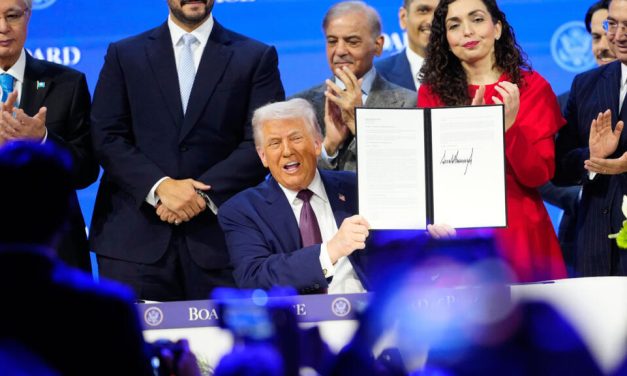
Strategic Council Online – Report: While the second phase of the implementation of the Gaza ceasefire has begun, the establishment of the “Peace Board” chaired by Donald Trump on the sidelines of the Davos meeting (22 January 2026) has become more than a technical mechanism for reconstruction and has turned into a test for the future of the international order.
Despite the signing of the charter by 22 out of 60 invited countries, the limited presence of global leaders at the Davos ceremony and the non-acceptance of this body by the European Union and key Western countries indicate a deep divide in global perceptions of the legitimacy of this mechanism.
In this report, drawing on the analysis of Hadi Borhani, a regional affairs expert, and international data, three strategic questions are addressed: Is the Peace Board an instrument for implementing UN Security Council Resolution 2803 or a substitute for the United Nations? How does the hierarchical architecture of this committee intensify executive challenges in Gaza? And finally, can this body create sustainable peace without the cooperation of Palestinians and with the concentration of power in the hands of a single individual?

America’s Zero-Sum Game in Iraq

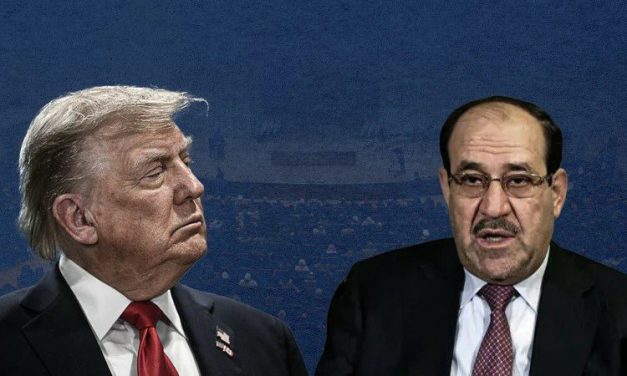
Online Strategic Council – Memoir: The swift selection of Nouri al-Maliki for the premiership constitutes a new phase in Iraq’s political sphere. Multiple factors have played a role in this process, the most important being the prevailing situation in Iraq and the region. Under such circumstances, Iraq requires a powerful and experienced prime minister who can keep the country away from the dangers of wars and crises.

America’s Strategy for Creating Tension in the Asia-Pacific

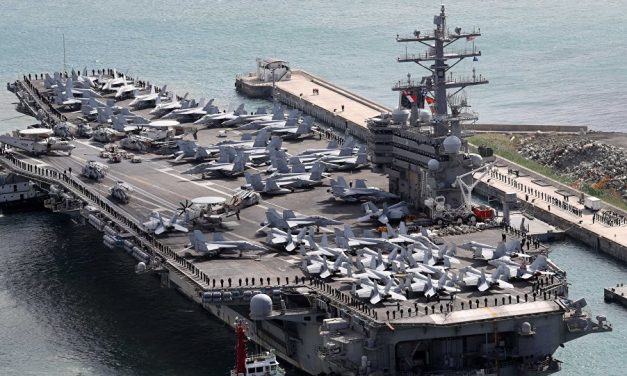
Strategic Council Online – Opinion: Relations between some countries in the Asia-Pacific region, such as China and Japan or China and Australia, which were previously relatively normal, are trending towards deterioration, and the primary reason for this is the aggressive policies of the United States of America.

The Collapse of the European Security Illusion with the Continuation of the Ukraine War?

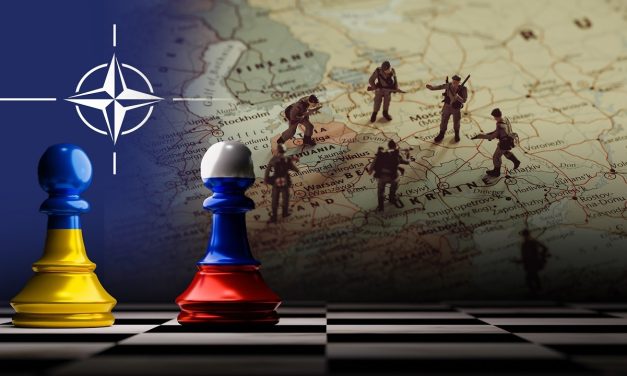
Strategic Council Online – Interview: The Ukraine war has become a new turning point in the political, security, and even commercial relations of allies on both sides of the Atlantic. While this war is nearing its fourth year, many questions still remain regarding its future and its consequences; among them, will the continuation of the Ukraine war lead to the collapse of the European security illusion?

Loading

Últimas publicaciones

Commercial Exploitation of Peace; The Gaza Committee in Confrontation with International Legitimacy

Strategic Council Online – Report: While the second phase of the implementation of the Gaza ceasefire has begun, the establishment of the “Peace Board” chaired by Donald Trump on the sidelines of the Davos meeting (22 January 2026) has become more than a technical mechanism for reconstruction and has turned into a test for the future of the international order.
Despite the signing of the charter by 22 out of 60 invited countries, the limited presence of global leaders at the Davos ceremony and the non-acceptance of this body by the European Union and key Western countries indicate a deep divide in global perceptions of the legitimacy of this mechanism.
In this report, drawing on the analysis of Hadi Borhani, a regional affairs expert, and international data, three strategic questions are addressed: Is the Peace Board an instrument for implementing UN Security Council Resolution 2803 or a substitute for the United Nations? How does the hierarchical architecture of this committee intensify executive challenges in Gaza? And finally, can this body create sustainable peace without the cooperation of Palestinians and with the concentration of power in the hands of a single individual?

America’s Zero-Sum Game in Iraq

Online Strategic Council – Memoir: The swift selection of Nouri al-Maliki for the premiership constitutes a new phase in Iraq’s political sphere. Multiple factors have played a role in this process, the most important being the prevailing situation in Iraq and the region. Under such circumstances, Iraq requires a powerful and experienced prime minister who can keep the country away from the dangers of wars and crises.

America’s Strategy for Creating Tension in the Asia-Pacific

Strategic Council Online – Opinion: Relations between some countries in the Asia-Pacific region, such as China and Japan or China and Australia, which were previously relatively normal, are trending towards deterioration, and the primary reason for this is the aggressive policies of the United States of America.

The Collapse of the European Security Illusion with the Continuation of the Ukraine War?

Strategic Council Online – Interview: The Ukraine war has become a new turning point in the political, security, and even commercial relations of allies on both sides of the Atlantic. While this war is nearing its fourth year, many questions still remain regarding its future and its consequences; among them, will the continuation of the Ukraine war lead to the collapse of the European security illusion?

Loading

DERNIER CONTENU

Commercial Exploitation of Peace; The Gaza Committee in Confrontation with International Legitimacy

Strategic Council Online – Report: While the second phase of the implementation of the Gaza ceasefire has begun, the establishment of the “Peace Board” chaired by Donald Trump on the sidelines of the Davos meeting (22 January 2026) has become more than a technical mechanism for reconstruction and has turned into a test for the future of the international order.
Despite the signing of the charter by 22 out of 60 invited countries, the limited presence of global leaders at the Davos ceremony and the non-acceptance of this body by the European Union and key Western countries indicate a deep divide in global perceptions of the legitimacy of this mechanism.
In this report, drawing on the analysis of Hadi Borhani, a regional affairs expert, and international data, three strategic questions are addressed: Is the Peace Board an instrument for implementing UN Security Council Resolution 2803 or a substitute for the United Nations? How does the hierarchical architecture of this committee intensify executive challenges in Gaza? And finally, can this body create sustainable peace without the cooperation of Palestinians and with the concentration of power in the hands of a single individual?

America’s Zero-Sum Game in Iraq

Online Strategic Council – Memoir: The swift selection of Nouri al-Maliki for the premiership constitutes a new phase in Iraq’s political sphere. Multiple factors have played a role in this process, the most important being the prevailing situation in Iraq and the region. Under such circumstances, Iraq requires a powerful and experienced prime minister who can keep the country away from the dangers of wars and crises.

America’s Strategy for Creating Tension in the Asia-Pacific

Strategic Council Online – Opinion: Relations between some countries in the Asia-Pacific region, such as China and Japan or China and Australia, which were previously relatively normal, are trending towards deterioration, and the primary reason for this is the aggressive policies of the United States of America.

The Collapse of the European Security Illusion with the Continuation of the Ukraine War?

Strategic Council Online – Interview: The Ukraine war has become a new turning point in the political, security, and even commercial relations of allies on both sides of the Atlantic. While this war is nearing its fourth year, many questions still remain regarding its future and its consequences; among them, will the continuation of the Ukraine war lead to the collapse of the European security illusion?

Loading

DERNIER CONTENU

Commercial Exploitation of Peace; The Gaza Committee in Confrontation with International Legitimacy

Strategic Council Online – Report: While the second phase of the implementation of the Gaza ceasefire has begun, the establishment of the “Peace Board” chaired by Donald Trump on the sidelines of the Davos meeting (22 January 2026) has become more than a technical mechanism for reconstruction and has turned into a test for the future of the international order.
Despite the signing of the charter by 22 out of 60 invited countries, the limited presence of global leaders at the Davos ceremony and the non-acceptance of this body by the European Union and key Western countries indicate a deep divide in global perceptions of the legitimacy of this mechanism.
In this report, drawing on the analysis of Hadi Borhani, a regional affairs expert, and international data, three strategic questions are addressed: Is the Peace Board an instrument for implementing UN Security Council Resolution 2803 or a substitute for the United Nations? How does the hierarchical architecture of this committee intensify executive challenges in Gaza? And finally, can this body create sustainable peace without the cooperation of Palestinians and with the concentration of power in the hands of a single individual?

America’s Zero-Sum Game in Iraq

Online Strategic Council – Memoir: The swift selection of Nouri al-Maliki for the premiership constitutes a new phase in Iraq’s political sphere. Multiple factors have played a role in this process, the most important being the prevailing situation in Iraq and the region. Under such circumstances, Iraq requires a powerful and experienced prime minister who can keep the country away from the dangers of wars and crises.

America’s Strategy for Creating Tension in the Asia-Pacific

Strategic Council Online – Opinion: Relations between some countries in the Asia-Pacific region, such as China and Japan or China and Australia, which were previously relatively normal, are trending towards deterioration, and the primary reason for this is the aggressive policies of the United States of America.

The Collapse of the European Security Illusion with the Continuation of the Ukraine War?

Strategic Council Online – Interview: The Ukraine war has become a new turning point in the political, security, and even commercial relations of allies on both sides of the Atlantic. While this war is nearing its fourth year, many questions still remain regarding its future and its consequences; among them, will the continuation of the Ukraine war lead to the collapse of the European security illusion?

Loading

DERNIER CONTENU

Commercial Exploitation of Peace; The Gaza Committee in Confrontation with International Legitimacy

Strategic Council Online – Report: While the second phase of the implementation of the Gaza ceasefire has begun, the establishment of the “Peace Board” chaired by Donald Trump on the sidelines of the Davos meeting (22 January 2026) has become more than a technical mechanism for reconstruction and has turned into a test for the future of the international order.
Despite the signing of the charter by 22 out of 60 invited countries, the limited presence of global leaders at the Davos ceremony and the non-acceptance of this body by the European Union and key Western countries indicate a deep divide in global perceptions of the legitimacy of this mechanism.
In this report, drawing on the analysis of Hadi Borhani, a regional affairs expert, and international data, three strategic questions are addressed: Is the Peace Board an instrument for implementing UN Security Council Resolution 2803 or a substitute for the United Nations? How does the hierarchical architecture of this committee intensify executive challenges in Gaza? And finally, can this body create sustainable peace without the cooperation of Palestinians and with the concentration of power in the hands of a single individual?

America’s Zero-Sum Game in Iraq

Online Strategic Council – Memoir: The swift selection of Nouri al-Maliki for the premiership constitutes a new phase in Iraq’s political sphere. Multiple factors have played a role in this process, the most important being the prevailing situation in Iraq and the region. Under such circumstances, Iraq requires a powerful and experienced prime minister who can keep the country away from the dangers of wars and crises.

America’s Strategy for Creating Tension in the Asia-Pacific

Strategic Council Online – Opinion: Relations between some countries in the Asia-Pacific region, such as China and Japan or China and Australia, which were previously relatively normal, are trending towards deterioration, and the primary reason for this is the aggressive policies of the United States of America.

The Collapse of the European Security Illusion with the Continuation of the Ukraine War?

Strategic Council Online – Interview: The Ukraine war has become a new turning point in the political, security, and even commercial relations of allies on both sides of the Atlantic. While this war is nearing its fourth year, many questions still remain regarding its future and its consequences; among them, will the continuation of the Ukraine war lead to the collapse of the European security illusion?

Loading