Multifaceted Crises of the Zionist Regime and Netanyahu’s Fragile Position

2025/06/01 | interview, Politics, top news

Strategic Council Online – Interview: A West Asia affairs analyst stated that according to a recent poll by the Maariv newspaper, Netanyahu's ruling coalition would secure only 49 seats in the Knesset (parliament) if new elections were held, losing one seat, while a minimum of 61 seats is required to form a government. This situation and military and judicial failures will place Netanyahu in the most critical phase of his leadership.

Failure in Gaza: Netanyahu’s Achilles’ Heel
Mohammad Saleh Sedghian, in an interview with the website of the Strategic Council on Foreign Relations, noted that the failure of the Zionist regime’s military in achieving Netanyahu’s declared objective—freeing Israeli prisoners in Gaza—has become his most significant political challenge. Following the October 2023 events, Netanyahu launched a large-scale military operation aimed at releasing the captives, but over a year later, the vast majority remain in captivity. This failure, contradicting Netanyahu’s initial promises, has severely eroded public trust in his leadership. According to the head of the Arab Center for Iranian Studies, “The Maariv poll shows that only 48% of respondents trust Netanyahu regarding his commitment to freeing the captives, which may indicate fragile confidence in his leadership.”

The senior West Asia affairs expert emphasized that this failure has sparked widespread criticism from the opposition, including figures like Yair Lapid, Benny Gantz, and former allies such as Naftali Bennett. He believes Netanyahu is inclined to maintain the current situation to prevent the collapse of his government, as any ceasefire or agreement could intensify domestic pressure and lead to the downfall of his government. Some American research centers have also criticized this strategy. Sedghian highlights the Netanyahu government’s strategic weakness in managing military and political crises. The decline in the Netanyahu cabinet’s popularity to its lowest level since early 2025 further exposes this fragility.

Judicial Cases: The Sword of Damocles Over Netanyahu
One of the key factors undermining Netanyahu’s position is his ongoing judicial cases. Sedghian points out that Netanyahu faced corruption charges even before the October 2023 events. These cases, which led to restrictions on his judicial authority, triggered waves of protests in the streets of Tel Aviv and occupied Jerusalem. The demonstrations, sometimes accompanied by slogans against Netanyahu’s proposed judicial reforms, reflect a deep divide between him and segments of Israeli society.

According to the West Asia analyst, “Although there is evidence of a covert agreement between Netanyahu and some judicial bodies to reduce pressure, this approach has failed to curb public dissatisfaction.” Sedghian refers to the efforts by legal teams within the Zionist regime to leverage the issue of the hostages and judicial cases as a means to oust Netanyahu from power. However, Sedghian considers this scenario unlikely due to Netanyahu’s extensive political experience, though sustained judicial pressure could gradually weaken his political standing. This situation is further exacerbated by the Religious Zionism party, led by Bezalel Smotrich, which failed to meet the 3.25% electoral threshold in the Maariv poll, receiving only 1.6% of the vote, making the ruling coalition even more fragile.

Media Crackdown and Netanyahu’s Failed Attempt to Conceal the Crisis
Sedghian further highlights severe media restrictions in the Zionist regime as a key factor exacerbating the internal crisis. Citing testimonies from journalists in Occupied Palestine, he speaks of stringent media control. According to the head of the Arab Center for Iranian Studies, “Hebrew-language media are barred from publishing full coverage of protests or depicting the real conditions in cities, with even camera angles heavily restricted. This media suppression, aimed at hiding the scale of the crisis, has fueled public distrust and deepened the rift between the government and society.”

Sedghian stresses that reports from American research centers paint a critical picture of the Zionist regime, where military, judicial, and political failures are intertwined. These media restrictions, especially after the unprecedented decline in the Netanyahu cabinet’s popularity in 2025, reflect a failed attempt to manage public opinion. Instead of easing tensions, he argues that this policy has intensified discontent and strengthened street protests. Ongoing demonstrations, sometimes politically motivated and at other times centered on the failure to free captives, attest to this claim.

Election Prospects and Netanyahu’s Inevitable Decline
According to Sedghian, Netanyahu’s political prospects in the event of early elections are bleak. The Maariv poll indicates that if Naftali Bennett enters with a new party, Netanyahu’s seats would drop to 21, and his coalition to 44, while Bennett would secure 25 seats. This shift, combined with opposition parties (including 66 Jewish party seats and 10 Arab party seats) securing 71 seats, would ensure the downfall of Netanyahu’s government. Military failures, judicial cases, and mounting opposition pressure in the Occupied Territories have minimized Netanyahu’s chances of victory.

The analyst also notes the fading of Netanyahu’s once-strong relationship with Donald Trump. Although Netanyahu still uses pro-Trump rhetoric to bolster his position, this relationship no longer holds its former influence, especially as Jewish lobbies in the U.S., while supportive of Netanyahu, do not show the same unwavering backing as before. This situation, compounded by opposition pressure and the rise of rivals like Bennett, who, according to the Maariv poll, has a growing social base, has darkened Netanyahu’s political outlook. Sedghian thus predicts that “the continuation of these crises, particularly if coupled with further failures in managing domestic issues, could lead to early elections and mark the end of Netanyahu’s political era.”

Sedghian emphasizes that the Zionist regime, under Benjamin Netanyahu’s leadership, is experiencing one of the most critical phases in its political history. His standing was weakened by the failure to free captives, ongoing judicial cases, media restrictions, and dwindling political support. Mohammad Saleh Sedghian notes in his analysis that Netanyahu, relying on his political experience, has so far resisted these pressures. Still, recent poll results indicate a decline in his social and political base.

The head of the Arab Center for Iranian Studies also points out that the emergence of rivals like Naftali Bennett, the shrinking seats of the ruling coalition, and public dissatisfaction have increased the likelihood of the government’s collapse and early elections. However, given accumulated failures and domestic pressures, Netanyahu’s victory in such an election seems highly improbable. The future of the Zionist regime hinges on Netanyahu’s ability—or inability- to manage these multifaceted crises, but signs suggest his era is nearing its end.
0 Comments

LATEST CONTENT

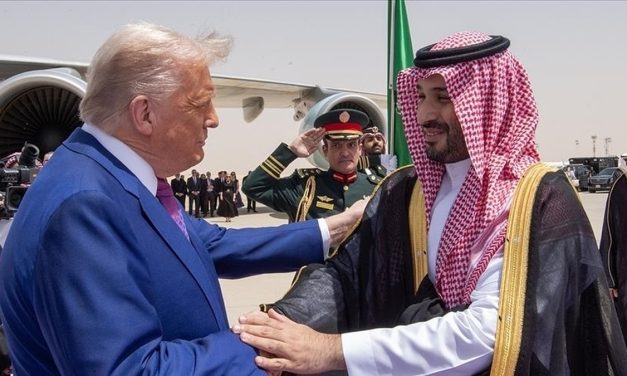
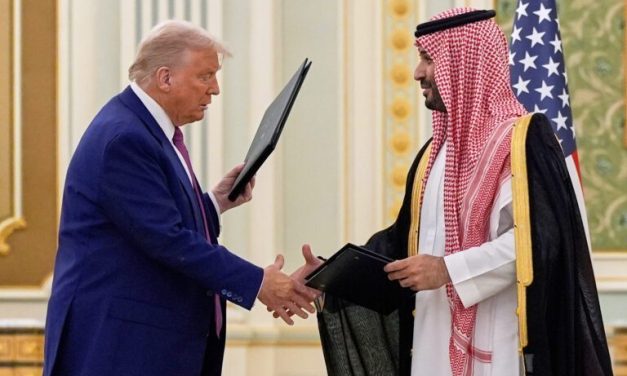
A Look at bin Salman’s Recent Trip to America

Strategic Council Online – Opinion: The recent trip of the Saudi Crown Prince to America was a targeted effort to solidify the strategic partnership with Washington, reduce political uncertainties, and strengthen Riyadh’s political role-playing.

Creating the Right Narrative: A Principled Strategy for Countering the Enemy’s Soft War

Strategic Council Online – Interview: A media expert stated: Given the intensification of the West’s soft war and psychological operations against Iran, our country’s primary strategy must be based on public education, strengthening national cohesion, developing international media, and countering the distortion of history through creating the right narrative.

F-35 Sale to Saudi Arabia: From Promise to Reality

Strategic Council Online – Interview: An international affairs analyst said: The issue of selling the F-35 to Saudi Arabia is not merely a military case, but rather part of a regional engineering that Washington is trying to advance.

Caspian Sea Water Level Drop; A Geopolitical Harm for Coastal Countries

Strategic Council Online – Interview: An expert in geopolitics stated, “The unprecedented drop in the Caspian Sea water level is not only an environmental threat but also a geopolitical alarm bell for Iran and the coastal countries, requiring urgent multilateral cooperation.”

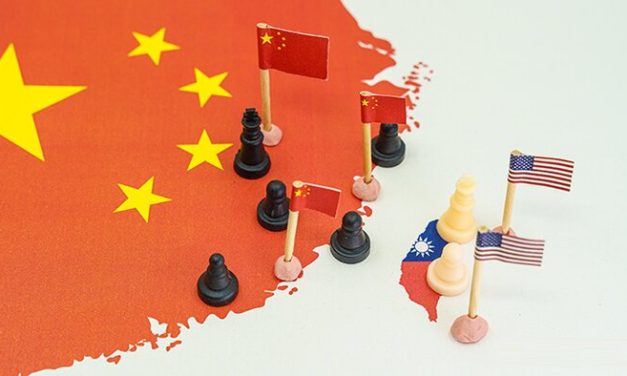
China’s Strategy to Counter the U.S. Effort to Escalate the Taiwan Crisis

Strategic Council Online – Interview: “Any miscalculated move could lead to escalating tensions and uncontrollable crises, but Beijing’s prudence and precise strategies have so far prevented the Taiwan issue from escalating into a crisis similar to that of Ukraine,” said an East Asia analyst.

Iran in the New Eurasian Order

Strategic Council Online – Interview: A geostrategic affairs analyst said: The emerging Eurasian order is not merely an economic plan, but an effort to redefine the global order based on independence, multilateralism, and regional convergence.

Loading

Últimas publicaciones

A Look at bin Salman’s Recent Trip to America

Strategic Council Online – Opinion: The recent trip of the Saudi Crown Prince to America was a targeted effort to solidify the strategic partnership with Washington, reduce political uncertainties, and strengthen Riyadh’s political role-playing.

Creating the Right Narrative: A Principled Strategy for Countering the Enemy’s Soft War

Strategic Council Online – Interview: A media expert stated: Given the intensification of the West’s soft war and psychological operations against Iran, our country’s primary strategy must be based on public education, strengthening national cohesion, developing international media, and countering the distortion of history through creating the right narrative.

F-35 Sale to Saudi Arabia: From Promise to Reality

Strategic Council Online – Interview: An international affairs analyst said: The issue of selling the F-35 to Saudi Arabia is not merely a military case, but rather part of a regional engineering that Washington is trying to advance.

Caspian Sea Water Level Drop; A Geopolitical Harm for Coastal Countries

Strategic Council Online – Interview: An expert in geopolitics stated, “The unprecedented drop in the Caspian Sea water level is not only an environmental threat but also a geopolitical alarm bell for Iran and the coastal countries, requiring urgent multilateral cooperation.”

China’s Strategy to Counter the U.S. Effort to Escalate the Taiwan Crisis

Strategic Council Online – Interview: “Any miscalculated move could lead to escalating tensions and uncontrollable crises, but Beijing’s prudence and precise strategies have so far prevented the Taiwan issue from escalating into a crisis similar to that of Ukraine,” said an East Asia analyst.

Iran in the New Eurasian Order

Strategic Council Online – Interview: A geostrategic affairs analyst said: The emerging Eurasian order is not merely an economic plan, but an effort to redefine the global order based on independence, multilateralism, and regional convergence.

Loading

DERNIER CONTENU

A Look at bin Salman’s Recent Trip to America

Strategic Council Online – Opinion: The recent trip of the Saudi Crown Prince to America was a targeted effort to solidify the strategic partnership with Washington, reduce political uncertainties, and strengthen Riyadh’s political role-playing.

Creating the Right Narrative: A Principled Strategy for Countering the Enemy’s Soft War

Strategic Council Online – Interview: A media expert stated: Given the intensification of the West’s soft war and psychological operations against Iran, our country’s primary strategy must be based on public education, strengthening national cohesion, developing international media, and countering the distortion of history through creating the right narrative.

F-35 Sale to Saudi Arabia: From Promise to Reality

Strategic Council Online – Interview: An international affairs analyst said: The issue of selling the F-35 to Saudi Arabia is not merely a military case, but rather part of a regional engineering that Washington is trying to advance.

Caspian Sea Water Level Drop; A Geopolitical Harm for Coastal Countries

Strategic Council Online – Interview: An expert in geopolitics stated, “The unprecedented drop in the Caspian Sea water level is not only an environmental threat but also a geopolitical alarm bell for Iran and the coastal countries, requiring urgent multilateral cooperation.”

China’s Strategy to Counter the U.S. Effort to Escalate the Taiwan Crisis

Strategic Council Online – Interview: “Any miscalculated move could lead to escalating tensions and uncontrollable crises, but Beijing’s prudence and precise strategies have so far prevented the Taiwan issue from escalating into a crisis similar to that of Ukraine,” said an East Asia analyst.

Iran in the New Eurasian Order

Strategic Council Online – Interview: A geostrategic affairs analyst said: The emerging Eurasian order is not merely an economic plan, but an effort to redefine the global order based on independence, multilateralism, and regional convergence.

Loading