Analysis of Latest Developments in the West Bank

2025/04/30 | interview, Politics, top news

Strategic Council Online – Interview: A senior analyst on Palestinian issues said: The occupied West Bank is once again witnessing increasing tensions. According to Anadolu News Agency, Israeli authorities prevented Palestinian Prime Minister Muhammad Mustafa from visiting the villages of Burqa, Deir Dabwan, Duma, and Qusra, areas that are the target of attacks by illegal settlers. At the same time, in Nablus, settlers kidnapped two Palestinian children and tied them to a tree; an incident that has sounded the alarm for the Palestinians that their lives are in danger. Since the beginning of the Gaza war, 952 Palestinians have been killed in the West Bank, and more than 7,000 have been injured.

Preventing the Palestinian Prime Minister from Visiting; Weakening the PA?

In an interview with the Strategic Council on Foreign Relations website, Mohsen Fayezi said, taking a historical look at the Israeli regime’s behavior towards Palestinian leaders: The recent Israeli action to prevent the Palestinian Prime Minister from visiting the villages of the West Bank is very similar to Tel Aviv’s approach towards Yasser Arafat in the final years of his life. Just as after the start of the second intifada in 2000, Arafat, who had resumed armed struggle, was placed under siege and house arrest in Ramallah since 2003 and practically prevented from any political movement.

According to this senior analyst on the Palestinian issues, Mahmoud Abbas, the head of the Palestinian Authority, is now caught in a similar situation after October 7, 2023. This is because Abbas’s lack of explicit condemnation of the October 7 operation and his association with the anti-Israeli trend in the Arab world led to severe criticism from Tel Aviv. These criticisms were accompanied by practical measures taken by the Israeli regime against Mahmoud Abbas, such as confiscating the PA’s budget, preventing him from visiting parts of the West Bank, and even public threats to Prime Minister Benjamin Netanyahu.

The analyst emphasized that these measures are taking place at a time when the PA’s security cooperation with the Israeli regime, led by Majid Faraj, has reached its peak. A clear example of this cooperation, he said, was the recent clashes between the PA’s security forces and Resistance groups in the Jenin camp, which led to the deaths of several Palestinian fighters and sparked widespread criticism among Palestinians. However, such behavior is a deliberate attempt to weaken the PA’s authority, which could deepen the gap between the people of the West Bank and the Palestinian leadership. In fact, these measures not only weaken the PA’s position in the eyes of the people but also severely reduce public trust in the institution’s ability to defend the rights of the Palestinians.

Violence of Settlers and Israeli Regime’s Security Forces; Structured  Cooperation?

Referring to the increase in settler violence, such as the kidnapping of two Palestinian children, Fayezi continued to see these developments as a sign of a changing nature of the conflicts in the West Bank, saying: Since October 7, 2023, violence in this region has reached its peak and is approaching the level of the second intifada. This violence, which is accompanied by the open support of Itamar Ben-Gvir, the Minister of National Security of the Israeli regime, is fueled by the ideology of the currents living in the settlements and the political support of the Tel Aviv government. As one of the extremist figures in the Netanyahu cabinet, Ben-Guer has not only supported these measures, but has also given them greater courage to carry out attacks by arming the settlers and financing new bases. This situation has even faced criticism in Zionist society. Many Israeli analysts believe that this violence endangers the security of Jews themselves, as it intensifies Palestinian counteractions.

According to this analyst, the conflicts between people in the West Bank have different consequences than the conflicts between people and the army in Gaza. The increase in “Lone Wolf” operations with cold weapons, which have no organizational affiliation with the Resistance groups, results from these tensions. These attacks, often carried out by Palestinian youth, reflect the latent anger that stems from the daily violence of settlers and the silence of the Israeli military.

Fayezi also points to the parameters of the Palestinian population and rural dispersion, which prevent an immediate change in the demographic composition. However, military efforts to annex the West Bank, such as the developments in the Jenin and Tubas camps, are systematically underway. In fact, the cooperation between the settlers and the Israeli army, although implicit, seems structured, because the lack of military intervention in such incidents effectively allows the settlers to continue their violence with greater freedom.

The Role of the International Community: Passivity or Ineffectiveness?

The senior analyst of Palestinian issues stated regarding the role of the international community in the developments in Palestine: The European Union and some European countries, such as France, have made efforts to recognize the state of Palestine by referring to these developments. For example, France announced in recent months that the developments in the West Bank, more than the situation in Gaza, motivated this decision. Nevertheless, the ineffectiveness of global institutions from the International Court of Justice to the UN Security Council can be considered a fundamental challenge to the liberal and constructivist currents of the international system.

Fayezi believes that these institutions no longer have the influence they had in the past decades on the Palestinian issue. The main reason for this passivity is political complexities and pressure from major powers, especially the United States, which, by unquestioningly supporting the Israeli regime, prevents effective action.

The analyst added that there are neglected capacities in international institutions, such as broader legal proceedings in the International Court of Justice or the activation of economic and diplomatic pressure mechanisms by the European Union. However, these capacities remain unused due to the lack of political will and the influence of the Israeli regime in international structures.

He emphasized that the international community must go beyond demonstrative stances and take practical measures to protect the rights of the Palestinians.

Palestinian Countermeasure Strategies: Waiting for the Future of Gaza

The Palestinian analyst, referring to the impact of the situation in the West Bank on developments in Gaza, said: The outcome of the Battle of Al-Aqsa Storm in Gaza will have a direct effect on the Netanyahu government, the policies of the Israeli army, and the status of the PA. This is because the conditions in Gaza, after achieving relative stability, can change the nature and powers of the PA in the West Bank. For example, if Resistance groups in Gaza can achieve significant political or military gains, this may lead to strengthening the Resistance’s position in the West Bank and reducing the PA’s influence.

Fayezi stressed the importance of regional solidarity on the Palestinian issue and said: Postponing the normalization of relations between Arab countries and Tel Aviv provides a unique opportunity to create an Islamic alliance against Zionism, and taking advantage of this postponement can prevent the dream of annexing the West Bank from coming true and changing its conditions. In fact, a change in the West Bank and Jerusalem is not a desirable option for any regional political system, as it could lead to wider instability. In such a situation, regional countries, especially the Axis of Resistance, should increase pressure on the Israeli regime by boosting regional diplomacy and supporting the Palestinian Resistance. Also, using international legal capacities, such as more complaints in the International Court of Justice, could be effective as a tool to draw global attention to the violation of Palestinians’ rights.
0 Comments

LATEST CONTENT

An Analysis of Iran’s Missile Capability

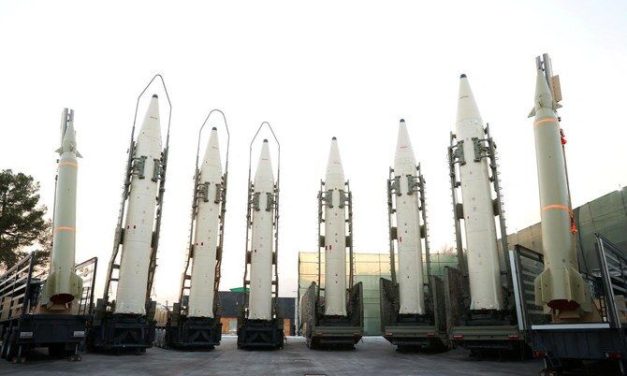
Strategic Council Online – Interview: A strategic affairs analyst said: Iran’s missile doctrine is not only part of its deterrent capability but also part of the security identity of the Islamic Republic of Iran and should not be weakened.

Japan-China Tensions Over Taiwan

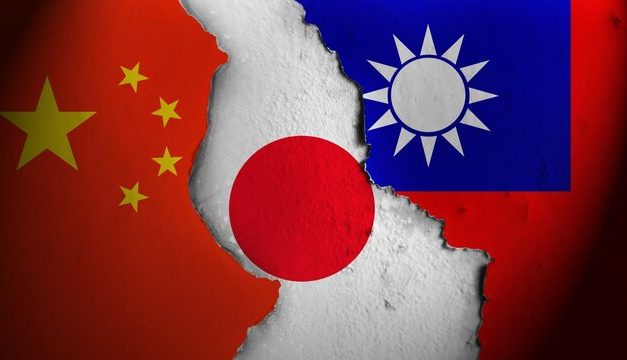
Strategic Council Online – Interview: An international affairs expert said that U.S. President Donald Trump, in a phone call this week with Sanae Takaichi, asked her not to further escalate disputes with China. Earlier this month, Takaichi created a rare tension with Beijing by stating that “a potential Chinese attack on Taiwan could lead to military action by Japan,” remarks that drew a sharp reaction from China. Beijing demanded that she retract these statements, but the Japanese Prime Minister has not done so thus far, and Tokyo has only emphasized that its policy regarding Taiwan has not changed.

A Look at bin Salman’s Recent Trip to America

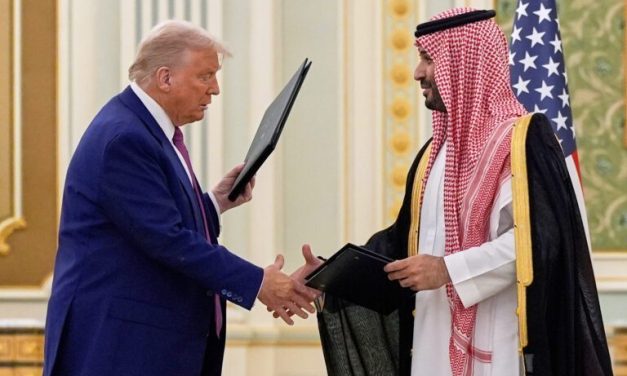
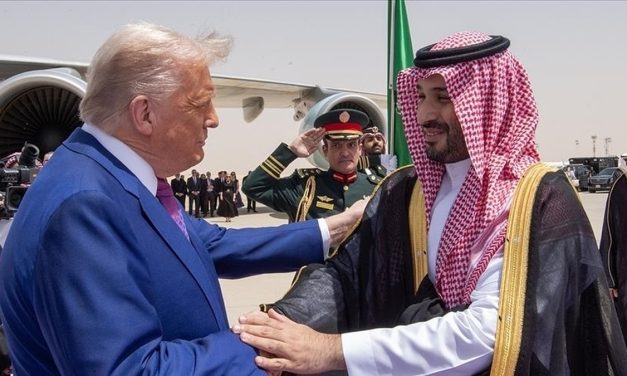
Strategic Council Online – Opinion: The recent trip of the Saudi Crown Prince to America was a targeted effort to solidify the strategic partnership with Washington, reduce political uncertainties, and strengthen Riyadh’s political role-playing.

Creating the Right Narrative: A Principled Strategy for Countering the Enemy’s Soft War

Strategic Council Online – Interview: A media expert stated: Given the intensification of the West’s soft war and psychological operations against Iran, our country’s primary strategy must be based on public education, strengthening national cohesion, developing international media, and countering the distortion of history through creating the right narrative.

F-35 Sale to Saudi Arabia: From Promise to Reality

Strategic Council Online – Interview: An international affairs analyst said: The issue of selling the F-35 to Saudi Arabia is not merely a military case, but rather part of a regional engineering that Washington is trying to advance.

Caspian Sea Water Level Drop; A Geopolitical Harm for Coastal Countries

Strategic Council Online – Interview: An expert in geopolitics stated, “The unprecedented drop in the Caspian Sea water level is not only an environmental threat but also a geopolitical alarm bell for Iran and the coastal countries, requiring urgent multilateral cooperation.”

Loading

Últimas publicaciones

An Analysis of Iran’s Missile Capability

Strategic Council Online – Interview: A strategic affairs analyst said: Iran’s missile doctrine is not only part of its deterrent capability but also part of the security identity of the Islamic Republic of Iran and should not be weakened.

Japan-China Tensions Over Taiwan

Strategic Council Online – Interview: An international affairs expert said that U.S. President Donald Trump, in a phone call this week with Sanae Takaichi, asked her not to further escalate disputes with China. Earlier this month, Takaichi created a rare tension with Beijing by stating that “a potential Chinese attack on Taiwan could lead to military action by Japan,” remarks that drew a sharp reaction from China. Beijing demanded that she retract these statements, but the Japanese Prime Minister has not done so thus far, and Tokyo has only emphasized that its policy regarding Taiwan has not changed.

A Look at bin Salman’s Recent Trip to America

Strategic Council Online – Opinion: The recent trip of the Saudi Crown Prince to America was a targeted effort to solidify the strategic partnership with Washington, reduce political uncertainties, and strengthen Riyadh’s political role-playing.

Creating the Right Narrative: A Principled Strategy for Countering the Enemy’s Soft War

Strategic Council Online – Interview: A media expert stated: Given the intensification of the West’s soft war and psychological operations against Iran, our country’s primary strategy must be based on public education, strengthening national cohesion, developing international media, and countering the distortion of history through creating the right narrative.

F-35 Sale to Saudi Arabia: From Promise to Reality

Strategic Council Online – Interview: An international affairs analyst said: The issue of selling the F-35 to Saudi Arabia is not merely a military case, but rather part of a regional engineering that Washington is trying to advance.

Caspian Sea Water Level Drop; A Geopolitical Harm for Coastal Countries

Strategic Council Online – Interview: An expert in geopolitics stated, “The unprecedented drop in the Caspian Sea water level is not only an environmental threat but also a geopolitical alarm bell for Iran and the coastal countries, requiring urgent multilateral cooperation.”

Loading

DERNIER CONTENU

An Analysis of Iran’s Missile Capability

Strategic Council Online – Interview: A strategic affairs analyst said: Iran’s missile doctrine is not only part of its deterrent capability but also part of the security identity of the Islamic Republic of Iran and should not be weakened.

Japan-China Tensions Over Taiwan

Strategic Council Online – Interview: An international affairs expert said that U.S. President Donald Trump, in a phone call this week with Sanae Takaichi, asked her not to further escalate disputes with China. Earlier this month, Takaichi created a rare tension with Beijing by stating that “a potential Chinese attack on Taiwan could lead to military action by Japan,” remarks that drew a sharp reaction from China. Beijing demanded that she retract these statements, but the Japanese Prime Minister has not done so thus far, and Tokyo has only emphasized that its policy regarding Taiwan has not changed.

A Look at bin Salman’s Recent Trip to America

Strategic Council Online – Opinion: The recent trip of the Saudi Crown Prince to America was a targeted effort to solidify the strategic partnership with Washington, reduce political uncertainties, and strengthen Riyadh’s political role-playing.

Creating the Right Narrative: A Principled Strategy for Countering the Enemy’s Soft War

Strategic Council Online – Interview: A media expert stated: Given the intensification of the West’s soft war and psychological operations against Iran, our country’s primary strategy must be based on public education, strengthening national cohesion, developing international media, and countering the distortion of history through creating the right narrative.

F-35 Sale to Saudi Arabia: From Promise to Reality

Strategic Council Online – Interview: An international affairs analyst said: The issue of selling the F-35 to Saudi Arabia is not merely a military case, but rather part of a regional engineering that Washington is trying to advance.

Caspian Sea Water Level Drop; A Geopolitical Harm for Coastal Countries

Strategic Council Online – Interview: An expert in geopolitics stated, “The unprecedented drop in the Caspian Sea water level is not only an environmental threat but also a geopolitical alarm bell for Iran and the coastal countries, requiring urgent multilateral cooperation.”

Loading