Targets of Recent US Military Movements in Syria

2021/03/09 | interview, Politics, top news

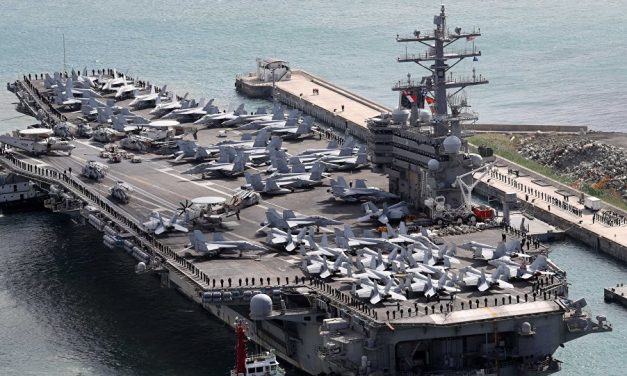
Strategic Council Online – An expert on the Middle East affairs, commenting over the US attempts to increase its military presence in Syria, and in particular Washington’s moves in the northern part of the country, said: Joe Biden apparently intends to continue the same policies of Donald Trump regarding Syria.

In an interview with the website of the Strategic Council on Foreign Relations, Davood Ahmadzadeh stressed: With Joe Biden coming to power and his policies in the Middle East, it was thought that we would face fundamental change in West Asia, especially in crisis areas such as Syria and Iraq, but what has happened in practice is that the US policy is continuation of presence in the occupied Syrian territories and logistics and military strengthening with an aim of curbing Iran’s influence and large-scale coalition building to meet military challenges due to the presence of Russian forces in Syria.

Noting that one of the main pillars of Biden’s regional policies was to counter Russian influence in Syria as a strategic country and a strategic ally of the Russians, Ahmadzadeh said: Therefore, it seems that while it was expected that with the Biden-led Democrats coming to power in the White House reduction of troops and  through diplomacy and diplomatic talks, but what was seen in practice from the very beginning of his presence in the White House is that the United States is not only reluctant to withdraw its troops from Syria, but with increasing its military presence and even support for the Syrian Kurds and strengthening some Takfiri groups is after escalating its influence in Syria and simultaneously confronting with Iran and Russia in that country and in West Asian region.

He stressed: In this direction, it seems that Joe Biden is willing to coordinate and cooperate with Turkey’s policies, in order to reduce Iran’s influence in Syria and create a strategic balance with the Russians.

The expert, stressing that after those new blocks were built in the region, formation of a kind of hidden and overt competition between regional and non-regional players on the issue of Syria and Iraq is more likely, added: Biden policy will continue Trump’s policy in the region, especially in Syria. Therefore, there is a possibility of increasing tension as well as clashes between the forces of the Axis of Resistance and the Arab-Hebrew axis with the support of the United States in a controlled way in Syria and even in Iraq.

Ahmadzadeh explained that Donald Trump’s policy toward Syria was to support Israeli and Arab coalition forces, as well as the Takfiri forces and, at one point, the ISIS terrorist group.

As for the future scenario of Syria with Biden coming to power, the expert said: It is likely that tensions over Syria and Iraq will escalate in a cross-cutting and controlled manner; but the likely option is that the same situation would continue by the two main axes, the Resistance Axis on the one hand and Russia on the other, with the Saudi-led Arab axis with the US support. In other words, we are likely to see continued military conflict in eastern Syria on the one hand, and the strengthening of Kurdish forces and some opponents of Bashar Assad by the Americans and even Turkey on the other.

However, Ahmadzadeh stressed that the possible scenario is continuation of the current situation in Syria, regarding the regime of Bashar Assad.

He continued: As the support of Iran and Russia for Bashar Assad and lack of consensus among the forces involved in the crisis to resolve the issue through political dialogue, will cause the situation to continue in the same way.

The expert stressed: In the meantime, any turn of Turkey towards Western forces, especially the United States, to upset the balance and intensify political and military pressure in Syria could complicate the situation in the region.

Emphasizing that another influential variable in this scenario is the type of intervention and aggression of the Zionist regime in favor of the anti-Syrian and anti-Resistance Axis forces, Ahmadzadeh explained: Continuation of those attacks may lead to a direct confrontation between Iran and the Zionist regime in Syria and the geography of the Axis of Resistance.

The expert also noted the importance of Syria to Russia and its effect on the insistence of the Russians on their policies in this regard, saying: Russia has strategic interests in Syria and sees it as a safe haven. Presence of the Russians in Syria is aimed at counteracting the growing influence of the West on the eastern axis and preventing further influence in the strategic areas and traditional allies of that country in the Middle East.

He also noted Iran’s continued support for Syria, adding: Under the current situation, the Islamic Republic of Iran continues to emphasize its support for Bashar Assad’s system. At the same time, despite the weakening of the bases of the Takfiri and ISIS groups in Syria and increase in the military capabilities of the Assad government, the possibility of overthrowing this system is unlikely, at least in the near future.

He concluded by referring to the prospect of the crisis in Syria and said: There is no military solution to the Syrian crisis, and it can only be resolved with the consent of various Syrian groups, on the one hand, and regional and international cooperation on the other.
0 Comments

Submit a Comment

Your email address will not be published. Required fields are marked *

LATEST CONTENT

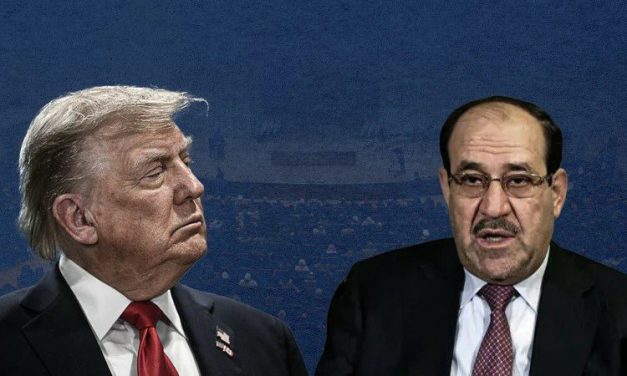
America’s Zero-Sum Game in Iraq

Online Strategic Council – Memoir: The swift selection of Nouri al-Maliki for the premiership constitutes a new phase in Iraq’s political sphere. Multiple factors have played a role in this process, the most important being the prevailing situation in Iraq and the region. Under such circumstances, Iraq requires a powerful and experienced prime minister who can keep the country away from the dangers of wars and crises.

America’s Strategy for Creating Tension in the Asia-Pacific

Strategic Council Online – Opinion: Relations between some countries in the Asia-Pacific region, such as China and Japan or China and Australia, which were previously relatively normal, are trending towards deterioration, and the primary reason for this is the aggressive policies of the United States of America.

The Collapse of the European Security Illusion with the Continuation of the Ukraine War?

Strategic Council Online – Interview: The Ukraine war has become a new turning point in the political, security, and even commercial relations of allies on both sides of the Atlantic. While this war is nearing its fourth year, many questions still remain regarding its future and its consequences; among them, will the continuation of the Ukraine war lead to the collapse of the European security illusion?

Is Greenland Pushing Europe Toward China?

Strategic Council Online – Interview: A European affairs expert believes that the seizure of Greenland will certainly weaken America’s relations with Europe and its allies. Donald Trump’s view is that he does not need these countries, but if Europe faces significant pressure from the United States, it is natural for it to move toward China.

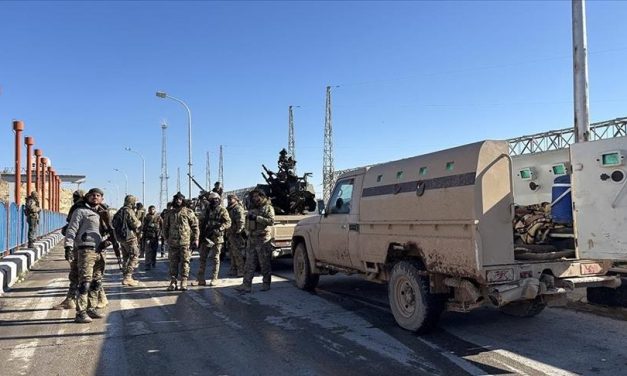
Alarm Bells Sound for ISIS Revival in Syria: Threat to Iraq and West Asia

Strategic Council Online – Opinion: Numerous documents and pieces of evidence indicate that ISIS, which in recent years has been the region’s biggest threat to security and stability after the Zionist regime, has once again in recent months become a focal point for political and security exploitation by American and Zionist regime security, intelligence, and political circles.

Afghanistan’s Effective Role in the Economy of Eurasia

Strategic Council Online – Interview: A regional affairs researcher stated: Despite projects such as the Khaf-Herat railway and the Herat-Balkh-Mazar-i-Sharif corridor being on the agenda, insecurity and the absence of an inclusive government remain the most significant obstacles to realizing transit corridors and Afghanistan playing an effective role in the economy of Eurasia.

Loading

Últimas publicaciones

America’s Zero-Sum Game in Iraq

Online Strategic Council – Memoir: The swift selection of Nouri al-Maliki for the premiership constitutes a new phase in Iraq’s political sphere. Multiple factors have played a role in this process, the most important being the prevailing situation in Iraq and the region. Under such circumstances, Iraq requires a powerful and experienced prime minister who can keep the country away from the dangers of wars and crises.

America’s Strategy for Creating Tension in the Asia-Pacific

Strategic Council Online – Opinion: Relations between some countries in the Asia-Pacific region, such as China and Japan or China and Australia, which were previously relatively normal, are trending towards deterioration, and the primary reason for this is the aggressive policies of the United States of America.

The Collapse of the European Security Illusion with the Continuation of the Ukraine War?

Strategic Council Online – Interview: The Ukraine war has become a new turning point in the political, security, and even commercial relations of allies on both sides of the Atlantic. While this war is nearing its fourth year, many questions still remain regarding its future and its consequences; among them, will the continuation of the Ukraine war lead to the collapse of the European security illusion?

Is Greenland Pushing Europe Toward China?

Strategic Council Online – Interview: A European affairs expert believes that the seizure of Greenland will certainly weaken America’s relations with Europe and its allies. Donald Trump’s view is that he does not need these countries, but if Europe faces significant pressure from the United States, it is natural for it to move toward China.

Alarm Bells Sound for ISIS Revival in Syria: Threat to Iraq and West Asia

Strategic Council Online – Opinion: Numerous documents and pieces of evidence indicate that ISIS, which in recent years has been the region’s biggest threat to security and stability after the Zionist regime, has once again in recent months become a focal point for political and security exploitation by American and Zionist regime security, intelligence, and political circles.

Afghanistan’s Effective Role in the Economy of Eurasia

Strategic Council Online – Interview: A regional affairs researcher stated: Despite projects such as the Khaf-Herat railway and the Herat-Balkh-Mazar-i-Sharif corridor being on the agenda, insecurity and the absence of an inclusive government remain the most significant obstacles to realizing transit corridors and Afghanistan playing an effective role in the economy of Eurasia.

Loading

DERNIER CONTENU

America’s Zero-Sum Game in Iraq

Online Strategic Council – Memoir: The swift selection of Nouri al-Maliki for the premiership constitutes a new phase in Iraq’s political sphere. Multiple factors have played a role in this process, the most important being the prevailing situation in Iraq and the region. Under such circumstances, Iraq requires a powerful and experienced prime minister who can keep the country away from the dangers of wars and crises.

America’s Strategy for Creating Tension in the Asia-Pacific

Strategic Council Online – Opinion: Relations between some countries in the Asia-Pacific region, such as China and Japan or China and Australia, which were previously relatively normal, are trending towards deterioration, and the primary reason for this is the aggressive policies of the United States of America.

The Collapse of the European Security Illusion with the Continuation of the Ukraine War?

Strategic Council Online – Interview: The Ukraine war has become a new turning point in the political, security, and even commercial relations of allies on both sides of the Atlantic. While this war is nearing its fourth year, many questions still remain regarding its future and its consequences; among them, will the continuation of the Ukraine war lead to the collapse of the European security illusion?

Is Greenland Pushing Europe Toward China?

Strategic Council Online – Interview: A European affairs expert believes that the seizure of Greenland will certainly weaken America’s relations with Europe and its allies. Donald Trump’s view is that he does not need these countries, but if Europe faces significant pressure from the United States, it is natural for it to move toward China.

Alarm Bells Sound for ISIS Revival in Syria: Threat to Iraq and West Asia

Strategic Council Online – Opinion: Numerous documents and pieces of evidence indicate that ISIS, which in recent years has been the region’s biggest threat to security and stability after the Zionist regime, has once again in recent months become a focal point for political and security exploitation by American and Zionist regime security, intelligence, and political circles.

Afghanistan’s Effective Role in the Economy of Eurasia

Strategic Council Online – Interview: A regional affairs researcher stated: Despite projects such as the Khaf-Herat railway and the Herat-Balkh-Mazar-i-Sharif corridor being on the agenda, insecurity and the absence of an inclusive government remain the most significant obstacles to realizing transit corridors and Afghanistan playing an effective role in the economy of Eurasia.

Loading