Overt and Covert Factors behind Unrests in Iraq and Lebanon

2019/11/01 | interview, Politics, top news

Strategic Council Online: An international relations lecturer said Saudi Arabia, the United Arab Emirates and the United States are trying to reap their intended benefits out of the anti-government protests in Lebanon. “They seek to diminish the status and the role of the Resistance in the Lebanese power structure.”

Speaking to the website of the Strategic Council on Foreign Relations, Dr. Seyyed Razi Emadi said: “It must be admitted that what is happening in the form of protests in Iraq and Lebanon is real and is not merely organized and designed from outside the country.” He said the people of Iraq and Lebanon are voicing protests and they are right in these protests. This is not to say that the unrest has been caused out of the influence of a certain country, but rather it is rooted in domestic conditions; for example, youth unemployment in Lebanon is above 35%, which is high for a country like Lebanon.”

“There is widespread corruption in Lebanon, and it is clear that some trends do not really care about Lebanon’s national interests and the problems of the people, but simply care about being in power,” the analyst said.

“These are not things the Lebanese people can tolerate any longer because their living conditions have deteriorated,” he said. They find that as poverty and unemployment and their livelihoods worsen, so does the rate of corruption. There is a deep rift between statesmen, parties and people, so people are protesting and their demonstrations are rightful.

Emadi cited Hassan Nasrallah, secretary-general of the Lebanese Hezbollah, in connection with the popular protests. Mr. Nasrallah has stated that we support the people’s protests and demand serious consideration of the people’s demands.

He added that one of the most important reasons for Lebanon’s specific circumstances is the presence of Hezbollah in Lebanon. Hezbollah is an Arab group that grew up and gained power in an Arab country and today it cannot be ignored in the West Asian region.

He added: “Whoever wants to study the developments in the region must take into account the weight and position of Hezbollah in Lebanon, but this is unacceptable to some foreign actors, especially regional players, because Hezbollah operates as a group following the line of Iran and as the most important regional ally of the Islamic Republic of Iran and its right arm in the developments in the region, it plays a very decisive role in influencing and strengthening its position in the region. This role has been quite evident in the last decade, especially during Hezbollah’s fight against terrorism in Syria. That is why Hezbollah has strong opponents both inside Lebanon and at the regional and trans-regional levels. Given this function, Lebanon’s Hezbollah is subject to foreign intervention. We also see this in the recent developments.

The West Asian analyst said that Saudi Arabia, and even the UAE, was involved in Lebanese developments. “When elections were held in Lebanon in 2018, we had numerous reports that Saudi Arabia, and especially the UAE, was extending huge financial aid to some candidates who opposed the Resistance Coalition. That is to say, they wanted the defeat of the Resistance Coalition in the polls but they failed and the Resistance Coalition won the majority.

Emadi added: The same policy is being applied now, and Saudi Arabia and the UAE are trying to pursue their interests through anti-government protests in Lebanon. There have even been reports that the Saudi and Emirate embassies in Beirut are distributing food and meeting the needs of the protesters, and are even paying for them to take part in the demonstrations. These are evidences of the role of Saudi Arabia and the UAE in the unrest in Lebanon.

“Another point is that this role seems to be played in a number of ways,” the university professor said. At first, the demonstrations were directed against Hezbollah, which appear to have been unsuccessful, because Nasrallah’s stance was not one of people coming to act against Hezbollah, but rather Hezbollah defended the people’s demonstrations. It has also prevented the government from resigning because the government must be held accountable.
0 Comments

Submit a Comment

Your email address will not be published. Required fields are marked *

LATEST CONTENT

America’s Zero-Sum Game in Iraq

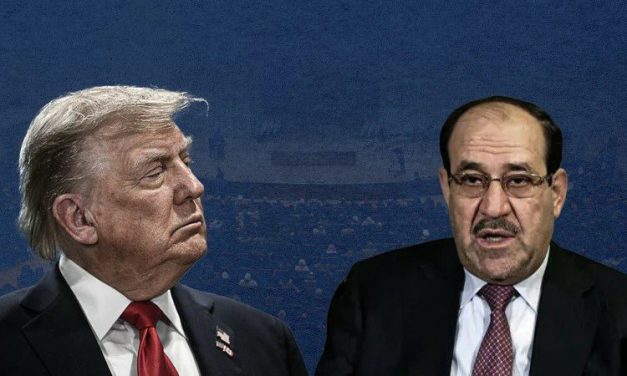
Online Strategic Council – Memoir: The swift selection of Nouri al-Maliki for the premiership constitutes a new phase in Iraq’s political sphere. Multiple factors have played a role in this process, the most important being the prevailing situation in Iraq and the region. Under such circumstances, Iraq requires a powerful and experienced prime minister who can keep the country away from the dangers of wars and crises.

America’s Strategy for Creating Tension in the Asia-Pacific

Strategic Council Online – Opinion: Relations between some countries in the Asia-Pacific region, such as China and Japan or China and Australia, which were previously relatively normal, are trending towards deterioration, and the primary reason for this is the aggressive policies of the United States of America.

The Collapse of the European Security Illusion with the Continuation of the Ukraine War?

Strategic Council Online – Interview: The Ukraine war has become a new turning point in the political, security, and even commercial relations of allies on both sides of the Atlantic. While this war is nearing its fourth year, many questions still remain regarding its future and its consequences; among them, will the continuation of the Ukraine war lead to the collapse of the European security illusion?

Is Greenland Pushing Europe Toward China?

Strategic Council Online – Interview: A European affairs expert believes that the seizure of Greenland will certainly weaken America’s relations with Europe and its allies. Donald Trump’s view is that he does not need these countries, but if Europe faces significant pressure from the United States, it is natural for it to move toward China.

Alarm Bells Sound for ISIS Revival in Syria: Threat to Iraq and West Asia

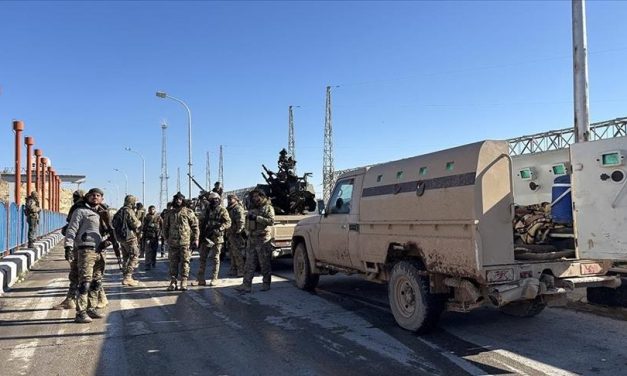
Strategic Council Online – Opinion: Numerous documents and pieces of evidence indicate that ISIS, which in recent years has been the region’s biggest threat to security and stability after the Zionist regime, has once again in recent months become a focal point for political and security exploitation by American and Zionist regime security, intelligence, and political circles.

Afghanistan’s Effective Role in the Economy of Eurasia

Strategic Council Online – Interview: A regional affairs researcher stated: Despite projects such as the Khaf-Herat railway and the Herat-Balkh-Mazar-i-Sharif corridor being on the agenda, insecurity and the absence of an inclusive government remain the most significant obstacles to realizing transit corridors and Afghanistan playing an effective role in the economy of Eurasia.

Loading

Últimas publicaciones

America’s Zero-Sum Game in Iraq

Online Strategic Council – Memoir: The swift selection of Nouri al-Maliki for the premiership constitutes a new phase in Iraq’s political sphere. Multiple factors have played a role in this process, the most important being the prevailing situation in Iraq and the region. Under such circumstances, Iraq requires a powerful and experienced prime minister who can keep the country away from the dangers of wars and crises.

America’s Strategy for Creating Tension in the Asia-Pacific

Strategic Council Online – Opinion: Relations between some countries in the Asia-Pacific region, such as China and Japan or China and Australia, which were previously relatively normal, are trending towards deterioration, and the primary reason for this is the aggressive policies of the United States of America.

The Collapse of the European Security Illusion with the Continuation of the Ukraine War?

Strategic Council Online – Interview: The Ukraine war has become a new turning point in the political, security, and even commercial relations of allies on both sides of the Atlantic. While this war is nearing its fourth year, many questions still remain regarding its future and its consequences; among them, will the continuation of the Ukraine war lead to the collapse of the European security illusion?

Is Greenland Pushing Europe Toward China?

Strategic Council Online – Interview: A European affairs expert believes that the seizure of Greenland will certainly weaken America’s relations with Europe and its allies. Donald Trump’s view is that he does not need these countries, but if Europe faces significant pressure from the United States, it is natural for it to move toward China.

Alarm Bells Sound for ISIS Revival in Syria: Threat to Iraq and West Asia

Strategic Council Online – Opinion: Numerous documents and pieces of evidence indicate that ISIS, which in recent years has been the region’s biggest threat to security and stability after the Zionist regime, has once again in recent months become a focal point for political and security exploitation by American and Zionist regime security, intelligence, and political circles.

Afghanistan’s Effective Role in the Economy of Eurasia

Strategic Council Online – Interview: A regional affairs researcher stated: Despite projects such as the Khaf-Herat railway and the Herat-Balkh-Mazar-i-Sharif corridor being on the agenda, insecurity and the absence of an inclusive government remain the most significant obstacles to realizing transit corridors and Afghanistan playing an effective role in the economy of Eurasia.

Loading

DERNIER CONTENU

America’s Zero-Sum Game in Iraq

Online Strategic Council – Memoir: The swift selection of Nouri al-Maliki for the premiership constitutes a new phase in Iraq’s political sphere. Multiple factors have played a role in this process, the most important being the prevailing situation in Iraq and the region. Under such circumstances, Iraq requires a powerful and experienced prime minister who can keep the country away from the dangers of wars and crises.

America’s Strategy for Creating Tension in the Asia-Pacific

Strategic Council Online – Opinion: Relations between some countries in the Asia-Pacific region, such as China and Japan or China and Australia, which were previously relatively normal, are trending towards deterioration, and the primary reason for this is the aggressive policies of the United States of America.

The Collapse of the European Security Illusion with the Continuation of the Ukraine War?

Strategic Council Online – Interview: The Ukraine war has become a new turning point in the political, security, and even commercial relations of allies on both sides of the Atlantic. While this war is nearing its fourth year, many questions still remain regarding its future and its consequences; among them, will the continuation of the Ukraine war lead to the collapse of the European security illusion?

Is Greenland Pushing Europe Toward China?

Strategic Council Online – Interview: A European affairs expert believes that the seizure of Greenland will certainly weaken America’s relations with Europe and its allies. Donald Trump’s view is that he does not need these countries, but if Europe faces significant pressure from the United States, it is natural for it to move toward China.

Alarm Bells Sound for ISIS Revival in Syria: Threat to Iraq and West Asia

Strategic Council Online – Opinion: Numerous documents and pieces of evidence indicate that ISIS, which in recent years has been the region’s biggest threat to security and stability after the Zionist regime, has once again in recent months become a focal point for political and security exploitation by American and Zionist regime security, intelligence, and political circles.

Afghanistan’s Effective Role in the Economy of Eurasia

Strategic Council Online – Interview: A regional affairs researcher stated: Despite projects such as the Khaf-Herat railway and the Herat-Balkh-Mazar-i-Sharif corridor being on the agenda, insecurity and the absence of an inclusive government remain the most significant obstacles to realizing transit corridors and Afghanistan playing an effective role in the economy of Eurasia.

Loading