Afghanistan’s Effective Role in the Economy of Eurasia

2026/01/08 | Economy, interview, top news

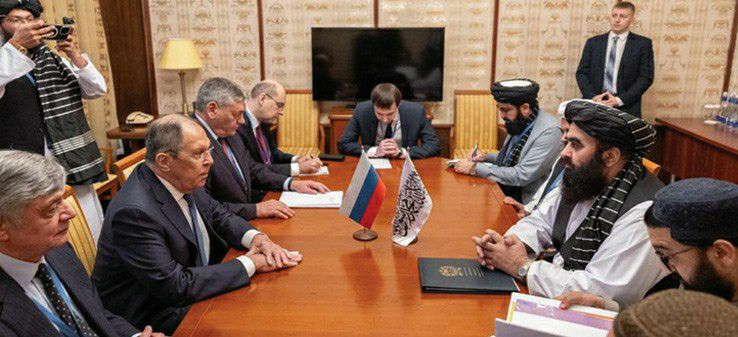
Strategic Council Online - Interview: A regional affairs researcher stated: Despite projects such as the Khaf-Herat railway and the Herat-Balkh-Mazar-i-Sharif corridor being on the agenda, insecurity and the absence of an inclusive government remain the most significant obstacles to realizing transit corridors and Afghanistan playing an effective role in the economy of Eurasia.

Afghanistan’s Position in East-West Corridor Plans
Farzad Ramezani Bonesh, in an interview with the website of the Strategic Council on Foreign Relations regarding Iran’s position in the economy of Eurasia and Afghanistan’s role in connecting the West to East corridor and China, stated: “During the Islamic Republic of Afghanistan era before the Taliban’s presence, the Lapis Lazuli and Trans-Afghan corridors and Afghanistan’s participation in China’s corridor plans for connection with Iran were on the agenda of the officials of that government at the time. During the Taliban period, efforts were made to utilize Afghanistan’s strategic transit capacities to increase self-sufficiency, reduce dependency, and strive to connect South Asia to Central Asia.”
He added: “In the past two years, the connection of the Uzbekistan railway to Pakistan has been considered by the officials of these countries in bilateral and multilateral meetings.”
This regional affairs researcher continued: “Although the Khaf-Herat railway has become operational, its extension to China, Tajikistan, and Uzbekistan has also been considered, because it supplies part of the logistical load of the east-west railway plans and their connection to the north-south corridor. Nevertheless, it seems that in the past year, apart from the challenges between the Taliban and Pakistan, one of the most operational routes that can be accessed sooner is the continuation of the construction of the Herat-Mazar-i-Sharif-Balkh railway, which reaches Tajikistan and China, and on another front, the Herat-Mazar-i-Sharif-Balkh railway that connects Wakhan to China. Multilateral talks in this regard have expanded, and it seems that there are discussions and studies regarding the willingness of more regional actors to engage with this issue.”

Security Challenges and Requirements for Realizing the Corridors
Ramezani Bonesh, in response to the question of whether this level of corridor cooperation can be concluded given Afghanistan’s security and infrastructural challenges or not, stated: “Apart from the discussion of connecting the Uzbekistan and Pakistan railway, which passes through some insecure areas, one of the advantages of the Herat-Balkh-Mazar-i-Sharif and Badakhshan corridor is passing through more secure areas, and this can provide an investment opportunity for more players. If Afghanistan’s security situation worsens, problems may arise during the construction and operation phases of these corridors. In recent years, the Taliban has tried to attract the participation of regional players in these projects through security promises, but it has not been very successful.”
He said: “One of the most important foundations for the formation of lasting security in Afghanistan and the guarantee of long-term investment there is the establishment of a legal, inclusive government in which various ethnic, religious, and political groups are present in the established Afghan government. Insecurity is one of the greatest risks to any investment in this sector. The construction of the TAPI pipeline has not been carried out for two or three decades due to security issues; therefore, if insecurity in Afghanistan escalates into a crisis and challenge, countries will be reluctant to invest in various sectors, especially transit sectors. Although corridors can play an important role in the self-sufficiency and reduction of transit routes between China and Iran on one hand, and Iran with Tajikistan and Uzbekistan on the other, and somewhat facilitate the north-south corridor or play an important role in launching China’s Belt and Road, as long as an exact formula for reducing or completely or relatively eliminating security and political challenges in Afghanistan is not found, the prospects for constructing these corridors will not be very bright and positive.”

Iran’s Role in Strengthening Eurasian Transit Links
This expert, in response to the question of whether conditions in Afghanistan allow for long-term economic work, especially in the transit sector, to take shape, said: “Certainly for Iran, which has a more principled view on the issue of transit between regional countries, increasing transit routes, especially with China, is a geopolitical and geo-economic issue, and access to it and the diversity of logistical routes, whether road or rail, can lead to the expansion of trade between East Asia, West Asia, and Central and South Asia. Afghanistan, as the central focal point in this field, plays an important role, but various internal Afghan and regional players must reach a consensus on common economic interests so that the work of constructing and operating these corridors can be concluded sooner.”
Ramezani Bonesh, in response to the question of what measures Iran can take to strengthen transit cooperation for the development of the Eurasian economy, stated: “For the past decade, the discussion of Iran’s participation in the construction and design of Afghanistan’s corridors has been raised. Apart from Iran’s presence in the Khaf-Herat railway, Iran’s presence in the Herat-Balkh-Mazar-i-Sharif corridor is also being considered. This discussion is now being pursued seriously, and news indicates a greater Iranian presence in this field. Certainly, these measures and the construction of these transit routes contain Iran’s national interests, but this must be done alongside the security and political guarantees received from various actors within Afghanistan to prevent the expansion of security risks for the presence of Iranian companies in designing and constructing these corridors.”
0 Comments

LATEST CONTENT

America’s Zero-Sum Game in Iraq

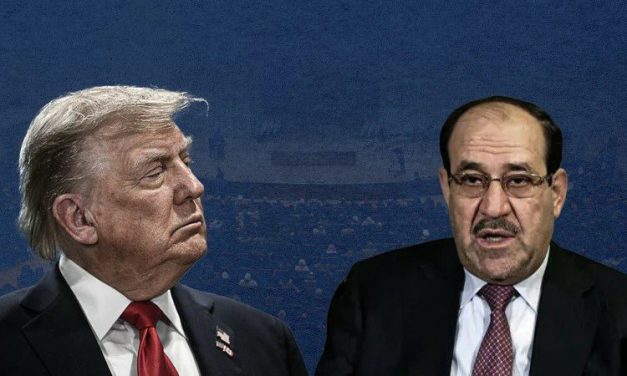
Online Strategic Council – Memoir: The swift selection of Nouri al-Maliki for the premiership constitutes a new phase in Iraq’s political sphere. Multiple factors have played a role in this process, the most important being the prevailing situation in Iraq and the region. Under such circumstances, Iraq requires a powerful and experienced prime minister who can keep the country away from the dangers of wars and crises.

America’s Strategy for Creating Tension in the Asia-Pacific

Strategic Council Online – Opinion: Relations between some countries in the Asia-Pacific region, such as China and Japan or China and Australia, which were previously relatively normal, are trending towards deterioration, and the primary reason for this is the aggressive policies of the United States of America.

The Collapse of the European Security Illusion with the Continuation of the Ukraine War?

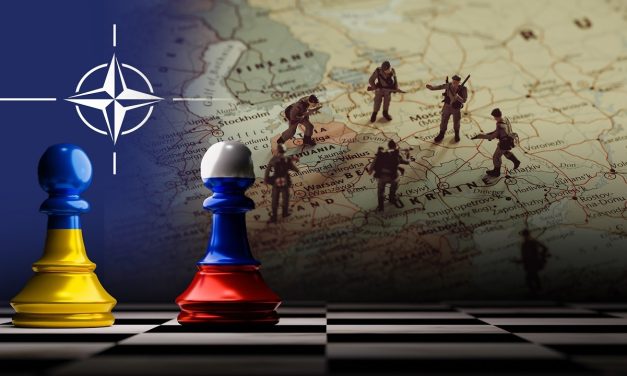
Strategic Council Online – Interview: The Ukraine war has become a new turning point in the political, security, and even commercial relations of allies on both sides of the Atlantic. While this war is nearing its fourth year, many questions still remain regarding its future and its consequences; among them, will the continuation of the Ukraine war lead to the collapse of the European security illusion?

Is Greenland Pushing Europe Toward China?

Strategic Council Online – Interview: A European affairs expert believes that the seizure of Greenland will certainly weaken America’s relations with Europe and its allies. Donald Trump’s view is that he does not need these countries, but if Europe faces significant pressure from the United States, it is natural for it to move toward China.

Alarm Bells Sound for ISIS Revival in Syria: Threat to Iraq and West Asia

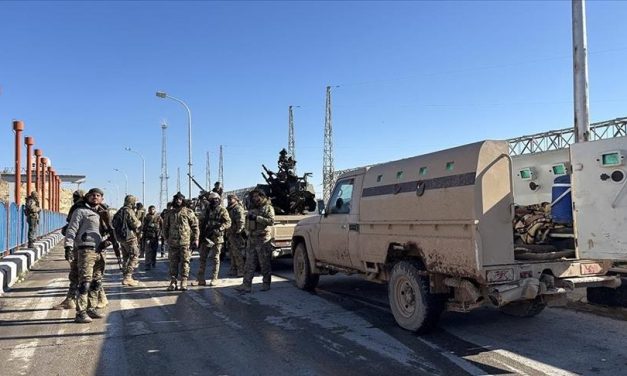
Strategic Council Online – Opinion: Numerous documents and pieces of evidence indicate that ISIS, which in recent years has been the region’s biggest threat to security and stability after the Zionist regime, has once again in recent months become a focal point for political and security exploitation by American and Zionist regime security, intelligence, and political circles.

Afghanistan’s Effective Role in the Economy of Eurasia

Strategic Council Online – Interview: A regional affairs researcher stated: Despite projects such as the Khaf-Herat railway and the Herat-Balkh-Mazar-i-Sharif corridor being on the agenda, insecurity and the absence of an inclusive government remain the most significant obstacles to realizing transit corridors and Afghanistan playing an effective role in the economy of Eurasia.

Loading

Últimas publicaciones

America’s Zero-Sum Game in Iraq

Online Strategic Council – Memoir: The swift selection of Nouri al-Maliki for the premiership constitutes a new phase in Iraq’s political sphere. Multiple factors have played a role in this process, the most important being the prevailing situation in Iraq and the region. Under such circumstances, Iraq requires a powerful and experienced prime minister who can keep the country away from the dangers of wars and crises.

America’s Strategy for Creating Tension in the Asia-Pacific

Strategic Council Online – Opinion: Relations between some countries in the Asia-Pacific region, such as China and Japan or China and Australia, which were previously relatively normal, are trending towards deterioration, and the primary reason for this is the aggressive policies of the United States of America.

The Collapse of the European Security Illusion with the Continuation of the Ukraine War?

Strategic Council Online – Interview: The Ukraine war has become a new turning point in the political, security, and even commercial relations of allies on both sides of the Atlantic. While this war is nearing its fourth year, many questions still remain regarding its future and its consequences; among them, will the continuation of the Ukraine war lead to the collapse of the European security illusion?

Is Greenland Pushing Europe Toward China?

Strategic Council Online – Interview: A European affairs expert believes that the seizure of Greenland will certainly weaken America’s relations with Europe and its allies. Donald Trump’s view is that he does not need these countries, but if Europe faces significant pressure from the United States, it is natural for it to move toward China.

Alarm Bells Sound for ISIS Revival in Syria: Threat to Iraq and West Asia

Strategic Council Online – Opinion: Numerous documents and pieces of evidence indicate that ISIS, which in recent years has been the region’s biggest threat to security and stability after the Zionist regime, has once again in recent months become a focal point for political and security exploitation by American and Zionist regime security, intelligence, and political circles.

Afghanistan’s Effective Role in the Economy of Eurasia

Strategic Council Online – Interview: A regional affairs researcher stated: Despite projects such as the Khaf-Herat railway and the Herat-Balkh-Mazar-i-Sharif corridor being on the agenda, insecurity and the absence of an inclusive government remain the most significant obstacles to realizing transit corridors and Afghanistan playing an effective role in the economy of Eurasia.

Loading

DERNIER CONTENU

America’s Zero-Sum Game in Iraq

Online Strategic Council – Memoir: The swift selection of Nouri al-Maliki for the premiership constitutes a new phase in Iraq’s political sphere. Multiple factors have played a role in this process, the most important being the prevailing situation in Iraq and the region. Under such circumstances, Iraq requires a powerful and experienced prime minister who can keep the country away from the dangers of wars and crises.

America’s Strategy for Creating Tension in the Asia-Pacific

Strategic Council Online – Opinion: Relations between some countries in the Asia-Pacific region, such as China and Japan or China and Australia, which were previously relatively normal, are trending towards deterioration, and the primary reason for this is the aggressive policies of the United States of America.

The Collapse of the European Security Illusion with the Continuation of the Ukraine War?

Strategic Council Online – Interview: The Ukraine war has become a new turning point in the political, security, and even commercial relations of allies on both sides of the Atlantic. While this war is nearing its fourth year, many questions still remain regarding its future and its consequences; among them, will the continuation of the Ukraine war lead to the collapse of the European security illusion?

Is Greenland Pushing Europe Toward China?

Strategic Council Online – Interview: A European affairs expert believes that the seizure of Greenland will certainly weaken America’s relations with Europe and its allies. Donald Trump’s view is that he does not need these countries, but if Europe faces significant pressure from the United States, it is natural for it to move toward China.

Alarm Bells Sound for ISIS Revival in Syria: Threat to Iraq and West Asia

Strategic Council Online – Opinion: Numerous documents and pieces of evidence indicate that ISIS, which in recent years has been the region’s biggest threat to security and stability after the Zionist regime, has once again in recent months become a focal point for political and security exploitation by American and Zionist regime security, intelligence, and political circles.

Afghanistan’s Effective Role in the Economy of Eurasia

Strategic Council Online – Interview: A regional affairs researcher stated: Despite projects such as the Khaf-Herat railway and the Herat-Balkh-Mazar-i-Sharif corridor being on the agenda, insecurity and the absence of an inclusive government remain the most significant obstacles to realizing transit corridors and Afghanistan playing an effective role in the economy of Eurasia.

Loading