Active Resistance in Neutralizing the Sanctions

2025/03/25 | Economy, Note, top news

Strategic Council Online – Opinion: In the words of the Supreme Leader of the Revolution, two types of discourses can be seen in the policy of neutralizing the sanctions: 1. The discourse emphasizes the lack of reliance and trust in the West and 2. The discourse of pragmatism focuses on relying on domestic power and the resistance economy.

Amir Hossein Shirzad – Private Law Researcher

In other words, the Supreme Leader of the Revolution considers the solution to resisting and neutralizing the arrogant policies of the United States and European countries – which they implement under the cover of legal mechanisms and political approaches against Iran – to rely on domestic power and using national economic capacities. In addition to explaining these two discourses, this article explains the two solutions of increasing strategic exports and the necessity of reforming the foreign exchange consumption pattern in line with implementing resistance economy policies to neutralize the sanctions.

In recent years, the Supreme Leader of the Revolution has continuously expressed his deep distrust of the United States and the West in his statements. This distrust is rooted in historical experiences, political approaches, and recent diplomatic experiences. Some European and American governments do not commit to fulfilling their duties and keeping their promises; in addition, these governments have hurt Islamic Iran wherever they have been able to, and where they have not, they have not been able to. On the other hand, with their interventionist spirit, these governments usually try to put the other side in a weak position by deception and imposing their demands without providing sufficient guarantees to implement their commitments.

The second point of the Supreme Leader of the Revolution is the emphasis on the strategy of resistance to Western pressure. Among the influential components in this discourse are economic growth, scientific and technological progress, self-sufficiency and the use of domestic capacities, curbing inflation, improving the people’s livelihood, and the country’s economic management. The policy of neutralizing the sanctions and resisting Western arrogant policies can be pursued through scientific and technological progress along with implementing self-sufficiency policies and utilizing domestic capabilities and capacities, factors that are the main drivers of economic growth and improving livelihoods.

In short, the Supreme Leader’s statements emphasize the importance of sustainable economic growth, self-sufficiency, technological innovation, utilizing human talents, and strengthening multilateral diplomacy as key strategies for confronting the challenges and threats posed by the sanctions. Economic growth has been emphasized as a primary goal for compensating for Iran’s economic backwardness. This growth requires continuous and focused efforts in the medium term and is considered a prerequisite for improving people’s living standards and livelihoods. On the other hand, sustainable economic growth, by maintaining employment and income levels, reduces the negative effects of phenomena such as migration and demographic problems. One of the key factors in achieving this growth is technological innovation, which leads to the creation of large and new industries, increased productivity of domestic capacities, expansion of markets, and creation of high-skilled job opportunities.

Increasing strategic exports and austerity policies and reforming the foreign exchange consumption pattern are two aspects emphasized in resistance-oriented economic diplomacy. The resistance economy is based on self-sufficiency, the use of domestic capacities, the development of non-oil exports, and reforming the consumption pattern. Increasing the export of strategic products and reforming the foreign exchange consumption pattern are two interconnected areas that have mutual effects on each other.

Exporting strategic products is defined with the aim of reducing dependence on oil revenues and increasing non-oil foreign exchange revenues. Increasing the export of strategic non-oil products, especially under sanctions, can serve as an effective strategy for diversifying income sources and reducing the vulnerability of the national economy to fluctuations in oil prices in global markets and international sanctions. On the other hand, the export of strategic products also leads to job creation and sustainable economic growth.

The development of strategic industries and the increase in their exports require investment in infrastructure, advanced technologies, and skilled manpower. This, in turn, creates new job opportunities and increases productivity in various sectors of the economy. For example, the development of agricultural and food industry exports can help grow the agricultural sector, create employment in rural areas, and reduce regional inequalities. Despite the numerous benefits of increasing exports of strategic products, this area also faces challenges. These challenges include trade restrictions resulting from the sanctions, competition with global producers, and the lack of infrastructure necessary for exports. To overcome these challenges, long-term strategies must be developed in areas such as improving product quality, reducing production costs, developing new export markets, and strengthening economic diplomacy. Also, cooperation between the public and private sectors and using the capacities of international organizations such as ECO, Shanghai Cooperation Organization, and BRICS can help develop exports of strategic products.

Reforming the foreign exchange consumption pattern is another key component of the resistance economy, which is defined with the aim of optimally managing foreign exchange resources and reducing reliance on unnecessary imports. In a situation where the country is facing foreign exchange restrictions due to sanctions, proper management of foreign exchange resources and directing them towards productive and strategic sectors is of particular importance. Reducing reliance on imports of unnecessary and consumer goods is one of the goals of reforming the foreign exchange consumption pattern. In recent years, a significant portion of the country’s foreign exchange resources have been spent on importing goods that can be produced domestically. This has not only caused foreign exchange to leave the country but has also led to an increase in the price of foreign exchange, weakening domestic production and increasing unemployment.

By reforming the foreign exchange consumption pattern and directing foreign exchange resources towards the import of capital goods, machinery, and advanced technologies, we can help develop domestic industries and increase GDP. Reforming the foreign exchange consumption pattern can help strengthen domestic production and increase self-sufficiency in various sectors of the economy. By reducing imports of non-essential and consumer goods, demand for domestic production increases, leading to the growth of domestic industries and job creation. For example, by reducing imports of agricultural products and directing foreign exchange resources towards the development of agricultural infrastructure, self-sufficiency in the production of strategic products such as wheat and rice can be achieved.


0 Comments

LATEST CONTENT

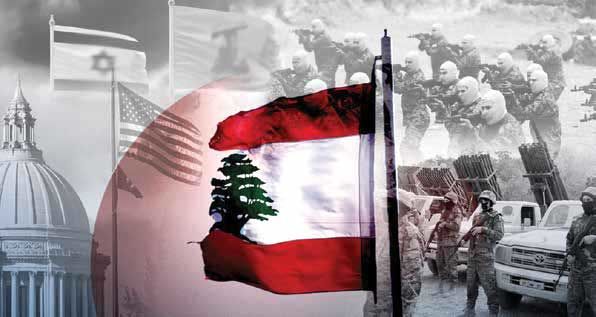
The Security Equation of Southern Lebanon for the Zionist Regime

Strategic Council Online – Opinion: American-Zionist objectives in the region are not limited to weakening Hezbollah. Efforts to disarm Iraqi resistance groups such as Kata’ib Hezbollah and the Popular Mobilization Forces are also part of their subsequent plans.

Commercial Exploitation of Peace; The Gaza Committee in Confrontation with International Legitimacy

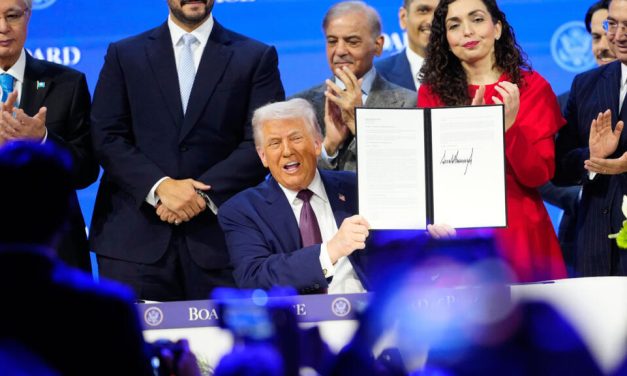
Strategic Council Online – Report: While the second phase of the implementation of the Gaza ceasefire has begun, the establishment of the “Peace Board” chaired by Donald Trump on the sidelines of the Davos meeting (22 January 2026) has become more than a technical mechanism for reconstruction and has turned into a test for the future of the international order.
Despite the signing of the charter by 22 out of 60 invited countries, the limited presence of global leaders at the Davos ceremony and the non-acceptance of this body by the European Union and key Western countries indicate a deep divide in global perceptions of the legitimacy of this mechanism.
In this report, drawing on the analysis of Hadi Borhani, a regional affairs expert, and international data, three strategic questions are addressed: Is the Peace Board an instrument for implementing UN Security Council Resolution 2803 or a substitute for the United Nations? How does the hierarchical architecture of this committee intensify executive challenges in Gaza? And finally, can this body create sustainable peace without the cooperation of Palestinians and with the concentration of power in the hands of a single individual?

America’s Zero-Sum Game in Iraq

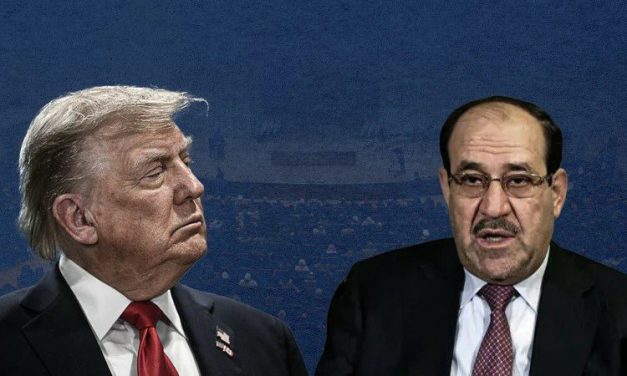
Online Strategic Council – Memoir: The swift selection of Nouri al-Maliki for the premiership constitutes a new phase in Iraq’s political sphere. Multiple factors have played a role in this process, the most important being the prevailing situation in Iraq and the region. Under such circumstances, Iraq requires a powerful and experienced prime minister who can keep the country away from the dangers of wars and crises.

America’s Strategy for Creating Tension in the Asia-Pacific

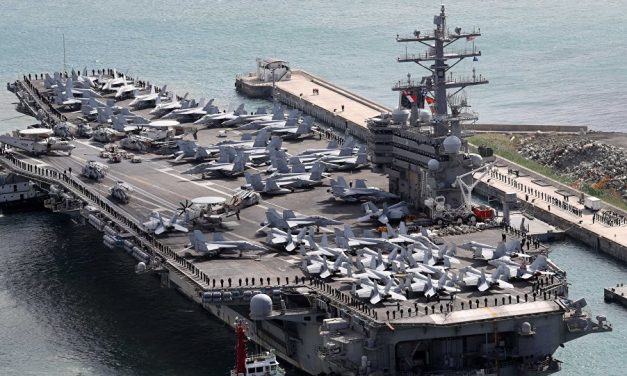
Strategic Council Online – Opinion: Relations between some countries in the Asia-Pacific region, such as China and Japan or China and Australia, which were previously relatively normal, are trending towards deterioration, and the primary reason for this is the aggressive policies of the United States of America.

Loading

Últimas publicaciones

The Security Equation of Southern Lebanon for the Zionist Regime

Strategic Council Online – Opinion: American-Zionist objectives in the region are not limited to weakening Hezbollah. Efforts to disarm Iraqi resistance groups such as Kata’ib Hezbollah and the Popular Mobilization Forces are also part of their subsequent plans.

Commercial Exploitation of Peace; The Gaza Committee in Confrontation with International Legitimacy

Strategic Council Online – Report: While the second phase of the implementation of the Gaza ceasefire has begun, the establishment of the “Peace Board” chaired by Donald Trump on the sidelines of the Davos meeting (22 January 2026) has become more than a technical mechanism for reconstruction and has turned into a test for the future of the international order.
Despite the signing of the charter by 22 out of 60 invited countries, the limited presence of global leaders at the Davos ceremony and the non-acceptance of this body by the European Union and key Western countries indicate a deep divide in global perceptions of the legitimacy of this mechanism.
In this report, drawing on the analysis of Hadi Borhani, a regional affairs expert, and international data, three strategic questions are addressed: Is the Peace Board an instrument for implementing UN Security Council Resolution 2803 or a substitute for the United Nations? How does the hierarchical architecture of this committee intensify executive challenges in Gaza? And finally, can this body create sustainable peace without the cooperation of Palestinians and with the concentration of power in the hands of a single individual?

America’s Zero-Sum Game in Iraq

Online Strategic Council – Memoir: The swift selection of Nouri al-Maliki for the premiership constitutes a new phase in Iraq’s political sphere. Multiple factors have played a role in this process, the most important being the prevailing situation in Iraq and the region. Under such circumstances, Iraq requires a powerful and experienced prime minister who can keep the country away from the dangers of wars and crises.

America’s Strategy for Creating Tension in the Asia-Pacific

Strategic Council Online – Opinion: Relations between some countries in the Asia-Pacific region, such as China and Japan or China and Australia, which were previously relatively normal, are trending towards deterioration, and the primary reason for this is the aggressive policies of the United States of America.

Loading

DERNIER CONTENU

The Security Equation of Southern Lebanon for the Zionist Regime

Strategic Council Online – Opinion: American-Zionist objectives in the region are not limited to weakening Hezbollah. Efforts to disarm Iraqi resistance groups such as Kata’ib Hezbollah and the Popular Mobilization Forces are also part of their subsequent plans.

Commercial Exploitation of Peace; The Gaza Committee in Confrontation with International Legitimacy

Strategic Council Online – Report: While the second phase of the implementation of the Gaza ceasefire has begun, the establishment of the “Peace Board” chaired by Donald Trump on the sidelines of the Davos meeting (22 January 2026) has become more than a technical mechanism for reconstruction and has turned into a test for the future of the international order.
Despite the signing of the charter by 22 out of 60 invited countries, the limited presence of global leaders at the Davos ceremony and the non-acceptance of this body by the European Union and key Western countries indicate a deep divide in global perceptions of the legitimacy of this mechanism.
In this report, drawing on the analysis of Hadi Borhani, a regional affairs expert, and international data, three strategic questions are addressed: Is the Peace Board an instrument for implementing UN Security Council Resolution 2803 or a substitute for the United Nations? How does the hierarchical architecture of this committee intensify executive challenges in Gaza? And finally, can this body create sustainable peace without the cooperation of Palestinians and with the concentration of power in the hands of a single individual?

America’s Zero-Sum Game in Iraq

Online Strategic Council – Memoir: The swift selection of Nouri al-Maliki for the premiership constitutes a new phase in Iraq’s political sphere. Multiple factors have played a role in this process, the most important being the prevailing situation in Iraq and the region. Under such circumstances, Iraq requires a powerful and experienced prime minister who can keep the country away from the dangers of wars and crises.

America’s Strategy for Creating Tension in the Asia-Pacific

Strategic Council Online – Opinion: Relations between some countries in the Asia-Pacific region, such as China and Japan or China and Australia, which were previously relatively normal, are trending towards deterioration, and the primary reason for this is the aggressive policies of the United States of America.

Loading

DERNIER CONTENU

The Security Equation of Southern Lebanon for the Zionist Regime

Strategic Council Online – Opinion: American-Zionist objectives in the region are not limited to weakening Hezbollah. Efforts to disarm Iraqi resistance groups such as Kata’ib Hezbollah and the Popular Mobilization Forces are also part of their subsequent plans.

Commercial Exploitation of Peace; The Gaza Committee in Confrontation with International Legitimacy

Strategic Council Online – Report: While the second phase of the implementation of the Gaza ceasefire has begun, the establishment of the “Peace Board” chaired by Donald Trump on the sidelines of the Davos meeting (22 January 2026) has become more than a technical mechanism for reconstruction and has turned into a test for the future of the international order.
Despite the signing of the charter by 22 out of 60 invited countries, the limited presence of global leaders at the Davos ceremony and the non-acceptance of this body by the European Union and key Western countries indicate a deep divide in global perceptions of the legitimacy of this mechanism.
In this report, drawing on the analysis of Hadi Borhani, a regional affairs expert, and international data, three strategic questions are addressed: Is the Peace Board an instrument for implementing UN Security Council Resolution 2803 or a substitute for the United Nations? How does the hierarchical architecture of this committee intensify executive challenges in Gaza? And finally, can this body create sustainable peace without the cooperation of Palestinians and with the concentration of power in the hands of a single individual?

America’s Zero-Sum Game in Iraq

Online Strategic Council – Memoir: The swift selection of Nouri al-Maliki for the premiership constitutes a new phase in Iraq’s political sphere. Multiple factors have played a role in this process, the most important being the prevailing situation in Iraq and the region. Under such circumstances, Iraq requires a powerful and experienced prime minister who can keep the country away from the dangers of wars and crises.

America’s Strategy for Creating Tension in the Asia-Pacific

Strategic Council Online – Opinion: Relations between some countries in the Asia-Pacific region, such as China and Japan or China and Australia, which were previously relatively normal, are trending towards deterioration, and the primary reason for this is the aggressive policies of the United States of America.

Loading

DERNIER CONTENU

The Security Equation of Southern Lebanon for the Zionist Regime

Strategic Council Online – Opinion: American-Zionist objectives in the region are not limited to weakening Hezbollah. Efforts to disarm Iraqi resistance groups such as Kata’ib Hezbollah and the Popular Mobilization Forces are also part of their subsequent plans.

Commercial Exploitation of Peace; The Gaza Committee in Confrontation with International Legitimacy

Strategic Council Online – Report: While the second phase of the implementation of the Gaza ceasefire has begun, the establishment of the “Peace Board” chaired by Donald Trump on the sidelines of the Davos meeting (22 January 2026) has become more than a technical mechanism for reconstruction and has turned into a test for the future of the international order.
Despite the signing of the charter by 22 out of 60 invited countries, the limited presence of global leaders at the Davos ceremony and the non-acceptance of this body by the European Union and key Western countries indicate a deep divide in global perceptions of the legitimacy of this mechanism.
In this report, drawing on the analysis of Hadi Borhani, a regional affairs expert, and international data, three strategic questions are addressed: Is the Peace Board an instrument for implementing UN Security Council Resolution 2803 or a substitute for the United Nations? How does the hierarchical architecture of this committee intensify executive challenges in Gaza? And finally, can this body create sustainable peace without the cooperation of Palestinians and with the concentration of power in the hands of a single individual?

America’s Zero-Sum Game in Iraq

Online Strategic Council – Memoir: The swift selection of Nouri al-Maliki for the premiership constitutes a new phase in Iraq’s political sphere. Multiple factors have played a role in this process, the most important being the prevailing situation in Iraq and the region. Under such circumstances, Iraq requires a powerful and experienced prime minister who can keep the country away from the dangers of wars and crises.

America’s Strategy for Creating Tension in the Asia-Pacific

Strategic Council Online – Opinion: Relations between some countries in the Asia-Pacific region, such as China and Japan or China and Australia, which were previously relatively normal, are trending towards deterioration, and the primary reason for this is the aggressive policies of the United States of America.

Loading