Hadi Alami Farimani, in an interview with the website of the Strategic Council on Foreign Relations, stated: “In recent years, the United States has introduced a new term, ‘narco-terrorism,’ into its political lexicon, meaning it has linked issues related to drug trafficking to terrorist topics.” He added: “In line with this, citing the executive order issued on January 25th at the beginning of Trump’s presidency, international drug cartels were defined as legitimate targets for attack.”
According to Farimani, this approach is now institutionalized in the United States’ political lexicon. It grants the country the right to militarily confront drug cartels and traffickers anywhere in the world based on this concept, even if it means entering the national territory of other countries.
The Latin American affairs expert said, “Regarding Venezuela, it seems that the U.S. government is dissatisfied with the successive failures of the opposition in that country. The opposition and opponents of Hugo Chávez —the anti-Chavistas in Venezuela —have so far failed to gain a majority in any presidential, referendum, or local elections, and have always been defeated. Therefore, it appears that the United States is tired of this situation and is trying to use the accusation of drug trafficking against Nicolás Maduro, the President of Venezuela, who is somewhat continuing Chávez’s path, to question his political legitimacy and pave the way for military action.”
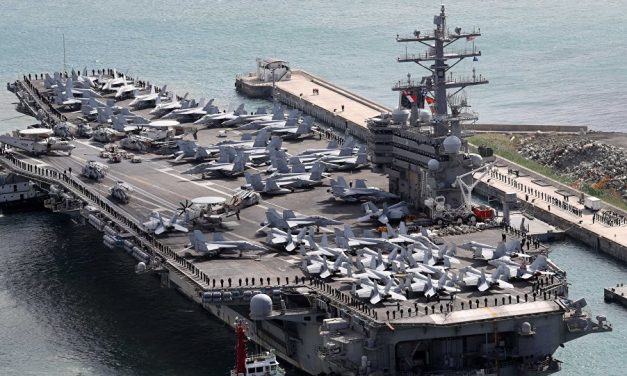
He pointed out that the intensity of these attacks and pressures has currently increased, adding: “Today, the siege around Venezuela has tightened, and the U.S. Southern Command is using attack aircraft to assess various targets within the country to gauge the level of readiness of Venezuela’s civil and military defense. These actions show that Washington is seriously pursuing a strategy of regime change in Caracas.”
Farimani believes that Venezuela, due to the continuation of socialist policies and the non-transfer of power through elections, is currently in a position of isolation. Meanwhile, some countries in the region, such as Mexico and Colombia, although they have entered into tensions with the United States, are acting more cautiously for fear of becoming targets of similar interventions.
Alami Farimani explained the legal basis of the U.S. attacks: “From the perspective of international law, these attacks lack legitimacy, and the law that the United States has created for itself in the realm of transnational drug crimes holds no international status or credibility. In fact, this is the first time that the Trump administration has introduced the concept of drugs into the security and military lexicon and labeled traffickers as terrorists. Previously, no such definition existed in international law, and no other country had provided such an interpretation of the fight against drugs.”
According to this expert, before the Trump era, the U.S. Southern Command was only active in the areas of aerial reconnaissance and surveillance and the limited pursuit of drug traffickers, focusing more on financial and equipment assistance to governments in the region, such as Colombia, Peru, and Mexico. But now, by adding the word “terrorism” to this concept, authorization to use fighter jets and military force has been issued, and the U.S. Army is directly intervening in this process.”
He added: “This action, from the perspective of international law, lacks any legitimacy and is a fabricated, unilateral structure created solely by the United States itself.”
The Latin American affairs expert regarding the objectives and consequences of this U.S. action said: “The United States today unilaterally intervenes in many countries around the world and is promoting a strategy of peace through power. Other countries also know these actions are unilateral, but because Washington has significant military power and informational superiority, it carries them out. Although this approach has increased international protests and severely reduced its legitimacy among the governments of Latin America.”
He continued: “Another consequence of this policy is that other major powers may also take similar actions in response to Washington’s behavior. Under these circumstances, by pursuing these policies, the United States has effectively returned to reviving the ‘Monroe Doctrine’; an old doctrine aimed at maintaining U.S. control over Latin America and keeping other powers, especially China, away from this region.”
Alami Farimani explained: “Through these actions, Washington is trying to limit Beijing’s influence and force the countries of the Latin American region to become more dependent on itself. But this approach has consequences, including the fact that public trust among the nations and governments of Latin America towards the United States has declined. Among many of these countries, especially after the tariff policies, harsh treatment of immigrants, and the claim linking drug trafficking to terrorism, U.S. legitimacy will be further diminished.”
An Analysis of the U.S. Military Intervention Plan in Venezuela and Its Consequences

LATEST CONTENT
Commercial Exploitation of Peace; The Gaza Committee in Confrontation with International Legitimacy
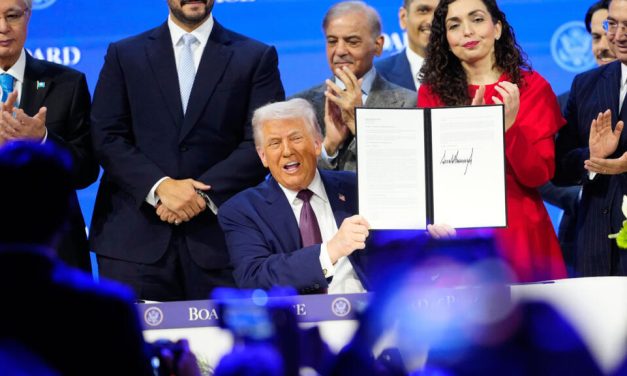
Strategic Council Online – Report: While the second phase of the implementation of the Gaza ceasefire has begun, the establishment of the “Peace Board” chaired by Donald Trump on the sidelines of the Davos meeting (22 January 2026) has become more than a technical mechanism for reconstruction and has turned into a test for the future of the international order.
Despite the signing of the charter by 22 out of 60 invited countries, the limited presence of global leaders at the Davos ceremony and the non-acceptance of this body by the European Union and key Western countries indicate a deep divide in global perceptions of the legitimacy of this mechanism.
In this report, drawing on the analysis of Hadi Borhani, a regional affairs expert, and international data, three strategic questions are addressed: Is the Peace Board an instrument for implementing UN Security Council Resolution 2803 or a substitute for the United Nations? How does the hierarchical architecture of this committee intensify executive challenges in Gaza? And finally, can this body create sustainable peace without the cooperation of Palestinians and with the concentration of power in the hands of a single individual?
America’s Zero-Sum Game in Iraq
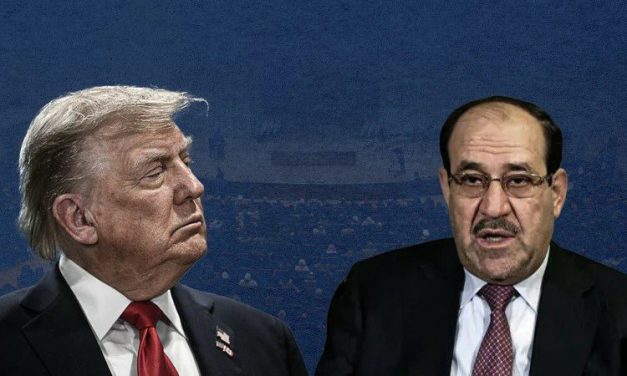
Online Strategic Council – Memoir: The swift selection of Nouri al-Maliki for the premiership constitutes a new phase in Iraq’s political sphere. Multiple factors have played a role in this process, the most important being the prevailing situation in Iraq and the region. Under such circumstances, Iraq requires a powerful and experienced prime minister who can keep the country away from the dangers of wars and crises.
America’s Strategy for Creating Tension in the Asia-Pacific
Strategic Council Online – Opinion: Relations between some countries in the Asia-Pacific region, such as China and Japan or China and Australia, which were previously relatively normal, are trending towards deterioration, and the primary reason for this is the aggressive policies of the United States of America.
The Gradual Formation of a New International Order Based on Competition Among Major Powers
Strategic Council Online – Interview: An international affairs expert stated that the decline of the liberal international order began in 2008. Although the liberal international order still governs international relations, an order is emerging to replace it, based on competition among major powers.
The Collapse of the European Security Illusion with the Continuation of the Ukraine War?
Strategic Council Online – Interview: The Ukraine war has become a new turning point in the political, security, and even commercial relations of allies on both sides of the Atlantic. While this war is nearing its fourth year, many questions still remain regarding its future and its consequences; among them, will the continuation of the Ukraine war lead to the collapse of the European security illusion?
Últimas publicaciones
Commercial Exploitation of Peace; The Gaza Committee in Confrontation with International Legitimacy
Strategic Council Online – Report: While the second phase of the implementation of the Gaza ceasefire has begun, the establishment of the “Peace Board” chaired by Donald Trump on the sidelines of the Davos meeting (22 January 2026) has become more than a technical mechanism for reconstruction and has turned into a test for the future of the international order.
Despite the signing of the charter by 22 out of 60 invited countries, the limited presence of global leaders at the Davos ceremony and the non-acceptance of this body by the European Union and key Western countries indicate a deep divide in global perceptions of the legitimacy of this mechanism.
In this report, drawing on the analysis of Hadi Borhani, a regional affairs expert, and international data, three strategic questions are addressed: Is the Peace Board an instrument for implementing UN Security Council Resolution 2803 or a substitute for the United Nations? How does the hierarchical architecture of this committee intensify executive challenges in Gaza? And finally, can this body create sustainable peace without the cooperation of Palestinians and with the concentration of power in the hands of a single individual?
America’s Zero-Sum Game in Iraq
Online Strategic Council – Memoir: The swift selection of Nouri al-Maliki for the premiership constitutes a new phase in Iraq’s political sphere. Multiple factors have played a role in this process, the most important being the prevailing situation in Iraq and the region. Under such circumstances, Iraq requires a powerful and experienced prime minister who can keep the country away from the dangers of wars and crises.
America’s Strategy for Creating Tension in the Asia-Pacific
Strategic Council Online – Opinion: Relations between some countries in the Asia-Pacific region, such as China and Japan or China and Australia, which were previously relatively normal, are trending towards deterioration, and the primary reason for this is the aggressive policies of the United States of America.
The Gradual Formation of a New International Order Based on Competition Among Major Powers
Strategic Council Online – Interview: An international affairs expert stated that the decline of the liberal international order began in 2008. Although the liberal international order still governs international relations, an order is emerging to replace it, based on competition among major powers.
The Collapse of the European Security Illusion with the Continuation of the Ukraine War?
Strategic Council Online – Interview: The Ukraine war has become a new turning point in the political, security, and even commercial relations of allies on both sides of the Atlantic. While this war is nearing its fourth year, many questions still remain regarding its future and its consequences; among them, will the continuation of the Ukraine war lead to the collapse of the European security illusion?
DERNIER CONTENU
Commercial Exploitation of Peace; The Gaza Committee in Confrontation with International Legitimacy
Strategic Council Online – Report: While the second phase of the implementation of the Gaza ceasefire has begun, the establishment of the “Peace Board” chaired by Donald Trump on the sidelines of the Davos meeting (22 January 2026) has become more than a technical mechanism for reconstruction and has turned into a test for the future of the international order.
Despite the signing of the charter by 22 out of 60 invited countries, the limited presence of global leaders at the Davos ceremony and the non-acceptance of this body by the European Union and key Western countries indicate a deep divide in global perceptions of the legitimacy of this mechanism.
In this report, drawing on the analysis of Hadi Borhani, a regional affairs expert, and international data, three strategic questions are addressed: Is the Peace Board an instrument for implementing UN Security Council Resolution 2803 or a substitute for the United Nations? How does the hierarchical architecture of this committee intensify executive challenges in Gaza? And finally, can this body create sustainable peace without the cooperation of Palestinians and with the concentration of power in the hands of a single individual?
America’s Zero-Sum Game in Iraq
Online Strategic Council – Memoir: The swift selection of Nouri al-Maliki for the premiership constitutes a new phase in Iraq’s political sphere. Multiple factors have played a role in this process, the most important being the prevailing situation in Iraq and the region. Under such circumstances, Iraq requires a powerful and experienced prime minister who can keep the country away from the dangers of wars and crises.
America’s Strategy for Creating Tension in the Asia-Pacific
Strategic Council Online – Opinion: Relations between some countries in the Asia-Pacific region, such as China and Japan or China and Australia, which were previously relatively normal, are trending towards deterioration, and the primary reason for this is the aggressive policies of the United States of America.
The Gradual Formation of a New International Order Based on Competition Among Major Powers
Strategic Council Online – Interview: An international affairs expert stated that the decline of the liberal international order began in 2008. Although the liberal international order still governs international relations, an order is emerging to replace it, based on competition among major powers.
The Collapse of the European Security Illusion with the Continuation of the Ukraine War?
Strategic Council Online – Interview: The Ukraine war has become a new turning point in the political, security, and even commercial relations of allies on both sides of the Atlantic. While this war is nearing its fourth year, many questions still remain regarding its future and its consequences; among them, will the continuation of the Ukraine war lead to the collapse of the European security illusion?
DERNIER CONTENU
Commercial Exploitation of Peace; The Gaza Committee in Confrontation with International Legitimacy
Strategic Council Online – Report: While the second phase of the implementation of the Gaza ceasefire has begun, the establishment of the “Peace Board” chaired by Donald Trump on the sidelines of the Davos meeting (22 January 2026) has become more than a technical mechanism for reconstruction and has turned into a test for the future of the international order.
Despite the signing of the charter by 22 out of 60 invited countries, the limited presence of global leaders at the Davos ceremony and the non-acceptance of this body by the European Union and key Western countries indicate a deep divide in global perceptions of the legitimacy of this mechanism.
In this report, drawing on the analysis of Hadi Borhani, a regional affairs expert, and international data, three strategic questions are addressed: Is the Peace Board an instrument for implementing UN Security Council Resolution 2803 or a substitute for the United Nations? How does the hierarchical architecture of this committee intensify executive challenges in Gaza? And finally, can this body create sustainable peace without the cooperation of Palestinians and with the concentration of power in the hands of a single individual?
America’s Zero-Sum Game in Iraq
Online Strategic Council – Memoir: The swift selection of Nouri al-Maliki for the premiership constitutes a new phase in Iraq’s political sphere. Multiple factors have played a role in this process, the most important being the prevailing situation in Iraq and the region. Under such circumstances, Iraq requires a powerful and experienced prime minister who can keep the country away from the dangers of wars and crises.
America’s Strategy for Creating Tension in the Asia-Pacific
Strategic Council Online – Opinion: Relations between some countries in the Asia-Pacific region, such as China and Japan or China and Australia, which were previously relatively normal, are trending towards deterioration, and the primary reason for this is the aggressive policies of the United States of America.
The Gradual Formation of a New International Order Based on Competition Among Major Powers
Strategic Council Online – Interview: An international affairs expert stated that the decline of the liberal international order began in 2008. Although the liberal international order still governs international relations, an order is emerging to replace it, based on competition among major powers.
The Collapse of the European Security Illusion with the Continuation of the Ukraine War?
Strategic Council Online – Interview: The Ukraine war has become a new turning point in the political, security, and even commercial relations of allies on both sides of the Atlantic. While this war is nearing its fourth year, many questions still remain regarding its future and its consequences; among them, will the continuation of the Ukraine war lead to the collapse of the European security illusion?
DERNIER CONTENU
Commercial Exploitation of Peace; The Gaza Committee in Confrontation with International Legitimacy
Strategic Council Online – Report: While the second phase of the implementation of the Gaza ceasefire has begun, the establishment of the “Peace Board” chaired by Donald Trump on the sidelines of the Davos meeting (22 January 2026) has become more than a technical mechanism for reconstruction and has turned into a test for the future of the international order.
Despite the signing of the charter by 22 out of 60 invited countries, the limited presence of global leaders at the Davos ceremony and the non-acceptance of this body by the European Union and key Western countries indicate a deep divide in global perceptions of the legitimacy of this mechanism.
In this report, drawing on the analysis of Hadi Borhani, a regional affairs expert, and international data, three strategic questions are addressed: Is the Peace Board an instrument for implementing UN Security Council Resolution 2803 or a substitute for the United Nations? How does the hierarchical architecture of this committee intensify executive challenges in Gaza? And finally, can this body create sustainable peace without the cooperation of Palestinians and with the concentration of power in the hands of a single individual?
America’s Zero-Sum Game in Iraq
Online Strategic Council – Memoir: The swift selection of Nouri al-Maliki for the premiership constitutes a new phase in Iraq’s political sphere. Multiple factors have played a role in this process, the most important being the prevailing situation in Iraq and the region. Under such circumstances, Iraq requires a powerful and experienced prime minister who can keep the country away from the dangers of wars and crises.
America’s Strategy for Creating Tension in the Asia-Pacific
Strategic Council Online – Opinion: Relations between some countries in the Asia-Pacific region, such as China and Japan or China and Australia, which were previously relatively normal, are trending towards deterioration, and the primary reason for this is the aggressive policies of the United States of America.
The Gradual Formation of a New International Order Based on Competition Among Major Powers
Strategic Council Online – Interview: An international affairs expert stated that the decline of the liberal international order began in 2008. Although the liberal international order still governs international relations, an order is emerging to replace it, based on competition among major powers.
The Collapse of the European Security Illusion with the Continuation of the Ukraine War?
Strategic Council Online – Interview: The Ukraine war has become a new turning point in the political, security, and even commercial relations of allies on both sides of the Atlantic. While this war is nearing its fourth year, many questions still remain regarding its future and its consequences; among them, will the continuation of the Ukraine war lead to the collapse of the European security illusion?
0 Comments