
Hamid Khoshayand – Regional Affairs Expert
Recently, in its latest missile operation and in response to the Zionist regime’s aggression against Gaza, the Yemeni Resistance, in a unique operation, used cluster munition or cluster missile technology for the second time, which has further caused terror and concern in the occupied territories.
In response to this shocking attack, the Zionist regime also targeted civilian centers, including oil storage facilities, power plants, and government institutions in Sana’a on Sunday. Following this attack, Israel Katz, the Minister of War of the Zionist regime, announced, “We will soon implement the plague of the firstborn in Yemen.”
The recent attacks by the Zionist regime on Yemen, especially in a situation where Ansarullah has managed to drag the Zionist regime into a war of attrition, are considered futile and unsuccessful. Moreover, the attacks, given the continuation of the war in Gaza, will never lead to a halt in the missile and drone operations of the Yemeni armed forces against the criminal regime.
The Yemeni Ministry of Foreign Affairs, in reaction to the recent attack by the Zionist regime and the threats of its Minister of War, while emphasizing its country’s firm stance in providing practical support to Palestine and Gaza, declared that the aggression of the Zionist regime will not go unanswered. Yemen will rub this regime’s nose in the dirt.
Meanwhile, in an unprecedented and escalatory move, the Zionist regime, in a targeted attack, martyred the Prime Minister of Yemen’s National Salvation Government and a number of its ministers. This attack, which is considered a blatant violation of international law, has significantly changed expectations regarding the continuation of the conflict. Ansarullah and the Yemeni Resistance’s response to this incident, which will undoubtedly be a harsh one, will not only challenge the Occupied Territories but also pose greater challenges to the interests of this regime’s allies in the region.
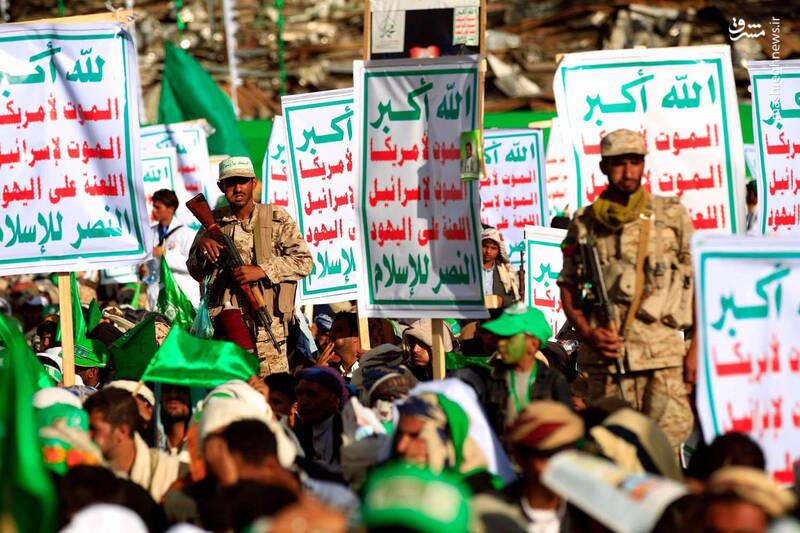
The battle between the Yemeni Resistance and the Zionist regime, which began after October 2023, coinciding with the start of the Zionist regime’s military aggression against Gaza, encompasses various military, economic, and security dimensions. The Yemeni Resistance, using its missile and drone capabilities, which have particularly included military surprises in recent days and terrified the Zionists, has been able to challenge the regional balance of power and impose heavy military, security, and especially economic costs on the Zionist regime.
Since March 2025 until now, more than 80 missiles and 25 drones have been fired from Yemen towards the Zionist regime; these attacks show that the missile and offensive actions of the Yemeni Resistance against the Zionist regime are active despite this regime’s airstrikes on Yemen and are assuming new dimensions every day.
By targeting ships linked to the Zionist regime in the Red Sea and the Gulf of Aden, the Yemeni armed forces have effectively imposed a successful naval blockade against this regime. This action has severely disrupted the regime’s maritime trade, forcing international shipping companies to reroute around Africa and drastically increasing transportation costs.
The battle between the Yemeni Resistance and the Zionist regime, which has intensified following the recent developments in Gaza, is no longer a marginal confrontation but a strategic battle that is redefining the region’s security equations. The Yemeni Resistance, by forcing the Zionist regime into a conflict on a distant front (Yemen), has dispersed its military resources and security attention.
For the first time, the Yemeni armed forces have been able to use long-range ballistic missiles, cluster missiles, and attack drones to target any point in the Occupied Territories they desire. These actions have completely ended the symbol of the Zionist regime’s invulnerability and have created an adequate deterrent power for themselves, so much so that the attacks by America and the Zionist regime on Yemen have not been able to undermine this deterrence.
The current battle between the Yemeni Resistance and the Zionist regime indicates a transition from asymmetric threat to symmetric deterrence on a regional scale. Through their missile and drone attacks, the Yemenis have raised the cost of continuing the occupation and the war in Gaza to an unprecedented level for the Zionist regime.
Where this battle ends and what nature it takes on is directly dependent on the outcome of the Gaza war. In the short term, the continuation of the conflict with variable intensity is the most likely scenario. Still, the risk of escalation due to a miscalculation or an unexpected attack by the Zionist regime always exists.
Despite all said, this battle has proven that new regional powers with the ability to impact the existence and security of the Zionist regime have emerged, which the Israeli regime’s security, political, and military officials had previously disregarded.







0 Comments