Consequences of America’s Dangerous Plan to Disarm Lebanon’s Hezbollah

Strategic Council Online– Analysis: Following the ceasefire between the Zionist regime and Lebanon in December 2024, the issue of disarming Lebanon’s Hezbollah has been thoughtfully placed on the agenda of the U.S. government and the Zionist regime.

From the American perspective, achieving such a goal was not feasible until last year. However, the new developments and equations that have emerged in the region over the past year—notably the assassination of Seyed Hassan Nasrallah and senior Hezbollah commanders—have led U.S. and Zionist leaders to believe that Lebanon’s resistance has been fundamentally weakened. Thus, under the illusion of new conditions, they assume that Lebanon’s resistance can be disarmed in cooperation with Beirut and aligned factions and elements within the country.

Hamid Khoshayand – Regional Affairs Expert
Thomas Barak, the U.S. Ambassador to Turkey and the U.S. President’s Special Envoy for Syria, recently traveled to Beirut and unveiled a new plan that conditions the withdrawal of Zionist forces from Lebanese soil on the gradual disarmament of Hezbollah. Edward Gabriel, the current head of the U.S. Task Force for Lebanon, also stated in an interview with Al-Jadeed TV: “Thomas Barak has proposed a plan for the gradual disarmament of Hezbollah and the withdrawal of Israeli forces from Lebanese territory.”

After meeting with Lebanese President Joseph Aoun, Barak claimed he was “delighted” with the Lebanese government’s response to the U.S. proposal on disarming Hezbollah, despite recent indications that the group would not surrender all its weapons. Lebanese officials, during their meeting with the U.S. envoy, stated that the government is committed to restoring its monopoly on the use of firearms. They also emphasized that further progress on disarming Hezbollah requires the Israeli regime to first withdraw entirely from Lebanese soil and halt what they describe as violations of Lebanon’s sovereignty.

From the U.S. perspective, the matter is straightforward: in exchange for Hezbollah’s disarmament, the Zionist regime would end its periodic attacks against the group, withdraw from the five Lebanese hills it has occupied since the November 2024 ceasefire agreement, and release Lebanese prisoners held in occupied territories. Additionally, Washington would assist in rebuilding southern Lebanon and improving the country’s economy.

In response to Barak’s remarks and ongoing efforts to disarm Hezbollah, Sheikh Naim Qassem made a blunt statement: “We are astonished by the demand to hand over our missiles, which are the backbone of our defensive power. Threats will not force us to surrender, and while aggression continues, we cannot be asked to soften our stance or surrender our weapons.” The Secretary-General of Hezbollah, in a speech during Muharram, firmly addressed those calling on the resistance to lay down its arms: “Ask the aggressors to leave, not us—the defenders of this land.”

Hezbollah’s reaction essentially clarifies the prospects of the conspiracy to disarm Lebanon’s resistance. In reality, the matter is so apparent that it requires no analysis. As long as the Zionist regime and its occupation exist, Hezbollah will not lay down its arms. Disarming the resistance means surrender, which is alien to Hezbollah’s philosophy of struggle and martyrdom. The Hezbollah would rather fight to the end than declare submission to the Zionist regime and the United States, its eternal enemies.

Here lies a crucial point: this is not just about the Hezbollah—it is about Lebanon’s territorial integrity, security, and national sovereignty. Hezbollah’s weapons have played a vital role in recent decades in establishing deterrence, safeguarding national security and interests, and preserving Lebanon’s territorial integrity.

Hezbollah has been the only organization that, by confronting foreign invasions—particularly the Zionist regime’s occupation of southern Lebanon in 2000 and 2006—succeeded in restoring the country’s territorial integrity.

Beyond its military role, Hezbollah has been active and influential in political and social spheres, significantly contributing to Lebanon’s social fabric through a vast network of welfare, educational, and healthcare services, especially for the underprivileged. These services, alongside their political activities, have earned the

Hezbollah has a special place among segments of the Lebanese population. By resisting the Zionist regime, Hezbollah has become a symbol of the struggle to preserve Lebanon’s sovereignty and independence, leading many Lebanese to view it as a guardian of national interests.

Disarming the resistance, given the Zionist regime’s territorial ambitions and historical claims over Lebanon—always seeking to occupy parts of the country—would undoubtedly expose Lebanon to existential threats.

Suppose the Hezbollah, which has shed much blood defending Lebanon’s security and territorial integrity—and whose weapons guarantee Lebanon’s security against any external threat, especially from the Zionists—is disarmed. In that case, it remains unclear what fate awaits Lebanon.
0 Comments

LATEST CONTENT

Commercial Exploitation of Peace; The Gaza Committee in Confrontation with International Legitimacy

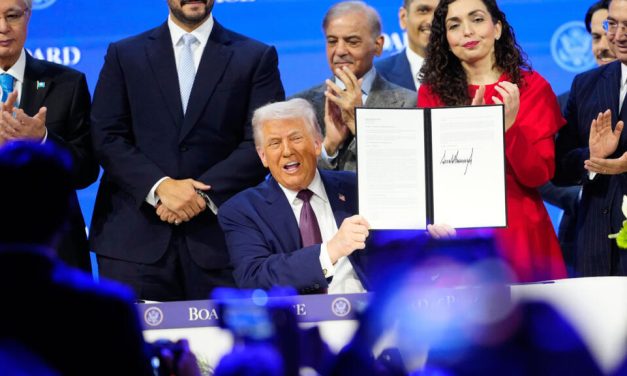
Strategic Council Online – Report: While the second phase of the implementation of the Gaza ceasefire has begun, the establishment of the “Peace Board” chaired by Donald Trump on the sidelines of the Davos meeting (22 January 2026) has become more than a technical mechanism for reconstruction and has turned into a test for the future of the international order.
Despite the signing of the charter by 22 out of 60 invited countries, the limited presence of global leaders at the Davos ceremony and the non-acceptance of this body by the European Union and key Western countries indicate a deep divide in global perceptions of the legitimacy of this mechanism.
In this report, drawing on the analysis of Hadi Borhani, a regional affairs expert, and international data, three strategic questions are addressed: Is the Peace Board an instrument for implementing UN Security Council Resolution 2803 or a substitute for the United Nations? How does the hierarchical architecture of this committee intensify executive challenges in Gaza? And finally, can this body create sustainable peace without the cooperation of Palestinians and with the concentration of power in the hands of a single individual?

America’s Zero-Sum Game in Iraq

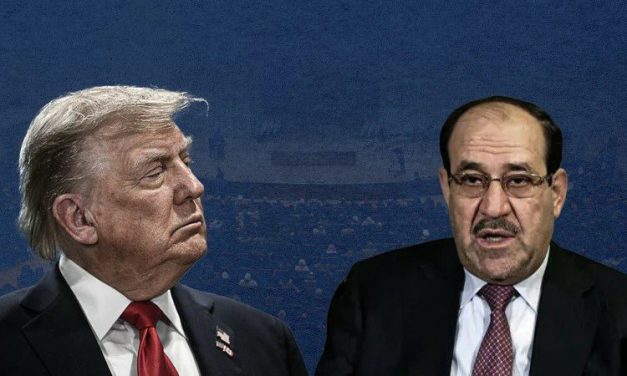
Online Strategic Council – Memoir: The swift selection of Nouri al-Maliki for the premiership constitutes a new phase in Iraq’s political sphere. Multiple factors have played a role in this process, the most important being the prevailing situation in Iraq and the region. Under such circumstances, Iraq requires a powerful and experienced prime minister who can keep the country away from the dangers of wars and crises.

America’s Strategy for Creating Tension in the Asia-Pacific

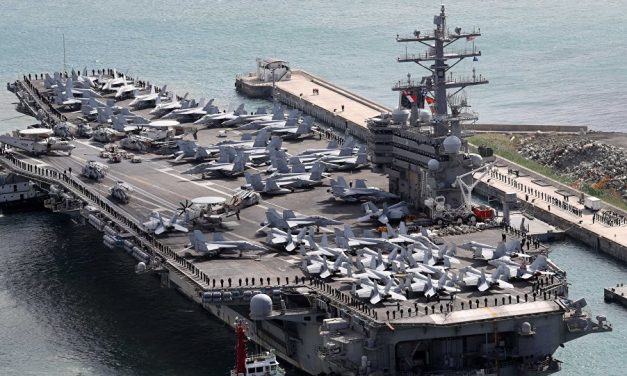
Strategic Council Online – Opinion: Relations between some countries in the Asia-Pacific region, such as China and Japan or China and Australia, which were previously relatively normal, are trending towards deterioration, and the primary reason for this is the aggressive policies of the United States of America.

The Collapse of the European Security Illusion with the Continuation of the Ukraine War?

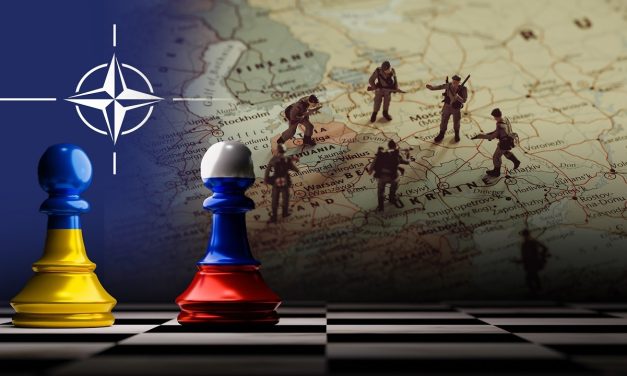
Strategic Council Online – Interview: The Ukraine war has become a new turning point in the political, security, and even commercial relations of allies on both sides of the Atlantic. While this war is nearing its fourth year, many questions still remain regarding its future and its consequences; among them, will the continuation of the Ukraine war lead to the collapse of the European security illusion?

Loading

Últimas publicaciones

Commercial Exploitation of Peace; The Gaza Committee in Confrontation with International Legitimacy

Strategic Council Online – Report: While the second phase of the implementation of the Gaza ceasefire has begun, the establishment of the “Peace Board” chaired by Donald Trump on the sidelines of the Davos meeting (22 January 2026) has become more than a technical mechanism for reconstruction and has turned into a test for the future of the international order.
Despite the signing of the charter by 22 out of 60 invited countries, the limited presence of global leaders at the Davos ceremony and the non-acceptance of this body by the European Union and key Western countries indicate a deep divide in global perceptions of the legitimacy of this mechanism.
In this report, drawing on the analysis of Hadi Borhani, a regional affairs expert, and international data, three strategic questions are addressed: Is the Peace Board an instrument for implementing UN Security Council Resolution 2803 or a substitute for the United Nations? How does the hierarchical architecture of this committee intensify executive challenges in Gaza? And finally, can this body create sustainable peace without the cooperation of Palestinians and with the concentration of power in the hands of a single individual?

America’s Zero-Sum Game in Iraq

Online Strategic Council – Memoir: The swift selection of Nouri al-Maliki for the premiership constitutes a new phase in Iraq’s political sphere. Multiple factors have played a role in this process, the most important being the prevailing situation in Iraq and the region. Under such circumstances, Iraq requires a powerful and experienced prime minister who can keep the country away from the dangers of wars and crises.

America’s Strategy for Creating Tension in the Asia-Pacific

Strategic Council Online – Opinion: Relations between some countries in the Asia-Pacific region, such as China and Japan or China and Australia, which were previously relatively normal, are trending towards deterioration, and the primary reason for this is the aggressive policies of the United States of America.

The Collapse of the European Security Illusion with the Continuation of the Ukraine War?

Strategic Council Online – Interview: The Ukraine war has become a new turning point in the political, security, and even commercial relations of allies on both sides of the Atlantic. While this war is nearing its fourth year, many questions still remain regarding its future and its consequences; among them, will the continuation of the Ukraine war lead to the collapse of the European security illusion?

Loading

DERNIER CONTENU

Commercial Exploitation of Peace; The Gaza Committee in Confrontation with International Legitimacy

Strategic Council Online – Report: While the second phase of the implementation of the Gaza ceasefire has begun, the establishment of the “Peace Board” chaired by Donald Trump on the sidelines of the Davos meeting (22 January 2026) has become more than a technical mechanism for reconstruction and has turned into a test for the future of the international order.
Despite the signing of the charter by 22 out of 60 invited countries, the limited presence of global leaders at the Davos ceremony and the non-acceptance of this body by the European Union and key Western countries indicate a deep divide in global perceptions of the legitimacy of this mechanism.
In this report, drawing on the analysis of Hadi Borhani, a regional affairs expert, and international data, three strategic questions are addressed: Is the Peace Board an instrument for implementing UN Security Council Resolution 2803 or a substitute for the United Nations? How does the hierarchical architecture of this committee intensify executive challenges in Gaza? And finally, can this body create sustainable peace without the cooperation of Palestinians and with the concentration of power in the hands of a single individual?

America’s Zero-Sum Game in Iraq

Online Strategic Council – Memoir: The swift selection of Nouri al-Maliki for the premiership constitutes a new phase in Iraq’s political sphere. Multiple factors have played a role in this process, the most important being the prevailing situation in Iraq and the region. Under such circumstances, Iraq requires a powerful and experienced prime minister who can keep the country away from the dangers of wars and crises.

America’s Strategy for Creating Tension in the Asia-Pacific

Strategic Council Online – Opinion: Relations between some countries in the Asia-Pacific region, such as China and Japan or China and Australia, which were previously relatively normal, are trending towards deterioration, and the primary reason for this is the aggressive policies of the United States of America.

The Collapse of the European Security Illusion with the Continuation of the Ukraine War?

Strategic Council Online – Interview: The Ukraine war has become a new turning point in the political, security, and even commercial relations of allies on both sides of the Atlantic. While this war is nearing its fourth year, many questions still remain regarding its future and its consequences; among them, will the continuation of the Ukraine war lead to the collapse of the European security illusion?

Loading

DERNIER CONTENU

Commercial Exploitation of Peace; The Gaza Committee in Confrontation with International Legitimacy

Strategic Council Online – Report: While the second phase of the implementation of the Gaza ceasefire has begun, the establishment of the “Peace Board” chaired by Donald Trump on the sidelines of the Davos meeting (22 January 2026) has become more than a technical mechanism for reconstruction and has turned into a test for the future of the international order.
Despite the signing of the charter by 22 out of 60 invited countries, the limited presence of global leaders at the Davos ceremony and the non-acceptance of this body by the European Union and key Western countries indicate a deep divide in global perceptions of the legitimacy of this mechanism.
In this report, drawing on the analysis of Hadi Borhani, a regional affairs expert, and international data, three strategic questions are addressed: Is the Peace Board an instrument for implementing UN Security Council Resolution 2803 or a substitute for the United Nations? How does the hierarchical architecture of this committee intensify executive challenges in Gaza? And finally, can this body create sustainable peace without the cooperation of Palestinians and with the concentration of power in the hands of a single individual?

America’s Zero-Sum Game in Iraq

Online Strategic Council – Memoir: The swift selection of Nouri al-Maliki for the premiership constitutes a new phase in Iraq’s political sphere. Multiple factors have played a role in this process, the most important being the prevailing situation in Iraq and the region. Under such circumstances, Iraq requires a powerful and experienced prime minister who can keep the country away from the dangers of wars and crises.

America’s Strategy for Creating Tension in the Asia-Pacific

Strategic Council Online – Opinion: Relations between some countries in the Asia-Pacific region, such as China and Japan or China and Australia, which were previously relatively normal, are trending towards deterioration, and the primary reason for this is the aggressive policies of the United States of America.

The Collapse of the European Security Illusion with the Continuation of the Ukraine War?

Strategic Council Online – Interview: The Ukraine war has become a new turning point in the political, security, and even commercial relations of allies on both sides of the Atlantic. While this war is nearing its fourth year, many questions still remain regarding its future and its consequences; among them, will the continuation of the Ukraine war lead to the collapse of the European security illusion?

Loading

DERNIER CONTENU

Commercial Exploitation of Peace; The Gaza Committee in Confrontation with International Legitimacy

Strategic Council Online – Report: While the second phase of the implementation of the Gaza ceasefire has begun, the establishment of the “Peace Board” chaired by Donald Trump on the sidelines of the Davos meeting (22 January 2026) has become more than a technical mechanism for reconstruction and has turned into a test for the future of the international order.
Despite the signing of the charter by 22 out of 60 invited countries, the limited presence of global leaders at the Davos ceremony and the non-acceptance of this body by the European Union and key Western countries indicate a deep divide in global perceptions of the legitimacy of this mechanism.
In this report, drawing on the analysis of Hadi Borhani, a regional affairs expert, and international data, three strategic questions are addressed: Is the Peace Board an instrument for implementing UN Security Council Resolution 2803 or a substitute for the United Nations? How does the hierarchical architecture of this committee intensify executive challenges in Gaza? And finally, can this body create sustainable peace without the cooperation of Palestinians and with the concentration of power in the hands of a single individual?

America’s Zero-Sum Game in Iraq

Online Strategic Council – Memoir: The swift selection of Nouri al-Maliki for the premiership constitutes a new phase in Iraq’s political sphere. Multiple factors have played a role in this process, the most important being the prevailing situation in Iraq and the region. Under such circumstances, Iraq requires a powerful and experienced prime minister who can keep the country away from the dangers of wars and crises.

America’s Strategy for Creating Tension in the Asia-Pacific

Strategic Council Online – Opinion: Relations between some countries in the Asia-Pacific region, such as China and Japan or China and Australia, which were previously relatively normal, are trending towards deterioration, and the primary reason for this is the aggressive policies of the United States of America.

The Collapse of the European Security Illusion with the Continuation of the Ukraine War?

Strategic Council Online – Interview: The Ukraine war has become a new turning point in the political, security, and even commercial relations of allies on both sides of the Atlantic. While this war is nearing its fourth year, many questions still remain regarding its future and its consequences; among them, will the continuation of the Ukraine war lead to the collapse of the European security illusion?

Loading