

Mohsen Fayazi, in an interview with the website of the Strategic Council on Foreign Relations, views these developments as indicative of the West’s strategy to maintain hegemony and weaken the Axis of Resistance. Citing Western double standards and the failure of military strategy against Iran, he believes Iran can neutralize Western pressures by relying on field achievements and smart diplomacy.
Alignment of Military Support for the Zionist Regime with Western Hegemony Strategy
The arrival of 17 heavy transport aircraft, including the Zionist regime’s Boeing 747 with registration number 4X-ICK, which transported 128 tons of military equipment from Cologne, Germany, to Nevatim Airbase, demonstrates extensive Western support for the Zionist regime. Mohsen Fayazi states: “As evident, Western powers—particularly three European countries, Germany, France, and Britain—have engaged regionally since October 7 with a macro perspective on shaping a new regional order. Post-October 7, Britain and Germany have played serious roles in arming the Zionist regime. News also emerged about German arms transfers after the 12-day war.” The West Asia expert asserts: “This support is part of the West’s broader strategy to preserve the Zionist regime’s military superiority in the region, especially against Iran and the Axis of Resistance.”
Fayazi emphasizes: “Western support measures not only help rebuild Zionist military capabilities but also attempt to impose a Western-favored regional order wherein the Zionist regime acts as the primary player.”
Impact of Military Equipment on Regional Power Balance
Heavy losses to the Zionist regime’s military infrastructure during the 12-day war revealed its urgent need for new arms. Analyzing this, Mohsen Fayazi notes: “Substantial reports confirm transfers from Germany to Nevatim, with 15 equipment flights to the Occupied Territories. Though highly publicized, this is neither unusual nor unprecedented. For nearly two years, about 15 military equipment flights weekly arrive from Western and European countries. Moreover, renewed arms shipments after the 12-day war with Iran are entirely predictable.”
He added: “One possible scenario involves the Zionist regime reigniting war or conducting unilateral operations. Thus, equipment provision aligns with enabling this scenario.” The senior Middle East analyst warns: “Escalating Iran-Zionist regime tensions, fueled by European military support, could trigger broader military actions—especially if Europe activates the snapback mechanism to intensify pressure.”
Consequences of Military Support for Iran’s Nuclear Negotiations
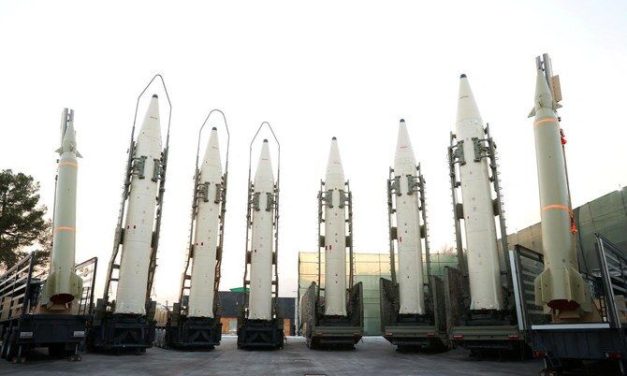
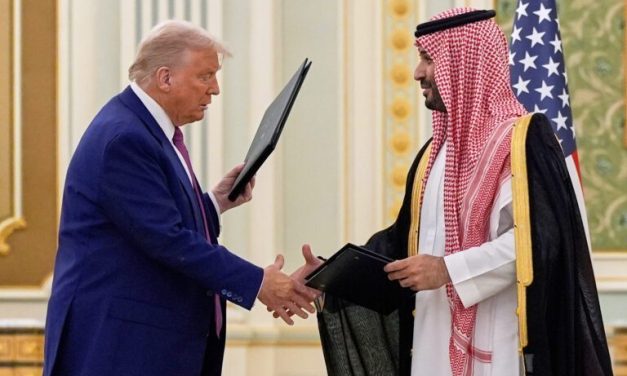
Extensive Western military backing for the Zionist regime, particularly during sensitive Iranian nuclear talks, could disrupt diplomatic channels. Fayazi clarifies: “Western military support for the Zionist regime essentially bolsters militarism over diplomacy regarding Iran’s nuclear and missile programs. Trump sought to achieve his goals cost-free but resorted to military threats after Iran’s negotiators refused to concede—aiming for ‘zero enrichment.’”
He contends: “This support is part of the West’s ‘diplomacy-war-diplomacy’ strategy designed to pressure Iran.” The expert adds: “Even so, dialogue and diplomacy must remain open.” He stresses: “By leveraging field achievements from the 12-day war and political measures like suspending ties with the IAEA, Iran can reverse Western political pressure.” According to Fayazi, “This approach empowers Iran’s diplomatic team to negotiate from strength, backed by military power and the legitimacy of self-defense.”





0 Comments