US Objectives and Strategy for Revival of ISIS in the Region

Strategic Council Online – Opinion: With the dominance of armed groups in Syria and the possible intensification of political, military, and security chaos in the country on the one hand and widespread foreign interventions on the other, the risk of ISIS revival has become stronger not only in Syria but also in the country’s surroundings, including Iraq.

Barsam Mohammadi – Regional Affairs Expert

General Mazloum Abdi, commander of the Kurdish Democratic Forces, who played an effective role in the defeat of ISIS in Syria in 2019, recently emphasized in a statement: “ISIS’s activities have increased sharply and the risk of its revival has doubled. They now have more capabilities and opportunities.” These statements come at a time when ISIS has managed to seize some of the weapons and ammunition left behind by the Syrian army in recent weeks after the fall of Bashar al-Assad’s government.

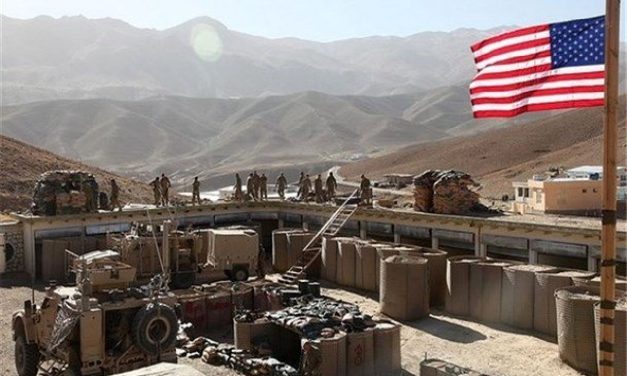
Some intelligence sources have also reported that a number of ISIS terrorist elements, with the support and coordination of the United States, have entered the desert region of “Wadi Horan” in western Anbar in small groups of 3 to 4 people, equipped with new vehicles, modern weapons, and the flag of American forces from Syria.

It is worth noting that American forces have disabled the GPS service of the airspace of the transfer and deployment route of ISIS elements in the Wadi Horan region in order to prevent any Iraqi aircraft flights or airstrikes.

These events are occurring while in recent weeks, the Iraqi Foreign Minister, in a conversation with the British Deputy Foreign Secretary, has warned about the risk of ISIS escaping from the “Al-Hol camp” and emphasized: “ISIS is reorganizing and, with the acquisition of new weapons, is a serious threat to the security of the region.” Al-Hol is considered the “largest” camp for women, children, and men of ISIS in Syria and Iraq.

Currently, about 11,000 ISIS members are imprisoned in the Kurdish areas of Syria. The families of ISIS prisoners, who number about 50,000, also live in the Al-Hol camp.

The experience of the emergence of terrorist groups shows that ISIS can be revived under the influence of two categories of “internal” and “external” factors: First, the weakness of the central governments in Syria and Iraq in remote areas, sectarian and religious differences, corruption and unemployment, economic problems and public dissatisfaction, which are among the internal factors. Second, the role of external factors, especially countries and actors that use terrorist groups as a “tool” to secure regional and international interests.

Currently, ISIS is unable to regain power and replenish its forces on its own due to numerous reasons, including lack of financial resources, lack of necessary and sufficient facilities and infrastructure, opposition from public opinion, lack of a popular base, etc., unless external factors “facilitate” the process of its revival in Syria and Iraq, which the existing evidence shows.

Therefore, what is noteworthy about the recent developments in the region, including in Syria and Iraq, is the role of foreign factors, especially the US government and the Zionist regime, in the “possible revival of ISIS,” which has posed significant threats to the security and stability of the entire region.

ISIS and other terrorist groups are essentially American and Zionist “tools” for “securing” military, security, political, etc. interests. During the years of its existence and field activity in Iraq and Syria, which occupied a large part of the territory of the two countries and had easy access to the interests of the US and the regime, ISIS did not fire a single shot at the occupied territories and did not seriously target the US economic and military centers in the region.

What exists today in Syria and Iraq as “silent nuclei” or “remnants of ISIS” are, in fact, “American capital” for the day of reckoning, preserved in a “limited” and “controlled” form. The Americans will never allow a tool that they designed and created and that served their national interests to be completely destroyed.

Pursuing and advancing the interests of the United States and the Zionist regime in an atmosphere of terror, insecurity, and chaos is “easier” and “less costly” than advancing it in normal and stable conditions. Takfiri terrorism, which has various forms and titles, is one of the main tools of the United States in the region, which it has used at “appropriate times.”

Although the fall of the Bashar al-Assad government has created a unique opportunity to advance the interests of the United States and the Zionist regime in this country and the region, the multiplicity of actors in Syria, some of whom have interests that conflict with those of the United States, as well as the existence of regional obstacles and sensitivities and public opinion, will present “serious challenges” to exploiting the existing opportunities.

At the same time, the revival of ISIS could facilitate and accelerate the process of the United States and the Zionist regime exploiting the recent developments in Syria. Especially since the international community is currently focused on the war in Gaza, Palestine, and Ukraine, and ISIS is not receiving much attention.

Considering that ISIS’s resurgence poses serious risks to the security and stability of the entire region, putting aside trans-regional political differences and strengthening national governments as well as anti-terrorist movements and elements are important strategies that should be considered by the countries of the region to “neutralize” the policy of ISIS’s revival.

Due to the extensive interventions of the United States and the Zionist regime and their aggressive behavior that led to the collapse of the political system in Syria, the current situation in the region is sensitive and full of security threats. The United States, using the tools at its disposal, including “activating” the remnants of ISIS, is seeking a possible repetition of the Syrian scenario in Iraq differently. The US government’s insistence on disbanding the Popular Mobilization Forces can be evaluated in this context.


The Popular Mobilization Forces in Iraq and other popular movements in other Arab and Islamic countries are elements of national authority and security in these countries against the excesses of the United States and the Zionist regime. Therefore, governments should not, under any circumstances, dismantle or restrict the activities of their security-building and authority-building human resources and factors, not only to confront the threats of terrorist and Takfiri elements but also to “guarantee” their national security.
0 Comments

LATEST CONTENT

Commercial Exploitation of Peace; The Gaza Committee in Confrontation with International Legitimacy

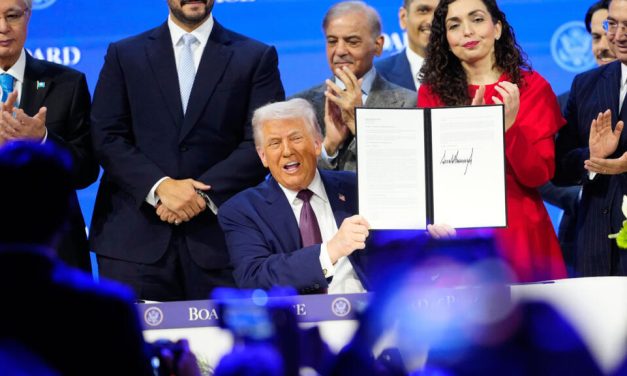
Strategic Council Online – Report: While the second phase of the implementation of the Gaza ceasefire has begun, the establishment of the “Peace Board” chaired by Donald Trump on the sidelines of the Davos meeting (22 January 2026) has become more than a technical mechanism for reconstruction and has turned into a test for the future of the international order.
Despite the signing of the charter by 22 out of 60 invited countries, the limited presence of global leaders at the Davos ceremony and the non-acceptance of this body by the European Union and key Western countries indicate a deep divide in global perceptions of the legitimacy of this mechanism.
In this report, drawing on the analysis of Hadi Borhani, a regional affairs expert, and international data, three strategic questions are addressed: Is the Peace Board an instrument for implementing UN Security Council Resolution 2803 or a substitute for the United Nations? How does the hierarchical architecture of this committee intensify executive challenges in Gaza? And finally, can this body create sustainable peace without the cooperation of Palestinians and with the concentration of power in the hands of a single individual?

America’s Zero-Sum Game in Iraq

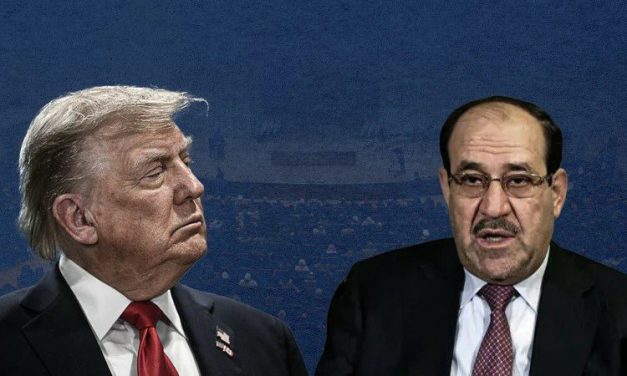
Online Strategic Council – Memoir: The swift selection of Nouri al-Maliki for the premiership constitutes a new phase in Iraq’s political sphere. Multiple factors have played a role in this process, the most important being the prevailing situation in Iraq and the region. Under such circumstances, Iraq requires a powerful and experienced prime minister who can keep the country away from the dangers of wars and crises.

America’s Strategy for Creating Tension in the Asia-Pacific

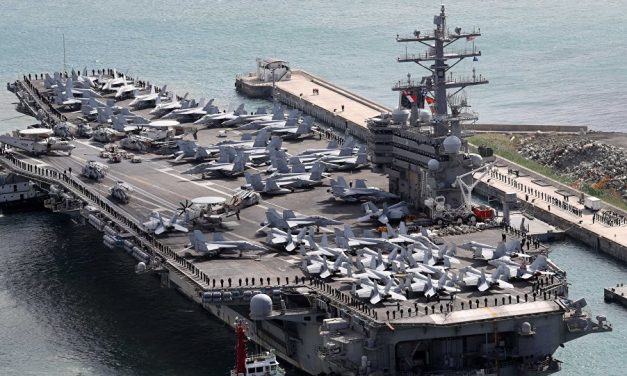
Strategic Council Online – Opinion: Relations between some countries in the Asia-Pacific region, such as China and Japan or China and Australia, which were previously relatively normal, are trending towards deterioration, and the primary reason for this is the aggressive policies of the United States of America.

The Collapse of the European Security Illusion with the Continuation of the Ukraine War?

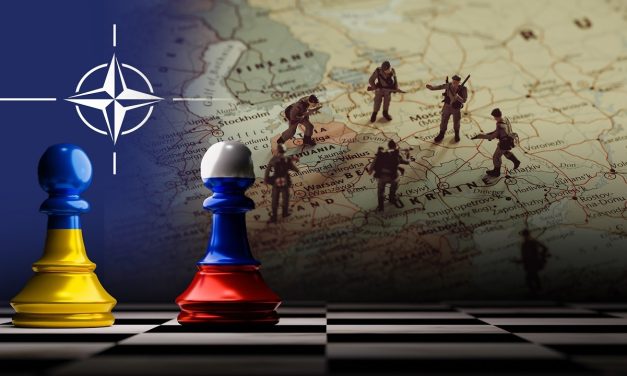
Strategic Council Online – Interview: The Ukraine war has become a new turning point in the political, security, and even commercial relations of allies on both sides of the Atlantic. While this war is nearing its fourth year, many questions still remain regarding its future and its consequences; among them, will the continuation of the Ukraine war lead to the collapse of the European security illusion?

Loading

Últimas publicaciones

Commercial Exploitation of Peace; The Gaza Committee in Confrontation with International Legitimacy

Strategic Council Online – Report: While the second phase of the implementation of the Gaza ceasefire has begun, the establishment of the “Peace Board” chaired by Donald Trump on the sidelines of the Davos meeting (22 January 2026) has become more than a technical mechanism for reconstruction and has turned into a test for the future of the international order.
Despite the signing of the charter by 22 out of 60 invited countries, the limited presence of global leaders at the Davos ceremony and the non-acceptance of this body by the European Union and key Western countries indicate a deep divide in global perceptions of the legitimacy of this mechanism.
In this report, drawing on the analysis of Hadi Borhani, a regional affairs expert, and international data, three strategic questions are addressed: Is the Peace Board an instrument for implementing UN Security Council Resolution 2803 or a substitute for the United Nations? How does the hierarchical architecture of this committee intensify executive challenges in Gaza? And finally, can this body create sustainable peace without the cooperation of Palestinians and with the concentration of power in the hands of a single individual?

America’s Zero-Sum Game in Iraq

Online Strategic Council – Memoir: The swift selection of Nouri al-Maliki for the premiership constitutes a new phase in Iraq’s political sphere. Multiple factors have played a role in this process, the most important being the prevailing situation in Iraq and the region. Under such circumstances, Iraq requires a powerful and experienced prime minister who can keep the country away from the dangers of wars and crises.

America’s Strategy for Creating Tension in the Asia-Pacific

Strategic Council Online – Opinion: Relations between some countries in the Asia-Pacific region, such as China and Japan or China and Australia, which were previously relatively normal, are trending towards deterioration, and the primary reason for this is the aggressive policies of the United States of America.

The Collapse of the European Security Illusion with the Continuation of the Ukraine War?

Strategic Council Online – Interview: The Ukraine war has become a new turning point in the political, security, and even commercial relations of allies on both sides of the Atlantic. While this war is nearing its fourth year, many questions still remain regarding its future and its consequences; among them, will the continuation of the Ukraine war lead to the collapse of the European security illusion?

Loading

DERNIER CONTENU

Commercial Exploitation of Peace; The Gaza Committee in Confrontation with International Legitimacy

Strategic Council Online – Report: While the second phase of the implementation of the Gaza ceasefire has begun, the establishment of the “Peace Board” chaired by Donald Trump on the sidelines of the Davos meeting (22 January 2026) has become more than a technical mechanism for reconstruction and has turned into a test for the future of the international order.
Despite the signing of the charter by 22 out of 60 invited countries, the limited presence of global leaders at the Davos ceremony and the non-acceptance of this body by the European Union and key Western countries indicate a deep divide in global perceptions of the legitimacy of this mechanism.
In this report, drawing on the analysis of Hadi Borhani, a regional affairs expert, and international data, three strategic questions are addressed: Is the Peace Board an instrument for implementing UN Security Council Resolution 2803 or a substitute for the United Nations? How does the hierarchical architecture of this committee intensify executive challenges in Gaza? And finally, can this body create sustainable peace without the cooperation of Palestinians and with the concentration of power in the hands of a single individual?

America’s Zero-Sum Game in Iraq

Online Strategic Council – Memoir: The swift selection of Nouri al-Maliki for the premiership constitutes a new phase in Iraq’s political sphere. Multiple factors have played a role in this process, the most important being the prevailing situation in Iraq and the region. Under such circumstances, Iraq requires a powerful and experienced prime minister who can keep the country away from the dangers of wars and crises.

America’s Strategy for Creating Tension in the Asia-Pacific

Strategic Council Online – Opinion: Relations between some countries in the Asia-Pacific region, such as China and Japan or China and Australia, which were previously relatively normal, are trending towards deterioration, and the primary reason for this is the aggressive policies of the United States of America.

The Collapse of the European Security Illusion with the Continuation of the Ukraine War?

Strategic Council Online – Interview: The Ukraine war has become a new turning point in the political, security, and even commercial relations of allies on both sides of the Atlantic. While this war is nearing its fourth year, many questions still remain regarding its future and its consequences; among them, will the continuation of the Ukraine war lead to the collapse of the European security illusion?

Loading

DERNIER CONTENU

Commercial Exploitation of Peace; The Gaza Committee in Confrontation with International Legitimacy

Strategic Council Online – Report: While the second phase of the implementation of the Gaza ceasefire has begun, the establishment of the “Peace Board” chaired by Donald Trump on the sidelines of the Davos meeting (22 January 2026) has become more than a technical mechanism for reconstruction and has turned into a test for the future of the international order.
Despite the signing of the charter by 22 out of 60 invited countries, the limited presence of global leaders at the Davos ceremony and the non-acceptance of this body by the European Union and key Western countries indicate a deep divide in global perceptions of the legitimacy of this mechanism.
In this report, drawing on the analysis of Hadi Borhani, a regional affairs expert, and international data, three strategic questions are addressed: Is the Peace Board an instrument for implementing UN Security Council Resolution 2803 or a substitute for the United Nations? How does the hierarchical architecture of this committee intensify executive challenges in Gaza? And finally, can this body create sustainable peace without the cooperation of Palestinians and with the concentration of power in the hands of a single individual?

America’s Zero-Sum Game in Iraq

Online Strategic Council – Memoir: The swift selection of Nouri al-Maliki for the premiership constitutes a new phase in Iraq’s political sphere. Multiple factors have played a role in this process, the most important being the prevailing situation in Iraq and the region. Under such circumstances, Iraq requires a powerful and experienced prime minister who can keep the country away from the dangers of wars and crises.

America’s Strategy for Creating Tension in the Asia-Pacific

Strategic Council Online – Opinion: Relations between some countries in the Asia-Pacific region, such as China and Japan or China and Australia, which were previously relatively normal, are trending towards deterioration, and the primary reason for this is the aggressive policies of the United States of America.

The Collapse of the European Security Illusion with the Continuation of the Ukraine War?

Strategic Council Online – Interview: The Ukraine war has become a new turning point in the political, security, and even commercial relations of allies on both sides of the Atlantic. While this war is nearing its fourth year, many questions still remain regarding its future and its consequences; among them, will the continuation of the Ukraine war lead to the collapse of the European security illusion?

Loading

DERNIER CONTENU

Commercial Exploitation of Peace; The Gaza Committee in Confrontation with International Legitimacy

Strategic Council Online – Report: While the second phase of the implementation of the Gaza ceasefire has begun, the establishment of the “Peace Board” chaired by Donald Trump on the sidelines of the Davos meeting (22 January 2026) has become more than a technical mechanism for reconstruction and has turned into a test for the future of the international order.
Despite the signing of the charter by 22 out of 60 invited countries, the limited presence of global leaders at the Davos ceremony and the non-acceptance of this body by the European Union and key Western countries indicate a deep divide in global perceptions of the legitimacy of this mechanism.
In this report, drawing on the analysis of Hadi Borhani, a regional affairs expert, and international data, three strategic questions are addressed: Is the Peace Board an instrument for implementing UN Security Council Resolution 2803 or a substitute for the United Nations? How does the hierarchical architecture of this committee intensify executive challenges in Gaza? And finally, can this body create sustainable peace without the cooperation of Palestinians and with the concentration of power in the hands of a single individual?

America’s Zero-Sum Game in Iraq

Online Strategic Council – Memoir: The swift selection of Nouri al-Maliki for the premiership constitutes a new phase in Iraq’s political sphere. Multiple factors have played a role in this process, the most important being the prevailing situation in Iraq and the region. Under such circumstances, Iraq requires a powerful and experienced prime minister who can keep the country away from the dangers of wars and crises.

America’s Strategy for Creating Tension in the Asia-Pacific

Strategic Council Online – Opinion: Relations between some countries in the Asia-Pacific region, such as China and Japan or China and Australia, which were previously relatively normal, are trending towards deterioration, and the primary reason for this is the aggressive policies of the United States of America.

The Collapse of the European Security Illusion with the Continuation of the Ukraine War?

Strategic Council Online – Interview: The Ukraine war has become a new turning point in the political, security, and even commercial relations of allies on both sides of the Atlantic. While this war is nearing its fourth year, many questions still remain regarding its future and its consequences; among them, will the continuation of the Ukraine war lead to the collapse of the European security illusion?

Loading