Reasons and Consequences of the US opposition to extending START II

Strategic Council Online -Opinion: Killing START II would mean that Russia and the United States consider no limit whatsoever on developing nuclear weapons and there exists the possibility that the American side especially would make efforts to achieve new progress and development in the area of nuclear weapons or increase the number of American nuclear missiles and weapons. Shoayb Bahman—Expert of Russia relations

The extension of the START II (Strategic Arms Reduction Treaty II), which has once again turned into a hot topic these days between Moscow and Washington, is not a new development in the relations between Russia and the United States. Since approximately a year ago, the Russians have raised the issue of re-negotiations to extend this treaty or design a new one. However, the administration of Donald Trump has not accepted this Russian proposal until this date for various reasons. Of course, it was predictable from months before that Washington would reject any re-negotiation and is not prepared to sit around the negotiating table and enter into serious bargaining with Russia even though several rounds of talks were held at the level of experts between the two parties. What has been clear during the past four years of Donald Trump administration is that the US government has withdrawn in practice from many important treaties it had signed at the international level in the past and had abided with them. One such treaty has been in the military sector. The US withdrawal from the 1987 INF (Intermediate-Range Nuclear Forces) Treaty and the Treaty on Open Skies and the US reluctance to extend the START II demonstrate that Americans are not interested in establishing mechanisms which pursue creating arms limitations in the nuclear and non-nuclear sectors. One part of the problem is related to continued blames attributed to the Russian side; Americans during the past years have accused Russians on numerous occasions of ignoring or violating or partially implementing this treaty. Moscow, of course, has levelled similar allegations to the Americans. It should not be ignored that another more important dimension of this issue is related to China; as the United States considers China as a country with which it is going to have the highest level of rivalry at the international level in the future and therefore the United States is trying to involve China in such treaties.

As with the withdrawal of the US from the INF, one of the conditions set by America to return to such treaty has been the presence of China. It seems that now also the Americans are thinking of a similar situation concerning START II and are seeking to encourage the participation of China in a probable treaty in future. In contrast, Beijing believes that the level and number of its nuclear weapons are incomparable with that of those of the United States and Russia and thus there is no reason for China to join START II. However, the Americans are now benefiting from this issue and are pursuing to pull out of it. Therefore, as it was predictable from months earlier, the US presently has no interest in extending the START II and if Donald Trump is re-elected as President of the United States, it can be predicated that he will entirely pull out of it. If Joe Biden is elected US President, he is highly likely to extend START II for another year so that he could sit once again with Russia around the negotiating table and see if he can achieve a new treaty or not.


This point should be heeded that if the United States withdraws from this treaty, it will have consequences; the first issue is related to the rivalry between Russia and the United States over nuclear weapons—a rivalry which began from the Cold War. Here the START II was practically a treaty on the basis of which the two countries tried not to expand their nuclear weapons and in the later step make efforts according to a timetable and plan to reduce the number of such arms. Basically, killing START II would mean that Russia and the United States consider no limit whatsoever for developing nuclear weapons and there exists the possibility that the American side especially would make efforts to achieve new progress and development in the area of nuclear weapons or increase the number of American nuclear missiles and weapons; therefore, it will impact bilateral relations between Russia and the US. Their other dimension can be examined from the viewpoint of international relations as the START II is considered as an important international regime in the control of weapons particularly non-conventional weapons. The failure to extend this treaty could potentially destroy the international regime of arms reduction. Ultimately, when such regimes and procedures are obliterated at the international level, any other country can allow itself to engage in such sensitive arena and make its best to increase its nuclear weapons.
0 Comments

Submit a Comment

Your email address will not be published. Required fields are marked *

LATEST CONTENT

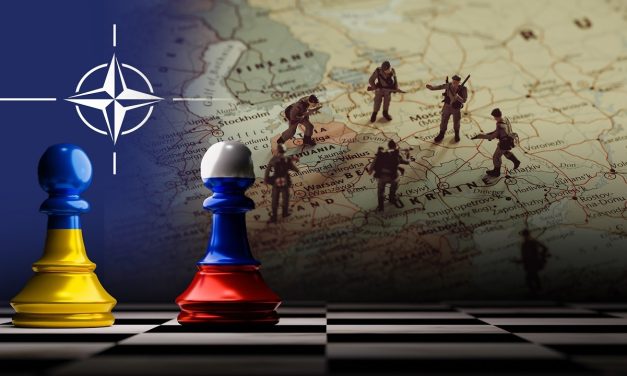
America’s Zero-Sum Game in Iraq

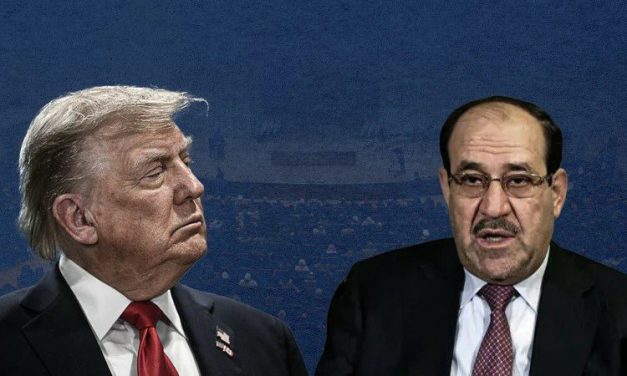
Online Strategic Council – Memoir: The swift selection of Nouri al-Maliki for the premiership constitutes a new phase in Iraq’s political sphere. Multiple factors have played a role in this process, the most important being the prevailing situation in Iraq and the region. Under such circumstances, Iraq requires a powerful and experienced prime minister who can keep the country away from the dangers of wars and crises.

America’s Strategy for Creating Tension in the Asia-Pacific

Strategic Council Online – Opinion: Relations between some countries in the Asia-Pacific region, such as China and Japan or China and Australia, which were previously relatively normal, are trending towards deterioration, and the primary reason for this is the aggressive policies of the United States of America.

The Collapse of the European Security Illusion with the Continuation of the Ukraine War?

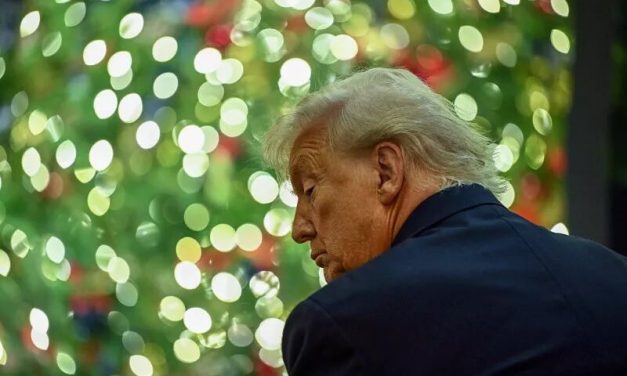
Strategic Council Online – Interview: The Ukraine war has become a new turning point in the political, security, and even commercial relations of allies on both sides of the Atlantic. While this war is nearing its fourth year, many questions still remain regarding its future and its consequences; among them, will the continuation of the Ukraine war lead to the collapse of the European security illusion?

Is Greenland Pushing Europe Toward China?

Strategic Council Online – Interview: A European affairs expert believes that the seizure of Greenland will certainly weaken America’s relations with Europe and its allies. Donald Trump’s view is that he does not need these countries, but if Europe faces significant pressure from the United States, it is natural for it to move toward China.

Alarm Bells Sound for ISIS Revival in Syria: Threat to Iraq and West Asia

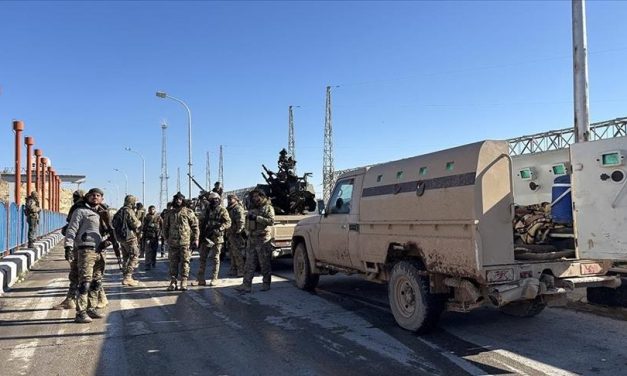
Strategic Council Online – Opinion: Numerous documents and pieces of evidence indicate that ISIS, which in recent years has been the region’s biggest threat to security and stability after the Zionist regime, has once again in recent months become a focal point for political and security exploitation by American and Zionist regime security, intelligence, and political circles.

Afghanistan’s Effective Role in the Economy of Eurasia

Strategic Council Online – Interview: A regional affairs researcher stated: Despite projects such as the Khaf-Herat railway and the Herat-Balkh-Mazar-i-Sharif corridor being on the agenda, insecurity and the absence of an inclusive government remain the most significant obstacles to realizing transit corridors and Afghanistan playing an effective role in the economy of Eurasia.

Loading

Últimas publicaciones

America’s Zero-Sum Game in Iraq

Online Strategic Council – Memoir: The swift selection of Nouri al-Maliki for the premiership constitutes a new phase in Iraq’s political sphere. Multiple factors have played a role in this process, the most important being the prevailing situation in Iraq and the region. Under such circumstances, Iraq requires a powerful and experienced prime minister who can keep the country away from the dangers of wars and crises.

America’s Strategy for Creating Tension in the Asia-Pacific

Strategic Council Online – Opinion: Relations between some countries in the Asia-Pacific region, such as China and Japan or China and Australia, which were previously relatively normal, are trending towards deterioration, and the primary reason for this is the aggressive policies of the United States of America.

The Collapse of the European Security Illusion with the Continuation of the Ukraine War?

Strategic Council Online – Interview: The Ukraine war has become a new turning point in the political, security, and even commercial relations of allies on both sides of the Atlantic. While this war is nearing its fourth year, many questions still remain regarding its future and its consequences; among them, will the continuation of the Ukraine war lead to the collapse of the European security illusion?

Is Greenland Pushing Europe Toward China?

Strategic Council Online – Interview: A European affairs expert believes that the seizure of Greenland will certainly weaken America’s relations with Europe and its allies. Donald Trump’s view is that he does not need these countries, but if Europe faces significant pressure from the United States, it is natural for it to move toward China.

Alarm Bells Sound for ISIS Revival in Syria: Threat to Iraq and West Asia

Strategic Council Online – Opinion: Numerous documents and pieces of evidence indicate that ISIS, which in recent years has been the region’s biggest threat to security and stability after the Zionist regime, has once again in recent months become a focal point for political and security exploitation by American and Zionist regime security, intelligence, and political circles.

Afghanistan’s Effective Role in the Economy of Eurasia

Strategic Council Online – Interview: A regional affairs researcher stated: Despite projects such as the Khaf-Herat railway and the Herat-Balkh-Mazar-i-Sharif corridor being on the agenda, insecurity and the absence of an inclusive government remain the most significant obstacles to realizing transit corridors and Afghanistan playing an effective role in the economy of Eurasia.

Loading

DERNIER CONTENU

America’s Zero-Sum Game in Iraq

Online Strategic Council – Memoir: The swift selection of Nouri al-Maliki for the premiership constitutes a new phase in Iraq’s political sphere. Multiple factors have played a role in this process, the most important being the prevailing situation in Iraq and the region. Under such circumstances, Iraq requires a powerful and experienced prime minister who can keep the country away from the dangers of wars and crises.

America’s Strategy for Creating Tension in the Asia-Pacific

Strategic Council Online – Opinion: Relations between some countries in the Asia-Pacific region, such as China and Japan or China and Australia, which were previously relatively normal, are trending towards deterioration, and the primary reason for this is the aggressive policies of the United States of America.

The Collapse of the European Security Illusion with the Continuation of the Ukraine War?

Strategic Council Online – Interview: The Ukraine war has become a new turning point in the political, security, and even commercial relations of allies on both sides of the Atlantic. While this war is nearing its fourth year, many questions still remain regarding its future and its consequences; among them, will the continuation of the Ukraine war lead to the collapse of the European security illusion?

Is Greenland Pushing Europe Toward China?

Strategic Council Online – Interview: A European affairs expert believes that the seizure of Greenland will certainly weaken America’s relations with Europe and its allies. Donald Trump’s view is that he does not need these countries, but if Europe faces significant pressure from the United States, it is natural for it to move toward China.

Alarm Bells Sound for ISIS Revival in Syria: Threat to Iraq and West Asia

Strategic Council Online – Opinion: Numerous documents and pieces of evidence indicate that ISIS, which in recent years has been the region’s biggest threat to security and stability after the Zionist regime, has once again in recent months become a focal point for political and security exploitation by American and Zionist regime security, intelligence, and political circles.

Afghanistan’s Effective Role in the Economy of Eurasia

Strategic Council Online – Interview: A regional affairs researcher stated: Despite projects such as the Khaf-Herat railway and the Herat-Balkh-Mazar-i-Sharif corridor being on the agenda, insecurity and the absence of an inclusive government remain the most significant obstacles to realizing transit corridors and Afghanistan playing an effective role in the economy of Eurasia.

Loading