SCFR in specialized meetings examines; Foreign Relations in Artificial Intelligence Era

Strategic Council Online: The specialized meeting on “Foreign Relations in the Artificial Intelligence Era” was held on Tuesday, chaired by Dr. Sorena Sattari, head of the Science and Technology Commission of the Strategic Council on Foreign Relations. Dr. Saeed Seyed Agha Banihashemi, a faculty member of the School of International Relations of the Ministry of Foreign Affairs, Dr. Hamidreza Rabiei, a faculty member of the Department of Computer Engineering at the Sharif University of Technology, Dr. Saeed Chehrazad, a faculty member of Allameh Tabataba’i University, and Dr. Majid Nili Ahmadabadi, a faculty member of the School of Electrical and Computer Engineering, as well as Dr. Behzad Ahmadi Lafouraki, an expert in international cyberspace governance, were also present in that event. The meeting was held at the Strategic Council on Foreign Relations premises.

According to the website of the Strategic Council on Foreign Relations, in the meeting, Dr. Sattari emphasized that the technology of artificial intelligence and digitization is developing rapidly. Its widespread application in various industries and businesses has marked a new era in which human societies and economic, military, and cultural powers transform; clarified: Data, computing hardware, algorithms, and entities are four vital elements in the era of artificial intelligence that will be decisive in the competition between powers.

Saying that the purpose of the meeting is to identify and analyze the desired policies and strategies for the effective management of foreign relations by the upcoming technological developments, he added: Attention should be paid to the necessity of examining the impact of artificial intelligence on national security risks from the perspective of foreign relations, application of artificial intelligence in diplomacy and foreign relations, regulating foreign relations to deal with large companies based on artificial intelligence, playing a role in global value chains in the era of artificial intelligence, human capital, and foreign relations, foreign relations and cooperation in the field of artificial intelligence, cultural effects of artificial intelligence and its geographical boundaries.

Emphasizing that each of the leading countries has defined a vision and strategy for themselves in this field, Sattari explained the necessity of paying attention to investments and to knowledge-based companies and the appropriate mechanism to preserve existing resources, the readiness of the Iranian society to accept artificial intelligence and strategies for the regulation and standardization, and Iran’s cooperation with other countries in the era of artificial intelligence.

Also speaking at the meeting, Dr. Saeed Chehrazad, a faculty member of Allameh Tabataba’i University, analyzed the transformation of diplomacy in the era of artificial intelligence and emphasized the necessity of formulating a national strategy for artificial intelligence as one of the players in that field, noted: Culture, components, political, social and diplomatic norms in all countries experience different conditions, and that nation-state which geography was its focal point, no longer exists. The profound changes brought to the international sanctions system through artificial intelligence are also the focus of the discussion.

Later, Saeed Seyed Agha Banihashemi, a faculty member of the School of International Relations of the Ministry of Foreign Affairs, while explaining the previous experiences of the Ministry of Foreign Affairs in using artificial intelligence, emphasized the efficiency of the Ministry of Foreign Affairs increased with artificial intelligence and said: Artificial intelligence should be advanced in parallel with cyber security because if we made our data set. A hacker attacked and tampered with it, which is a significant loss. Therefore, we must invest 100 percent in data security.

Meanwhile, Dr. Hamidreza Rabiei, a faculty member of the Department of Computer Engineering at the Sharif University of Technology, stated that traditional diplomacy, security, and service delivery methods were changing and added: The role of data in Iran is unclear. Data has become a security product in Iran, and we cannot benefit from it. Until data governance has not been clarified, using artificial intelligence is nothing more than a slogan.

Referring to the performance of cognitive sciences and neurosciences along with quantum processing and artificial intelligence, he stated: If we do not consider these three together, considering the progress that is being made in the world, reaching this stage is s impossible, and in this case, we should only receive services in the world, that is to say, we should be submissive in diplomacy as well. We either have to be subservient, or we have to live like primitive humans. There is no other way.


According to the report, Dr. Majid Nili Ahmadabadi, a faculty member of the School of Electrical and Computer Engineering, emphasized in the meeting: With artificial intelligence, while increasing agility and realism, the effect of the bias of the circles around the ruler is reduced. The ruler’s need for correct data and artificial intelligence becomes serious in this situation. There is no place in the world where artificial intelligence has been developed unless the ruler has been its serious client.

In continuation of the discussions, Dr. Behzad Ahmadi Lafouraki, an expert in the international governance of cyberspace, explained the European Union’s approach to artificial intelligence and its opportunities and challenges for Iran, and stated that artificial intelligence could change global strategic stability and fundamental assumptions about defense and deterrence, noted: Europe’s approach to artificial intelligence is regulation and standardization, and if we want to interact with Europe in the field of artificial intelligence, we must clarify our positions and approach in the case of some issues.

At the end of the meeting, Seyed Abbas Araghchi, Secretary of the Strategic Council on Foreign Relations, also emphasized the importance of using artificial intelligence in diplomacy and said: We are generally behind in artificial intelligence. We must think internationally and open the way for those skilled in this field. If we don’t have a say, we won’t effectively set norms. We have plenty of work to do in this direction.
0 Comments

LATEST CONTENT

Commercial Exploitation of Peace; The Gaza Committee in Confrontation with International Legitimacy

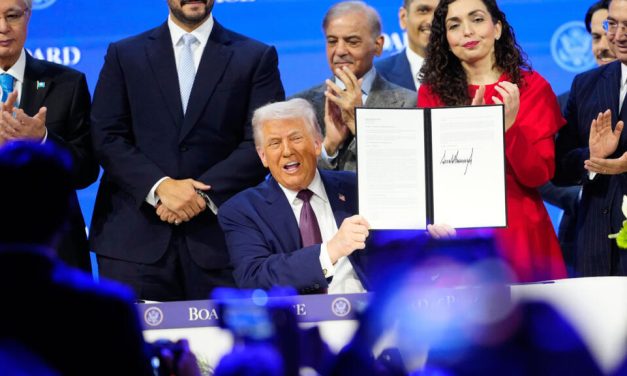
Strategic Council Online – Report: While the second phase of the implementation of the Gaza ceasefire has begun, the establishment of the “Peace Board” chaired by Donald Trump on the sidelines of the Davos meeting (22 January 2026) has become more than a technical mechanism for reconstruction and has turned into a test for the future of the international order.
Despite the signing of the charter by 22 out of 60 invited countries, the limited presence of global leaders at the Davos ceremony and the non-acceptance of this body by the European Union and key Western countries indicate a deep divide in global perceptions of the legitimacy of this mechanism.
In this report, drawing on the analysis of Hadi Borhani, a regional affairs expert, and international data, three strategic questions are addressed: Is the Peace Board an instrument for implementing UN Security Council Resolution 2803 or a substitute for the United Nations? How does the hierarchical architecture of this committee intensify executive challenges in Gaza? And finally, can this body create sustainable peace without the cooperation of Palestinians and with the concentration of power in the hands of a single individual?

America’s Zero-Sum Game in Iraq

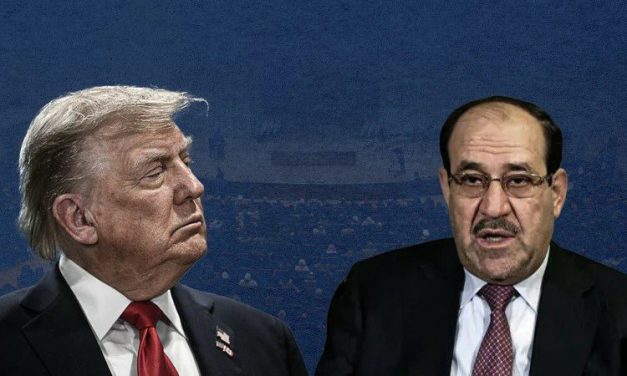
Online Strategic Council – Memoir: The swift selection of Nouri al-Maliki for the premiership constitutes a new phase in Iraq’s political sphere. Multiple factors have played a role in this process, the most important being the prevailing situation in Iraq and the region. Under such circumstances, Iraq requires a powerful and experienced prime minister who can keep the country away from the dangers of wars and crises.

America’s Strategy for Creating Tension in the Asia-Pacific

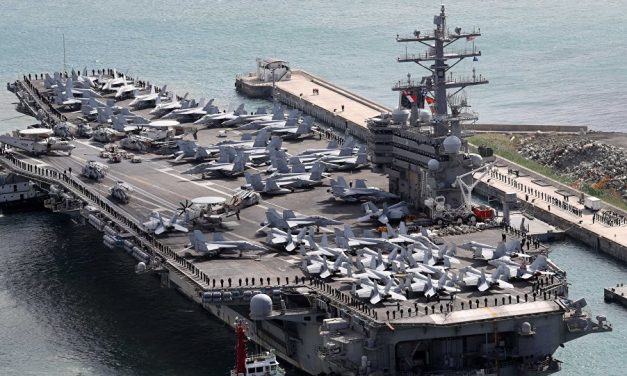
Strategic Council Online – Opinion: Relations between some countries in the Asia-Pacific region, such as China and Japan or China and Australia, which were previously relatively normal, are trending towards deterioration, and the primary reason for this is the aggressive policies of the United States of America.

The Collapse of the European Security Illusion with the Continuation of the Ukraine War?

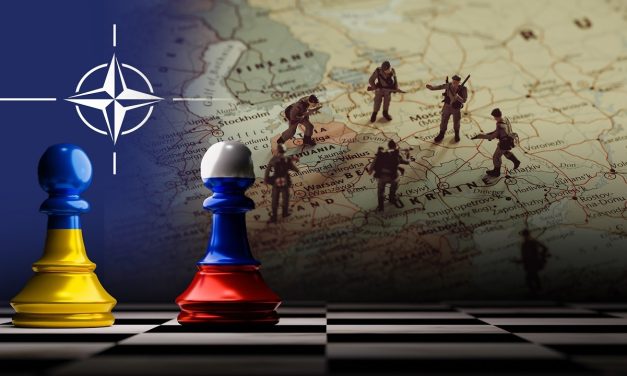
Strategic Council Online – Interview: The Ukraine war has become a new turning point in the political, security, and even commercial relations of allies on both sides of the Atlantic. While this war is nearing its fourth year, many questions still remain regarding its future and its consequences; among them, will the continuation of the Ukraine war lead to the collapse of the European security illusion?

Loading

Últimas publicaciones

Commercial Exploitation of Peace; The Gaza Committee in Confrontation with International Legitimacy

Strategic Council Online – Report: While the second phase of the implementation of the Gaza ceasefire has begun, the establishment of the “Peace Board” chaired by Donald Trump on the sidelines of the Davos meeting (22 January 2026) has become more than a technical mechanism for reconstruction and has turned into a test for the future of the international order.
Despite the signing of the charter by 22 out of 60 invited countries, the limited presence of global leaders at the Davos ceremony and the non-acceptance of this body by the European Union and key Western countries indicate a deep divide in global perceptions of the legitimacy of this mechanism.
In this report, drawing on the analysis of Hadi Borhani, a regional affairs expert, and international data, three strategic questions are addressed: Is the Peace Board an instrument for implementing UN Security Council Resolution 2803 or a substitute for the United Nations? How does the hierarchical architecture of this committee intensify executive challenges in Gaza? And finally, can this body create sustainable peace without the cooperation of Palestinians and with the concentration of power in the hands of a single individual?

America’s Zero-Sum Game in Iraq

Online Strategic Council – Memoir: The swift selection of Nouri al-Maliki for the premiership constitutes a new phase in Iraq’s political sphere. Multiple factors have played a role in this process, the most important being the prevailing situation in Iraq and the region. Under such circumstances, Iraq requires a powerful and experienced prime minister who can keep the country away from the dangers of wars and crises.

America’s Strategy for Creating Tension in the Asia-Pacific

Strategic Council Online – Opinion: Relations between some countries in the Asia-Pacific region, such as China and Japan or China and Australia, which were previously relatively normal, are trending towards deterioration, and the primary reason for this is the aggressive policies of the United States of America.

The Collapse of the European Security Illusion with the Continuation of the Ukraine War?

Strategic Council Online – Interview: The Ukraine war has become a new turning point in the political, security, and even commercial relations of allies on both sides of the Atlantic. While this war is nearing its fourth year, many questions still remain regarding its future and its consequences; among them, will the continuation of the Ukraine war lead to the collapse of the European security illusion?

Loading

DERNIER CONTENU

Commercial Exploitation of Peace; The Gaza Committee in Confrontation with International Legitimacy

Strategic Council Online – Report: While the second phase of the implementation of the Gaza ceasefire has begun, the establishment of the “Peace Board” chaired by Donald Trump on the sidelines of the Davos meeting (22 January 2026) has become more than a technical mechanism for reconstruction and has turned into a test for the future of the international order.
Despite the signing of the charter by 22 out of 60 invited countries, the limited presence of global leaders at the Davos ceremony and the non-acceptance of this body by the European Union and key Western countries indicate a deep divide in global perceptions of the legitimacy of this mechanism.
In this report, drawing on the analysis of Hadi Borhani, a regional affairs expert, and international data, three strategic questions are addressed: Is the Peace Board an instrument for implementing UN Security Council Resolution 2803 or a substitute for the United Nations? How does the hierarchical architecture of this committee intensify executive challenges in Gaza? And finally, can this body create sustainable peace without the cooperation of Palestinians and with the concentration of power in the hands of a single individual?

America’s Zero-Sum Game in Iraq

Online Strategic Council – Memoir: The swift selection of Nouri al-Maliki for the premiership constitutes a new phase in Iraq’s political sphere. Multiple factors have played a role in this process, the most important being the prevailing situation in Iraq and the region. Under such circumstances, Iraq requires a powerful and experienced prime minister who can keep the country away from the dangers of wars and crises.

America’s Strategy for Creating Tension in the Asia-Pacific

Strategic Council Online – Opinion: Relations between some countries in the Asia-Pacific region, such as China and Japan or China and Australia, which were previously relatively normal, are trending towards deterioration, and the primary reason for this is the aggressive policies of the United States of America.

The Collapse of the European Security Illusion with the Continuation of the Ukraine War?

Strategic Council Online – Interview: The Ukraine war has become a new turning point in the political, security, and even commercial relations of allies on both sides of the Atlantic. While this war is nearing its fourth year, many questions still remain regarding its future and its consequences; among them, will the continuation of the Ukraine war lead to the collapse of the European security illusion?

Loading

DERNIER CONTENU

Commercial Exploitation of Peace; The Gaza Committee in Confrontation with International Legitimacy

Strategic Council Online – Report: While the second phase of the implementation of the Gaza ceasefire has begun, the establishment of the “Peace Board” chaired by Donald Trump on the sidelines of the Davos meeting (22 January 2026) has become more than a technical mechanism for reconstruction and has turned into a test for the future of the international order.
Despite the signing of the charter by 22 out of 60 invited countries, the limited presence of global leaders at the Davos ceremony and the non-acceptance of this body by the European Union and key Western countries indicate a deep divide in global perceptions of the legitimacy of this mechanism.
In this report, drawing on the analysis of Hadi Borhani, a regional affairs expert, and international data, three strategic questions are addressed: Is the Peace Board an instrument for implementing UN Security Council Resolution 2803 or a substitute for the United Nations? How does the hierarchical architecture of this committee intensify executive challenges in Gaza? And finally, can this body create sustainable peace without the cooperation of Palestinians and with the concentration of power in the hands of a single individual?

America’s Zero-Sum Game in Iraq

Online Strategic Council – Memoir: The swift selection of Nouri al-Maliki for the premiership constitutes a new phase in Iraq’s political sphere. Multiple factors have played a role in this process, the most important being the prevailing situation in Iraq and the region. Under such circumstances, Iraq requires a powerful and experienced prime minister who can keep the country away from the dangers of wars and crises.

America’s Strategy for Creating Tension in the Asia-Pacific

Strategic Council Online – Opinion: Relations between some countries in the Asia-Pacific region, such as China and Japan or China and Australia, which were previously relatively normal, are trending towards deterioration, and the primary reason for this is the aggressive policies of the United States of America.

The Collapse of the European Security Illusion with the Continuation of the Ukraine War?

Strategic Council Online – Interview: The Ukraine war has become a new turning point in the political, security, and even commercial relations of allies on both sides of the Atlantic. While this war is nearing its fourth year, many questions still remain regarding its future and its consequences; among them, will the continuation of the Ukraine war lead to the collapse of the European security illusion?

Loading

DERNIER CONTENU

Commercial Exploitation of Peace; The Gaza Committee in Confrontation with International Legitimacy

Strategic Council Online – Report: While the second phase of the implementation of the Gaza ceasefire has begun, the establishment of the “Peace Board” chaired by Donald Trump on the sidelines of the Davos meeting (22 January 2026) has become more than a technical mechanism for reconstruction and has turned into a test for the future of the international order.
Despite the signing of the charter by 22 out of 60 invited countries, the limited presence of global leaders at the Davos ceremony and the non-acceptance of this body by the European Union and key Western countries indicate a deep divide in global perceptions of the legitimacy of this mechanism.
In this report, drawing on the analysis of Hadi Borhani, a regional affairs expert, and international data, three strategic questions are addressed: Is the Peace Board an instrument for implementing UN Security Council Resolution 2803 or a substitute for the United Nations? How does the hierarchical architecture of this committee intensify executive challenges in Gaza? And finally, can this body create sustainable peace without the cooperation of Palestinians and with the concentration of power in the hands of a single individual?

America’s Zero-Sum Game in Iraq

Online Strategic Council – Memoir: The swift selection of Nouri al-Maliki for the premiership constitutes a new phase in Iraq’s political sphere. Multiple factors have played a role in this process, the most important being the prevailing situation in Iraq and the region. Under such circumstances, Iraq requires a powerful and experienced prime minister who can keep the country away from the dangers of wars and crises.

America’s Strategy for Creating Tension in the Asia-Pacific

Strategic Council Online – Opinion: Relations between some countries in the Asia-Pacific region, such as China and Japan or China and Australia, which were previously relatively normal, are trending towards deterioration, and the primary reason for this is the aggressive policies of the United States of America.

The Collapse of the European Security Illusion with the Continuation of the Ukraine War?

Strategic Council Online – Interview: The Ukraine war has become a new turning point in the political, security, and even commercial relations of allies on both sides of the Atlantic. While this war is nearing its fourth year, many questions still remain regarding its future and its consequences; among them, will the continuation of the Ukraine war lead to the collapse of the European security illusion?

Loading