جدیدترین مطالب

Consequences of Declining Trust in the Judiciary in Europe

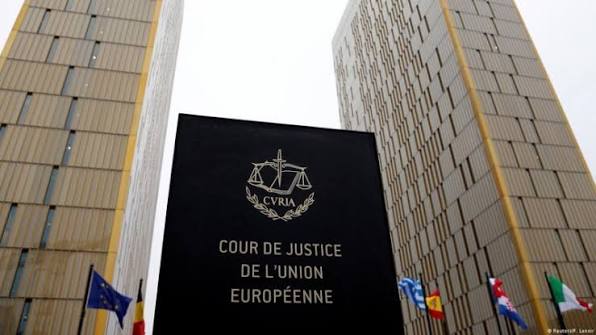
SCFRonline – Opinion: The increase in public distrust of the French judicial system, which in recent surveys has reached approximately two-thirds of citizens, should be analyzed within a framework broader than temporary dissatisfaction or an emotional reaction to a particular criminal case.
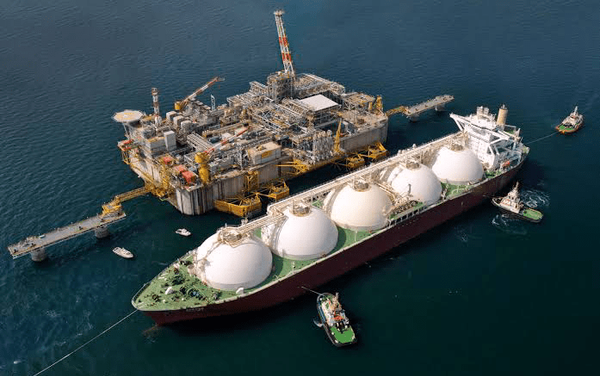
Iran’s Potential Levers of Power

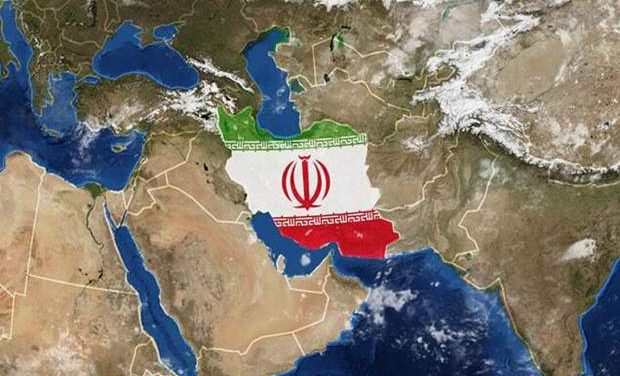
SCFRonline– Opinion: Iran’s geopolitical power is not limited solely to oil and the Strait of Hormuz; the unintended emergence of disruptions in the future global food and energy security chains can also demonstrate Iran’s strategic importance.

The Inseparability of the Lebanese Front from the Axis of Resistance

SCFR Online–Opinion: By providing an extensive network of social, healthcare, educational, and post-war reconstruction services, Hezbollah has established a strong social base for itself among Lebanon’s Shiites and Sunnis, and even beyond that, among other segments of Lebanese society, including Christians. Hezbollah has never been an external actor imposed upon Lebanon; rather, it is a phenomenon fundamentally born out of the occupation and crimes of the Zionist regime and itself influenced by popular resistance.

The Increasing Efforts of the Zionist Regime to Redefine Borders and the Regional Order and Its Consequences

SCFR Online– Opinion: Security and military developments in the region over recent months indicate that the ongoing crises and wars in Gaza, southern Lebanon, and parts of Syrian territory encompass broader dimensions of geopolitical and geostrategic transformations. In this context, the increased military presence and control of the Zionist regime over parts of the territories of these areas, along with proposals regarding the creation of buffer zones or even the expansion of security borders, have raised serious questions about the future of the regional order and its consequences for the countries of West Asia.

Loading

Diplomacy

India’s Diplomatic Pivot from Washington to Beijing and Moscow

India’s Diplomatic Pivot from Washington to Beijing and Moscow

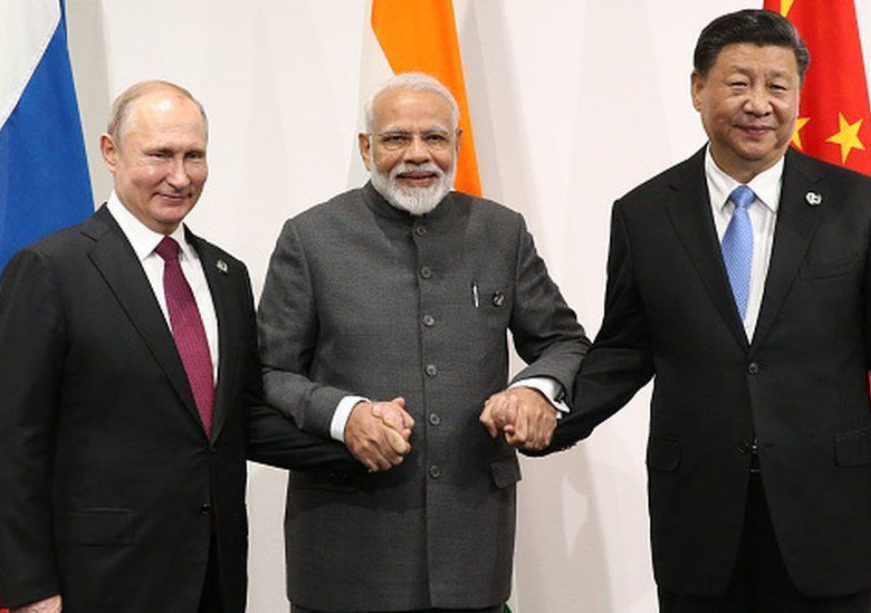
Strategic Council Online – Interview: An international affairs analyst stated that the United States’ imposition of 50% tariffs on Indian export goods has not only severely impacted the economic relations between the two countries but has also opened a new path in New Delhi’s foreign policy. While Washington has justified this move as “punishing” India for purchasing oil from Russia, the Narendra Modi government has called it unfair and emphasized the necessity of ensuring its country’s energy security. However, India’s reaction has not been limited to mere verbal statements; Modi’s visit to China and participation in the Shanghai Cooperation Organization summit can practically be assessed as a strategic pivot towards the East. Simultaneously, diplomatic exchanges among the three Asian powers have accelerated: China’s Foreign Minister visited New Delhi, his Indian counterpart went to Moscow, and Modi, in his meeting with Beijing’s leaders, sent a clear message of India’s desire for closer cooperation with Russia and China. In this context, the Indian Prime Minister’s lack of response to several phone calls from Trump suggests that New Delhi is redefining its foreign policy priorities in response to Washington’s pressure. Many analysts believe that India’s recent actions are not merely short-term reactions but rather a sign of a new balance of power forming in Asia’s equations.

The Role of Artificial Intelligence in Redefining Diplomacy in the Digital Age

The Role of Artificial Intelligence in Redefining Diplomacy in the Digital Age

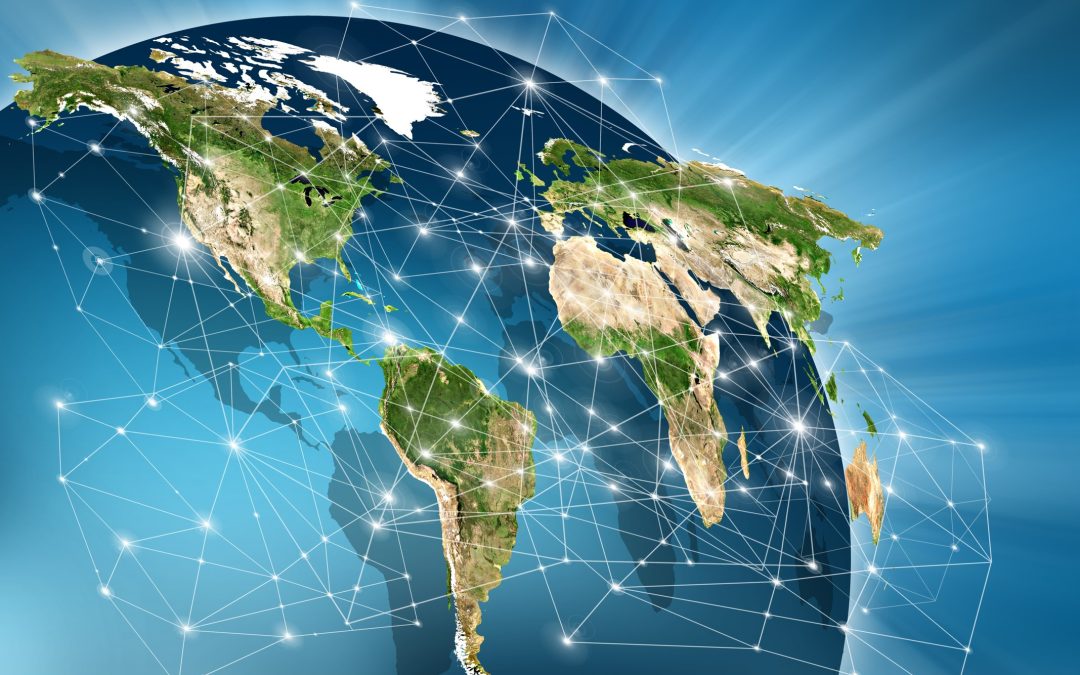
Strategic Council Online– Opinion: From the past to the present, there has been a close relationship between technology and international relations. From the introduction of the steam engine to the emergence of the telephone and radio, significant milestones were achieved that enabled faster and more direct communication, reducing the need for intermediaries and diplomatic bureaucracy. The development and deployment of artificial intelligence (AI) systems also have the potential to transform various aspects of human life, much like climate change did decades ago in the international system. The reason AI impacts the international system, particularly in diplomacy, is that politics and political issues are among the most complex human behaviors, and this complexity reaches its peak in the international arena.

Dr. Araghchi at the “Foreign Relations in Artificial Intelligence Era” meeting: The Necessity of Influencing on Norms in the Artificial Intelligence Era

Dr. Araghchi at the “Foreign Relations in Artificial Intelligence Era” meeting: The Necessity of Influencing on Norms in the Artificial Intelligence Era

Strategic Council Online: Secretary of the Strategic Council on Foreign Relations said: It is necessary to be accurate about the category of artificial intelligence in the service of diplomacy and diplomacy at the service of artificial intelligence. Artificial intelligence is one of the needs of all diplomats today; because, compared to the past, the number of players in the international arena has greatly increased.

Researcher of digital governance explains in the seminar on “foreign relations in the age of artificial intelligence”:  Profound impacts of artificial intelligence on international relations

Researcher of digital governance explains in the seminar on “foreign relations in the age of artificial intelligence”: Profound impacts of artificial intelligence on international relations

Strategic Council Online: A researcher in the field of digital governance emphasized that under conditions where the eruption of plurality does not create any single narrative due to the dominance of artificial intelligence, the discussion of justice and the abandonment of a single discourse in the world causes Francis Fukuyama’s theory of the end of history to be questioned and assume its global distribution to be basically invalid. In this situation, we will never again be able to analyze the international political economy as before.

Sharif University of Technology lecturer at the “Foreign Relations in Artificial Intelligence Era” meeting: Need to determine data governance to benefit from artificial intelligence

Sharif University of Technology lecturer at the “Foreign Relations in Artificial Intelligence Era” meeting: Need to determine data governance to benefit from artificial intelligence

Strategic Council Online: A professor of Sharif University of Technology, referring to the performance of cognitive sciences and neurosciences in addition to quantum processing and artificial intelligence, stated: If we do not consider these three together, given the progress being made in the world, it is impossible for us to reach that stage, and this means that in such a case, we will only receive services; that means we will have to be subordinate in diplomacy; not only in diplomacy, but in all fields, we either have to be subservient, or we have to live like primitive humans.

Dr. Sattari at a meeting on “Discussing Foreign Relations in Artificial Intelligence Era”: The Necessity of Formulating Iran’s Strategy in Artificial Intelligence

Dr. Sattari at a meeting on “Discussing Foreign Relations in Artificial Intelligence Era”: The Necessity of Formulating Iran’s Strategy in Artificial Intelligence

Strategic Council Online: The head of the Science-Technology Commission of the Strategic Council on Foreign Relations, emphasizing the need to analyze strategies and achievements of artificial intelligence in the three dimensions of “investment,” “implementation,” and “innovation,” said: Each of the leading countries, have defined a main vision and strategy in the field of artificial intelligence for themselves, and considering the global division of labor, it is necessary to examine what this vision could be for Iran?

SCFR in specialized meetings examines; Foreign Relations in Artificial Intelligence Era

SCFR in specialized meetings examines; Foreign Relations in Artificial Intelligence Era

Strategic Council Online: The specialized meeting on “Foreign Relations in the Artificial Intelligence Era” was held on Tuesday, chaired by Dr. Sorena Sattari, head of the Science and Technology Commission of the Strategic Council on Foreign Relations. Dr. Saeed Seyed Agha Banihashemi, a faculty member of the School of International Relations of the Ministry of Foreign Affairs, Dr. Hamidreza Rabiei, a faculty member of the Department of Computer Engineering at the Sharif University of Technology, Dr. Saeed Chehrazad, a faculty member of Allameh Tabataba’i University, and Dr. Majid Nili Ahmadabadi, a faculty member of the School of Electrical and Computer Engineering, as well as Dr. Behzad Ahmadi Lafouraki, an expert in international cyberspace governance, were also present in that event. The meeting was held at the Strategic Council on Foreign Relations premises.

Consequences of Germany Supplying Heavy Weapons to Ukraine

Consequences of Germany Supplying Heavy Weapons to Ukraine

Strategic Council Online – Interview: An expert on international affairs saying that the West is seeking to supply more arms to Ukraine in order to ensure its stronger position at the negotiation table with Russia to end the war.

Objectives of Tense Actions of Trump’s Team on Final Days in White House

Objectives of Tense Actions of Trump’s Team on Final Days in White House

Strategic Council Online – An analyst at the Center for Strategic Studies of President’s Office said that those in the US administration who think of Israel’s interests will be happy to see a military confrontation with Iran on the last days of the Trump administration, adding: Trump’s team is trying to push political relations of Iran and the United States to a point of bitterness and tension the severity of which would not allow Mr. Biden to formulate a successful diplomacy with Iran.

Turkey’s Pendulum Foreign Policy

Turkey’s Pendulum Foreign Policy

Strategic Council Online – The pendulum feature of Turkey’s foreign policy has a high risk and will impose heavy costs on the Turkish structure in the event of an impasse in the enforcement of policies.
Ali Saadat Azar – Expert on Turkey’s affairs

أحدث الوظائف

Consequences of Declining Trust in the Judiciary in Europe

SCFRonline – Opinion: The increase in public distrust of the French judicial system, which in recent surveys has reached approximately two-thirds of citizens, should be analyzed within a framework broader than temporary dissatisfaction or an emotional reaction to a particular criminal case.
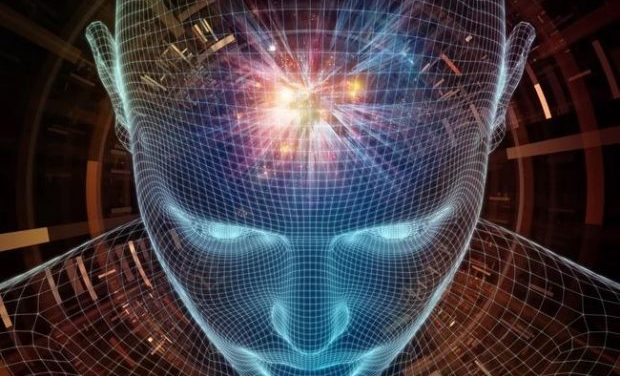
Iran’s Potential Levers of Power

SCFRonline– Opinion: Iran’s geopolitical power is not limited solely to oil and the Strait of Hormuz; the unintended emergence of disruptions in the future global food and energy security chains can also demonstrate Iran’s strategic importance.

The Inseparability of the Lebanese Front from the Axis of Resistance

SCFR Online–Opinion: By providing an extensive network of social, healthcare, educational, and post-war reconstruction services, Hezbollah has established a strong social base for itself among Lebanon’s Shiites and Sunnis, and even beyond that, among other segments of Lebanese society, including Christians. Hezbollah has never been an external actor imposed upon Lebanon; rather, it is a phenomenon fundamentally born out of the occupation and crimes of the Zionist regime and itself influenced by popular resistance.

The Increasing Efforts of the Zionist Regime to Redefine Borders and the Regional Order and Its Consequences

SCFR Online– Opinion: Security and military developments in the region over recent months indicate that the ongoing crises and wars in Gaza, southern Lebanon, and parts of Syrian territory encompass broader dimensions of geopolitical and geostrategic transformations. In this context, the increased military presence and control of the Zionist regime over parts of the territories of these areas, along with proposals regarding the creation of buffer zones or even the expansion of security borders, have raised serious questions about the future of the regional order and its consequences for the countries of West Asia.

Loading

Diplomacy

India’s Diplomatic Pivot from Washington to Beijing and Moscow

India’s Diplomatic Pivot from Washington to Beijing and Moscow

Strategic Council Online – Interview: An international affairs analyst stated that the United States’ imposition of 50% tariffs on Indian export goods has not only severely impacted the economic relations between the two countries but has also opened a new path in New Delhi’s foreign policy. While Washington has justified this move as “punishing” India for purchasing oil from Russia, the Narendra Modi government has called it unfair and emphasized the necessity of ensuring its country’s energy security. However, India’s reaction has not been limited to mere verbal statements; Modi’s visit to China and participation in the Shanghai Cooperation Organization summit can practically be assessed as a strategic pivot towards the East. Simultaneously, diplomatic exchanges among the three Asian powers have accelerated: China’s Foreign Minister visited New Delhi, his Indian counterpart went to Moscow, and Modi, in his meeting with Beijing’s leaders, sent a clear message of India’s desire for closer cooperation with Russia and China. In this context, the Indian Prime Minister’s lack of response to several phone calls from Trump suggests that New Delhi is redefining its foreign policy priorities in response to Washington’s pressure. Many analysts believe that India’s recent actions are not merely short-term reactions but rather a sign of a new balance of power forming in Asia’s equations.

The Role of Artificial Intelligence in Redefining Diplomacy in the Digital Age

The Role of Artificial Intelligence in Redefining Diplomacy in the Digital Age

Strategic Council Online– Opinion: From the past to the present, there has been a close relationship between technology and international relations. From the introduction of the steam engine to the emergence of the telephone and radio, significant milestones were achieved that enabled faster and more direct communication, reducing the need for intermediaries and diplomatic bureaucracy. The development and deployment of artificial intelligence (AI) systems also have the potential to transform various aspects of human life, much like climate change did decades ago in the international system. The reason AI impacts the international system, particularly in diplomacy, is that politics and political issues are among the most complex human behaviors, and this complexity reaches its peak in the international arena.

Dr. Araghchi at the “Foreign Relations in Artificial Intelligence Era” meeting: The Necessity of Influencing on Norms in the Artificial Intelligence Era

Dr. Araghchi at the “Foreign Relations in Artificial Intelligence Era” meeting: The Necessity of Influencing on Norms in the Artificial Intelligence Era

Strategic Council Online: Secretary of the Strategic Council on Foreign Relations said: It is necessary to be accurate about the category of artificial intelligence in the service of diplomacy and diplomacy at the service of artificial intelligence. Artificial intelligence is one of the needs of all diplomats today; because, compared to the past, the number of players in the international arena has greatly increased.

Researcher of digital governance explains in the seminar on “foreign relations in the age of artificial intelligence”:  Profound impacts of artificial intelligence on international relations

Researcher of digital governance explains in the seminar on “foreign relations in the age of artificial intelligence”: Profound impacts of artificial intelligence on international relations

Strategic Council Online: A researcher in the field of digital governance emphasized that under conditions where the eruption of plurality does not create any single narrative due to the dominance of artificial intelligence, the discussion of justice and the abandonment of a single discourse in the world causes Francis Fukuyama’s theory of the end of history to be questioned and assume its global distribution to be basically invalid. In this situation, we will never again be able to analyze the international political economy as before.

Sharif University of Technology lecturer at the “Foreign Relations in Artificial Intelligence Era” meeting: Need to determine data governance to benefit from artificial intelligence

Sharif University of Technology lecturer at the “Foreign Relations in Artificial Intelligence Era” meeting: Need to determine data governance to benefit from artificial intelligence

Strategic Council Online: A professor of Sharif University of Technology, referring to the performance of cognitive sciences and neurosciences in addition to quantum processing and artificial intelligence, stated: If we do not consider these three together, given the progress being made in the world, it is impossible for us to reach that stage, and this means that in such a case, we will only receive services; that means we will have to be subordinate in diplomacy; not only in diplomacy, but in all fields, we either have to be subservient, or we have to live like primitive humans.

Dr. Sattari at a meeting on “Discussing Foreign Relations in Artificial Intelligence Era”: The Necessity of Formulating Iran’s Strategy in Artificial Intelligence

Dr. Sattari at a meeting on “Discussing Foreign Relations in Artificial Intelligence Era”: The Necessity of Formulating Iran’s Strategy in Artificial Intelligence

Strategic Council Online: The head of the Science-Technology Commission of the Strategic Council on Foreign Relations, emphasizing the need to analyze strategies and achievements of artificial intelligence in the three dimensions of “investment,” “implementation,” and “innovation,” said: Each of the leading countries, have defined a main vision and strategy in the field of artificial intelligence for themselves, and considering the global division of labor, it is necessary to examine what this vision could be for Iran?

SCFR in specialized meetings examines; Foreign Relations in Artificial Intelligence Era

SCFR in specialized meetings examines; Foreign Relations in Artificial Intelligence Era

Strategic Council Online: The specialized meeting on “Foreign Relations in the Artificial Intelligence Era” was held on Tuesday, chaired by Dr. Sorena Sattari, head of the Science and Technology Commission of the Strategic Council on Foreign Relations. Dr. Saeed Seyed Agha Banihashemi, a faculty member of the School of International Relations of the Ministry of Foreign Affairs, Dr. Hamidreza Rabiei, a faculty member of the Department of Computer Engineering at the Sharif University of Technology, Dr. Saeed Chehrazad, a faculty member of Allameh Tabataba’i University, and Dr. Majid Nili Ahmadabadi, a faculty member of the School of Electrical and Computer Engineering, as well as Dr. Behzad Ahmadi Lafouraki, an expert in international cyberspace governance, were also present in that event. The meeting was held at the Strategic Council on Foreign Relations premises.

Consequences of Germany Supplying Heavy Weapons to Ukraine

Consequences of Germany Supplying Heavy Weapons to Ukraine

Strategic Council Online – Interview: An expert on international affairs saying that the West is seeking to supply more arms to Ukraine in order to ensure its stronger position at the negotiation table with Russia to end the war.

Objectives of Tense Actions of Trump’s Team on Final Days in White House

Objectives of Tense Actions of Trump’s Team on Final Days in White House

Strategic Council Online – An analyst at the Center for Strategic Studies of President’s Office said that those in the US administration who think of Israel’s interests will be happy to see a military confrontation with Iran on the last days of the Trump administration, adding: Trump’s team is trying to push political relations of Iran and the United States to a point of bitterness and tension the severity of which would not allow Mr. Biden to formulate a successful diplomacy with Iran.

Turkey’s Pendulum Foreign Policy

Turkey’s Pendulum Foreign Policy

Strategic Council Online – The pendulum feature of Turkey’s foreign policy has a high risk and will impose heavy costs on the Turkish structure in the event of an impasse in the enforcement of policies.
Ali Saadat Azar – Expert on Turkey’s affairs

Diplomacy

India’s Diplomatic Pivot from Washington to Beijing and Moscow

India’s Diplomatic Pivot from Washington to Beijing and Moscow

Strategic Council Online – Interview: An international affairs analyst stated that the United States’ imposition of 50% tariffs on Indian export goods has not only severely impacted the economic relations between the two countries but has also opened a new path in New Delhi’s foreign policy. While Washington has justified this move as “punishing” India for purchasing oil from Russia, the Narendra Modi government has called it unfair and emphasized the necessity of ensuring its country’s energy security. However, India’s reaction has not been limited to mere verbal statements; Modi’s visit to China and participation in the Shanghai Cooperation Organization summit can practically be assessed as a strategic pivot towards the East. Simultaneously, diplomatic exchanges among the three Asian powers have accelerated: China’s Foreign Minister visited New Delhi, his Indian counterpart went to Moscow, and Modi, in his meeting with Beijing’s leaders, sent a clear message of India’s desire for closer cooperation with Russia and China. In this context, the Indian Prime Minister’s lack of response to several phone calls from Trump suggests that New Delhi is redefining its foreign policy priorities in response to Washington’s pressure. Many analysts believe that India’s recent actions are not merely short-term reactions but rather a sign of a new balance of power forming in Asia’s equations.

The Role of Artificial Intelligence in Redefining Diplomacy in the Digital Age

The Role of Artificial Intelligence in Redefining Diplomacy in the Digital Age

Strategic Council Online– Opinion: From the past to the present, there has been a close relationship between technology and international relations. From the introduction of the steam engine to the emergence of the telephone and radio, significant milestones were achieved that enabled faster and more direct communication, reducing the need for intermediaries and diplomatic bureaucracy. The development and deployment of artificial intelligence (AI) systems also have the potential to transform various aspects of human life, much like climate change did decades ago in the international system. The reason AI impacts the international system, particularly in diplomacy, is that politics and political issues are among the most complex human behaviors, and this complexity reaches its peak in the international arena.

Dr. Araghchi at the “Foreign Relations in Artificial Intelligence Era” meeting: The Necessity of Influencing on Norms in the Artificial Intelligence Era

Dr. Araghchi at the “Foreign Relations in Artificial Intelligence Era” meeting: The Necessity of Influencing on Norms in the Artificial Intelligence Era

Strategic Council Online: Secretary of the Strategic Council on Foreign Relations said: It is necessary to be accurate about the category of artificial intelligence in the service of diplomacy and diplomacy at the service of artificial intelligence. Artificial intelligence is one of the needs of all diplomats today; because, compared to the past, the number of players in the international arena has greatly increased.

Researcher of digital governance explains in the seminar on “foreign relations in the age of artificial intelligence”:  Profound impacts of artificial intelligence on international relations

Researcher of digital governance explains in the seminar on “foreign relations in the age of artificial intelligence”: Profound impacts of artificial intelligence on international relations

Strategic Council Online: A researcher in the field of digital governance emphasized that under conditions where the eruption of plurality does not create any single narrative due to the dominance of artificial intelligence, the discussion of justice and the abandonment of a single discourse in the world causes Francis Fukuyama’s theory of the end of history to be questioned and assume its global distribution to be basically invalid. In this situation, we will never again be able to analyze the international political economy as before.

Sharif University of Technology lecturer at the “Foreign Relations in Artificial Intelligence Era” meeting: Need to determine data governance to benefit from artificial intelligence

Sharif University of Technology lecturer at the “Foreign Relations in Artificial Intelligence Era” meeting: Need to determine data governance to benefit from artificial intelligence

Strategic Council Online: A professor of Sharif University of Technology, referring to the performance of cognitive sciences and neurosciences in addition to quantum processing and artificial intelligence, stated: If we do not consider these three together, given the progress being made in the world, it is impossible for us to reach that stage, and this means that in such a case, we will only receive services; that means we will have to be subordinate in diplomacy; not only in diplomacy, but in all fields, we either have to be subservient, or we have to live like primitive humans.

Dr. Sattari at a meeting on “Discussing Foreign Relations in Artificial Intelligence Era”: The Necessity of Formulating Iran’s Strategy in Artificial Intelligence

Dr. Sattari at a meeting on “Discussing Foreign Relations in Artificial Intelligence Era”: The Necessity of Formulating Iran’s Strategy in Artificial Intelligence

Strategic Council Online: The head of the Science-Technology Commission of the Strategic Council on Foreign Relations, emphasizing the need to analyze strategies and achievements of artificial intelligence in the three dimensions of “investment,” “implementation,” and “innovation,” said: Each of the leading countries, have defined a main vision and strategy in the field of artificial intelligence for themselves, and considering the global division of labor, it is necessary to examine what this vision could be for Iran?

SCFR in specialized meetings examines; Foreign Relations in Artificial Intelligence Era

SCFR in specialized meetings examines; Foreign Relations in Artificial Intelligence Era

Strategic Council Online: The specialized meeting on “Foreign Relations in the Artificial Intelligence Era” was held on Tuesday, chaired by Dr. Sorena Sattari, head of the Science and Technology Commission of the Strategic Council on Foreign Relations. Dr. Saeed Seyed Agha Banihashemi, a faculty member of the School of International Relations of the Ministry of Foreign Affairs, Dr. Hamidreza Rabiei, a faculty member of the Department of Computer Engineering at the Sharif University of Technology, Dr. Saeed Chehrazad, a faculty member of Allameh Tabataba’i University, and Dr. Majid Nili Ahmadabadi, a faculty member of the School of Electrical and Computer Engineering, as well as Dr. Behzad Ahmadi Lafouraki, an expert in international cyberspace governance, were also present in that event. The meeting was held at the Strategic Council on Foreign Relations premises.

Consequences of Germany Supplying Heavy Weapons to Ukraine

Consequences of Germany Supplying Heavy Weapons to Ukraine

Strategic Council Online – Interview: An expert on international affairs saying that the West is seeking to supply more arms to Ukraine in order to ensure its stronger position at the negotiation table with Russia to end the war.

Objectives of Tense Actions of Trump’s Team on Final Days in White House

Objectives of Tense Actions of Trump’s Team on Final Days in White House

Strategic Council Online – An analyst at the Center for Strategic Studies of President’s Office said that those in the US administration who think of Israel’s interests will be happy to see a military confrontation with Iran on the last days of the Trump administration, adding: Trump’s team is trying to push political relations of Iran and the United States to a point of bitterness and tension the severity of which would not allow Mr. Biden to formulate a successful diplomacy with Iran.

Turkey’s Pendulum Foreign Policy

Turkey’s Pendulum Foreign Policy

Strategic Council Online – The pendulum feature of Turkey’s foreign policy has a high risk and will impose heavy costs on the Turkish structure in the event of an impasse in the enforcement of policies.
Ali Saadat Azar – Expert on Turkey’s affairs

LATEST CONTENT

Consequences of Declining Trust in the Judiciary in Europe

SCFRonline – Opinion: The increase in public distrust of the French judicial system, which in recent surveys has reached approximately two-thirds of citizens, should be analyzed within a framework broader than temporary dissatisfaction or an emotional reaction to a particular criminal case.
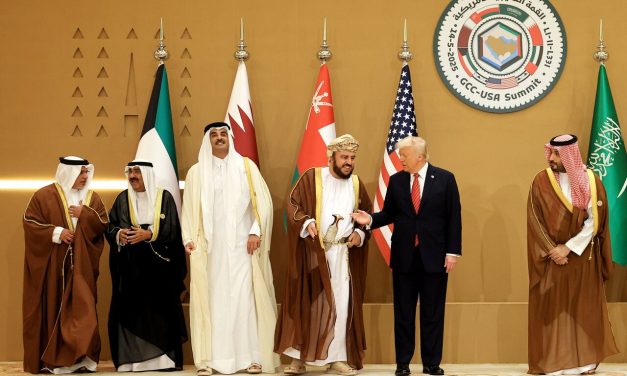
Iran’s Potential Levers of Power

SCFRonline– Opinion: Iran’s geopolitical power is not limited solely to oil and the Strait of Hormuz; the unintended emergence of disruptions in the future global food and energy security chains can also demonstrate Iran’s strategic importance.

The Inseparability of the Lebanese Front from the Axis of Resistance

SCFR Online–Opinion: By providing an extensive network of social, healthcare, educational, and post-war reconstruction services, Hezbollah has established a strong social base for itself among Lebanon’s Shiites and Sunnis, and even beyond that, among other segments of Lebanese society, including Christians. Hezbollah has never been an external actor imposed upon Lebanon; rather, it is a phenomenon fundamentally born out of the occupation and crimes of the Zionist regime and itself influenced by popular resistance.

The Increasing Efforts of the Zionist Regime to Redefine Borders and the Regional Order and Its Consequences

SCFR Online– Opinion: Security and military developments in the region over recent months indicate that the ongoing crises and wars in Gaza, southern Lebanon, and parts of Syrian territory encompass broader dimensions of geopolitical and geostrategic transformations. In this context, the increased military presence and control of the Zionist regime over parts of the territories of these areas, along with proposals regarding the creation of buffer zones or even the expansion of security borders, have raised serious questions about the future of the regional order and its consequences for the countries of West Asia.

Loading

Diplomacy

India’s Diplomatic Pivot from Washington to Beijing and Moscow

India’s Diplomatic Pivot from Washington to Beijing and Moscow

Strategic Council Online – Interview: An international affairs analyst stated that the United States’ imposition of 50% tariffs on Indian export goods has not only severely impacted the economic relations between the two countries but has also opened a new path in New Delhi’s foreign policy. While Washington has justified this move as “punishing” India for purchasing oil from Russia, the Narendra Modi government has called it unfair and emphasized the necessity of ensuring its country’s energy security. However, India’s reaction has not been limited to mere verbal statements; Modi’s visit to China and participation in the Shanghai Cooperation Organization summit can practically be assessed as a strategic pivot towards the East. Simultaneously, diplomatic exchanges among the three Asian powers have accelerated: China’s Foreign Minister visited New Delhi, his Indian counterpart went to Moscow, and Modi, in his meeting with Beijing’s leaders, sent a clear message of India’s desire for closer cooperation with Russia and China. In this context, the Indian Prime Minister’s lack of response to several phone calls from Trump suggests that New Delhi is redefining its foreign policy priorities in response to Washington’s pressure. Many analysts believe that India’s recent actions are not merely short-term reactions but rather a sign of a new balance of power forming in Asia’s equations.

The Role of Artificial Intelligence in Redefining Diplomacy in the Digital Age

The Role of Artificial Intelligence in Redefining Diplomacy in the Digital Age

Strategic Council Online– Opinion: From the past to the present, there has been a close relationship between technology and international relations. From the introduction of the steam engine to the emergence of the telephone and radio, significant milestones were achieved that enabled faster and more direct communication, reducing the need for intermediaries and diplomatic bureaucracy. The development and deployment of artificial intelligence (AI) systems also have the potential to transform various aspects of human life, much like climate change did decades ago in the international system. The reason AI impacts the international system, particularly in diplomacy, is that politics and political issues are among the most complex human behaviors, and this complexity reaches its peak in the international arena.

Dr. Araghchi at the “Foreign Relations in Artificial Intelligence Era” meeting: The Necessity of Influencing on Norms in the Artificial Intelligence Era

Dr. Araghchi at the “Foreign Relations in Artificial Intelligence Era” meeting: The Necessity of Influencing on Norms in the Artificial Intelligence Era

Strategic Council Online: Secretary of the Strategic Council on Foreign Relations said: It is necessary to be accurate about the category of artificial intelligence in the service of diplomacy and diplomacy at the service of artificial intelligence. Artificial intelligence is one of the needs of all diplomats today; because, compared to the past, the number of players in the international arena has greatly increased.

Researcher of digital governance explains in the seminar on “foreign relations in the age of artificial intelligence”:  Profound impacts of artificial intelligence on international relations

Researcher of digital governance explains in the seminar on “foreign relations in the age of artificial intelligence”: Profound impacts of artificial intelligence on international relations

Strategic Council Online: A researcher in the field of digital governance emphasized that under conditions where the eruption of plurality does not create any single narrative due to the dominance of artificial intelligence, the discussion of justice and the abandonment of a single discourse in the world causes Francis Fukuyama’s theory of the end of history to be questioned and assume its global distribution to be basically invalid. In this situation, we will never again be able to analyze the international political economy as before.

Sharif University of Technology lecturer at the “Foreign Relations in Artificial Intelligence Era” meeting: Need to determine data governance to benefit from artificial intelligence

Sharif University of Technology lecturer at the “Foreign Relations in Artificial Intelligence Era” meeting: Need to determine data governance to benefit from artificial intelligence

Strategic Council Online: A professor of Sharif University of Technology, referring to the performance of cognitive sciences and neurosciences in addition to quantum processing and artificial intelligence, stated: If we do not consider these three together, given the progress being made in the world, it is impossible for us to reach that stage, and this means that in such a case, we will only receive services; that means we will have to be subordinate in diplomacy; not only in diplomacy, but in all fields, we either have to be subservient, or we have to live like primitive humans.

Dr. Sattari at a meeting on “Discussing Foreign Relations in Artificial Intelligence Era”: The Necessity of Formulating Iran’s Strategy in Artificial Intelligence

Dr. Sattari at a meeting on “Discussing Foreign Relations in Artificial Intelligence Era”: The Necessity of Formulating Iran’s Strategy in Artificial Intelligence

Strategic Council Online: The head of the Science-Technology Commission of the Strategic Council on Foreign Relations, emphasizing the need to analyze strategies and achievements of artificial intelligence in the three dimensions of “investment,” “implementation,” and “innovation,” said: Each of the leading countries, have defined a main vision and strategy in the field of artificial intelligence for themselves, and considering the global division of labor, it is necessary to examine what this vision could be for Iran?

SCFR in specialized meetings examines; Foreign Relations in Artificial Intelligence Era

SCFR in specialized meetings examines; Foreign Relations in Artificial Intelligence Era

Strategic Council Online: The specialized meeting on “Foreign Relations in the Artificial Intelligence Era” was held on Tuesday, chaired by Dr. Sorena Sattari, head of the Science and Technology Commission of the Strategic Council on Foreign Relations. Dr. Saeed Seyed Agha Banihashemi, a faculty member of the School of International Relations of the Ministry of Foreign Affairs, Dr. Hamidreza Rabiei, a faculty member of the Department of Computer Engineering at the Sharif University of Technology, Dr. Saeed Chehrazad, a faculty member of Allameh Tabataba’i University, and Dr. Majid Nili Ahmadabadi, a faculty member of the School of Electrical and Computer Engineering, as well as Dr. Behzad Ahmadi Lafouraki, an expert in international cyberspace governance, were also present in that event. The meeting was held at the Strategic Council on Foreign Relations premises.

Consequences of Germany Supplying Heavy Weapons to Ukraine

Consequences of Germany Supplying Heavy Weapons to Ukraine

Strategic Council Online – Interview: An expert on international affairs saying that the West is seeking to supply more arms to Ukraine in order to ensure its stronger position at the negotiation table with Russia to end the war.

Objectives of Tense Actions of Trump’s Team on Final Days in White House

Objectives of Tense Actions of Trump’s Team on Final Days in White House

Strategic Council Online – An analyst at the Center for Strategic Studies of President’s Office said that those in the US administration who think of Israel’s interests will be happy to see a military confrontation with Iran on the last days of the Trump administration, adding: Trump’s team is trying to push political relations of Iran and the United States to a point of bitterness and tension the severity of which would not allow Mr. Biden to formulate a successful diplomacy with Iran.

Turkey’s Pendulum Foreign Policy

Turkey’s Pendulum Foreign Policy

Strategic Council Online – The pendulum feature of Turkey’s foreign policy has a high risk and will impose heavy costs on the Turkish structure in the event of an impasse in the enforcement of policies.
Ali Saadat Azar – Expert on Turkey’s affairs

ÚLTIMAS PUBLICACIONES

Consequences of Declining Trust in the Judiciary in Europe

SCFRonline – Opinion: The increase in public distrust of the French judicial system, which in recent surveys has reached approximately two-thirds of citizens, should be analyzed within a framework broader than temporary dissatisfaction or an emotional reaction to a particular criminal case.
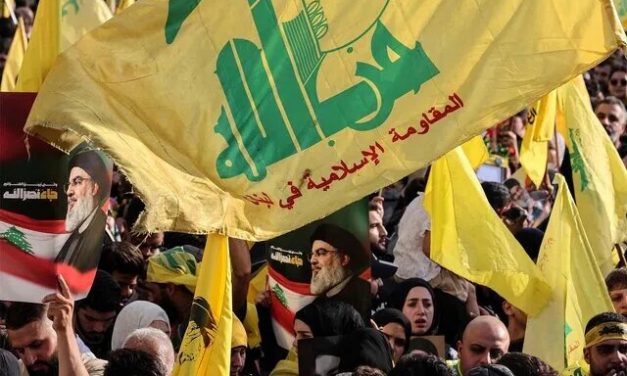
Iran’s Potential Levers of Power

SCFRonline– Opinion: Iran’s geopolitical power is not limited solely to oil and the Strait of Hormuz; the unintended emergence of disruptions in the future global food and energy security chains can also demonstrate Iran’s strategic importance.

The Inseparability of the Lebanese Front from the Axis of Resistance

SCFR Online–Opinion: By providing an extensive network of social, healthcare, educational, and post-war reconstruction services, Hezbollah has established a strong social base for itself among Lebanon’s Shiites and Sunnis, and even beyond that, among other segments of Lebanese society, including Christians. Hezbollah has never been an external actor imposed upon Lebanon; rather, it is a phenomenon fundamentally born out of the occupation and crimes of the Zionist regime and itself influenced by popular resistance.

The Increasing Efforts of the Zionist Regime to Redefine Borders and the Regional Order and Its Consequences

SCFR Online– Opinion: Security and military developments in the region over recent months indicate that the ongoing crises and wars in Gaza, southern Lebanon, and parts of Syrian territory encompass broader dimensions of geopolitical and geostrategic transformations. In this context, the increased military presence and control of the Zionist regime over parts of the territories of these areas, along with proposals regarding the creation of buffer zones or even the expansion of security borders, have raised serious questions about the future of the regional order and its consequences for the countries of West Asia.

Loading

Diplomacy

India’s Diplomatic Pivot from Washington to Beijing and Moscow

India’s Diplomatic Pivot from Washington to Beijing and Moscow

Strategic Council Online – Interview: An international affairs analyst stated that the United States’ imposition of 50% tariffs on Indian export goods has not only severely impacted the economic relations between the two countries but has also opened a new path in New Delhi’s foreign policy. While Washington has justified this move as “punishing” India for purchasing oil from Russia, the Narendra Modi government has called it unfair and emphasized the necessity of ensuring its country’s energy security. However, India’s reaction has not been limited to mere verbal statements; Modi’s visit to China and participation in the Shanghai Cooperation Organization summit can practically be assessed as a strategic pivot towards the East. Simultaneously, diplomatic exchanges among the three Asian powers have accelerated: China’s Foreign Minister visited New Delhi, his Indian counterpart went to Moscow, and Modi, in his meeting with Beijing’s leaders, sent a clear message of India’s desire for closer cooperation with Russia and China. In this context, the Indian Prime Minister’s lack of response to several phone calls from Trump suggests that New Delhi is redefining its foreign policy priorities in response to Washington’s pressure. Many analysts believe that India’s recent actions are not merely short-term reactions but rather a sign of a new balance of power forming in Asia’s equations.

The Role of Artificial Intelligence in Redefining Diplomacy in the Digital Age

The Role of Artificial Intelligence in Redefining Diplomacy in the Digital Age

Strategic Council Online– Opinion: From the past to the present, there has been a close relationship between technology and international relations. From the introduction of the steam engine to the emergence of the telephone and radio, significant milestones were achieved that enabled faster and more direct communication, reducing the need for intermediaries and diplomatic bureaucracy. The development and deployment of artificial intelligence (AI) systems also have the potential to transform various aspects of human life, much like climate change did decades ago in the international system. The reason AI impacts the international system, particularly in diplomacy, is that politics and political issues are among the most complex human behaviors, and this complexity reaches its peak in the international arena.

Dr. Araghchi at the “Foreign Relations in Artificial Intelligence Era” meeting: The Necessity of Influencing on Norms in the Artificial Intelligence Era

Dr. Araghchi at the “Foreign Relations in Artificial Intelligence Era” meeting: The Necessity of Influencing on Norms in the Artificial Intelligence Era

Strategic Council Online: Secretary of the Strategic Council on Foreign Relations said: It is necessary to be accurate about the category of artificial intelligence in the service of diplomacy and diplomacy at the service of artificial intelligence. Artificial intelligence is one of the needs of all diplomats today; because, compared to the past, the number of players in the international arena has greatly increased.

Researcher of digital governance explains in the seminar on “foreign relations in the age of artificial intelligence”:  Profound impacts of artificial intelligence on international relations

Researcher of digital governance explains in the seminar on “foreign relations in the age of artificial intelligence”: Profound impacts of artificial intelligence on international relations

Strategic Council Online: A researcher in the field of digital governance emphasized that under conditions where the eruption of plurality does not create any single narrative due to the dominance of artificial intelligence, the discussion of justice and the abandonment of a single discourse in the world causes Francis Fukuyama’s theory of the end of history to be questioned and assume its global distribution to be basically invalid. In this situation, we will never again be able to analyze the international political economy as before.

Sharif University of Technology lecturer at the “Foreign Relations in Artificial Intelligence Era” meeting: Need to determine data governance to benefit from artificial intelligence

Sharif University of Technology lecturer at the “Foreign Relations in Artificial Intelligence Era” meeting: Need to determine data governance to benefit from artificial intelligence

Strategic Council Online: A professor of Sharif University of Technology, referring to the performance of cognitive sciences and neurosciences in addition to quantum processing and artificial intelligence, stated: If we do not consider these three together, given the progress being made in the world, it is impossible for us to reach that stage, and this means that in such a case, we will only receive services; that means we will have to be subordinate in diplomacy; not only in diplomacy, but in all fields, we either have to be subservient, or we have to live like primitive humans.

Dr. Sattari at a meeting on “Discussing Foreign Relations in Artificial Intelligence Era”: The Necessity of Formulating Iran’s Strategy in Artificial Intelligence

Dr. Sattari at a meeting on “Discussing Foreign Relations in Artificial Intelligence Era”: The Necessity of Formulating Iran’s Strategy in Artificial Intelligence

Strategic Council Online: The head of the Science-Technology Commission of the Strategic Council on Foreign Relations, emphasizing the need to analyze strategies and achievements of artificial intelligence in the three dimensions of “investment,” “implementation,” and “innovation,” said: Each of the leading countries, have defined a main vision and strategy in the field of artificial intelligence for themselves, and considering the global division of labor, it is necessary to examine what this vision could be for Iran?

SCFR in specialized meetings examines; Foreign Relations in Artificial Intelligence Era

SCFR in specialized meetings examines; Foreign Relations in Artificial Intelligence Era

Strategic Council Online: The specialized meeting on “Foreign Relations in the Artificial Intelligence Era” was held on Tuesday, chaired by Dr. Sorena Sattari, head of the Science and Technology Commission of the Strategic Council on Foreign Relations. Dr. Saeed Seyed Agha Banihashemi, a faculty member of the School of International Relations of the Ministry of Foreign Affairs, Dr. Hamidreza Rabiei, a faculty member of the Department of Computer Engineering at the Sharif University of Technology, Dr. Saeed Chehrazad, a faculty member of Allameh Tabataba’i University, and Dr. Majid Nili Ahmadabadi, a faculty member of the School of Electrical and Computer Engineering, as well as Dr. Behzad Ahmadi Lafouraki, an expert in international cyberspace governance, were also present in that event. The meeting was held at the Strategic Council on Foreign Relations premises.

Consequences of Germany Supplying Heavy Weapons to Ukraine

Consequences of Germany Supplying Heavy Weapons to Ukraine

Strategic Council Online – Interview: An expert on international affairs saying that the West is seeking to supply more arms to Ukraine in order to ensure its stronger position at the negotiation table with Russia to end the war.

Objectives of Tense Actions of Trump’s Team on Final Days in White House

Objectives of Tense Actions of Trump’s Team on Final Days in White House

Strategic Council Online – An analyst at the Center for Strategic Studies of President’s Office said that those in the US administration who think of Israel’s interests will be happy to see a military confrontation with Iran on the last days of the Trump administration, adding: Trump’s team is trying to push political relations of Iran and the United States to a point of bitterness and tension the severity of which would not allow Mr. Biden to formulate a successful diplomacy with Iran.

Turkey’s Pendulum Foreign Policy

Turkey’s Pendulum Foreign Policy

Strategic Council Online – The pendulum feature of Turkey’s foreign policy has a high risk and will impose heavy costs on the Turkish structure in the event of an impasse in the enforcement of policies.
Ali Saadat Azar – Expert on Turkey’s affairs

ÚLTIMAS PUBLICACIONES

Consequences of Declining Trust in the Judiciary in Europe

SCFRonline – Opinion: The increase in public distrust of the French judicial system, which in recent surveys has reached approximately two-thirds of citizens, should be analyzed within a framework broader than temporary dissatisfaction or an emotional reaction to a particular criminal case.
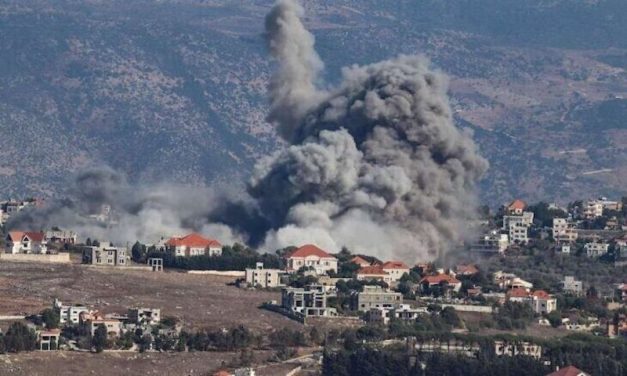
Iran’s Potential Levers of Power

SCFRonline– Opinion: Iran’s geopolitical power is not limited solely to oil and the Strait of Hormuz; the unintended emergence of disruptions in the future global food and energy security chains can also demonstrate Iran’s strategic importance.

The Inseparability of the Lebanese Front from the Axis of Resistance

SCFR Online–Opinion: By providing an extensive network of social, healthcare, educational, and post-war reconstruction services, Hezbollah has established a strong social base for itself among Lebanon’s Shiites and Sunnis, and even beyond that, among other segments of Lebanese society, including Christians. Hezbollah has never been an external actor imposed upon Lebanon; rather, it is a phenomenon fundamentally born out of the occupation and crimes of the Zionist regime and itself influenced by popular resistance.

The Increasing Efforts of the Zionist Regime to Redefine Borders and the Regional Order and Its Consequences

SCFR Online– Opinion: Security and military developments in the region over recent months indicate that the ongoing crises and wars in Gaza, southern Lebanon, and parts of Syrian territory encompass broader dimensions of geopolitical and geostrategic transformations. In this context, the increased military presence and control of the Zionist regime over parts of the territories of these areas, along with proposals regarding the creation of buffer zones or even the expansion of security borders, have raised serious questions about the future of the regional order and its consequences for the countries of West Asia.

Loading

Diplomacy

India’s Diplomatic Pivot from Washington to Beijing and Moscow

India’s Diplomatic Pivot from Washington to Beijing and Moscow

Strategic Council Online – Interview: An international affairs analyst stated that the United States’ imposition of 50% tariffs on Indian export goods has not only severely impacted the economic relations between the two countries but has also opened a new path in New Delhi’s foreign policy. While Washington has justified this move as “punishing” India for purchasing oil from Russia, the Narendra Modi government has called it unfair and emphasized the necessity of ensuring its country’s energy security. However, India’s reaction has not been limited to mere verbal statements; Modi’s visit to China and participation in the Shanghai Cooperation Organization summit can practically be assessed as a strategic pivot towards the East. Simultaneously, diplomatic exchanges among the three Asian powers have accelerated: China’s Foreign Minister visited New Delhi, his Indian counterpart went to Moscow, and Modi, in his meeting with Beijing’s leaders, sent a clear message of India’s desire for closer cooperation with Russia and China. In this context, the Indian Prime Minister’s lack of response to several phone calls from Trump suggests that New Delhi is redefining its foreign policy priorities in response to Washington’s pressure. Many analysts believe that India’s recent actions are not merely short-term reactions but rather a sign of a new balance of power forming in Asia’s equations.

The Role of Artificial Intelligence in Redefining Diplomacy in the Digital Age

The Role of Artificial Intelligence in Redefining Diplomacy in the Digital Age

Strategic Council Online– Opinion: From the past to the present, there has been a close relationship between technology and international relations. From the introduction of the steam engine to the emergence of the telephone and radio, significant milestones were achieved that enabled faster and more direct communication, reducing the need for intermediaries and diplomatic bureaucracy. The development and deployment of artificial intelligence (AI) systems also have the potential to transform various aspects of human life, much like climate change did decades ago in the international system. The reason AI impacts the international system, particularly in diplomacy, is that politics and political issues are among the most complex human behaviors, and this complexity reaches its peak in the international arena.

Dr. Araghchi at the “Foreign Relations in Artificial Intelligence Era” meeting: The Necessity of Influencing on Norms in the Artificial Intelligence Era

Dr. Araghchi at the “Foreign Relations in Artificial Intelligence Era” meeting: The Necessity of Influencing on Norms in the Artificial Intelligence Era

Strategic Council Online: Secretary of the Strategic Council on Foreign Relations said: It is necessary to be accurate about the category of artificial intelligence in the service of diplomacy and diplomacy at the service of artificial intelligence. Artificial intelligence is one of the needs of all diplomats today; because, compared to the past, the number of players in the international arena has greatly increased.

Researcher of digital governance explains in the seminar on “foreign relations in the age of artificial intelligence”:  Profound impacts of artificial intelligence on international relations

Researcher of digital governance explains in the seminar on “foreign relations in the age of artificial intelligence”: Profound impacts of artificial intelligence on international relations

Strategic Council Online: A researcher in the field of digital governance emphasized that under conditions where the eruption of plurality does not create any single narrative due to the dominance of artificial intelligence, the discussion of justice and the abandonment of a single discourse in the world causes Francis Fukuyama’s theory of the end of history to be questioned and assume its global distribution to be basically invalid. In this situation, we will never again be able to analyze the international political economy as before.

Sharif University of Technology lecturer at the “Foreign Relations in Artificial Intelligence Era” meeting: Need to determine data governance to benefit from artificial intelligence

Sharif University of Technology lecturer at the “Foreign Relations in Artificial Intelligence Era” meeting: Need to determine data governance to benefit from artificial intelligence

Strategic Council Online: A professor of Sharif University of Technology, referring to the performance of cognitive sciences and neurosciences in addition to quantum processing and artificial intelligence, stated: If we do not consider these three together, given the progress being made in the world, it is impossible for us to reach that stage, and this means that in such a case, we will only receive services; that means we will have to be subordinate in diplomacy; not only in diplomacy, but in all fields, we either have to be subservient, or we have to live like primitive humans.

Dr. Sattari at a meeting on “Discussing Foreign Relations in Artificial Intelligence Era”: The Necessity of Formulating Iran’s Strategy in Artificial Intelligence

Dr. Sattari at a meeting on “Discussing Foreign Relations in Artificial Intelligence Era”: The Necessity of Formulating Iran’s Strategy in Artificial Intelligence

Strategic Council Online: The head of the Science-Technology Commission of the Strategic Council on Foreign Relations, emphasizing the need to analyze strategies and achievements of artificial intelligence in the three dimensions of “investment,” “implementation,” and “innovation,” said: Each of the leading countries, have defined a main vision and strategy in the field of artificial intelligence for themselves, and considering the global division of labor, it is necessary to examine what this vision could be for Iran?

SCFR in specialized meetings examines; Foreign Relations in Artificial Intelligence Era

SCFR in specialized meetings examines; Foreign Relations in Artificial Intelligence Era

Strategic Council Online: The specialized meeting on “Foreign Relations in the Artificial Intelligence Era” was held on Tuesday, chaired by Dr. Sorena Sattari, head of the Science and Technology Commission of the Strategic Council on Foreign Relations. Dr. Saeed Seyed Agha Banihashemi, a faculty member of the School of International Relations of the Ministry of Foreign Affairs, Dr. Hamidreza Rabiei, a faculty member of the Department of Computer Engineering at the Sharif University of Technology, Dr. Saeed Chehrazad, a faculty member of Allameh Tabataba’i University, and Dr. Majid Nili Ahmadabadi, a faculty member of the School of Electrical and Computer Engineering, as well as Dr. Behzad Ahmadi Lafouraki, an expert in international cyberspace governance, were also present in that event. The meeting was held at the Strategic Council on Foreign Relations premises.

Consequences of Germany Supplying Heavy Weapons to Ukraine

Consequences of Germany Supplying Heavy Weapons to Ukraine

Strategic Council Online – Interview: An expert on international affairs saying that the West is seeking to supply more arms to Ukraine in order to ensure its stronger position at the negotiation table with Russia to end the war.

Objectives of Tense Actions of Trump’s Team on Final Days in White House

Objectives of Tense Actions of Trump’s Team on Final Days in White House

Strategic Council Online – An analyst at the Center for Strategic Studies of President’s Office said that those in the US administration who think of Israel’s interests will be happy to see a military confrontation with Iran on the last days of the Trump administration, adding: Trump’s team is trying to push political relations of Iran and the United States to a point of bitterness and tension the severity of which would not allow Mr. Biden to formulate a successful diplomacy with Iran.

Turkey’s Pendulum Foreign Policy

Turkey’s Pendulum Foreign Policy

Strategic Council Online – The pendulum feature of Turkey’s foreign policy has a high risk and will impose heavy costs on the Turkish structure in the event of an impasse in the enforcement of policies.
Ali Saadat Azar – Expert on Turkey’s affairs

ÚLTIMAS PUBLICACIONES

Consequences of Declining Trust in the Judiciary in Europe

SCFRonline – Opinion: The increase in public distrust of the French judicial system, which in recent surveys has reached approximately two-thirds of citizens, should be analyzed within a framework broader than temporary dissatisfaction or an emotional reaction to a particular criminal case.
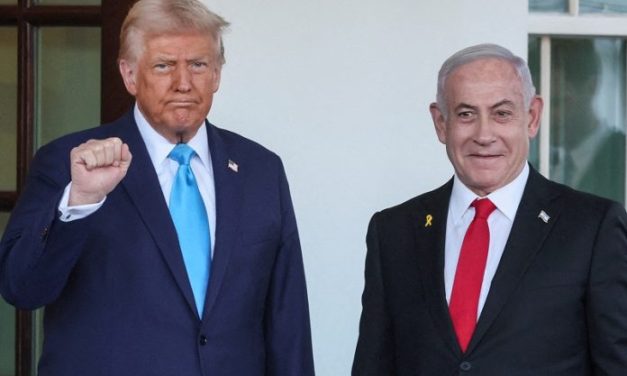
Iran’s Potential Levers of Power

SCFRonline– Opinion: Iran’s geopolitical power is not limited solely to oil and the Strait of Hormuz; the unintended emergence of disruptions in the future global food and energy security chains can also demonstrate Iran’s strategic importance.

The Inseparability of the Lebanese Front from the Axis of Resistance

SCFR Online–Opinion: By providing an extensive network of social, healthcare, educational, and post-war reconstruction services, Hezbollah has established a strong social base for itself among Lebanon’s Shiites and Sunnis, and even beyond that, among other segments of Lebanese society, including Christians. Hezbollah has never been an external actor imposed upon Lebanon; rather, it is a phenomenon fundamentally born out of the occupation and crimes of the Zionist regime and itself influenced by popular resistance.

The Increasing Efforts of the Zionist Regime to Redefine Borders and the Regional Order and Its Consequences

SCFR Online– Opinion: Security and military developments in the region over recent months indicate that the ongoing crises and wars in Gaza, southern Lebanon, and parts of Syrian territory encompass broader dimensions of geopolitical and geostrategic transformations. In this context, the increased military presence and control of the Zionist regime over parts of the territories of these areas, along with proposals regarding the creation of buffer zones or even the expansion of security borders, have raised serious questions about the future of the regional order and its consequences for the countries of West Asia.

Loading

Diplomacy

India’s Diplomatic Pivot from Washington to Beijing and Moscow

India’s Diplomatic Pivot from Washington to Beijing and Moscow

Strategic Council Online – Interview: An international affairs analyst stated that the United States’ imposition of 50% tariffs on Indian export goods has not only severely impacted the economic relations between the two countries but has also opened a new path in New Delhi’s foreign policy. While Washington has justified this move as “punishing” India for purchasing oil from Russia, the Narendra Modi government has called it unfair and emphasized the necessity of ensuring its country’s energy security. However, India’s reaction has not been limited to mere verbal statements; Modi’s visit to China and participation in the Shanghai Cooperation Organization summit can practically be assessed as a strategic pivot towards the East. Simultaneously, diplomatic exchanges among the three Asian powers have accelerated: China’s Foreign Minister visited New Delhi, his Indian counterpart went to Moscow, and Modi, in his meeting with Beijing’s leaders, sent a clear message of India’s desire for closer cooperation with Russia and China. In this context, the Indian Prime Minister’s lack of response to several phone calls from Trump suggests that New Delhi is redefining its foreign policy priorities in response to Washington’s pressure. Many analysts believe that India’s recent actions are not merely short-term reactions but rather a sign of a new balance of power forming in Asia’s equations.

The Role of Artificial Intelligence in Redefining Diplomacy in the Digital Age

The Role of Artificial Intelligence in Redefining Diplomacy in the Digital Age

Strategic Council Online– Opinion: From the past to the present, there has been a close relationship between technology and international relations. From the introduction of the steam engine to the emergence of the telephone and radio, significant milestones were achieved that enabled faster and more direct communication, reducing the need for intermediaries and diplomatic bureaucracy. The development and deployment of artificial intelligence (AI) systems also have the potential to transform various aspects of human life, much like climate change did decades ago in the international system. The reason AI impacts the international system, particularly in diplomacy, is that politics and political issues are among the most complex human behaviors, and this complexity reaches its peak in the international arena.

Dr. Araghchi at the “Foreign Relations in Artificial Intelligence Era” meeting: The Necessity of Influencing on Norms in the Artificial Intelligence Era

Dr. Araghchi at the “Foreign Relations in Artificial Intelligence Era” meeting: The Necessity of Influencing on Norms in the Artificial Intelligence Era

Strategic Council Online: Secretary of the Strategic Council on Foreign Relations said: It is necessary to be accurate about the category of artificial intelligence in the service of diplomacy and diplomacy at the service of artificial intelligence. Artificial intelligence is one of the needs of all diplomats today; because, compared to the past, the number of players in the international arena has greatly increased.

Researcher of digital governance explains in the seminar on “foreign relations in the age of artificial intelligence”:  Profound impacts of artificial intelligence on international relations

Researcher of digital governance explains in the seminar on “foreign relations in the age of artificial intelligence”: Profound impacts of artificial intelligence on international relations

Strategic Council Online: A researcher in the field of digital governance emphasized that under conditions where the eruption of plurality does not create any single narrative due to the dominance of artificial intelligence, the discussion of justice and the abandonment of a single discourse in the world causes Francis Fukuyama’s theory of the end of history to be questioned and assume its global distribution to be basically invalid. In this situation, we will never again be able to analyze the international political economy as before.

Sharif University of Technology lecturer at the “Foreign Relations in Artificial Intelligence Era” meeting: Need to determine data governance to benefit from artificial intelligence

Sharif University of Technology lecturer at the “Foreign Relations in Artificial Intelligence Era” meeting: Need to determine data governance to benefit from artificial intelligence

Strategic Council Online: A professor of Sharif University of Technology, referring to the performance of cognitive sciences and neurosciences in addition to quantum processing and artificial intelligence, stated: If we do not consider these three together, given the progress being made in the world, it is impossible for us to reach that stage, and this means that in such a case, we will only receive services; that means we will have to be subordinate in diplomacy; not only in diplomacy, but in all fields, we either have to be subservient, or we have to live like primitive humans.

Dr. Sattari at a meeting on “Discussing Foreign Relations in Artificial Intelligence Era”: The Necessity of Formulating Iran’s Strategy in Artificial Intelligence

Dr. Sattari at a meeting on “Discussing Foreign Relations in Artificial Intelligence Era”: The Necessity of Formulating Iran’s Strategy in Artificial Intelligence

Strategic Council Online: The head of the Science-Technology Commission of the Strategic Council on Foreign Relations, emphasizing the need to analyze strategies and achievements of artificial intelligence in the three dimensions of “investment,” “implementation,” and “innovation,” said: Each of the leading countries, have defined a main vision and strategy in the field of artificial intelligence for themselves, and considering the global division of labor, it is necessary to examine what this vision could be for Iran?

SCFR in specialized meetings examines; Foreign Relations in Artificial Intelligence Era

SCFR in specialized meetings examines; Foreign Relations in Artificial Intelligence Era

Strategic Council Online: The specialized meeting on “Foreign Relations in the Artificial Intelligence Era” was held on Tuesday, chaired by Dr. Sorena Sattari, head of the Science and Technology Commission of the Strategic Council on Foreign Relations. Dr. Saeed Seyed Agha Banihashemi, a faculty member of the School of International Relations of the Ministry of Foreign Affairs, Dr. Hamidreza Rabiei, a faculty member of the Department of Computer Engineering at the Sharif University of Technology, Dr. Saeed Chehrazad, a faculty member of Allameh Tabataba’i University, and Dr. Majid Nili Ahmadabadi, a faculty member of the School of Electrical and Computer Engineering, as well as Dr. Behzad Ahmadi Lafouraki, an expert in international cyberspace governance, were also present in that event. The meeting was held at the Strategic Council on Foreign Relations premises.

Consequences of Germany Supplying Heavy Weapons to Ukraine

Consequences of Germany Supplying Heavy Weapons to Ukraine

Strategic Council Online – Interview: An expert on international affairs saying that the West is seeking to supply more arms to Ukraine in order to ensure its stronger position at the negotiation table with Russia to end the war.

Objectives of Tense Actions of Trump’s Team on Final Days in White House

Objectives of Tense Actions of Trump’s Team on Final Days in White House

Strategic Council Online – An analyst at the Center for Strategic Studies of President’s Office said that those in the US administration who think of Israel’s interests will be happy to see a military confrontation with Iran on the last days of the Trump administration, adding: Trump’s team is trying to push political relations of Iran and the United States to a point of bitterness and tension the severity of which would not allow Mr. Biden to formulate a successful diplomacy with Iran.

Turkey’s Pendulum Foreign Policy

Turkey’s Pendulum Foreign Policy

Strategic Council Online – The pendulum feature of Turkey’s foreign policy has a high risk and will impose heavy costs on the Turkish structure in the event of an impasse in the enforcement of policies.
Ali Saadat Azar – Expert on Turkey’s affairs

ÚLTIMAS PUBLICACIONES

Consequences of Declining Trust in the Judiciary in Europe

SCFRonline – Opinion: The increase in public distrust of the French judicial system, which in recent surveys has reached approximately two-thirds of citizens, should be analyzed within a framework broader than temporary dissatisfaction or an emotional reaction to a particular criminal case.

Iran’s Potential Levers of Power

SCFRonline– Opinion: Iran’s geopolitical power is not limited solely to oil and the Strait of Hormuz; the unintended emergence of disruptions in the future global food and energy security chains can also demonstrate Iran’s strategic importance.

The Inseparability of the Lebanese Front from the Axis of Resistance

SCFR Online–Opinion: By providing an extensive network of social, healthcare, educational, and post-war reconstruction services, Hezbollah has established a strong social base for itself among Lebanon’s Shiites and Sunnis, and even beyond that, among other segments of Lebanese society, including Christians. Hezbollah has never been an external actor imposed upon Lebanon; rather, it is a phenomenon fundamentally born out of the occupation and crimes of the Zionist regime and itself influenced by popular resistance.

The Increasing Efforts of the Zionist Regime to Redefine Borders and the Regional Order and Its Consequences

SCFR Online– Opinion: Security and military developments in the region over recent months indicate that the ongoing crises and wars in Gaza, southern Lebanon, and parts of Syrian territory encompass broader dimensions of geopolitical and geostrategic transformations. In this context, the increased military presence and control of the Zionist regime over parts of the territories of these areas, along with proposals regarding the creation of buffer zones or even the expansion of security borders, have raised serious questions about the future of the regional order and its consequences for the countries of West Asia.

Loading