JCPOA and geopolitics of energy

2018/08/11 | Council, Strategic Analysis

Strategic Council Online - Roundtable: Norway's ambassador to Iran emphasizes that his country, in the same way as the European Union, will implement its commitments to Iran in accordance with JCPOA, and hopes that small Norwegian companies continue to work here, though a number of major Norwegian corporations have stopped their activities.

Norwegian ambassador, Lars Nordrum, participating at a session on JCPOA and Energy Geopolitics hosted by Iran’s Strategic Council on Foreign Relations Website (SCFR), said on August 5, 2018, that Norway is known in the world not only for its oil resources but also because of housing the world’s largest pension fund and development aid programs.

According to him, the Norwegian Retirement Fund absorbs oil revenues and helps the country’s economy by macro investment, including investment in various economic and development spheres, such as assistance to 9,000 small domestic companies.

Trade and politics are apart

On Oslo’s view on the role of energy in political and economic equations, Nordrum said that Norway pays particular attention to the security of consumer countries and that his country is the third-largest gas exporter in the world, supplying about 25% of Europe’s demand. He added that all of Norway’s gas is shipped to Europe while his country supplies 30% to 40% of gas consumption in countries such as Britain, Germany, etc.

“In recent years, oil has been used as a political leverage all over the world, but Norway’s foreign policy does not intend to use energy as a political clout,” he continued, adding that “In fact, Norway is not willing to tie up trade with politics. Rather, it helps other countries in the management of their energy resources.”

The future of Iran-Norway relations in the energy sector

On Iran-Norway cooperation in the field of energy, Nordrum said that Norwegian companies started their cooperation with the Iranian oil and gas industry since the 1980s. These companies have invested not only in the oil and gas industry but also in other related industries. According to him, such cooperation still continues, while a large number of Norwegian oil and gas corporations started their activities in Iran after JCPOA was concluded and resulted in a desirable optimism in this regard.

On the transfer of technology from Norway to Iran, he said that this has been going on for three decades, but it has declined to do so since the imposition of sanctions against Tehran. However, he said, hopes were raised after JCPOA, while some Norwegian companies came to Iran and continued their cooperation. Nordrum stressed that his country and its government believe there is no barrier to the transfer of their energy technology to Iran.

Referring to Norway’s stance on US withdrawal from JCPOA, the ambassador said: “Norway is subject to EU law. Therefore, Oslo’s commitment to JCPOA must continue.”

Energy developments tend to change from strategic to geopolitics

SCFR’s Director General, Dr Abdul Reza Faraji-Rad, also speaking at the meeting, talked about the significance of energy in the contemporary era and said: “energy development in today’s world is taking place very quickly, as one can say that these developments tend to change from strategic to geopolitics.”

“There was a time when the Persian Gulf oil had strategic importance for the United States, so much that all American industries would have been in trouble if the region’s oil had not been exported to the US. But today, if Saudi’s Aramco oil is not shipped to the United States, American industry would not undergo any significant problem. Rather, the US replaces the Saudi oil with its own oil production. Now, America is one of the major energy exporters in the world, including to Europe,” he explained.

Iran’s former ambassador to Norway also talked about the impact of oil on regional and global powers’ games and said: “Nowadays, energy is gaining geopolitical significance; that is, energy is largely politicized and the world countries are looking for their own interests; that is, energy is currently playing a role in political fields, including weakening rivals or winning elections. In the same vein, US President Donald Trump, forcefully threatens OPEC to lower oil prices, because if OPEC prices rise, the price of gas in the United States will increase, a development that can have an impact on the upcoming US election; therefore, energy as a geographic variable, plays a role in politics.”

Talking about the US change of viewpoint on energy parameters, Faraji-Rad, who is also university professor of geopolitics said: “For the United States, Persian Gulf’s energy has less strategic importance, but remains economically vital; that is, Washington needs part of the energy revenue of the regional countries so as to reimburse to the US’s export of American goods and weapons. In the same way, the US has gained huge sums of money through sowing discord between Iran and Arab countries.

On the future role of OPEC in the world’s oil equations, Faraji-Rad said that OPEC is in an evolving process and Russians intend to increase their role in oil trades by this evolution. On the other hand, he predicted, Saudi’s role in the future of OPEC will be diminished and Russia will play a greater role in the global energy sector as a major energy producer. According to him, Europeans do not want to be dependent solely on Russian energy but are willing to have diversified sources of energy. Also, they want Iran to remain as an energy exporter to Europe. The pipeline the Europeans consider to transfer Iranian energy to Europe is the transit route from Iran to Iraq, Syria and, ultimately, the Mediterranean region.
0 Comments

Submit a Comment

Your email address will not be published. Required fields are marked *

LATEST CONTENT

Commercial Exploitation of Peace; The Gaza Committee in Confrontation with International Legitimacy

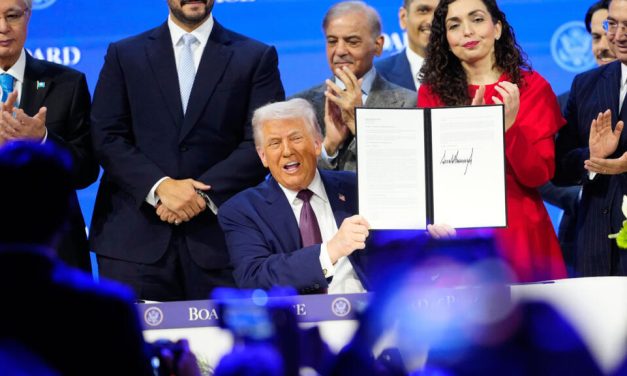
Strategic Council Online – Report: While the second phase of the implementation of the Gaza ceasefire has begun, the establishment of the “Peace Board” chaired by Donald Trump on the sidelines of the Davos meeting (22 January 2026) has become more than a technical mechanism for reconstruction and has turned into a test for the future of the international order.
Despite the signing of the charter by 22 out of 60 invited countries, the limited presence of global leaders at the Davos ceremony and the non-acceptance of this body by the European Union and key Western countries indicate a deep divide in global perceptions of the legitimacy of this mechanism.
In this report, drawing on the analysis of Hadi Borhani, a regional affairs expert, and international data, three strategic questions are addressed: Is the Peace Board an instrument for implementing UN Security Council Resolution 2803 or a substitute for the United Nations? How does the hierarchical architecture of this committee intensify executive challenges in Gaza? And finally, can this body create sustainable peace without the cooperation of Palestinians and with the concentration of power in the hands of a single individual?

America’s Zero-Sum Game in Iraq

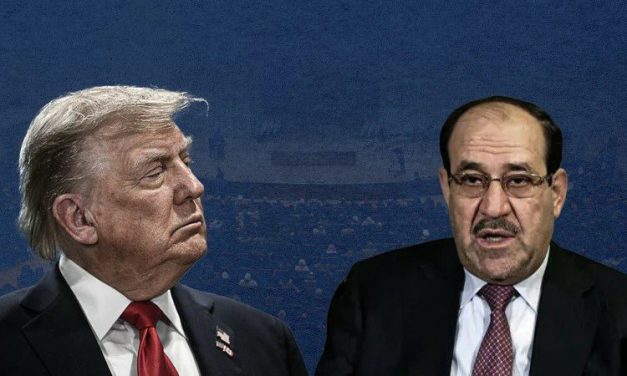
Online Strategic Council – Memoir: The swift selection of Nouri al-Maliki for the premiership constitutes a new phase in Iraq’s political sphere. Multiple factors have played a role in this process, the most important being the prevailing situation in Iraq and the region. Under such circumstances, Iraq requires a powerful and experienced prime minister who can keep the country away from the dangers of wars and crises.

America’s Strategy for Creating Tension in the Asia-Pacific

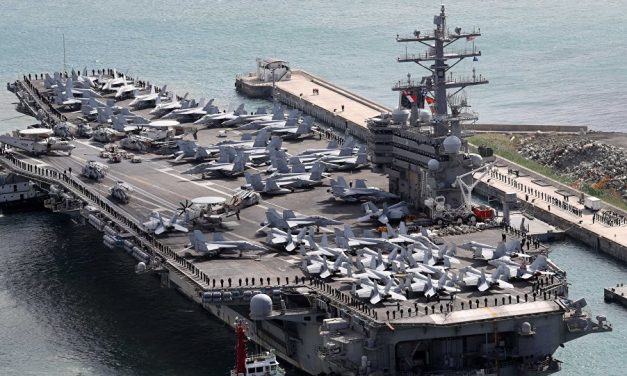
Strategic Council Online – Opinion: Relations between some countries in the Asia-Pacific region, such as China and Japan or China and Australia, which were previously relatively normal, are trending towards deterioration, and the primary reason for this is the aggressive policies of the United States of America.

The Collapse of the European Security Illusion with the Continuation of the Ukraine War?

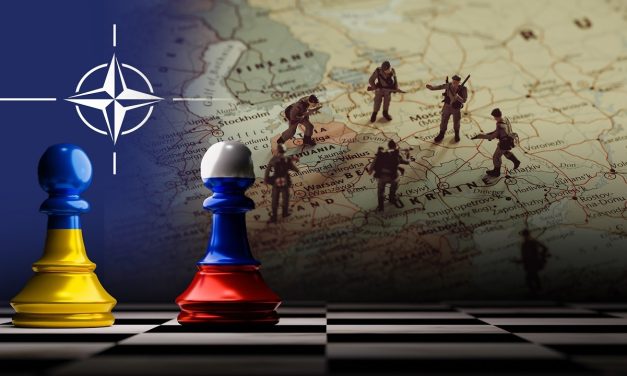
Strategic Council Online – Interview: The Ukraine war has become a new turning point in the political, security, and even commercial relations of allies on both sides of the Atlantic. While this war is nearing its fourth year, many questions still remain regarding its future and its consequences; among them, will the continuation of the Ukraine war lead to the collapse of the European security illusion?

Loading

Últimas publicaciones

Commercial Exploitation of Peace; The Gaza Committee in Confrontation with International Legitimacy

Strategic Council Online – Report: While the second phase of the implementation of the Gaza ceasefire has begun, the establishment of the “Peace Board” chaired by Donald Trump on the sidelines of the Davos meeting (22 January 2026) has become more than a technical mechanism for reconstruction and has turned into a test for the future of the international order.
Despite the signing of the charter by 22 out of 60 invited countries, the limited presence of global leaders at the Davos ceremony and the non-acceptance of this body by the European Union and key Western countries indicate a deep divide in global perceptions of the legitimacy of this mechanism.
In this report, drawing on the analysis of Hadi Borhani, a regional affairs expert, and international data, three strategic questions are addressed: Is the Peace Board an instrument for implementing UN Security Council Resolution 2803 or a substitute for the United Nations? How does the hierarchical architecture of this committee intensify executive challenges in Gaza? And finally, can this body create sustainable peace without the cooperation of Palestinians and with the concentration of power in the hands of a single individual?

America’s Zero-Sum Game in Iraq

Online Strategic Council – Memoir: The swift selection of Nouri al-Maliki for the premiership constitutes a new phase in Iraq’s political sphere. Multiple factors have played a role in this process, the most important being the prevailing situation in Iraq and the region. Under such circumstances, Iraq requires a powerful and experienced prime minister who can keep the country away from the dangers of wars and crises.

America’s Strategy for Creating Tension in the Asia-Pacific

Strategic Council Online – Opinion: Relations between some countries in the Asia-Pacific region, such as China and Japan or China and Australia, which were previously relatively normal, are trending towards deterioration, and the primary reason for this is the aggressive policies of the United States of America.

The Collapse of the European Security Illusion with the Continuation of the Ukraine War?

Strategic Council Online – Interview: The Ukraine war has become a new turning point in the political, security, and even commercial relations of allies on both sides of the Atlantic. While this war is nearing its fourth year, many questions still remain regarding its future and its consequences; among them, will the continuation of the Ukraine war lead to the collapse of the European security illusion?

Loading

DERNIER CONTENU

Commercial Exploitation of Peace; The Gaza Committee in Confrontation with International Legitimacy

Strategic Council Online – Report: While the second phase of the implementation of the Gaza ceasefire has begun, the establishment of the “Peace Board” chaired by Donald Trump on the sidelines of the Davos meeting (22 January 2026) has become more than a technical mechanism for reconstruction and has turned into a test for the future of the international order.
Despite the signing of the charter by 22 out of 60 invited countries, the limited presence of global leaders at the Davos ceremony and the non-acceptance of this body by the European Union and key Western countries indicate a deep divide in global perceptions of the legitimacy of this mechanism.
In this report, drawing on the analysis of Hadi Borhani, a regional affairs expert, and international data, three strategic questions are addressed: Is the Peace Board an instrument for implementing UN Security Council Resolution 2803 or a substitute for the United Nations? How does the hierarchical architecture of this committee intensify executive challenges in Gaza? And finally, can this body create sustainable peace without the cooperation of Palestinians and with the concentration of power in the hands of a single individual?

America’s Zero-Sum Game in Iraq

Online Strategic Council – Memoir: The swift selection of Nouri al-Maliki for the premiership constitutes a new phase in Iraq’s political sphere. Multiple factors have played a role in this process, the most important being the prevailing situation in Iraq and the region. Under such circumstances, Iraq requires a powerful and experienced prime minister who can keep the country away from the dangers of wars and crises.

America’s Strategy for Creating Tension in the Asia-Pacific

Strategic Council Online – Opinion: Relations between some countries in the Asia-Pacific region, such as China and Japan or China and Australia, which were previously relatively normal, are trending towards deterioration, and the primary reason for this is the aggressive policies of the United States of America.

The Collapse of the European Security Illusion with the Continuation of the Ukraine War?

Strategic Council Online – Interview: The Ukraine war has become a new turning point in the political, security, and even commercial relations of allies on both sides of the Atlantic. While this war is nearing its fourth year, many questions still remain regarding its future and its consequences; among them, will the continuation of the Ukraine war lead to the collapse of the European security illusion?

Loading

DERNIER CONTENU

Commercial Exploitation of Peace; The Gaza Committee in Confrontation with International Legitimacy

Strategic Council Online – Report: While the second phase of the implementation of the Gaza ceasefire has begun, the establishment of the “Peace Board” chaired by Donald Trump on the sidelines of the Davos meeting (22 January 2026) has become more than a technical mechanism for reconstruction and has turned into a test for the future of the international order.
Despite the signing of the charter by 22 out of 60 invited countries, the limited presence of global leaders at the Davos ceremony and the non-acceptance of this body by the European Union and key Western countries indicate a deep divide in global perceptions of the legitimacy of this mechanism.
In this report, drawing on the analysis of Hadi Borhani, a regional affairs expert, and international data, three strategic questions are addressed: Is the Peace Board an instrument for implementing UN Security Council Resolution 2803 or a substitute for the United Nations? How does the hierarchical architecture of this committee intensify executive challenges in Gaza? And finally, can this body create sustainable peace without the cooperation of Palestinians and with the concentration of power in the hands of a single individual?

America’s Zero-Sum Game in Iraq

Online Strategic Council – Memoir: The swift selection of Nouri al-Maliki for the premiership constitutes a new phase in Iraq’s political sphere. Multiple factors have played a role in this process, the most important being the prevailing situation in Iraq and the region. Under such circumstances, Iraq requires a powerful and experienced prime minister who can keep the country away from the dangers of wars and crises.

America’s Strategy for Creating Tension in the Asia-Pacific

Strategic Council Online – Opinion: Relations between some countries in the Asia-Pacific region, such as China and Japan or China and Australia, which were previously relatively normal, are trending towards deterioration, and the primary reason for this is the aggressive policies of the United States of America.

The Collapse of the European Security Illusion with the Continuation of the Ukraine War?

Strategic Council Online – Interview: The Ukraine war has become a new turning point in the political, security, and even commercial relations of allies on both sides of the Atlantic. While this war is nearing its fourth year, many questions still remain regarding its future and its consequences; among them, will the continuation of the Ukraine war lead to the collapse of the European security illusion?

Loading

DERNIER CONTENU

Commercial Exploitation of Peace; The Gaza Committee in Confrontation with International Legitimacy

Strategic Council Online – Report: While the second phase of the implementation of the Gaza ceasefire has begun, the establishment of the “Peace Board” chaired by Donald Trump on the sidelines of the Davos meeting (22 January 2026) has become more than a technical mechanism for reconstruction and has turned into a test for the future of the international order.
Despite the signing of the charter by 22 out of 60 invited countries, the limited presence of global leaders at the Davos ceremony and the non-acceptance of this body by the European Union and key Western countries indicate a deep divide in global perceptions of the legitimacy of this mechanism.
In this report, drawing on the analysis of Hadi Borhani, a regional affairs expert, and international data, three strategic questions are addressed: Is the Peace Board an instrument for implementing UN Security Council Resolution 2803 or a substitute for the United Nations? How does the hierarchical architecture of this committee intensify executive challenges in Gaza? And finally, can this body create sustainable peace without the cooperation of Palestinians and with the concentration of power in the hands of a single individual?

America’s Zero-Sum Game in Iraq

Online Strategic Council – Memoir: The swift selection of Nouri al-Maliki for the premiership constitutes a new phase in Iraq’s political sphere. Multiple factors have played a role in this process, the most important being the prevailing situation in Iraq and the region. Under such circumstances, Iraq requires a powerful and experienced prime minister who can keep the country away from the dangers of wars and crises.

America’s Strategy for Creating Tension in the Asia-Pacific

Strategic Council Online – Opinion: Relations between some countries in the Asia-Pacific region, such as China and Japan or China and Australia, which were previously relatively normal, are trending towards deterioration, and the primary reason for this is the aggressive policies of the United States of America.

The Collapse of the European Security Illusion with the Continuation of the Ukraine War?

Strategic Council Online – Interview: The Ukraine war has become a new turning point in the political, security, and even commercial relations of allies on both sides of the Atlantic. While this war is nearing its fourth year, many questions still remain regarding its future and its consequences; among them, will the continuation of the Ukraine war lead to the collapse of the European security illusion?

Loading