جدیدترین مطالب

The Zionist Regime’s Time Bomb Activated in the West Bank

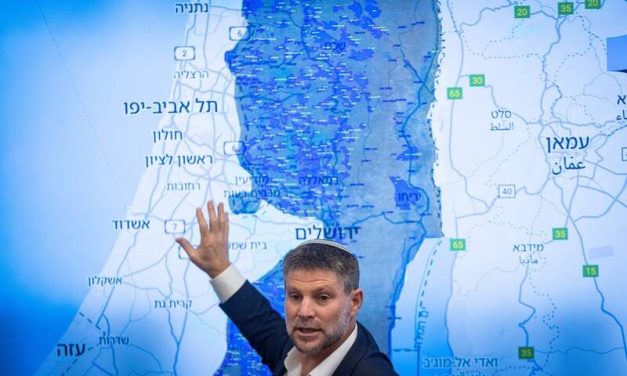
Strategic Council Online – Opinion: In the midst of America’s military deployment to West Asia and the Persian Gulf, which has increased tensions at the regional and global levels, the Zionist regime has seized the opportunity and accelerated the advancement of its ambitious projects, including the process of the illegal annexation of the West Bank to the occupied territories.

With the End of New START, How Will the Future of Nuclear Security Be Shaped?

Strategic Council Online – Opinion: With the collapse of the last pillar of nuclear arms control between Washington and Moscow, the world stands on the threshold of a ruleless order that both carries the scent of unlimited competition and conceals within itself the possibility of new forms of bargaining.

Loading

Defense & Security

Reasons for NATO’s Interest in a Military Partnership with Iraq

Reasons for NATO’s Interest in a Military Partnership with Iraq

Strategic Council Online – Interview: A West Asia affairs expert stated that Christoph Henzi, the new NATO commander in Iraq, recently emphasized the North Atlantic Treaty Organization’s (NATO) continued commitment to coordinating and cooperating with Iraqi military and security institutions through experience-sharing, advisory services, and capacity-building.

Prospect of Military Confrontation Between Yemen’s Ansarullah and the Zionist Regime

Prospect of Military Confrontation Between Yemen’s Ansarullah and the Zionist Regime

Strategic Council Online – Interview: A senior West Asia affairs analyst stated that the recent ceasefire agreement between Yemen’s Ansarullah and the U.S., mediated by Oman, led to the cessation of Ansarullah’s attacks on non-Israeli ships in the Red Sea and the suspension of American airstrikes. This agreement, reached after weeks of intense clashes—during which Ansarullah targeted the USS Harry Truman aircraft carrier with missile and drone attacks, inflicting over a billion dollars in losses on the U.S.—marks a turning point in Yemen’s strategic equations. Ansarullah’s military successes, from downing MQ-9 Reaper drones to missile strikes on Ben Gurion Airport, which halted its operations and sent millions of Zionists to shelters, have solidified its position as a key player in the Axis of Resistance.

Examining Some Opportunities for Iran’s Cooperation with the Persian Gulf States

Examining Some Opportunities for Iran’s Cooperation with the Persian Gulf States

Strategic Council Online– Opinion: The Persian Gulf, as one of the most sensitive geopolitical regions in the world, is an arena for competition among regional and transregional powers, where the security and national interests of the actors take priority. This region holds strategic importance due to its vast energy reserves and the key role it plays in global oil and gas trade.
However, threats like environmental issues, smuggling, and energy security risks have added new complexities to its security equations. Iran, with the longest coastline in the Persian Gulf and a strategic geographical position, must protect its interests in a tense environment where extra-regional actors like the United States play a destructive role. In this framework, cooperation in specific areas serves as a tool to mitigate threats and strengthen our position in the regional balance of power.

Intensification of U.S. Surveillance and Confrontation with China’s Threats; Trump’s Goal in Regaining Control of Bagram Air Base

Intensification of U.S. Surveillance and Confrontation with China’s Threats; Trump’s Goal in Regaining Control of Bagram Air Base

Strategic Council Online – Opinion: The recent speech by the U.S. President at the Al Udeid military base in Qatar contained a crucial point. For the umpteenth time in recent weeks, Trump, while criticizing the Biden administration’s policy of shutting down Bagram Air Base in Afghanistan as a mistake, emphasized: “We will keep Bagram Air Base. We will not let it go, because it is only an hour away from China.”

Prospect of Military Conflict Between Ansar Allah and the Israeli Regime

Prospect of Military Conflict Between Ansar Allah and the Israeli Regime

Strategic Council Online – Interview: A regional affairs expert stated that the months-long history of conflict between the Israeli regime and Ansar Allah has shown that the leaders and structure of Ansar Allah will not collapse, even with continued intense attacks by the U.S. and the Zionist regime, nor with the potential assassination and loss of their leaders. They will continue their resistance and warfare against the Israeli regime. In reality, the Yemeni resistance has demonstrated that the Israeli regime is incapable of defeating or pushing back Ansar Allah from their positions in support of the people of Gaza and Palestine.

EU’s Aspiration for Defense Autonomy and Responsibility

EU’s Aspiration for Defense Autonomy and Responsibility

Strategic Council Online – Interview: A senior European affairs analyst stated that the European Union needs military autonomy and responsibility to reduce its dependence on the United States and strengthen its defense capabilities. However, there are serious doubts about whether this can be achieved.

The necessity of Banning the Zionist Regime from Using  New Technologies in the Gaza War

The necessity of Banning the Zionist Regime from Using New Technologies in the Gaza War

Strategic Council Online – Opinion: Emerging technologies, especially “artificial intelligence,” are dual-purpose enabling phenomena with many potential applications and act like a “double-edged sword.” If they are used sensibly and appropriately, they can serve humanity’s greater comfort and tranquility in all dimensions. Otherwise, they become destructive tools that can add to the problems of life in human societies in a profound and far-reaching way and have “devastating consequences,” especially in wars and armed conflicts;
such as what the Zionist regime is using in the Gaza War.

أحدث الوظائف

The Zionist Regime’s Time Bomb Activated in the West Bank

Strategic Council Online – Opinion: In the midst of America’s military deployment to West Asia and the Persian Gulf, which has increased tensions at the regional and global levels, the Zionist regime has seized the opportunity and accelerated the advancement of its ambitious projects, including the process of the illegal annexation of the West Bank to the occupied territories.

With the End of New START, How Will the Future of Nuclear Security Be Shaped?

Strategic Council Online – Opinion: With the collapse of the last pillar of nuclear arms control between Washington and Moscow, the world stands on the threshold of a ruleless order that both carries the scent of unlimited competition and conceals within itself the possibility of new forms of bargaining.

Loading

Defense & Security

Reasons for NATO’s Interest in a Military Partnership with Iraq

Reasons for NATO’s Interest in a Military Partnership with Iraq

Strategic Council Online – Interview: A West Asia affairs expert stated that Christoph Henzi, the new NATO commander in Iraq, recently emphasized the North Atlantic Treaty Organization’s (NATO) continued commitment to coordinating and cooperating with Iraqi military and security institutions through experience-sharing, advisory services, and capacity-building.

Prospect of Military Confrontation Between Yemen’s Ansarullah and the Zionist Regime

Prospect of Military Confrontation Between Yemen’s Ansarullah and the Zionist Regime

Strategic Council Online – Interview: A senior West Asia affairs analyst stated that the recent ceasefire agreement between Yemen’s Ansarullah and the U.S., mediated by Oman, led to the cessation of Ansarullah’s attacks on non-Israeli ships in the Red Sea and the suspension of American airstrikes. This agreement, reached after weeks of intense clashes—during which Ansarullah targeted the USS Harry Truman aircraft carrier with missile and drone attacks, inflicting over a billion dollars in losses on the U.S.—marks a turning point in Yemen’s strategic equations. Ansarullah’s military successes, from downing MQ-9 Reaper drones to missile strikes on Ben Gurion Airport, which halted its operations and sent millions of Zionists to shelters, have solidified its position as a key player in the Axis of Resistance.

Examining Some Opportunities for Iran’s Cooperation with the Persian Gulf States

Examining Some Opportunities for Iran’s Cooperation with the Persian Gulf States

Strategic Council Online– Opinion: The Persian Gulf, as one of the most sensitive geopolitical regions in the world, is an arena for competition among regional and transregional powers, where the security and national interests of the actors take priority. This region holds strategic importance due to its vast energy reserves and the key role it plays in global oil and gas trade.
However, threats like environmental issues, smuggling, and energy security risks have added new complexities to its security equations. Iran, with the longest coastline in the Persian Gulf and a strategic geographical position, must protect its interests in a tense environment where extra-regional actors like the United States play a destructive role. In this framework, cooperation in specific areas serves as a tool to mitigate threats and strengthen our position in the regional balance of power.

Intensification of U.S. Surveillance and Confrontation with China’s Threats; Trump’s Goal in Regaining Control of Bagram Air Base

Intensification of U.S. Surveillance and Confrontation with China’s Threats; Trump’s Goal in Regaining Control of Bagram Air Base

Strategic Council Online – Opinion: The recent speech by the U.S. President at the Al Udeid military base in Qatar contained a crucial point. For the umpteenth time in recent weeks, Trump, while criticizing the Biden administration’s policy of shutting down Bagram Air Base in Afghanistan as a mistake, emphasized: “We will keep Bagram Air Base. We will not let it go, because it is only an hour away from China.”

Prospect of Military Conflict Between Ansar Allah and the Israeli Regime

Prospect of Military Conflict Between Ansar Allah and the Israeli Regime

Strategic Council Online – Interview: A regional affairs expert stated that the months-long history of conflict between the Israeli regime and Ansar Allah has shown that the leaders and structure of Ansar Allah will not collapse, even with continued intense attacks by the U.S. and the Zionist regime, nor with the potential assassination and loss of their leaders. They will continue their resistance and warfare against the Israeli regime. In reality, the Yemeni resistance has demonstrated that the Israeli regime is incapable of defeating or pushing back Ansar Allah from their positions in support of the people of Gaza and Palestine.

EU’s Aspiration for Defense Autonomy and Responsibility

EU’s Aspiration for Defense Autonomy and Responsibility

Strategic Council Online – Interview: A senior European affairs analyst stated that the European Union needs military autonomy and responsibility to reduce its dependence on the United States and strengthen its defense capabilities. However, there are serious doubts about whether this can be achieved.

The necessity of Banning the Zionist Regime from Using  New Technologies in the Gaza War

The necessity of Banning the Zionist Regime from Using New Technologies in the Gaza War

Strategic Council Online – Opinion: Emerging technologies, especially “artificial intelligence,” are dual-purpose enabling phenomena with many potential applications and act like a “double-edged sword.” If they are used sensibly and appropriately, they can serve humanity’s greater comfort and tranquility in all dimensions. Otherwise, they become destructive tools that can add to the problems of life in human societies in a profound and far-reaching way and have “devastating consequences,” especially in wars and armed conflicts;
such as what the Zionist regime is using in the Gaza War.

Defense & Security

Reasons for NATO’s Interest in a Military Partnership with Iraq

Reasons for NATO’s Interest in a Military Partnership with Iraq

Strategic Council Online – Interview: A West Asia affairs expert stated that Christoph Henzi, the new NATO commander in Iraq, recently emphasized the North Atlantic Treaty Organization’s (NATO) continued commitment to coordinating and cooperating with Iraqi military and security institutions through experience-sharing, advisory services, and capacity-building.

Prospect of Military Confrontation Between Yemen’s Ansarullah and the Zionist Regime

Prospect of Military Confrontation Between Yemen’s Ansarullah and the Zionist Regime

Strategic Council Online – Interview: A senior West Asia affairs analyst stated that the recent ceasefire agreement between Yemen’s Ansarullah and the U.S., mediated by Oman, led to the cessation of Ansarullah’s attacks on non-Israeli ships in the Red Sea and the suspension of American airstrikes. This agreement, reached after weeks of intense clashes—during which Ansarullah targeted the USS Harry Truman aircraft carrier with missile and drone attacks, inflicting over a billion dollars in losses on the U.S.—marks a turning point in Yemen’s strategic equations. Ansarullah’s military successes, from downing MQ-9 Reaper drones to missile strikes on Ben Gurion Airport, which halted its operations and sent millions of Zionists to shelters, have solidified its position as a key player in the Axis of Resistance.

Examining Some Opportunities for Iran’s Cooperation with the Persian Gulf States

Examining Some Opportunities for Iran’s Cooperation with the Persian Gulf States

Strategic Council Online– Opinion: The Persian Gulf, as one of the most sensitive geopolitical regions in the world, is an arena for competition among regional and transregional powers, where the security and national interests of the actors take priority. This region holds strategic importance due to its vast energy reserves and the key role it plays in global oil and gas trade.
However, threats like environmental issues, smuggling, and energy security risks have added new complexities to its security equations. Iran, with the longest coastline in the Persian Gulf and a strategic geographical position, must protect its interests in a tense environment where extra-regional actors like the United States play a destructive role. In this framework, cooperation in specific areas serves as a tool to mitigate threats and strengthen our position in the regional balance of power.

Intensification of U.S. Surveillance and Confrontation with China’s Threats; Trump’s Goal in Regaining Control of Bagram Air Base

Intensification of U.S. Surveillance and Confrontation with China’s Threats; Trump’s Goal in Regaining Control of Bagram Air Base

Strategic Council Online – Opinion: The recent speech by the U.S. President at the Al Udeid military base in Qatar contained a crucial point. For the umpteenth time in recent weeks, Trump, while criticizing the Biden administration’s policy of shutting down Bagram Air Base in Afghanistan as a mistake, emphasized: “We will keep Bagram Air Base. We will not let it go, because it is only an hour away from China.”

Prospect of Military Conflict Between Ansar Allah and the Israeli Regime

Prospect of Military Conflict Between Ansar Allah and the Israeli Regime

Strategic Council Online – Interview: A regional affairs expert stated that the months-long history of conflict between the Israeli regime and Ansar Allah has shown that the leaders and structure of Ansar Allah will not collapse, even with continued intense attacks by the U.S. and the Zionist regime, nor with the potential assassination and loss of their leaders. They will continue their resistance and warfare against the Israeli regime. In reality, the Yemeni resistance has demonstrated that the Israeli regime is incapable of defeating or pushing back Ansar Allah from their positions in support of the people of Gaza and Palestine.

EU’s Aspiration for Defense Autonomy and Responsibility

EU’s Aspiration for Defense Autonomy and Responsibility

Strategic Council Online – Interview: A senior European affairs analyst stated that the European Union needs military autonomy and responsibility to reduce its dependence on the United States and strengthen its defense capabilities. However, there are serious doubts about whether this can be achieved.

The necessity of Banning the Zionist Regime from Using  New Technologies in the Gaza War

The necessity of Banning the Zionist Regime from Using New Technologies in the Gaza War

Strategic Council Online – Opinion: Emerging technologies, especially “artificial intelligence,” are dual-purpose enabling phenomena with many potential applications and act like a “double-edged sword.” If they are used sensibly and appropriately, they can serve humanity’s greater comfort and tranquility in all dimensions. Otherwise, they become destructive tools that can add to the problems of life in human societies in a profound and far-reaching way and have “devastating consequences,” especially in wars and armed conflicts;
such as what the Zionist regime is using in the Gaza War.

LATEST CONTENT

The Zionist Regime’s Time Bomb Activated in the West Bank

Strategic Council Online – Opinion: In the midst of America’s military deployment to West Asia and the Persian Gulf, which has increased tensions at the regional and global levels, the Zionist regime has seized the opportunity and accelerated the advancement of its ambitious projects, including the process of the illegal annexation of the West Bank to the occupied territories.

With the End of New START, How Will the Future of Nuclear Security Be Shaped?

Strategic Council Online – Opinion: With the collapse of the last pillar of nuclear arms control between Washington and Moscow, the world stands on the threshold of a ruleless order that both carries the scent of unlimited competition and conceals within itself the possibility of new forms of bargaining.

Loading

Defense & Security

Reasons for NATO’s Interest in a Military Partnership with Iraq

Reasons for NATO’s Interest in a Military Partnership with Iraq

Strategic Council Online – Interview: A West Asia affairs expert stated that Christoph Henzi, the new NATO commander in Iraq, recently emphasized the North Atlantic Treaty Organization’s (NATO) continued commitment to coordinating and cooperating with Iraqi military and security institutions through experience-sharing, advisory services, and capacity-building.

Prospect of Military Confrontation Between Yemen’s Ansarullah and the Zionist Regime

Prospect of Military Confrontation Between Yemen’s Ansarullah and the Zionist Regime

Strategic Council Online – Interview: A senior West Asia affairs analyst stated that the recent ceasefire agreement between Yemen’s Ansarullah and the U.S., mediated by Oman, led to the cessation of Ansarullah’s attacks on non-Israeli ships in the Red Sea and the suspension of American airstrikes. This agreement, reached after weeks of intense clashes—during which Ansarullah targeted the USS Harry Truman aircraft carrier with missile and drone attacks, inflicting over a billion dollars in losses on the U.S.—marks a turning point in Yemen’s strategic equations. Ansarullah’s military successes, from downing MQ-9 Reaper drones to missile strikes on Ben Gurion Airport, which halted its operations and sent millions of Zionists to shelters, have solidified its position as a key player in the Axis of Resistance.

Examining Some Opportunities for Iran’s Cooperation with the Persian Gulf States

Examining Some Opportunities for Iran’s Cooperation with the Persian Gulf States

Strategic Council Online– Opinion: The Persian Gulf, as one of the most sensitive geopolitical regions in the world, is an arena for competition among regional and transregional powers, where the security and national interests of the actors take priority. This region holds strategic importance due to its vast energy reserves and the key role it plays in global oil and gas trade.
However, threats like environmental issues, smuggling, and energy security risks have added new complexities to its security equations. Iran, with the longest coastline in the Persian Gulf and a strategic geographical position, must protect its interests in a tense environment where extra-regional actors like the United States play a destructive role. In this framework, cooperation in specific areas serves as a tool to mitigate threats and strengthen our position in the regional balance of power.

Intensification of U.S. Surveillance and Confrontation with China’s Threats; Trump’s Goal in Regaining Control of Bagram Air Base

Intensification of U.S. Surveillance and Confrontation with China’s Threats; Trump’s Goal in Regaining Control of Bagram Air Base

Strategic Council Online – Opinion: The recent speech by the U.S. President at the Al Udeid military base in Qatar contained a crucial point. For the umpteenth time in recent weeks, Trump, while criticizing the Biden administration’s policy of shutting down Bagram Air Base in Afghanistan as a mistake, emphasized: “We will keep Bagram Air Base. We will not let it go, because it is only an hour away from China.”

Prospect of Military Conflict Between Ansar Allah and the Israeli Regime

Prospect of Military Conflict Between Ansar Allah and the Israeli Regime

Strategic Council Online – Interview: A regional affairs expert stated that the months-long history of conflict between the Israeli regime and Ansar Allah has shown that the leaders and structure of Ansar Allah will not collapse, even with continued intense attacks by the U.S. and the Zionist regime, nor with the potential assassination and loss of their leaders. They will continue their resistance and warfare against the Israeli regime. In reality, the Yemeni resistance has demonstrated that the Israeli regime is incapable of defeating or pushing back Ansar Allah from their positions in support of the people of Gaza and Palestine.

EU’s Aspiration for Defense Autonomy and Responsibility

EU’s Aspiration for Defense Autonomy and Responsibility

Strategic Council Online – Interview: A senior European affairs analyst stated that the European Union needs military autonomy and responsibility to reduce its dependence on the United States and strengthen its defense capabilities. However, there are serious doubts about whether this can be achieved.

The necessity of Banning the Zionist Regime from Using  New Technologies in the Gaza War

The necessity of Banning the Zionist Regime from Using New Technologies in the Gaza War

Strategic Council Online – Opinion: Emerging technologies, especially “artificial intelligence,” are dual-purpose enabling phenomena with many potential applications and act like a “double-edged sword.” If they are used sensibly and appropriately, they can serve humanity’s greater comfort and tranquility in all dimensions. Otherwise, they become destructive tools that can add to the problems of life in human societies in a profound and far-reaching way and have “devastating consequences,” especially in wars and armed conflicts;
such as what the Zionist regime is using in the Gaza War.

ÚLTIMAS PUBLICACIONES

The Zionist Regime’s Time Bomb Activated in the West Bank

Strategic Council Online – Opinion: In the midst of America’s military deployment to West Asia and the Persian Gulf, which has increased tensions at the regional and global levels, the Zionist regime has seized the opportunity and accelerated the advancement of its ambitious projects, including the process of the illegal annexation of the West Bank to the occupied territories.

With the End of New START, How Will the Future of Nuclear Security Be Shaped?

Strategic Council Online – Opinion: With the collapse of the last pillar of nuclear arms control between Washington and Moscow, the world stands on the threshold of a ruleless order that both carries the scent of unlimited competition and conceals within itself the possibility of new forms of bargaining.

Loading

Defense & Security

Reasons for NATO’s Interest in a Military Partnership with Iraq

Reasons for NATO’s Interest in a Military Partnership with Iraq

Strategic Council Online – Interview: A West Asia affairs expert stated that Christoph Henzi, the new NATO commander in Iraq, recently emphasized the North Atlantic Treaty Organization’s (NATO) continued commitment to coordinating and cooperating with Iraqi military and security institutions through experience-sharing, advisory services, and capacity-building.

Prospect of Military Confrontation Between Yemen’s Ansarullah and the Zionist Regime

Prospect of Military Confrontation Between Yemen’s Ansarullah and the Zionist Regime

Strategic Council Online – Interview: A senior West Asia affairs analyst stated that the recent ceasefire agreement between Yemen’s Ansarullah and the U.S., mediated by Oman, led to the cessation of Ansarullah’s attacks on non-Israeli ships in the Red Sea and the suspension of American airstrikes. This agreement, reached after weeks of intense clashes—during which Ansarullah targeted the USS Harry Truman aircraft carrier with missile and drone attacks, inflicting over a billion dollars in losses on the U.S.—marks a turning point in Yemen’s strategic equations. Ansarullah’s military successes, from downing MQ-9 Reaper drones to missile strikes on Ben Gurion Airport, which halted its operations and sent millions of Zionists to shelters, have solidified its position as a key player in the Axis of Resistance.

Examining Some Opportunities for Iran’s Cooperation with the Persian Gulf States

Examining Some Opportunities for Iran’s Cooperation with the Persian Gulf States

Strategic Council Online– Opinion: The Persian Gulf, as one of the most sensitive geopolitical regions in the world, is an arena for competition among regional and transregional powers, where the security and national interests of the actors take priority. This region holds strategic importance due to its vast energy reserves and the key role it plays in global oil and gas trade.
However, threats like environmental issues, smuggling, and energy security risks have added new complexities to its security equations. Iran, with the longest coastline in the Persian Gulf and a strategic geographical position, must protect its interests in a tense environment where extra-regional actors like the United States play a destructive role. In this framework, cooperation in specific areas serves as a tool to mitigate threats and strengthen our position in the regional balance of power.

Intensification of U.S. Surveillance and Confrontation with China’s Threats; Trump’s Goal in Regaining Control of Bagram Air Base

Intensification of U.S. Surveillance and Confrontation with China’s Threats; Trump’s Goal in Regaining Control of Bagram Air Base

Strategic Council Online – Opinion: The recent speech by the U.S. President at the Al Udeid military base in Qatar contained a crucial point. For the umpteenth time in recent weeks, Trump, while criticizing the Biden administration’s policy of shutting down Bagram Air Base in Afghanistan as a mistake, emphasized: “We will keep Bagram Air Base. We will not let it go, because it is only an hour away from China.”

Prospect of Military Conflict Between Ansar Allah and the Israeli Regime

Prospect of Military Conflict Between Ansar Allah and the Israeli Regime

Strategic Council Online – Interview: A regional affairs expert stated that the months-long history of conflict between the Israeli regime and Ansar Allah has shown that the leaders and structure of Ansar Allah will not collapse, even with continued intense attacks by the U.S. and the Zionist regime, nor with the potential assassination and loss of their leaders. They will continue their resistance and warfare against the Israeli regime. In reality, the Yemeni resistance has demonstrated that the Israeli regime is incapable of defeating or pushing back Ansar Allah from their positions in support of the people of Gaza and Palestine.

EU’s Aspiration for Defense Autonomy and Responsibility

EU’s Aspiration for Defense Autonomy and Responsibility

Strategic Council Online – Interview: A senior European affairs analyst stated that the European Union needs military autonomy and responsibility to reduce its dependence on the United States and strengthen its defense capabilities. However, there are serious doubts about whether this can be achieved.

The necessity of Banning the Zionist Regime from Using  New Technologies in the Gaza War

The necessity of Banning the Zionist Regime from Using New Technologies in the Gaza War

Strategic Council Online – Opinion: Emerging technologies, especially “artificial intelligence,” are dual-purpose enabling phenomena with many potential applications and act like a “double-edged sword.” If they are used sensibly and appropriately, they can serve humanity’s greater comfort and tranquility in all dimensions. Otherwise, they become destructive tools that can add to the problems of life in human societies in a profound and far-reaching way and have “devastating consequences,” especially in wars and armed conflicts;
such as what the Zionist regime is using in the Gaza War.

ÚLTIMAS PUBLICACIONES

The Zionist Regime’s Time Bomb Activated in the West Bank

Strategic Council Online – Opinion: In the midst of America’s military deployment to West Asia and the Persian Gulf, which has increased tensions at the regional and global levels, the Zionist regime has seized the opportunity and accelerated the advancement of its ambitious projects, including the process of the illegal annexation of the West Bank to the occupied territories.

With the End of New START, How Will the Future of Nuclear Security Be Shaped?

Strategic Council Online – Opinion: With the collapse of the last pillar of nuclear arms control between Washington and Moscow, the world stands on the threshold of a ruleless order that both carries the scent of unlimited competition and conceals within itself the possibility of new forms of bargaining.

Loading

Defense & Security

Reasons for NATO’s Interest in a Military Partnership with Iraq

Reasons for NATO’s Interest in a Military Partnership with Iraq

Strategic Council Online – Interview: A West Asia affairs expert stated that Christoph Henzi, the new NATO commander in Iraq, recently emphasized the North Atlantic Treaty Organization’s (NATO) continued commitment to coordinating and cooperating with Iraqi military and security institutions through experience-sharing, advisory services, and capacity-building.

Prospect of Military Confrontation Between Yemen’s Ansarullah and the Zionist Regime

Prospect of Military Confrontation Between Yemen’s Ansarullah and the Zionist Regime

Strategic Council Online – Interview: A senior West Asia affairs analyst stated that the recent ceasefire agreement between Yemen’s Ansarullah and the U.S., mediated by Oman, led to the cessation of Ansarullah’s attacks on non-Israeli ships in the Red Sea and the suspension of American airstrikes. This agreement, reached after weeks of intense clashes—during which Ansarullah targeted the USS Harry Truman aircraft carrier with missile and drone attacks, inflicting over a billion dollars in losses on the U.S.—marks a turning point in Yemen’s strategic equations. Ansarullah’s military successes, from downing MQ-9 Reaper drones to missile strikes on Ben Gurion Airport, which halted its operations and sent millions of Zionists to shelters, have solidified its position as a key player in the Axis of Resistance.

Examining Some Opportunities for Iran’s Cooperation with the Persian Gulf States

Examining Some Opportunities for Iran’s Cooperation with the Persian Gulf States

Strategic Council Online– Opinion: The Persian Gulf, as one of the most sensitive geopolitical regions in the world, is an arena for competition among regional and transregional powers, where the security and national interests of the actors take priority. This region holds strategic importance due to its vast energy reserves and the key role it plays in global oil and gas trade.
However, threats like environmental issues, smuggling, and energy security risks have added new complexities to its security equations. Iran, with the longest coastline in the Persian Gulf and a strategic geographical position, must protect its interests in a tense environment where extra-regional actors like the United States play a destructive role. In this framework, cooperation in specific areas serves as a tool to mitigate threats and strengthen our position in the regional balance of power.

Intensification of U.S. Surveillance and Confrontation with China’s Threats; Trump’s Goal in Regaining Control of Bagram Air Base

Intensification of U.S. Surveillance and Confrontation with China’s Threats; Trump’s Goal in Regaining Control of Bagram Air Base

Strategic Council Online – Opinion: The recent speech by the U.S. President at the Al Udeid military base in Qatar contained a crucial point. For the umpteenth time in recent weeks, Trump, while criticizing the Biden administration’s policy of shutting down Bagram Air Base in Afghanistan as a mistake, emphasized: “We will keep Bagram Air Base. We will not let it go, because it is only an hour away from China.”

Prospect of Military Conflict Between Ansar Allah and the Israeli Regime

Prospect of Military Conflict Between Ansar Allah and the Israeli Regime

Strategic Council Online – Interview: A regional affairs expert stated that the months-long history of conflict between the Israeli regime and Ansar Allah has shown that the leaders and structure of Ansar Allah will not collapse, even with continued intense attacks by the U.S. and the Zionist regime, nor with the potential assassination and loss of their leaders. They will continue their resistance and warfare against the Israeli regime. In reality, the Yemeni resistance has demonstrated that the Israeli regime is incapable of defeating or pushing back Ansar Allah from their positions in support of the people of Gaza and Palestine.

EU’s Aspiration for Defense Autonomy and Responsibility

EU’s Aspiration for Defense Autonomy and Responsibility

Strategic Council Online – Interview: A senior European affairs analyst stated that the European Union needs military autonomy and responsibility to reduce its dependence on the United States and strengthen its defense capabilities. However, there are serious doubts about whether this can be achieved.

The necessity of Banning the Zionist Regime from Using  New Technologies in the Gaza War

The necessity of Banning the Zionist Regime from Using New Technologies in the Gaza War

Strategic Council Online – Opinion: Emerging technologies, especially “artificial intelligence,” are dual-purpose enabling phenomena with many potential applications and act like a “double-edged sword.” If they are used sensibly and appropriately, they can serve humanity’s greater comfort and tranquility in all dimensions. Otherwise, they become destructive tools that can add to the problems of life in human societies in a profound and far-reaching way and have “devastating consequences,” especially in wars and armed conflicts;
such as what the Zionist regime is using in the Gaza War.

ÚLTIMAS PUBLICACIONES

The Zionist Regime’s Time Bomb Activated in the West Bank

Strategic Council Online – Opinion: In the midst of America’s military deployment to West Asia and the Persian Gulf, which has increased tensions at the regional and global levels, the Zionist regime has seized the opportunity and accelerated the advancement of its ambitious projects, including the process of the illegal annexation of the West Bank to the occupied territories.

With the End of New START, How Will the Future of Nuclear Security Be Shaped?

Strategic Council Online – Opinion: With the collapse of the last pillar of nuclear arms control between Washington and Moscow, the world stands on the threshold of a ruleless order that both carries the scent of unlimited competition and conceals within itself the possibility of new forms of bargaining.

Loading

Defense & Security

Reasons for NATO’s Interest in a Military Partnership with Iraq

Reasons for NATO’s Interest in a Military Partnership with Iraq

Strategic Council Online – Interview: A West Asia affairs expert stated that Christoph Henzi, the new NATO commander in Iraq, recently emphasized the North Atlantic Treaty Organization’s (NATO) continued commitment to coordinating and cooperating with Iraqi military and security institutions through experience-sharing, advisory services, and capacity-building.

Prospect of Military Confrontation Between Yemen’s Ansarullah and the Zionist Regime

Prospect of Military Confrontation Between Yemen’s Ansarullah and the Zionist Regime

Strategic Council Online – Interview: A senior West Asia affairs analyst stated that the recent ceasefire agreement between Yemen’s Ansarullah and the U.S., mediated by Oman, led to the cessation of Ansarullah’s attacks on non-Israeli ships in the Red Sea and the suspension of American airstrikes. This agreement, reached after weeks of intense clashes—during which Ansarullah targeted the USS Harry Truman aircraft carrier with missile and drone attacks, inflicting over a billion dollars in losses on the U.S.—marks a turning point in Yemen’s strategic equations. Ansarullah’s military successes, from downing MQ-9 Reaper drones to missile strikes on Ben Gurion Airport, which halted its operations and sent millions of Zionists to shelters, have solidified its position as a key player in the Axis of Resistance.

Examining Some Opportunities for Iran’s Cooperation with the Persian Gulf States

Examining Some Opportunities for Iran’s Cooperation with the Persian Gulf States

Strategic Council Online– Opinion: The Persian Gulf, as one of the most sensitive geopolitical regions in the world, is an arena for competition among regional and transregional powers, where the security and national interests of the actors take priority. This region holds strategic importance due to its vast energy reserves and the key role it plays in global oil and gas trade.
However, threats like environmental issues, smuggling, and energy security risks have added new complexities to its security equations. Iran, with the longest coastline in the Persian Gulf and a strategic geographical position, must protect its interests in a tense environment where extra-regional actors like the United States play a destructive role. In this framework, cooperation in specific areas serves as a tool to mitigate threats and strengthen our position in the regional balance of power.

Intensification of U.S. Surveillance and Confrontation with China’s Threats; Trump’s Goal in Regaining Control of Bagram Air Base

Intensification of U.S. Surveillance and Confrontation with China’s Threats; Trump’s Goal in Regaining Control of Bagram Air Base

Strategic Council Online – Opinion: The recent speech by the U.S. President at the Al Udeid military base in Qatar contained a crucial point. For the umpteenth time in recent weeks, Trump, while criticizing the Biden administration’s policy of shutting down Bagram Air Base in Afghanistan as a mistake, emphasized: “We will keep Bagram Air Base. We will not let it go, because it is only an hour away from China.”

Prospect of Military Conflict Between Ansar Allah and the Israeli Regime

Prospect of Military Conflict Between Ansar Allah and the Israeli Regime

Strategic Council Online – Interview: A regional affairs expert stated that the months-long history of conflict between the Israeli regime and Ansar Allah has shown that the leaders and structure of Ansar Allah will not collapse, even with continued intense attacks by the U.S. and the Zionist regime, nor with the potential assassination and loss of their leaders. They will continue their resistance and warfare against the Israeli regime. In reality, the Yemeni resistance has demonstrated that the Israeli regime is incapable of defeating or pushing back Ansar Allah from their positions in support of the people of Gaza and Palestine.

EU’s Aspiration for Defense Autonomy and Responsibility

EU’s Aspiration for Defense Autonomy and Responsibility

Strategic Council Online – Interview: A senior European affairs analyst stated that the European Union needs military autonomy and responsibility to reduce its dependence on the United States and strengthen its defense capabilities. However, there are serious doubts about whether this can be achieved.

The necessity of Banning the Zionist Regime from Using  New Technologies in the Gaza War

The necessity of Banning the Zionist Regime from Using New Technologies in the Gaza War

Strategic Council Online – Opinion: Emerging technologies, especially “artificial intelligence,” are dual-purpose enabling phenomena with many potential applications and act like a “double-edged sword.” If they are used sensibly and appropriately, they can serve humanity’s greater comfort and tranquility in all dimensions. Otherwise, they become destructive tools that can add to the problems of life in human societies in a profound and far-reaching way and have “devastating consequences,” especially in wars and armed conflicts;
such as what the Zionist regime is using in the Gaza War.

ÚLTIMAS PUBLICACIONES

The Zionist Regime’s Time Bomb Activated in the West Bank

Strategic Council Online – Opinion: In the midst of America’s military deployment to West Asia and the Persian Gulf, which has increased tensions at the regional and global levels, the Zionist regime has seized the opportunity and accelerated the advancement of its ambitious projects, including the process of the illegal annexation of the West Bank to the occupied territories.

With the End of New START, How Will the Future of Nuclear Security Be Shaped?

Strategic Council Online – Opinion: With the collapse of the last pillar of nuclear arms control between Washington and Moscow, the world stands on the threshold of a ruleless order that both carries the scent of unlimited competition and conceals within itself the possibility of new forms of bargaining.

Loading